
Understanding Serotonin Transporters: Their Role in Depression and SSRIs

Welcome to Mind Care Guide, a space dedicated to nurturing your mental well-being. Feeling lost in the complex landscape of mental health? You're not alone. We understand the struggles, and we're here to illuminate the path forward.
Ever wondered how your brain chemicals influence your mood? Our in-depth exploration of Serotonin transporter depression treatment starts now, shedding light on the crucial role these tiny proteins play and offering a deeper understanding of how SSRIs can help. Ready to unravel the mysteries of your mind and take a proactive step towards a brighter future? Let's begin.
Understanding Serotonin Transporters: Their Role in Depression and SSRIs
- Introduction to Serotonin and its Role in Mood Regulation
- What are Serotonin Transporters (SERT)?
- The Link Between Serotonin Transporter Dysfunction and Depression
- SSRIs: Selective Serotonin Reuptake Inhibitors and Serotonin Transporters
- Serotonin Transporter Depression Treatment: SSRIs and Beyond
- The Role of Serotonin Transporters in Treatment-Resistant Depression
- Serotonin Transporter Imaging and Research
- Factors Affecting Serotonin Transporter Function
- Beyond Depression: Serotonin Transporters and Other Mental Health Conditions
- Conclusion: The Significance of Serotonin Transporters in Mental Health
-
Frequently Asked Questions
- What is a serotonin transporter, and why is it important in understanding depression?
- How are serotonin transporters related to SSRIs (Selective Serotonin Reuptake Inhibitors)?
- Can problems with serotonin transporters directly cause depression?
- What are the different ways serotonin transporter activity can be assessed in depression treatment?
- Besides SSRIs, are there other treatment approaches that target serotonin transporters for depression?
- Final Reflection: The Serotonin Transporter and the Path to Well-being
- Unlock Your Understanding of Serotonin: Take the Next Step
Introduction to Serotonin and its Role in Mood Regulation
Serotonin, a crucial neurotransmitter, plays a multifaceted role in the human brain and body. Often dubbed the "feel-good" chemical, its influence extends far beyond simply regulating mood. It is involved in a wide array of physiological processes, including sleep patterns, appetite control, digestion, blood clotting, and even bone health. However, its most widely recognized function in the context of mental health is its profound impact on mood, emotional stability, and overall well-being. Understanding how serotonin functions is fundamental to grasping the mechanisms behind conditions like depression and the treatments designed to address them.
The Importance of Serotonin in Mental Well-being
Serotonin's presence and activity within specific brain circuits are critical for maintaining emotional balance and resilience. Optimal serotonin levels are associated with feelings of calmness, focus, and contentment. Conversely, disruptions in serotonin signaling have been strongly implicated in the development of various mental health conditions, most notably major depressive disorder. Research consistently highlights that imbalances or dysfunctions in the serotonergic system can contribute to persistent low mood, anhedonia (loss of interest or pleasure), irritability, and other debilitating symptoms characteristic of depression.
Studies, for instance, have frequently observed altered serotonin metabolite levels in the cerebrospinal fluid of individuals with depression compared to healthy controls. While not a direct measure of brain serotonin release, these findings historically pointed towards a potential deficit or dysregulation in serotonin activity. Furthermore, challenging the serotonergic system with specific agents in susceptible individuals can sometimes induce depressive symptoms, reinforcing the link between this neurotransmitter and mood regulation. The intricate network of serotonin pathways underscores its vital importance in governing our emotional landscape and cognitive functions.
Overview of Serotonin's Function in the Brain
In the brain, serotonin acts by transmitting signals between nerve cells (neurons) across tiny gaps called synapses. When a serotonin-producing neuron is activated, it releases serotonin molecules into the synaptic cleft. These molecules then bind to specific receptors on the receiving neuron, triggering a response. There are at least 14 different types of serotonin receptors (5-HT receptors), each with varying functions and locations throughout the brain and body, allowing serotonin to exert diverse effects depending on which receptors it activates.
Once serotonin has transmitted its signal, it must be cleared from the synaptic cleft to allow for future signaling and prevent overstimulation. The primary mechanism for this clearance is reuptake, a process where specialized transporter proteins on the presynaptic neuron membrane pump the serotonin molecules back into the neuron that released them. Here, serotonin can be repackaged into vesicles for future release or broken down by enzymes. This reuptake mechanism is a critical regulatory step, determining how long serotonin remains active in the synapse and thus influencing the strength and duration of the signal it transmits.
What are Serotonin Transporters (SERT)?
Definition and Function of SERT
Serotonin Transporters, often abbreviated as SERT or 5-HTT (for 5-hydroxytryptamine transporter), are integral membrane proteins responsible for the reuptake of serotonin from the synaptic cleft back into the presynaptic neuron. Think of them as molecular vacuum cleaners specifically designed to collect serotonin. This reuptake mechanism is the primary way the brain terminates serotonin signaling and regulates the concentration of serotonin available to bind to postsynaptic receptors.
The function of SERT is absolutely critical for the proper functioning of the serotonergic system. By efficiently clearing serotonin from the synapse, SERT ensures that neuronal signaling is precise and transient. This tight regulation prevents excessive or prolonged stimulation of postsynaptic neurons, which could lead to cellular dysfunction or desensitization of serotonin receptors. The rate and efficiency at which SERT transports serotonin directly influence the overall level of serotonin activity in specific brain regions, thereby playing a significant role in modulating mood, behavior, and cognitive processes.
Location of Serotonin Transporters in the Brain
SERT proteins are predominantly found on the membranes of neurons that produce and release serotonin, particularly in the presynaptic terminals within the synaptic cleft. These serotonin-producing neurons originate primarily from clusters of cells in the brainstem, specifically the raphe nuclei. From the raphe nuclei, these neurons project widely throughout the brain, reaching areas involved in mood, emotion, cognition, and behavior.
Consequently, SERT proteins are distributed across numerous brain regions innervated by these serotonergic projections. High concentrations of SERT are found in areas like the amygdala (involved in processing emotions like fear), the hippocampus (memory and learning), the prefrontal cortex (executive functions, decision-making), the cingulate cortex (emotion and cognitive control), and the basal ganglia (motor control and reward). The widespread distribution of SERT reflects the pervasive influence of serotonin across diverse brain functions and explains why disruptions in SERT function can have broad effects on mental health.
How SERT Regulates Serotonin Levels in the Synapse
The primary role of SERT is to control the concentration of serotonin in the synaptic cleft. After serotonin is released from the presynaptic neuron into the synapse, it interacts with receptors on the postsynaptic neuron. SERT then actively transports these serotonin molecules from the extracellular space back into the presynaptic neuron's cytoplasm, using energy derived from ion gradients (specifically, co-transporting sodium and chloride ions and counter-transporting potassium ions).
The rate of SERT activity directly impacts how long serotonin remains available to activate postsynaptic receptors. If SERT is highly active, serotonin is quickly cleared, resulting in a shorter, less intense signal. If SERT activity is reduced, serotonin lingers in the synapse for a longer duration, potentially leading to increased receptor activation and a stronger, more prolonged signal.
This dynamic regulation by SERT is crucial for fine-tuning the responsiveness of serotonergic pathways and ensuring proper communication between neurons. Dysregulation of this reuptake process, whether due to genetic factors, environmental influences, or other pathology, can lead to altered synaptic serotonin levels, contributing to conditions like depression.
The Link Between Serotonin Transporter Dysfunction and Depression
Serotonin Transporter Gene Polymorphisms and Depression Risk
Genetic variations in the gene that codes for the serotonin transporter, known as SLC6A4, have been extensively studied for their potential link to depression risk. One of the most widely researched polymorphisms is located in the promoter region of the gene, affecting its expression level. This polymorphism exists in different forms, commonly referred to as the "short" (S) and "long" (L) variants. Individuals carrying one or two copies of the S allele are often found to have lower levels of SERT expression compared to those with two L alleles.
Research suggests that having the S allele might be associated with increased vulnerability to depression, particularly when combined with stressful life events. For example, some studies have indicated that individuals with the S/S or S/L genotype of the SLC6A4 promoter polymorphism are more likely to develop depression following significant life stressors compared to individuals with the L/L genotype exposed to similar stress levels.
While the findings are not universally consistent across all populations and studies, this gene-environment interaction hypothesis highlights how genetic predispositions affecting serotonin transporter function can modulate an individual's resilience to adversity and their risk of developing depression.
Reduced Serotonin Transporter Binding in Depressed Individuals
Neuroimaging studies, particularly using Positron Emission Tomography (PET) and Single-Photon Emission Computed Tomography (SPECT), have provided valuable insights into SERT availability in the brains of individuals with depression. These techniques use radiolabeled ligands that specifically bind to SERT, allowing researchers to quantify the density or binding potential of these transporters in different brain regions.
Multiple studies using these imaging modalities have reported findings of reduced SERT binding potential in various brain areas of individuals diagnosed with major depressive disorder compared to healthy control groups. Regions frequently implicated include the amygdala, cingulate cortex, thalamus, and brainstem raphe nuclei. While the magnitude of reduction can vary, estimates from meta-analyses sometimes suggest a reduction in SERT availability of approximately 10-30% in specific regions in depressed individuals. These findings suggest that a lower number or reduced function of serotonin transporters might contribute to altered serotonin signaling and the pathophysiology of depression.
The Impact of SERT Availability on Mood and Emotional Regulation
The availability and function of serotonin transporters directly influence the concentration of serotonin in the synaptic cleft, which in turn affects how strongly and for how long serotonin signals are transmitted. Reduced SERT availability, whether due to genetic factors or other influences, means that less serotonin is cleared from the synapse. Intuitively, one might expect this to lead to increased synaptic serotonin and therefore potentially improved mood. However, the relationship is more complex and involves adaptive changes in the serotonergic system over time.
Chronic alterations in SERT function can lead to downstream effects on serotonin receptors and overall circuit activity. For instance, persistent changes in synaptic serotonin levels might eventually lead to desensitization or downregulation of postsynaptic serotonin receptors, diminishing the overall impact of serotonin signaling despite potentially higher synaptic concentrations. Conversely, increased SERT activity could lead to excessively rapid serotonin clearance, reducing synaptic serotonin levels below optimal levels necessary for effective signaling and mood regulation.
The precise balance of SERT activity is crucial for maintaining healthy serotonergic tone and supporting stable mood and effective emotional processing. Thus, dysregulation of SERT availability, in either direction, can disrupt this balance and contribute to mood disorders.
SSRIs: Selective Serotonin Reuptake Inhibitors and Serotonin Transporters
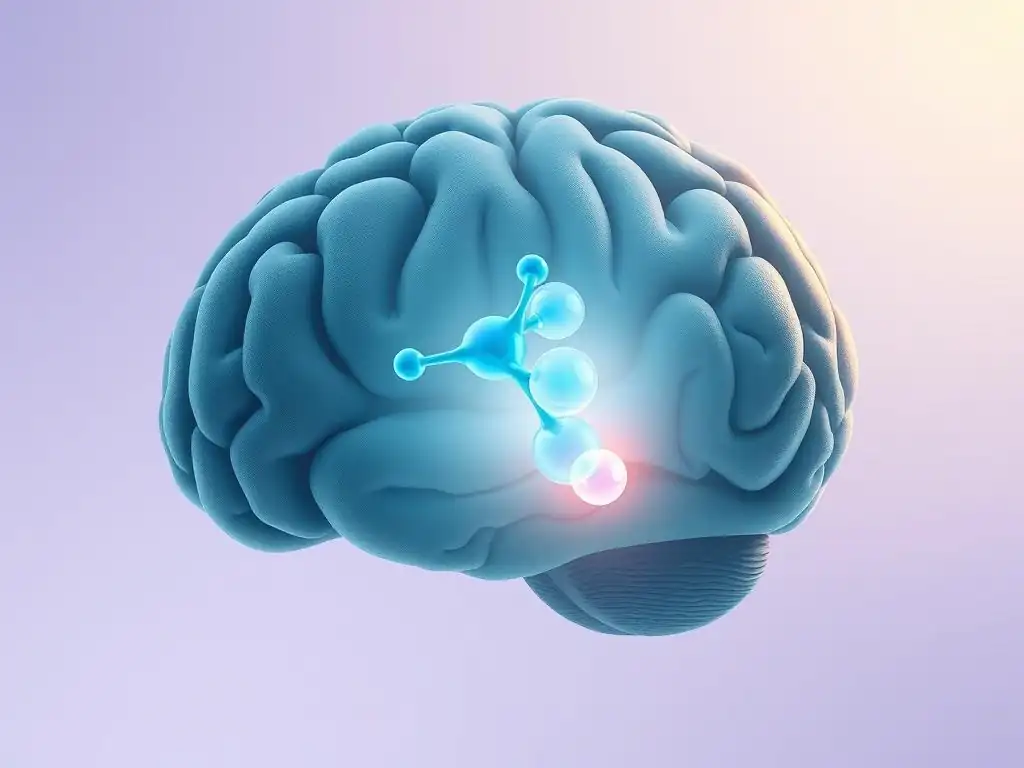
How SSRIs Work: Blocking Serotonin Reuptake
Selective Serotonin Reuptake Inhibitors, or SSRIs, are the most commonly prescribed class of antidepressants for the treatment of major depressive disorder and various anxiety disorders. Their primary mechanism of action revolves around targeting the serotonin transporter (SERT). Unlike older antidepressants that affected multiple neurotransmitters, SSRIs are designed to be highly selective in inhibiting the reuptake of serotonin, hence their name.
When an SSRI medication is taken, its active compounds are absorbed into the bloodstream and travel to the brain. There, they bind to the SERT protein on the presynaptic neuron. This binding effectively blocks the site where serotonin molecules would normally attach for reuptake. By occupying the transporter, the SSRI prevents SERT from pumping serotonin back into the presynaptic neuron from the synaptic cleft.
The Mechanism of Action of SSRIs on SERT
The interaction between SSRIs and SERT is competitive inhibition. The SSRI molecule fits into the serotonin binding site or an allosteric site on the transporter, preventing serotonin from being transported across the membrane. Different SSRIs (such as fluoxetine, sertraline, paroxetine, citalopram, escitalopram, and fluvoxamine) have slightly different chemical structures and binding affinities for SERT, which might contribute to variations in their effectiveness, side effect profiles, and interactions with other medications or receptors.
Upon binding to SERT, the SSRI molecule essentially disables the transporter's ability to perform its reuptake function. This blockage is not permanent; the SSRI molecules eventually detach from the transporter, allowing it to resume function, but while the SSRI is present in sufficient concentration, a significant proportion of SERT sites remain occupied and inhibited. The degree of SERT occupancy by an SSRI correlates with its therapeutic effect, with studies often showing that achieving a high percentage of SERT occupancy (e.g., above 80%) is typically required for optimal antidepressant response.
Increasing Serotonin Availability in the Synapse with SSRIs
By blocking the reuptake of serotonin via SERT, SSRIs cause serotonin molecules to remain in the synaptic cleft for a longer period and at higher concentrations than they would otherwise. This increased dwelling time and concentration allows serotonin more opportunities to bind to and activate postsynaptic serotonin receptors. The immediate effect of SSRI administration is this increase in synaptic serotonin levels.
However, the therapeutic effects of SSRIs on mood are typically not immediate; they often take several weeks (typically 2 to 4 weeks or even longer) to fully manifest. This delay suggests that the antidepressant effect is not solely due to the acute increase in synaptic serotonin. Instead, it is believed to involve slower, adaptive changes in the brain that occur as a result of chronically elevated serotonin signaling.
These changes can include alterations in the sensitivity or number of serotonin receptors, changes in gene expression, increased production of neurotrophic factors like BDNF (Brain-Derived Neurotrophic Factor), and potentially the growth of new neurons (neurogenesis) in areas like the hippocampus. Thus, SSRIs initiate a cascade of events by targeting the serotonin transporter, ultimately leading to neurobiological changes that alleviate depressive symptoms.
Serotonin Transporter Depression Treatment: SSRIs and Beyond
The Effectiveness of SSRIs in Treating Depression
SSRIs are considered first-line pharmacological treatments for moderate to severe major depressive disorder in many clinical guidelines. Numerous clinical trials have demonstrated their efficacy compared to placebo in reducing depressive symptoms. While response rates vary among individuals, studies generally indicate that a significant proportion of patients experience a clinical improvement with SSRI treatment. For instance, approximately 40-60% of individuals treated with an SSRI may achieve remission (a significant reduction or absence of symptoms) within 6-12 weeks of starting treatment, though response rates can be higher in clinical trials than in real-world settings.
The effectiveness of SSRIs can also depend on the severity and type of depression. They tend to be more clearly effective in moderate to severe depression than in mild cases. While SSRIs are a cornerstone of serotonin transporter depression treatment, it's important to note that they are not effective for everyone. A substantial percentage of patients may not respond adequately to the first SSRI prescribed, highlighting the need for alternative strategies or combination therapies.
Benefits of SSRIs in Managing Depressive Symptoms
Beyond their primary effect on mood, SSRIs offer several benefits in managing the broader spectrum of depressive symptoms. By enhancing serotonin signaling, they can help improve energy levels, restore interest in activities (reducing anhedonia), regulate sleep patterns, and improve appetite, which are often disrupted in depression. They can also reduce feelings of anxiety and irritability that frequently co-occur with depression.
Furthermore, SSRIs are generally considered safer and better tolerated than older classes of antidepressants, such as tricyclic antidepressants (TCAs) and monoamine oxidase inhibitors (MAOIs), which have more significant side effects and interaction risks. This improved safety profile contributes to their widespread use as a primary serotonin transporter depression treatment option. Their relative ease of use and lower toxicity in overdose situations make them a preferred choice for many clinicians and patients.
Potential Side Effects and Considerations of SSRI Treatment
While generally well-tolerated, SSRIs can cause a range of side effects, especially during the initial weeks of treatment as the body adjusts. Common side effects may include gastrointestinal issues like nausea, diarrhea, or constipation (affecting perhaps 10-25% initially), insomnia or drowsiness, headaches, and restlessness or agitation. These often subside with continued use.
A notable and sometimes persistent side effect category is sexual dysfunction, which can include reduced libido, difficulty achieving orgasm, or erectile dysfunction, potentially affecting a significant percentage of users, sometimes over 50% depending on the specific SSRI and dose. Other potential side effects include weight changes, increased sweating, and, less commonly, increased anxiety or suicidal thoughts, particularly in young adults at the very start of treatment – hence the need for close monitoring.
Stopping SSRIs abruptly can also lead to discontinuation syndrome, characterized by flu-like symptoms, dizziness, nausea, and sensory disturbances, emphasizing the importance of tapering the dose under medical supervision. Despite these potential drawbacks, for many individuals, the benefits of effective serotonin transporter depression treatment outweigh the side effects.
The Role of Serotonin Transporters in Treatment-Resistant Depression
Exploring Alternative Treatments for Depression
Treatment-resistant depression (TRD) is defined as major depressive disorder that does not respond adequately to at least two different antidepressant trials of sufficient dose and duration. This poses a significant challenge, affecting approximately 20-30% of individuals with depression. For these patients, therapies that primarily target SERT, like SSRIs, may not provide sufficient relief, highlighting the need to explore alternative treatment approaches that work through different mechanisms or target other neurotransmitter systems (e.g., norepinephrine, dopamine, glutamate).
Alternative pharmacological strategies for TRD include switching to a different class of antidepressant (like SNRIs, bupropion, or mirtazapine), augmenting the current antidepressant with another medication (such as atypical antipsychotics, lithium, or thyroid hormone), or using newer agents like ketamine or esketamine, which primarily modulate the glutamate system but may also indirectly influence monoaminergic pathways. Non-pharmacological treatments such as psychotherapy (like Cognitive Behavioral Therapy or Dialectical Behavior Therapy), neuromodulation techniques (like Transcranial Magnetic Stimulation (TMS) or Electroconvulsive Therapy (ECT)), and lifestyle interventions are also crucial components in managing TRD.
Investigating Serotonin Transporter Density and SSRI Response
Research continues to investigate whether baseline SERT levels or changes in SERT function can predict response to SSRI treatment. Some studies using imaging techniques have explored whether individuals with certain patterns of SERT availability are more or less likely to benefit from SSRIs. For example, some findings suggest that individuals with lower baseline SERT binding potential in certain brain regions might have a poorer response to SSRI therapy compared to those with higher binding potential, although results are not entirely consistent.
Understanding the relationship between SERT density and SSRI response is complex. If depression is associated with reduced SERT availability (as some imaging studies suggest), then blocking the remaining transporters with an SSRI might have a different impact than if SERT levels were normal or elevated.
Furthermore, genetic variations in the SLC6A4 gene affecting SERT expression have also been studied as potential predictors of SSRI response, but results have been mixed, and these genetic tests are not yet used routinely in clinical practice for predicting antidepressant efficacy. Further research is needed to clarify how individual differences in serotonin transporter function influence the effectiveness of serotonin transporter depression treatment.
The Future of Serotonin-Based Therapies for Depression
Despite the challenges of TRD, research into the serotonergic system, including SERT, continues to evolve. While SSRIs remain a mainstay, future serotonin-based therapies may move beyond simply blocking reuptake. This could involve developing compounds that modulate specific serotonin receptor subtypes (agonists or antagonists), target different aspects of serotonin synthesis or metabolism, or influence the way SERT itself is regulated or expressed.
For instance, some novel compounds are being investigated that act on specific serotonin receptors believed to be involved in mood regulation, potentially offering more targeted effects with fewer side effects. Additionally, research into the complex interplay between serotonin and other neurotransmitter systems (like glutamate, dopamine, and GABA) may lead to combination therapies or drugs with multimodal actions that address depression more comprehensively, including in cases of TRD. Understanding the nuanced role of the serotonin transporter depression treatment landscape will continue to be crucial in developing these next-generation therapies.
Serotonin Transporter Imaging and Research
Using PET and SPECT Scans to Visualize SERT
Positron Emission Tomography (PET) and Single-Photon Emission Computed Tomography (SPECT) are advanced neuroimaging techniques that allow researchers and clinicians to visualize and quantify the distribution and availability of specific molecules in the living brain, including serotonin transporters. These techniques involve injecting a small amount of a radioactive tracer molecule (a radioligand) that is designed to selectively bind to SERT proteins.
Once injected, the radioligand travels through the bloodstream to the brain and binds to the available SERT sites. The scanner then detects the radiation emitted by the tracer, and sophisticated software is used to create images showing where the tracer has accumulated, reflecting the density or binding potential of SERT in different brain regions. Common radioligands used for SERT imaging include [11C]DASB, [11C]CMTDA, and [123I]β-CIT. These imaging methods have been invaluable in research to study differences in SERT availability in various psychiatric conditions, assess the effects of drugs that interact with SERT, and investigate the long-term impact of treatment.
Understanding SERT Occupancy and Treatment Outcomes
SERT imaging plays a crucial role in understanding how medications like SSRIs work in the brain. By performing PET or SPECT scans before and after a patient starts SSRI treatment, researchers can measure the percentage of SERT binding sites that are occupied by the drug. This is known as SERT occupancy.
Studies have consistently shown a strong correlation between the dose of an SSRI and the level of SERT occupancy achieved. Furthermore, research suggests that a certain threshold of SERT occupancy is generally required for an optimal clinical response in depression. For many SSRIs, studies indicate that achieving approximately 80% or higher occupancy of SERT sites is often associated with a better likelihood of clinical improvement.
Monitoring SERT occupancy in research settings helps determine appropriate therapeutic doses and understand individual variability in drug metabolism and distribution. While not typically used in routine clinical practice, understanding SERT occupancy provides critical mechanistic insight into serotonin transporter depression treatment effectiveness.
The Impact of SERT Research on Depression Treatment Strategies
Research utilizing SERT imaging and genetic studies has significantly advanced our understanding of the biological underpinnings of depression and the mechanisms of antidepressant action. Identifying that reduced SERT availability is associated with depression in some individuals has reinforced the rationale for targeting the serotonergic system in treatment. Demonstrating that SSRIs achieve therapeutic effects by blocking SERT and increasing synaptic serotonin has provided strong evidence for their mechanism.
This research has also highlighted the complexity of the serotonergic system and the limitations of simply targeting reuptake for all patients. The findings regarding gene polymorphisms, variable treatment response, and the existence of treatment-resistant depression underscore the need for more personalized approaches to serotonin transporter depression treatment. Future strategies may involve using biomarkers (potentially including imaging or genetic markers related to SERT) to predict treatment response, developing novel drugs that target different aspects of the serotonergic system or related pathways, or combining pharmacological treatments with other modalities based on an individual's specific neurobiological profile.
Factors Affecting Serotonin Transporter Function
The Influence of Stress on SERT Expression
Chronic stress is a well-established risk factor for depression, and research indicates that it can significantly impact the serotonergic system, including SERT function and expression. Studies in both animals and humans have shown that exposure to chronic stress can alter the levels of SERT protein and mRNA in various brain regions.
For instance, some animal models of chronic stress have demonstrated increased SERT expression in certain areas, which could potentially lead to excessive serotonin reuptake and reduced synaptic serotonin levels. Conversely, other studies have found decreased SERT expression in different contexts.
The specific effects of stress on SERT appear to be complex and can depend on the type, duration, and timing of the stressor, as well as the specific brain region examined. This dynamic interplay between stress and SERT highlights one potential mechanism by which environmental factors can influence the biological vulnerability to depression and impact the effectiveness of serotonin transporter depression treatment.
Diet and Lifestyle's Impact on Serotonin Levels and Transporters
While the direct impact of diet and lifestyle on brain SERT levels is still an active area of research, there is evidence that these factors can influence overall serotonin synthesis, metabolism, and potentially transporter function. Serotonin is synthesized from the amino acid tryptophan, which is obtained through diet. While consuming tryptophan doesn't guarantee increased brain serotonin due to the blood-brain barrier, a diet deficient in tryptophan can potentially limit serotonin production.
Beyond tryptophan, the gut microbiome, which is influenced by diet, plays a significant role in producing various neuroactive compounds, including some that interact with the serotonergic system. Exercise has also been shown to influence neurotransmitter systems, including serotonin, and may indirectly affect transporter function or overall serotonergic tone.
While these lifestyle factors may not directly alter SERT protein structure, they can impact the environment in which SERT operates and the overall availability of serotonin, thereby influencing the efficacy of the serotonergic system. Maintaining a balanced diet rich in nutrients and engaging in regular physical activity are generally recommended as supportive measures for mental well-being, potentially complementing serotonin transporter depression treatment.
Genetic and Environmental Factors Influencing SERT Activity
As discussed earlier, genetic variations in the SLC6A4 gene, particularly the promoter region polymorphism, are a significant factor influencing baseline SERT expression levels. Individuals inherit different versions of this gene, leading to inherent differences in how many SERT proteins their neurons produce. This genetic predisposition creates a baseline level of SERT activity that can influence an individual's vulnerability to mood disorders.
However, environmental factors interact with this genetic background. Stress, as mentioned, can modulate SERT expression. Early life experiences, such as childhood trauma or neglect, have also been associated with long-lasting alterations in the serotonergic system, including changes in SERT function and density in adulthood. This gene-environment interaction is a key concept in understanding the complex etiology of depression and why some individuals are more susceptible than others. Both inherited traits and life experiences contribute to the overall function of the serotonin transporter, impacting mental health and influencing the potential response to serotonin transporter depression treatment.
Beyond Depression: Serotonin Transporters and Other Mental Health Conditions
SERT's Role in Anxiety Disorders
While prominently linked to depression, the serotonin transporter also plays a significant role in the pathophysiology and treatment of various anxiety disorders. Conditions such as Generalized Anxiety Disorder (GAD), Social Anxiety Disorder (SAD), Panic Disorder, and Post-Traumatic Stress Disorder (PTSD) are frequently treated with SSRIs, underscoring the involvement of the serotonergic system, including SERT, in their mechanisms.
Research suggests that alterations in SERT availability or function may contribute to the heightened fear responses, excessive worry, and avoidance behaviors characteristic of anxiety disorders. For example, some studies have reported differences in SERT binding potential in brain regions involved in processing fear and anxiety, such as the amygdala, in individuals with these conditions. The effectiveness of SSRIs in reducing anxiety symptoms is attributed to their ability to block SERT, increasing synaptic serotonin levels in relevant brain circuits, which over time can lead to adaptive changes that dampen excessive anxiety responses.
Serotonin Transporters and Obsessive-Compulsive Disorder (OCD)
Obsessive-Compulsive Disorder (OCD) is another condition where the serotonergic system and SERT are strongly implicated. Like depression and anxiety disorders, SSRIs are a primary pharmacological treatment for OCD, often requiring higher doses and longer treatment durations than for depression. This therapeutic response to SSRIs provides compelling evidence for the involvement of serotonin reuptake mechanisms in OCD.
Neuroimaging studies in individuals with OCD have sometimes revealed alterations in SERT binding in specific brain regions, particularly those involved in executive function, habit formation, and emotional regulation, such as the basal ganglia and orbitofrontal cortex. While the exact nature of SERT dysfunction in OCD is still being fully elucidated, the effectiveness of SSRIs in reducing the frequency and intensity of obsessions and compulsions by enhancing serotonin signaling highlights the critical role of the serotonin transporter in this disorder.
The Connection Between SERT and Other Mood Disorders
Beyond major depressive disorder, SERT and the serotonergic system are also relevant in understanding and treating other mood disorders, such as Bipolar Disorder. While the pathophysiology of Bipolar Disorder is complex and involves multiple neurotransmitter systems (including dopamine and norepinephrine), disruptions in serotonin signaling can contribute to both depressive and manic/hypomanic episodes.
SSRIs are sometimes used in the treatment of bipolar depression, often in combination with mood stabilizers, to avoid potentially triggering manic episodes. Research into SERT function and genetics in Bipolar Disorder is ongoing, with some studies exploring whether variations in the SLC6A4 gene or altered SERT availability might influence illness course or treatment response in individuals with bipolar illness. Understanding the role of SERT across the spectrum of mood disorders provides a more comprehensive view of its importance in regulating emotional states and underscores its significance in mental health.
Conclusion: The Significance of Serotonin Transporters in Mental Health
Summarizing the Role of SERT in Depression
Serotonin transporters (SERT) are essential proteins responsible for clearing serotonin from the synaptic cleft, thereby regulating the intensity and duration of serotonergic signaling. This precise control of synaptic serotonin levels is fundamental for maintaining healthy mood and emotional stability. Dysfunction or alterations in SERT activity, whether due to genetic factors (like SLC6A4 polymorphisms), environmental influences (such as chronic stress), or other biological processes, can disrupt this delicate balance and contribute significantly to the pathophysiology of major depressive disorder. Research has demonstrated associations between reduced SERT availability in certain brain regions and depression, providing a biological link between the transporter and the illness.
The Importance of Understanding SERT for Effective Treatment
A deep understanding of SERT's function and its role in depression is crucial for developing and implementing effective serotonin transporter depression treatment strategies. The success of Selective Serotonin Reuptake Inhibitors (SSRIs) as a cornerstone treatment for depression and anxiety disorders directly stems from their ability to target and inhibit SERT.
By blocking serotonin reuptake, SSRIs increase synaptic serotonin, leading to downstream adaptive changes in the brain that alleviate symptoms. Recognizing that individual differences in SERT function (influenced by genetics and environment) can impact treatment response helps explain why SSRIs are not universally effective and underscores the need for personalized approaches.
Future Directions in Serotonin Transporter Depression Treatment
The field of serotonin transporter depression treatment is continuously evolving. While SSRIs remain vital, ongoing research into SERT and the broader serotonergic system is paving the way for future advancements. This includes exploring novel compounds that modulate SERT or serotonin receptors in more targeted ways, investigating the potential of using SERT-related biomarkers (like imaging data or genetic profiles) to predict treatment response, and developing integrated treatment approaches that combine pharmacological interventions with psychotherapy and neuromodulation techniques.
Addressing treatment-resistant depression requires moving beyond single-target strategies and considering the complex interplay of factors influencing SERT function and overall brain health. Ultimately, a comprehensive understanding of the serotonin transporter's intricate role offers hope for more effective and personalized treatments for depression and other mental health conditions in the future.
Frequently Asked Questions
What is a serotonin transporter, and why is it important in understanding depression?
A serotonin transporter is a protein that regulates serotonin levels in the brain. Its function directly impacts mood regulation, making it crucial in understanding depression.
SSRIs work by blocking serotonin transporters, which increases the amount of serotonin available in the brain. This increased serotonin availability can help alleviate symptoms of depression.
Can problems with serotonin transporters directly cause depression?
While not the only cause, dysfunction or variations in serotonin transporters can contribute to the development of depression. Genetic factors and environmental influences also play a role.
What are the different ways serotonin transporter activity can be assessed in depression treatment?
Researchers use brain imaging techniques like PET scans to measure serotonin transporter levels. Also, genetic testing can identify variations in the SLC6A4 gene, which codes for the serotonin transporter.
Besides SSRIs, are there other treatment approaches that target serotonin transporters for depression?
While SSRIs are the most common, research is exploring other medications and therapies that modulate serotonin transporter function. These include alternative antidepressants and neuromodulation techniques.
Final Reflection: The Serotonin Transporter and the Path to Well-being
Understanding the serotonin transporter is not merely an academic exercise; it's a crucial step towards developing more effective and personalized treatments for depression. The intricate role this protein plays in regulating mood underscores the complexity of mental health and the urgent need for continued research in this area. The implications of this understanding extend far beyond the laboratory, impacting the lives of millions struggling with this debilitating condition.
The ongoing research into serotonin transporters has profoundly shaped our understanding of depression and its treatment, shifting the paradigm from a purely chemical imbalance to a more nuanced perspective that considers the intricate interplay of genetics, environment, and neurobiology. The brain is the most complex organ in the body, and understanding its intricacies is crucial to developing effective treatments for mental illness.
This quote highlights the ongoing journey of discovery and the importance of continued exploration in this field. My own journey in researching this topic has underscored the human cost of inadequate treatment and the immense potential for improved therapies based on a deeper understanding of the serotonin transporter.
Now, consider your own mental well-being. What steps can you take to support your serotonin system? This might involve seeking professional help, exploring lifestyle changes like regular exercise and a balanced diet, or simply engaging in activities that bring you joy and a sense of purpose. Remember, understanding the science behind mental health empowers you to take proactive steps towards a healthier and happier life. The journey towards well-being is a personal one, but armed with knowledge, you can navigate it with greater confidence and hope.
Unlock Your Understanding of Serotonin: Take the Next Step
Thanks for taking the time to explore the fascinating world of serotonin transporters and their impact on depression and SSRI treatments! We hope you gained valuable insights into this complex area of mental health. Now, let's put that knowledge to work.
- Dive deeper into the research: Explore reputable sources like the National Institute of Mental Health (NIMH) website for further information on serotonin and depression treatments. This will allow you to build on the foundation you've already established.
- Share your thoughts: What surprised you most about the role of serotonin transporters? Start a discussion in the comments below – sharing your insights could help others understand this important topic.
- Consider journaling your experience: Reflect on how this new knowledge might impact your understanding of mental health, both personally and for those around you. This personal reflection can be surprisingly powerful.
Ready to continue learning and fostering a better understanding of your mental well-being? What further steps will you take to explore this topic?