
The Interconnected Trio: How PFC, Executive Function, and Depression Relate

Welcome to Mind Care Guide, a space dedicated to understanding and nurturing your mental well-being.
Feeling like your thoughts are scattered, your focus is fading, and the weight of depression feels heavier than ever? You're not alone. In this article, we delve into the fascinating and crucial PFC depression executive function connection, exploring how these three elements intertwine and impact your daily life. Could understanding this relationship be the key to unlocking a path towards clarity and improved mental health? Let's explore together.
The Interconnected Trio: How PFC, Executive Function, and Depression Relate
- Introduction: Understanding the PFC, Executive Function, and Depression Connection
- The Prefrontal Cortex (PFC) and Depression: A Deep Dive
-
Executive Function Deficits in Depression: Unpacking the Relationship
- How Depression Impairs Executive Function Skills
- Specific Executive Function Challenges in Individuals with Depression: Difficulty Initiating Tasks
- Specific Executive Function Challenges in Individuals with Depression: Impaired Decision-Making
- Specific Executive Function Challenges in Individuals with Depression: Reduced Self-Monitoring
- The PFC, Executive Function, and Depression: A Vicious Cycle?
-
Strategies to Improve PFC Function and Executive Function in Depression
- Therapies Targeting PFC Activity: Transcranial Direct Current Stimulation (tDCS)
- Cognitive Training for Executive Function Improvement in Depressed Individuals
- Lifestyle Interventions to Support PFC Health and Reduce Depressive Symptoms: Regular Sleep Schedule and Social Engagement
- Mindfulness and Meditation: Enhancing PFC Function and Emotional Regulation
- Medication and its Impact on the PFC, Executive Function, and Depression
- Conclusion: Breaking the Cycle and Fostering Mental Well-being through PFC and Executive Function Support
-
Frequently Asked Questions
- What is the PFC in the context of depression and executive function?
- How does executive function relate to depression?
- What is the "PFC depression executive function connection" and why is it important?
- Can depression directly impact the functionality of the prefrontal cortex?
- What are some strategies to improve both executive function and potentially alleviate depression symptoms?
- Final Reflection: Unraveling the Complex Web of PFC, Executive Function, and Depression
- Unlock Your Brain's Potential: Take Control of Your Mental Wellbeing
Introduction: Understanding the PFC, Executive Function, and Depression Connection
Why the Prefrontal Cortex (PFC) Matters in Mental Health
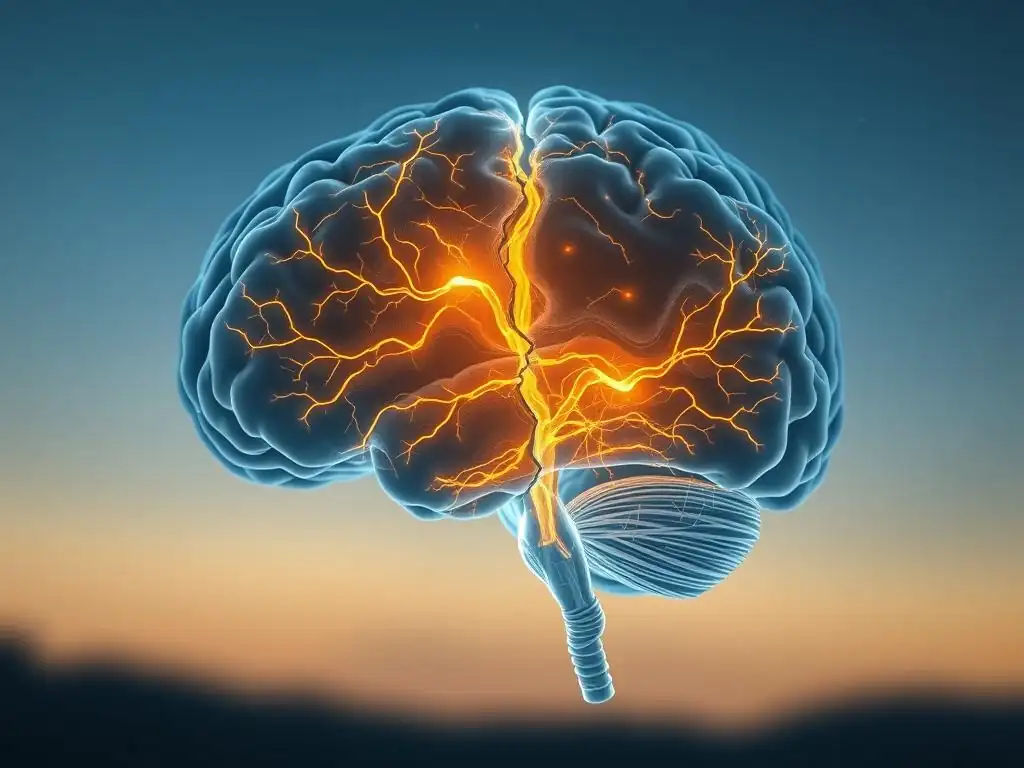
The prefrontal cortex (PFC) is often considered the brain's command center, located at the very front of the brain. This region is crucial for complex cognitive behaviors, decision-making, planning, and moderating social behavior. Its sophisticated network of connections allows us to process information, regulate emotions, and pursue goals. When the PFC is not functioning optimally, it can significantly impact a person's ability to navigate daily life, manage stress, and maintain emotional balance. Understanding the PFC's role is fundamental to grasping the biological underpinnings of various mental health conditions.
Research consistently highlights the PFC's involvement in mood regulation and stress response. Specific areas within the PFC, such as the ventromedial prefrontal cortex (vmPFC) and dorsolateral prefrontal cortex (dlPFC), play distinct roles in processing emotional information and controlling emotional reactions. Dysfunction in these areas is frequently observed in individuals experiencing mental health challenges, including depression. Exploring the health and activity of the PFC provides critical insights into the complex PFC depression executive function connection.
Executive Function: The Brain's Control Center and its Role
Executive functions are a set of cognitive processes that allow us to control and regulate our thoughts, emotions, and actions. These include abilities like planning, working memory, attention control, problem-solving, and cognitive flexibility. Essentially, executive functions enable us to initiate and complete tasks, resist impulses, stay focused, and adapt to changing circumstances. They are the skills we use to manage ourselves and our resources to achieve a goal.
These vital cognitive skills are heavily reliant on the healthy functioning of the prefrontal cortex. The PFC acts as the primary hub for integrating information and directing behavior based on goals and environmental cues. Difficulties with executive functions can manifest in various ways, such as struggling to organize activities, forgetting appointments, having trouble concentrating, or making rash decisions. Deficits in these areas are frequently reported by individuals with depression, pointing towards a significant PFC depression executive function connection.
Depression: A Complex Mood Disorder with Neurological Roots
Depression is far more than just feeling sad; it is a serious mood disorder characterized by persistent feelings of sadness, loss of interest or pleasure, and a range of emotional and physical problems. It can affect how you feel, think, and behave, and can lead to a variety of emotional and physical problems. While psychological and environmental factors play a role, there is strong evidence indicating that depression is associated with specific changes in brain structure and function.
Neuroscience research has identified alterations in several brain regions in individuals with depression, including the hippocampus, amygdala, and notably, the prefrontal cortex. These changes can impact mood, motivation, sleep, appetite, and cognitive abilities. Understanding the neurological basis, particularly the involvement of the PFC and its link to executive functions, is crucial for developing effective treatments and support strategies for those navigating this challenging condition. The intricate interplay reveals a clear PFC depression executive function connection.
The Prefrontal Cortex (PFC) and Depression: A Deep Dive
PFC Dysfunction in Depressive Disorders: What the Research Shows
Neuroimaging studies utilizing techniques like fMRI (functional magnetic resonance imaging) and PET (positron emission tomography) have consistently revealed abnormal activity patterns in the prefrontal cortex of individuals with major depressive disorder (MDD). Often, there is reduced activity in certain areas of the PFC, particularly the dorsolateral prefrontal cortex (dlPFC), which is involved in planning and goal-directed behavior. Conversely, some studies point to increased activity in areas like the ventromedial prefrontal cortex (vmPFC) or subgenual anterior cingulate cortex (sgACC), regions associated with processing negative emotions and rumination.
These findings suggest that the PFC's ability to regulate mood and cognitive processes is impaired in depression. For instance, a meta-analysis of fMRI studies might show that depressed individuals exhibit significantly lower activation in the left dlPFC during tasks requiring cognitive effort compared to healthy controls. This observed dysfunction provides a biological basis for many of the cognitive and emotional symptoms experienced during a depressive episode, underscoring the fundamental role of the PFC in the PFC depression executive function connection.
Reduced PFC Activity and its Impact on Mood Regulation
The prefrontal cortex plays a critical role in the top-down regulation of emotional responses. This means it helps inhibit or modulate activity in subcortical areas like the amygdala, which is involved in processing fear and threat. When PFC activity, particularly in areas like the dlPFC or vmPFC, is reduced or dysregulated, this top-down control weakens. The amygdala may become hyperactive, leading to heightened emotional reactivity and difficulty managing negative feelings.
This impaired emotional regulation contributes significantly to the core symptoms of depression, such as persistent sadness, irritability, and an inability to experience pleasure (anhedonia). For example, someone with reduced PFC control might find it harder to disengage from negative thoughts or stop ruminating on past events. This diminished capacity for emotional control is a direct consequence of PFC dysfunction and is a key component of the PFC depression executive function connection.
Neurotransmitters in the PFC: Serotonin, Dopamine, and Depression
The prefrontal cortex is heavily modulated by several key neurotransmitters, including serotonin, dopamine, and norepinephrine. These chemicals are crucial for regulating mood, motivation, pleasure, and cognitive function. Imbalances in these neurotransmitter systems within the PFC are strongly implicated in the pathophysiology of depression.
For example, serotonin is vital for mood stability, and reduced serotonin signaling in the PFC can impair emotional regulation and increase negative bias. Dopamine, crucial for reward and motivation, is also concentrated in PFC circuits; lower dopamine levels or receptor sensitivity in this region can contribute to anhedonia and lack of motivation, common symptoms of depression. Norepinephrine, involved in attention and alertness, also impacts PFC function. Many antidepressant medications target these neurotransmitter systems to restore balance and improve PFC activity, highlighting the biochemical aspect of the PFC depression executive function connection.
Executive Function Deficits in Depression: Unpacking the Relationship

How Depression Impairs Executive Function Skills
Depression is not solely a mood disorder; it significantly impacts cognitive function, particularly executive abilities. Individuals experiencing depression often report difficulties with concentration, memory, decision-making, and problem-solving. These are not merely side effects but are considered core symptoms for many people with the condition, impacting their ability to function at work, school, or in social settings.
The pervasive nature of these cognitive deficits underscores the close link between mood state and cognitive control. While the exact mechanisms are complex, they are strongly tied to the observed dysfunction in the prefrontal cortex, the primary hub for executive functions. The altered neural activity and connectivity patterns in the PFC during depression directly translate into measurable impairments in cognitive performance, reinforcing the reality of the PFC depression executive function connection.
Specific Executive Function Challenges in Individuals with Depression: Difficulty Initiating Tasks
One of the most commonly reported executive function deficits in depression is difficulty initiating tasks. This can manifest as profound inertia, making it incredibly hard to start even simple activities like getting out of bed, showering, or preparing a meal. This isn't laziness; it's a neurological symptom linked to impaired motivation and planning circuits in the brain, heavily involving the PFC.
The disruption in dopamine pathways that project to the PFC, combined with reduced activity in areas associated with goal-directed behavior, can strip away the drive needed to begin an action. A person might know they need to do something, but the cognitive and motivational resources required to initiate the first step feel overwhelming or simply inaccessible. This struggle with initiation is a tangible example of how the PFC depression executive function connection impacts daily life.
Specific Executive Function Challenges in Individuals with Depression: Impaired Decision-Making
Depression can significantly impair decision-making abilities. Individuals may struggle to make choices, feel overwhelmed by options, or make impulsive or poor decisions. This is often linked to dysfunction in the ventromedial prefrontal cortex (vmPFC), which is involved in evaluating the potential outcomes of choices and integrating emotional information into decision processes.
Studies using tasks that involve risk or reward evaluation often show different patterns of brain activity in the vmPFC of depressed individuals compared to healthy controls. They might show altered sensitivity to potential gains or losses, leading to indecisiveness or choices that aren't in their best interest. This impairment in weighing options and predicting consequences highlights a critical executive function deficit driven by PFC changes, further illustrating the PFC depression executive function connection.
Specific Executive Function Challenges in Individuals with Depression: Reduced Self-Monitoring
Self-monitoring, the ability to observe and regulate one's own behavior, thoughts, and emotions in relation to a goal or standard, is another executive function often compromised in depression. This can involve difficulty tracking progress on tasks, recognizing errors, or appropriately adjusting behavior in social situations.
The capacity for self-monitoring relies heavily on feedback loops involving the PFC and other brain regions. Reduced activity or connectivity within these circuits can make it harder for individuals with depression to notice when they are off track or to correct course. For example, someone might struggle to stay focused on a task and not recognize they've become distracted, or they might have difficulty modulating their emotional responses in social interactions. This diminished self-awareness and control is a direct consequence of impaired executive function stemming from PFC changes, solidifying the PFC depression executive function connection.
The PFC, Executive Function, and Depression: A Vicious Cycle?
The Interplay: How PFC Dysfunction Leads to Executive Function Problems and Exacerbates Depression
The relationship between PFC dysfunction, executive function deficits, and depression is often described as a complex interplay, potentially creating a vicious cycle. When the PFC is not functioning effectively, it directly impairs the cognitive processes that constitute executive functions – planning, decision-making, emotional regulation, and cognitive flexibility. This impairment makes it harder for individuals to cope with daily stressors, solve problems, and engage in goal-directed behaviors that could otherwise improve mood and functioning.
For instance, difficulty with planning (an executive function) due to PFC issues might lead someone to abandon activities they once enjoyed, like hobbies or social engagements. This withdrawal can exacerbate feelings of isolation and sadness, deepening the depression. The increased severity of depressive symptoms, in turn, can further impair PFC function and executive abilities, creating a negative feedback loop. This cyclical nature is central to understanding the persistent and often debilitating nature of the PFC depression executive function connection.
The Role of Stress and Trauma in Disrupting the PFC-Executive Function-Depression Axis
Chronic stress and trauma are well-established risk factors for developing depression, and they also significantly impact the prefrontal cortex and executive functions. Prolonged exposure to stress hormones like cortisol can have neurotoxic effects, particularly on the PFC and hippocampus, leading to reduced volume and impaired function in these areas.
Traumatic experiences, especially during critical developmental periods, can alter the development and connectivity of brain circuits involved in stress response and emotional regulation, including those within the PFC. This disruption can predispose individuals to both executive function difficulties and mood disorders later in life. The impact of stress and trauma highlights how external factors can directly interfere with the biological underpinnings of the PFC depression executive function connection, making individuals more vulnerable to the cycle of dysfunction.
Cognitive Biases in Depression: A Link to PFC and Executive Function
Depression is often characterized by negative cognitive biases – a tendency to interpret ambiguous situations negatively, focus on negative details, and have negative expectations about the future. These biases are closely linked to both PFC function and executive control. The PFC is involved in evaluating information and overriding automatic, often negative, thought patterns.
Impaired executive functions, such as reduced cognitive flexibility and attention control, can make it harder for individuals with depression to shift their focus away from negative stimuli or challenge distorted thoughts. Simultaneously, altered activity in PFC regions involved in emotional processing can amplify negative emotional responses and reinforce these biases. This interaction between biased thinking, impaired executive control, and PFC dysfunction further solidifies the entangled PFC depression executive function connection.
Strategies to Improve PFC Function and Executive Function in Depression
Therapies Targeting PFC Activity: Transcranial Direct Current Stimulation (tDCS)
Several therapeutic approaches aim to directly or indirectly modulate prefrontal cortex activity to alleviate depressive symptoms and improve executive function. One such method is Transcranial Direct Current Stimulation (tDCS), a non-invasive technique that uses low electrical currents delivered through electrodes placed on the scalp to stimulate specific brain areas, often targeting the dorsolateral prefrontal cortex (dlPFC).
While generally considered less potent than techniques like Transcranial Magnetic Stimulation (TMS), tDCS is being explored as a potential treatment for depression and cognitive deficits. Studies have shown that stimulating the left dlPFC with anodal tDCS may increase its excitability and activity, potentially improving mood and executive functions like working memory and attention in some individuals. Though results vary, tDCS represents a promising avenue for directly influencing the neural basis of the PFC depression executive function connection.
Cognitive Training for Executive Function Improvement in Depressed Individuals
Cognitive training programs specifically designed to target executive functions can be beneficial for individuals with depression. These programs involve structured exercises aimed at improving skills such as working memory, attention, planning, and problem-solving. Training might involve computer-based tasks, puzzles, or real-world problem-solving scenarios.
Regular practice with these exercises can help strengthen the neural circuits supporting executive functions, many of which are located in the PFC. While the transfer of skills to daily life can vary, studies suggest that cognitive training can lead to improvements in specific trained abilities and, in some cases, correlate with improvements in mood. This approach directly addresses the cognitive side of the PFC depression executive function connection, aiming to build resilience and improve daily functioning.
Lifestyle factors play a significant role in brain health, including the prefrontal cortex and executive functions. Maintaining a regular sleep schedule is crucial; sleep deprivation negatively impacts PFC function, impairing attention, decision-making, and emotional regulation. Aiming for 7-9 hours of quality sleep consistently can help restore optimal PFC activity and improve cognitive performance.
Social engagement is equally important. Positive social interactions activate reward pathways and can buffer the effects of stress, both of which support PFC health. Isolation, conversely, is a risk factor for both depression and cognitive decline. Engaging in meaningful social activities helps maintain emotional regulation and provides cognitive stimulation, contributing positively to the PFC depression executive function connection.
Mindfulness and Meditation: Enhancing PFC Function and Emotional Regulation
Mindfulness and meditation practices have gained recognition for their positive impact on mental health, partly due to their effects on the brain, including the prefrontal cortex. Regular meditation has been associated with structural and functional changes in the PFC, particularly in areas related to attention, self-awareness, and emotional regulation.
Mindfulness training helps individuals develop the ability to observe their thoughts and feelings without judgment, which can enhance cognitive control and reduce reactivity to negative emotions. By practicing sustained attention and non-judgmental awareness, individuals can strengthen PFC pathways involved in these processes, potentially improving executive functions and resilience against depressive symptoms. This practice offers a pathway to self-directed support for the PFC depression executive function connection.
Medication and its Impact on the PFC, Executive Function, and Depression
Antidepressants and PFC Activity: A Closer Look
Antidepressant medications, particularly selective serotonin reuptake inhibitors (SSRIs) and serotonin-norepinephrine reuptake inhibitors (SNRIs), are commonly prescribed treatments for depression. While their primary mechanism involves increasing neurotransmitter availability in the brain, their therapeutic effects are believed to involve restoring more typical activity patterns in brain regions like the prefrontal cortex.
Studies using neuroimaging before and after antidepressant treatment have shown changes in PFC activity and connectivity that correlate with symptom improvement. For example, successful treatment might be associated with increased activity in previously hypoactive areas of the dlPFC or decreased activity in hyperactive areas like the sgACC. These changes suggest that antidepressants can help normalize the dysfunctional neural circuits underlying the PFC depression executive function connection.
Potential Cognitive Side Effects of Antidepressant Medications
While antidepressants can be highly effective in treating the mood symptoms of depression, some individuals may experience cognitive side effects. These can include difficulties with concentration, memory problems, or feeling cognitively "slowed down." The experience varies greatly depending on the individual, the specific medication, and the dosage.
These potential side effects highlight the complex relationship between neurotransmitter systems, the PFC, and executive functions. While the goal of antidepressants is to improve overall brain function, including the PFC, the initial or ongoing impact on cognitive processes can sometimes be challenging for patients. Discussing potential cognitive effects with a prescribing physician is important for managing the overall impact of treatment on the PFC depression executive function connection.
The Importance of Personalized Treatment Approaches
Given the variability in how depression affects individuals and their unique patterns of PFC dysfunction and executive function deficits, personalized treatment approaches are crucial. What works well for one person may not be effective for another. A comprehensive assessment should consider not only mood symptoms but also specific cognitive challenges.
Treatment plans might combine medication with psychotherapy, cognitive training, and lifestyle interventions tailored to the individual's needs. For example, someone with significant decision-making difficulties might benefit more from targeted cognitive behavioral therapy techniques focusing on problem-solving, alongside medication. Recognizing the unique profile of the PFC depression executive function connection in each person allows for more targeted and potentially more effective interventions.
Conclusion: Breaking the Cycle and Fostering Mental Well-being through PFC and Executive Function Support
Understanding the Interconnectedness for Better Treatment Outcomes
Recognizing the intricate and often cyclical relationship between the prefrontal cortex, executive function, and depression is fundamental to improving treatment outcomes. Depression is not just a mood disorder; it is a condition deeply intertwined with cognitive function and the brain's ability to regulate itself. Dysfunction in the PFC impairs executive skills, which in turn can exacerbate depressive symptoms, creating a challenging loop.
Approaching depression with an understanding of this PFC depression executive function connection allows for more holistic and effective interventions. Therapies and strategies that target not only mood but also aim to restore PFC function and improve executive abilities hold significant promise for helping individuals recover and build resilience against future episodes. It shifts the focus towards empowering the brain's own capacity for regulation and control.
Empowering Individuals with Depression Through Cognitive and Lifestyle Strategies
Armed with the knowledge of the PFC depression executive function connection, individuals can feel more empowered in their journey towards recovery. Understanding why certain tasks feel difficult – that it's linked to specific brain changes and not a personal failing – can reduce self-blame and motivate engagement in targeted strategies.
Incorporating lifestyle changes like regular sleep, social connection, physical activity, and potentially mindfulness practices can actively support PFC health and improve executive function. Engaging in cognitive exercises or therapies designed to strengthen these skills provides concrete steps individuals can take to counteract the cognitive effects of depression and build a stronger foundation for mental well-being.
The Future of Research: Exploring Novel Interventions for PFC and Executive Function in Depression
Research into the PFC depression executive function connection is ongoing and holds exciting possibilities for the future of depression treatment. Scientists continue to explore novel interventions that directly target specific circuits within the prefrontal cortex or enhance executive function through advanced techniques.
This includes refining neuromodulation techniques, developing more precise cognitive training protocols, and investigating the potential of new pharmacological agents that specifically target cognitive deficits in depression. As our understanding deepens, the hope is to develop increasingly personalized and effective treatments that can break the cycle of PFC dysfunction, executive impairment, and depressive symptoms, ultimately fostering lasting recovery and improved quality of life for those affected.
Frequently Asked Questions
What is the PFC in the context of depression and executive function?
The PFC refers to the prefrontal cortex, the brain region crucial for executive function and heavily implicated in the neurobiology of depression. Its dysfunction can significantly impact both areas.
How does executive function relate to depression?
Executive function encompasses skills like planning, organization, and decision-making. Depression often impairs these abilities, leading to difficulties in daily functioning and exacerbating feelings of helplessness and hopelessness.
What is the "PFC depression executive function connection" and why is it important?
This connection highlights the interplay between brain structure (PFC), cognitive abilities (executive function), and mental health (depression). Understanding it is vital for developing targeted and effective treatments.
Can depression directly impact the functionality of the prefrontal cortex?
Yes, chronic or severe depression can lead to structural and functional changes in the prefrontal cortex, affecting its ability to regulate emotions and perform executive function tasks.
What are some strategies to improve both executive function and potentially alleviate depression symptoms?
Strategies include cognitive behavioral therapy (CBT) to restructure negative thought patterns, regular physical exercise to boost mood and brain function, and mindfulness practices to improve focus and emotional regulation.
Final Reflection: Unraveling the Complex Web of PFC, Executive Function, and Depression
The intricate relationship between the prefrontal cortex (PFC), executive function, and depression is not merely an academic exercise; it's a crucial understanding for navigating the complexities of mental health in our increasingly demanding world. The prevalence of depression continues to rise, highlighting the urgent need to explore its underlying neurological mechanisms and develop more effective treatment strategies. Understanding the role of the PFC and its impact on executive function provides a vital pathway towards achieving this goal.
The impact of this interconnected trio extends far beyond the clinical setting, shaping our daily lives in profound ways. The ability to plan, organize, and regulate emotions – all hallmarks of healthy executive function – is fundamental to success in work, relationships, and personal well-being. The mind is everything. What you think you become.
– Buddha. This quote underscores the powerful influence of our cognitive processes, particularly those governed by the PFC, on our overall experience of life. A compromised PFC, as often seen in depression, can significantly impair these crucial functions, leading to a cascade of negative consequences.
Consider the information presented in this article. Reflect on your own experiences with challenges in planning, focus, or emotional regulation. Are there areas where you might benefit from seeking support or implementing strategies to strengthen your executive function? This understanding is not just about diagnosing illness; it's about empowering you to take proactive steps towards a more fulfilling and balanced life. By recognizing the interconnectedness of the PFC, executive function, and depression, you can embark on a journey of self-discovery and cultivate the resilience needed to navigate life's challenges with greater ease and clarity.
Unlock Your Brain's Potential: Take Control of Your Mental Wellbeing
Thanks for taking the time to explore the fascinating connection between PFC function, executive skills, and depression. We hope you gained valuable insights into managing your mental health! Now it's time to put that knowledge into action.
- Prioritize one small step towards improving your executive function today. This could be anything from planning your day to tackling a single task you've been putting off. Even a tiny win builds momentum!
- Share this article with someone who might benefit from understanding these connections. Knowledge is power, and sharing empowers others.
- Consider journaling about your experiences with focus, planning, and mood. This reflective practice can deepen your self-awareness and guide your next steps.
Ready to feel more empowered in your mental wellbeing journey? What's one small step you can take right now to improve your executive function?