
The Circadian Rhythm, Serotonin, and Your Mood Cycles

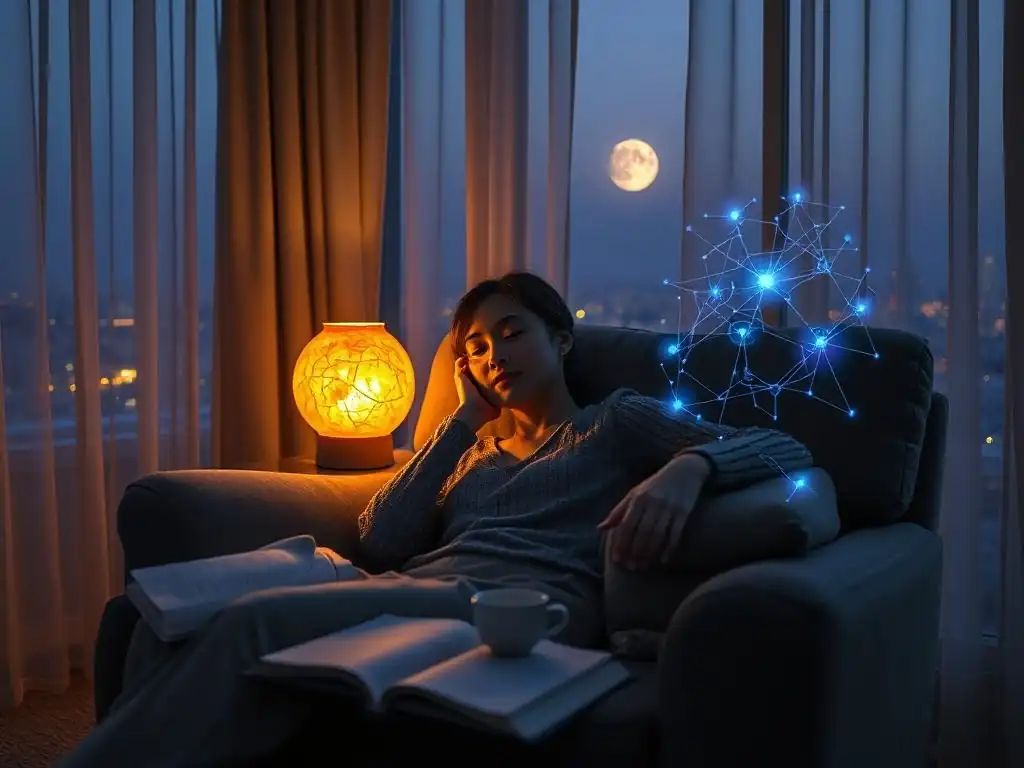
Welcome to Mind Care Guide, your sanctuary for mental well-being.
Ever wonder why your mood seems to ebb and flow, sometimes predictable, sometimes not? Dive into this exploration of the neuroscience of mental health, where we'll unravel the intricate connection between your circadian rhythm, serotonin, and the potential for understanding mood cycle disruptions. This journey will illuminate how these factors impact your mental state, offering insights and pathways towards a more balanced and resilient you. Are you ready to understand your inner landscape a little better?
- Understanding Mood Cycle Disruptions: The Link Between Circadian Rhythm, Serotonin, and Mood Disorders
-
Frequently Asked Questions
- What is the connection between the circadian rhythm and mood cycles?
- How does serotonin impact mood cycles?
- What are some common causes of circadian rhythm disruptions?
- What are some symptoms of mood cycle disruptions related to circadian rhythm imbalances?
- What resources are available for individuals experiencing mood cycle disruptions?
- Final Reflection: Reclaiming Your Rhythm, Reclaiming Your Mood
- Unlock Your Mood's Full Potential
Understanding Mood Cycle Disruptions: The Link Between Circadian Rhythm, Serotonin, and Mood Disorders
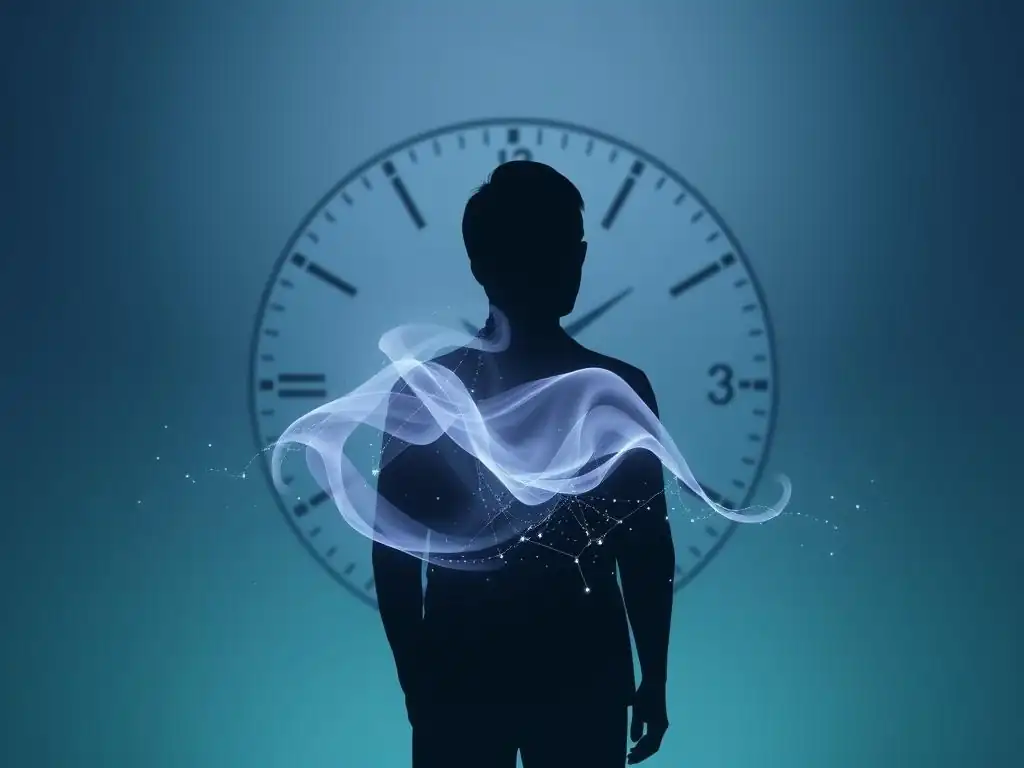
The Impact of Circadian Rhythm Disruption on Serotonin Levels
The intricate relationship between your internal body clock, the circadian rhythm, and the neurotransmitter serotonin is fundamental to understanding mood cycle disruptions. When the circadian rhythm is thrown off balance, perhaps by irregular sleep schedules, shift work, or lack of exposure to natural light at appropriate times, it doesn't just affect sleep; it significantly impacts neurochemical processes, including the synthesis and regulation of serotonin.
Studies have consistently shown that chronic sleep deprivation or misalignment of the circadian rhythm can lead to reduced serotonin availability or impaired serotonin receptor function in the brain. This disruption means the brain struggles to effectively use the serotonin it has, directly contributing to difficulties in mood regulation and making one more susceptible to experiencing significant shifts or disruptions in mood cycles.
Furthermore, the pineal gland, which is heavily influenced by the circadian rhythm and light exposure, produces melatonin, a hormone crucial for sleep regulation. While melatonin's primary role is sleep, its production cycle is inversely related to serotonin synthesis from its precursor, tryptophan. Disruptions to the light-dark cycle, which govern both melatonin and circadian rhythm, can therefore indirectly affect the availability of tryptophan for serotonin synthesis during the day.
For instance, prolonged exposure to artificial light at night suppresses melatonin and can interfere with the natural rhythm of serotonin production and release, potentially contributing to the underlying mechanisms behind understanding mood cycle disruptions and the development of mood disorders. This highlights how interconnected these systems are and why maintaining a stable circadian rhythm is vital for neurochemical balance.
Serotonin Deficiency and its Contribution to Mood Swings
Serotonin, often referred to as the "feel-good" neurotransmitter, plays a critical role in stabilizing mood, feelings of well-being, and happiness. When there is a functional deficiency in serotonin – either due to insufficient production, impaired transport, or problems with receptor sensitivity – the brain's ability to regulate mood is compromised. This deficiency doesn't necessarily mean a complete absence of serotonin, but rather that its signaling is inadequate for optimal function.
Such inadequacy can manifest as increased irritability, anxiety, feelings of sadness, and difficulty managing stress. These symptoms are hallmarks of many mood disorders and are central to understanding mood cycle disruptions, where mood shifts can become more pronounced, frequent, or severe than typical fluctuations.
The contribution of serotonin deficiency to mood swings is particularly evident in conditions like major depressive disorder and bipolar disorder, where serotonin system dysfunction is often implicated. While the exact mechanisms are complex and involve multiple neurotransmitters, the serotonin hypothesis of depression suggests that insufficient serotonin activity in key brain regions contributes significantly to depressive symptoms, which are a form of disrupted mood cycle.
Similarly, fluctuations in serotonin levels or activity might play a role in the cyclical nature of bipolar disorder, contributing to shifts between manic and depressive episodes. Therefore, addressing serotonin levels and function, often through lifestyle changes or medication like SSRIs (Selective Serotonin Reuptake Inhibitors) which increase serotonin availability, is a common strategy in managing and stabilizing these disruptive mood cycles.
Identifying Symptoms of Mood Cycle Disruptions
Recognizing the symptoms of mood cycle disruptions is the first step towards seeking help and restoring balance. These disruptions manifest differently in individuals but often involve significant and sometimes rapid shifts in emotional state that impact daily functioning. Key indicators can include:
- Persistent changes in mood: Experiencing prolonged periods of feeling unusually sad, empty, or irritable, followed by periods of elevated mood, excessive energy, or irritability.
- Changes in sleep patterns: This is a strong link, often involving insomnia during elevated moods and excessive sleeping during low moods, directly reflecting the intertwined nature of sleep, circadian rhythm, and mood.
- Alterations in energy levels: Significant drops in energy, fatigue, and listlessness during low phases, contrasted with hyperactivity and decreased need for sleep during elevated phases.
- Changes in appetite and weight: Either a significant decrease or increase in appetite, leading to weight loss or gain.
- Difficulty concentrating or making decisions: Cognitive function is often impaired during both low and high phases of mood cycle disruptions.
- Loss of interest or pleasure: Apathy towards activities once enjoyed, a core symptom of depressive phases.
- Restlessness or feeling "wired": Often experienced during elevated or manic phases.
- Increased risk-taking behavior: Poor judgment and impulsive actions during elevated moods.
- Thoughts of death or suicide: A serious symptom requiring immediate professional attention, particularly during depressive phases.
Identifying these patterns requires careful observation, sometimes over an extended period, as mood cycle disruptions are characterized by their recurrent or cyclical nature. Keeping a mood journal can be a helpful tool for tracking these symptoms and their potential triggers, providing valuable information when consulting a mental health professional for a comprehensive understanding of mood cycle disruptions and appropriate treatment strategies.
Frequently Asked Questions
What is the connection between the circadian rhythm and mood cycles?
The circadian rhythm, your body's internal clock, directly influences the release of hormones like serotonin, which plays a crucial role in mood regulation. Disruptions to this rhythm can lead to imbalances affecting your mood.
How does serotonin impact mood cycles?
Serotonin is a neurotransmitter that helps regulate mood, sleep, and appetite. Fluctuations in serotonin levels, often linked to circadian rhythm disruptions, can cause mood swings and other mental health challenges.
What are some common causes of circadian rhythm disruptions?
Common causes include irregular sleep schedules, shift work, jet lag, and exposure to artificial light at night. These factors can interfere with the body's natural sleep-wake cycle and affect serotonin production.
Symptoms can include persistent sadness, feelings of hopelessness, difficulty sleeping, changes in appetite, and decreased energy levels. These symptoms can significantly impact daily functioning and overall well-being.
What resources are available for individuals experiencing mood cycle disruptions?
Mind Care Guide offers information, support, and resources for understanding and managing mental health challenges. Seeking professional help from a therapist or psychiatrist is also highly recommended for personalized treatment plans.
Final Reflection: Reclaiming Your Rhythm, Reclaiming Your Mood
Understanding the intricate dance between our circadian rhythm, serotonin production, and our emotional well-being is not just a scientific pursuit; it's a key to unlocking a more balanced and fulfilling life. The information presented in this article highlights the profound impact these interconnected systems have on our daily experiences, offering a framework for understanding why mood fluctuations occur and how we can potentially mitigate them. This knowledge is more relevant than ever in our fast-paced, often sleep-deprived modern world.
The exploration of circadian rhythms and serotonin's role in mood regulation has profoundly impacted my own understanding of mental health and well-being. It's easy to overlook the fundamental biological processes that underpin our emotional landscape, often attributing mood changes to external factors alone. However, understanding the delicate balance within our bodies allows for a more compassionate and effective approach to self-care. The body achieves what the mind believes.
This quote underscores the power of understanding our internal mechanisms and harnessing that knowledge to cultivate a positive mindset and improve our overall well-being.
Now, consider your own relationship with sleep, light exposure, and your emotional state. Are you prioritizing consistent sleep schedules? Are you consciously seeking out natural light and opportunities for physical activity? This article offers a starting point; it's now your turn to delve deeper, to experiment with strategies that support your unique circadian rhythm and serotonin production. Take the time to listen to your body, to identify patterns, and to make conscious choices that nurture your mental and emotional health. You have the power to reclaim your rhythm, and in doing so, reclaim your mood.
Unlock Your Mood's Full Potential
Thanks for diving deep into the fascinating world of circadian rhythms and serotonin! You've now unlocked valuable insights into how these natural processes impact your mood. Ready to put this knowledge into action?
- Prioritize a consistent sleep schedule: This is the single most impactful step you can take to regulate your serotonin production and improve your mood. Aim for 7-9 hours of quality sleep each night, and try to go to bed and wake up around the same time, even on weekends.
- Share your newfound knowledge: Discuss this information with friends or family – it could spark a helpful conversation and even improve their wellbeing!
- Experiment with light exposure: Try spending some time outdoors in the morning sunlight to help regulate your natural sleep-wake cycle and boost your serotonin levels. This small adjustment can make a big difference.
What small change will you make today to better align your daily routine with your natural circadian rhythm?