
Serotonin Myths Debunked: Separating Fact from Fiction About Mood Chemicals

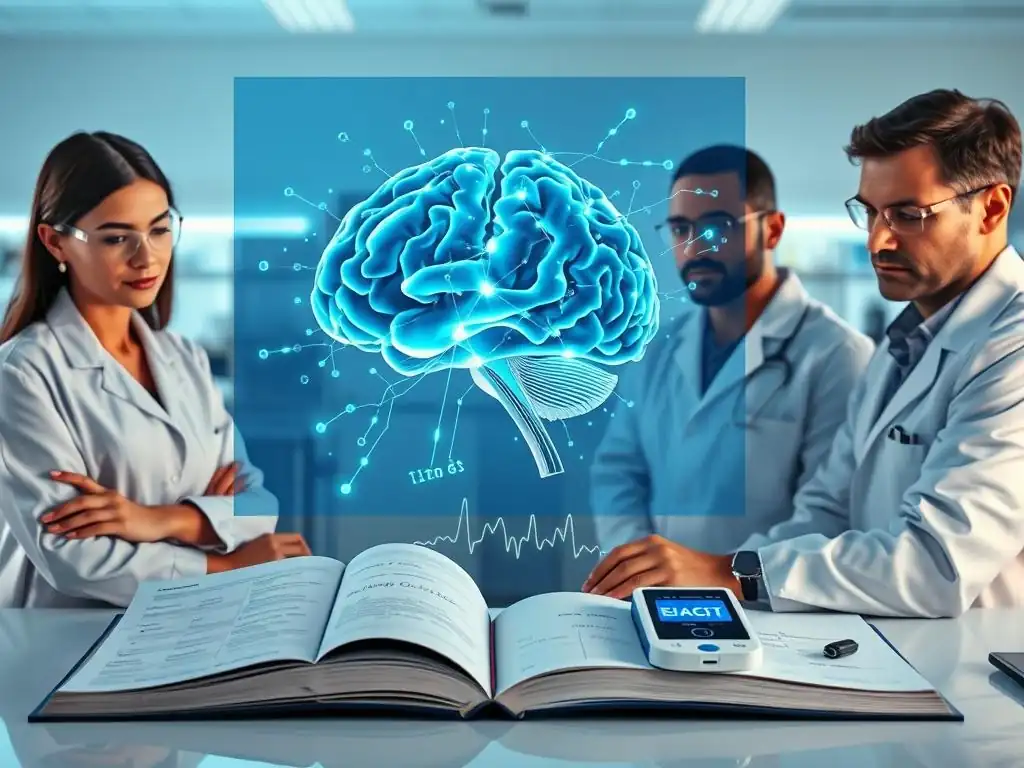
Welcome to Mind Care Guide, a safe space dedicated to understanding and nurturing your mental well-being. Ever wondered if boosting your serotonin levels is the key to unlocking a happier you? Many believe it is, but the reality is more nuanced. Dive into our exploration of Serotonin Myths Debunked: Separating Fact from Fiction About Mood Chemicals to unravel the complex role of serotonin in mood regulation and discover evidence-based strategies for a healthier, more balanced mind. Are you ready to understand the truth?
Serotonin Myths Debunked: Separating Fact from Fiction About Mood Chemicals
- Introduction to Serotonin and Mood Regulation
- Myth 1: Low Serotonin is the Primary Cause of Depression
- Myth 2: Antidepressants Immediately Fix Serotonin Imbalances and Cure Depression
- Myth 3: Over-the-Counter Serotonin Supplements Effectively Boost Mood
- Myth 4: Higher Serotonin Levels Always Equate to Improved Mood and Wellbeing
- Myth 5: Serotonin's Function is Limited to the Brain
- Reality: A Comprehensive Understanding of Serotonin and Mental Health
- How to Support Healthy Serotonin Function Through Lifestyle
- Conclusion: Embracing Evidence-Based Approaches to Serotonin and Mental Wellness
-
Frequently Asked Questions
- ### What is serotonin and what role does it play in mood regulation?
- ### How directly do serotonin levels impact mood, and is low serotonin the sole cause of depression?
- ### What are some common myths surrounding serotonin and its influence on mental health?
- ### Besides medication, what other factors can influence serotonin levels naturally?
- ### How can I find reliable information and resources about serotonin levels mood regulation and mental well-being?
- Final Reflection: Unlocking the Truth About Serotonin and Mood
- Unlock Your Mood: Take Control of Your Serotonin Levels
Introduction to Serotonin and Mood Regulation
Serotonin, often colloquially referred to as the "happy chemical," is a neurotransmitter that plays a crucial role in the complex landscape of our brain and body. While its connection to mood is widely known, the true scope of its function and its precise involvement in mental health conditions like depression and anxiety are frequently misunderstood. Many common beliefs about serotonin and its impact on mood regulation are, in fact, myths that oversimplify a highly intricate biological system.
This article aims to peel back the layers of these misconceptions, offering an evidence-based perspective on what serotonin is, how it functions, and its actual role in our mental and physical well-being. By exploring the science behind serotonin, we can gain a more accurate understanding of its influence on mood regulation and approach mental health challenges with informed awareness.
Understanding Serotonin: Beyond the "Happy Chemical" Misconception
While it's true that serotonin significantly influences mood, labeling it simply as the "happy chemical" is a vast oversimplification. Serotonin, or 5-hydroxytryptamine (5-HT), is a monoamine neurotransmitter involved in a remarkably wide array of physiological processes beyond just mood. It acts as a chemical messenger, transmitting signals between nerve cells throughout the body. Its functions extend to regulating sleep cycles, appetite, digestion, blood clotting, and even bone health.
This widespread influence means that disruptions in serotonin levels or signaling pathways can have far-reaching effects, impacting not just emotional states but also physical functions. Understanding serotonin involves recognizing its diverse roles within the central nervous system and peripheral tissues, a complexity often lost in popular discussions about its connection to mood.
The Importance of Serotonin in Neurological Functions
In the brain, serotonin is synthesized from the amino acid tryptophan. Once released, it binds to specific receptors on other neurons, triggering various responses. There are at least 14 different types of serotonin receptors identified in the brain, each with potentially different effects on neuronal activity. This diversity of receptors is key to understanding how serotonin can influence such a broad range of functions.
Serotonin pathways are implicated in regulating processes like learning, memory, reward processing, and even social behavior. Its influence on these cognitive and behavioral functions highlights its critical importance in overall neurological health and its contribution to the complex interplay that underpins our mental state and ability to navigate the world.
Serotonin's Role in Depression, Anxiety, and Other Mental Health Conditions
Research strongly suggests that imbalances or dysfunctions in serotonin signaling pathways are associated with several mental health conditions, including major depressive disorder, anxiety disorders, obsessive-compulsive disorder (OCD), and post-traumatic stress disorder (PTSD). However, the exact nature of this relationship is still being actively studied and is far more complex than a simple deficiency.
While medications targeting serotonin, such as Selective Serotonin Reuptake Inhibitors (SSRIs), are effective for many individuals with these conditions, this does not definitively prove that low serotonin levels cause the disorder. Rather, it suggests that modulating serotonin activity can help alleviate symptoms for some people, likely by helping to restore more balanced communication within neural circuits involved in mood regulation.
Myth 1: Low Serotonin is the Primary Cause of Depression
One of the most pervasive myths about mental health is the idea that depression is simply caused by a "chemical imbalance," specifically low serotonin levels. This oversimplified explanation, sometimes referred to as the "serotonin hypothesis of depression," gained traction partly due to the effectiveness of SSRI antidepressants, which increase serotonin availability in the brain synapses. However, decades of research have demonstrated that this is not the full picture, and focusing solely on serotonin levels overlooks the complexity of depressive disorders.
While alterations in serotonin signaling are observed in some individuals with depression, they are not universally present, nor is it clear whether they are a cause or a symptom of the condition. Many people with depression do not show evidence of significantly low serotonin levels, and simply increasing serotonin in the brain does not lead to immediate mood improvement, as would be expected if it were the sole cause. The delayed therapeutic effect of SSRIs, often taking weeks to manifest, further challenges the simple "low serotonin equals depression" theory.
The Oversimplified View of Serotonin Deficiency in Depression
The idea that depression is caused solely by a deficiency in serotonin is a significant oversimplification of a complex brain disorder. This model fails to account for the multitude of other factors known to contribute to depression, including genetic predispositions, environmental stressors, psychological factors, and alterations in other neurotransmitter systems. While serotonin plays a role in mood regulation, depression is understood today as a disorder involving dysfunctions in multiple neural circuits and biological processes, not just the level of a single neurotransmitter.
Furthermore, studies attempting to directly measure serotonin levels in the brains of living individuals are challenging and often yield inconsistent results. Peripheral measures (like serotonin in blood) do not accurately reflect brain serotonin levels. The focus has shifted from a simple deficiency model to understanding how complex interactions between neurotransmitters, brain structure, function, and environmental factors contribute to the vulnerability to and expression of depressive symptoms.
The Multifactorial Nature of Depression: Genetics, Environment, and More
Modern neuroscience views depression as a multifactorial illness, meaning it arises from a complex interplay of genetic vulnerability, environmental influences, psychological factors, and biological changes in the brain. Research indicates that individuals with a family history of depression have a higher risk, suggesting a genetic component, although no single "depression gene" has been identified. Stressful life events, trauma, chronic illness, and social isolation are significant environmental and psychological contributors.
These factors can interact to influence brain function, including the activity of various neurotransmitter systems like serotonin, dopamine, and norepinephrine, but also the structure and function of brain regions involved in mood, such as the prefrontal cortex and hippocampus. Understanding depression requires acknowledging this intricate web of influences rather than attributing it to a single chemical deficiency.
Neurotransmitter Interactions and Their Influence on Mental Health
The brain's chemical landscape is incredibly complex, involving dozens of neurotransmitters and neuromodulators that interact in intricate ways. Serotonin doesn't operate in isolation; its activity is influenced by and influences other neurotransmitters like dopamine (involved in reward and motivation), norepinephrine (involved in stress response and alertness), glutamate (the brain's main excitatory neurotransmitter), and GABA (the main inhibitory neurotransmitter).
These neurotransmitter systems form interconnected networks that regulate different aspects of mood, cognition, and behavior. Dysregulation in one system can cascade and affect others. For example, serotonin pathways interact with dopamine pathways, which can impact motivation and pleasure, symptoms often impaired in depression. Therefore, understanding mental health requires looking beyond individual serotonin levels to the broader context of how these chemical messengers interact within complex neural circuits involved in mood regulation.
Myth 2: Antidepressants Immediately Fix Serotonin Imbalances and Cure Depression
Another common myth is that taking an antidepressant, particularly an SSRI, is like taking a pill to instantly correct a serotonin imbalance and thereby "cure" depression. This belief oversimplifies both the mechanism of antidepressant action and the nature of depression itself. While SSRIs do increase the amount of serotonin available in the synaptic cleft relatively quickly after administration, their therapeutic effects on mood are typically not immediate.
For many individuals, it takes several weeks, often between 4 to 6 weeks or even longer, for the full antidepressant effects of SSRIs to become apparent. During this initial period, some people may even experience temporary side effects without significant mood improvement. This delay suggests that the benefit of these medications isn't simply due to a rapid increase in serotonin levels but likely involves more gradual adaptations in brain function, such as changes in receptor sensitivity, gene expression, or the growth of new neurons and connections (neuroplasticity).
The Delayed Therapeutic Effects of SSRIs and Other Antidepressants
The delayed onset of action for SSRIs and other types of antidepressants is a well-documented phenomenon. While the biochemical effect of blocking serotonin reuptake happens relatively quickly after the drug is taken, the downstream effects that lead to mood elevation take time to develop. Researchers hypothesize that this delay is related to slower adaptive changes in the brain's serotonin system and other neural circuits involved in mood regulation.
These changes might include alterations in the sensitivity or number of serotonin receptors over time, changes in intracellular signaling pathways, or even the promotion of neurogenesis (the birth of new neurons) in brain areas like the hippocampus, which is often smaller in individuals with chronic depression. It's these gradual neurobiological adaptations, rather than the immediate increase in serotonin availability, that are thought to underlie the therapeutic benefits observed after several weeks of consistent treatment.
Managing Expectations: Realistic Outcomes of Antidepressant Treatment
It is crucial for individuals considering or starting antidepressant treatment to have realistic expectations. Antidepressants are effective for many people in managing the symptoms of depression and anxiety, but they are not a universal cure. They can help alleviate the severity of symptoms like persistent sadness, loss of interest, and low energy, making it easier for individuals to engage in other beneficial activities like therapy and lifestyle changes.
Studies show that while a significant percentage of people respond to antidepressants, many do not achieve complete remission of symptoms with medication alone. Furthermore, antidepressants do not address the underlying causes of depression, which can be complex and multifaceted. They are best viewed as a tool to help manage symptoms and facilitate recovery, often as part of a broader treatment plan.
The Importance of Therapy and Lifestyle Changes Alongside Medication
For most mental health conditions, including depression and anxiety, a comprehensive approach combining medication with psychotherapy (such as Cognitive Behavioral Therapy or Interpersonal Therapy) and lifestyle adjustments is often the most effective strategy. Therapy can help individuals develop coping skills, address negative thought patterns, and work through psychological and environmental stressors that contribute to their condition.
Lifestyle factors such as regular exercise, a balanced diet, sufficient sleep, and stress reduction techniques also play a significant role in supporting mental well-being and can complement the effects of medication. This integrated approach recognizes that improving mental health involves addressing both the biological aspects, potentially aided by medication influencing serotonin levels for mood regulation, and the psychological and environmental factors impacting an individual's life.
Myth 3: Over-the-Counter Serotonin Supplements Effectively Boost Mood

The idea that simply taking an over-the-counter supplement can directly increase serotonin levels in the brain and boost mood is a widespread myth. While some supplements, like 5-HTP (5-hydroxytryptophan) or L-tryptophan, are precursors to serotonin synthesis, taking them orally does not guarantee that they will effectively or safely increase serotonin levels in the brain in a way that meaningfully impacts mood regulation.
The body tightly regulates neurotransmitter synthesis and transport across the blood-brain barrier, a protective filter that controls which substances can enter the brain. While tryptophan can cross this barrier, its transport competes with other amino acids, and simply increasing its intake doesn't directly translate to a proportionate increase in brain serotonin. 5-HTP can cross the barrier more readily, but its effectiveness as a mood enhancer is not consistently supported by rigorous clinical trials, and its use comes with potential risks.
The Limited Bioavailability and Efficacy of Serotonin Supplements
Supplements like 5-HTP are often marketed as natural mood boosters because they are precursors to serotonin. However, the bioavailability of these supplements and their ability to specifically target and increase brain serotonin levels in a controlled and beneficial way are questionable. Much of the orally ingested 5-HTP is converted to serotonin in the gut and bloodstream rather than crossing the blood-brain barrier to influence brain serotonin levels.
This peripheral conversion can lead to unwanted side effects. Furthermore, the efficacy of these supplements for treating clinical depression or anxiety is not supported by the same level of robust evidence as conventional treatments like prescribed antidepressants and psychotherapy. Relying on these supplements as a primary treatment for serious mood disorders is not recommended based on current scientific understanding.
Potential Interactions and Adverse Effects of Unregulated Supplements
Unlike prescription medications, dietary supplements are not regulated by health authorities with the same stringent standards for safety and efficacy. This means their purity, dosage accuracy, and potential for interactions are less reliably controlled. Supplements that influence serotonin pathways, such as 5-HTP, can potentially interact with prescribed medications, including antidepressants, migraine medications, and pain relievers.
Taking 5-HTP alongside an SSRI, for instance, could theoretically increase the risk of serotonin syndrome, a potentially dangerous condition caused by excessive serotonin activity (discussed further in Myth 4). Adverse effects can range from mild gastrointestinal upset to more serious neurological symptoms. The lack of rigorous testing and regulation means that consumers may not be aware of these risks.
Consulting a Healthcare Professional for Safe and Effective Treatment Options
Given the potential risks, limited evidence of efficacy for clinical conditions, and potential interactions, it is essential to consult a qualified healthcare professional before taking any supplement intended to influence serotonin levels or mood. A doctor or psychiatrist can provide an accurate diagnosis, discuss evidence-based treatment options (which may include medication, therapy, or a combination), and advise on the safety and appropriateness of any supplements in the context of an individual's overall health and current medications.
Self-treating mood disorders with unregulated supplements based on the myth that they are a simple way to boost serotonin levels for mood regulation can delay effective treatment and potentially cause harm. Professional guidance ensures that treatment decisions are based on scientific evidence and tailored to individual needs.
Myth 4: Higher Serotonin Levels Always Equate to Improved Mood and Wellbeing
While low serotonin activity is associated with some mental health challenges, the idea that simply increasing serotonin levels indefinitely will lead to ever-improving mood and wellbeing is incorrect and potentially dangerous. Like many biological systems, the serotonin system requires balance for optimal function. Too much serotonin activity can lead to a condition known as serotonin syndrome, which can be severe and even life-threatening.
This condition typically occurs when there is an excessive amount of serotonin in the brain and body, often due to interactions between multiple medications or substances that affect serotonin pathways. It underscores the fact that maintaining healthy serotonin levels for mood regulation involves a delicate equilibrium, not just maximizing the amount of the neurotransmitter.
Serotonin Syndrome: The Risks of Excessive Serotonin Activity
Serotonin syndrome is a toxic state resulting from hyperstimulation of serotonin receptors. It is most commonly triggered by combining two or more drugs that increase serotonin activity, such as taking an SSRI alongside certain other antidepressants, triptans for migraines, certain pain medications (like tramadol), or illicit drugs like MDMA or cocaine.
The symptoms of serotonin syndrome can range from mild to severe and typically involve a triad of effects: changes in mental state (agitation, confusion), autonomic hyperactivity (rapid heart rate, high blood pressure, sweating, fever), and neuromuscular abnormalities (tremors, rigidity, exaggerated reflexes). This demonstrates that having "too much" serotonin is not beneficial but harmful, highlighting the importance of careful management of medications that affect serotonin levels.
Recognizing the Symptoms and Seeking Immediate Medical Attention
Recognizing the symptoms of serotonin syndrome is crucial for prompt medical intervention. Mild cases may present with symptoms like restlessness, shivering, diarrhea, and dilated pupils. Moderate cases can include more pronounced agitation, muscle rigidity, fever, rapid heart rate, and changes in blood pressure. Severe cases can lead to seizures, high fever (hyperthermia), rhabdomyolysis (muscle breakdown), kidney failure, and even coma or death.
If someone is taking medications that affect serotonin and develops symptoms suggestive of serotonin syndrome, it is imperative to seek immediate medical attention. Prompt diagnosis and treatment, which typically involves stopping the offending medications and providing supportive care, are essential to prevent severe complications.
The Importance of Maintaining Serotonin Balance for Optimal Function
The existence and dangers of serotonin syndrome clearly illustrate that the goal of treatments affecting serotonin levels for mood regulation is not simply to increase them, but to help restore a more balanced and functional state within the serotonin system and the broader neural circuits it influences. The brain and body function optimally when neurotransmitter systems are in equilibrium.
Both insufficient and excessive serotonin activity can be detrimental. The effectiveness of medications like SSRIs in many cases is thought to be related to their ability to facilitate adaptive changes that help the system function more smoothly over time, rather than causing a crude, massive increase in serotonin levels.
Myth 5: Serotonin's Function is Limited to the Brain
While serotonin's role in mood regulation and brain function is widely discussed, a significant portion of the body's serotonin is actually found outside the central nervous system, primarily in the gut. This challenges the myth that serotonin's functions are confined solely to the brain. In fact, roughly 95% of the body's serotonin is produced and stored in the enterochromaffin cells of the gastrointestinal tract lining.
This peripheral serotonin plays crucial roles in various bodily functions, particularly those related to digestion and the complex communication between the gut and the brain. Understanding this broader distribution and function is essential for a complete picture of serotonin's impact on overall health.
The Gut-Brain Axis: Serotonin's Role in Digestion and Gut Health
The gut and the brain are constantly communicating through a bidirectional network known as the gut-brain axis. Serotonin is a key player in this communication. In the gut, serotonin is involved in regulating intestinal motility (the movement of food through the digestive tract). When food enters the gut, serotonin is released, stimulating contractions that propel the contents forward.
Serotonin also plays a role in sensing nutrients and potentially communicating feelings of fullness or discomfort. Disruptions in gut serotonin signaling are implicated in various gastrointestinal disorders, highlighting its critical function in digestive health independent of its role in the brain.
Serotonin Production in the Gut and its Systemic Effects
The serotonin produced in the gut largely remains in the periphery and does not cross the blood-brain barrier in significant amounts to directly influence brain function. However, it does have systemic effects. For instance, serotonin released from gut cells can enter the bloodstream, where it is taken up by platelets and plays a role in blood clotting and wound healing.
While gut-derived serotonin doesn't directly control mood via the brain, it can influence the gut-brain axis through nerve pathways (like the vagus nerve) or by affecting the immune system and inflammation, which can indirectly impact mood and mental health. This highlights a fascinating area of research exploring the connection between gut health and mental well-being.
Implications for Irritable Bowel Syndrome (IBS) and Other Gastrointestinal Disorders
Dysregulation of serotonin signaling in the gut is strongly linked to functional gastrointestinal disorders like Irritable Bowel Syndrome (IBS). Individuals with IBS often experience altered gut motility, visceral hypersensitivity (increased pain sensation from the gut), and changes in bowel habits (constipation or diarrhea). Research shows that some individuals with IBS have altered levels of serotonin or differences in serotonin receptor function in their gut.
Targeting gut serotonin receptors is a strategy used in some medications for IBS symptoms. For example, certain drugs that modulate serotonin receptors in the gut can help regulate motility and reduce pain in IBS patients. This provides a clear example of serotonin's vital functions outside the brain and its direct impact on physical health conditions.
Reality: A Comprehensive Understanding of Serotonin and Mental Health
Moving beyond the myths, the reality of serotonin's role in mental health is one of complexity and interaction. Serotonin is a vital neurotransmitter involved in mood regulation, but it is one piece of a much larger puzzle. Mental health conditions like depression and anxiety are complex disorders influenced by a confluence of biological, psychological, and environmental factors.
A comprehensive understanding acknowledges that while serotonin levels and signaling are involved, they are not the sole determinant of mood. Effective approaches to mental wellness recognize this complexity and address multiple facets of an individual's health and life.
The Importance of a Holistic Approach to Mental Health Care
Given the multifactorial nature of mental health, a holistic approach to care is paramount. This involves considering the individual as a whole person, taking into account their biological vulnerability, psychological state, social environment, and lifestyle factors. Treatment plans that integrate different modalities are often the most effective.
Focusing solely on medication that affects serotonin levels while ignoring the impact of stress, trauma, social support, or coping skills is unlikely to lead to long-term recovery for many individuals. A holistic perspective empowers both individuals and clinicians to build a robust foundation for mental well-being.
Integrating Therapy, Medication, and Lifestyle Modifications
Evidence-based mental health care frequently involves a combination of strategies. Psychotherapy provides tools for managing thoughts and behaviors, processing emotions, and addressing relational issues. Medication, when appropriate, can help alleviate severe symptoms, making it possible for individuals to benefit more fully from therapy and make necessary life changes.
Furthermore, adopting healthy lifestyle habits—such as regular physical activity, a balanced diet rich in nutrients that support brain health, sufficient sleep, and effective stress management techniques—can significantly impact mood regulation and overall mental resilience. This integrated model reflects a sophisticated understanding of how different factors interact to influence mental health.
Advancements in Serotonin Research and Novel Treatment Strategies
Research into serotonin and its role in mental health continues to evolve. Scientists are exploring the nuances of different serotonin receptor subtypes and their specific functions, as well as how serotonin interacts with other neurotransmitter systems and neural circuits. This ongoing research is leading to a more refined understanding of the underlying biology of mood disorders.
This deeper understanding is paving the way for the development of novel treatment strategies that may target specific aspects of serotonin signaling or other related pathways with greater precision. While SSRIs have been a cornerstone of treatment for decades, future therapies may offer alternative or complementary ways to support healthy brain function and improve mood regulation for individuals who do not respond well to current options.
How to Support Healthy Serotonin Function Through Lifestyle
While you cannot directly control or measure your brain's serotonin levels through lifestyle choices, certain habits can support overall brain health and neurotransmitter function, potentially influencing mood regulation indirectly. Focusing on these evidence-backed lifestyle factors is a proactive way to support mental well-being.
These strategies don't directly increase serotonin levels in a way comparable to medication, but they contribute to a healthy environment for neurochemical balance and overall brain function, which is crucial for mood regulation.
Diet and Nutrition: Tryptophan-Rich Foods and Serotonin Synthesis
Serotonin is synthesized in the body from the amino acid tryptophan. Tryptophan is an essential amino acid, meaning the body cannot produce it and must obtain it from the diet. Foods high in tryptophan include poultry (like turkey and chicken), eggs, dairy products, nuts, seeds, and soy products. Consuming a balanced diet that includes adequate protein sources ensures the body has access to this precursor.
However, simply eating tryptophan-rich foods doesn't guarantee increased brain serotonin, as tryptophan competes with other amino acids to cross the blood-brain barrier. Carbohydrates can help with this process, as they stimulate insulin release, which helps clear competing amino acids from the bloodstream, potentially allowing more tryptophan to enter the brain. So, a balanced diet including both protein and complex carbohydrates is beneficial for overall neurotransmitter support.
Exercise and Physical Activity: Endorphins and Serotonin Release
Regular physical exercise is consistently shown to have positive effects on mood and can be a valuable component of managing depression and anxiety. While exercise is well known for releasing endorphins, which have mood-boosting effects, it is also believed to influence neurotransmitter systems, including serotonin and norepinephrine.
Aerobic exercise, in particular, has been linked to increased tryptophan uptake into the brain and potentially increased serotonin synthesis and release. Consistent physical activity supports overall brain health, improves circulation, reduces inflammation, and helps regulate stress hormones, all of which can indirectly support healthy serotonin levels for mood regulation and overall mental wellness. Aiming for around 150 minutes of moderate-intensity aerobic activity per week is a general guideline for health benefits.
Stress Management: Mindfulness, Meditation, and Serotonin Regulation
Chronic stress can have detrimental effects on the brain and body, including disrupting neurotransmitter systems and impacting mood. Effective stress management techniques are crucial for supporting mental health. Practices like mindfulness meditation, deep breathing exercises, yoga, and spending time in nature can help activate the body's relaxation response and reduce the physiological effects of stress.
While the direct link between stress management techniques and serotonin levels is complex, reducing chronic stress promotes a healthier environment for brain function and neurochemical balance. Techniques that foster calm and emotional regulation can help buffer the negative impacts of stress on mood regulation pathways involving serotonin and other neurotransmitters. Prioritizing stress reduction is a key component of a holistic approach to mental well-being.
Conclusion: Embracing Evidence-Based Approaches to Serotonin and Mental Wellness
Serotonin is undeniably important for mood regulation and numerous other bodily functions, but the popular understanding is often clouded by myths and oversimplifications. Debunking these common misconceptions reveals a more complex and nuanced reality. Depression and other mental health conditions are not simply caused by low serotonin levels, and treatments targeting serotonin are not quick fixes or cures but rather tools that can help manage symptoms as part of a broader strategy.
Understanding the true role of serotonin – its widespread functions, its interactions with other systems, and the complexity of its involvement in mental health – empowers individuals to approach mental wellness with accurate information. This knowledge encourages embracing evidence-based treatment options and recognizing the value of a holistic approach that includes therapy, lifestyle changes, and, when appropriate, medication.
Key Takeaways: Debunking Common Misconceptions About Serotonin
- Serotonin is not just a "happy chemical"; it has diverse roles in the brain and body, including digestion, sleep, and more.
- Low serotonin is not the sole or primary cause of depression; depression is a complex condition influenced by multiple factors.
- Antidepressants take time to work and do not simply "cure" depression by instantly fixing an imbalance; they facilitate adaptive brain changes.
- Over-the-counter supplements are not proven effective for treating clinical mood disorders and can be risky.
- Excessive serotonin can be dangerous, leading to serotonin syndrome; balance is key for optimal function.
- A significant amount of serotonin is in the gut and has crucial functions there, separate from brain mood regulation.
Empowering Individuals with Accurate Information and Resources
By understanding the facts about serotonin and mental health, individuals can make more informed decisions about their well-being. Accurate information reduces stigma, manages expectations about treatment, and highlights the importance of comprehensive care. Accessing reliable resources, whether through healthcare providers, reputable mental health organizations, or evidence-based articles, is a vital step.
Knowledge about the complex interplay of factors influencing mood regulation, including the nuanced role of serotonin levels, empowers individuals to advocate for their needs and actively participate in their recovery journey.
Seeking Professional Guidance for Mental Health Assessment and Treatment
For anyone experiencing symptoms of a mental health condition, seeking professional help is the most important step. Mental health professionals, such as psychiatrists, psychologists, and therapists, can provide accurate diagnosis, personalized treatment plans, and evidence-based support. They can assess whether medication is appropriate, recommend specific types of therapy, and offer guidance on lifestyle changes.
Relying on professional expertise ensures that treatment is tailored to the individual's specific needs and conditions, taking into account the complex reality of how serotonin and other factors influence mental health, rather than relying on common myths about serotonin levels and mood regulation.
Frequently Asked Questions
### What is serotonin and what role does it play in mood regulation?
Serotonin is a neurotransmitter that plays a crucial role in various bodily functions, including mood regulation, sleep, and appetite. While it's often linked to happiness, its role is more complex than simply being a "happy chemical."
### How directly do serotonin levels impact mood, and is low serotonin the sole cause of depression?
While low serotonin levels can contribute to mood disorders, it's not the only factor. Depression is a complex condition influenced by genetics, environment, and other neurochemicals.
### What are some common myths surrounding serotonin and its influence on mental health?
Common myths include the idea that increasing serotonin levels instantly leads to happiness and that SSRIs directly increase serotonin production, which is a simplification of the complex process.
### Besides medication, what other factors can influence serotonin levels naturally?
Lifestyle factors like diet, exercise, and sunlight exposure can all influence serotonin production and function, contributing to improved mood and overall well-being.
### How can I find reliable information and resources about serotonin levels mood regulation and mental well-being?
Reputable websites like Mind Care Guide and consulting with mental health professionals are excellent sources for accurate information and personalized support regarding serotonin's role in mood regulation.
Final Reflection: Unlocking the Truth About Serotonin and Mood
The pervasive myths surrounding serotonin and mood regulation continue to hinder our understanding of mental health. A clear, evidence-based approach is crucial, not only for dispelling misinformation but also for fostering a more nuanced and compassionate approach to mental wellbeing. This understanding is vital in an age of increasing mental health challenges and the constant bombardment of simplified, often inaccurate, information.
The journey to understanding the complex interplay between neurochemicals like serotonin and our emotional states has been a long and winding one. The simplification of this intricate system into a single "serotonin deficiency" explanation for depression, for example, has been both helpful and harmful. While it has raised awareness, it has also led to unrealistic expectations regarding treatment and a potential downplaying of the multifaceted nature of mental illness. The brain is the most complex organ in the known universe. To reduce its workings to a single chemical is a gross oversimplification.
This quote, though not directly about serotonin, highlights the danger of such reductionism.
Now, armed with a more accurate understanding of serotonin's role, you are empowered to approach your mental health with a more informed perspective. Consider how this new knowledge might shift your understanding of your own well-being and the well-being of those around you. Seek out evidence-based information, challenge simplistic narratives, and advocate for a more holistic approach to mental healthcare. Let this exploration be a starting point for a deeper conversation, a more compassionate understanding, and a more effective path towards mental wellness.
Unlock Your Mood: Take Control of Your Serotonin Levels
Thanks for taking the time to learn about the fascinating world of serotonin! We hope you found the debunking of common myths enlightening and empowering. Now it's time to put this knowledge into action.
Here's what you can do next:
- Prioritize your sleep hygiene: This is the single most impactful step you can take towards balancing your serotonin levels. Aim for 7-9 hours of quality sleep each night. Experiment with relaxing bedtime rituals to see what works best for you.
- Share this article with someone you think might benefit from a clearer understanding of serotonin. Starting a conversation about mental well-being is a powerful act of support.
- Explore simple lifestyle changes, like incorporating regular exercise and a balanced diet rich in tryptophan (found in foods like turkey and eggs), to naturally boost serotonin production. What small change will you make today?