
The Biological Pathway from Stress to Depression: A Brain Perspective

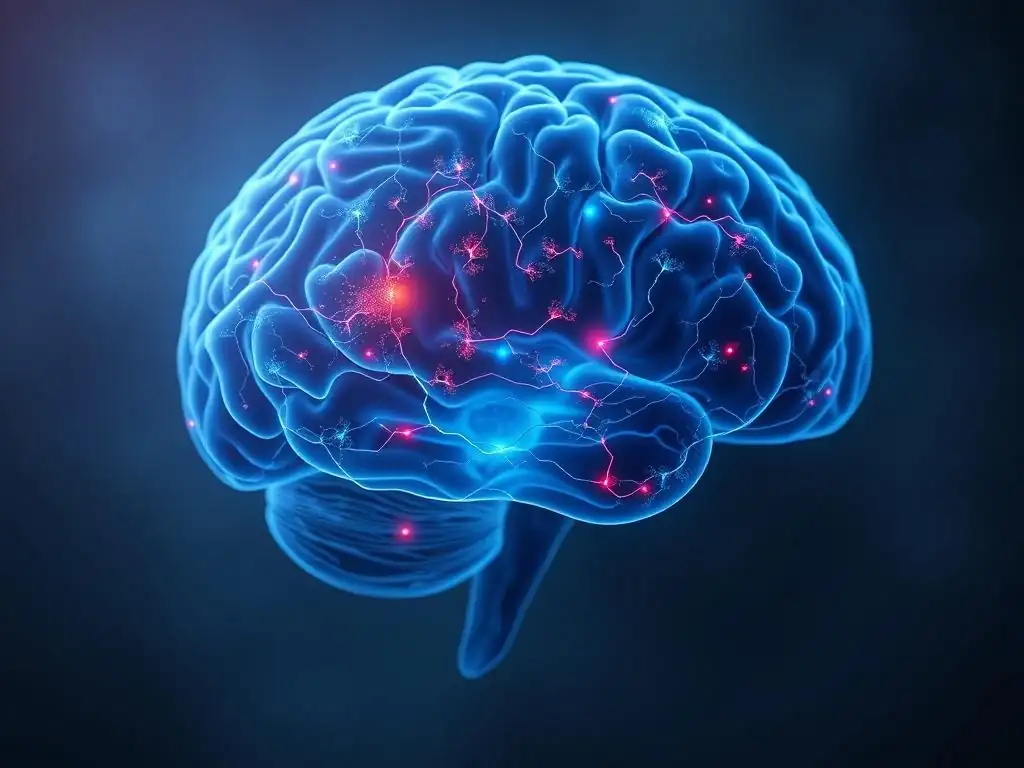
Welcome to Mind Care Guide, your haven for understanding the intricate landscape of mental well-being. Ever wondered how chronic stress can pave the way to depression? Unravel the mysteries of the stress depression brain pathway with us, as we delve into the neuroscience behind this critical connection. Explore the article below to gain insights and empower yourself with knowledge to navigate these challenges. Let's embark on this journey of understanding together.
- The Biological Pathway from Stress to Depression: A Brain Perspective
- The Brain's Response to Stress: A Biological Cascade
- The Stress-Depression Brain Pathway: A Step-by-Step Breakdown
- The Role of Inflammation in the Stress-Depression Brain Pathway
- Genetic and Environmental Factors in the Stress-Depression Pathway
- Identifying Signs and Symptoms of Stress-Related Depression
- Strategies for Interrupting the Stress-Depression Brain Pathway
- Preventing Stress-Related Depression
-
Frequently Asked Questions
- How does stress affect the brain and potentially lead to depression?
- What is the "stress depression brain pathway" and why is it important to understand?
- Which brain regions are most affected by chronic stress and contribute to depression?
- Can lifestyle changes and therapies interrupt the "stress depression brain pathway"?
- Are there specific biomarkers or genetic factors that make some individuals more susceptible to this "stress depression brain pathway"?
- Final Reflection: Unraveling the Stress-Depression Connection
- Unleash Your Brain's Resilience: Take Control of Your Stress
The Biological Pathway from Stress to Depression: A Brain Perspective
Understanding the Stress-Depression Connection
Stress is a universal human experience, a natural response designed to help us navigate challenges. While acute stress can be motivating, chronic or overwhelming stress poses a significant threat to both physical and mental health. A deeply rooted connection exists between prolonged stress and the onset of depression, a link that is increasingly understood through the lens of neuroscience. This isn't merely a psychological phenomenon; it involves specific, measurable changes within the brain, forming a discernible stress depression brain pathway.
Exploring this intricate biological route reveals how persistent exposure to stressors can fundamentally alter brain chemistry, structure, and function. Understanding this pathway is crucial for recognizing the biological underpinnings of stress-related depression and developing effective strategies for prevention and treatment. It highlights why simply "thinking positively" isn't always sufficient when the brain's biological equilibrium has been disrupted along the stress depression brain pathway.
The Brain's Response to Stress: A Biological Cascade
The Hypothalamic-Pituitary-Adrenal (HPA) Axis
At the core of the body's biological response to stress lies the Hypothalamic-Pituitary-Adrenal (HPA) axis. This complex system involves a chain of communication starting in the brain (hypothalamus), extending to the pituitary gland, and finally reaching the adrenal glands located atop the kidneys. When a stressor is perceived, the hypothalamus releases Corticotropin-Releasing Hormone (CRH), which signals the pituitary gland to release Adrenocorticotropic Hormone (ACTH). ACTH then travels through the bloodstream to the adrenal glands, prompting them to release stress hormones, primarily cortisol. This sequence is the initial activation in the stress depression brain pathway.
In a healthy individual, the HPA axis is a finely tuned system. It activates during stress to mobilize resources and then quickly returns to baseline once the threat passes, thanks to a negative feedback loop where cortisol signals the hypothalamus and pituitary to stop releasing CRH and ACTH. However, chronic stress can lead to persistent activation or dysregulation of this axis, causing consistently elevated levels of cortisol. This chronic overactivity is a key biological factor driving changes along the stress depression brain pathway.
How Cortisol Affects Brain Function
Cortisol, often referred to as the primary stress hormone, plays vital roles in the body, including regulating metabolism, reducing inflammation, and assisting with memory formation during acute stress. Its effects on the brain are widespread because receptors for cortisol are found in many brain regions, particularly those involved in mood, memory, and learning, such as the hippocampus, amygdala, and prefrontal cortex. During short-term stress, cortisol can enhance memory consolidation for the stressful event.
However, when cortisol levels remain chronically elevated due to persistent HPA axis activation, its effects become detrimental. High cortisol can impair neurogenesis (the birth of new neurons), particularly in the hippocampus. It can also interfere with synaptic plasticity, the ability of brain connections to strengthen or weaken over time, which is essential for learning and memory. Furthermore, sustained high cortisol can even lead to the atrophy or shrinkage of neurons in vulnerable brain areas, profoundly impacting the stress depression brain pathway.
Neurotransmitter Imbalances: Serotonin, Dopamine, and Norepinephrine
Beyond hormonal effects, chronic stress significantly impacts the delicate balance of neurotransmitters in the brain. These chemical messengers are crucial for regulating mood, motivation, pleasure, energy levels, and sleep – all functions commonly disrupted in depression. Key neurotransmitters affected include serotonin, dopamine, and norepinephrine, often referred to in the context of the monoamine hypothesis of depression.
Chronic stress and elevated cortisol can disrupt the synthesis, release, reuptake, and sensitivity of receptors for these neurotransmitters in critical brain circuits. For instance, stress can reduce the availability of serotonin in certain brain areas, impacting mood regulation and feelings of well-being. Similarly, dopamine pathways, vital for motivation and pleasure (the brain's reward system), can become blunted under chronic stress. Norepinephrine systems, involved in alertness and energy, can also be affected, contributing to fatigue and difficulty concentrating. These widespread neurotransmitter disruptions are a central feature of the stress depression brain pathway.
The Stress-Depression Brain Pathway: A Step-by-Step Breakdown
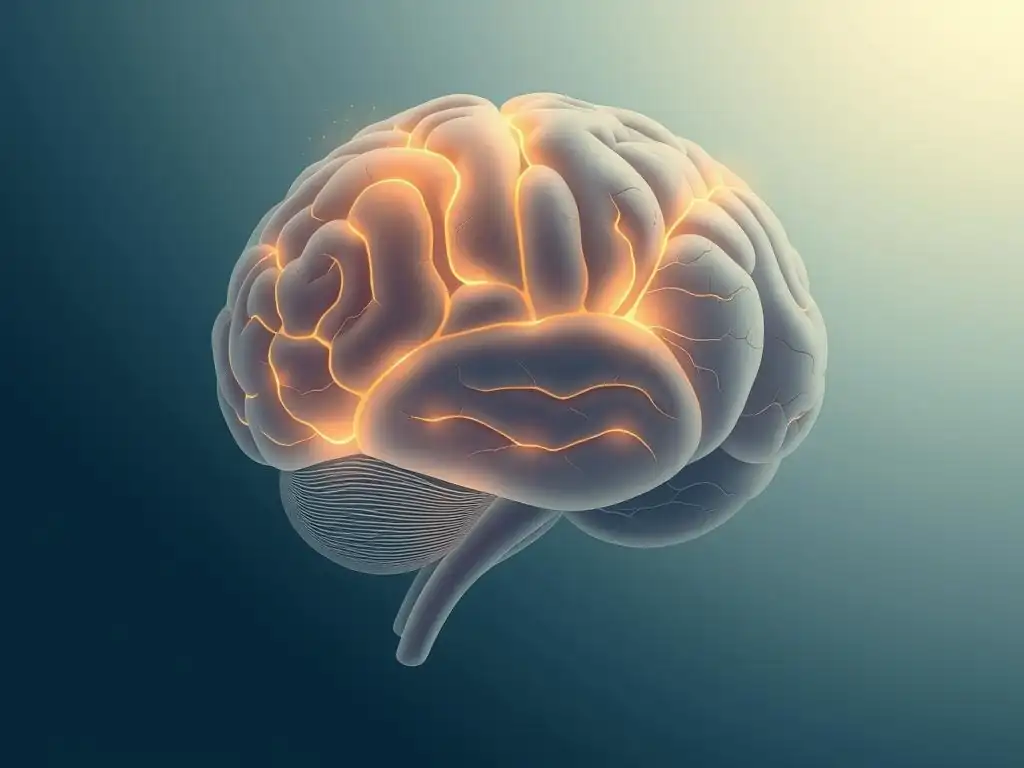
Step 1: HPA Axis Activation
The journey along the stress depression brain pathway begins with the perception of a stressor, whether it's an immediate threat or a persistent worry. This perception, processed by areas like the amygdala, signals the hypothalamus, the control center in the brain for many bodily functions. The hypothalamus then initiates the stress response by releasing Corticotropin-Releasing Hormone (CRH).
CRH acts as the primary messenger, traveling a short distance to the pituitary gland, located just below the hypothalamus. Here, CRH stimulates the release of Adrenocorticotropic Hormone (ACTH). This step effectively amplifies the signal from the hypothalamus, preparing to engage the body's major stress hormone producers.
Step 2: Cortisol Release and Brain Impact
Once released from the pituitary, ACTH enters the bloodstream and travels throughout the body, eventually reaching the adrenal glands situated on top of the kidneys. The arrival of ACTH signals the adrenal cortex to synthesize and release cortisol into the bloodstream. Cortisol is then transported throughout the body, including back up to the brain.
Within the brain, cortisol binds to specific receptors in various regions. While acute effects can be adaptive, chronic exposure to high cortisol begins to exert damaging effects. It can suppress the birth of new neurons, particularly in the hippocampus, and interfere with the function of existing neurons, laying the groundwork for mood and cognitive difficulties that are hallmarks of the stress depression brain pathway.
Step 3: Neurotransmitter Dysregulation and Mood
The sustained activation of the HPA axis and the resulting high cortisol levels have a cascading effect on the brain's neurotransmitter systems. The intricate balance of chemicals like serotonin, dopamine, and norepinephrine, essential for regulating mood, sleep, appetite, and motivation, is disrupted.
This dysregulation leads to altered signaling between neurons in brain circuits responsible for emotional processing and reward. For example, reduced serotonin activity in areas like the prefrontal cortex and limbic system can contribute to persistent sadness and anxiety. Impaired dopamine signaling can result in anhedonia, the loss of interest or pleasure in activities, a core symptom of depression. These neurotransmitter imbalances are a direct biological consequence within the stress depression brain pathway.
Step 4: Structural Brain Changes Due to Chronic Stress
Perhaps one of the most profound impacts of chronic stress along the stress depression brain pathway is the alteration of brain structure itself. While the brain is remarkably adaptable, prolonged exposure to stress hormones and inflammatory molecules can lead to physical changes in the size and connectivity of key brain regions.
These structural changes are not merely theoretical; they are observed in neuroimaging studies of individuals experiencing chronic stress or depression. These alterations contribute to the persistent vulnerability to depression and can make recovery more challenging, highlighting the deep biological roots of the stress depression brain pathway.
The Role of the Hippocampus
The hippocampus is a critical brain region involved in learning, memory, and regulating the stress response through its role in the HPA axis negative feedback loop. It is particularly vulnerable to the effects of chronic stress and high cortisol.
Studies indicate that chronic stress exposure can lead to a reduction in hippocampal volume, sometimes by a percentage in the low double digits compared to healthy controls. This shrinkage is associated with impaired memory function and a reduced ability of the hippocampus to effectively signal the HPA axis to shut down, perpetuating the cycle of stress and contributing significantly to the stress depression brain pathway.
Amygdala Hyperactivity
In contrast to the hippocampus, the amygdala, the brain region primarily responsible for processing fear and emotional responses, often shows increased activity and sometimes even enlargement under chronic stress. The amygdala acts like a threat detector, and persistent stress can make it hyper-vigilant and overreactive.
Research using fMRI has shown heightened amygdala activity in response to emotional stimuli in individuals with chronic stress or depression. This hyperactivity contributes to increased feelings of anxiety, fearfulness, and heightened emotional reactivity, symptoms that frequently co-occur with or precede depression within the stress depression brain pathway.
Prefrontal Cortex Impairment
The prefrontal cortex (PFC) is the brain's executive control center, involved in higher-level functions such as decision-making, planning, working memory, and regulating emotions and social behavior. It plays a crucial role in evaluating stressors and modulating the stress response.
Chronic stress can impair the function and reduce the connectivity of the PFC, particularly its connections to the amygdala and other limbic areas. This impairment weakens the brain's ability to regulate emotional responses, control impulses, and make rational decisions under pressure, further contributing to the cognitive and emotional symptoms associated with the stress depression brain pathway.
The Role of Inflammation in the Stress-Depression Brain Pathway
Stress-Induced Inflammation and the Brain
Emerging research highlights the significant role of inflammation as a key player in the stress depression brain pathway. Chronic stress doesn't just affect hormones and neurotransmitters; it also activates the immune system, leading to a state of low-grade systemic inflammation throughout the body.
Inflammatory molecules, such as cytokines, can travel through the bloodstream and cross the blood-brain barrier, or they can be produced directly by glial cells (support cells) within the brain. This brain inflammation, known as neuroinflammation, is increasingly recognized as a contributor to various neurological and psychiatric conditions, including depression.
Cytokines and Neuroinflammation
Key pro-inflammatory cytokines, such as Interleukin-1 beta (IL-1β), Tumor Necrosis Factor-alpha (TNF-α), and Interleukin-6 (IL-6), are often found at elevated levels during chronic stress. These molecules can have profound effects on brain function.
These cytokines can interfere with neurotransmitter metabolism, for example, altering the pathway that produces serotonin from tryptophan. They can also impair neurogenesis, reduce synaptic plasticity, and increase oxidative stress, all of which can disrupt neuronal function and contribute to the development of depressive symptoms. Studies show elevated levels of these cytokines in the blood and cerebrospinal fluid of individuals with depression, underscoring the role of inflammation in the stress depression brain pathway.
Genetic and Environmental Factors in the Stress-Depression Pathway
Genetic Influence on Susceptibility
While stress is a powerful trigger, individual vulnerability to stress-induced depression is also influenced by genetic factors. Our genes can affect how our HPA axis responds to stress, how efficiently our bodies clear stress hormones, and how our neurotransmitter systems function.
Certain gene variations have been associated with an increased risk of developing depression when exposed to stress. This points to gene-environment interactions, where a genetic predisposition might only manifest as depression under specific stressful conditions. For example, variations in the serotonin transporter gene (5-HTTLPR) have been studied for their association with depression risk following stressful life events, illustrating how genetics can modulate the stress depression brain pathway.
Impact of Early Life Stress
Stress experienced during critical developmental periods, such as childhood trauma, neglect, or chronic adversity, can have profound and lasting effects on the stress depression brain pathway. The developing brain and HPA axis are particularly sensitive to environmental influences.
Early life stress can "program" the HPA axis to be hypersensitive or dysregulated throughout life. This means that individuals exposed to early adversity may have an exaggerated stress response to even mild stressors in adulthood, increasing their vulnerability to depression and anxiety. Research on individuals with a history of childhood maltreatment often shows persistent HPA axis dysregulation and altered brain structure, demonstrating the long-term impact of early stress on the stress depression brain pathway.
Environmental Triggers
Beyond early life experiences, various environmental stressors throughout adulthood can trigger the stress depression brain pathway. Common examples include major life events like job loss, financial difficulties, relationship breakdowns, bereavement, chronic illness, or exposure to trauma.
Crucially, it's not just the event itself but often the perception of the stressor and its duration or uncontrollability that determine its impact. Chronic, unpredictable, or uncontrollable stress is particularly damaging to the brain and significantly increases the risk of depression compared to acute, manageable stressors. These environmental triggers activate the biological cascade leading to changes along the stress depression brain pathway.
Recognizing Early Warning Signs
Recognizing the early warning signs that stress is progressing towards depression is vital for timely intervention. These signs often differ from the immediate "fight or flight" response and can be subtle initially. They represent the biological shifts occurring within the stress depression brain pathway.
Early indicators may include persistent fatigue or low energy despite adequate rest, changes in sleep patterns (difficulty falling asleep, staying asleep, or sleeping excessively), increased irritability or restlessness, difficulty concentrating or making decisions, and a noticeable loss of interest or pleasure in activities that were once enjoyable. These symptoms suggest that chronic stress is beginning to disrupt normal brain function.
Differentiating Stress-Induced Depression
Stress-induced depression shares core symptoms with major depressive disorder, such as persistent low mood, feelings of hopelessness, changes in appetite, and suicidal thoughts in severe cases. However, in cases where stress is the primary trigger, the onset of depressive symptoms can often be clearly linked to the timing and nature of a significant stressful event or period of chronic stress.
While the symptoms themselves may be indistinguishable from other forms of depression, recognizing the direct connection to stress is crucial for tailoring treatment approaches. Understanding that the stress depression brain pathway has been activated by specific stressors helps inform therapeutic strategies aimed at stress management and biological recovery.
Strategies for Interrupting the Stress-Depression Brain Pathway
Stress Management Techniques
Given that stress is a primary driver of this biological pathway, actively managing stress is a cornerstone of both preventing and treating stress-related depression. Effective stress management techniques aim to regulate the HPA axis, reduce cortisol levels, and promote resilience in the brain.
Implementing regular stress management practices can help buffer the negative biological impacts of stressors, effectively interrupting the progression along the stress depression brain pathway. These techniques empower individuals by providing tools to regain a sense of control over their physiological and psychological responses.
Mindfulness and Meditation
Mindfulness and meditation practices involve focusing attention on the present moment without judgment. Regular engagement in these practices has been shown to reduce activity in the amygdala and increase activity and connectivity in areas of the prefrontal cortex associated with emotional regulation and self-awareness.
Studies suggest that consistent mindfulness practice can lead to measurable changes in brain structure and function, potentially counteracting stress-induced atrophy in areas like the hippocampus and strengthening the brain's ability to recover from stress. Research shows just 8 weeks of mindfulness training can lead to such changes, offering a powerful way to positively influence the stress depression brain pathway.
Exercise and Physical Activity
Physical exercise is a potent antidote to stress. It helps to metabolize excess stress hormones like cortisol and adrenaline and promotes the release of endorphins, which have mood-boosting effects. Regular physical activity also supports overall brain health, including promoting neurogenesis and improving blood flow.
Aiming for at least 150 minutes of moderate-intensity aerobic exercise per week, as recommended by many health organizations, can significantly improve mood, reduce anxiety, and build resilience to stress. Exercise provides a biological counter-force to the negative effects of stress, helping to disrupt the progression of the stress depression brain pathway.
Cognitive Behavioral Therapy (CBT)
Cognitive Behavioral Therapy (CBT) is a form of psychotherapy that helps individuals identify and challenge negative thought patterns and behaviors that contribute to stress and depression. It teaches coping skills to manage stressful situations more effectively and change how one reacts to stressors.
By helping individuals reframe their perceptions of stressors and develop healthier coping mechanisms, CBT can reduce the activation of the stress response system. This therapeutic approach has demonstrated effectiveness in clinical trials for treating stress-related depression, often showing results comparable to medication, by addressing both the psychological and indirect biological aspects of the stress depression brain pathway.
In some cases, particularly when stress-related depression is severe or persistent, medication may be a necessary part of the treatment plan. Medications work by targeting the biological imbalances that have occurred along the stress depression brain pathway.
Pharmacological interventions aim to restore more normal levels and signaling of neurotransmitters or address other biological factors like inflammation. The decision to use medication is made in consultation with a healthcare professional and is often used in conjunction with therapy and lifestyle changes.
Antidepressants and Neurotransmitters
Common types of antidepressants, such as Selective Serotonin Reuptake Inhibitors (SSRIs), primarily work by increasing the availability of neurotransmitters like serotonin in the synaptic cleft, the space between neurons. As chronic stress can reduce the functional availability of serotonin, SSRIs aim to counteract this effect.
By restoring more balanced neurotransmitter signaling, these medications can help alleviate core depressive symptoms like low mood, loss of interest, and fatigue. While they don't eliminate stress itself, they help normalize the brain's response and function, supporting recovery from the biological impacts of the stress depression brain pathway. SSRIs work by blocking the reuptake of serotonin in the synapse, increasing its concentration and signaling.
Other Pharmacological Interventions
Beyond SSRIs, other types of antidepressants, such as Serotonin-Norepinephrine Reuptake Inhibitors (SNRIs) which affect both serotonin and norepinephrine, or atypical antidepressants with different mechanisms, may be used depending on the individual's specific symptoms and response. Sometimes, medications targeting anxiety, which often accompanies stress-related depression, might also be prescribed.
These pharmacological interventions are designed to address the specific biological dysregulations identified within the stress depression brain pathway. Treatment plans are highly individualized, and finding the right medication or combination requires careful evaluation and monitoring by a healthcare provider.
Building Resilience Through Lifestyle Changes
Preventing stress-related depression involves proactively building resilience – the ability to adapt and recover from stress. This is achieved through adopting healthy lifestyle habits that support brain health and regulate the stress response, creating a buffer against the stress depression brain pathway.
Key lifestyle changes include maintaining a balanced and nutritious diet rich in omega-3 fatty acids and antioxidants, which support brain function and reduce inflammation. Ensuring adequate sleep, ideally 7-9 hours per night for most adults, is crucial as sleep deprivation significantly impairs stress regulation. Limiting stimulants like caffeine and depressants like alcohol, which can disrupt sleep and mood, is also important. Incorporating regular relaxation practices, such as deep breathing exercises, yoga, or spending time in nature, can help maintain a balanced nervous system.
Strong social connections are one of the most powerful protective factors against the negative effects of stress and a vital component in preventing depression. Positive relationships provide emotional support, a sense of belonging, and practical assistance during difficult times.
Interacting with supportive friends and family can trigger the release of oxytocin, often called the "bonding hormone," which has calming effects on the nervous system and can counteract the physiological stress response. Studies consistently show that individuals with strong social support networks have lower rates of depression and anxiety, highlighting the protective role of relationships against the stress depression brain pathway. Nurturing these connections is an investment in mental well-being.
Seeking Professional Help
Recognizing when stress is becoming overwhelming or when signs of depression are appearing and seeking professional help is a crucial preventive strategy. Mental health professionals, such as therapists, counselors, or psychiatrists, are equipped to provide tailored support and interventions.
Therapy can teach effective stress management techniques and coping skills before stress reaches critical levels. If symptoms of depression are present, professionals can provide diagnosis, therapeutic interventions like CBT or other talk therapies, and discuss medication options if appropriate. Seeking help early can interrupt the progression along the stress depression brain pathway and prevent more severe or chronic depression.
Frequently Asked Questions
How does stress affect the brain and potentially lead to depression?
Stress triggers the HPA axis, releasing cortisol. Chronic stress can disrupt brain structure and function, especially in areas like the hippocampus and prefrontal cortex, increasing vulnerability to depression.
What is the "stress depression brain pathway" and why is it important to understand?
This pathway refers to the biological mechanisms by which stress influences the brain, increasing the risk of depression. Understanding it allows for targeted interventions and prevention strategies.
Which brain regions are most affected by chronic stress and contribute to depression?
The hippocampus, amygdala, and prefrontal cortex are particularly vulnerable. Chronic stress can lead to reduced hippocampus volume and altered amygdala activity, impacting mood regulation and cognitive function.
Can lifestyle changes and therapies interrupt the "stress depression brain pathway"?
Yes, interventions like mindfulness, exercise, and cognitive behavioral therapy (CBT) can help regulate the stress response, promote neuroplasticity, and improve mood, thereby mitigating the pathway's effects.
Are there specific biomarkers or genetic factors that make some individuals more susceptible to this "stress depression brain pathway"?
Genetic predispositions and variations in stress-related genes can influence an individual's sensitivity to stress. Certain biomarkers, like elevated cortisol levels or inflammation markers, can also indicate increased vulnerability.
Final Reflection: Unraveling the Stress-Depression Connection
The intricate biological pathway linking stress and depression is not merely an academic curiosity; it's a crucial understanding for navigating the mental health crisis facing our world today. The sheer prevalence of depression, often exacerbated by chronic stress, demands a deeper comprehension of the underlying neurobiological mechanisms. Ignoring this pathway means missing vital opportunities for prevention, early intervention, and the development of more effective treatments.
The exploration of this complex interplay between stress hormones, neurotransmitters, and brain regions has profoundly impacted my understanding of mental health, shifting my perspective from a purely symptomatic view to a more nuanced appreciation of the underlying biological processes. The mind is not a separate entity from the body; it is an integral part of it, and its health is dependent on the health of the body.
This quote underscores the importance of recognizing the physical roots of mental illness, a crucial step in dismantling the stigma surrounding depression and fostering a more compassionate and informed approach to treatment.
Now, consider your own life. Have you experienced periods of prolonged stress? Reflect on how those experiences manifested physically and emotionally. Understanding the biological pathways involved can empower you to make proactive choices – to prioritize stress management techniques, seek support when needed, and advocate for better mental health resources within your community. This knowledge is not just for professionals; it's a tool for self-care and empowerment, enabling you to navigate the complexities of life with a greater understanding of your own mind and body.
Unleash Your Brain's Resilience: Take Control of Your Stress
Thanks for taking the time to explore the intricate connection between stress and depression! You've now gained valuable insight into your brain's response to stress and how you can begin to proactively manage it. Ready to put this knowledge into action?
- Prioritize one stress-reducing activity this week: Identify a single technique from the article (meditation, exercise, journaling, etc.) and commit to doing it daily for at least 10 minutes. This small step can make a big difference.
- Share this article with someone you care about: Spreading awareness and encouraging open conversations about mental health is crucial.
- Dive deeper into our related articles on stress management: Explore Mind Care Guide's extensive library for more personalized strategies. You might be surprised by what you find!
What small change will you make today to nurture your brain's resilience?