
Is Your Gut Controlling Your Depression? The Deep Dive into the GutBrain Axis

Welcome to Mind Care Guide, a safe space dedicated to nurturing your mental well-being.
Feeling overwhelmed by the weight of depression? You're not alone. What if the key to unlocking lasting relief lies in an unexpected place – your gut? Dive into our comprehensive exploration of the Gutbrain axis depression connection and discover how the intricate relationship between your digestive system and your brain might be influencing your mood. Are you ready to uncover the hidden link and begin your journey towards a brighter, healthier mind? Read on to explore this fascinating neuroscience of mental health and find out how to take control.
The Gut-Brain Connection: How Gut Health Impacts Mental Well-being
- Introduction: Understanding the Gut-Brain Axis and Mental Health
- What is the Gut-Brain Axis? A Detailed Explanation
- The Gut-Brain Axis and Mental Health: A Detailed Look
- How Gut Imbalances Can Trigger or Worsen Mental Health
- Identifying Gut-Related Mental Health Issues: Symptoms and Assessment
- Strategies for Supporting Gut Health and Improving Mental Well-being
- The Future of Gut-Brain Axis Research and Mental Health Treatment
- Conclusion: Supporting Your Mental Well-being Through Gut Health
-
Frequently Asked Questions
- What is the Gut-Brain Axis and how does it relate to mental well-being?
- How can the gut microbiome influence depression?
- What are some signs that my gut health might be affecting my mental health?
- What lifestyle changes can improve both gut health and mental well-being?
- Where can I find more resources and support for understanding the Gut-Brain Axis and its impact on depression?
- Final Reflection: Unraveling the Mind-Gut Connection in Depression
- Unlock Your Gut's Power: Take Control of Your Mood!
Introduction: Understanding the Gut-Brain Axis and Mental Health
Exploring the Connection Between Gut Health and Mental Well-being
For centuries, the connection between the gut and the mind has been observed, often anecdotally, through common phrases like having a "gut feeling" or experiencing "butterflies in the stomach" when anxious. However, modern science is now providing robust evidence for a profound and complex link between the health of our digestive system and our mental state.
This burgeoning field of research is uncovering how conditions within the gut, such as imbalances in the microbial community or inflammation, can significantly influence mood, cognitive function, and even contribute to mental health challenges like anxiety and depression. The emerging understanding of the gutbrain axis depression connection is reshaping how we view and approach mental well-being.
This exploration delves into the intricate communication network that exists between the gut and the brain. It highlights how disruptions in this system, often originating in the gut, can manifest as psychological symptoms. For instance, studies have shown that individuals with depression and anxiety often exhibit different gut microbiome compositions compared to healthy individuals. While causality is still being fully elucidated, the data strongly suggests a bidirectional influence, where gut health impacts brain function, and vice versa. Recognizing this connection opens new avenues for understanding and potentially treating mental health conditions by addressing underlying gut issues.
The Science of the Gut-Brain Axis and its Impact on Mental Health
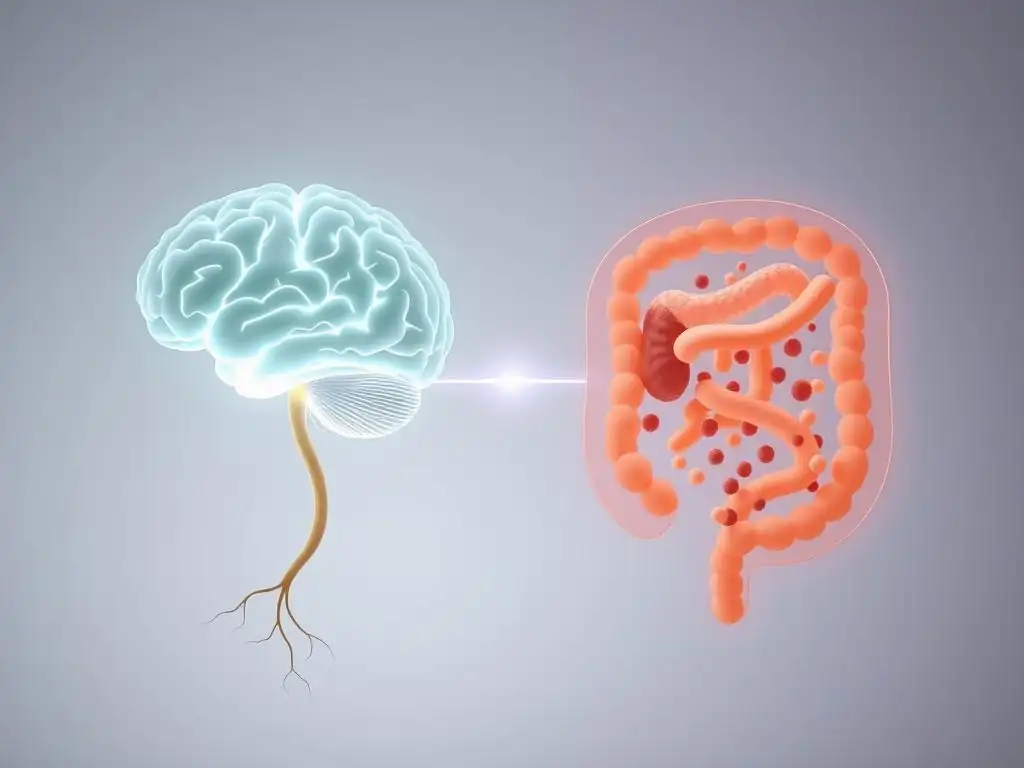
The scientific basis for the gut-brain connection lies in the intricate network of communication pathways linking the two organs. This axis involves not just nerve signals but also hormonal and immunological messaging. The gut, often referred to as the "second brain," houses a vast network of neurons called the enteric nervous system (ENS), which can operate somewhat independently but also communicates directly with the central nervous system (CNS) via the vagus nerve. This neural link provides a rapid pathway for signals traveling between the gut and the brain.
Beyond direct neural communication, the gut microbiome – the trillions of bacteria, viruses, and fungi living in the digestive tract – plays a crucial role. These microbes produce a wide range of metabolites, including short-chain fatty acids (SCFAs) like butyrate, propionate, and acetate, which can enter the bloodstream and influence brain function. They also produce neurotransmitters, such as serotonin and gamma-aminobutyric acid (GABA), or influence their production elsewhere in the body.
Approximately 90% of the body's serotonin, a key neurotransmitter involved in mood regulation, is produced in the gut. Furthermore, the gut lining and the immune cells residing there form a critical barrier and communication hub, releasing inflammatory molecules (cytokines) that can travel to the brain and affect neuroinflammation, which is increasingly linked to depression and other mental health disorders.
What is the Gut-Brain Axis? A Detailed Explanation
Defining the Gut-Brain Axis: The Two-Way Communication System
The gut-brain axis is best understood as a sophisticated bidirectional communication system that constantly exchanges signals between the gastrointestinal tract and the central nervous system. This is not a simple one-way street; rather, it's a dynamic loop where the state of the gut influences the brain, and the state of the brain influences the gut. This axis integrates neural, hormonal, and immune signals to regulate various functions, from digestion and nutrient absorption to mood, stress response, and cognitive processes. The complexity of this interaction underscores why understanding the gutbrain axis depression connection is vital.
Think of it as a continuous conversation happening within your body. When you feel stressed (a brain signal), it can slow down digestion or cause "butterflies" (a gut response). Conversely, irritation or inflammation in the gut (a gut signal) can send messages to the brain that influence mood or pain perception. This constant interplay ensures that the gut and brain are coordinating their activities for overall homeostasis, but disruptions in this communication can contribute to disordered states in either system, including significant impacts on mental health.
Key Players in the Gut-Brain Axis: The Microbiome, Nervous System, and Immune System
Several critical components work together to form the gut-brain axis. The first is the Nervous System, comprising the central nervous system (brain and spinal cord) and the enteric nervous system (ENS), a complex network of neurons embedded in the gut wall. The vagus nerve is a major neural highway connecting the ENS directly to the brainstem. The second key player is the Endocrine System, with gut cells producing hormones that influence appetite, satiety, and mood, and the hypothalamic-pituitary-adrenal (HPA) axis, the body's main stress response system, which is influenced by signals from the gut.
Perhaps the most talked-about player is the Gut Microbiome, the trillions of microorganisms residing in the digestive tract. This microbial community is incredibly diverse and performs vital functions, including breaking down food, synthesizing vitamins, and defending against pathogens. The microbiome communicates with the brain through various means: producing neurotransmitters and neuromodulators, generating metabolites like SCFAs, interacting with the immune system, and even influencing the integrity of the gut lining.
Finally, the Immune System plays a significant role, with a large proportion of immune cells located in the gut-associated lymphoid tissue (GALT). These immune cells monitor the gut contents and can release inflammatory signals that travel to the brain, affecting neuroinflammation and, subsequently, mental state.
How the Gut Microbiome Influences Brain Function and Mood
The gut microbiome exerts a profound influence on brain function and mood through multiple intricate mechanisms. One key pathway involves the production of neuroactive compounds. Gut bacteria can produce or metabolize neurotransmitters like serotonin, dopamine, norepinephrine, and GABA, which are crucial for regulating mood, sleep, and stress. While most gut-produced neurotransmitters act locally within the ENS, they can also influence systemic levels or interact with the vagus nerve to send signals to the brain. For example, certain Lactobacillus and Bifidobacterium strains are known to produce GABA, an inhibitory neurotransmitter associated with reducing anxiety.
Another significant influence comes from the metabolites produced by microbial fermentation of dietary fibers, particularly short-chain fatty acids (SCFAs) like butyrate. Butyrate is a primary energy source for colon cells and has been shown to have anti-inflammatory effects.
SCFAs can cross the blood-brain barrier and influence brain function, including neurogenesis (the creation of new neurons) and the production of brain-derived neurotrophic factor (BDNF), a protein vital for neuronal health and plasticity, which is often found at lower levels in individuals with depression. The microbiome also influences the gut barrier's integrity; a compromised barrier (often called "leaky gut") can allow microbial products and inflammatory molecules to enter the bloodstream and reach the brain, contributing to neuroinflammation and potentially exacerbating symptoms associated with the gutbrain axis depression connection.
The Gut-Brain Axis and Mental Health: A Detailed Look
Investigating the Link Between Gut Health and Mental Health Symptoms
A substantial body of research is dedicated to understanding how specific aspects of gut health are linked to mental health symptoms. Studies comparing the gut microbiome composition of individuals with mental health disorders to healthy controls consistently reveal differences. For instance, research has shown that people with major depressive disorder often have reduced diversity in their gut bacteria and altered ratios of specific bacterial groups compared to non-depressed individuals. Similar patterns have been observed in studies of anxiety disorders, bipolar disorder, and even schizophrenia.
Beyond composition, the function of the gut microbiome is also under scrutiny. Researchers are investigating how altered microbial activity impacts the production of key metabolites and neurotransmitters. For example, reduced levels of SCFAs, particularly butyrate, have been reported in some studies of depressed individuals.
Conversely, certain microbial metabolites, like those produced from the breakdown of tryptophan (an amino acid), can influence the kynurenine pathway, which is implicated in inflammation and depression. This growing evidence strongly supports the idea that disruptions in gut health are not merely co-occurring with mental illness but may be actively contributing to its development or severity, highlighting the importance of the gutbrain axis depression connection.
Scientific Studies on the Gut Microbiome and Mental Health
Numerous scientific studies, ranging from animal models to human clinical trials, are exploring the direct impact of the gut microbiome on mental health. Animal studies have provided compelling evidence; for example, germ-free mice (born and raised without any microbes) exhibit altered stress responses and social behavior compared to mice with a normal microbiome. Introducing specific bacteria or fecal matter from animals with certain behavioral traits can transfer those traits to germ-free recipients, suggesting a causal link.
In humans, studies using probiotics (beneficial bacteria) and prebiotics (fibers that feed beneficial bacteria) have shown promising, albeit sometimes inconsistent, results. A review of multiple studies indicated that certain probiotic strains, particularly combinations of Lactobacillus and Bifidobacterium species, may help reduce symptoms of depression and anxiety in some individuals.
For example, one meta-analysis pooling data from several trials found a significant reduction in depressive symptoms in participants receiving probiotics compared to placebo groups. While large-scale, definitive clinical trials are still needed, the existing research provides a strong foundation for the concept that modulating the gut microbiome could be a viable strategy for supporting mental well-being and addressing the gutbrain axis depression connection.
Inflammation is increasingly recognized as a critical factor linking gut health to mental health disorders, particularly depression. A significant portion of the body's immune system resides in the gut, and an unhealthy gut environment, characterized by dysbiosis or increased intestinal permeability, can trigger a chronic, low-grade inflammatory response. When the gut barrier is compromised, substances like lipopolysaccharide (LPS), a component of the cell wall of certain bacteria, can leak into the bloodstream. LPS is a potent inflammatory trigger.
These inflammatory molecules (cytokines) can travel throughout the body, including crossing the blood-brain barrier. In the brain, they can activate resident immune cells called microglia, leading to neuroinflammation. Neuroinflammation is known to affect neurotransmitter metabolism, disrupt neurogenesis, and impair synaptic function – all processes implicated in the pathophysiology of depression and anxiety. This inflammatory cascade provides a plausible biological mechanism through which poor gut health can contribute to mental distress, strengthening the evidence for the gutbrain axis depression connection. Managing gut-related inflammation is therefore seen as a potential therapeutic target for improving mental health outcomes.
How Gut Imbalances Can Trigger or Worsen Mental Health
Gut Dysbiosis and its Effects on Neurotransmitter Production
Gut dysbiosis, an imbalance in the composition and function of the gut microbial community, is a key factor potentially triggering or worsening mental health issues. When the balance shifts away from beneficial microbes towards potentially harmful ones, it can disrupt numerous processes, including the production and regulation of neurotransmitters. For instance, while beneficial bacteria help produce calming neurotransmitters like GABA, an overgrowth of certain less-desirable species might interfere with this process or produce metabolites that negatively impact brain chemistry.
Furthermore, gut microbes significantly influence the availability of precursors for neurotransmitter synthesis. Tryptophan, an essential amino acid, is the precursor for serotonin. Gut bacteria compete for tryptophan, and some metabolic pathways involving tryptophan can lead to the production of neurotoxic compounds via the kynurenine pathway, particularly when inflammation is present. Dysbiosis can skew tryptophan metabolism towards these inflammatory pathways rather than serotonin production. This disruption in neurotransmitter balance underscores how an unhealthy gut directly impacts the chemical signals crucial for mood regulation, illustrating a direct link in the gutbrain axis depression connection.
Intestinal Permeability and its Potential Impact on Mental Wellbeing
Intestinal permeability, often referred to colloquially as "leaky gut," occurs when the tight junctions between the cells lining the intestinal wall become compromised, allowing substances that should remain within the gut lumen, such as undigested food particles, bacteria, and microbial toxins (like LPS), to pass into the bloodstream. This breach in the gut barrier triggers an immune response throughout the body.
Once in the circulation, these substances and the resulting inflammatory signals can reach the brain. LPS, for example, is known to activate microglia and induce neuroinflammation, disrupting neuronal function and potentially exacerbating symptoms of depression and anxiety.
Increased intestinal permeability has been observed in individuals with depression and other psychiatric conditions, suggesting it could be a contributing factor or a consequence of chronic stress, which also affects gut barrier function. Healing the gut barrier is thus considered a potential strategy to reduce systemic inflammation and its impact on the brain, offering another angle on addressing the gutbrain axis depression connection.
The Vagus Nerve: The Gut-Brain Axis Communication Pathway
The vagus nerve is a major cranial nerve that serves as a primary communication highway in the gut-brain axis. It's a mixed nerve, meaning it carries signals in both directions: approximately 80% of vagal fibers are afferent, transmitting information from the gut to the brain, while about 20% are efferent, sending signals from the brain to the gut. This nerve transmits a variety of signals, including information about gut distension, nutrient presence, and the activity of gut microbes and immune cells.
Gut bacteria can influence vagal signaling through various mechanisms. They can produce metabolites that directly stimulate vagal nerve endings or influence the release of hormones that then interact with the vagus nerve. For example, SCFAs can stimulate the release of gut hormones that signal satiety to the brain via the vagus nerve.
Inflammation in the gut can also activate vagal afferents, sending distress signals to the brain. Disruptions in vagal tone (the activity of the vagus nerve) have been linked to mood disorders, and stimulating the vagus nerve has shown some therapeutic potential for depression. This direct neural pathway highlights the intimate, rapid communication that forms a core part of the gutbrain axis depression connection.
Recognizing the Signs: When Gut Issues Might Be Contributing to Mental Health
Identifying whether gut issues are contributing to mental health symptoms can be challenging, as the symptoms often overlap with other conditions. However, certain patterns might suggest a gut-brain connection is at play. These include experiencing digestive symptoms concurrently with mental health symptoms – for example, persistent bloating, gas, abdominal pain, constipation, or diarrhea that worsens during periods of increased anxiety or depression. Conversely, mental health symptoms that seem to flare up after consuming certain foods or experiencing digestive distress could also be indicative.
Other potential signs include mental health symptoms that don't fully respond to conventional treatments, suggesting an underlying physiological factor like gut dysfunction. Fatigue, brain fog, difficulty concentrating, and unexplained body aches accompanying mood disturbances could also point towards systemic issues potentially originating in the gut. Keeping a detailed journal of both digestive and mental health symptoms, along with dietary intake, can help individuals and healthcare providers identify potential correlations and explore the possibility of a gutbrain axis depression connection.
Diagnostic Tests for Assessing Gut Health and Microbiome Composition (e.g., Stool Tests, SIBO Testing)
If a gut-brain connection is suspected, healthcare providers may recommend various diagnostic tests to assess gut health and microbiome composition. Comprehensive stool analysis is a common approach. These tests can evaluate:
- The balance and diversity of gut bacteria, including beneficial, commensal, and potentially pathogenic species.
- Markers of inflammation in the gut (e.g., calprotectin, eosinophil protein X).
- Markers of digestive function (e.g., pancreatic elastase, fat absorption).
- Presence of parasites or yeast overgrowth.
Small Intestinal Bacterial Overgrowth (SIBO) testing, often using breath tests (lactulose or glucose breath tests), measures gases produced by bacteria (hydrogen and methane) in the small intestine. An overgrowth of bacteria in the small intestine, where there should be relatively few, can lead to significant digestive issues and has been linked to symptoms outside the gut, including neurological and mood changes, further illustrating aspects of the gutbrain axis depression connection. These tests provide objective data that can help tailor interventions aimed at restoring gut balance.
Differentiating gut-related mental health issues from other forms of mental illness requires a careful and comprehensive assessment by qualified healthcare professionals. Mental health conditions like depression and anxiety have complex origins involving genetics, environment, life experiences, and brain chemistry. While gut health can be a significant contributing factor, it is rarely the sole cause. A thorough evaluation will include a detailed medical history, psychological assessment, and potentially physical examination and lab tests.
The key is to look for patterns and correlations. Does addressing gut issues improve mental health symptoms? Do mental health symptoms worsen specifically when gut health deteriorates? A diagnosis is typically made based on established criteria (e.g., DSM-5).
If gut issues are identified, they are often considered contributing factors or comorbid conditions rather than replacing a psychiatric diagnosis. The goal isn't necessarily to replace mental health treatment with gut treatment, but rather to explore how optimizing gut health can be a powerful adjunct strategy to improve outcomes for individuals experiencing the gutbrain axis depression connection. A collaborative approach involving gastroenterologists, dietitians, and mental health professionals is often beneficial.
Strategies for Supporting Gut Health and Improving Mental Well-being
Dietary Changes for a Healthier Gut and Improved Mood
Diet is perhaps the most influential factor we can control when it comes to shaping our gut microbiome and supporting overall gut health, which in turn impacts mental well-being. A diet rich in diverse plant fibers is paramount, as these fibers are the primary food source for beneficial gut bacteria. Increasing intake of fruits, vegetables, legumes, and whole grains helps cultivate a diverse and thriving microbial community. These beneficial bacteria then produce beneficial metabolites like SCFAs, which nourish the gut lining and have systemic anti-inflammatory effects, potentially improving mood via the gutbrain axis depression connection.
Specific dietary patterns, such as the Mediterranean diet, which emphasizes whole, unprocessed foods, plenty of plant matter, healthy fats (like olive oil), and lean proteins, have been associated with both better gut health and reduced risk of depression and anxiety. Focusing on consuming a wide variety of colorful plant foods ensures intake of different types of fiber and phytonutrients, supporting a more diverse microbiome. Hydration is also crucial for digestive health, ensuring smooth transit and preventing constipation.
The Importance of Fiber, Prebiotics, and Probiotics for Gut Health
Fiber is non-negotiable for a healthy gut. Dietary fiber, found in plant foods, passes undigested into the large intestine where it is fermented by gut bacteria. This fermentation produces SCFAs, which are vital for gut health, immune function, and brain health. Aiming for the recommended daily intake of fiber (around 25-30 grams for adults) from a variety of sources is a foundational step.
Prebiotics are specific types of dietary fibers that selectively feed beneficial bacteria in the gut. Examples include inulin, fructans, and galacto-oligosaccharides (GOS), found in foods like garlic, onions, leeks, asparagus, bananas, and chicory root. Consuming prebiotic-rich foods helps to nourish the beneficial bacteria already present in your gut, fostering their growth and activity.
Probiotics, on the other hand, are live beneficial bacteria that, when consumed in adequate amounts, can confer a health benefit. They are found in fermented foods like yogurt (with live and active cultures), kefir, sauerkraut, kimchi, and tempeh, or can be taken as supplements. While research on specific strains for mental health is ongoing, incorporating probiotic-rich foods or considering a well-researched probiotic supplement might help modulate the gut microbiome and potentially improve aspects of the gutbrain axis depression connection.
Foods to Limit That Can Harm the Gut Microbiome (e.g., Processed Foods, Artificial Sweeteners)
Just as some foods nourish beneficial gut bacteria, others can harm the microbial community and contribute to dysbiosis and inflammation. Highly processed foods, often low in fiber and high in unhealthy fats, sugar, and salt, can negatively impact microbial diversity. Diets consistently high in refined sugars and unhealthy fats can favor the growth of less beneficial or even pathogenic bacteria, potentially increasing gut permeability and contributing to systemic inflammation, which links back to the gutbrain axis depression connection.
Artificial sweeteners are another category of food additives that research suggests can alter the gut microbiome composition and function in ways that may be detrimental to metabolic and potentially mental health. While research is still evolving, some studies indicate that certain artificial sweeteners can negatively impact beneficial bacteria and may affect glucose metabolism. Limiting or avoiding these types of foods and additives can help create a more favorable environment for a healthy and diverse gut microbiome, supporting overall well-being.
Probiotics and Prebiotics: Choosing the Right Supplements for Gut-Brain Health
While dietary sources of probiotics and prebiotics are valuable, supplements can offer a concentrated dose of specific strains or fibers. However, the supplement market is vast, and choosing the right ones requires some understanding. Probiotic supplements are live microorganisms, and their effects are often strain-specific.
This means that the benefits observed with one strain (e.g., Lactobacillus rhamnosus GG for diarrhea) may not apply to another (e.g., Bifidobacterium longum 1714 for stress). For gut-brain health, research is focusing on specific psychobiotic strains – probiotics that, when ingested, may produce a mental health benefit. Examples of strains studied in relation to mood and stress include Lactobacillus helveticus R0052 and Bifidobacterium longum R0175, and Bifidobacterium longum 1714.
When considering a probiotic supplement, look for products that list specific strains (e.g., Lactobacillus acidophilus NCFM) rather than just the genus and species (e.g., Lactobacillus acidophilus). The dosage is typically listed in Colony Forming Units (CFUs), often ranging from 1 billion to 100 billion. Choosing a multi-strain probiotic may offer broader benefits, but selecting supplements with strains supported by research for gut-brain effects could be more targeted for addressing the gutbrain axis depression connection. It's advisable to consult with a healthcare professional before starting any new supplement.
Understanding Different Strains of Probiotics and Their Specific Benefits
The world of probiotics is incredibly diverse, with thousands of different strains, each possessing unique characteristics and potential health effects. While many probiotics support general digestive health, specific strains have been investigated for their impact on the gut-brain axis and mental health. For instance, research has shown that Bifidobacterium longum 1714 may help reduce stress and improve cognitive function. Another strain, Lactobacillus plantarum 299v, has been studied for its potential effects on mood and anxiety.
It's crucial to understand that not all probiotic strains are created equal, and the benefits are often strain-specific. A probiotic marketed for digestive regularity might not have the same impact on mood as one specifically studied for its psychobiotic effects. When evaluating probiotic supplements for gut-brain health, look for products that contain strains backed by clinical research related to stress, anxiety, or depression, and ensure the product guarantees the viability of the bacteria through expiration. This targeted approach can be more effective than simply taking any probiotic supplement when trying to influence the gutbrain axis depression connection.
Prebiotic-Rich Foods and Supplements: Fueling Beneficial Gut Bacteria
Prebiotics are non-digestible fibers that selectively stimulate the growth and activity of beneficial bacteria in the colon. They act as fertilizer for your existing good microbes. Incorporating prebiotic-rich foods into your diet is a sustainable way to support your gut microbiome. Excellent food sources include:
- Garlic
- Onions
- Leeks
- Asparagus
- Bananas (slightly green)
- Apples
- Oats
- Barley
- Flaxseeds
- Chicory root (often found in coffee substitutes or fiber supplements)
Consuming a variety of these foods regularly helps ensure that beneficial bacteria like Bifidobacteria and Lactobacilli have the fuel they need to thrive and produce beneficial metabolites like SCFAs. Prebiotic supplements, such as inulin, FOS (fructo-oligosaccharides), or GOS (galacto-oligosaccharides), are also available and can be helpful for increasing prebiotic intake, especially if dietary intake is insufficient. However, some people may experience gas or bloating when first increasing prebiotic intake, so it's best to start slowly. Combining prebiotics with probiotics (symbiotics) may offer enhanced benefits for the gut-brain axis depression connection.
Lifestyle Modifications to Support the Gut-Brain Axis
Beyond diet, several lifestyle factors significantly influence both gut health and mental well-being, highlighting their interconnectedness via the gut-brain axis. Managing stress is paramount. Chronic stress has a profound negative impact on gut health; it can alter gut motility, increase intestinal permeability, and significantly change the composition of the gut microbiome, often reducing diversity and favoring less beneficial species. These stress-induced changes in the gut can then send signals back to the brain, potentially exacerbating anxiety and depression – a clear demonstration of the gutbrain axis depression connection at work.
Implementing stress management techniques is therefore vital for supporting gut health and, consequently, mental health. Techniques such as mindfulness meditation, deep breathing exercises, yoga, spending time in nature, or engaging in hobbies can help regulate the stress response and reduce its detrimental effects on the gut. Prioritizing stress reduction is a powerful, non-dietary strategy for nurturing the gut-brain axis.
Stress Management Techniques for a Healthy Gut
Chronic stress is a well-known disruptor of the gut-brain axis. The brain's stress response system (the HPA axis) sends signals that can directly affect gut function, leading to symptoms like abdominal pain or changes in transit time. Furthermore, stress hormones like cortisol can alter the gut microbiome composition, reduce beneficial bacteria, and increase intestinal permeability. This creates a vicious cycle where stress harms the gut, and the compromised gut sends inflammatory and distress signals back to the brain, amplifying stress and negative mood states.
Engaging in regular stress management techniques can help break this cycle. Practices like daily meditation, even for just 10-15 minutes, have been shown in some studies to positively impact the gut microbiome and improve symptoms of conditions like Irritable Bowel Syndrome (IBS), which is strongly linked to the gut-brain axis. Gentle exercise, spending time with loved ones, ensuring adequate leisure time, and setting healthy boundaries can all contribute to reducing stress levels and fostering a healthier environment within the gut, thereby supporting mental well-being and mitigating the negative aspects of the gutbrain axis depression connection.
The Role of Exercise in Promoting Gut Microbiome Diversity
Regular physical activity is another crucial lifestyle factor that benefits both mental health and gut health. Exercise has long been recognized for its positive impact on mood, reducing symptoms of anxiety and depression, partly by increasing endorphins and improving brain blood flow. Emerging research indicates that exercise also has a significant positive effect on the gut microbiome.
Studies comparing athletes to sedentary individuals have found that those who exercise regularly tend to have greater diversity in their gut bacteria, which is generally associated with better health outcomes. Exercise appears to promote the growth of beneficial bacteria species that produce SCFAs, including butyrate, which is beneficial for gut barrier function and reducing inflammation.
While the exact mechanisms are still being explored, incorporating moderate, regular exercise into your routine is a powerful way to support a healthy gut microbiome and reinforce the positive interactions within the gut-brain axis, contributing to improved mental health and potentially mitigating the gutbrain axis depression connection.
Sleep Hygiene and its Impact on Gut Health and Mental Wellbeing
Sleep is fundamental to both physical and mental health, and its disruption can negatively impact the gut-brain axis. Poor sleep quality or insufficient sleep is associated with changes in the gut microbiome, potentially reducing diversity and increasing the abundance of less beneficial bacteria. Sleep deprivation can also increase inflammation and stress hormone levels, both of which have detrimental effects on the gut barrier and the overall gut environment.
Furthermore, the gut microbiome operates on a circadian rhythm, much like the body's other systems. Disrupting this rhythm through irregular sleep schedules can impair the microbiome's function.
Improving sleep hygiene – establishing a regular sleep schedule, creating a relaxing bedtime routine, ensuring a dark, quiet, and cool sleep environment, and avoiding caffeine and alcohol before bed – can help regulate both the body's circadian rhythm and the gut microbiome's rhythm. Prioritizing sufficient, restful sleep (typically 7-9 hours per night for adults) is a vital component of supporting a healthy gut-brain axis and improving overall mental well-being, offering another pathway to address the gutbrain axis depression connection.
The Future of Gut-Brain Axis Research and Mental Health Treatment
Emerging Therapies Targeting the Gut Microbiome for Mental Health
The growing understanding of the gut-brain axis is paving the way for novel therapeutic strategies targeting the gut microbiome to improve mental health outcomes. One promising area is the use of psychobiotics, which are defined as probiotics or prebiotics that confer a mental health benefit. Research is actively identifying specific strains and combinations of probiotics that show efficacy in clinical trials for reducing symptoms of anxiety, depression, and stress. For example, studies are exploring the use of specific Bifidobacterium and Lactobacillus strains for their potential to modulate neurotransmitter pathways and reduce inflammation.
Another area of intense research is Fecal Microbiota Transplantation (FMT). While currently primarily used for treating recurrent Clostridioides difficile infection, FMT involves transferring fecal matter (and thus the microbiome) from a healthy donor to a recipient. Preliminary studies and case reports are exploring its potential for psychiatric conditions, given the observed differences in microbiome composition in individuals with mental illness. While highly experimental for mental health and carrying risks, FMT highlights the potential power of directly manipulating the gut microbiome to impact brain function and symptoms related to the gutbrain axis depression connection.
The concept of personalized nutrition based on an individual's unique gut microbiome composition is an exciting frontier with potential implications for mental health. As microbiome testing becomes more sophisticated and accessible, it may become possible to tailor dietary recommendations and probiotic/prebiotic interventions based on an individual's specific microbial profile. For example, if testing reveals a deficiency in certain SCFA-producing bacteria, recommendations could focus on increasing specific types of fermentable fibers that nourish those bacteria.
Alternatively, if an overgrowth of certain bacteria linked to inflammation is identified, dietary strategies to reduce those populations could be implemented. This personalized approach moves beyond general dietary guidelines to target specific imbalances identified through testing. While still largely in the research phase and needing robust clinical validation, personalized nutrition offers the potential for more effective, targeted interventions for supporting gut health and optimizing the gut-brain axis to improve mental well-being, particularly for those struggling with the gutbrain axis depression connection.
The Importance of a Holistic Approach to Mental Health: Integrating Gut and Brain Care
The insights gained from gut-brain axis research strongly emphasize the need for a holistic approach to mental health care. Traditionally, mental health treatment has focused primarily on the brain, using psychotherapy and psychotropic medications. While these approaches are effective and essential for many, the gut-brain connection highlights that addressing physical health, particularly gut health, can be a crucial complementary strategy.
Integrating gut health assessment and interventions into mental health treatment plans can offer a more comprehensive path to recovery and well-being. This might involve collaboration between mental health professionals, gastroenterologists, registered dietitians, and other healthcare providers. Addressing factors like diet, stress, sleep, and gut dysbiosis alongside traditional therapies acknowledges the complex, interconnected nature of human health. This integrated approach recognizes that true mental well-being is influenced by the health of the entire body, reinforcing the understanding that the gutbrain axis depression connection is a vital component of overall health.
Conclusion: Supporting Your Mental Well-being Through Gut Health
Taking Care of Your Gut-Brain Axis for a Healthier You
The journey into the gut-brain axis reveals a profound and interconnected relationship between our digestive system and our mental state. It is clear that the health of our gut, particularly the balance and diversity of our gut microbiome, can significantly influence our mood, stress response, and cognitive function. Recognizing the intricate gutbrain axis depression connection empowers us to take proactive steps to support this vital communication system.
By adopting lifestyle strategies that nurture gut health – including consuming a diverse, fiber-rich diet, managing stress effectively, prioritizing quality sleep, and engaging in regular physical activity – we can positively influence our gut microbiome and reduce inflammation. These actions, in turn, send positive signals to the brain, fostering a more resilient mental state. While gut health is not a magic bullet for mental illness, optimizing it can be a powerful tool in our overall mental wellness toolkit, working synergistically with other therapeutic approaches.
Resources for Further Exploration of Gut Health and Mental Well-being
The field of the gut-brain axis is rapidly evolving, with new research constantly emerging. For those interested in delving deeper into this fascinating connection and finding ways to support their own gut health and mental well-being, numerous reputable resources are available.
Exploring information from research institutions studying the microbiome, organizations focused on digestive health, and mental health foundations can provide valuable insights. Consulting with healthcare professionals knowledgeable in both gut health and mental health, such as registered dietitians specializing in gut health or integrative medicine practitioners, can offer personalized guidance. Remember, while general information is helpful, individual needs vary, and professional advice is essential for addressing specific health concerns related to the gutbrain axis depression connection. Educating yourself and taking informed steps towards nurturing your gut health is an investment in your overall health and mental resilience.
Frequently Asked Questions
What is the Gut-Brain Axis and how does it relate to mental well-being?
The Gut-Brain Axis is the two-way communication system between the gut and the brain. It impacts mental well-being as an imbalance can influence mood, anxiety, and even depression symptoms.
How can the gut microbiome influence depression?
The gut microbiome, consisting of trillions of bacteria, produces neurotransmitters like serotonin. An unhealthy gut microbiome can lead to reduced neurotransmitter production, potentially contributing to depression.
What are some signs that my gut health might be affecting my mental health?
Common signs include digestive issues like bloating or constipation alongside symptoms of depression, such as persistent sadness or loss of interest. Inflammation in the gut can also signal a potential issue.
What lifestyle changes can improve both gut health and mental well-being?
Dietary changes like increasing fiber intake and reducing processed foods, alongside stress management techniques, can positively impact both. Probiotics and prebiotics can also help rebalance the gut microbiome.
Where can I find more resources and support for understanding the Gut-Brain Axis and its impact on depression?
Mind Care Guide offers a comprehensive guide to mental well-being, including articles and resources on the Gut-Brain Axis. You can also seek guidance from a qualified mental health professional.
Final Reflection: Unraveling the Mind-Gut Connection in Depression
The intricate relationship between our gut and our brain is no longer a fringe theory; it's a rapidly expanding field of research with profound implications for understanding and treating depression. The evidence presented throughout this article strongly suggests that neglecting the gut-brain axis in mental health treatment is a significant oversight, potentially hindering effective recovery for countless individuals.
The exploration of the gut-brain axis has profoundly shifted my understanding of mental health, moving beyond a purely neurological perspective to encompass the complex interplay of our internal ecosystems. This holistic view is crucial, as it highlights the interconnectedness of physical and mental well-being. The gut is the second brain,
a phrase often used, is more than a metaphor; it's a testament to the bidirectional communication pathways that profoundly impact our emotional and cognitive states. Understanding this connection empowers us to approach mental health with a more comprehensive and potentially more effective strategy.
Now, consider your own relationship with your gut health. Are you nourishing it with the foods and lifestyle choices that support its intricate microbiome? This article has hopefully illuminated the potential impact of your gut on your mental well-being.
Take this opportunity to reflect on your own habits and consider how you can nurture this vital connection. Make small changes, prioritize gut-friendly foods, manage stress effectively, and consider seeking professional guidance if you suspect a gut-brain imbalance might be contributing to your mental health challenges. The journey towards better mental health often begins with a deeper understanding of ourselves – and that journey starts within.
Unlock Your Gut's Power: Take Control of Your Mood!
Thanks for exploring the fascinating connection between your gut and your mental well-being! You've just learned how powerful this gut-brain axis truly is. Now it's time to put that knowledge into action.
- Prioritize gut-friendly foods: Start small by incorporating more fiber-rich fruits, vegetables, and fermented foods into your daily diet. This simple change can make a big difference!
- Try a mindful eating practice: Notice the textures, smells, and tastes of your food. This conscious approach can improve your digestion and relationship with food.
- Share your insights: Discuss this article with a friend or family member who might also benefit from understanding the gut-brain connection. Let's spread awareness together!
What small step will you take today to nurture your gut and improve your mood?