
Diet, Tryptophan, and Serotonin: The Building Blocks of Mood Regulation


Welcome to Mind Care Guide, your trusted companion on the journey to mental well-being. Feeling overwhelmed by the intricate connection between your mind and body? You're not alone. Ever wondered how what you eat directly impacts your happiness? Dive into our comprehensive exploration of the Tryptophan mood regulation diet and discover how this essential amino acid, a key player in serotonin production, can unlock a more balanced and joyful you. Curious to learn more? Let's unravel the science together...
Diet, Tryptophan, and Serotonin: The Building Blocks of Mood Regulation
- Introduction: Understanding the Link Between Tryptophan, Serotonin, and Mood
- The Neuroscience of Mood: How Serotonin Plays a Crucial Role
- What is Tryptophan and Why is it Important for Serotonin Production?
- Tryptophan-Rich Foods: A Natural Approach to Boosting Serotonin Levels
- The Impact of Diet on Tryptophan Availability and Serotonin Synthesis
- Tryptophan Supplements: Benefits, Risks, and Dosage Considerations
- Lifestyle Factors Complementing a Tryptophan-Rich Diet for Mood Regulation
- Recognizing Potential Tryptophan Deficiency: Symptoms and Strategies
- Tryptophan, Serotonin, and Depression: A Closer Look at the Connection
- Conclusion: Harnessing the Power of Tryptophan for Enhanced Mood and Well-being
-
Frequently Asked Questions
- What is the connection between tryptophan, diet, and mood?
- How does tryptophan in food get converted into serotonin?
- What foods are considered good sources of tryptophan for mood regulation?
- Can a "Tryptophan Mood Regulation Diet" completely replace other mental health treatments?
- What are some factors that can affect tryptophan's effectiveness in mood regulation?
- Final Reflection: Unlocking the Power of Mood Through Diet
- Unlock Your Mood's Potential: Take Charge of Your Serotonin Levels
Introduction: Understanding the Link Between Tryptophan, Serotonin, and Mood
The intricate connection between what we eat and how we feel is becoming increasingly clear. While many factors influence our mental state, the role of specific nutrients, particularly amino acids, in the production of vital neurotransmitters is a key area of focus. Among these, tryptophan stands out as a crucial precursor to serotonin, a chemical messenger known to play a significant role in regulating mood, sleep, appetite, and social behavior.
Understanding this biochemical pathway provides valuable insights into how dietary choices can potentially impact our emotional well-being and contribute to a more balanced mental state. Exploring the Tryptophan mood regulation diet involves looking closely at which foods can support this essential process.
This article delves into the fascinating relationship between dietary tryptophan intake and serotonin synthesis, exploring the neuroscience behind serotonin's impact on mood and the practical steps individuals can take to optimize their tryptophan levels through food. We will examine the conversion process, identify tryptophan-rich foods, discuss factors affecting absorption, and touch upon the potential role of supplements and lifestyle choices. By gaining a deeper understanding of these building blocks, readers can make informed decisions to support their mood regulation through nutrition and lifestyle, aiming for a holistic approach to mental wellness.
The Neuroscience of Mood: How Serotonin Plays a Crucial Role
Serotonin's Impact on Mental Health: Beyond Happiness
Serotonin, chemically known as 5-hydroxytryptamine (5-HT), is a monoamine neurotransmitter synthesized in both the brain and the gut. While often associated with feelings of happiness and well-being, its functions extend far beyond this. Serotonin is integral to regulating a wide array of physiological and psychological processes, including sleep-wake cycles, appetite control, learning, memory, and social behavior. Imbalances in serotonin levels or function have been implicated in various mental health conditions, such as depression, anxiety disorders, obsessive-compulsive disorder (OCD), and even some eating disorders.
Research highlights that serotonin's influence on mood is complex and involves modulating the activity of other neurotransmitter systems. For instance, serotonin interacts with dopamine and norepinephrine pathways, which are also crucial for mood, motivation, and energy levels. Studies have shown that altering serotonin levels can affect how individuals perceive and respond to emotional stimuli. A systematic review published around 2015 examining the relationship between serotonin and mood found consistent evidence linking lower serotonin activity or availability to increased negative affect and reduced emotional resilience in vulnerable individuals.
The Serotonin Pathways in the Brain: A Detailed Look
Within the brain, serotonin neurons originate primarily in the raphe nuclei, a cluster of nuclei located in the brainstem. From these nuclei, axons project widely throughout the central nervous system, reaching areas critical for mood, cognition, and behavior. These projections extend to the cerebral cortex, hippocampus, amygdala, hypothalamus, and basal ganglia, among other regions. This extensive distribution explains why serotonin can influence such a diverse range of functions.
There are at least 14 different types of serotonin receptors (5-HT receptors) identified in the brain, each with distinct locations and functions. For example, 5-HT1A receptors are abundant in areas like the hippocampus and amygdala and are thought to be involved in anxiety and depression. Medications targeting these receptors are often used in the treatment of mood disorders.
Understanding the specific pathways and receptor subtypes helps researchers and clinicians develop more targeted therapies aimed at restoring serotonin balance and improving Tryptophan mood regulation diet outcomes. The intricate network of serotonin pathways underscores the complexity of mood regulation and the potential impact of factors like diet and tryptophan availability on this system.
What is Tryptophan and Why is it Important for Serotonin Production?
Tryptophan: An Essential Amino Acid for Mental Well-being
Tryptophan is one of the nine essential amino acids, meaning the human body cannot synthesize it on its own. Therefore, it must be obtained through dietary sources. Beyond its role as a building block for proteins, tryptophan serves as a crucial precursor for several important molecules, including serotonin (5-HT), melatonin (the sleep hormone), niacin (Vitamin B3), and kynurenine. Its unique position as the sole precursor to serotonin makes it particularly relevant for mental health and mood regulation.
The importance of tryptophan for mental well-being is underscored by studies investigating the effects of tryptophan depletion. In research settings, subjects placed on a low-tryptophan diet, often combined with an amino acid mixture lacking tryptophan, have shown decreases in mood, increased irritability, and in some cases, a return of depressive symptoms in individuals in remission.
For example, a study published in the early 2000s involving individuals with a history of depression found that acute tryptophan depletion led to a significant worsening of mood within just a few hours in a majority of participants. This highlights the direct link between tryptophan availability and serotonin levels, and consequently, mood.
The Conversion Process: Tryptophan to 5-HTP to Serotonin
The journey from dietary tryptophan to serotonin involves a two-step enzymatic process. First, tryptophan is converted to 5-hydroxytryptophan (5-HTP) by the enzyme tryptophan hydroxylase (TPH). TPH is considered the rate-limiting enzyme in this pathway, meaning its activity often dictates how quickly tryptophan can be converted. There are two forms of TPH: TPH1, found predominantly in the gut and pineal gland, and TPH2, found in the brain.
In the second step, 5-HTP is rapidly converted to serotonin (5-HT) by the enzyme aromatic L-amino acid decarboxylase (AAAD). This conversion happens relatively quickly once 5-HTP is available. Importantly, while tryptophan is found in many foods, 5-HTP is not commonly present in significant amounts in typical dietary sources. This is why focusing on dietary tryptophan intake is the primary nutritional strategy for supporting serotonin production. The efficiency of this conversion process can be influenced by various nutritional cofactors.
Factors Affecting Tryptophan Conversion to Serotonin: The Role of Vitamin B6, Magnesium, and Iron
The efficient conversion of tryptophan to serotonin relies on the presence of several key micronutrients that act as cofactors for the enzymes involved. Vitamin B6 (pyridoxine) is particularly critical, as it is a necessary cofactor for the AAAD enzyme that converts 5-HTP to serotonin. Without adequate Vitamin B6, this final step in the synthesis pathway can be impaired, potentially limiting serotonin production even if tryptophan and 5-HTP are available.
Other minerals like magnesium and iron also play supporting roles. Magnesium is involved in numerous enzymatic reactions throughout the body, and its deficiency has been linked to mood disturbances. While its direct role as a cofactor in the tryptophan-serotonin pathway is less direct than Vitamin B6, it is essential for overall metabolic function which supports neurotransmitter synthesis.
Similarly, iron is a cofactor for the TPH enzyme, the first step in the conversion process. Iron deficiency, a common nutritional deficiency globally affecting an estimated 1.5 to 2 billion people, can potentially impact the initial conversion of tryptophan to 5-HTP, thereby affecting the overall rate of serotonin synthesis. Ensuring adequate intake of these vitamins and minerals is a crucial aspect of a supportive Tryptophan mood regulation diet.
Tryptophan-Rich Foods: A Natural Approach to Boosting Serotonin Levels
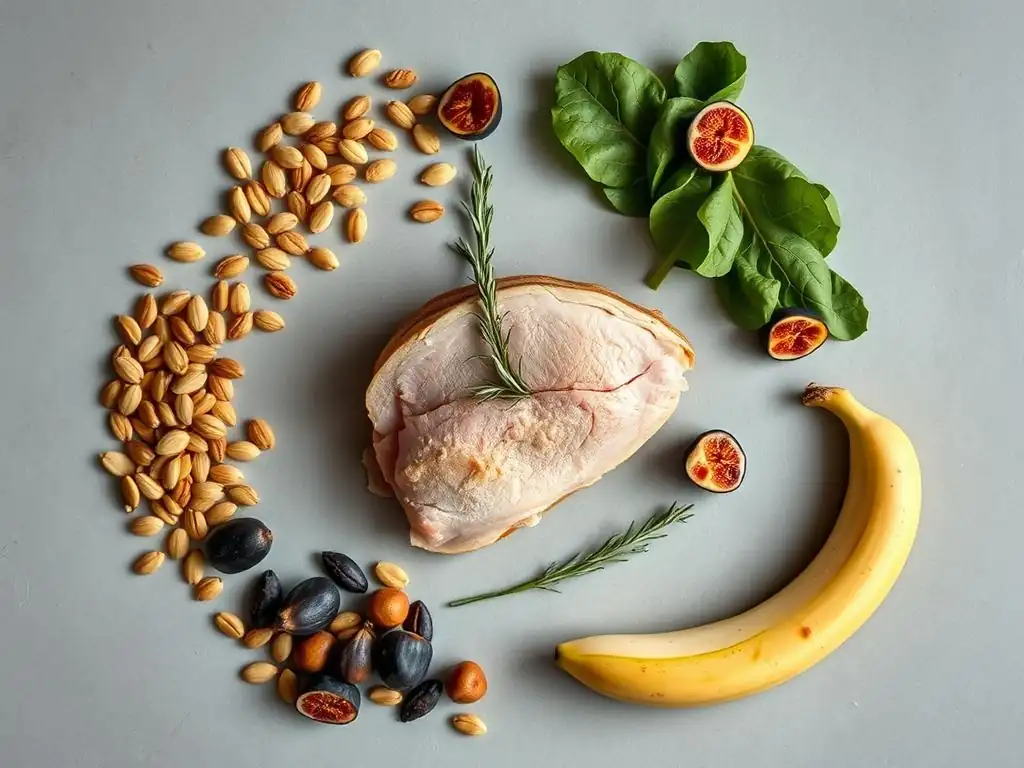
High-Tryptophan Foods: A Comprehensive List for Mood Enhancement
Increasing dietary intake of tryptophan is a natural and foundational approach to supporting serotonin production and potentially enhancing mood. While the brain's access to tryptophan from the bloodstream is complex and influenced by competition with other large neutral amino acids (LNAAs) for transport across the blood-brain barrier, consuming a diet consistently rich in this essential amino acid is a logical starting point. A Tryptophan mood regulation diet emphasizes incorporating foods known to have higher concentrations of tryptophan.
Here is a comprehensive, though not exhaustive, list of foods generally recognized as good sources of tryptophan:
- Poultry: Chicken, turkey
- Meat: Beef, pork, lamb
- Fish: Salmon, tuna, halibut
- Dairy: Milk, cheese (especially cottage cheese, cheddar), yogurt
- Eggs
- Nuts and Seeds: Pumpkin seeds, sesame seeds, sunflower seeds, almonds, walnuts, cashews
- Legumes: Soybeans (tofu, tempeh), lentils, beans
- Grains: Oats, brown rice
- Fruits: Bananas, dates
- Vegetables: Spinach, broccoli
- Other: Chocolate (especially dark chocolate)
Poultry and Meat: Benefits and Considerations
Poultry, particularly turkey and chicken breast, is often cited as a significant source of tryptophan. For instance, a 3-ounce (approx. 85g) serving of cooked turkey breast can contain around 250-300 milligrams of tryptophan. Red meats like beef and pork also provide substantial amounts. These sources offer complete proteins, providing all essential amino acids, including tryptophan.
While poultry and meat are excellent sources, it's important to consider overall dietary patterns. Diets high in saturated fats, often associated with some meat products, can have negative health implications that might counteract potential mood benefits. Choosing leaner cuts and preparing them healthily (e.g., baking, grilling) can maximize the benefits within a balanced Tryptophan mood regulation diet.
Nuts and Seeds: A Healthy Source of Tryptophan
Nuts and seeds are fantastic plant-based sources of tryptophan, offering the added benefits of healthy fats, fiber, vitamins, and minerals. Pumpkin seeds, for example, are particularly rich, with about 150-200 milligrams of tryptophan per ounce (approx. 28g). Sesame and sunflower seeds are also good contributors.
Incorporating a handful of mixed nuts and seeds into daily snacks, adding them to salads, yogurt, or oatmeal, is an easy way to boost tryptophan intake. Their nutrient density makes them a valuable component of a diet focused on supporting both physical and mental health.
Dairy Products: Tryptophan and Calcium for Mood Stability
Dairy products like milk, cheese, and yogurt are well-known sources of tryptophan. Cottage cheese, for instance, contains a notable amount of tryptophan per serving. Dairy also provides calcium, which plays a role in nerve function and neurotransmitter release, further supporting overall brain health.
While dairy can be a convenient source, individual tolerance varies. For those who tolerate dairy, including it in meals or snacks can contribute to a higher daily tryptophan intake. A glass of milk or a serving of yogurt can easily fit into a Tryptophan mood regulation diet.
Legumes and Grains: Plant-Based Sources of Tryptophan
Legumes, such as soybeans (and products like tofu and tempeh), lentils, and various types of beans, are excellent plant-based protein sources that also provide good amounts of tryptophan. A cup of cooked lentils, for instance, can offer around 150-200 milligrams of tryptophan.
Whole grains like oats and brown rice also contain tryptophan, though generally in lower concentrations compared to animal proteins or legumes. Combining legumes and grains, as in the traditional pairing of beans and rice, provides a complete protein profile and contributes to overall tryptophan intake. These foods are staples in many healthy dietary patterns and are valuable for those following a vegetarian or vegan Tryptophan mood regulation diet.
Incorporating Tryptophan-Rich Foods into Your Diet: Practical Tips
Integrating more tryptophan-rich foods into daily meals doesn't have to be complicated. The goal is consistency rather than consuming massive amounts at once. Start by identifying your current eating habits and look for simple swaps or additions. For breakfast, consider oatmeal with nuts and seeds, or scrambled eggs. Lunch might include a turkey or chicken salad sandwich on whole-grain bread, or a lentil soup. Dinner could feature salmon, baked chicken, or tofu with a side of spinach or broccoli.
Snacks can also be opportunities to boost intake; a handful of almonds, a small container of yogurt, or some cottage cheese are easy options. Remember that the transport of tryptophan into the brain is competitive, especially when consumed with a large amount of other amino acids (as in a high-protein meal). Some research suggests that consuming carbohydrates alongside tryptophan-rich foods might facilitate tryptophan's entry into the brain.
This is because carbohydrates stimulate insulin release, which helps clear other competing amino acids from the bloodstream into muscle tissue, leaving tryptophan with less competition to cross the blood-brain barrier. So, pairing turkey with sweet potatoes, or lentils with brown rice, might be a particularly effective strategy within a Tryptophan mood regulation diet.
The Impact of Diet on Tryptophan Availability and Serotonin Synthesis
Dietary Factors That Inhibit Tryptophan Uptake: The Impact of High Sugar and Processed Foods
While consuming tryptophan-rich foods is the first step, certain dietary factors can hinder the availability of tryptophan for serotonin synthesis, particularly its transport into the brain. Diets high in simple sugars and highly processed foods are often nutrient-poor and can contribute to inflammation and insulin dysregulation, which may indirectly affect neurotransmitter balance. Moreover, these diets often displace nutrient-dense foods that provide essential cofactors like B6, magnesium, and iron.
A less direct but notable factor is the overall amino acid balance in a meal. As mentioned earlier, tryptophan competes with other large neutral amino acids (LNAAs) like leucine, isoleucine, valine, tyrosine, and phenylalanine for transport across the blood-brain barrier. A meal very high in protein, providing a large load of all these LNAAs simultaneously, can potentially limit the proportion of tryptophan that successfully enters the brain. While protein is essential, focusing solely on massive protein intake without considering other macronutrients or the timing of intake might not be the most effective Tryptophan mood regulation diet strategy.
Optimizing Tryptophan Absorption: Tips and Strategies
To optimize the absorption and brain uptake of tryptophan from food, consider these strategies. First, ensure adequate intake of cofactors like Vitamin B6, magnesium, and iron through a balanced diet rich in fruits, vegetables, whole grains, and legumes. Examples include leafy greens, bananas, avocados, nuts, seeds, and whole grains. Second, as discussed, pairing tryptophan-rich foods with a source of complex carbohydrates might enhance tryptophan's relative availability for brain transport. This doesn't mean eating excessive amounts of sugar, but rather including healthy carbs like oats, brown rice, quinoa, or sweet potatoes with your protein source.
Third, maintain regular meal times to provide a steady supply of nutrients. Skipping meals or having erratic eating patterns can disrupt nutrient availability. Finally, consider the quality of your diet overall. A diet centered on whole, unprocessed foods provides a broader spectrum of nutrients that work synergistically to support brain health and neurotransmitter function, making the Tryptophan mood regulation diet more effective.
The Role of Gut Health in Serotonin Production: The Gut-Brain Axis
An often-overlooked aspect of serotonin production is the significant amount synthesized in the gut. In fact, an estimated 90% of the body's serotonin is produced by enterochromaffin cells in the gastrointestinal tract. This gut-derived serotonin primarily acts locally within the gut, influencing motility and secretion, but it also plays a role in signaling to the brain via the vagus nerve, a major communication pathway between the gut and the brain. The gut microbiome, the vast community of bacteria and other microorganisms residing in our intestines, plays a crucial role in this process.
Certain gut bacteria can metabolize tryptophan into various compounds, including serotonin precursors or other neuroactive substances. A diverse and healthy gut microbiome is associated with better overall health, including mental well-being. Supporting gut health through a diet rich in fiber (prebiotics) and fermented foods (probiotics) can indirectly support serotonin production and function along the gut-brain axis. For instance, consuming foods like yogurt (with live cultures), kefir, sauerkraut, kimchi, and fiber-rich vegetables, fruits, and whole grains are key components of a holistic Tryptophan mood regulation diet that considers the gut's contribution.
Tryptophan Supplements: Benefits, Risks, and Dosage Considerations
When to Consider Tryptophan Supplementation: Potential Benefits and Drawbacks
While a Tryptophan mood regulation diet focused on food sources is the primary recommendation, some individuals may consider tryptophan or 5-HTP supplementation. Supplements are often explored by those seeking to directly increase the substrate for serotonin synthesis, particularly if dietary intake is perceived as insufficient or if experiencing persistent mood disturbances. Potential benefits cited by users include improvements in mood, reduction in anxiety, and better sleep quality.
However, supplementation comes with potential drawbacks and should be approached with caution. Unlike whole foods, supplements provide a concentrated dose that bypasses the natural checks and balances of dietary intake. This can lead to higher circulating levels, which might not always translate to desired effects and could potentially cause adverse reactions. The scientific evidence supporting the efficacy of tryptophan or 5-HTP supplements for mood disorders is mixed and often less robust than studies on dietary interventions or conventional therapies.
Potential Side Effects of Tryptophan Supplements: What to Watch Out For
Tryptophan and 5-HTP supplements are generally considered safe for short-term use at moderate doses, but they are not without potential side effects. Common side effects can include gastrointestinal issues such as nausea, vomiting, diarrhea, and stomach pain. Some individuals may also experience drowsiness, dizziness, or muscle tenderness.
A more serious, though rare, concern is the potential for Serotonin Syndrome, a potentially life-threatening condition caused by excessive serotonin activity in the nervous system. This risk is significantly increased when tryptophan or 5-HTP supplements are taken concurrently with medications that also affect serotonin levels, such as selective serotonin reuptake inhibitors (SSRIs), serotonin-norepinephrine reuptake inhibitors (SNRIs), or certain migraine medications. Symptoms of Serotonin Syndrome can range from mild (tremors, sweating, confusion) to severe (muscle rigidity, fever, seizures).
Tryptophan Dosage Guidelines: Consulting with a Healthcare Professional
There are no universally established dosage guidelines for tryptophan or 5-HTP supplementation for mood regulation, as research is ongoing and individual responses vary. Dosages used in studies have ranged significantly, often from a few hundred milligrams up to several grams per day, depending on the condition being studied. However, given the potential risks, particularly the interaction with medications and the possibility of Serotonin Syndrome, it is crucial not to self-prescribe or self-dose.
Anyone considering tryptophan or 5-HTP supplementation should first consult with a qualified healthcare professional, such as a doctor or a registered dietitian. They can assess your individual needs, potential risks, current medications, and recommend an appropriate starting dose if supplementation is deemed safe and potentially beneficial. A healthcare provider can also help monitor for side effects and ensure the supplement is part of a comprehensive plan, which should ideally include a supportive Tryptophan mood regulation diet and other lifestyle interventions.
Lifestyle Factors Complementing a Tryptophan-Rich Diet for Mood Regulation

The Importance of Exercise for Serotonin Production
Beyond dietary interventions like adopting a Tryptophan mood regulation diet, lifestyle factors play a significant role in influencing serotonin levels and overall mood. Regular physical exercise is one of the most well-established mood boosters. While the exact mechanisms are complex, exercise is known to increase the synthesis and release of several neurotransmitters, including serotonin, dopamine, and norepinephrine.
Aerobic exercise, in particular, has been shown in studies to increase tryptophan uptake into the brain and potentially enhance serotonin synthesis. Furthermore, exercise reduces stress hormones like cortisol, which in high levels can negatively impact serotonin function. Aiming for at least 150 minutes of moderate-intensity aerobic activity or 75 minutes of vigorous-intensity activity per week, as recommended by major health organizations, can be a powerful complement to dietary strategies for improving mood.
Stress Management Techniques: Reducing Cortisol and Boosting Serotonin
Chronic stress can have a detrimental effect on mood and neurotransmitter balance. High levels of stress hormones, particularly cortisol, are associated with reduced serotonin activity and can impair the function of serotonin receptors. Effectively managing stress is therefore crucial for supporting healthy mood regulation.
Incorporating stress-reducing techniques into your daily routine can help mitigate the negative impact of cortisol and create a more favorable environment for serotonin function. Practices such as mindfulness meditation, deep breathing exercises, yoga, spending time in nature, or engaging in hobbies you enjoy have all been shown to reduce stress levels. Making stress management a priority alongside a Tryptophan mood regulation diet provides a more holistic approach to maintaining emotional balance.
The Role of Sleep in Mood Regulation and Serotonin Levels
Adequate and quality sleep is fundamental for both physical and mental health. Sleep disruption is strongly linked to mood disturbances, including irritability, anxiety, and depression. Serotonin plays a key role in regulating the sleep-wake cycle, and conversely, sleep patterns can influence serotonin activity.
Chronic sleep deprivation can negatively impact neurotransmitter systems, potentially leading to imbalances that affect mood. Establishing a regular sleep schedule, creating a relaxing bedtime routine, ensuring a dark and quiet sleep environment, and aiming for 7-9 hours of quality sleep per night can significantly support mood regulation. Prioritizing sleep works synergistically with a Tryptophan mood regulation diet and exercise to create a robust foundation for mental well-being.
Recognizing Potential Tryptophan Deficiency: Symptoms and Strategies
While severe dietary tryptophan deficiency is rare in populations with adequate protein intake, suboptimal levels or issues with conversion and transport could potentially contribute to certain symptoms. Because tryptophan is essential for serotonin and melatonin production, potential signs of deficiency or impaired utilization might manifest as mood disturbances and sleep issues.
Common symptoms that could be indirectly related to insufficient tryptophan availability include low mood, increased irritability, anxiety, difficulty falling asleep, staying asleep, or poor sleep quality. Some individuals might also experience increased appetite or carbohydrate cravings, as serotonin influences appetite regulation. It's crucial to emphasize that these symptoms are non-specific and can be caused by numerous factors; they do not automatically indicate a tryptophan deficiency. A diagnosis should only be made by a healthcare professional based on a comprehensive evaluation.
Strategies to Increase Tryptophan Intake: Dietary and Lifestyle Adjustments
If there is a suspicion that dietary intake might be insufficient or if you are aiming to optimize your Tryptophan mood regulation diet, the primary strategy is to consciously increase consumption of tryptophan-rich foods. Review the list of high-tryptophan foods provided earlier and identify ways to incorporate more of them into your daily meals and snacks. Focus on variety to ensure intake of essential cofactors as well.
Beyond dietary changes, adopting lifestyle adjustments that support the effective utilization of tryptophan is key. This includes ensuring sufficient intake of Vitamin B6, magnesium, and iron through nutrient-dense foods or targeted supplementation if recommended by a healthcare provider. Additionally, managing stress, getting regular exercise, and prioritizing quality sleep can all create a more favorable internal environment for serotonin synthesis and function, maximizing the benefits of your Tryptophan mood regulation diet.
Tryptophan, Serotonin, and Depression: A Closer Look at the Connection
The Serotonin Hypothesis of Depression: Current Understanding
For many years, the prevailing theory regarding the biological basis of depression centered on the "serotonin hypothesis," which proposed that depression was primarily caused by a deficiency or imbalance of serotonin in the brain. This hypothesis was largely based on the observation that medications which increase serotonin availability in the synapse, such as SSRIs, are effective antidepressants for many individuals.
However, current scientific understanding is more nuanced. While serotonin undeniably plays a crucial role in mood regulation, depression is now viewed as a complex disorder involving multiple neurotransmitter systems (including dopamine, norepinephrine, and glutamate), genetic predispositions, environmental factors, inflammation, stress response abnormalities, and structural and functional changes in brain circuits. Simply having "low serotonin" is likely an oversimplification.
The effectiveness of SSRIs might also involve downstream effects on neural plasticity and connectivity, not just a simple increase in serotonin levels. Thus, while supporting serotonin production through a Tryptophan mood regulation diet can be beneficial, it's part of a larger, more complex picture.
Tryptophan and Antidepressant Medications: Potential Interactions
Given that tryptophan is a precursor to serotonin and many antidepressants target the serotonin system, there is a potential for interaction between tryptophan intake (especially from supplements) and antidepressant medications. As mentioned earlier, taking tryptophan or 5-HTP supplements alongside SSRIs, SNRIs, or other serotonergic drugs significantly increases the risk of Serotonin Syndrome.
It is critically important for individuals taking antidepressant medication to discuss any significant dietary changes, and especially any intention to take tryptophan or 5-HTP supplements, with their prescribing physician or psychiatrist. They can assess the potential risks and interactions based on the specific medication and dosage. While dietary intake of tryptophan from food is generally considered safe and unlikely to cause Serotonin Syndrome on its own, high-dose supplementation in combination with medications is a serious concern.
A Holistic Approach to Managing Mood Disorders: Diet, Tryptophan, and Therapy
Managing mood disorders like depression and anxiety often requires a multifaceted, holistic approach. While dietary strategies, including focusing on a Tryptophan mood regulation diet and ensuring adequate nutrient intake, can play a supportive role by providing the necessary building blocks for neurotransmitter synthesis, they are typically not sufficient on their own to treat clinical depression.
Evidence-based therapies, such as cognitive-behavioral therapy (CBT) or interpersonal therapy (IPT), are crucial components of treatment, helping individuals develop coping strategies, challenge negative thought patterns, and address interpersonal issues. For many, antidepressant medication is also a necessary and effective part of their treatment plan. Lifestyle interventions like regular exercise, stress management, and sleep hygiene are also vital for overall well-being. Integrating a supportive diet with therapy, and potentially medication if needed, offers the most comprehensive strategy for individuals navigating mood disorders, focusing on addressing the biological, psychological, and social factors involved.
Conclusion: Harnessing the Power of Tryptophan for Enhanced Mood and Well-being
Understanding the pathway from dietary tryptophan to serotonin provides valuable insights into how nutrition can influence our mood. Tryptophan, as an essential amino acid obtained solely through diet, is the fundamental precursor for serotonin, a neurotransmitter critical for regulating mood, sleep, appetite, and more. By consciously incorporating tryptophan-rich foods into our daily meals, we provide our bodies with the necessary raw material for this vital process.
A Tryptophan mood regulation diet isn't a magic bullet, but it is a powerful supportive strategy within a broader approach to mental wellness. Focusing on whole, nutrient-dense foods ensures not only sufficient tryptophan but also the essential cofactors like Vitamin B6, magnesium, and iron needed for efficient conversion. Furthermore, recognizing the role of gut health, stress management, exercise, and sleep highlights the interconnectedness of physical and mental well-being.
While supplementation should be approached cautiously and always under medical guidance, optimizing dietary intake is a safe and effective way to potentially support serotonin synthesis and contribute to enhanced mood and overall well-being. By making informed dietary choices and adopting healthy lifestyle habits, we can harness the power of tryptophan and other nutrients to build a stronger foundation for emotional resilience.
Frequently Asked Questions
What is the connection between tryptophan, diet, and mood?
Tryptophan is an essential amino acid that our bodies use to produce serotonin, a neurotransmitter that plays a crucial role in mood regulation. A diet rich in tryptophan-containing foods can therefore potentially influence mood.
How does tryptophan in food get converted into serotonin?
After consuming tryptophan, it crosses the blood-brain barrier and is converted into 5-hydroxytryptophan (5-HTP). 5-HTP is then further converted into serotonin with the help of specific enzymes and cofactors in the brain.
What foods are considered good sources of tryptophan for mood regulation?
Foods like turkey, chicken, eggs, nuts, seeds, salmon, and tofu are considered good sources. These foods provide the building blocks needed for serotonin production, potentially improving mood.
Can a "Tryptophan Mood Regulation Diet" completely replace other mental health treatments?
No, a "Tryptophan Mood Regulation Diet" is not a replacement for professional mental health treatment. It can be a supportive strategy, but should be used in conjunction with therapy, medication, or other interventions as recommended by a healthcare professional.
What are some factors that can affect tryptophan's effectiveness in mood regulation?
Several factors can influence tryptophan's effectiveness, including gut health, stress levels, and the presence of other nutrients that aid in serotonin synthesis, such as B vitamins and magnesium.
Final Reflection: Unlocking the Power of Mood Through Diet
The intricate relationship between diet, tryptophan, and serotonin is not merely a scientific curiosity; it's a powerful tool for understanding and actively managing our mental wellbeing. Understanding how the foods we consume directly impact our brain chemistry offers a tangible path towards improved mood regulation, a crucial aspect of overall health and happiness in our increasingly demanding world. This knowledge empowers us to take proactive steps in shaping our emotional landscape.
The impact of this understanding extends far beyond individual well-being; it's reshaping our approach to mental health care. We are moving away from a solely pharmaceutical approach towards a more holistic understanding that incorporates lifestyle choices, including diet. This shift is vital, as it acknowledges the interconnectedness of our physical and mental states. You are what you eat,
a simple adage, holds profound truth when considering the complex biochemical pathways influencing our mood. This understanding allows us to take ownership of our mental health, supplementing professional care with proactive dietary choices.
Now, consider your own diet. What steps can you take today to increase your intake of tryptophan-rich foods? Are you consciously choosing foods that support your mental wellbeing? This isn't about restrictive diets or quick fixes; it's about making informed choices that nourish your body and mind. By understanding the power of tryptophan and its role in serotonin production, you can embark on a journey towards a more balanced and emotionally resilient you. Take the first step – explore the possibilities, and discover the transformative power of mindful eating for a happier, healthier you.
Unlock Your Mood's Potential: Take Charge of Your Serotonin Levels
Thanks for diving deep into the fascinating world of tryptophan, serotonin, and mood regulation! You've now gained valuable insights into how diet impacts your emotional well-being. Ready to put this knowledge into action?
- Prioritize tryptophan-rich foods: Start incorporating foods like turkey, bananas, and eggs into your daily diet. This is the most direct way to support your serotonin production naturally.
- Share this knowledge: Spread the word! Let your friends and family know about the powerful connection between diet and mood. They might appreciate this information too.
- Experiment and journal: Track your diet and mood for a week. Notice any changes? This will allow you to personalize your approach to mood optimization.
What delicious tryptophan-rich meal are you going to prepare for yourself tonight?