
Understanding the Inflammatory Basis of Major Depressive Disorder

Welcome to Mind Care Guide, a space dedicated to nurturing your mental well-being.
Are you feeling stuck in a cycle of depression that just won't break? Emerging research suggests that inflammation might be playing a more significant role than we previously thought. Delve into "Understanding the Inflammatory Basis of Major Depressive Disorder" and discover potential inflammatory depression treatment options that could offer a new path to healing. Could inflammation be the missing piece of your mental health puzzle? Explore this insightful article and begin your journey towards a brighter, healthier future.
Understanding the Inflammatory Basis of Major Depressive Disorder: A Mind Care Guide
- Introduction: The Link Between Inflammation and Depression
- The Inflammatory Hypothesis of Depression: What the Science Says
- Identifying Inflammatory Markers in Depressed Individuals
- Risk Factors for Inflammation-Related Depression
- Inflammatory Depression Treatment Options: Current and Emerging Strategies
- The Gut-Brain Axis and Inflammation in Depression
- The Future of Inflammatory Depression Research
- Conclusion: Hope for Individuals with Inflammation-Related Depression
-
Frequently Asked Questions
- What is inflammatory depression, and how does it differ from regular depression?
- What are some potential inflammatory depression treatment options?
- How can I tell if my depression might be related to inflammation?
- What lifestyle changes can help manage inflammatory depression?
- Are there any natural supplements that might help with inflammatory depression?
- Final Reflection: Igniting Hope in the Fight Against Inflammatory Depression
- Unleash Your Path to Well-being: Take Control of Your Mental Health
Introduction: The Link Between Inflammation and Depression
Exploring the Emerging Field of Neuroinflammation in Mental Health
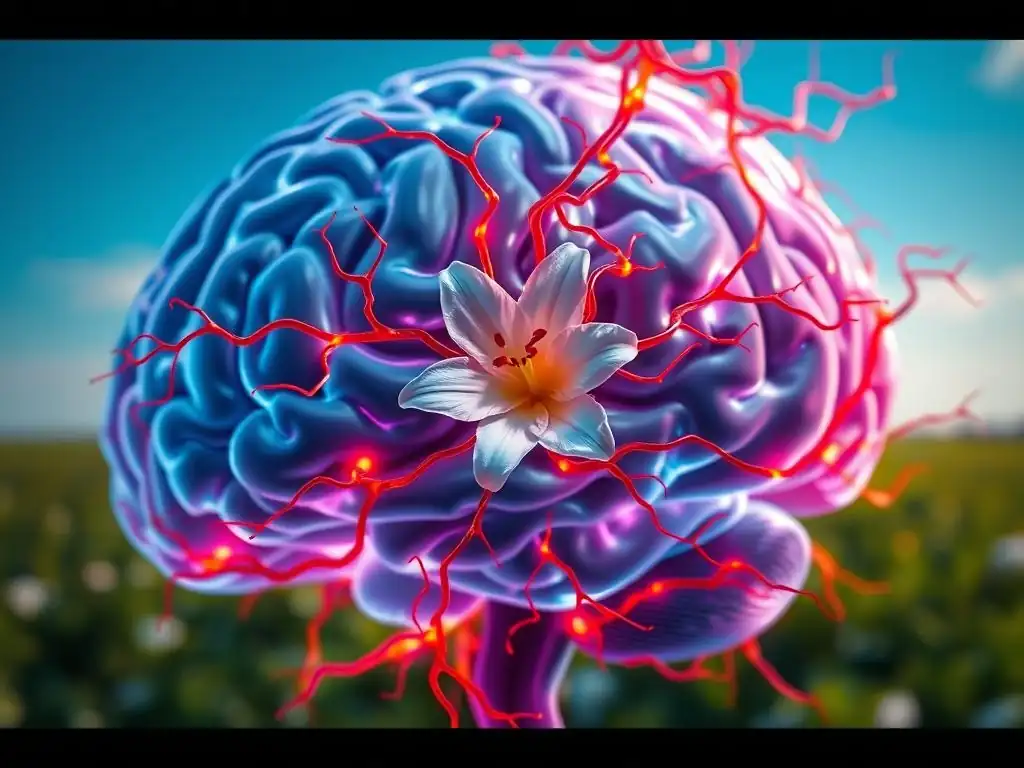
Emerging research is shedding light on a fascinating and complex link between inflammation, particularly in the brain (neuroinflammation), and mental health conditions, most notably Major Depressive Disorder (MDD). This field, often referred to as psychoimmunology or neuroimmunology, investigates how the immune system and inflammatory processes can influence brain function, mood regulation, and behavior. Scientists are discovering that chronic, low-grade inflammation, even without a clear infection, can significantly impact neural pathways and contribute to the onset and severity of depressive symptoms.
This growing body of evidence challenges the traditional view of depression as solely a chemical imbalance in the brain. Instead, it proposes a more holistic model where interactions between the immune system, nervous system, and endocrine system play a crucial role. Studies, for instance, have observed elevated levels of inflammatory markers in the blood and cerebrospinal fluid of many individuals diagnosed with MDD compared to healthy controls. Understanding these inflammatory pathways is opening new avenues for research and potentially novel approaches to inflammatory depression treatment options.
Major Depressive Disorder (MDD): Beyond Traditional Explanations
For decades, the prevailing explanation for Major Depressive Disorder centered on disruptions in neurotransmitter systems, particularly serotonin, norepinephrine, and dopamine. While these neurotransmitters are undoubtedly involved in mood regulation, this model hasn't fully explained the complexity of MDD or provided effective treatments for all individuals. Many people with depression do not respond adequately to standard antidepressant medications that primarily target these neurotransmitters.
The inflammatory hypothesis offers a complementary perspective, suggesting that in a significant subset of individuals, inflammation acts as a key driver of depressive symptoms. This doesn't negate the role of neurotransmitters but posits that inflammation can disrupt their function and synthesis, alter neural circuits involved in mood and motivation, and even impair neurogenesis (the birth of new brain cells). Recognizing the inflammatory component is vital for developing more targeted and effective strategies for understanding and implementing inflammatory depression treatment options.
The Inflammatory Hypothesis of Depression: What the Science Says
Cytokines and Depression: Unraveling the Biological Mechanisms
Cytokines are small proteins secreted by immune cells that act as signaling molecules. They are crucial for coordinating the immune response, but they also have profound effects on the brain. Pro-inflammatory cytokines, such as Interleukin-6 (IL-6), Tumor Necrosis Factor-alpha (TNF-α), and Interleukin-1 beta (IL-1β), are frequently found at elevated levels in individuals with depression. These molecules can cross the blood-brain barrier or stimulate pathways that activate brain-resident immune cells called microglia.
Once in the brain or activated within it, these cytokines can interfere with various processes critical for mood and cognition. They can disrupt the metabolism of neurotransmitters like serotonin and dopamine, increase the activity of enzymes that break down tryptophan (a precursor to serotonin), and impair synaptic plasticity – the brain's ability to adapt and form new connections. This biological cascade helps explain why inflammation might manifest as symptoms like fatigue, loss of interest (anhedonia), and cognitive difficulties often seen in MDD.
How Inflammation Impacts Neurotransmitter Function in MDD
Inflammation can directly and indirectly impact the delicate balance of neurotransmitters in the brain. For example, pro-inflammatory cytokines can activate the enzyme indoleamine 2,3-dioxygenase (IDO), which shunts tryptophan away from serotonin synthesis towards the production of kynurenine. Some metabolites of kynurenine, like quinolinic acid, are neurotoxic and can interfere with glutamate signaling, another neurotransmitter system implicated in depression.
Furthermore, inflammation can affect the reuptake transporters for neurotransmitters like serotonin and norepinephrine, altering their availability in the synaptic cleft. It can also impair the function of glial cells, which are essential for supporting neuronal health and neurotransmitter homeostasis. This intricate interplay between inflammation and neurotransmitter systems highlights why simply targeting neurotransmitters alone may not be sufficient for treating all cases of depression, underscoring the potential for inflammatory depression treatment options.
The Role of the Immune System in the Pathophysiology of Depression
The immune system, traditionally viewed as solely a defense mechanism against pathogens, is increasingly recognized as a key player in brain function and mental health. Microglia, the brain's resident immune cells, become activated in response to inflammation. While acute microglial activation is protective, chronic activation can lead to sustained release of pro-inflammatory cytokines and other neurotoxic molecules, damaging neurons and synapses.
Peripheral inflammation, originating from chronic infections, autoimmune diseases, or even lifestyle factors like poor diet, can signal the brain and activate these central inflammatory pathways. This bidirectional communication between the body's immune system and the brain creates a vicious cycle where systemic inflammation can exacerbate neuroinflammation, contributing to the persistent symptoms of depression. Understanding this systemic involvement is crucial when considering potential inflammatory depression treatment options.
Identifying Inflammatory Markers in Depressed Individuals

Blood Tests for Inflammation: C-Reactive Protein (CRP), Interleukin-6 (IL-6), and Tumor Necrosis Factor-alpha (TNF-α)
Measuring inflammatory markers in the blood is currently the most accessible way to assess systemic inflammation in individuals with depression. High-sensitivity C-Reactive Protein (hs-CRP) is a commonly used marker; studies have consistently shown elevated hs-CRP levels in a significant proportion of individuals with MDD, particularly those with treatment-resistant depression. For instance, some research indicates that up to one-third of individuals with MDD may have elevated CRP levels (e.g., above 3 mg/L).
Other key inflammatory cytokines, such as Interleukin-6 (IL-6) and Tumor Necrosis Factor-alpha (TNF-α), are also frequently measured. Elevated levels of IL-6 and TNF-α have been correlated with depression severity and poorer response to conventional antidepressant therapies. While these markers provide valuable insights into systemic inflammation, they don't directly measure neuroinflammation, which requires more complex techniques. Nevertheless, identifying these peripheral markers can help stratify patients and inform potential inflammatory depression treatment options.
Imaging Techniques to Detect Neuroinflammation in Depression
Directly visualizing neuroinflammation in the living human brain is challenging but possible using advanced imaging techniques. Positron Emission Tomography (PET) scans using specific radiotracers are the most promising method. One such tracer, [11C]PK11195 or newer alternatives like [18F]DPA-714, binds to the translocator protein (TSPO), which is upregulated in activated microglia and astrocytes, indicating neuroinflammation.
Studies using TSPO-PET have provided evidence of increased neuroinflammation in certain brain regions, such as the prefrontal cortex, anterior cingulate cortex, and hippocampus, in individuals with MDD compared to healthy controls. While PET imaging is not yet a routine diagnostic tool for depression, it is a crucial research method helping to confirm the presence of neuroinflammation and understand its spatial distribution in the depressed brain. This imaging data further supports the rationale for exploring inflammatory depression treatment options.
Interpreting Inflammatory Markers: What Do Elevated Levels Mean?
Elevated inflammatory markers like CRP, IL-6, or TNF-α in a depressed individual suggest that inflammation may be contributing to their symptoms. It indicates that their immune system is in a state of heightened activity. However, interpreting these levels requires careful consideration. Inflammation is a non-specific response, and elevated markers can be caused by various factors, including infections, chronic diseases (like diabetes or cardiovascular disease), obesity, poor sleep, and stress.
Therefore, elevated inflammatory markers in the context of depression don't necessarily mean inflammation is the sole cause, but rather that it's likely a significant contributing factor or a comorbidity that is exacerbating the condition. Identifying these elevated markers can be a valuable step in personalizing treatment approaches, potentially guiding clinicians towards inflammatory depression treatment options that target the immune system or inflammatory pathways, in addition to or instead of traditional therapies.
Lifestyle Factors: Diet, Exercise, and Stress
Lifestyle plays a significant role in regulating inflammation levels in the body. A diet high in saturated and trans fats, refined carbohydrates, and processed foods is pro-inflammatory. Conversely, diets rich in fruits, vegetables, whole grains, lean protein, and omega-3 fatty acids (like the Mediterranean diet) are anti-inflammatory. Chronic stress also activates the hypothalamic-pituitary-adrenal (HPA) axis, leading to increased cortisol production, which initially suppresses inflammation but can lead to dysregulation and chronic low-grade inflammation over time.
Physical inactivity is another key factor. Regular exercise has well-documented anti-inflammatory effects, reducing levels of pro-inflammatory cytokines and increasing anti-inflammatory ones. Poor sleep quality and duration are also linked to increased inflammation. For example, studies have shown that even a single night of sleep deprivation can increase circulating levels of IL-6 and TNF-α. Addressing these lifestyle factors is a fundamental component of mitigating inflammation and is often a first step in considering inflammatory depression treatment options.
Chronic Medical Conditions: Cardiovascular Disease, Autoimmune Disorders
Many chronic medical conditions are characterized by systemic inflammation, and they frequently co-occur with depression. Cardiovascular diseases, such as atherosclerosis, are inherently inflammatory processes, and individuals with heart disease have a significantly higher risk of depression. Similarly, autoimmune disorders like rheumatoid arthritis, lupus, or inflammatory bowel disease involve chronic immune system activation and inflammation, and depression is a common comorbidity in these conditions.
Obesity, particularly abdominal obesity, is associated with chronic low-grade inflammation due to the release of inflammatory mediators from adipose tissue. Type 2 diabetes is another condition linked to increased inflammation. When depression occurs in the context of these inflammatory medical conditions, it strongly suggests an inflammatory subtype of depression. Managing the underlying medical condition and its associated inflammation becomes a critical part of the overall strategy for inflammatory depression treatment options.
Genetic Predisposition and the Inflammatory Response
While lifestyle and environment are major drivers of inflammation, genetic factors also influence an individual's inflammatory response. Variations in genes that code for cytokines, cytokine receptors, or other immune system components can affect how strongly or for how long a person's immune system responds to stimuli. For instance, certain polymorphisms in genes for IL-1β, IL-6, or TNF-α have been associated with both increased inflammatory markers and a higher risk of depression in some populations.
Genetic predisposition doesn't predetermine an individual's fate, but it can make them more vulnerable to developing inflammation-related depression when exposed to environmental triggers like stress, poor diet, or chronic illness. Understanding these genetic influences is part of the broader effort to personalize medicine and tailor inflammatory depression treatment options based on an individual's unique biological profile.
Inflammatory Depression Treatment Options: Current and Emerging Strategies
Anti-inflammatory Medications for Depression: Celecoxib as an Adjunctive Therapy
Given the evidence linking inflammation to depression, researchers are exploring the use of anti-inflammatory medications as potential inflammatory depression treatment options. Non-steroidal anti-inflammatory drugs (NSAIDs) like celecoxib (a COX-2 inhibitor) have been investigated. Studies have shown that celecoxib, when used as an adjunctive treatment alongside standard antidepressants, can improve depressive symptoms in some individuals, particularly those with elevated inflammatory markers like CRP.
For example, a meta-analysis of studies involving celecoxib added to antidepressants found a significant reduction in depressive symptom scores compared to placebo plus antidepressants. However, the effects are modest, and long-term use of NSAIDs carries potential risks, such as gastrointestinal issues and cardiovascular side effects. Other anti-inflammatory agents, including minocycline (an antibiotic with anti-inflammatory properties) and modulators of specific cytokine pathways, are also under investigation, representing promising future inflammatory depression treatment options.
Dietary Interventions: The Anti-inflammatory Diet for Mental Well-being
Adopting an anti-inflammatory diet is a powerful lifestyle intervention that can impact both physical and mental health. This dietary pattern emphasizes whole, unprocessed foods known for their anti-inflammatory properties. Key components include abundant fruits and vegetables (rich in antioxidants and phytochemicals), omega-3 fatty acids found in fatty fish (like salmon, mackerel, and sardines), nuts and seeds, olive oil, and whole grains.
Conversely, it limits or avoids pro-inflammatory foods such as red and processed meats, refined sugars, unhealthy fats (trans fats and excessive saturated fats), and highly processed snacks. Research suggests that adhering to a Mediterranean-style diet, which is inherently anti-inflammatory, is associated with a lower risk of depression. While not a standalone cure, dietary changes are a crucial component of comprehensive inflammatory depression treatment options, working synergistically with other therapies.
Lifestyle Modifications to Reduce Inflammation and Improve Mood
Beyond diet, several other lifestyle factors can significantly reduce inflammation and support mental well-being. Regular physical exercise is a potent anti-inflammatory agent; engaging in moderate-intensity aerobic activity for at least 150 minutes per week, as recommended by health guidelines, can lower inflammatory markers. Exercise also has direct positive effects on mood and stress reduction.
Stress management techniques are equally important. Chronic stress fuels inflammation, so practices like mindfulness meditation, yoga, deep breathing exercises, and spending time in nature can help regulate the stress response and dampen inflammatory signals. Ensuring adequate and quality sleep (typically 7-9 hours per night for adults) is also vital, as sleep disruption is linked to increased inflammation. Integrating these lifestyle changes is a cornerstone of effective inflammatory depression treatment options.
The Gut-Brain Axis and Inflammation in Depression
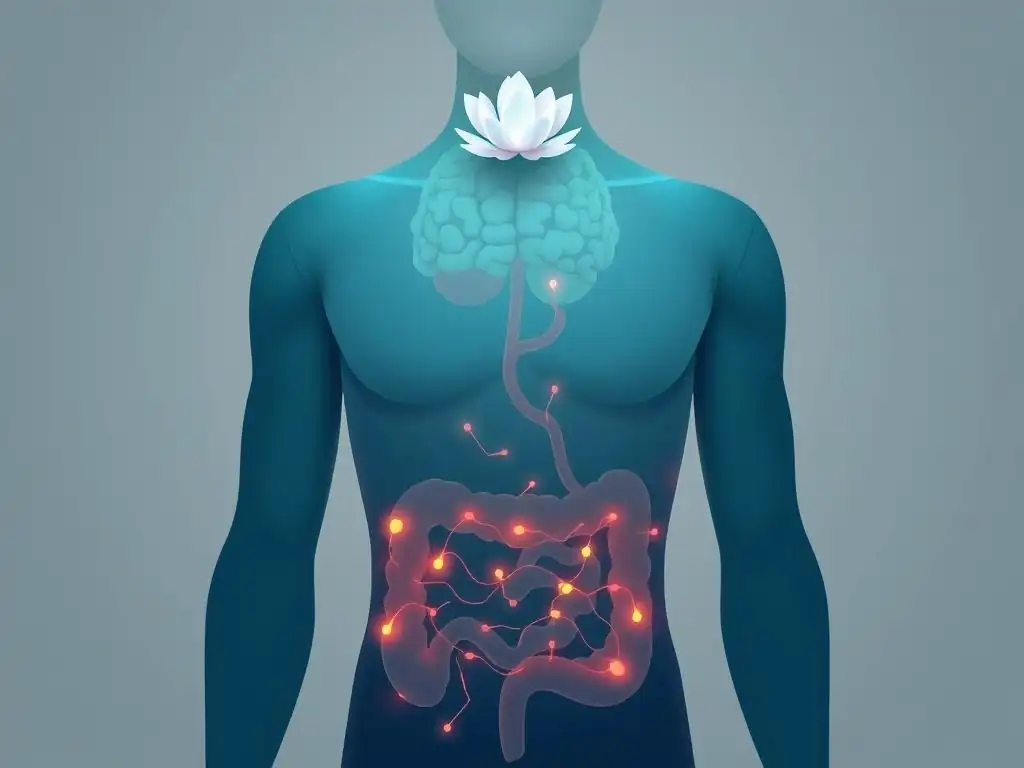
The Gut Microbiome's Influence on Inflammation and Mental Health
The trillions of microorganisms living in our gut, collectively known as the gut microbiome, have a profound impact on our health, including brain function and mental health. The gut and brain communicate bidirectionally through the "gut-brain axis" via neural, hormonal, and immunological pathways. The composition and activity of the gut microbiome can influence systemic inflammation and neuroinflammation.
A "dysbiotic" or imbalanced gut microbiome, often caused by poor diet, antibiotics, or stress, can lead to increased permeability of the gut lining ("leaky gut"). This allows bacterial products, such as lipopolysaccharide (LPS), to enter the bloodstream, triggering a systemic inflammatory response that can signal the brain. Research shows differences in the gut microbiome composition between individuals with depression and healthy controls, suggesting a link between gut health, inflammation, and depressive symptoms. This emerging understanding opens new avenues for inflammatory depression treatment options targeting the gut.
Probiotics and Prebiotics: Potential Therapeutic Avenues for Depression
Modulating the gut microbiome through dietary interventions or supplements is an area of active research for mental health conditions. Probiotics are live beneficial bacteria that, when consumed in adequate amounts, can confer health benefits. Prebiotics are non-digestible fibers that selectively stimulate the growth and activity of beneficial gut bacteria.
Studies, including some randomized controlled trials, are exploring whether probiotic or prebiotic supplementation can improve depressive symptoms, potentially by reducing inflammation. While results are mixed and more research is needed to identify specific strains and dosages, some studies have shown promising results, particularly in individuals with mild to moderate depression or those with inflammatory comorbidities. These interventions represent accessible potential inflammatory depression treatment options that work via the gut-brain axis.
Fecal Microbiota Transplantation (FMT): A Novel Approach?
Fecal Microbiota Transplantation (FMT) involves transferring fecal matter from a healthy donor into the gastrointestinal tract of a recipient. The goal is to restore a healthy and diverse gut microbiome composition. FMT is an established treatment for recurrent Clostridioides difficile infection and is being investigated for a range of other conditions linked to gut dysbiosis, including inflammatory bowel disease and metabolic syndrome.
Given the connection between the gut microbiome, inflammation, and depression, FMT is also being explored as a potential, albeit experimental, inflammatory depression treatment option. Early studies and case reports in humans are limited but have shown some intriguing results, with some individuals experiencing improvements in mood following FMT. This approach is still highly experimental for depression and carries risks, but it highlights the significant potential of targeting the gut microbiome in the context of inflammation-related mental illness.
The Future of Inflammatory Depression Research
Personalized Medicine: Tailoring Treatment to Individual Inflammatory Profiles
The understanding that depression is not a single, monolithic disorder but likely comprises different subtypes, including an inflammatory one, is paving the way for personalized medicine approaches. The future of inflammatory depression treatment options may involve assessing an individual's inflammatory profile through blood tests (like CRP, IL-6) or potentially more advanced techniques.
Based on these markers, clinicians could tailor treatment strategies. Individuals with high inflammation might benefit more from therapies that specifically target inflammatory pathways, whether through anti-inflammatory medications, rigorous lifestyle interventions focused on diet and exercise, or gut-targeted therapies. This move towards personalized treatment based on biological markers holds the promise of improving treatment response rates and reducing the trial-and-error often involved in managing depression.
Clinical Trials Exploring Novel Anti-inflammatory Therapies
Research into inflammatory depression treatment options is expanding rapidly. Numerous clinical trials are underway investigating the efficacy of various novel anti-inflammatory agents for depression. These include drugs that target specific cytokines (like IL-6 or TNF-α inhibitors), modulators of the kynurenine pathway, and agents that influence microglial activation.
For instance, some trials are testing whether existing drugs used for inflammatory conditions, such as those for rheumatoid arthritis or psoriasis, could have antidepressant effects in individuals with high inflammation. The results of these trials will be critical in determining which anti-inflammatory strategies are safe and effective for treating depression and for whom they are most appropriate.
Addressing the Stigma Surrounding Mental Illness and Inflammation
Recognizing the biological basis of depression, including the role of inflammation, can also play a role in reducing the stigma associated with mental illness. Framing depression, at least in part, as a condition involving biological processes like inflammation can help dispel the misconception that it is simply a character flaw or something one can "snap out of."
Understanding that inflammation, a tangible physiological process, can contribute to severe depressive symptoms validates the experiences of individuals living with MDD. Promoting awareness of the link between inflammation and mental health can encourage individuals to seek help, adhere to treatment plans (including lifestyle changes), and foster empathy and support from others. This biological perspective supports the notion that inflammatory depression treatment options are addressing a real, physical component of the illness.
Summarizing Key Findings and Future Directions
The evidence linking inflammation to Major Depressive Disorder is substantial and growing. Research indicates that elevated inflammatory markers, particularly cytokines like IL-6 and TNF-α and proteins like CRP, are frequently found in individuals with depression and can influence neurotransmitter function, neurocircuitry, and the gut-brain axis. Lifestyle factors, chronic medical conditions, and genetics all contribute to an individual's inflammatory load, impacting their vulnerability to depression.
The field is moving towards identifying inflammatory subtypes of depression to pave the way for more targeted and effective inflammatory depression treatment options. Future directions involve refining methods to identify inflammation, developing novel anti-inflammatory therapies, and integrating lifestyle and gut-targeted interventions into comprehensive treatment plans.
Empowering Individuals to Take Control of Their Mental Health Through Lifestyle Changes
For individuals experiencing depression, understanding the potential role of inflammation can be empowering. While medical treatments and professional support are crucial, recognizing that lifestyle choices significantly impact inflammation provides a pathway for individuals to actively participate in their own recovery and well-being.
Adopting an anti-inflammatory diet, engaging in regular physical activity, managing stress effectively, and prioritizing quality sleep are not just general health recommendations; they are potent strategies that can directly address a potential underlying driver of depressive symptoms. Embracing these lifestyle changes, alongside appropriate medical care, offers hope and a proactive approach to managing inflammation-related depression and improving overall mental health.
Frequently Asked Questions
What is inflammatory depression, and how does it differ from regular depression?
Inflammatory depression refers to a subtype of Major Depressive Disorder (MDD) where inflammation in the body significantly contributes to the depressive symptoms. Unlike regular depression, this subtype is linked to elevated levels of inflammatory markers.
What are some potential inflammatory depression treatment options?
Treatment often involves addressing both the depression and the inflammation. This may include anti-inflammatory medications, lifestyle changes like diet and exercise, or interventions targeting the immune system directly.
While a doctor needs to confirm, symptoms like chronic fatigue, gut issues, and persistent low-grade inflammation (even without obvious symptoms) alongside typical depression symptoms can suggest inflammatory depression.
What lifestyle changes can help manage inflammatory depression?
Adopting an anti-inflammatory diet rich in fruits, vegetables, and healthy fats, engaging in regular physical activity, and managing stress through techniques like meditation can help reduce inflammation.
Are there any natural supplements that might help with inflammatory depression?
Some studies suggest that omega-3 fatty acids, curcumin (turmeric), and probiotics may have anti-inflammatory and mood-boosting properties, but it's essential to consult a healthcare professional before starting any new supplement.
Final Reflection: Igniting Hope in the Fight Against Inflammatory Depression
The link between inflammation and major depressive disorder is no longer a fringe theory; it's a rapidly expanding field with significant implications for treatment. Understanding this connection offers a crucial pathway towards more effective and personalized approaches to combating this debilitating illness, moving beyond the limitations of traditional antidepressant therapies alone.
The ongoing research into the inflammatory basis of depression is profoundly impactful, reshaping our understanding of mental health and challenging the simplistic view of depression as solely a neurochemical imbalance. This shift in perspective is vital, offering hope to individuals who haven't found relief through conventional methods. The mind is not separate from the body; it is inextricably linked to its physical state.
This quote underscores the importance of considering the holistic nature of mental health, and the inflammatory pathway offers a crucial bridge between the physical and the psychological.
Now, consider your own well-being. Are you experiencing persistent fatigue, unexplained aches, or low-grade inflammation? These could be subtle indicators worthy of further investigation. Don't hesitate to discuss your concerns with your healthcare provider. Explore the possibilities offered by emerging research on inflammatory depression treatment options. By actively engaging with your health and seeking out information, you are taking a proactive step towards reclaiming your mental and physical well-being. The future of depression treatment is brighter, and your journey towards healing begins with informed understanding and proactive engagement.
Unleash Your Path to Well-being: Take Control of Your Mental Health
Thanks for taking the time to explore the inflammatory connection to depression with us! We hope you gained valuable insights into this often-overlooked aspect of mental health. Now, it's time to turn that knowledge into action.
- Prioritize your physical health: Start incorporating anti-inflammatory foods into your diet today. Even small changes, like adding more leafy greens and berries, can make a significant difference.
- Connect with your healthcare provider: Schedule a check-up to discuss your mental health and explore potential inflammatory markers. This could be a crucial step in optimizing your treatment plan.
- Share this information: Spread awareness about the inflammatory link to depression by sharing this article with friends, family, or loved ones who might benefit from this knowledge.
Ready to take charge of your well-being and explore new pathways towards mental clarity? What's one small step you can take today to reduce inflammation and improve your mental health?