
New Studies Connect Gut Health, Neuroinflammation, and Mental Health

Welcome to Mind Care Guide, your sanctuary for understanding and nurturing mental well-being.
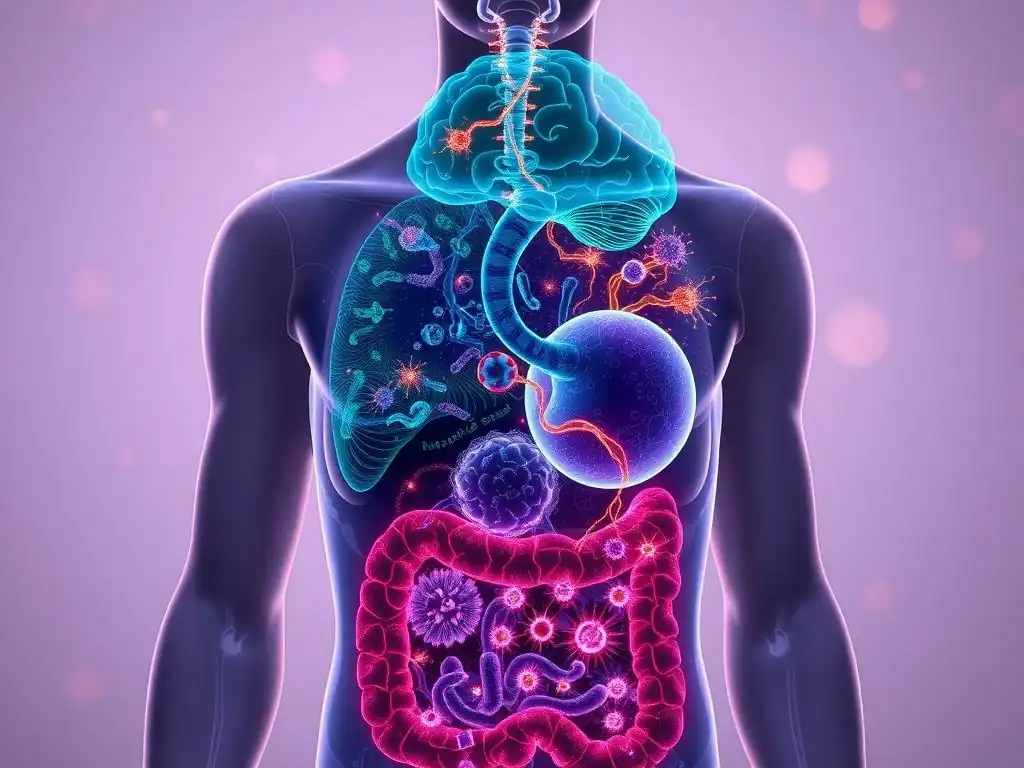
Feeling a little off lately, even though you can't quite put your finger on why? You're not alone. Emerging research is revealing a powerful connection between your digestive system and your state of mind. We're diving deep into how gut health impacts mental health, exploring the fascinating links between your microbiome, neuroinflammation, and overall psychological well-being. Could the key to a brighter mood be hiding in your gut? Let's explore this vital connection together and unlock the potential for a healthier, happier you. Prepare to be amazed by what you discover...
New Studies Connect Gut Health, Neuroinflammation, and Mental Health: A Holistic Care Guide
- Understanding the Gut-Brain Axis and Mental Well-being
- Gut Health Impacts Mental Health: Recent Research Findings
- Neuroinflammation: A Key Mediator Between Gut Health and Mental Disorders
- Specific Mental Health Conditions Linked to Gut-Brain Axis Dysfunction
- Strategies to Improve Gut Health for Better Mental Well-being
- Future Directions in Gut-Brain Axis Research for Mental Health Treatment
- Practical Steps to Support Your Gut-Brain Connection
- Conclusion: Optimizing Gut Health for a Healthier Mind
-
Frequently Asked Questions
- How does Mind Care Guide define the link between gut health and mental health?
- What evidence supports the claim that "Gut health impacts mental health"?
- What is "neuroinflammation" and how does it relate to gut health?
- What practical steps can Mind Care Guide suggest for improving gut health to potentially benefit mental well-being?
- What resources does Mind Care Guide offer for individuals seeking support related to gut health and mental well-being?
- Final Reflection: The Mind-Gut Connection: A Journey Towards Holistic Wellbeing
- Unlock Your Brain's Potential: Nurture Your Gut, Nurture Your Mind
Understanding the Gut-Brain Axis and Mental Well-being
The Crucial Link Between Gut Microbiome and Brain Function
The human gut is home to trillions of microorganisms, collectively known as the gut microbiome. This complex ecosystem, comprising bacteria, viruses, fungi, and other microbes, plays a far more significant role than just aiding digestion. Emerging research consistently highlights its profound influence on brain function, impacting everything from mood and cognition to behavior. The sheer volume of these microbes – estimated to outweigh the brain itself – underscores their potential to influence our mental state through various intricate pathways.
Studies have shown that the composition and diversity of the gut microbiome can directly affect the production of neurotransmitters, such as serotonin and dopamine, many of which are synthesized or influenced by gut bacteria. For instance, it's estimated that up to 90% of the body's serotonin, a key mood regulator, is produced in the gut. Furthermore, the gut microbiome influences the levels of gamma-aminobutyric acid (GABA), an inhibitory neurotransmitter that helps regulate anxiety. Disruptions in this microbial balance, known as dysbiosis, can alter these crucial chemical signals, potentially leading to imbalances that contribute to mental health challenges.
Exploring the Gut-Brain Axis: A Two-Way Communication System
The connection between the gut and the brain is not a one-way street but rather a dynamic, bidirectional communication system known as the gut-brain axis. This intricate network involves multiple pathways, including the vagus nerve, which acts as a superhighway transmitting signals directly between the gut and the central nervous system. Hormonal signaling also plays a critical role, with gut microbes influencing the release of hormones that can affect brain function and behavior.
Beyond neural and hormonal signals, the gut-brain axis communication involves the immune system and metabolic pathways. Gut microbes interact with the immune cells lining the gut, influencing systemic inflammation, which can then impact the brain. They also produce various metabolites, such as short-chain fatty acids (SCFAs) like butyrate, propionate, and acetate, which can cross the blood-brain barrier and exert direct effects on brain health, neuronal function, and even the production of neurotrophic factors essential for brain cell growth and survival. This complex interplay demonstrates how integral gut health is to overall mental well-being.
Gut Health Impacts Mental Health: Recent Research Findings
New Evidence Linking Gut Dysbiosis to Neuroinflammation
Recent scientific investigations are providing increasingly compelling evidence that imbalances in the gut microbiome, or dysbiosis, can directly contribute to neuroinflammation – inflammation within the brain and nervous system. When the gut barrier becomes compromised, often referred to as "leaky gut," bacterial components like lipopolysaccharides (LPS) can enter the bloodstream. These substances can then travel to the brain and trigger an inflammatory response from glial cells, the brain's immune cells.
For example, studies in animal models and some human observational research have shown elevated levels of inflammatory markers in the brains of individuals with significant gut dysbiosis. Research published in journals like Brain, Behavior, and Immunity has explored how specific microbial profiles are associated with increased pro-inflammatory cytokines in the central nervous system. This neuroinflammation is not merely a bystander but is increasingly recognized as a key player in the pathology of various mental health conditions, effectively demonstrating how gut health impacts mental health through inflammatory pathways.
Studies Showing the Connection Between Gut Bacteria and Mental Health Conditions
Numerous studies are now explicitly linking specific patterns of gut bacteria composition to the prevalence and severity of mental health conditions. For instance, research has indicated that individuals with depression or anxiety often exhibit less diversity in their gut microbiome compared to healthy controls. Specific bacterial species, such as Faecalibacterium prausnitzii and Bifidobacterium species, which are often associated with a healthy gut and anti-inflammatory effects, tend to be found in lower abundance in people experiencing these mood disorders.
Conversely, certain bacteria or patterns of dysbiosis have been associated with increased risk or severity of symptoms. A study published in Nature Microbiology identified specific gut bacteria that were more abundant in individuals with depression, and these bacteria were correlated with lower quality of life scores. This growing body of evidence underscores the powerful influence the gut microbiome exerts on our psychological state and reinforces the concept that addressing gut health impacts mental health outcomes.
Neuroinflammation: A Key Mediator Between Gut Health and Mental Disorders
How Gut Imbalance Triggers Neuroinflammation
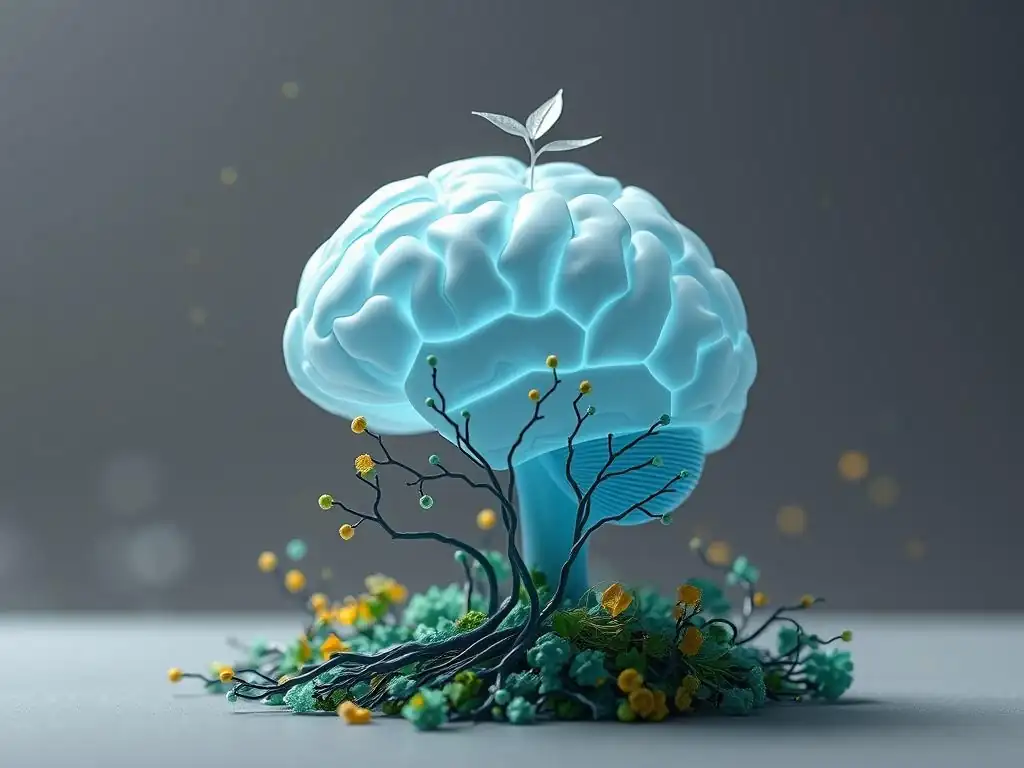
Gut imbalance, or dysbiosis, can trigger neuroinflammation through several interconnected mechanisms. As mentioned, increased gut permeability ("leaky gut") allows bacterial products like LPS to enter the circulation. These molecules are potent activators of the immune system. Once in the bloodstream, they can cross the blood-brain barrier, especially if its integrity is also compromised by systemic inflammation, and activate microglial cells in the brain.
Activated microglia release pro-inflammatory cytokines such as TNF-alpha, IL-1 beta, and IL-6, which are signaling molecules that promote inflammation. This neuroinflammatory cascade can disrupt neuronal function, impair neurotransmitter systems (like serotonin, dopamine, and glutamate), and even lead to neuronal damage over time. Thus, a disturbed gut ecosystem effectively sends inflammatory signals that can directly fuel inflammation in the brain, acting as a critical link in how gut health impacts mental health.
The Role of Inflammatory Cytokines in Mental Health
Inflammatory cytokines are not just markers of inflammation; they actively participate in modulating brain circuits and functions relevant to mental health. Elevated levels of pro-inflammatory cytokines like IL-6 and TNF-alpha have been consistently observed in individuals with major depressive disorder, bipolar disorder, and schizophrenia. These cytokines can interfere with neurogenesis (the birth of new neurons), synaptic plasticity (the brain's ability to adapt), and the metabolism of neurotransmitters.
For example, inflammatory cytokines can increase the activity of enzymes that degrade tryptophan, the precursor to serotonin, potentially leading to reduced serotonin availability in the brain. They can also affect the hypothalamic-pituitary-adrenal (HPA) axis, the body's main stress response system, contributing to chronic stress and its associated mental health consequences. Understanding the central role of these inflammatory mediators highlights why managing gut-derived inflammation is a promising avenue for improving mental well-being, further solidifying the understanding that gut health impacts mental health significantly.
Specific Mental Health Conditions Linked to Gut-Brain Axis Dysfunction
Anxiety and Depression: The Gut's Influence on Mood Disorders
Anxiety and depression are among the most common mental health conditions, and a growing body of evidence points to the gut-brain axis as a significant contributor to their pathology. Individuals diagnosed with these disorders frequently exhibit distinct differences in their gut microbiome composition compared to healthy populations. For instance, studies have found reduced levels of beneficial bacteria like Bifidobacterium and Lactobacillus species in depressed individuals, alongside an increase in certain pro-inflammatory bacteria.
Clinical trials and observational studies have shown correlations between gut microbial diversity and the severity of depressive and anxious symptoms. Some research suggests that modulating the gut microbiome through interventions like probiotics or dietary changes can lead to improvements in mood. For example, a meta-analysis published in 2019 reviewing multiple studies found that probiotic supplementation had a small but significant effect in reducing symptoms of depression. This evidence strongly supports the notion that gut health impacts mental health, particularly mood regulation.
Irritable Bowel Syndrome (IBS) and its Association with Mental Health
Irritable Bowel Syndrome (IBS) is a classic example of a disorder deeply intertwined with the gut-brain axis, affecting an estimated 10-15% of the global population. While primarily characterized by digestive symptoms like abdominal pain, bloating, and altered bowel habits, IBS is remarkably comorbid with anxiety and depression. It is estimated that up to 60% of individuals with IBS also meet the criteria for a mood or anxiety disorder.
The bidirectional nature of the gut-brain axis is evident here: stress and anxiety can exacerbate IBS symptoms, while the chronic discomfort and unpredictable nature of IBS can significantly impact mental well-being, leading to increased anxiety and depression. Furthermore, studies have identified specific microbial signatures and increased gut permeability in many IBS patients, suggesting that gut dysbiosis and low-grade inflammation may contribute to both their gut symptoms and their heightened vulnerability to mental health issues. This close relationship powerfully illustrates how gut health impacts mental health in a tangible and often debilitating way.
Cognitive Decline and the Gut Microbiome
The influence of the gut microbiome extends beyond mood disorders to cognitive function and age-related cognitive decline. Research is increasingly exploring the link between gut health and neurodegenerative conditions like Alzheimer's disease and Parkinson's disease, as well as general cognitive performance. The mechanisms involve neuroinflammation, the production of neurotoxic metabolites by certain bacteria, and the influence of gut microbes on neurotransmitter systems crucial for learning and memory, such as the cholinergic system.
Studies have identified specific microbial profiles associated with better or worse cognitive performance in older adults. For example, higher abundance of certain bacteria producing butyrate, a beneficial SCFA, has been linked to improved cognitive function. Conversely, gut dysbiosis and increased gut permeability may contribute to the accumulation of amyloid-beta plaques, a hallmark of Alzheimer's disease, by promoting neuroinflammation. This emerging field of research underscores the broad impact that gut health impacts mental health, including our capacity for clear thinking and memory.
Strategies to Improve Gut Health for Better Mental Well-being
Dietary Interventions for a Healthy Gut Microbiome
Diet is arguably the most powerful tool we have to shape our gut microbiome. What we eat directly feeds our gut bacteria, influencing their composition, diversity, and activity. A diet rich in whole, unprocessed foods is generally considered beneficial for a healthy gut ecosystem. Focusing on plant-based foods provides the necessary substrates for beneficial bacteria to thrive.
Conversely, a diet high in processed foods, refined sugars, and unhealthy fats can promote the growth of less beneficial or pro-inflammatory bacteria, contributing to dysbiosis. Reducing consumption of such items is a crucial step in supporting a gut environment conducive to better mental health. Making conscious dietary choices is a fundamental way that individuals can leverage the principle that gut health impacts mental health.
The Importance of Fiber-Rich Foods for Gut Bacteria
Dietary fiber is essential food for our beneficial gut bacteria. Unlike other carbohydrates, fiber is not digested by human enzymes in the small intestine and reaches the large intestine intact. Here, gut microbes ferment fiber, producing valuable compounds like short-chain fatty acids (SCFAs), particularly butyrate. Butyrate serves as a primary energy source for colon cells, helps maintain gut barrier integrity, and has anti-inflammatory properties that can extend to the brain.
Including a variety of fiber sources, such as fruits, vegetables, legumes, nuts, seeds, and whole grains, ensures that different types of beneficial bacteria are nourished, promoting a diverse and resilient microbiome. Aiming for the recommended daily fiber intake (around 25-30 grams for adults) is a practical target. For example, incorporating a cup of lentils (about 15 grams of fiber) or a large apple (about 5 grams of fiber) into your daily diet can make a significant difference.
Reducing Processed Foods and Sugar Intake
Processed foods and diets high in added sugars can negatively alter the gut microbiome. These foods often lack fiber and can promote the growth of bacteria that thrive on simple sugars, potentially leading to an imbalance and reduced diversity. High sugar intake can also contribute to inflammation throughout the body, including low-grade systemic inflammation that can impact the gut-brain axis.
Furthermore, artificial sweeteners found in many processed foods and diet drinks have also been shown in some studies to negatively affect gut bacteria composition. Reducing reliance on convenience foods, sugary drinks, and sweets and focusing instead on whole, unprocessed ingredients is a key strategy for fostering a healthier gut environment, thereby supporting the connection between gut health and mental health.
Probiotics and Prebiotics: Supporting a Balanced Gut Flora
Beyond dietary fiber, specifically introducing beneficial microbes (probiotics) and providing non-digestible compounds that nourish these microbes (prebiotics) can be targeted strategies to improve gut health. Probiotics are live microorganisms, typically bacteria or yeasts, which, when administered in adequate amounts, confer a health benefit on the host. They can be found in fermented foods or dietary supplements.
Prebiotics are non-digestible fibers or compounds that selectively stimulate the growth and activity of beneficial bacteria already residing in the gut. They are found naturally in foods like garlic, onions, leeks, asparagus, bananas, and chicory root. Combining prebiotics and probiotics, sometimes called synbiotics, may offer synergistic benefits for gut health.
Choosing the Right Probiotic Strains for Mental Health
Not all probiotic strains are created equal, and their effects are often strain-specific. Research into "psychobiotics" – probiotics that may benefit mental health – is ongoing. Strains from the Lactobacillus and Bifidobacterium genera have shown promise in some studies for their potential effects on mood and anxiety. For instance, Lactobacillus rhamnosus (JB-1) and Bifidobacterium longum (1714) are examples of strains that have demonstrated effects on stress response and anxiety-like behavior in animal models and some human trials.
When considering a probiotic supplement for mental health support, it is beneficial to look for products that contain well-researched strains and provide a sufficient number of live organisms (often measured in Colony Forming Units or CFUs, typically billions). However, individual responses can vary, and it's best to consult with a healthcare professional before starting supplementation, especially if you have underlying health conditions. This personalized approach is crucial because how gut health impacts mental health can differ based on individual microbial profiles.
Understanding the Benefits of Prebiotic Foods
Prebiotic foods are crucial because they feed the beneficial bacteria already present in our gut, helping them multiply and produce beneficial metabolites like SCFAs. Good sources include foods rich in inulin, fructans, and galacto-oligosaccharides (GOS). Examples include garlic, onions, leeks, artichokes, asparagus, bananas, and chicory root.
Incorporating a variety of these foods into your diet regularly helps create a favorable environment for beneficial microbes, promoting a diverse and resilient gut ecosystem. While probiotic supplements introduce new bacteria, prebiotic foods help cultivate the existing beneficial population, providing a sustainable way to support gut health and, by extension, mental well-being. This dietary strategy directly supports the idea that gut health impacts mental health through nourishing the microbial community.
Lifestyle Factors: Stress Management and Exercise for Gut Health
Beyond diet, lifestyle factors significantly influence the gut microbiome and the gut-brain axis. Chronic stress is a major disruptor of gut health, while regular exercise has been shown to have beneficial effects. Recognizing the interconnectedness of these factors is vital for a holistic approach to mental well-being.
Managing stress through techniques like mindfulness, meditation, yoga, or spending time in nature can have positive ripple effects on the gut. Similarly, consistent physical activity not only benefits cardiovascular and metabolic health but also appears to positively influence gut microbial diversity and function. These lifestyle interventions reinforce the multifaceted ways in which gut health impacts mental health.
The Impact of Chronic Stress on Gut Microbiome
Chronic psychological stress can profoundly alter the composition and function of the gut microbiome. The stress response activates the HPA axis and the sympathetic nervous system, leading to the release of stress hormones like cortisol and catecholamines. These hormones can directly influence the growth and behavior of gut bacteria.
Studies have shown that chronic stress can reduce the abundance of beneficial bacteria like Lactobacillus and Bifidobacterium, increase the growth of potential pathogens, and compromise the integrity of the gut barrier, leading to increased permeability. This stress-induced dysbiosis can then perpetuate a cycle of inflammation and altered neurotransmitter signaling, further impacting mental health. Effectively managing stress is thus a critical component of maintaining a healthy gut-brain connection.
How Exercise Promotes Gut Health
Regular physical activity has been associated with a more diverse and potentially healthier gut microbiome. While the exact mechanisms are still being researched, exercise may influence gut bacteria through various pathways, including altering gut transit time, influencing bile acid metabolism, and reducing stress-related impacts on the gut.
Studies have shown that athletes and individuals who exercise regularly tend to have greater microbial diversity compared to sedentary individuals. Specific bacterial species associated with improved metabolic health and reduced inflammation have also been found in higher abundance in physically active individuals. Incorporating consistent, moderate exercise into your routine is a practical way to support your gut health and harness the principle that gut health impacts mental health positively.
Future Directions in Gut-Brain Axis Research for Mental Health Treatment
Emerging Therapies Targeting Gut Microbiome Modulation
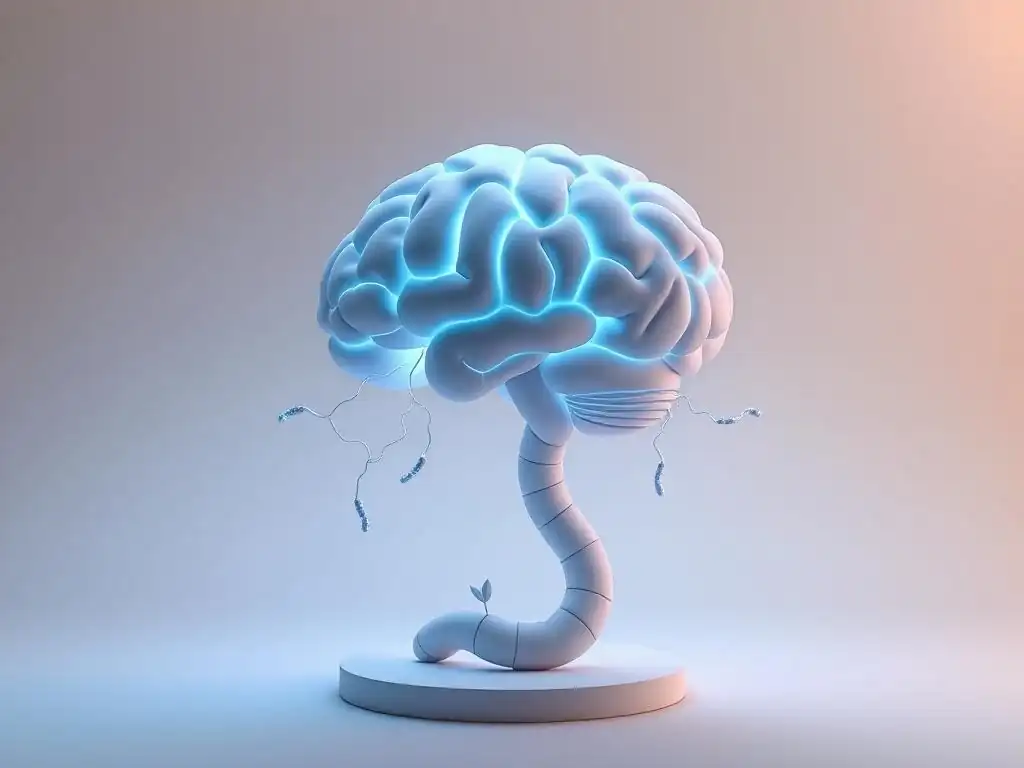
The growing understanding of the gut-brain axis is paving the way for novel therapeutic approaches for mental health conditions that go beyond traditional pharmacological interventions. These emerging therapies aim to directly modulate the gut microbiome to restore balance and function. This includes the development of targeted probiotic formulations, prebiotics, and synbiotics specifically designed to influence the gut-brain axis.
Other strategies under investigation involve postbiotics – beneficial compounds produced by bacteria, such as SCFAs – which could potentially be administered directly. Fecal microbiota transplantation (FMT), while currently used primarily for Clostridium difficile infection, is also being explored cautiously for its potential in influencing mental health conditions, given its dramatic effect on altering the gut microbial community. These advancements highlight the exciting potential of leveraging the gut-brain connection to develop more effective and personalized treatments, emphasizing how deeply gut health impacts mental health outcomes.
Personalized Approaches to Gut Health and Mental Well-being
Recognizing that each individual's gut microbiome is unique, there is a growing movement towards personalized approaches to improving gut health for mental well-being. This involves assessing an individual's specific microbial composition (though current testing methods have limitations) and tailoring dietary, probiotic, and lifestyle interventions based on their unique profile and health status.
Future research and clinical practice are likely to move towards more sophisticated diagnostics that can identify specific microbial imbalances linked to particular mental health symptoms. This would allow for highly targeted interventions, for example, prescribing a specific probiotic strain known to influence a particular neurotransmitter pathway or recommending dietary changes designed to nourish specific beneficial bacteria that are deficient. This personalized approach acknowledges the complex interplay and variable nature of how gut health impacts mental health from person to person.
The Potential of Fecal Microbiota Transplantation (FMT) for Mental Illness
Fecal Microbiota Transplantation (FMT) involves transferring fecal matter from a healthy donor into the gastrointestinal tract of a recipient. This procedure aims to reconstitute a healthy gut microbiome in the recipient. While its primary established use is for recurrent Clostridium difficile infection with high success rates (often exceeding 80-90%), preliminary research is cautiously exploring its potential in other conditions linked to severe dysbiosis, including some neurological and psychiatric disorders.
Case reports and small pilot studies have investigated FMT in conditions like Parkinson's disease and autism spectrum disorder, which often involve significant gut issues and are linked to the gut-brain axis. While large-scale, rigorous clinical trials are needed, the dramatic changes in microbial composition achieved by FMT offer a powerful tool for research into the causal role of the microbiome in mental health. However, it remains an experimental therapy for mental health conditions, and significant research is required to understand its efficacy, safety, and appropriate application in this context.
Practical Steps to Support Your Gut-Brain Connection
Mindful Eating Practices for Improved Digestion
How we eat is almost as important as what we eat when it comes to gut health. Mindful eating involves paying attention to the process of eating, savoring flavors, and listening to your body's hunger and fullness cues. Eating in a relaxed state, rather than while stressed or rushed, can improve digestion and nutrient absorption.
When stressed, the body diverts resources away from digestion. Practicing mindful eating techniques – like chewing food thoroughly, eating slowly, and avoiding distractions like screens – can support optimal digestive function and reduce the likelihood of digestive upset that can negatively impact the gut-brain axis. This simple practice is a direct way individuals can influence how gut health impacts mental health by improving the digestive process itself.
Consulting with Healthcare Professionals for Personalized Guidance
Given the complexity of the gut-brain axis and the individuality of the microbiome, seeking guidance from qualified healthcare professionals is crucial. This could include a primary care physician, a gastroenterologist, a registered dietitian or nutritionist specializing in gut health, or a mental health professional. They can help assess your specific situation, identify potential underlying issues, and recommend appropriate strategies.
Self-treating with numerous supplements or restrictive diets without professional guidance can sometimes do more harm than good. A healthcare provider can help determine if your symptoms warrant specific testing (like gut microbiome analysis, though its clinical utility is still evolving) or medical interventions. They can also help integrate gut-focused strategies with other necessary treatments for mental health conditions, providing a holistic approach that acknowledges how gut health impacts mental health within a broader health context.
Monitoring Your Gut Health and Mental Well-being: Utilizing a Food and Mood Journal
Keeping a food and mood journal can be a practical tool for identifying potential connections between what you eat, your digestive symptoms, and your mental state. By systematically tracking food intake, digestive discomfort (like bloating, gas, or changes in bowel habits), energy levels, mood shifts (anxiety, irritability, low mood), and sleep patterns, individuals can start to notice correlations.
- Example Entry:
- Breakfast: Oatmeal with berries and nuts.
- Lunch: Salad with chicken and vegetables.
- Dinner: Pasta with tomato sauce.
- Snacks: Apple, yogurt.
- Digestive Symptoms: Mild bloating after dinner.
- Mood: Felt calm in the morning, slightly anxious in the afternoon, tired in the evening.
- Notes: Noticed anxiety spiked before a stressful meeting. Bloating might be linked to large pasta portion.
Over time, patterns may emerge, such as certain foods triggering digestive upset that precedes a dip in mood, or periods of stress coinciding with both gut issues and increased anxiety. This self-monitoring empowers individuals to make informed choices about their diet and lifestyle and provides valuable information to share with healthcare professionals. It serves as a tangible way to observe how gut health impacts mental health on a personal level.
Conclusion: Optimizing Gut Health for a Healthier Mind
The emerging science of the gut-brain axis reveals a profound and intricate connection between the health of our digestive system and our mental well-being. From the trillions of microbes residing in our gut influencing neurotransmitter production to the bidirectional communication pathways involving the vagus nerve and immune system, it is clear that gut health impacts mental health in significant and measurable ways. Neuroinflammation, often triggered by gut dysbiosis, stands out as a key mediator in this relationship, contributing to the pathology of conditions ranging from anxiety and depression to cognitive decline.
Fortunately, this understanding offers promising avenues for improving mental health by focusing on gut health. Implementing dietary changes rich in fiber and whole foods, incorporating prebiotics and potentially targeted probiotics, managing stress, and engaging in regular exercise are all actionable strategies. As research progresses, personalized approaches and novel therapies targeting the microbiome hold exciting potential for future treatments. By taking practical steps to support a healthy gut, individuals can foster a more resilient gut-brain connection, paving the way for improved mental clarity, emotional stability, and overall well-being. Prioritizing gut health is, in essence, prioritizing a healthier mind.
Frequently Asked Questions
How does Mind Care Guide define the link between gut health and mental health?
The link centers around the gut-brain axis, a bidirectional communication system. Disruptions in gut health, such as inflammation or imbalanced gut bacteria, can influence brain function and mental well-being.
What evidence supports the claim that "Gut health impacts mental health"?
New studies highlight the connection between gut health, neuroinflammation, and mental health. Specifically, research indicates that an unhealthy gut microbiome can trigger inflammatory responses in the brain, contributing to conditions like depression and anxiety.
What is "neuroinflammation" and how does it relate to gut health?
Neuroinflammation refers to inflammation in the brain. An unhealthy gut can lead to increased permeability of the gut lining, allowing substances to enter the bloodstream and trigger inflammatory responses that reach the brain.
What practical steps can Mind Care Guide suggest for improving gut health to potentially benefit mental well-being?
Mind Care Guide suggests focusing on a balanced diet rich in fiber and prebiotics, reducing processed foods, and potentially incorporating probiotic supplements. Consulting a healthcare professional for personalized advice is also recommended.
Mind Care Guide provides informative articles, expert advice, and links to relevant resources for mental health challenges. It also offers guidance on finding qualified healthcare professionals specializing in gut health and mental well-being.
Final Reflection: The Mind-Gut Connection: A Journey Towards Holistic Wellbeing
The burgeoning field of psychoneuroimmunology reveals a profound truth: our gut health is inextricably linked to our mental wellbeing. This isn't just a trendy health claim; it's a rapidly expanding area of research with significant implications for how we understand and treat mental health conditions. The evidence increasingly points towards a bidirectional relationship, where imbalances in the gut microbiome can trigger neuroinflammation and contribute to conditions like anxiety and depression, and vice versa.
The implications of this interconnectedness are far-reaching, reshaping our understanding of mental health from a purely neurological perspective to a more holistic, biopsychosocial model. This shift is crucial, as it highlights the importance of lifestyle factors – diet, exercise, and stress management – in maintaining both gut and mental health. The gut is the second brain,
a phrase often used, underscores the profound influence of this often-overlooked organ on our overall well-being. Understanding this connection empowers us to take proactive steps towards better mental health by focusing on nurturing our gut microbiome.
Now, consider your own relationship with your gut health. Are you prioritizing a balanced diet rich in prebiotics and probiotics? Are you managing stress effectively? This isn't about perfection; it's about conscious choices that contribute to a healthier, happier you. Take this opportunity to reflect on your lifestyle and explore ways to improve your gut health, knowing that you are simultaneously investing in your mental and emotional wellbeing. The journey towards holistic wellness begins with understanding the powerful connection between your mind and your gut.
Unlock Your Brain's Potential: Nurture Your Gut, Nurture Your Mind
Thanks for taking the time to explore the fascinating connection between gut health and mental well-being! You've gained valuable insights into how nurturing your gut can positively impact your brain. Now, let's put that knowledge into action.
- Prioritize gut-friendly foods: Start incorporating more fiber-rich fruits, vegetables, and fermented foods into your diet this week. Notice how you feel!
- Consider a gut health supplement: Explore probiotic options or discuss supplements with your doctor to support your gut microbiome.
- Share your journey: Tell a friend or family member about what you’ve learned and encourage them to explore their own gut health. Let’s build a community of mindful gut care!
What small step will you take today to improve your gut health and support your mental well-being?