
Serotonin and Neuroplasticity: Rewiring Your Brain for Better Mood

Welcome to Mind Care Guide, a space dedicated to nurturing your mental well-being.
Feeling stuck in a cycle of low mood? The power to change may lie within. Our journey into the neuroscience of mental health begins with Serotonin and Neuroplasticity, exploring how you can actively rewire your brain for a brighter outlook. Discover the fascinating connection between serotonin levels and your capacity for change, and unlock practical insights to help you take control of your mood. Intrigued? Let's delve deeper...
Serotonin and Neuroplasticity: Rewiring Your Brain for Better Mood
Mood regulation is a complex dance involving various brain chemicals and structures. Among the key players is serotonin, a neurotransmitter often linked to feelings of well-being and happiness. Understanding its role, especially in conjunction with the brain's remarkable ability to change – neuroplasticity – offers powerful insights into how we might actively influence our emotional state. This article explores the intricate relationship between serotonin and neuroplasticity, revealing how this connection is fundamental to the process of serotonin brain rewiring for better mood management.
- Understanding Serotonin's Role in Mood Regulation
- Neuroplasticity: The Brain's Ability to Adapt and Change
- The Interplay Between Serotonin and Neuroplasticity: Rewiring for Better Mood
-
Strategies to Boost Serotonin and Enhance Neuroplasticity
- Diet and Serotonin Production: Foods to Improve Mood
- Exercise and Neuroplasticity: Physical Activity for Brain Health
- Mindfulness and Meditation: Cultivating Serotonin and Neuroplasticity
- Cognitive Behavioral Therapy (CBT) and Neuroplasticity: Changing Thought Patterns
- Sunlight Exposure and Serotonin: Light Therapy for Mood Improvement
- Lifestyle Changes for Long-Term Serotonin and Neuroplasticity Enhancement
- The Future of Serotonin and Neuroplasticity Research: Advanced Imaging and Personalized Interventions
- Conclusion: Taking Control of Your Mood Through Serotonin and Neuroplasticity
-
Frequently Asked Questions
- What is the connection between serotonin and mood?
- How does neuroplasticity relate to improving mood?
- Can lifestyle changes impact serotonin levels and brain rewiring?
- What are some practical techniques to promote serotonin production and neuroplasticity?
- How long does it typically take to see noticeable improvements in mood through serotonin brain rewiring?
- Final Reflection: Unlocking Your Brain's Mood-Boosting Potential
- Unlock Your Brain's Happiness Potential
Understanding Serotonin's Role in Mood Regulation
Serotonin, scientifically known as 5-hydroxytryptamine (5-HT), is a monoamine neurotransmitter produced in the brainstem's raphe nuclei and also found abundantly in the gut. It acts as a chemical messenger, transmitting signals between nerve cells. While widely recognized for its impact on mood, serotonin also influences a broad spectrum of physiological and psychological functions, including sleep, appetite, digestion, learning, memory, and social behavior.
Its influence on emotional states is profound. Serotonin is believed to play a crucial role in stabilizing mood, promoting feelings of calmness, and reducing anxiety. When serotonin levels are balanced, individuals often report feeling more content and resilient to stress. Conversely, disruptions in serotonin signaling are frequently observed in various mood disorders, highlighting its significance in maintaining emotional equilibrium.
The Neurotransmitter Serotonin: An Overview
Serotonin is synthesized from the essential amino acid tryptophan, which we obtain through our diet. This biochemical process involves several steps and enzymes. Once synthesized, serotonin is stored in vesicles within neurons and released into the synaptic cleft – the tiny gap between neurons – to bind with specific receptors on the receiving neuron. There are at least 14 known types of serotonin receptors, each mediating different effects throughout the brain and body.
After transmitting its signal, serotonin is either reabsorbed by the releasing neuron via a reuptake transporter (like SERT) or broken down by enzymes. This reuptake mechanism is a key target for many antidepressant medications, such as Selective Serotonin Reuptake Inhibitors (SSRIs), which block this process, increasing the amount of serotonin available in the synaptic cleft to stimulate receptors. The complexity of serotonin's action lies not just in its quantity but in which receptors it activates and the specific neural circuits involved.
How Serotonin Influences Emotional Well-being
Serotonin's impact on emotional well-being is multifaceted, involving its interaction with various brain regions that regulate mood, fear, and anxiety, such as the amygdala, hippocampus, and prefrontal cortex. For instance, serotonin signaling in the amygdala, a brain area central to processing emotions like fear, can modulate its activity, potentially reducing reactivity to stressful stimuli. In the hippocampus, involved in memory and emotional learning, serotonin supports neurogenesis (the birth of new neurons) and synaptic plasticity, processes critical for adapting to emotional experiences.
Furthermore, serotonin pathways connect to regions involved in reward and motivation, which also contributes to feelings of pleasure and satisfaction. A balanced serotonin system helps maintain emotional resilience, allowing individuals to navigate life's challenges without experiencing extreme mood swings or persistent low mood. It's not merely a "happy chemical" but a crucial modulator that fine-tunes our emotional responses and overall psychological state.
Serotonin Deficiency and Mood Disorders: A Connection
While the relationship is complex and not simply about low levels, research consistently shows an association between dysregulated serotonin systems and mood disorders, particularly depression and anxiety. For decades, the "serotonin hypothesis" of depression proposed that a deficiency in serotonin transmission was a primary cause. While this view is now considered an oversimplification, as many other factors are involved, evidence still supports a significant role for serotonin system dysfunction.
Studies have observed differences in serotonin receptor sensitivity, transporter availability, and serotonin levels in individuals with depression compared to those without. For example, some studies suggest reduced binding of serotonin to certain receptors (like 5-HT1A) or altered activity of the serotonin transporter (SERT) in depressed individuals. These findings underpin the effectiveness of SSRIs, which aim to enhance serotonin signaling in the brain. However, it's important to note that medication is just one approach, and lifestyle factors and therapeutic interventions also play vital roles in addressing these complex conditions.
Neuroplasticity: The Brain's Ability to Adapt and Change
For a long time, it was believed that the adult brain was largely fixed and incapable of significant change. However, modern neuroscience has revolutionized this understanding, revealing the brain as a remarkably dynamic organ constantly adapting and reorganizing itself. This ability is known as neuroplasticity, a fundamental property that underlies learning, memory, and recovery from brain injury. It is also intimately connected with emotional regulation and mental health.
Neuroplasticity refers to the brain's capacity to form new neural connections throughout life. This involves changes in the structure and function of neurons and synapses in response to experiences, learning, and environmental stimuli. This adaptability allows the brain to rewire itself, strengthening or weakening connections between neurons based on their activity patterns. This process is not uniform across the brain but occurs in specific pathways and regions depending on the type of experience.
Defining Neuroplasticity: Brain's Remarkable Adaptability
At its core, neuroplasticity is the biological mechanism by which the brain changes. This change can occur at multiple levels, from microscopic alterations in synaptic strength (how effectively one neuron communicates with another) to macroscopic changes in brain structure, such as the growth of new neurons (neurogenesis) or changes in the volume of gray matter in specific brain regions. It's a continuous process, happening throughout life, though perhaps more pronounced during critical periods of development.
Think of it like a well-trodden path in a forest. The more you use a particular neural pathway (like practicing a new skill or repeatedly thinking a certain thought), the stronger and more efficient that pathway becomes, much like a path becoming clearer with more foot traffic. Conversely, pathways that are rarely used can weaken or even disappear, similar to an unused path becoming overgrown. This constant pruning and strengthening is the essence of a plastic brain, allowing it to learn, adapt, and respond to changing demands.
Different Types of Neuroplasticity: Structural, Functional, and Experience-Dependent
Neuroplasticity manifests in various forms. Structural plasticity involves changes in the physical structure of the brain, such as alterations in the size of brain regions, the density of synapses, or the growth of new neurons (neurogenesis), particularly in areas like the hippocampus. For example, studies have shown that learning a new complex skill, like juggling, can lead to temporary increases in gray matter in specific brain areas involved in visual-motor coordination.
Functional plasticity, on the other hand, refers to the brain's ability to shift functions from damaged areas to undamaged areas. This is often observed after stroke or injury, where other parts of the brain take over functions previously performed by the injured region. Experience-dependent plasticity is perhaps the most relevant to everyday learning and mental well-being, as it describes the brain's ability to change in response to specific experiences. This includes learning a new language, developing a new habit, or changing your perspective on a situation. These experiences shape and reshape neural circuits.
Neuroplasticity and Mental Health: The Link
The link between neuroplasticity and mental health is increasingly clear. Conditions like depression, anxiety disorders, and PTSD are often associated with maladaptive neuroplastic changes – essentially, the brain gets wired in ways that perpetuate negative thought patterns, emotional reactivity, and avoidance behaviors. For instance, chronic stress can impair neurogenesis in the hippocampus and shrink its volume, impacting mood regulation and memory.
However, the good news is that neuroplasticity also offers a pathway to recovery and improved mental well-being. Therapeutic interventions, lifestyle changes, and even certain medications can promote adaptive neuroplasticity, helping to rewire the brain towards healthier patterns. By understanding how the brain changes, we can employ strategies that encourage the growth of resilient neural circuits, supporting better mood and emotional regulation. This concept of actively shaping the brain's structure and function is central to the idea of serotonin brain rewiring for better mood.
The Interplay Between Serotonin and Neuroplasticity: Rewiring for Better Mood
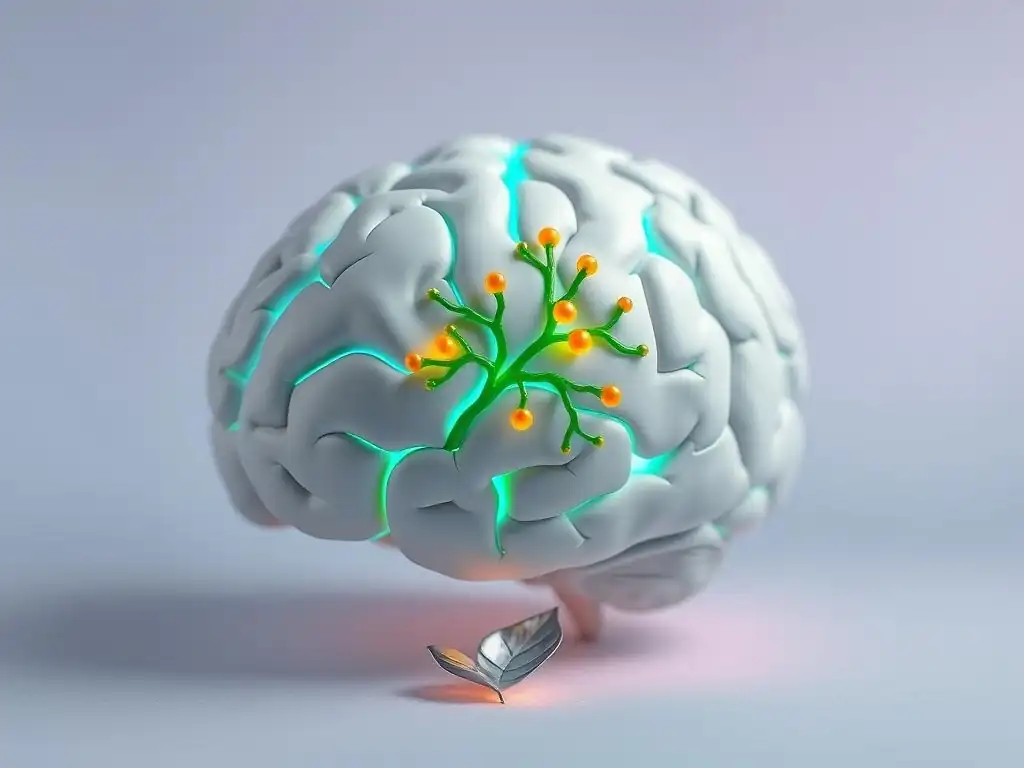
The relationship between serotonin and neuroplasticity is not one-sided; they influence each other in a dynamic feedback loop. Serotonin is not just a chemical that affects mood; it also acts as a crucial modulator of neuroplastic processes. Its presence and signaling can influence the brain's ability to change and adapt, particularly in areas involved in emotional processing and learning. This interaction is fundamental to how the brain can potentially "rewire" itself for improved mood states.
Research indicates that serotonin signaling is essential for promoting synaptic plasticity – the strengthening or weakening of connections between neurons. It also plays a role in neurogenesis, the creation of new neurons, especially in the hippocampus. By influencing these fundamental processes of brain change, serotonin can impact how effectively the brain learns from experiences, adapts to stress, and modifies emotional responses. This makes the serotonin system a key target for interventions aimed at enhancing adaptive neuroplasticity.
How Serotonin Impacts Neuroplastic Changes in the Brain
Serotonin influences neuroplasticity through several mechanisms. It can directly affect gene expression in neurons, leading to the production of proteins necessary for synaptic growth and function. It also interacts with growth factors, such as Brain-Derived Neurotrophic Factor (BDNF), which is a critical molecule supporting the survival, growth, and differentiation of neurons and synapses. Higher levels of BDNF are generally associated with enhanced neuroplasticity and improved mood.
Moreover, serotonin signaling can modulate the excitability of neurons, making them more or less likely to fire and form connections. This fine-tuning of neural activity is crucial for learning and memory formation, which are processes underpinned by neuroplastic changes. By facilitating these processes, serotonin contributes to the brain's capacity to reorganize itself in response to new information or experiences, including therapeutic interventions or lifestyle changes aimed at improving mood.
Serotonin's Influence on Synaptic plasticity
Synaptic plasticity, the ability of synapses to strengthen or weaken over time, is a cornerstone of learning and memory. Serotonin plays a significant role in regulating this process. Studies have shown that activating certain serotonin receptors can either promote or inhibit long-term potentiation (LTP), a persistent strengthening of synapses based on recent activity, which is a cellular model for learning.
For example, activation of 5-HT1A receptors is often associated with inhibitory effects on neuronal activity, while activation of 5-HT2A receptors can have excitatory effects. The balance of signaling through these and other receptors influences the "rules" by which synapses change their strength. This means that serotonin doesn't just affect the transmission of a signal; it influences the plasticity of the connection itself, thereby impacting how the brain learns and adapts, including how it learns to regulate mood or respond to emotional stimuli.
Neuroplasticity and Serotonin Receptors: 5-HT1A, 5-HT2A
Different serotonin receptors mediate distinct effects on neuroplasticity. The 5-HT1A receptor, found in high concentrations in the hippocampus and prefrontal cortex, is often associated with anxiolytic (anxiety-reducing) and antidepressant effects. Activation of 5-HT1A receptors has been linked to increased neurogenesis and enhanced synaptic plasticity, particularly in the hippocampus. This suggests that stimulating this receptor subtype could promote adaptive changes in brain areas critical for mood and stress response.
In contrast, the 5-HT2A receptor, also widely distributed in the cortex, is known for its role in mediating the effects of hallucinogenic drugs but also plays a role in mood and cognition. Its influence on plasticity is complex, sometimes promoting and sometimes inhibiting synaptic changes depending on the brain region and context. The balance between signaling through receptors like 5-HT1A and 5-HT2A, and how these receptors are regulated (e.g., their density and sensitivity), is crucial for healthy brain function and contributes significantly to the brain's capacity for serotonin brain rewiring for better mood.
Strategies to Boost Serotonin and Enhance Neuroplasticity
Understanding the intertwined roles of serotonin and neuroplasticity opens up avenues for actively influencing our brain and mood. While medical interventions like SSRIs target the serotonin system directly, numerous lifestyle and behavioral strategies have been shown to support both healthy serotonin levels and enhance the brain's capacity for positive change. Implementing these strategies can contribute significantly to serotonin brain rewiring for better mood and overall mental well-being.
These strategies often work synergistically, impacting multiple pathways in the brain. For instance, exercise not only influences serotonin but also boosts BDNF, a key neuroplasticity factor. Similarly, dietary choices can affect both the building blocks of serotonin and the health of the gut-brain axis, which is increasingly recognized for its influence on mood and brain function. Integrating several of these approaches can create a powerful effect.
Diet and Serotonin Production: Foods to Improve Mood
What we eat can influence the availability of tryptophan, the precursor to serotonin, and impact the gut microbiome, which plays a surprising role in serotonin production. While eating tryptophan-rich foods alone doesn't guarantee increased brain serotonin (due to the blood-brain barrier and competition with other amino acids), a balanced diet supports overall neurotransmitter function.
Focusing on nutrient-dense foods provides the necessary building blocks and cofactors (like B vitamins) for serotonin synthesis and overall brain health. The gut produces a significant amount of the body's serotonin, which primarily functions locally in digestion but also communicates with the brain via the gut-brain axis. Supporting a healthy gut microbiome through diet can indirectly influence mood and brain function.
Tryptophan-Rich Foods and Serotonin Synthesis
Tryptophan is an essential amino acid, meaning the body cannot produce it and must obtain it from food. Foods high in tryptophan include poultry (like turkey and chicken), eggs, dairy products (milk, cheese), nuts and seeds, tofu, and fish. While consuming these foods is necessary for serotonin production, getting tryptophan into the brain is competitive.
Consuming tryptophan-rich foods alongside carbohydrates can help facilitate its entry into the brain. Carbohydrates trigger the release of insulin, which helps clear other amino acids from the bloodstream, making it easier for tryptophan to cross the blood-brain barrier. So, pairing turkey with sweet potatoes or nuts with fruit might be a more effective way to potentially influence brain tryptophan levels than eating tryptophan-rich foods in isolation.
The Gut-Brain Axis and Serotonin Levels
The gut is often called the "second brain" due to its complex nervous system and its significant production of neurotransmitters, including serotonin. In fact, it's estimated that around 90% of the body's serotonin is produced in the gut. This gut-derived serotonin is crucial for digestive processes, but the gut also communicates extensively with the brain through the vagus nerve and circulating molecules.
A healthy gut microbiome – the community of bacteria and other microbes in the digestive tract – is vital for this communication. Certain gut bacteria can produce tryptophan and other metabolites that influence brain health and mood. Eating a diet rich in fiber, fermented foods (like yogurt, kimchi, sauerkraut), and probiotics can support a diverse and healthy gut flora, potentially influencing mood and supporting the gut-brain axis connection relevant to serotonin brain rewiring.
Exercise and Neuroplasticity: Physical Activity for Brain Health
Regular physical activity is a powerful tool for improving mood and enhancing neuroplasticity. Exercise has been shown to increase the availability of serotonin in the brain and promote the production of neurotrophic factors like BDNF, which are essential for the growth and survival of neurons and synapses. This dual action makes exercise a cornerstone strategy for supporting serotonin brain rewiring and overall brain health.
Whether it's aerobic exercise, strength training, or yoga, consistent physical activity provides a significant boost to brain function. It improves blood flow to the brain, reduces inflammation, and helps manage stress – all factors that positively influence both neurotransmitter systems and neuroplastic capacity. Aiming for at least 150 minutes of moderate-intensity aerobic exercise or 75 minutes of vigorous-intensity exercise per week, as recommended by health guidelines, can have substantial benefits.
Aerobic Exercise and Serotonin Release
Aerobic exercise, such as running, swimming, or cycling, has been particularly well-studied for its effects on neurotransmitters. During and after aerobic activity, there is evidence of increased synthesis and release of serotonin in the brain. This immediate boost in serotonin can contribute to the well-known "runner's high" and the general sense of improved mood often reported after exercise.
Consistent aerobic exercise over time appears to lead to more sustained changes in serotonin signaling, potentially by altering receptor sensitivity or increasing the capacity for synthesis. This chronic effect is thought to contribute to the antidepressant and anxiolytic effects of regular exercise. It's a practical way to support the serotonin system and encourage the brain's capacity for positive change.
Exercise and BDNF (Brain-Derived Neurotrophic Factor): Enhanced Cognitive Function and Neurogenesis
Beyond serotonin, exercise is a potent stimulator of BDNF production. BDNF is often referred to as "Miracle-Gro" for the brain because it supports the growth, differentiation, and survival of neurons and synapses. It plays a critical role in neurogenesis in the hippocampus and is essential for synaptic plasticity throughout the brain.
Increased BDNF levels induced by exercise contribute significantly to enhanced cognitive function, improved learning and memory, and crucially, enhanced neuroplasticity. This makes exercise not just a mood booster via serotonin but a fundamental activity for increasing the brain's capacity to change and adapt in beneficial ways, directly supporting the process of serotonin brain rewiring for better mood and cognitive resilience.
Mindfulness and Meditation: Cultivating Serotonin and Neuroplasticity
Mindfulness and meditation practices involve training attention and awareness, often focusing on the present moment without judgment. These practices have gained significant traction for their documented benefits on mental health, including reducing stress, anxiety, and depression. Emerging research suggests that mindfulness and meditation can also influence both serotonin levels and neuroplasticity.
Regular meditation appears to affect brain structures and function in ways consistent with enhanced neuroplasticity. While the direct link to serotonin is still an active area of research, the stress-reducing effects of mindfulness are known to positively impact neurotransmitter balance. By altering how the brain responds to stress and negative thoughts, these practices facilitate adaptive changes.
Mindfulness Practices and Serotonin Modulation
While direct measurement of serotonin changes during or immediately after mindfulness is challenging, studies using neuroimaging techniques and examining related biomarkers suggest an influence on serotonin pathways. Mindfulness practices can help regulate the activity of the stress response system (the HPA axis), and chronic stress is known to disrupt serotonin signaling and impair neuroplasticity. By mitigating stress, mindfulness indirectly supports a healthier serotonin system.
Furthermore, the shift in perspective and reduced rumination cultivated through mindfulness may alter activity in brain circuits involving serotonin. Some preliminary studies point towards changes in serotonin receptor binding in individuals who practice meditation regularly, suggesting a potential modulation of the serotonin system that contributes to improved mood and emotional regulation.
Meditation and Brain Structure Changes: Increased Gray Matter Density
Perhaps the most compelling evidence for the impact of meditation on neuroplasticity comes from structural MRI studies. Research has shown that long-term meditators often exhibit structural differences in brain regions associated with attention, emotional regulation, and self-awareness compared to non-meditators.
For example, studies have reported increased gray matter density in the prefrontal cortex (involved in attention and decision-making) and the hippocampus (involved in memory and emotion) in experienced meditators. Even relatively short-term mindfulness interventions, like an 8-week course, have been shown to produce measurable changes in brain structure, including decreased gray matter in the amygdala (involved in fear processing) and increased gray matter in the hippocampus. These structural changes reflect the brain's remarkable capacity for neuroplasticity, potentially supported and influenced by serotonin signaling.
Cognitive Behavioral Therapy (CBT) and Neuroplasticity: Changing Thought Patterns
Cognitive Behavioral Therapy (CBT) is a widely effective psychotherapy that helps individuals identify and change negative thought patterns and behaviors contributing to mood disorders. While seemingly focused on thoughts and actions, CBT is also understood to work, in part, by promoting adaptive neuroplastic changes in the brain, influencing the very neural circuits that underpin our emotional responses and thought processes.
CBT helps individuals develop new ways of thinking and responding to challenging situations, essentially training the brain to use different, healthier neural pathways. This process of learning and reinforcing new cognitive and behavioral strategies is a prime example of experience-dependent neuroplasticity at work. It helps to reshape the brain's responses, complementing the biochemical effects potentially influenced by serotonin.
CBT and Serotonin Pathways: Modulation of Serotonin Release and Receptor Sensitivity
Research suggests that successful psychotherapy, including CBT, can impact neurotransmitter systems, although the exact mechanisms are still being explored. It's hypothesized that changing thought patterns and emotional responses through CBT can indirectly modulate serotonin release and receptor sensitivity in relevant brain regions.
By reducing chronic stress and anxiety, which can negatively impact the serotonin system, CBT creates a more favorable environment for healthy serotonin signaling. Furthermore, the adaptive changes in neural circuits promoted by CBT may involve pathways that utilize serotonin, potentially leading to a more balanced and effective serotonin system over time. This means CBT doesn't just change thoughts; it can influence the biological underpinnings of mood regulation.
How CBT Promotes Adaptive Neuroplasticity
CBT directly engages the brain's neuroplasticity by providing new experiences and requiring the formation of new habits of thinking and behaving. When someone learns to challenge a negative automatic thought or practice a new coping skill, they are actively strengthening new neural connections and weakening old, maladaptive ones.
For instance, someone learning to face a feared situation (exposure therapy, often part of CBT) is essentially rewiring the brain's fear response pathways. Over time, the neural circuits associated with fear in that context become less dominant, while those associated with safety and coping are strengthened. This is a clear example of how a structured psychological intervention can drive adaptive neuroplasticity, contributing to serotonin brain rewiring for better mood regulation and reduced anxiety.
Sunlight Exposure and Serotonin: Light Therapy for Mood Improvement
Sunlight is a well-known mood enhancer, and its effects are partly mediated through the serotonin system. Exposure to bright light, particularly natural sunlight, influences the production and regulation of serotonin in the brain. This connection is most evident in conditions like Seasonal Affective Disorder (SAD), where reduced sunlight exposure during winter months is associated with lower mood.
Getting adequate sunlight exposure, especially earlier in the day, can help regulate the body's internal clock (circadian rhythm) and boost serotonin levels. This makes light a simple yet effective strategy for supporting serotonin function and, potentially, related neuroplastic processes.
The Impact of Sunlight on Serotonin Production
Sunlight exposure affects serotonin levels in the brain. Studies have shown that serotonin synthesis is higher on bright, sunny days compared to darker days. The mechanism involves light entering the eyes and signaling to brain regions, including the raphe nuclei where serotonin is produced. While the exact pathway is still being elucidated, it's clear that environmental light is a crucial regulator of serotonin synthesis and release.
Spending time outdoors, especially during daylight hours, can therefore be a natural way to support healthy serotonin levels. Even on cloudy days, outdoor light is typically much brighter than indoor lighting. This simple lifestyle factor plays a role in the overall balance of the serotonin system.
Seasonal Affective Disorder (SAD) and Light Therapy
Seasonal Affective Disorder (SAD) is a type of depression that occurs during specific seasons, most commonly in winter when daylight hours are shorter. Symptoms often include low mood, fatigue, increased appetite, and a desire to oversleep. SAD is strongly linked to disruptions in the body's circadian rhythm and decreased serotonin activity due to reduced light exposure.
Light therapy, using a special SAD lamp that emits bright light, is a standard and effective treatment for SAD. Sitting in front of a light box for a set period each day, usually in the morning, can help reset the circadian rhythm and increase serotonin levels, alleviating depressive symptoms. This provides a clear clinical example of how manipulating light exposure can directly impact serotonin and improve mood, demonstrating a form of environmental influence on serotonin brain rewiring.
Lifestyle Changes for Long-Term Serotonin and Neuroplasticity Enhancement

While specific strategies like diet, exercise, and therapy are powerful, embedding healthy habits into your daily life provides the foundation for sustained serotonin and neuroplasticity support. These lifestyle factors work together to create an environment where the brain can function optimally, regulate mood effectively, and maintain its capacity for positive change over the long term.
Prioritizing sleep, effectively managing stress, and nurturing social connections are not just general health recommendations; they are critical components of brain health that directly or indirectly influence neurotransmitter systems like serotonin and the brain's ability to rewire itself.
Prioritizing Sleep for Optimal Brain Function
Sleep is not merely a period of rest; it's a highly active state for the brain, crucial for memory consolidation, learning, and emotional regulation. Chronic sleep deprivation negatively impacts both serotonin signaling and neuroplasticity. Lack of sleep can disrupt neurotransmitter balance and impair the processes necessary for forming new neural connections.
During sleep, particularly REM sleep, the brain processes emotional experiences, a function potentially linked to serotonin activity. Ensuring consistent, quality sleep (typically 7-9 hours for adults) supports the brain's ability to regulate mood and maintain healthy neuroplasticity. Establishing a regular sleep schedule and creating a relaxing bedtime routine are vital steps for brain health.
Managing Stress to Protect Serotonin and Neuroplasticity
Chronic stress is detrimental to both the serotonin system and neuroplasticity. Prolonged exposure to stress hormones like cortisol can deplete serotonin stores, disrupt receptor function, and impair neurogenesis, particularly in the hippocampus. This can make the brain less resilient and more vulnerable to mood disorders.
Developing effective stress management techniques is therefore essential for protecting serotonin levels and preserving neuroplastic capacity. Techniques such as deep breathing exercises, meditation, yoga, spending time in nature, or engaging in hobbies can help mitigate the negative effects of stress on the brain, supporting serotonin brain rewiring for better mood resilience.
Humans are social creatures, and strong social connections are fundamental to mental well-being. Positive social interactions can buffer against stress, provide emotional support, and activate brain regions associated with reward and pleasure. While the link to serotonin is complex, social isolation and loneliness are associated with increased risk of depression and anxiety, conditions linked to serotonin dysregulation.
Engaging in meaningful social activities and nurturing relationships can have a positive impact on mood and potentially influence neurochemical balance. The sense of belonging and support derived from social connections contributes to overall resilience and provides positive experiences that can promote adaptive neuroplasticity, indirectly supporting the brain's capacity for positive change and mood regulation.
The Future of Serotonin and Neuroplasticity Research: Advanced Imaging and Personalized Interventions
Research into serotonin and neuroplasticity is a rapidly evolving field, driven by advancements in neuroimaging techniques and a deeper understanding of genetics and environmental influences. Future directions aim to unravel the intricate details of their interaction and develop more targeted and personalized interventions for mood disorders.
Advanced brain imaging techniques, such as PET (Positron Emission Tomography) scans that can visualize serotonin receptors and transporters, and fMRI (functional Magnetic Resonance Imaging) that shows brain activity, are providing unprecedented insights into how serotonin signaling relates to brain function and changes over time. This allows researchers to observe the effects of therapies and lifestyle changes on specific neural circuits involved in mood.
Emerging Therapies Targeting Serotonin and Neuroplasticity
Beyond traditional SSRIs, new therapeutic approaches are being developed that specifically target the serotonin system and its influence on neuroplasticity. This includes research into novel compounds that act on different serotonin receptor subtypes or influence serotonin synthesis and metabolism in more nuanced ways.
Furthermore, therapies that directly aim to promote neuroplasticity are being explored, sometimes in conjunction with interventions that modulate serotonin. Examples include transcranial magnetic stimulation (TMS) or deep brain stimulation (DBS), which can induce changes in brain activity and connectivity. Psychedelic compounds, like psilocybin and MDMA, are also being investigated for their potential to rapidly induce neuroplastic changes and alter serotonin receptor activity, showing promise in clinical trials for severe depression and PTSD.
Personalized Approaches to Brain Rewiring: Gene-Environment Interactions
A major focus of future research is on personalized medicine. We know that individuals respond differently to treatments and lifestyle interventions. Understanding how genetic variations influence serotonin pathways and neuroplastic capacity, and how these genes interact with environmental factors (like stress, diet, and social support), is key to developing personalized strategies for serotonin brain rewiring.
Genetic testing may one day help predict an individual's likely response to specific antidepressants or identify those who might benefit most from certain lifestyle interventions or therapies. By considering the unique genetic and environmental profile of each person, interventions can be tailored to maximize their effectiveness in promoting adaptive neuroplasticity and improving mood, moving towards a more precise approach to mental health care.
Conclusion: Taking Control of Your Mood Through Serotonin and Neuroplasticity
The intricate relationship between serotonin and neuroplasticity offers a powerful perspective on mood regulation. It highlights that our emotional states are not fixed but are influenced by dynamic biological processes that can be positively impacted by our actions and environment. Serotonin, a key neurotransmitter for mood, acts as a crucial modulator of the brain's ability to change and adapt – neuroplasticity.
By understanding how serotonin helps the brain to rewire itself, we gain insight into strategies for serotonin brain rewiring for better mood. Engaging in practices known to support serotonin levels and enhance neuroplasticity – such as maintaining a healthy diet rich in tryptophan and supporting the gut-brain axis, incorporating regular exercise, practicing mindfulness or meditation, utilizing evidence-based therapies like CBT, ensuring adequate sunlight exposure, prioritizing sleep, managing stress, and nurturing social connections – we can actively contribute to shaping a more resilient and positive emotional landscape.
While the science is complex, the message is empowering: you have the capacity to influence your brain's health and function, paving the way for improved mood and well-being.
Frequently Asked Questions
What is the connection between serotonin and mood?
Serotonin is a neurotransmitter that plays a crucial role in regulating mood and emotional well-being. Low serotonin levels are often associated with conditions like depression and anxiety.
How does neuroplasticity relate to improving mood?
Neuroplasticity refers to the brain's ability to reorganize itself by forming new neural connections throughout life. By leveraging neuroplasticity, you can potentially rewire your brain to support a more positive mood.
Can lifestyle changes impact serotonin levels and brain rewiring?
Yes, lifestyle factors such as diet, exercise, and stress management can influence both serotonin production and neuroplasticity. These changes can positively impact the process of rewiring the brain for better mood.
What are some practical techniques to promote serotonin production and neuroplasticity?
Techniques include mindfulness meditation, regular physical activity, and consuming foods rich in tryptophan, a precursor to serotonin. These activities can encourage serotonin release and enhance brain rewiring.
How long does it typically take to see noticeable improvements in mood through serotonin brain rewiring?
The timeline varies depending on individual factors, but consistent effort with lifestyle changes and targeted techniques can lead to noticeable improvements within several weeks to months. It's a gradual process requiring patience and persistence.
Final Reflection: Unlocking Your Brain's Mood-Boosting Potential
The intricate dance between serotonin and neuroplasticity offers a powerful pathway to improved mental well-being, a truth increasingly relevant in our fast-paced, stress-filled world. Understanding this connection isn't just about managing symptoms; it's about actively shaping your brain's capacity for happiness and resilience. This knowledge empowers us to move beyond passive treatment and into a proactive approach to mental health.
The exploration of serotonin's role in neuroplasticity has profoundly shifted our understanding of mood disorders and their treatment. It highlights the brain's remarkable ability to adapt and change, offering hope where previously there may have been only limitations. The brain is the most complex organ in the body, and it has an amazing capacity for change. This is what neuroplasticity is all about.
This quote underscores the transformative potential discussed throughout this article, reminding us that our brains are not fixed entities, but dynamic landscapes we can actively cultivate.
Now, consider your own life. What small steps can you take today to nurture your brain's neuroplasticity and boost your serotonin levels? Perhaps it's incorporating regular exercise, prioritizing mindful moments, fostering strong social connections, or seeking professional guidance. The journey to a more balanced and joyful state of mind begins with a single step, a conscious choice to invest in your brain's incredible capacity for change. Embrace this power within you, and begin rewiring your brain for a brighter, more resilient future.
Unlock Your Brain's Happiness Potential
Thanks for taking the time to explore the fascinating connection between serotonin and neuroplasticity! You've now armed yourself with knowledge to positively impact your mood. Ready to put this into action?
- Prioritize activities that boost serotonin: Identify three activities (e.g., sunlight exposure, exercise, mindful meditation) you can realistically incorporate into your daily routine this week. This is the key step to start rewiring your brain for a more positive outlook.
- Share your insights: Discuss this article with a friend or family member. Sharing your newfound knowledge can be surprisingly empowering and help reinforce these positive changes.
- Explore further: Dive deeper into the research! Search for studies on specific serotonin-boosting activities that resonate with you. You might discover a new passion or approach to self-care.
What small step will you take today to nurture your brain's natural happiness pathways?