
Nourish Your Brain, Calm Your Mind: The AntiInflammatory Diet Explained

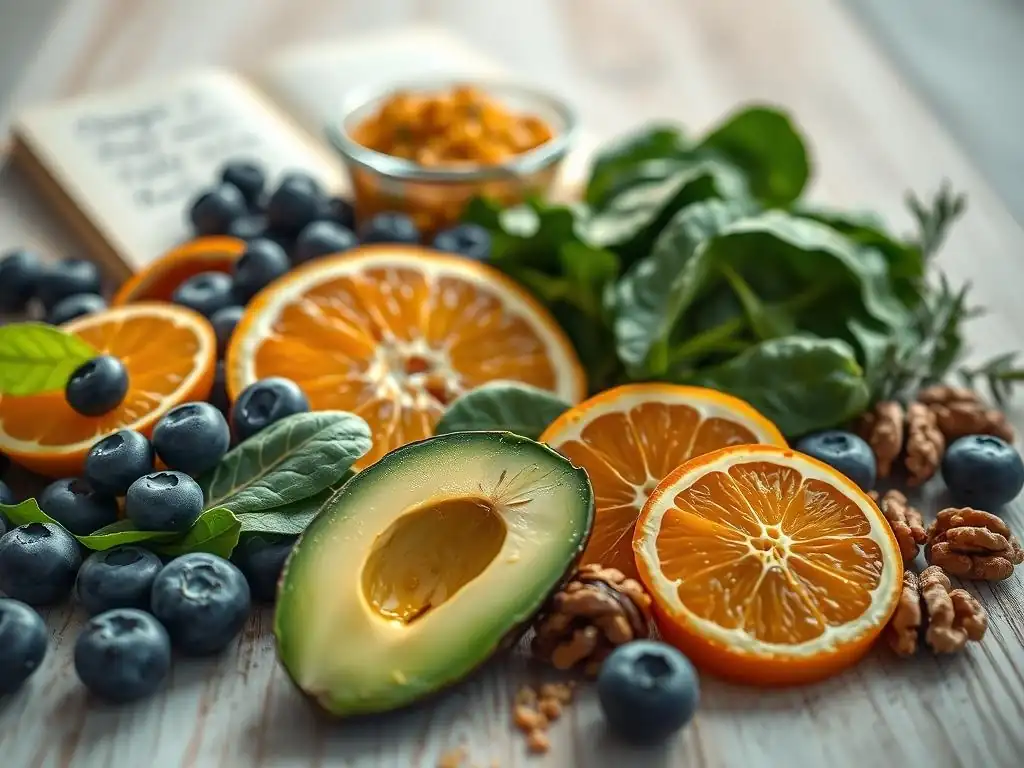
Welcome to Mind Care Guide, a space dedicated to nurturing your inner peace.
Feeling overwhelmed by anxiety? You're not alone. Did you know that what you eat can profoundly impact your mental well-being? This month, we're diving deep into the powerful connection between food and mood with our guide to the antiinflammatory diet for anxiety. Discover how simple dietary changes can help soothe your mind and reclaim your calm. Intrigued? Let's explore how nourishing your body can unlock a happier, healthier you.
Nourish Your Brain, Calm Your Mind: The Anti-Inflammatory Diet Explained
- Understanding the Anti-Inflammatory Diet for Anxiety and Mental Well-being
- Key Principles of an Anti-Inflammatory Diet for Anxiety Relief
- Foods to Embrace on an Anti-Inflammatory Diet for Anxiety
- Foods to Limit or Avoid on an Anti-Inflammatory Diet for Anxiety
- Sample Anti-Inflammatory Meal Plan for Anxiety Management
- Practical Tips for Implementing an Anti-Inflammatory Diet
- Beyond Diet: Complementary Strategies for Anxiety Relief
- The Long-Term Benefits of an Anti-Inflammatory Diet for Mental Wellness
- Potential Challenges and How to Overcome Them
-
Frequently Asked Questions
- What exactly is an anti-inflammatory diet for anxiety, and how does it work?
- Which specific foods should I prioritize adding to my diet to reduce inflammation and anxiety?
- Are there any foods I should specifically avoid when following an anti-inflammatory diet for anxiety?
- How long does it typically take to notice a difference in my anxiety levels after starting an anti-inflammatory diet?
- Is an anti-inflammatory diet a replacement for traditional anxiety treatments like therapy or medication?
- Final Reflection: Sowing the Seeds of Calm: The Anti-Inflammatory Diet and Mental Wellbeing
- Unlock Your Brain's Potential: Start Your Anti-Inflammatory Journey Today!
Understanding the Anti-Inflammatory Diet for Anxiety and Mental Well-being
The Gut-Brain Connection: How Inflammation Impacts Mental Health
The human gut is often referred to as the "second brain," housing trillions of microorganisms that form the gut microbiome. This complex ecosystem communicates bidirectionally with the brain through various pathways, including the vagus nerve, the immune system, and the production of neurotransmitters like serotonin (with about 90% produced in the gut).
When the gut is inflamed, perhaps due to an imbalance of gut bacteria (dysbiosis) or irritation from certain foods, it can trigger a systemic inflammatory response. This inflammation doesn't stay confined to the digestive tract; inflammatory molecules, such as cytokines, can travel through the bloodstream and cross the blood-brain barrier, directly affecting brain function and contributing to neuroinflammation.
Chronic low-grade inflammation in the brain has been implicated in a range of mental health conditions. Research suggests that individuals experiencing depression or anxiety often exhibit higher levels of inflammatory markers compared to those without these conditions. For example, studies have shown elevated levels of C-reactive protein (CRP), a common marker of inflammation, in people with generalized anxiety disorder.
This chronic inflammatory state can disrupt neurotransmitter balance, impair neurogenesis (the growth of new brain cells), and damage neural pathways, potentially exacerbating feelings of worry, unease, and panic associated with anxiety. Addressing this inflammation through dietary changes like adopting an antiinflammatory diet for anxiety aims to restore balance and support brain health.
Anxiety and Inflammation: Exploring the Link
While anxiety is a complex condition influenced by genetic, environmental, and psychological factors, a growing body of evidence points to inflammation as a significant contributing factor. Inflammation can alter the brain's stress response system, making individuals more susceptible to anxiety. It can affect areas of the brain involved in mood regulation, fear processing (like the amygdala), and executive function (like the prefrontal cortex). This biochemical disruption can manifest as increased vigilance, heightened reactivity to stress, and difficulty managing anxious thoughts.
Consider the impact of chronic stress, a known trigger for both anxiety and inflammation. Prolonged exposure to stress hormones like cortisol can initiate inflammatory pathways. When combined with inflammation originating from the gut or other sources, it creates a vicious cycle: inflammation exacerbates anxiety symptoms, and anxiety and stress can further fuel inflammation. This is why an antiinflammatory diet for anxiety focuses not just on gut health but on reducing systemic inflammation throughout the body, aiming to break this cycle and provide relief from anxious feelings.
What is an Anti-Inflammatory Diet? A Beginner's Guide
An anti-inflammatory diet is not a strict, short-term regimen but rather a long-term eating pattern focused on consuming foods known to reduce inflammation in the body while limiting those that promote it. It emphasizes whole, unprocessed foods rich in antioxidants, omega-3 fatty acids, and fiber. Think vibrant fruits, colorful vegetables, lean proteins, and healthy fats. The goal is to flood the body with nutrients that combat cellular damage and support healthy immune function, rather than triggering an inflammatory response.
This dietary approach typically involves reducing or eliminating foods high in refined sugars, unhealthy fats (like trans fats and excessive saturated fats), and processed ingredients. Instead of counting calories or macronutrients rigidly, the focus is on food quality and nutrient density. For someone looking for an antiinflammatory diet for anxiety, this means prioritizing foods that not only reduce inflammation but also support neurotransmitter production and stabilize blood sugar levels, which can have a direct impact on mood and energy. It's about building a plate centered around natural, healing foods.
Key Principles of an Anti-Inflammatory Diet for Anxiety Relief
Emphasizing Whole, Unprocessed Foods
The cornerstone of an anti-inflammatory diet for anxiety is the emphasis on whole, unprocessed foods. These foods, like fresh produce, whole grains, legumes, nuts, and seeds, retain their natural nutrients, fiber, and beneficial compounds that are often stripped away during processing. Unlike highly processed foods that often contain added sugars, unhealthy fats, and artificial ingredients known to trigger inflammation, whole foods provide the building blocks for cellular health and repair.
Choosing whole foods means opting for an apple instead of apple juice, brown rice instead of white rice, or a handful of almonds instead of processed crackers. This approach ensures a higher intake of vitamins, minerals, and phytonutrients that work synergistically to reduce oxidative stress and inflammation throughout the body, including the brain. A diet rich in these nutrient-dense options provides the necessary support for a balanced gut microbiome and stable blood sugar, both crucial factors in managing anxiety symptoms.
Prioritizing Fruits and Vegetables Rich in Antioxidants
Fruits and vegetables are powerhouses of antioxidants, vitamins, and minerals essential for combating inflammation. Antioxidants, such as Vitamin C, Vitamin E, and various carotenoids and flavonoids, help neutralize free radicals, unstable molecules that can cause cellular damage and contribute to inflammation. Including a wide variety of colorful produce ensures a broad spectrum of these protective compounds.
Aiming for a rainbow of fruits and vegetables daily is a simple way to maximize antioxidant intake. For instance, dark leafy greens like spinach and kale are rich in vitamins K and E, while berries like blueberries and strawberries are packed with anthocyanins. Brightly colored vegetables like bell peppers and carrots provide beta-carotene. Consuming at least 5-7 servings per day, or even more, is a common recommendation to leverage their potent anti-inflammatory benefits, directly supporting brain health and serving as a key component of an effective antiinflammatory diet for anxiety.
Incorporating Healthy Fats: Omega-3s for Brain Health
Not all fats are created equal when it comes to inflammation. While saturated and trans fats can promote inflammation, unsaturated fats, particularly omega-3 fatty acids, are powerfully anti-inflammatory and crucial for brain health. Omega-3s, like EPA (eicosapentaenoic acid) and DHA (docosahexaenoic acid), are integral components of brain cell membranes and play a vital role in neurotransmitter function and reducing neuroinflammation.
Increasing your intake of omega-3 rich foods is a critical step in adopting an anti-inflammatory diet for anxiety. Fatty fish like salmon, mackerel, and sardines are excellent sources of EPA and DHA. Plant-based sources include flaxseeds, chia seeds, and walnuts, which provide ALA (alpha-linolenic acid), a precursor that the body can convert into EPA and DHA (though the conversion rate varies). Aiming for several servings of fatty fish per week or incorporating daily plant-based sources can help improve the omega-3 to omega-6 ratio in the body, shifting the balance towards an anti-inflammatory state that supports a calmer mind.
The Role of Probiotics and Prebiotics in Gut Health and Anxiety Reduction
A healthy gut microbiome is fundamental to reducing inflammation and improving mental well-being. Probiotics are live beneficial bacteria that, when consumed in adequate amounts, can improve gut health by restoring balance to the microbial community. Prebiotics are non-digestible fibers that act as food for these beneficial bacteria, encouraging their growth and activity.
Including both probiotics and prebiotics in your anti-inflammatory diet for anxiety can significantly impact the gut-brain axis. Fermented foods like yogurt (with live cultures), kefir, sauerkraut, kimchi, and kombucha are natural sources of probiotics. Prebiotics are found in foods like garlic, onions, leeks, asparagus, bananas, and oats. By nourishing a diverse and healthy gut flora, you can reduce gut permeability (often called "leaky gut"), decrease the passage of inflammatory molecules into the bloodstream, and support the production of beneficial compounds that signal the brain, potentially leading to a reduction in anxiety symptoms.
Foods to Embrace on an Anti-Inflammatory Diet for Anxiety
Best Fruits and Vegetables for Reducing Inflammation and Anxiety
Loading your plate with colorful fruits and vegetables is a cornerstone of an anti-inflammatory diet for anxiety. Berries, such as blueberries, raspberries, and strawberries, are particularly high in antioxidants called anthocyanins, which have potent anti-inflammatory effects and may improve cognitive function. Leafy greens like spinach, kale, and collard greens are rich in vitamins A, C, K, and folate, all of which play roles in reducing inflammation and supporting neurological health.
Other excellent choices include broccoli, known for its sulforaphane content, a compound that helps fight inflammation; bell peppers, especially red and yellow ones, which are packed with Vitamin C; and avocados, which provide healthy monounsaturated fats, fiber, and antioxidants like carotenoids. Incorporating a wide variety of these produce items daily ensures a broad spectrum of nutrients working synergistically to calm the body's inflammatory response and support a more balanced mental state.
Top Sources of Omega-3 Fatty Acids for Mental Clarity
Omega-3 fatty acids, particularly EPA and DHA, are vital for brain structure and function and are strongly anti-inflammatory. Including sufficient amounts in your diet is a key strategy for managing anxiety through nutrition. The best dietary sources are fatty fish from cold waters.
Examples include wild-caught salmon, sardines, mackerel, herring, and anchovies. Aiming for two to three servings of these fish per week can provide a significant amount of EPA and DHA. For those following a plant-based diet or who prefer alternatives, flaxseeds, chia seeds, and walnuts are good sources of ALA, which the body can convert. While the conversion rate varies, regularly consuming these plant sources is still beneficial. Some fortified foods and algae-based supplements can also provide direct EPA and DHA. Prioritizing these fats is essential for anyone adopting an antiinflammatory diet for anxiety.
Gut-Friendly Foods: Probiotic and Prebiotic Powerhouses
Supporting a healthy gut microbiome is crucial for reducing gut-related inflammation and improving mental health outcomes. Incorporating foods rich in probiotics and prebiotics is a delicious way to nurture your gut flora. Probiotic-rich foods introduce beneficial bacteria directly into your digestive system.
Examples include plain yogurt with live active cultures, kefir (a fermented milk drink), sauerkraut (fermented cabbage), kimchi (Korean fermented vegetables), and kombucha (fermented tea). When choosing these, look for labels that indicate "live and active cultures." Prebiotic-rich foods provide the necessary fuel for these beneficial bacteria to thrive. Excellent sources include garlic, onions, leeks, asparagus, bananas, oats, apples, and jicama. Consuming a combination of these foods regularly helps create a balanced gut environment, which in turn can reduce inflammation and positively influence the gut-brain axis, supporting your antiinflammatory diet for anxiety goals.
Anti-Inflammatory Herbs and Spices for Flavor and Wellness
Beyond fruits, vegetables, and healthy fats, many herbs and spices possess powerful anti-inflammatory properties and can add delicious flavor to your meals. Incorporating them generously is an easy way to boost the anti-inflammatory power of your antiinflammatory diet for anxiety.
Turmeric, containing the active compound curcumin, is one of the most well-researched anti-inflammatory agents. Its effects are enhanced when consumed with black pepper (which contains piperine). Ginger is another potent spice known for its anti-inflammatory and digestive benefits. Other beneficial herbs and spices include cinnamon, rosemary, oregano, basil, and garlic. Using these in your cooking not only enhances taste but also contributes valuable antioxidants and compounds that help calm inflammation throughout the body.
Foods to Limit or Avoid on an Anti-Inflammatory Diet for Anxiety
Processed Foods and Their Inflammatory Effects
Highly processed foods are often loaded with ingredients known to promote inflammation and should be significantly limited or avoided when following an anti-inflammatory diet for anxiety. These include packaged snacks, sugary cereals, fast food, processed meats, and ready-to-eat meals. They typically contain high levels of refined sugars, unhealthy fats (including trans fats), excessive sodium, and artificial additives.
These components can disrupt the gut microbiome, increase oxidative stress, and trigger a systemic inflammatory response. For example, studies have shown that diets high in processed foods are associated with higher levels of inflammatory markers like CRP. Reducing reliance on convenience foods and focusing on preparing meals from whole ingredients is a fundamental shift needed to reduce the inflammatory burden on the body and brain.
Sugary Drinks and Their Impact on Mental Health
Sugary drinks, such as sodas, fruit juices with added sugar, and sweetened teas, are major culprits for promoting inflammation and negatively impacting mental health. They provide large doses of rapidly absorbed sugar (often high-fructose corn syrup), leading to sharp spikes in blood sugar and insulin levels.
This rapid fluctuation can trigger inflammatory pathways and contribute to mood swings, irritability, and increased anxiety in some individuals. A single 12-ounce can of soda can contain upwards of 30-40 grams of sugar, far exceeding recommended daily limits. Replacing these drinks with water, unsweetened tea, or water infused with fruit is a simple yet impactful step towards reducing inflammation and supporting a calmer mind as part of your antiinflammatory diet for anxiety.
Refined Carbohydrates and Anxiety Levels
Refined carbohydrates, found in white bread, white pasta, pastries, and many packaged snacks, behave similarly to sugar in the body. They are quickly broken down into glucose, causing rapid spikes in blood sugar followed by crashes. This glycemic rollercoaster can contribute to inflammation and negatively affect mood and energy levels, potentially exacerbating anxiety symptoms.
Unlike whole grains, refined grains have had the bran and germ removed, stripping away fiber, vitamins, and minerals. The lack of fiber means they are digested quickly, lacking the steady energy release provided by complex carbohydrates. Choosing whole-grain alternatives like brown rice, quinoa, oats, and whole wheat bread provides fiber that helps stabilize blood sugar and supports a healthier gut, aligning with the principles of an antiinflammatory diet for anxiety.
Trans Fats and Their Negative Effects on Brain Function
Trans fats are artificial fats created through a process called hydrogenation, often found in processed foods like margarine, baked goods, fried foods, and some snack foods. They are widely recognized as being highly inflammatory and detrimental to cardiovascular health.
Beyond heart health, trans fats can negatively impact brain function. They can impair the structure and function of cell membranes, including those in the brain, and contribute to neuroinflammation. While regulations have reduced their prevalence in many countries, they can still be present in some products. Carefully reading food labels and avoiding products listing "partially hydrogenated oils" is crucial for anyone seeking to reduce inflammation and support brain health through an antiinflammatory diet for anxiety.
Sample Anti-Inflammatory Meal Plan for Anxiety Management
Breakfast Ideas for a Calm and Focused Mind
Starting your day with an anti-inflammatory breakfast sets the tone for stable blood sugar and reduced inflammation, supporting a calm and focused mind. Avoid sugary cereals and pastries that cause energy crashes.
Consider a bowl of oatmeal made with rolled oats (not instant) topped with berries (for antioxidants), chopped walnuts or flaxseeds (for omega-3s), and a sprinkle of cinnamon (anti-inflammatory). Another option is scrambled eggs (a source of protein and choline) with spinach and mushrooms cooked in olive oil, paired with a slice of whole-grain toast. A smoothie made with spinach, half a banana, chia seeds, and unsweetened almond milk is also a quick, nutrient-dense choice.
Lunch Options for Sustained Energy and Reduced Anxiety
A balanced anti-inflammatory lunch helps maintain stable energy levels and prevents afternoon slumps that can sometimes trigger or worsen anxiety. Focus on combining lean protein, healthy fats, complex carbohydrates, and plenty of vegetables.
A large salad with mixed greens, grilled chicken or legumes (like chickpeas), avocado, cucumber, bell peppers, and a dressing made from olive oil and lemon juice is an excellent choice. Leftovers from an anti-inflammatory dinner, such as baked salmon with roasted vegetables or lentil soup with whole-grain bread, also work well. Packing your own lunch ensures you have control over ingredients and avoid hidden inflammatory components often found in convenience foods.
Dinner Recipes to Promote Relaxation and Better Sleep
Dinner should ideally be calming and supportive of good sleep, which is vital for managing anxiety. An anti-inflammatory dinner focuses on nutrient-dense ingredients that don't overburden the digestive system before bed.
Baked or pan-seared salmon with a side of roasted broccoli and quinoa provides omega-3s, fiber, and essential nutrients. A hearty lentil and vegetable curry made with coconut milk, turmeric, ginger, and other spices, served with brown rice, offers plant-based protein and powerful anti-inflammatory compounds. Chicken or tofu stir-fry with plenty of colorful vegetables and a light soy-ginger sauce (using tamari for gluten-free) is another adaptable option.
Snack Ideas to Manage Cravings and Support Brain Health
Snacks can be a great way to manage hunger between meals and provide continuous nourishment for your brain, preventing blood sugar dips that can affect mood. Choose snacks that combine healthy fats, protein, or fiber.
A handful of raw almonds or walnuts provides healthy fats and some protein. Apple slices with a tablespoon of almond butter offer fiber and healthy fats. Greek yogurt (plain, with live cultures) topped with a few berries is a good source of probiotics and protein. Vegetable sticks (carrots, celery, bell peppers) with hummus (made from chickpeas) provide fiber and plant-based protein. These options help keep you feeling satisfied and support the goals of an antiinflammatory diet for anxiety.
Practical Tips for Implementing an Anti-Inflammatory Diet
Gradual Changes for Sustainable Results
Adopting an anti-inflammatory diet for anxiety doesn't require an overnight overhaul. Making gradual, sustainable changes is often more effective for long-term adherence. Trying to change everything at once can feel overwhelming.
Start by focusing on one or two key areas. For example, commit to eliminating sugary drinks first, or focus on incorporating one extra serving of vegetables into each meal. Once those changes feel comfortable, introduce another, like swapping refined grains for whole grains. Small, consistent steps build momentum and make the transition feel less daunting, increasing your chances of sticking with the diet and experiencing its benefits over time.
Meal Prepping Strategies for a Busy Lifestyle
A busy schedule can make healthy eating challenging, leading to reliance on quick, often processed, options. Meal prepping is a powerful strategy to ensure you have anti-inflammatory meals and snacks readily available, making your antiinflammatory diet for anxiety much easier to maintain.
Dedicate a few hours one or two days a week to planning and preparing meals. You can wash and chop vegetables, cook a batch of whole grains like quinoa or brown rice, bake chicken breasts or fish, and prepare salad dressings. Having cooked components ready allows you to quickly assemble healthy meals during the week. Portioning snacks like nuts or chopped veggies into containers also makes grabbing a healthy option easy when you're on the go.
Reading Food Labels and Making Informed Choices
Understanding food labels is essential for navigating the grocery store and identifying potential inflammatory ingredients. Don't just look at the front of the package; turn it over and read the ingredients list and nutritional information.
Look for added sugars, which can be listed under various names (sucrose, glucose, fructose, corn syrup, etc.). Be mindful of unhealthy fats like trans fats (partially hydrogenated oils) and excessive saturated fats. Pay attention to sodium content, especially in processed foods. Prioritize foods with shorter ingredient lists composed of whole, recognizable items. Checking fiber content is also important, as fiber supports gut health. Becoming a savvy label reader empowers you to make choices that align with your antiinflammatory diet for anxiety goals.
Staying Hydrated for Optimal Brain Function
While often overlooked, adequate hydration is crucial for overall health, including brain function and managing inflammation. Water is essential for transporting nutrients, removing waste products, and maintaining cellular health.
Dehydration, even mild, can impair cognitive function, affect mood, and potentially contribute to inflammation. Aim to drink plenty of water throughout the day. The exact amount varies depending on individual needs, activity level, and climate, but a general guideline is often cited around 8 cups (64 ounces) per day, though many benefit from more. Listen to your body's thirst signals. Keeping a water bottle handy throughout the day can serve as a visual reminder to stay hydrated and support your antiinflammatory diet for anxiety efforts.
Beyond Diet: Complementary Strategies for Anxiety Relief

The Importance of Exercise and Physical Activity
While an antiinflammatory diet for anxiety is powerful, combining it with other healthy lifestyle habits can significantly enhance its benefits. Regular physical activity is a potent tool for both reducing inflammation and managing anxiety. Exercise helps lower inflammatory markers and promotes the release of endorphins, natural mood boosters.
Aim for at least 150 minutes of moderate-intensity aerobic exercise or 75 minutes of vigorous-intensity exercise per week, as recommended by health guidelines. Activities like brisk walking, jogging, swimming, or cycling are excellent choices. Even shorter bursts of activity throughout the day can be beneficial. Exercise also helps improve sleep quality and reduces stress, both of which positively impact anxiety levels.
Stress Management Techniques for Reducing Inflammation
Chronic stress is a major contributor to inflammation and can significantly worsen anxiety. Implementing effective stress management techniques is a vital complement to your anti-inflammatory diet for anxiety. Finding healthy ways to cope with stress can help break the cycle of stress-induced inflammation.
Techniques such as deep breathing exercises, meditation, yoga, progressive muscle relaxation, or spending time in nature have been shown to lower stress hormones like cortisol and reduce inflammatory markers. Even simple activities like listening to calming music, reading a book, or spending time with pets can help reduce stress. Finding techniques that work for you and incorporating them into your daily or weekly routine is essential for holistic anxiety management.
The Role of Sleep in Mental Health and Recovery
Sufficient, quality sleep is fundamental for both physical and mental health. Chronic sleep deprivation is linked to increased inflammation and can significantly exacerbate anxiety symptoms. During sleep, the body repairs itself, consolidates memories, and regulates hormones, including those related to stress and inflammation.
Aim for 7-9 hours of quality sleep per night. Establishing a regular sleep schedule, creating a relaxing bedtime routine, ensuring your bedroom is dark, quiet, and cool, and avoiding screens before bed can help improve sleep hygiene. Prioritizing sleep supports the body's natural anti-inflammatory processes and helps regulate mood, complementing the effects of an antiinflammatory diet for anxiety.
Mindfulness and Meditation for Calming the Mind
Mindfulness and meditation practices can help calm the nervous system, reduce the body's stress response, and potentially lower inflammation. These techniques involve focusing on the present moment without judgment, which can help reduce rumination and worry often associated with anxiety.
Regular meditation practice, even for just 5-10 minutes a day, has been shown in studies to reduce stress hormones and influence pathways related to inflammation. Mindfulness can be practiced throughout the day by simply paying attention to your breath, the sensations in your body, or your surroundings. Incorporating these practices alongside an antiinflammatory diet for anxiety provides a powerful mind-body approach to managing symptoms.
The Long-Term Benefits of an Anti-Inflammatory Diet for Mental Wellness
Improved Mood and Reduced Anxiety Symptoms
One of the most significant long-term benefits of consistently following an anti-inflammatory diet for anxiety is the potential for improved mood and a reduction in anxiety symptoms. By reducing systemic inflammation, particularly neuroinflammation, this dietary pattern helps create a more stable and supportive environment for brain function.
Many individuals report feeling calmer, more emotionally resilient, and experiencing fewer episodes of intense worry or panic after several weeks or months on the diet. This is attributed to the diet's positive effects on neurotransmitter balance, gut health, and overall cellular well-being. While results vary, the cumulative effect of reduced inflammation can lead to a noticeable and sustained improvement in mental state.
Enhanced Cognitive Function and Memory
Chronic inflammation can impair cognitive function, affecting focus, concentration, and memory. Adopting an anti-inflammatory diet for anxiety can have positive ripple effects on cognitive health, leading to enhanced mental clarity.
The abundance of antioxidants, omega-3 fatty acids, and other brain-supportive nutrients in this diet helps protect brain cells from damage, supports the formation of new neural connections, and improves communication between brain regions. Individuals may find it easier to concentrate, recall information, and experience less "brain fog" as inflammation subsides. This cognitive boost further supports overall well-being and the ability to cope with daily challenges.
Increased Energy Levels and Overall Well-being
Inflammation is taxing on the body and can contribute to feelings of fatigue and low energy. By reducing this inflammatory burden, an anti-inflammatory diet for anxiety can lead to increased energy levels and a greater sense of overall vitality.
When the body is not constantly fighting inflammation, resources are freed up for other essential functions. Furthermore, stable blood sugar levels provided by whole, unprocessed foods prevent energy crashes. This sustained energy supports daily activities, exercise, and engagement in life, all of which contribute to improved mental and physical well-being. Feeling more energetic can make managing anxiety feel less overwhelming.
Supporting a Healthy Gut Microbiome for Long-Term Mental Health
The long-term impact of an anti-inflammatory diet on the gut microbiome is profound and has lasting implications for mental health. By favoring nutrient-dense, fiber-rich foods and limiting inflammatory triggers, the diet encourages the growth of beneficial gut bacteria while suppressing potentially harmful ones.
A diverse and balanced gut microbiome contributes to reduced gut permeability, lower systemic inflammation, and the production of beneficial compounds that influence the brain, such as short-chain fatty acids. Maintaining a healthy gut through this dietary pattern provides a foundation for long-term mental resilience, offering sustained support against anxiety and other mood disturbances.
Potential Challenges and How to Overcome Them
Overcoming Cravings and Food Addiction
Transitioning to an anti-inflammatory diet for anxiety can sometimes be challenging, especially if you're used to consuming processed foods high in sugar and unhealthy fats, which can be highly addictive. Cravings are a common hurdle.
Recognize that cravings are often temporary and can be managed. Identify your triggers – are they emotional, environmental, or related to hunger? Ensure you are eating enough satisfying, nutrient-dense foods at meals to prevent excessive hunger. Keep healthy snacks readily available. Practice mindfulness to observe cravings without immediately acting on them. Focusing on the positive feelings and reduced anxiety you experience on the diet can also provide motivation to push through difficult moments.
Social situations involving food can present challenges when following a specific dietary pattern like an anti-inflammatory diet for anxiety. Eating out, attending parties, or visiting friends and family might involve navigating menus and offerings that don't align with your choices.
Plan ahead when possible. Look up restaurant menus online to identify suitable options. If attending a gathering, offer to bring a dish you know you can eat, ensuring at least one safe option is available. Communicate your dietary needs to understanding friends and family – a simple explanation about supporting your health and well-being is usually sufficient. Focus on the social connection rather than solely on the food. Small deviations won't derail progress, but mindful choices help maintain consistency.
Staying Motivated and Consistent with Your Diet
Maintaining motivation and consistency with any dietary change, including an anti-inflammatory diet for anxiety, requires ongoing effort. Results may not be immediate, which can be discouraging.
Track your progress, not just in terms of anxiety symptoms, but also energy levels, sleep quality, and overall mood. Celebrate small victories. Connect with others who are also pursuing similar health goals for support and shared experiences. Remind yourself why you started – focusing on the long-term benefits for your mental and physical health. Don't strive for perfection; if you have an off day, simply get back on track with your next meal. Consistency over time is more important than strict adherence every single moment.
Seeking Professional Guidance: When to Consult a Healthcare Provider
While an anti-inflammatory diet for anxiety can be highly beneficial, it is not a substitute for professional medical or mental health care. It's important to know when to seek guidance from qualified professionals.
If you have significant anxiety symptoms, it's crucial to consult with a doctor or mental health professional for diagnosis and treatment options, which may include therapy or medication. If you have underlying health conditions, are taking medications, or have specific dietary needs (like allergies or intolerances), consult with a registered dietitian or nutritionist before making significant dietary changes. They can help create a personalized anti-inflammatory diet plan for anxiety that is safe, effective, and meets your individual needs.
Frequently Asked Questions
What exactly is an anti-inflammatory diet for anxiety, and how does it work?
An anti-inflammatory diet focuses on consuming foods that reduce inflammation in the body, which can directly impact brain function and, consequently, anxiety levels. It aims to alleviate symptoms by addressing the root cause of inflammation.
Which specific foods should I prioritize adding to my diet to reduce inflammation and anxiety?
Focus on foods rich in omega-3 fatty acids, like fatty fish and flaxseeds, as well as plenty of fruits and vegetables. Also, consider whole grains over refined carbohydrates.
Are there any foods I should specifically avoid when following an anti-inflammatory diet for anxiety?
Yes, definitely limit or eliminate processed foods, sugary drinks, and refined carbohydrates. These are known to promote inflammation and can worsen anxiety symptoms.
How long does it typically take to notice a difference in my anxiety levels after starting an anti-inflammatory diet?
The timeline varies from person to person, but many people report experiencing improvements within a few weeks to a few months. Consistency and adherence to the diet are key to seeing positive results.
Is an anti-inflammatory diet a replacement for traditional anxiety treatments like therapy or medication?
No, an anti-inflammatory diet should be considered a complementary approach to traditional treatments. It's best to consult with a healthcare professional to determine the most appropriate and comprehensive treatment plan for your individual needs.
Final Reflection: Sowing the Seeds of Calm: The Anti-Inflammatory Diet and Mental Wellbeing
The connection between gut health and mental clarity is no longer a whisper, but a resounding shout. An anti-inflammatory diet isn't just about physical health; it's a powerful tool for cultivating inner peace and managing the pervasive anxieties of modern life. The evidence presented throughout this article underscores the profound impact dietary choices can have on our mental landscape.
The journey towards a calmer mind often begins with a conscious shift in our eating habits. Understanding the intricate relationship between inflammation, gut health, and anxiety is a crucial step in this process. The gut is the second brain,
a phrase often repeated, highlights the undeniable link between our digestive system and our mental state. This article has explored the science behind this connection, showcasing how nourishing our bodies with anti-inflammatory foods can directly influence our emotional well-being, leading to reduced stress and a greater sense of calm.
Now, consider your own plate. What stories are your food choices telling? Are you nurturing your brain and calming your mind, or are you inadvertently fueling inflammation and anxiety? This isn't about perfection; it's about conscious choices. Start small, incorporate more vibrant fruits and vegetables, explore the benefits of gut-friendly foods, and gradually reduce processed foods and inflammatory agents. Take control of your diet, and watch as you cultivate a more peaceful and resilient you.
Unlock Your Brain's Potential: Start Your Anti-Inflammatory Journey Today!
Thanks for taking the time to explore the power of an anti-inflammatory diet for brain health! You've now learned how simple dietary changes can significantly impact your cognitive function and overall well-being. Ready to put this knowledge into action?
- Prioritize anti-inflammatory foods: Start by identifying 3-5 new anti-inflammatory foods to incorporate into your meals this week. Think vibrant fruits, leafy greens, and fatty fish. Small changes make a big difference!
- Challenge yourself to a "Brain Boosting" meal: Plan one meal this week focusing exclusively on the anti-inflammatory foods discussed. Share your creation and experience on social media using #MindCareGuideAntiInflammatory.
- Download our free Anti-Inflammatory Food Guide (Coming soon!): This handy resource (coming soon to MindCareGuide.org) will help keep you on track and make meal planning simple and delicious.
What's one small step you'll take today to nourish your brain and boost your cognitive power?