
Future Horizons: New Treatments Targeting the Prefrontal Cortex for Executive Recovery


Welcome to Mind Care Guide, your compassionate companion on the path to mental well-being.
Feeling overwhelmed by executive function difficulties? You're not alone. As we delve into the neuroscience of mental health, we're excited to share insights into executive function recovery treatments options and how cutting-edge research targeting the prefrontal cortex offers hope for a brighter future. Curious to explore these new horizons and understand how they might impact your journey? Let's begin...
Future Horizons: New Treatments Targeting the Prefrontal Cortex for Executive Recovery
- Introduction: Understanding Executive Function and its Importance
- Executive Function Deficits: A Core Feature in Mental Health Conditions
- Current Treatment Approaches for Executive Dysfunction
- Emerging Therapies Targeting the Prefrontal Cortex for Executive Function Recovery
- Lifestyle Interventions to Support Executive Function Recovery
- Challenges and Future Directions in Executive Function Treatment
- Conclusion: Hope for Executive Function Recovery Through Targeted Treatments
-
Frequently Asked Questions
- What exactly are executive function recovery treatments aiming to achieve?
- How do these "Future Horizons" treatments specifically target the prefrontal cortex?
- What are some examples of emerging executive function recovery treatments mentioned in the article?
- Are these executive function recovery treatments suitable for all types of cognitive impairment?
- Where can I find more information about specific executive function recovery treatment options and access to them?
- Final Reflection: Reimagining Executive Function: Hope on the Horizon
- Unlock Your Executive Potential: Take the Next Step
Introduction: Understanding Executive Function and its Importance
The Role of the Prefrontal Cortex in Executive Function
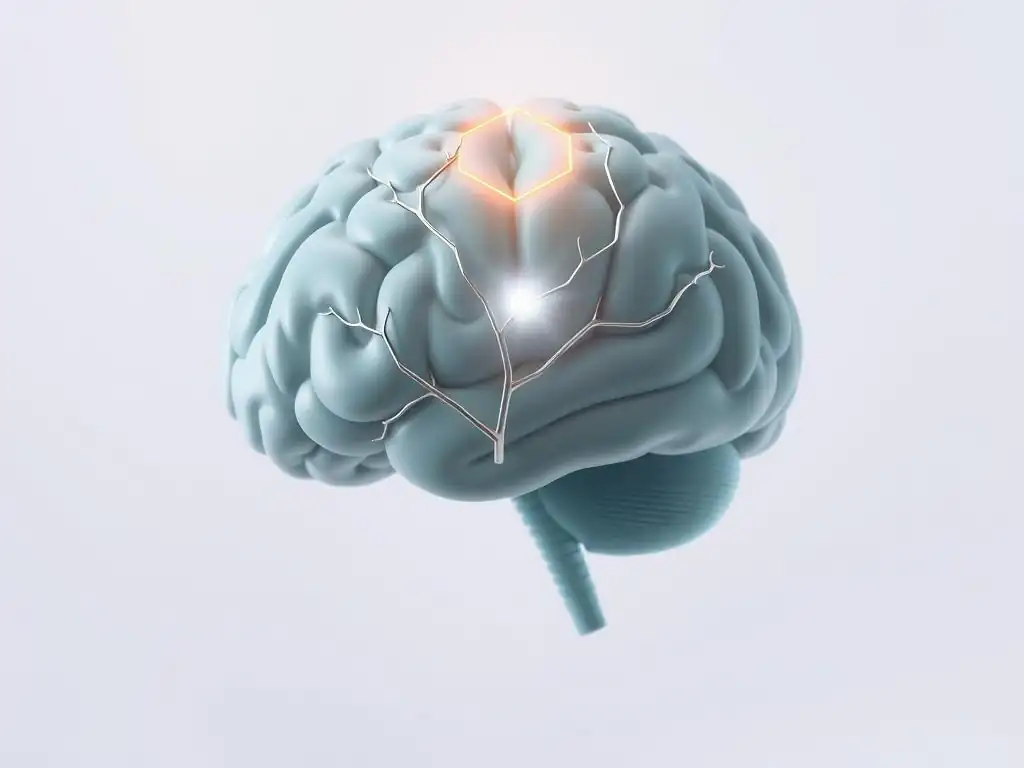
The prefrontal cortex (PFC), located at the very front of the brain, is widely recognized as the control center for executive functions. This complex brain region is responsible for a suite of cognitive processes essential for goal-directed behavior, including planning, decision-making, working memory, inhibitory control, and cognitive flexibility. Different subregions within the PFC, such as the dorsolateral prefrontal cortex (dlPFC) and the ventromedial prefrontal cortex (vmPFC), are specialized for various aspects of executive control, working in concert to manage complex tasks and regulate thoughts and actions.
Research using neuroimaging techniques like fMRI and EEG has consistently shown heightened activity in specific prefrontal areas during tasks requiring significant executive effort, such as problem-solving or resisting distractions. For instance, studies have demonstrated that the dlPFC is particularly active during working memory tasks where information must be manipulated or held online. Disruptions in the structure or function of these prefrontal circuits are strongly linked to deficits in executive function, impacting an individual's ability to navigate daily life effectively and contributing to symptoms observed in numerous mental health conditions.
Why Executive Function Matters for Mental Well-being
Executive function is not merely about cognitive performance; it is fundamentally intertwined with emotional regulation, social interaction, and overall mental health. Strong executive functions enable individuals to manage stress, control impulses, make thoughtful decisions, and maintain focus on long-term goals. These abilities are crucial for academic success, professional productivity, healthy relationships, and general independence.
Conversely, impairments in executive function can significantly undermine mental well-being. Difficulty with planning might lead to feelings of overwhelm and anxiety, while poor inhibitory control could manifest as impulsivity or difficulty managing emotions. These challenges can exacerbate symptoms of existing mental health conditions and make recovery more difficult. Therefore, understanding and addressing executive function deficits is a critical component of comprehensive mental health care, paving the way for more effective executive function recovery treatments options.
Executive Function Deficits: A Core Feature in Mental Health Conditions
Executive Dysfunction and its Impact on Daily Life
Executive dysfunction refers to difficulties in the cognitive processes controlled by the prefrontal cortex. These difficulties can manifest in myriad ways, significantly impacting an individual's ability to manage their daily life. Common examples include struggles with organization, time management, initiating tasks, shifting between activities, and regulating emotions or behavior.
For someone experiencing executive dysfunction, seemingly simple tasks like paying bills on time, planning a meal, or following through on commitments can become overwhelming challenges. This can lead to significant stress, frustration, and a reduced quality of life. In academic or professional settings, it might result in missed deadlines, difficulty completing projects, or problems maintaining employment. Socially, it can affect the ability to understand social cues, regulate responses, or maintain consistent relationships. Addressing these practical impacts is a key goal of various executive function recovery treatments options.
The Link Between Executive Function Impairment and Depression
Executive function impairment is a frequently observed, though often under-recognized, symptom in individuals with major depressive disorder (MDD). Studies indicate that a significant percentage of people experiencing depression exhibit deficits in areas such as working memory, planning, and cognitive flexibility. These cognitive symptoms can persist even after the mood symptoms of depression have improved, contributing to functional disability and increasing the risk of relapse.
Research suggests that alterations in prefrontal cortex activity and connectivity, particularly in areas involved in executive control, are associated with the cognitive deficits seen in depression. For example, neuroimaging studies have shown reduced activity in the dorsolateral prefrontal cortex during tasks requiring executive function in depressed individuals compared to healthy controls. Understanding this specific link is crucial for developing targeted executive function recovery treatments options that can address both the mood and cognitive aspects of depression.
Current Treatment Approaches for Executive Dysfunction
Traditional Therapies for Improving Executive Function
Traditional therapeutic approaches for addressing executive dysfunction often include cognitive behavioral therapy (CBT) and various forms of cognitive remediation or training. CBT can help individuals identify and modify thought patterns and behaviors that contribute to executive challenges, such as procrastination or poor planning. Cognitive remediation programs involve structured exercises designed to practice and improve specific cognitive skills like working memory, attention, and problem-solving.
These therapies typically focus on behavioral strategies, skill-building, and compensatory techniques. For instance, someone struggling with organization might learn to use planners, checklists, or digital reminders. While these methods can be helpful in managing the effects of executive dysfunction and teaching coping strategies, they may not directly address the underlying neural mechanisms in the prefrontal cortex that contribute to the deficits.
Limitations of Existing Executive Function Treatments
Despite the utility of traditional approaches, they often face limitations, particularly in cases of severe executive dysfunction or when significant neural impairments are present. Cognitive remediation, while beneficial for some, may show limited transfer of skills to real-world situations, meaning improvements seen in training exercises don't always translate into better daily functioning. Furthermore, these therapies often require significant time commitment and consistent effort from the individual.
A major limitation is that traditional therapies do not directly modulate brain activity. They rely on the brain's inherent plasticity to strengthen cognitive pathways through practice and strategy. For individuals with significant prefrontal cortex dysfunction, this indirect approach may not be sufficient to restore optimal executive function. This highlights the need for novel executive function recovery treatments options that can more directly target the neural basis of these deficits.
Emerging Therapies Targeting the Prefrontal Cortex for Executive Function Recovery
Transcranial Magnetic Stimulation (TMS) for Executive Function Enhancement
Transcranial Magnetic Stimulation (TMS) is a non-invasive brain stimulation technique that uses magnetic pulses to stimulate specific areas of the brain. It has gained traction as an executive function recovery treatment option, particularly for conditions like depression where prefrontal dysfunction is common.
How TMS Works to Modulate Prefrontal Cortex Activity
TMS involves placing an electromagnetic coil near the scalp. This coil generates brief magnetic pulses that pass through the skull and induce electrical currents in the underlying brain tissue. When applied to the dorsolateral prefrontal cortex (dlPFC), TMS can modulate the excitability of neurons in this region. High-frequency TMS (typically 10-20 Hz) is often used to increase neuronal activity, while low-frequency TMS (typically 1 Hz) or continuous theta burst stimulation (cTBS) can decrease activity. By precisely targeting specific prefrontal areas, TMS aims to restore more typical patterns of neural activity associated with healthy executive function.
Clinical Studies on TMS for Executive Function in Depression
Numerous studies have investigated the effects of TMS on executive function, particularly in the context of depression. A meta-analysis published in 2017 pooling data from several randomized controlled trials found that repetitive TMS (rTMS) applied to the left dlPFC significantly improved cognitive functions, including executive function, in patients with depression.
Another study published in the Journal of Affective Disorders in 2018 reported improvements in working memory and processing speed following a course of left dlPFC rTMS in depressed patients, with effect sizes ranging from small to moderate depending on the cognitive domain. While results can vary, the evidence suggests that TMS holds promise as one of the non-pharmacological executive function recovery treatments options.
Transcranial Direct Current Stimulation (tDCS) for Cognitive Enhancement
Transcranial Direct Current Stimulation (tDCS) is another non-invasive neuromodulation technique that uses a low-intensity electrical current delivered via electrodes placed on the scalp to modulate brain activity. It is being explored for its potential to enhance cognitive functions, including executive function.
Mechanism of Action: How tDCS Impacts Prefrontal Cortex Function
tDCS works by applying a weak direct current between two or more electrodes. The current flows through the scalp and skull into the brain tissue, causing a shift in the resting membrane potential of neurons. Anodal stimulation, typically placed over the target area like the prefrontal cortex, generally increases neuronal excitability, making it easier for neurons to fire. Cathodal stimulation, often placed over a control area, typically decreases neuronal excitability. This modulation of neuronal activity is thought to influence synaptic plasticity and alter brain network function, potentially improving the efficiency of prefrontal circuits involved in executive control.
Evidence for tDCS in Improving Executive Function in Mental Disorders
Research into tDCS for executive function enhancement in mental disorders is ongoing, with promising early results. A review of studies on tDCS for cognitive enhancement in neuropsychiatric conditions published in Frontiers in Psychiatry in 2019 noted that anodal tDCS applied to the prefrontal cortex has shown potential for improving working memory, decision-making, and cognitive control in conditions like depression, schizophrenia, and ADHD.
For example, a small study involving individuals with depression reported improvements in set-shifting (a component of cognitive flexibility) following prefrontal tDCS. While effect sizes are often modest and more large-scale, sham-controlled trials are needed, tDCS represents an accessible and potentially valuable addition to executive function recovery treatments options.
Neurofeedback for Prefrontal Cortex Training
Neurofeedback, also known as EEG biofeedback, is a type of biofeedback that uses real-time displays of brain activity (typically from an EEG) to teach individuals self-regulation of specific brainwave patterns. It can be specifically designed to target and train activity in the prefrontal cortex.
Understanding Neurofeedback and its Application to Executive Function
Neurofeedback operates on the principle of operant conditioning. Sensors are placed on the scalp to measure electrical activity (brainwaves) from specific brain regions, such as areas of the prefrontal cortex. This activity is then displayed back to the individual in real-time via visual or auditory feedback (e.g., a video game that only progresses when the desired brainwave pattern is produced).
By rewarding the brain for producing more optimal patterns associated with desired cognitive states (like focused attention or reduced impulsivity), individuals can learn to voluntarily regulate their brain activity. For executive function training, protocols often target specific brainwave frequencies (e.g., increasing beta waves or decreasing theta waves) in prefrontal areas associated with attention, inhibition, and planning.
Personalized Neurofeedback Protocols for Executive Function Recovery
One strength of neurofeedback is its potential for personalization. After an initial brain mapping (QEEG), therapists can identify specific areas of prefrontal dysfunction and design tailored training protocols. For example, if a QEEG reveals excessive slow-wave activity (theta) in the anterior cingulate cortex (ACC), an area involved in error monitoring and cognitive control, a neurofeedback protocol might be designed to reduce theta activity in that specific region.
A systematic review published in Child and Adolescent Psychiatric Clinics of North America in 2019 discussed the growing evidence for neurofeedback as a tool for improving executive functions in conditions like ADHD, noting that personalized protocols based on individual QEEG profiles may yield better outcomes. This personalized approach makes neurofeedback a potentially powerful tool among executive function recovery treatments options.
Pharmacological Interventions Targeting Executive Function Pathways
While traditional psychiatric medications primarily target mood or psychotic symptoms, there is increasing research into pharmacological interventions specifically aimed at improving executive function by modulating neurotransmitter systems known to influence prefrontal cortex activity.
Investigating Novel Medications for Cognitive Enhancement
Research is exploring compounds that target various neurotransmitter systems implicated in executive function, including dopamine, norepinephrine, and glutamate. Stimulant medications, such as methylphenidate or amphetamines, which primarily affect dopamine and norepinephrine, are well-known examples used to improve attention and inhibitory control in conditions like ADHD. However, their use in other conditions with executive dysfunction is less established and often off-label.
Novel compounds are being investigated that might selectively enhance specific aspects of executive function without the side effects associated with broader stimulant use. For instance, research is looking into positive allosteric modulators of AMPA receptors, which are involved in excitatory neurotransmission, for their potential to enhance cognitive processing speed and working memory.
The Potential of Targeted Drug Therapies to Improve Prefrontal Cortex Function
Targeted drug therapies aim to modulate the specific neural circuits within the prefrontal cortex that are dysfunctional. For example, medications that enhance dopamine transmission in the prefrontal cortex could potentially improve working memory and cognitive flexibility, as dopamine plays a critical role in these processes.
Similarly, drugs affecting norepinephrine could influence attention and arousal, impacting the ability to sustain focus required for executive tasks. While still largely in the research phase for many conditions beyond ADHD, the development of more selective pharmacological agents holds significant potential as future executive function recovery treatments options that could directly address the neurochemical imbalances underlying these deficits.
Lifestyle Interventions to Support Executive Function Recovery

The Role of Diet and Nutrition in Brain Health
Nutrition plays a fundamental role in overall brain health, including the optimal functioning of the prefrontal cortex and executive abilities. A diet rich in omega-3 fatty acids, antioxidants, vitamins, and minerals provides the necessary building blocks and protection for neuronal health and connectivity. Omega-3s, found in fatty fish, flaxseeds, and walnuts, are crucial components of cell membranes and support synaptic function. Antioxidants, abundant in fruits and vegetables, help protect brain cells from oxidative stress, which can impair cognitive function.
Studies have shown correlations between dietary patterns and cognitive performance. For instance, the Mediterranean diet, characterized by high intake of fruits, vegetables, whole grains, legumes, nuts, seeds, and olive oil, and moderate intake of fish and poultry, has been associated with better cognitive function and slower cognitive decline in older adults. Conversely, diets high in saturated fats, sugar, and processed foods have been linked to inflammation and negative impacts on brain health, potentially exacerbating executive function difficulties. Incorporating brain-healthy foods is a supportive element alongside clinical executive function recovery treatments options.
The Importance of Exercise for Cognitive Function
Regular physical exercise is a powerful modulator of brain function and has been shown to improve executive function across the lifespan. Aerobic exercise, in particular, increases blood flow to the brain, promoting the growth of new neurons (neurogenesis) and strengthening synaptic connections, especially in areas like the prefrontal cortex and hippocampus.
Research consistently demonstrates the positive impact of exercise on cognitive performance. A meta-analysis published in Frontiers in Psychology in 2018 found that exercise interventions significantly improved executive function, with effects being particularly pronounced for tasks requiring updating, shifting, and inhibition. Even moderate exercise, such as brisk walking for 30 minutes several times a week, can yield cognitive benefits. Exercise can also reduce stress and improve mood, indirectly supporting better executive function. Integrating regular physical activity is a vital component of a holistic approach to executive function recovery treatments options.
Mindfulness and Meditation Practices for Executive Function Enhancement
Mindfulness and meditation practices, which involve focusing attention on the present moment without judgment, have gained recognition for their ability to enhance cognitive control and executive function. These practices train attention regulation, emotional regulation, and self-awareness – all components closely linked to executive abilities.
Regular mindfulness meditation has been shown to induce structural and functional changes in the brain, particularly in areas associated with executive function, such as the prefrontal cortex and anterior cingulate cortex (ACC). A study published in Psychological Science in 2010 found that just a few weeks of mindfulness training led to improvements in working memory and attention.
Another study in Frontiers in Human Neuroscience in 2013 reported increased gray matter density in the prefrontal cortex following an 8-week mindfulness-based stress reduction (MBSR) program. By cultivating focused attention and emotional detachment, mindfulness practices can help individuals improve inhibitory control, reduce rumination, and enhance cognitive flexibility, serving as a valuable non-clinical strategy among executive function recovery treatments options.
Challenges and Future Directions in Executive Function Treatment
Overcoming Barriers to Effective Executive Function Interventions
Despite promising advances, several challenges remain in providing effective executive function recovery treatments options. One significant barrier is the heterogeneity of executive dysfunction; deficits can manifest differently depending on the underlying condition and the individual. This makes a one-size-fits-all approach ineffective. Another challenge is the accessibility and cost of some emerging therapies like TMS, which can be expensive and not always covered by insurance.
Furthermore, integrating various treatment modalities – from traditional therapy and lifestyle changes to neuromodulation and potential future pharmacology – requires careful coordination. Ensuring that individuals receive a comprehensive, multi-faceted approach tailored to their specific needs and the nature of their executive challenges is crucial for maximizing outcomes. Addressing these logistical and clinical complexities is essential for improving the landscape of executive function recovery treatments options.
Personalized Medicine Approaches for Executive Function Recovery Treatments Options
The future of executive function treatment is increasingly moving towards personalized medicine. This approach involves tailoring interventions based on an individual's specific cognitive profile, neural characteristics, and underlying condition. Utilizing neuroimaging techniques (like fMRI or QEEG) and cognitive assessments can help pinpoint the precise nature and neural basis of a person's executive deficits.
For example, based on a QEEG showing reduced prefrontal alpha activity linked to attention deficits, a personalized plan might include specific neurofeedback protocols, combined with targeted cognitive training exercises and potentially nutritional recommendations. For someone with depression exhibiting significant working memory deficits and reduced left dlPFC activity shown by fMRI, a course of left dlPFC TMS might be recommended. Personalized medicine aims to select the most appropriate and potentially effective executive function recovery treatments options for each individual, moving beyond generic protocols.
The Future of Prefrontal Cortex-Targeted Therapies for Executive Function
The landscape of prefrontal cortex-targeted therapies for executive function is rapidly evolving. Research is exploring more advanced neuromodulation techniques, such as focused ultrasound, which can target even deeper brain regions with greater precision. Combining different techniques, such as pairing brain stimulation with cognitive training or therapy, is also a promising area of investigation, aiming for synergistic effects that enhance learning and plasticity in the prefrontal cortex.
Furthermore, advancements in understanding the complex neural networks within the prefrontal cortex and their interactions with other brain regions are expected to lead to even more refined and targeted interventions. The integration of artificial intelligence and machine learning could help analyze complex neural data to predict treatment response and optimize personalized protocols. The ongoing exploration of these cutting-edge approaches offers significant hope for developing more effective and accessible executive function recovery treatments options in the years to come.
Conclusion: Hope for Executive Function Recovery Through Targeted Treatments
Summarizing the Latest Advances in Executive Function Therapies
Executive function deficits significantly impact the lives of individuals with various mental health conditions, often stemming from dysfunction in the prefrontal cortex. While traditional therapies offer valuable strategies, emerging executive function recovery treatments options that directly target prefrontal brain activity are showing considerable promise. Techniques like Transcranial Magnetic Stimulation (TMS) and Transcranial Direct Current Stimulation (tDCS) offer non-invasive ways to modulate prefrontal circuits, with studies indicating potential improvements in cognitive domains affected by executive dysfunction.
Neurofeedback provides a method for individuals to learn self-regulation of prefrontal activity through real-time feedback. Alongside these, research into targeted pharmacological agents and the foundational support provided by lifestyle interventions like diet, exercise, and mindfulness are crucial components of a comprehensive approach.
Empowering Individuals with Executive Function Challenges
Understanding the link between the prefrontal cortex and executive function, and being aware of the range of available and emerging executive function recovery treatments options, empowers individuals facing these challenges. It highlights that executive dysfunction is a tangible issue with a neural basis that can be addressed through targeted interventions.
While the path to recovery may involve a combination of approaches, the development of more precise, personalized therapies offers increasing hope for improving cognitive function, enhancing daily life, and supporting overall mental well-being. By staying informed about the latest research and working with healthcare professionals, individuals can explore the executive function recovery treatments options best suited to their unique needs.
Frequently Asked Questions
What exactly are executive function recovery treatments aiming to achieve?
These treatments focus on improving cognitive processes such as planning, organization, and decision-making, all of which are crucial for daily life and often impaired after brain injury or illness. The goal is to restore or compensate for executive function deficits.
How do these "Future Horizons" treatments specifically target the prefrontal cortex?
The prefrontal cortex is the brain region primarily responsible for executive functions. New treatments often involve techniques like neuromodulation (e.g., TMS or tDCS) to directly stimulate or regulate activity in this area, promoting neural plasticity.
What are some examples of emerging executive function recovery treatments mentioned in the article?
The article likely discusses options such as cognitive training programs tailored to specific executive function weaknesses, alongside pharmacological interventions and possibly non-invasive brain stimulation techniques like Transcranial Magnetic Stimulation (TMS).
Are these executive function recovery treatments suitable for all types of cognitive impairment?
While promising, the suitability depends on the underlying cause and severity of the impairment. A thorough assessment is needed to determine if these treatments are appropriate and to tailor them to the individual's specific needs.
Where can I find more information about specific executive function recovery treatment options and access to them?
Consult with a qualified healthcare professional specializing in cognitive rehabilitation or neuropsychology. Resources like the Mind Care Guide website can also offer information and links to support services.
Final Reflection: Reimagining Executive Function: Hope on the Horizon
The quest for effective executive function recovery treatments is no longer a distant dream; it's a rapidly evolving reality. Groundbreaking research targeting the prefrontal cortex offers unprecedented hope for individuals struggling with cognitive deficits following injury or illness. This progress signifies a critical shift in our understanding of brain plasticity and the potential for targeted interventions to restore crucial cognitive abilities.
The journey towards understanding and treating executive dysfunction has been a long and challenging one, highlighting the profound impact these deficits have on individuals' lives and their families. The sheer complexity of the prefrontal cortex and its intricate role in higher-order cognitive processes underscores the significance of the advancements discussed in this article. The brain is the most complex organ in the known universe,
a statement often repeated, truly underpins the magnitude of this research and the potential for future breakthroughs. The ongoing exploration of novel therapeutic approaches, from non-invasive brain stimulation to pharmacological interventions, represents a testament to the unwavering commitment of researchers and clinicians to improving the lives of those affected.
Consider the implications of these advancements. You, the reader, may be a caregiver, a researcher, or someone personally affected by executive dysfunction. Regardless of your background, the information presented here empowers you to engage more actively in the search for effective treatment options. Don't hesitate to explore the resources mentioned, connect with support groups, and advocate for increased research funding. The future of executive function recovery is not predetermined; it is being shaped by ongoing innovation and the collective commitment to a brighter future for those who need it most.
Unlock Your Executive Potential: Take the Next Step
Thanks for exploring the exciting advancements in prefrontal cortex treatments for executive function recovery! You've gained valuable insights into the future of brain health. Now, let's turn that knowledge into action.
- Prioritize your brain health: Identify one small, achievable step you can take today to support your executive functions – whether it's mindfulness practice, a short brain training session, or incorporating a new healthy habit.
- Share this article with someone who might benefit from learning about these groundbreaking treatments. Let's spread awareness and empower others!
- Explore additional resources on our site to delve deeper into specific treatment options and personalized strategies for executive function improvement.
What specific area of executive function improvement are you most excited to work on first, and why?