
Feel More Connected: Meditation for Reducing Feelings of Isolation

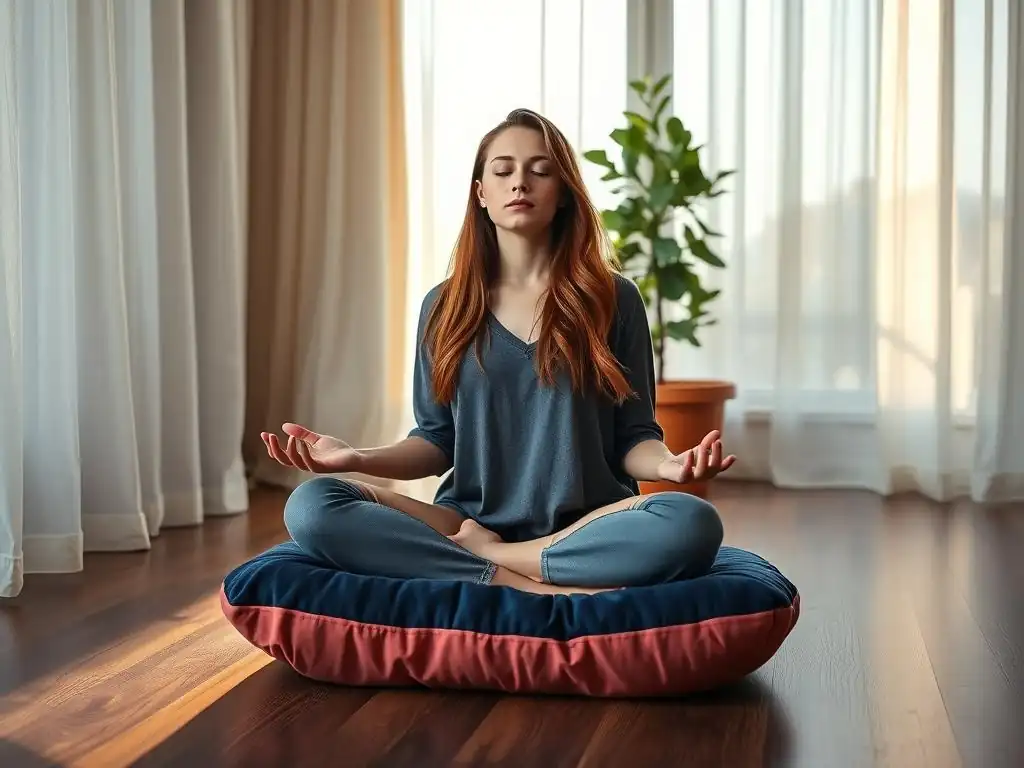
Welcome to Mind Care Guide, a sanctuary dedicated to nurturing your mental well-being.
Are you feeling adrift, longing for connection amidst the noise of daily life? You're not alone. Many find solace and renewed connection through mindfulness practices. Delve into our insights on how Meditation can reduce feelings of isolation and help you rediscover the bonds that enrich your life. Start your journey towards a more connected and centered you, right here.
Cultivating Connection: Meditation for Alleviating Social Isolation
- Understanding Social Isolation and Its Effects
- Meditation and Social Connection: Exploring the Link
- Meditation Techniques for Combating Isolation
- Starting a Meditation Practice to Alleviate Isolation
- Benefits of Regular Meditation for Social Well-being
- Addressing Challenges in Meditation for Isolation
- Personal Accounts: Meditation's Impact on Isolation
- Resources for Meditation and Social Connection
- Conclusion: Meditation for a More Connected Life
-
Frequently Asked Questions
- How can meditation specifically help with feelings of isolation?
- What types of meditation are most effective for reducing isolation?
- How often should I meditate to see a noticeable reduction in feelings of isolation?
- Are there any potential drawbacks to using meditation as a way to combat isolation?
- Where can I find resources or guided meditations specifically designed to reduce feelings of isolation?
- Final Reflection: Cultivating Connection in a Disconnected World
- Unleash Your Inner Peace: Start Your Meditation Journey Today!
Social isolation is an objective state referring to the absence of meaningful social contact, while loneliness is a subjective feeling of distress arising from a discrepancy between desired and actual social relationships. One can be socially isolated without feeling lonely, and conversely, one can feel lonely even when surrounded by others. For example, an individual living alone in a rural area with infrequent visits from family might be socially isolated, yet feel content.
In contrast, someone living in a bustling city surrounded by colleagues and acquaintances might still experience profound loneliness if those interactions lack depth and emotional connection. Research indicates that a significant portion of the population experiences loneliness; a 2020 study by Cigna found that 61% of adults in the U.S. reported feeling lonely, a figure that had increased from previous years. This highlights the widespread nature of this subjective experience, regardless of objective social circumstances.
The distinction between these two concepts is crucial when discussing strategies like meditation reduce feelings isolation. While meditation might not physically bring more people into one's life (addressing isolation), it can profoundly shift one's internal state, making it easier to connect with others and reducing the feeling of loneliness.
It helps cultivate a sense of inner peace and self-acceptance that can make outward connection feel less daunting and more authentic. Understanding whether the challenge is primarily objective isolation or subjective loneliness helps tailor approaches, though meditation offers benefits for both by improving one's relationship with oneself and enhancing the quality of potential external interactions.
The Psychological Consequences of Disconnection
Disconnection from others, whether through objective isolation or subjective loneliness, has significant psychological repercussions. It can manifest as increased anxiety, depression, and feelings of hopelessness. The brain interprets social pain similarly to physical pain, activating overlapping neural pathways, which is why the ache of loneliness can feel so profound. Chronic loneliness is associated with higher levels of stress hormones like cortisol, which over time can impair cognitive function, including memory and concentration. The feeling of being disconnected can also erode self-esteem, leading individuals to believe they are unworthy of connection, creating a vicious cycle where they withdraw further.
Furthermore, prolonged social disconnection can alter brain structure and function. Studies using fMRI have shown differences in brain activity in individuals experiencing chronic loneliness, particularly in regions associated with social processing and reward. For instance, areas like the ventral striatum, involved in processing reward, show less activation in response to positive social stimuli among lonely individuals. This can make engaging in social activities feel less rewarding, perpetuating the cycle of withdrawal. Addressing these psychological consequences is a critical step, and practices like meditation reduce feelings isolation by fostering internal resilience and shifting perspective.
How Isolation Exacerbates Mental Health Concerns
Social isolation and loneliness are not just symptoms of mental health issues; they can also be significant contributing factors and exacerbators. For individuals already struggling with conditions like depression or anxiety, isolation can remove vital social support networks that would otherwise help them cope. The lack of positive social interaction can deepen feelings of worthlessness and despair, making recovery more challenging. Conversely, conditions like social anxiety can lead to avoidance of social situations, resulting in isolation, which in turn worsens the anxiety – a classic feedback loop.
Consider a person with clinical depression. If they become socially isolated, they lose access to friends or family who might provide emotional support, encourage them to seek help, or simply offer distracting, positive interactions. This lack of external positive reinforcement can make it harder to break free from negative thought patterns characteristic of depression.
Similarly, someone with generalized anxiety disorder might find their worries amplified in isolation, lacking external perspectives to challenge their catastrophic thinking. Research consistently shows a strong correlation between social isolation and increased risk of developing or worsening mental health conditions, including higher rates of suicide ideation among lonely individuals. Therefore, finding ways like meditation reduce feelings isolation is not merely about feeling better, but about actively protecting and improving mental health.
Emerging neuroscience research is shedding light on how meditation practices can influence brain regions associated with social processing and emotional regulation, thereby strengthening our capacity for connection. Regular meditation has been linked to changes in brain areas like the prefrontal cortex (involved in self-awareness and empathy) and the amygdala (involved in processing fear and emotional responses). For instance, studies have shown that experienced meditators often exhibit reduced amygdala reactivity to negative stimuli, which can translate to less fear in social situations and a greater ability to remain calm during interpersonal challenges.
Furthermore, certain types of meditation, particularly compassion-focused practices like loving-kindness meditation, have been shown to increase activity in brain networks associated with empathy and social reward, such as the temporoparietal junction and the insula. One study published in the journal Emotion found that just a few weeks of loving-kindness meditation training led to increased positive emotions and social connection, alongside observable changes in brain activity in these empathy-related areas.
This suggests that meditation doesn't just make you feel better internally; it can literally train your brain to be more attuned to others and feel more connected, offering a powerful tool to meditation reduce feelings isolation.
Meditation: Fostering Self-Compassion and Acceptance
A significant barrier to feeling connected with others is often a lack of self-compassion and self-acceptance. When individuals are highly self-critical, they may fear judgment from others, leading them to withdraw or struggle to form authentic connections. Meditation practices, particularly mindfulness and self-compassion meditations, directly address this by encouraging a gentle, non-judgmental awareness of one's thoughts, feelings, and experiences. By observing inner turmoil without immediately reacting or criticizing, individuals learn to treat themselves with the same kindness they might offer a friend.
Developing self-compassion through meditation helps dismantle the internal critic that fuels feelings of unworthiness and fear of rejection. It teaches that difficult emotions and perceived flaws are part of the human experience, shared by everyone. This realization can be incredibly liberating and reduce the intensity of shame associated with feeling different or inadequate. As individuals become more accepting of themselves, they become less reliant on external validation and more comfortable being vulnerable, which is essential for building deep, meaningful relationships. This internal shift is a cornerstone of how meditation reduce feelings isolation effectively.
Feelings of isolation and loneliness are strongly correlated with increased rates of anxiety and depression. Meditation offers a powerful mechanism to mitigate these symptoms, thereby indirectly alleviating the distress associated with being alone. Mindfulness meditation, for example, helps individuals become more aware of their thought patterns, including the negative rumination often associated with depression and the catastrophic thinking characteristic of anxiety. By observing these thoughts without getting swept away by them, individuals can gain distance and reduce their emotional reactivity.
Regular meditation practice has been shown in numerous clinical studies to significantly reduce symptoms of both anxiety and depression. A meta-analysis of over 47 trials published in JAMA Internal Medicine found that mindfulness meditation programs had moderate evidence of improving anxiety and depression symptoms. When these core mental health challenges are lessened, the burden of isolation feels less heavy.
Furthermore, by improving emotional regulation, meditation helps individuals manage the intense sadness or fear that can arise from loneliness, making it easier to engage with the world and seek out connection. This direct impact on mood and anxiety is a key way meditation reduce feelings isolation.
Meditation Techniques for Combating Isolation
Loving-Kindness Meditation: Cultivating Compassion
Loving-kindness meditation, also known as Metta meditation, is specifically designed to cultivate feelings of warmth, compassion, and connection towards oneself and others. The practice typically involves silently repeating phrases wishing well-being, happiness, and freedom from suffering, first towards oneself, then towards loved ones, neutral individuals, difficult people, and finally towards all beings. This systematic approach helps to break down the perceived barriers between the self and others, fostering a sense of shared humanity.
This technique is particularly powerful for combating isolation because it actively trains the mind to generate positive feelings towards others, which can counteract feelings of bitterness, resentment, or fear that might arise from loneliness or past negative social experiences. By extending kindness inwardly, it also builds self-compassion, addressing the internal critic that can prevent individuals from seeking connection. Practicing Metta daily can gradually shift one's emotional landscape, making it easier to approach social interactions with openness and warmth, directly supporting the goal of using meditation reduce feelings isolation.
Mindfulness Meditation: Enhancing Present Moment Awareness
Mindfulness meditation involves paying attention to the present moment without judgment. This can include focusing on the breath, bodily sensations, thoughts, or sounds. While seemingly simple, cultivating present moment awareness has profound implications for reducing feelings of isolation. Often, loneliness is fueled by ruminating on past rejections or worrying about future social interactions. Mindfulness helps anchor the individual in the here and now, reducing the time spent dwelling on painful past experiences or hypothetical future anxieties.
By becoming more present, individuals can also become more attuned to the subtle opportunities for connection that exist in everyday life, even fleeting ones. A shared smile with a stranger, a brief conversation with a shopkeeper, or noticing the presence of others in a public space can all be moments of connection that are often missed when the mind is lost in thought.
Furthermore, mindfulness cultivates a greater acceptance of one's current experience, including feelings of loneliness, allowing them to be felt without being overwhelmed. This non-judgmental acceptance can reduce the suffering associated with loneliness, making it easier to tolerate and eventually transcend, a core benefit when using meditation reduce feelings isolation.
Guided meditations are particularly helpful for beginners or those who find it challenging to focus on their own. Guided practices for social connection often involve visualizations or specific instructions aimed at fostering feelings of warmth, empathy, and belonging. These meditations might guide the listener to imagine sending positive wishes to others, to visualize themselves connected to a network of people, or to focus on the shared human experience of wanting happiness and connection.
Many guided meditations also specifically target anxiety, a common companion to isolation. These might involve body scans to release physical tension, breathing exercises to calm the nervous system, or visualizations of safe and peaceful environments. By reducing the physiological and psychological symptoms of anxiety, guided meditations can make the prospect of social interaction feel less threatening. Numerous apps and online platforms offer guided meditations specifically tailored to reducing loneliness, enhancing connection, and managing anxiety, providing accessible tools to help meditation reduce feelings isolation.
Body Scan Meditation: Reconnecting with Physical Sensations
Body scan meditation involves systematically bringing mindful attention to different parts of the body, noticing physical sensations without judgment. While it might seem less directly related to social connection than Metta, the body scan is a powerful tool for grounding oneself and reconnecting with one's own physical presence. Feelings of isolation can sometimes manifest as a sense of disembodiment or feeling disconnected from oneself. The body scan helps to counteract this by fostering a stronger mind-body connection.
By becoming more aware of bodily sensations, individuals can also become more attuned to their emotional state, as emotions often have physical manifestations. This increased self-awareness is fundamental to emotional regulation and understanding one's needs, including the need for connection. Furthermore, being comfortable and present in one's own body can increase confidence and ease when interacting with others. A relaxed and grounded physical presence can make social interactions feel less awkward and more natural, contributing to the overall aim to meditation reduce feelings isolation.
Starting a Meditation Practice to Alleviate Isolation
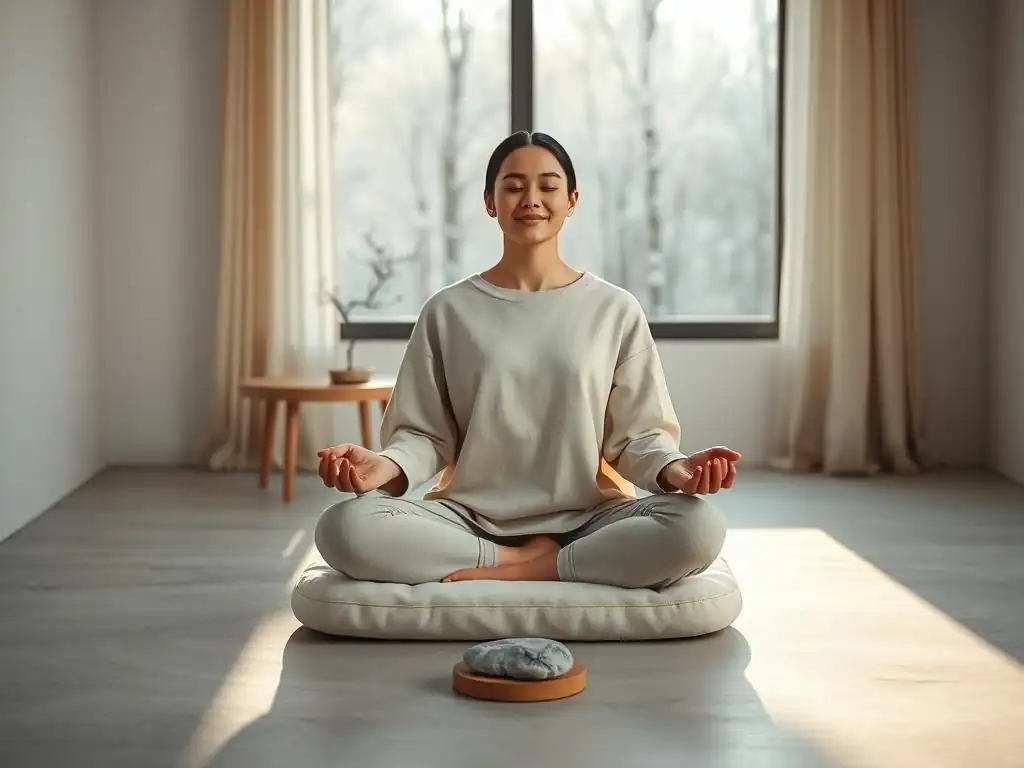
Creating a Conducive Meditation Environment
Creating a dedicated space for meditation, even if it's just a corner of a room, can signal to your mind that it's time to practice and help establish a consistent routine. The ideal environment is relatively quiet and free from major distractions. While you don't need a fancy meditation cushion or altar, having a comfortable place to sit or lie down is important.
Consider the lighting – soft, natural light is often preferred, but simply ensuring it's not too harsh is sufficient. Turn off notifications on your phone and let others in your household know you need a few minutes of uninterrupted time.
Consistency in your environment can also be helpful. Practicing in the same spot each day can create a positive association with that space and the practice itself. Ensure the temperature is comfortable and that you won't be easily disturbed. While complete silence isn't necessary (and often impossible), minimizing sudden loud noises can help. The goal is to create a space where you feel safe, calm, and able to turn your attention inward without excessive external disruption, facilitating your journey to let meditation reduce feelings isolation.
Setting Achievable Meditation Goals
When starting out, setting realistic and achievable goals is crucial to avoid discouragement. Don't aim for an hour of perfect, thoughtless meditation on your first day. Start small, perhaps with just 5-10 minutes per day. The consistency of practice is far more important than the duration or perceived quality of any single session. You might set a goal like, "I will meditate for 7 minutes every morning before breakfast," or "I will use a guided meditation app for 10 minutes before bed."
As you become more comfortable, you can gradually increase the duration if you wish, but there's no pressure to do so. Even short, consistent practice yields significant benefits. Celebrate small successes, like sticking to your goal for a week. If you miss a day, don't dwell on it; simply start again the next day. The process is about building a habit and being kind to yourself along the way. Setting realistic expectations helps maintain motivation and ensures that using meditation reduce feelings isolation feels like a supportive practice, not another source of pressure.
Many resources offer guided meditation exercises specifically designed to foster social connection and combat feelings of isolation. These can be found on meditation apps, YouTube, or dedicated mindfulness websites. Look for titles that mention themes like "loving-kindness," "compassion," "connection," "belonging," or "reducing loneliness." A typical guided session might start with settling in and focusing on the breath, then move into phrases or visualizations related to connection.
For example, a guided loving-kindness meditation might instruct you to repeat phrases like: "May I be happy. May I be healthy. May I be safe. May I be free from suffering." Then, extend these phrases outwards: "May [Name of loved one] be happy... May all beings be happy..." A guided connection meditation might involve visualizing a sense of shared humanity or imagining yourself connected to others through invisible threads of compassion. Exploring different guided practices can help you find what resonates most with you and supports your intention to let meditation reduce feelings isolation.
Maintaining Consistency in Your Meditation Routine
Consistency is the key to reaping the full benefits of meditation, especially when using it to address deep-seated feelings like isolation. Aim to practice at roughly the same time each day if possible, as this helps solidify the habit. Linking your meditation to an existing daily activity, like waking up, brushing your teeth, or before a meal, can make it easier to remember. For example, "After I make my morning coffee, I will meditate for 10 minutes."
Be prepared for days when you don't feel like meditating or when your mind feels particularly restless. These are normal parts of the process. Simply show up, sit down, and do your best for the planned duration. Even a challenging meditation session is valuable practice. Consider using a habit tracker or a meditation app that tracks your sessions to visualize your progress and stay motivated. Remember that building a consistent practice takes time and effort, but the cumulative effect of using meditation reduce feelings isolation consistently is powerful.
Improved Emotional Regulation and Communication
Regular meditation practice significantly enhances emotional regulation, the ability to manage and respond to emotional experiences effectively. By becoming more aware of emotions as they arise without immediate reaction, individuals develop a greater capacity to pause before responding, particularly in interpersonal situations. This translates into calmer, more thoughtful communication. Instead of reacting defensively or withdrawing when feeling vulnerable, a meditator might notice the feeling, accept it, and choose a more constructive way to express themselves.
This improved emotional intelligence makes navigating social interactions smoother and less stressful. It reduces the likelihood of misunderstandings fueled by unchecked emotional reactions and increases the capacity for active listening and empathetic responses. When individuals feel more in control of their emotional landscape, they are often more willing to engage with others and are better equipped to handle the inevitable challenges that arise in relationships. This enhanced ability to connect and communicate effectively is a direct benefit of how meditation reduce feelings isolation.
Increased Empathy and Understanding
Certain meditation practices, particularly loving-kindness and compassion meditations, are specifically designed to cultivate empathy and understanding towards others. By intentionally focusing on wishing well-being for various individuals, including those we find difficult, these practices train the mind to extend compassion beyond our immediate circle. This systematic cultivation can naturally lead to a greater capacity to understand and share the feelings of others in daily life.
Increased empathy allows for deeper, more meaningful connections. When you can genuinely understand another person's perspective or emotional state, even if you don't agree with it, it builds bridges rather than walls. This can make social interactions more rewarding and less intimidating. Studies have shown that even short periods of compassion meditation training can increase prosocial behavior and empathy. This growth in understanding is a key factor in how meditation reduce feelings isolation by improving the quality of social bonds.
Feelings of isolation often go hand-in-hand with low self-esteem and a lack of social confidence. Meditation, particularly mindfulness and self-compassion practices, directly addresses this by fostering a more accepting and less critical relationship with oneself. By learning to observe thoughts and feelings without judgment, individuals begin to see themselves more clearly, acknowledging strengths and weaknesses with kindness rather than harsh criticism.
As self-compassion grows, the fear of being judged by others often diminishes. When you accept yourself, the opinions of others hold less power. This internal shift can lead to increased confidence in social situations, making individuals more likely to initiate conversations, express their authentic selves, and engage in activities that involve others. This boost in self-esteem and confidence is a crucial outcome when using meditation reduce feelings isolation, empowering individuals to seek and build connections.
Social anxiety and the pervasive fear of rejection are significant barriers to overcoming isolation. Meditation practices offer effective tools for managing both. Mindfulness helps by grounding individuals in the present moment, reducing the tendency to get lost in anxious thoughts about potential negative outcomes or past social failures. By observing anxiety without identifying with it, its intensity can lessen over time.
Furthermore, self-compassion cultivated through meditation provides a buffer against the pain of potential rejection. It teaches that setbacks are normal and not a reflection of inherent unworthiness. This reduces the stakes of social interaction – even if a particular interaction doesn't go well, it doesn't shatter one's sense of self-worth. By systematically reducing anxiety and building resilience to fear of rejection, meditation makes it easier to step outside of one's comfort zone and engage with others, directly helping meditation reduce feelings isolation.
Addressing Challenges in Meditation for Isolation
Managing Distractions and Mental Chatter
One of the most common challenges in meditation, especially when feeling isolated or lonely, is managing a busy or distracted mind. Feelings of loneliness can bring up a lot of thoughts – worries about the future, regrets about the past, self-critical loops, or simply a restless desire for things to be different. It's important to understand that the goal of meditation is not to stop thinking, but to become aware of thoughts without getting carried away by them.
When distractions arise, whether they are thoughts, sounds, or physical sensations, the practice is simply to notice them without judgment and gently guide your attention back to your chosen anchor (like the breath). This is the core "work" of meditation, and each time you notice your mind has wandered and return, you are strengthening your capacity for focus and non-reactivity. Be patient and persistent; managing mental chatter is a skill that improves with practice. This gentle redirection is key to allowing meditation reduce feelings isolation by creating space from overwhelming thoughts.
Overcoming Discomfort or Resistance
Sometimes, sitting in meditation can bring up feelings of discomfort, restlessness, or even strong resistance. This is particularly true when using meditation to address difficult emotions like loneliness or sadness. It might feel easier to avoid the practice than to sit with uncomfortable feelings. Resistance can manifest as finding excuses not to meditate, feeling bored, or experiencing physical restlessness.
Acknowledge the discomfort or resistance without judgment. See if you can sit with it for a few moments out of curiosity. Sometimes, simply allowing the feeling to be present without trying to fix it or push it away can lessen its intensity. Remind yourself why you started meditating – to cultivate connection and ease feelings of isolation. Reconnecting with this intention can provide motivation. If sitting feels too difficult, try a walking meditation or a shorter duration. Be kind to yourself and understand that encountering resistance is a normal part of the journey towards using meditation reduce feelings isolation.
Finding a Supportive Meditation Community
While meditation is often practiced individually, finding a supportive community can enhance the practice and provide valuable external connection, addressing isolation on multiple levels. Practicing with others, whether in person or online, can provide a sense of shared experience and motivation. Group meditations can offer a sense of belonging and reduce the feeling of being alone in your struggles.
Many meditation centers, community centers, or online platforms offer group meditation sessions or courses. Some groups focus on specific styles like mindfulness or Zen, while others are more general. Participating in discussions after a group meditation can also provide an opportunity to connect with others who share similar interests in well-being. While meditation helps reduce the feeling of isolation internally, connecting with a meditation community provides real-world social interaction and support, amplifying the effects of using meditation reduce feelings isolation.
Personal Accounts: Meditation's Impact on Isolation
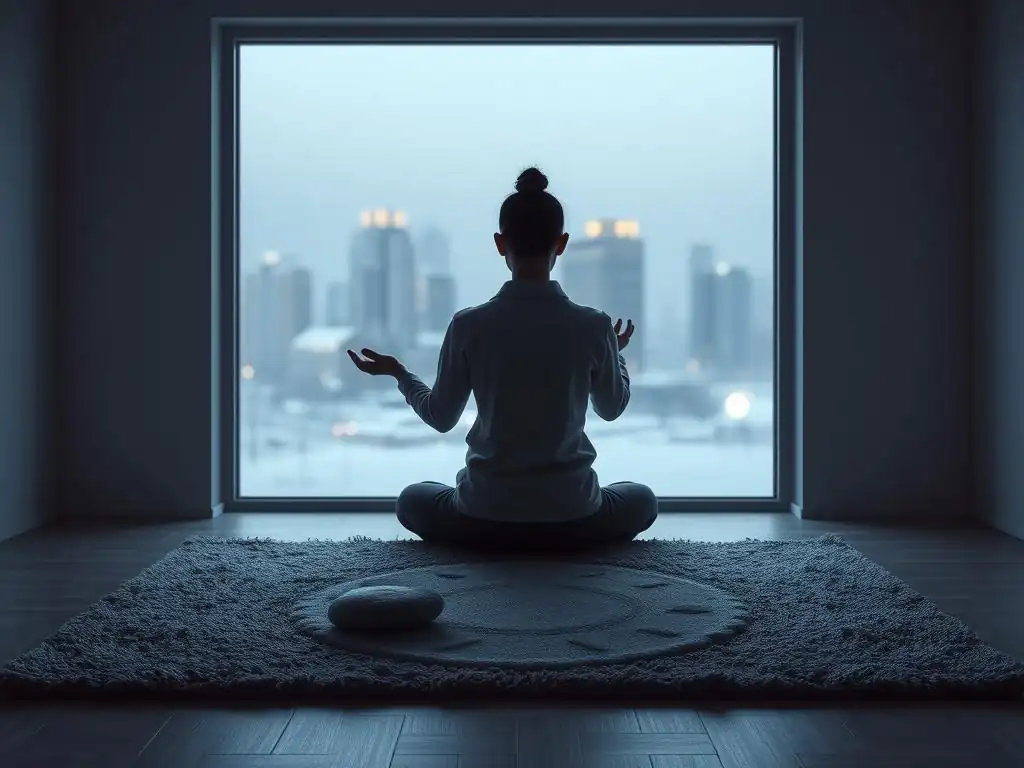
Overcoming Loneliness Through Mindful Connection
Sarah, a 45-year-old graphic designer, shared her experience combatting profound loneliness after moving to a new city for work. "I knew nobody," she recounted, "and the evenings and weekends were just empty. I felt completely disconnected." She started a daily 15-minute mindfulness meditation practice using an app. Initially, it was difficult to sit with the intense feelings of sadness and emptiness that arose. "My mind would just loop on 'I'm so alone,' 'Nobody cares,' 'This is pointless'," she explained.
However, with consistent practice over several months, Sarah noticed a shift. "The meditation didn't magically bring friends to my door," she said with a slight smile, "but it changed how I related to the loneliness. I started seeing it as a feeling, not my identity. I became more present when I was out, noticing the small interactions – the barista remembering my order, a brief chat with a neighbor.
I also found the courage to join a local walking group, something I would have been too anxious to do before. The meditation helped me be kinder to myself and less afraid of reaching out." Her story exemplifies how meditation reduce feelings isolation by changing internal responses and building confidence for external engagement.
Mark, a retired teacher in his late 60s, found himself increasingly isolated after his wife passed away. "I used to rely on her for most of our social life," he shared. "After she was gone, I just stayed home. I felt invisible." A friend suggested he try a local loving-kindness meditation group. He was hesitant at first. "Sitting there, wishing myself and others well... it felt a bit strange," he admitted.
Yet, attending the weekly group provided a consistent, low-pressure social interaction. He started recognizing faces, exchanging greetings, and eventually, having brief conversations before and after the sessions. The loving-kindness practice itself also began to soften his hardened shell. "Wishing kindness to others, even strangers in the practice, started to feel more natural," he said.
"It made me look at people differently when I was out – with a little more warmth. I started saying hello to neighbors more often, and even struck up a conversation with another man at the park. It was slow, but the meditation definitely helped me rebuild those small social bridges I thought were gone forever." Mark's account illustrates the power of community practice and Metta in helping meditation reduce feelings isolation by fostering outward connection.
Recommended Meditation Apps and Platforms
Numerous apps and online platforms offer guided meditations and resources that can support your practice, many with specific programs for managing loneliness, anxiety, or building connection. Popular options include Headspace, Calm, Insight Timer, and Ten Percent Happier. Insight Timer, for instance, offers thousands of free guided meditations, including many focused on loving-kindness, self-compassion, and social connection, and also features groups where users can connect virtually.
Headspace and Calm provide structured courses on various topics, often including sections on managing difficult emotions and improving relationships. Ten Percent Happier focuses on practical meditation for busy people and features interviews with experts on topics like connection and emotional well-being. Exploring these platforms can help you find guided practices and teachings that resonate with you and support your specific goal to let meditation reduce feelings isolation.
Books and Articles on Mindfulness and Well-being
For those who prefer reading, there are many excellent books and articles that delve deeper into mindfulness, meditation, compassion, and their role in mental well-being and social connection. Titles by authors such as Jon Kabat-Zinn (on mindfulness), Kristin Neff (on self-compassion), and Sharon Salzberg (on loving-kindness) are highly regarded. Books like "Mindfulness for Beginners" or "Real Happiness" offer practical guidance on starting a practice.
Many websites dedicated to mindfulness and mental health, including this one, offer articles and blog posts that provide information, tips, and inspiration. Reading can deepen your understanding of the principles behind meditation and provide context for your practice, reinforcing the ways in which meditation reduce feelings isolation and enhance overall well-being.
Local Meditation Groups and Centers
Connecting with a local meditation group or center can provide both guidance for your practice and valuable in-person social interaction. Many cities have meditation centers associated with specific traditions (like Zen, Vipassana, or Tibetan Buddhism) or non-sectarian mindfulness centers. These centers often offer introductory classes, regular group sits, and workshops.
Community centers, universities, or hospitals may also offer mindfulness or stress reduction programs that include group meditation. Searching online for "meditation groups near me" or contacting local spiritual or community centers can help you find options in your area. While attending a group might feel intimidating initially, it offers a direct opportunity for connection and shared practice, providing a concrete way to use meditation reduce feelings isolation alongside internal work.
Conclusion: Meditation for a More Connected Life
Social isolation and loneliness are significant challenges in the modern world, impacting mental health and overall well-being. While external circumstances play a role, our internal landscape profoundly influences how we experience connection and disconnection. Meditation offers a powerful, accessible tool to cultivate this internal landscape, directly addressing the subjective experience of loneliness and building the inner capacity for meaningful connection. By training the mind through practices like mindfulness, loving-kindness, and body scans, individuals can improve emotional regulation, increase self-compassion and empathy, reduce anxiety and fear of rejection, and ultimately enhance their ability to connect with themselves and others.
Starting and maintaining a meditation practice requires patience and consistency, but the benefits for social well-being are substantial. From navigating daily interactions with greater ease to building stronger, more authentic relationships, meditation equips individuals with the inner resilience needed to navigate the complexities of human connection. As personal accounts demonstrate, even small, consistent steps can lead to profound shifts in overcoming feelings of isolation and fostering a deeper sense of belonging. Embracing meditation reduce feelings isolation is an investment in your mental health and your capacity for a more connected, fulfilling life.
Frequently Asked Questions
How can meditation specifically help with feelings of isolation?
Meditation can help by fostering self-awareness and inner peace, reducing feelings of loneliness. By focusing on the present moment, it can also help you connect with yourself, reducing the need for external validation. It helps you feel more comfortable in your own company.
What types of meditation are most effective for reducing isolation?
Mindfulness meditation, focusing on the present moment, is highly effective. Loving-kindness meditation, which cultivates feelings of compassion and connection, can also be beneficial. Guided meditations that focus on connection can be especially helpful.
How often should I meditate to see a noticeable reduction in feelings of isolation?
Consistency is key. Aim for at least 10-15 minutes daily, even if it's just to start. Over time, with regular practice, you'll likely experience a significant shift in your feelings of connection and well-being. Regularity is more important than duration.
Are there any potential drawbacks to using meditation as a way to combat isolation?
Meditation can sometimes bring up difficult emotions. It's important to be patient with yourself and seek support if needed. If you have pre-existing mental health conditions, it's always wise to consult with a professional before starting a new practice.
Where can I find resources or guided meditations specifically designed to reduce feelings of isolation?
Mind Care Guide offers a range of resources, including guided meditations and articles. Many free apps and online platforms also provide guided meditations focused on connection and compassion. Look for resources that specifically address feelings of loneliness.
Final Reflection: Cultivating Connection in a Disconnected World
The pervasive feeling of isolation in our hyper-connected world is a stark paradox, yet meditation offers a powerful antidote. We've explored how mindfulness practices can quiet the internal noise, fostering a deeper sense of self-awareness and, ultimately, connection—both with ourselves and others. This isn't just a trendy wellness practice; it's a vital tool for navigating the complexities of modern life and building resilience against the isolating forces that surround us.
The impact of loneliness on mental and physical well-being is undeniable, and the subtle shift in perspective that meditation offers is profoundly transformative. It's not about escaping the world, but about engaging with it from a place of greater inner peace and understanding. As the poet Mary Oliver so eloquently stated: Pay attention. Be astonished. Tell about it.
Meditation helps us cultivate this attentiveness, allowing us to truly appreciate the beauty and connection present in even the simplest moments, thereby reducing the sting of isolation.
Now, consider how you can integrate these practices into your own life. Perhaps start with just five minutes of daily meditation, focusing on your breath or a guided meditation. Notice the subtle shifts in your perspective, the growing awareness of your inner landscape, and the increased capacity for empathy and connection with those around you. This journey of self-discovery and connection is a lifelong practice, and the rewards—a richer, more meaningful life—are immeasurable. Begin today.
Unleash Your Inner Peace: Start Your Meditation Journey Today!
Thank you for taking the time to explore the power of meditation with Mind Care Guide. We hope you gained valuable insights into reducing feelings of isolation and fostering inner connection. Now, it's time to put this knowledge into practice!
Here's how you can continue your journey towards greater peace and well-being:
- Begin your daily meditation practice: Even 5 minutes a day can make a significant difference. Try one of the guided meditations we discussed, or explore a new technique that resonates with you.
- Share your experience: Let your friends and family know about the benefits of meditation – you might inspire them to join you on this path!
- Join our online forum (if applicable): Connect with a supportive community of like-minded individuals and share your progress and challenges.
What simple step will you take today to cultivate more connection and peace within yourself?