
Navigating Decision Paralysis: The Prefrontal Cortex in Depressed States


Welcome to Mind Care Guide, a sanctuary for understanding and nurturing your mental well-being.
Feeling stuck? It's more common than you think, especially when battling depression. Ever wondered what's really happening in your brain during moments of overwhelming indecision? Our deep dive into the neuroscience behind "Overcoming decision paralysis depression" offers a compassionate and insightful look at how your prefrontal cortex plays a crucial role. Let's unravel this intricate connection together and explore pathways towards clarity and control. Read on to discover more...
Navigating Decision Paralysis: The Prefrontal Cortex in Depressed States - Mind Care Guide
- Understanding Decision Paralysis in Depression: An Overview
- The Prefrontal Cortex: Your Brain's Decision-Making Center
- Neuroscience of Decision-Making: The Depressed Brain
- Overcoming Decision Paralysis Depression: Practical Strategies
- Lifestyle Changes to Support Prefrontal Cortex Function and Reduce Decision Fatigue
- Medications and Decision-Making: A Complex Relationship
- Seeking Professional Help for Decision Paralysis and Depression
- The Future of Research: Understanding and Treating Decision Paralysis in Depression
-
Frequently Asked Questions
- What is decision paralysis, and how is it linked to depression?
- How does the prefrontal cortex relate to decision-making in individuals with depression?
- What are some practical strategies for overcoming decision paralysis when experiencing depression?
- Where can I find support and resources if I'm struggling with decision paralysis and depression?
- How can I differentiate between normal indecisiveness and decision paralysis associated with depression?
- Final Reflection: Unleashing Your Inner Compass: From Paralysis to Purpose
- Unlock Your Decision-Making Power Now!
Understanding Decision Paralysis in Depression: An Overview
What is Decision Paralysis and How Does it Relate to Depression?
Decision paralysis is a state where an individual finds it overwhelmingly difficult or impossible to make a choice, even simple ones. This isn't just indecisiveness; it's a profound inability to move forward, often accompanied by significant anxiety, fear of making the "wrong" choice, or a complete lack of motivation to engage with the decision-making process at all. In the context of depression, this symptom is particularly common and can be debilitating.
Depression often saps energy, reduces interest in activities, and impairs cognitive functions necessary for evaluating options and consequences. The sheer mental effort required to weigh possibilities feels insurmountable, leading to a state of being stuck.
This inability to decide is more than just a minor inconvenience; it's a core symptom for many experiencing depressive episodes. It can manifest in various ways, from struggling to choose what to eat or wear, to being unable to make significant life choices about work, relationships, or treatment. The feeling of being trapped by indecision fuels feelings of hopelessness and helplessness, further entrenching the depressive state. Understanding decision paralysis within the framework of depression is crucial for developing effective strategies for overcoming decision paralysis depression.
The Impact of Decision Paralysis on Daily Life and Mental Well-being
The pervasive nature of decision paralysis can severely disrupt daily functioning and significantly worsen mental well-being. Simple tasks become monumental hurdles, leading to avoidance behaviors. For example, someone might stay in bed because choosing an outfit feels too hard, or skip meals because deciding what to cook is overwhelming. This avoidance can lead to neglect of personal care, responsibilities, and social interactions. Over time, this withdrawal exacerbates feelings of isolation and worthlessness, common in depression.
Beyond daily routines, decision paralysis impacts major life decisions, potentially leading to missed opportunities or stagnation. Career changes, educational pursuits, relationship decisions, or even seeking help for depression can be delayed indefinitely. The constant internal struggle and the negative consequences of inaction create a vicious cycle, increasing stress, anxiety, and the severity of depressive symptoms. Effectively addressing decision paralysis is therefore a vital step in the process of overcoming decision paralysis depression and regaining control over one's life.
The Prefrontal Cortex: Your Brain's Decision-Making Center
The Role of the Prefrontal Cortex in Executive Function
The prefrontal cortex (PFC), located at the very front of the brain, is often considered the command center for executive functions. These higher-level cognitive processes include planning, working memory, problem-solving, impulse control, and, crucially, decision-making.
The PFC integrates information from various parts of the brain, including emotional signals from the limbic system (like the amygdala) and value assessments from reward pathways, to evaluate potential outcomes and guide goal-directed behavior. Specific sub-regions, such as the dorsolateral prefrontal cortex (dlPFC), are particularly implicated in working memory and complex decision processes, while the ventromedial prefrontal cortex (vmPFC) plays a role in assessing risk and reward and incorporating emotional context into decisions.
When the PFC is functioning optimally, individuals can effectively weigh pros and cons, anticipate consequences, prioritize tasks, and make choices aligned with their long-term goals. This executive oversight is essential for navigating the complexities of daily life and making adaptive decisions. The PFC allows us to pause, reflect, and choose a course of action rather than simply reacting impulsively. Its robust activity is fundamental to feeling capable and in control, faculties often diminished in depressive states where overcoming decision paralysis depression feels impossible.
How Depression Affects Prefrontal Cortex Activity and Function
Research consistently shows that depression is associated with structural and functional changes in the prefrontal cortex. Neuroimaging studies, such as fMRI and PET scans, often reveal reduced activity in certain areas of the PFC, particularly the dorsolateral and medial prefrontal regions, in individuals experiencing depression compared to healthy controls. Some studies also suggest reduced gray matter volume in these areas. This diminished activity and potential structural change can impair the PFC's ability to perform its executive functions effectively.
The reduced activity in the PFC can manifest as difficulties with planning, problem-solving, maintaining attention, and regulating emotions. Crucially, it directly impacts the decision-making process. The ability to evaluate options logically, predict outcomes, and initiate action is compromised. This neurobiological basis helps explain why decision paralysis is such a prominent and distressing symptom of depression. Understanding these changes at a brain level provides valuable insight into the challenges faced by individuals and informs strategies aimed at overcoming decision paralysis depression.
Neuroscience of Decision-Making: The Depressed Brain
Neural Pathways Involved in Decision-Making and Motivation
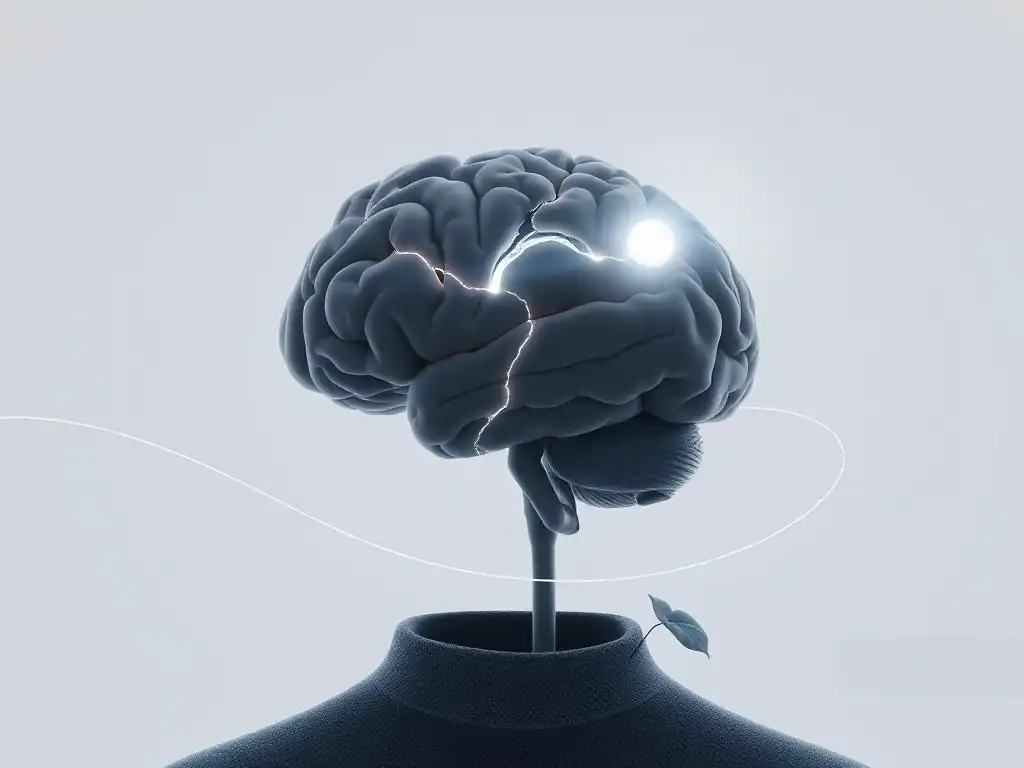
Decision-making is not solely the job of the prefrontal cortex; it involves complex interactions between multiple brain regions and neural pathways. Key among these are circuits connecting the PFC with areas like the amygdala (involved in processing emotions, especially fear), the nucleus accumbens (part of the brain's reward system), and the anterior cingulate cortex (ACC), which monitors errors and resolves conflict.
These pathways are crucial for evaluating the emotional significance of potential choices, assessing their potential reward or punishment, and motivating action. For instance, the mesolimbic pathway, linking the ventral tegmental area (VTA) to the nucleus accumbens and PFC, is central to processing reward and motivation.
In depression, the activity and connectivity within these pathways are often disrupted. The amygdala might be hyperactive, leading to an overemphasis on negative outcomes or fears associated with choices. The reward pathways, particularly those involving dopamine, can show reduced activity, leading to a lack of motivation, anhedonia (inability to experience pleasure), and difficulty assigning value to potential rewards associated with making a decision. This widespread disruption in the neural network supporting decision-making contributes significantly to the inertia and indecisiveness characteristic of depression, making the task of overcoming decision paralysis depression incredibly challenging.
Neurotransmitter Imbalances and Their Contribution to Decision Paralysis
Neurotransmitters are chemical messengers that transmit signals between neurons, and imbalances in several key neurotransmitters are strongly implicated in depression and its associated cognitive symptoms. Serotonin, norepinephrine, and dopamine are particularly relevant to mood, motivation, and executive function. Serotonin influences mood, anxiety, and obsessive thinking patterns that can fuel indecision (e.g., excessive rumination about choices). Norepinephrine is involved in alertness, attention, and the fight-or-flight response, impacting energy levels and the ability to focus on decision tasks.
Dopamine, often dubbed the "motivation molecule," is critical for reward processing, goal-directed behavior, and initiating action. Reduced dopamine activity in areas like the nucleus accumbens and prefrontal cortex is thought to contribute to the lack of motivation and apathy seen in depression, which directly impacts the drive to make decisions and act upon them. These neurotransmitter imbalances disrupt the delicate balance required for effective cognitive function and emotional regulation, creating a neurochemical environment that fosters decision paralysis and makes overcoming decision paralysis depression a complex challenge requiring multifaceted approaches.
The Link Between Reduced Prefrontal Cortex Activity and Depression Symptoms
The observed reduction in prefrontal cortex activity in individuals with depression is not just an isolated finding; it is directly linked to many core symptoms of the disorder. Beyond decision paralysis, impaired PFC function contributes to difficulties with concentration, memory problems, impaired problem-solving abilities, and reduced cognitive flexibility (the ability to switch between different tasks or thought processes). It also plays a role in emotional dysregulation, as the PFC is involved in regulating the activity of the amygdala and other limbic structures.
This cognitive impairment, stemming from PFC dysfunction, creates a vicious cycle. The inability to make decisions and follow through on plans reinforces feelings of failure and hopelessness, deepening the depression. The effort required to perform even simple cognitive tasks feels immense, leading to fatigue and withdrawal. Addressing the underlying neurobiological changes, while complex, is a key aspect of helping individuals manage and potentially reverse these cognitive deficits, paving the way for effective strategies in overcoming decision paralysis depression.
Overcoming Decision Paralysis Depression: Practical Strategies
Cognitive Behavioral Therapy (CBT) Techniques for Decision-Making
Cognitive Behavioral Therapy (CBT) is a highly effective approach for addressing the cognitive distortions and behavioral patterns that contribute to decision paralysis in depression. CBT helps individuals identify and challenge negative thought patterns related to decision-making, such as perfectionism ("I must make the perfect choice") or catastrophic thinking ("If I choose wrong, something terrible will happen"). By recognizing that these thoughts are often irrational or exaggerated, individuals can begin to reduce the anxiety associated with choices.
Behavioral techniques within CBT involve breaking down overwhelming tasks, including the process of making a decision, into smaller, more manageable steps. This might involve listing options, gathering minimal information, or setting a small, achievable deadline for a minor decision. Practicing making small decisions can build confidence and momentum, gradually reducing the feeling of being stuck. CBT helps reframe the decision-making process from a source of fear to a skill that can be learned and improved, offering concrete tools for overcoming decision paralysis depression.
Mindfulness and Acceptance-Based Approaches for Reducing Anxiety Around Choices
Mindfulness and acceptance-based therapies offer complementary strategies by focusing on present-moment awareness and reducing the struggle against difficult thoughts and feelings. Mindfulness practices, such as meditation or mindful breathing, can help individuals observe their thoughts and emotions surrounding decision-making without getting swept away by them. This allows for a greater sense of distance from anxious rumination ("What if...?") or self-critical thoughts ("I'm too incompetent to decide").
Acceptance and Commitment Therapy (ACT), a form of acceptance-based therapy, specifically encourages individuals to accept difficult thoughts and feelings (like anxiety about making a choice) rather than trying to eliminate them. The focus shifts to taking action aligned with one's values, even in the presence of discomfort.
For someone struggling with decision paralysis, this might mean accepting the possibility of making a less-than-perfect choice while still taking a step forward based on what is important to them. These approaches cultivate resilience and reduce the power that anxiety and fear hold over the decision-making process, aiding in overcoming decision paralysis depression.
Breaking Down Overwhelming Decisions into Smaller, Manageable Steps
One of the most practical and immediately applicable strategies for overcoming decision paralysis depression is the technique of breaking down complex or overwhelming decisions into smaller, more manageable components. Large decisions, such as changing careers or moving, can feel insurmountable when viewed as a single, monolithic task. By dividing the process, the cognitive load is significantly reduced, making it less daunting for a brain struggling with executive function.
Consider a major decision like finding a new apartment. Instead of feeling paralyzed by the entire process, break it down:
- [ ] Define essential criteria (e.g., location, budget range).
- [ ] Research neighborhoods online for 30 minutes.
- [ ] Contact one real estate agent or landlord.
- [ ] Schedule one viewing appointment.
Each step is small and achievable, building momentum and reducing the feeling of being overwhelmed. This approach focuses on progress, not perfection, and provides concrete actions to take when feeling stuck. It directly counteracts the inertia of decision paralysis by creating clear, actionable micro-tasks.
Lifestyle Changes to Support Prefrontal Cortex Function and Reduce Decision Fatigue
The Importance of Sleep, Diet, and Exercise for Mental Health
Lifestyle factors profoundly impact brain health and cognitive function, including the activity of the prefrontal cortex. Adequate sleep is crucial; chronic sleep deprivation impairs executive functions, attention, and decision-making abilities. Aiming for 7-9 hours of quality sleep per night can significantly improve cognitive clarity and reduce decision fatigue. Similarly, a balanced diet rich in omega-3 fatty acids, antioxidants, and vitamins supports brain cell health and neurotransmitter function. Diets high in processed foods and sugar have been linked to inflammation and poorer cognitive outcomes.
Regular physical exercise is one of the most potent interventions for both depression and cognitive impairment. Exercise increases blood flow to the brain, promotes the growth of new neurons (neurogenesis), and improves the function of neurotransmitters like dopamine and serotonin. Even moderate exercise, like a 30-minute walk most days of the week, can boost mood, energy levels, and executive function, making the process of overcoming decision paralysis depression more achievable. Integrating these healthy habits creates a foundation for improved cognitive resilience.
Stress Management Techniques for Improved Cognitive Function
Chronic stress is detrimental to the prefrontal cortex and can exacerbate decision paralysis. Prolonged exposure to stress hormones like cortisol can impair the function of the PFC, particularly affecting working memory and the ability to make rational decisions under pressure. Implementing effective stress management techniques is therefore vital for supporting cognitive function and reducing decision fatigue.
Techniques such as deep breathing exercises, progressive muscle relaxation, meditation, yoga, or engaging in hobbies can help activate the body's relaxation response, counteracting the effects of stress. Scheduling regular periods for relaxation or enjoyable activities helps lower overall stress levels, which in turn can improve clarity of thought and the capacity to engage with decision-making without feeling overwhelmed. Prioritizing stress reduction is an active step towards enhancing cognitive capacity and making progress in overcoming decision paralysis depression.
Creating a Structured Daily Routine to Minimize Decision Load
For individuals struggling with decision paralysis, creating a structured daily routine can be incredibly beneficial. A routine automates many small, daily decisions, reducing the overall cognitive load and freeing up mental energy for more significant choices or tasks. Knowing when you will wake up, eat meals, work on specific tasks, exercise, and wind down for the evening removes the need to make these choices spontaneously each day.
A consistent structure provides predictability and a sense of control, which can be grounding when feeling overwhelmed by depression. It also helps regulate sleep patterns and energy levels. While flexibility is important, establishing a basic framework for the day minimizes the number of decisions required, reducing decision fatigue and the likelihood of getting stuck in paralysis. This strategic reduction in cognitive demand supports the brain, particularly the taxed prefrontal cortex, in its efforts towards overcoming decision paralysis depression.
Medications and Decision-Making: A Complex Relationship

Antidepressants and Their Potential Effects on Cognitive Function
Antidepressant medications primarily target neurotransmitter systems (like serotonin, norepinephrine, and dopamine) that are dysregulated in depression. While their main effect is on mood, many individuals also experience improvements in associated cognitive symptoms as their depression lifts. This can include better concentration, improved memory, and potentially enhanced executive function, which could indirectly ease decision paralysis. By restoring a more balanced neurochemical environment, antidepressants can support better communication between brain regions involved in decision-making, including the prefrontal cortex.
However, the relationship is complex. Some individuals may experience cognitive side effects from certain antidepressants, such as initial brain fog, difficulty concentrating, or fatigue, which could temporarily impact decision-making. The specific effects vary greatly depending on the individual, the type of medication, and the dosage. It's important to monitor these effects and communicate them to a healthcare provider. For many, the overall improvement in depressive symptoms outweighs potential temporary cognitive side effects, making it easier to engage with strategies for overcoming decision paralysis depression.
Discussing Medication Options with Your Healthcare Provider
Choosing the right treatment, including medication if appropriate, is a significant decision in itself, often requiring careful consideration when dealing with decision paralysis. It is absolutely essential to have open and honest discussions with a qualified healthcare provider, such as a psychiatrist or general practitioner, about medication options. They can explain how different types of antidepressants work, their potential benefits for both mood and cognitive symptoms like decision paralysis, and potential side effects.
Prepare for the appointment by listing your symptoms, including the specific ways decision paralysis affects you. Ask questions about how the medication might help with indecision, what cognitive side effects to watch for, and how long it might take to see improvements. Your provider can help weigh the potential benefits against the risks based on your individual health profile. This collaborative approach ensures that medication, if chosen, is part of a comprehensive plan for overcoming decision paralysis depression.
Understanding Potential Side Effects and Interactions
Understanding potential side effects and drug interactions is a critical part of medication management. Side effects vary widely among different classes of antidepressants (e.g., SSRIs, SNRIs, atypical antidepressants). Common side effects might include nausea, sleep changes, or changes in appetite. Less common, but important to be aware of, are potential cognitive effects or changes in motivation or energy levels that could indirectly influence decision-making ability.
It is vital to inform your doctor about all other medications, supplements, and substances you are taking to avoid potentially dangerous interactions. If you experience any concerning side effects, especially those that impact your cognitive function or decision-making ability, report them immediately to your healthcare provider. They can adjust the dosage, switch medications, or offer strategies to manage side effects. Being informed and proactive about medication is a key component of managing depression and working towards overcoming decision paralysis depression.
Seeking Professional Help for Decision Paralysis and Depression
When to Consider Therapy or Counseling
Decision paralysis that significantly impairs daily functioning, causes significant distress, or leads to avoidance of important life tasks is a strong indicator that professional help is warranted. If the indecision is intertwined with symptoms of depression, such as persistent low mood, loss of interest, fatigue, or feelings of worthlessness, seeking support from a mental health professional is crucial. Therapy provides a structured environment to understand the roots of decision paralysis and depression, develop coping strategies, and process underlying emotional issues.
Consider reaching out if:
- [ ] Decision-making feels consistently overwhelming and paralyzing.
- [ ] Your inability to decide is negatively impacting your work, relationships, or health.
- [ ] You are withdrawing from activities or responsibilities due to indecision.
- [ ] The decision paralysis is accompanied by other symptoms of depression or anxiety.
- [ ] You feel hopeless or trapped by your indecision.
A therapist can offer tailored techniques like CBT, ACT, or interpersonal therapy to address the specific challenges you face in overcoming decision paralysis depression.
Finding a Qualified Mental Health Professional
Finding the right mental health professional is a key step in the journey towards recovery. Qualified professionals include licensed psychologists, psychiatrists (who can prescribe medication), licensed clinical social workers, and licensed professional counselors. It's important to find someone with experience in treating depression and anxiety, and ideally, someone familiar with cognitive challenges like decision paralysis.
Resources for finding a professional include:
- Referrals from your primary care physician.
- Your health insurance provider's directory.
- Online directories from professional organizations (e.g., American Psychological Association, National Alliance on Mental Illness - NAMI).
- Local mental health clinics or community centers.
Don't hesitate to schedule initial consultations to find a therapist with whom you feel comfortable and who uses approaches that resonate with you. Building a strong therapeutic alliance is essential for effective treatment.
Support Groups and Online Resources for Individuals with Depression
Connecting with others who understand the challenges of depression and decision paralysis can provide invaluable support and reduce feelings of isolation. Support groups, whether in-person or online, offer a space to share experiences, learn coping strategies from peers, and gain encouragement. Hearing how others are navigating similar struggles, including strategies for overcoming decision paralysis depression, can be empowering.
Organizations like NAMI or the Depression and Bipolar Support Alliance (DBSA) offer support groups and educational resources. Numerous reputable websites and online communities also provide information, forums, and tools for managing depression and its symptoms. While these resources are not a substitute for professional treatment, they can complement therapy and medication, providing ongoing encouragement and practical tips for managing decision paralysis in daily life.
The Future of Research: Understanding and Treating Decision Paralysis in Depression
Emerging Therapies and Interventions
Research into depression and its cognitive symptoms, including decision paralysis, is constantly evolving, leading to promising new therapies and interventions. Beyond traditional treatments, emerging approaches are being explored.
Transcranial Magnetic Stimulation (TMS), for example, is a non-invasive procedure that uses magnetic pulses to stimulate specific areas of the brain, including the prefrontal cortex, and has shown efficacy in treating depression, potentially improving cognitive function. Ketamine and esketamine (a nasal spray form) are also being used for treatment-resistant depression and are being studied for their rapid effects on mood and potentially cognitive symptoms, possibly by affecting glutamate pathways and promoting neural plasticity.
Furthermore, research is exploring targeted cognitive remediation therapies designed specifically to improve executive functions like decision-making in individuals with depression. These therapies often involve structured exercises and tasks aimed at retraining the brain to enhance cognitive flexibility, planning, and problem-solving. As our understanding of the neurobiology of depression and decision paralysis deepens, these emerging therapies offer hope for more targeted and effective treatments for overcoming decision paralysis depression.
The Role of Neuroimaging in Understanding the Depressed Brain
Advanced neuroimaging techniques continue to play a crucial role in deepening our understanding of how depression affects brain function and structure, particularly in areas like the prefrontal cortex. Functional Magnetic Resonance Imaging (fMRI), Positron Emission Tomography (PET), and Diffusion Tensor Imaging (DTI) allow researchers to visualize brain activity patterns, metabolic changes, and structural connectivity in individuals with depression compared to healthy individuals.
These techniques help identify specific neural circuits and regions, like the reduced activity in the dlPFC or altered connectivity between the PFC and amygdala, that are associated with symptoms like decision paralysis. By mapping these neural correlates, researchers can gain insights into the underlying mechanisms of cognitive impairment in depression. This knowledge is vital for developing more precise diagnostic markers, identifying individuals at risk, and designing interventions that specifically target the brain regions and pathways contributing to decision paralysis, thereby advancing the science of overcoming decision paralysis depression.
Hope for Recovery and Improved Quality of Life
Living with decision paralysis alongside depression can feel incredibly isolating and debilitating, leading to a sense of hopelessness. However, it is crucial to remember that both depression and its associated cognitive symptoms like decision paralysis are treatable conditions. With the right combination of professional support, therapeutic strategies, lifestyle adjustments, and potentially medication, significant improvement is possible.
The journey towards overcoming decision paralysis depression is often not linear, and there may be setbacks. However, by implementing the strategies discussed – from challenging negative thoughts in CBT and practicing mindfulness to breaking down tasks and prioritizing self-care – individuals can gradually regain their ability to make decisions and engage more fully in life. The ongoing research offers further hope for even more effective treatments in the future. Recovery is a process, and taking small, consistent steps forward, even when they feel difficult, is a powerful act of self-compassion and resilience.
Frequently Asked Questions
What is decision paralysis, and how is it linked to depression?
Decision paralysis refers to the inability to make decisions, even simple ones. Depression can exacerbate this, as it impacts the prefrontal cortex function, making choices feel overwhelming and impossible.
How does the prefrontal cortex relate to decision-making in individuals with depression?
The prefrontal cortex is crucial for executive functions, including decision-making. In depressed individuals, its activity can be impaired, leading to difficulty processing information and weighing options, hence the paralysis.
What are some practical strategies for overcoming decision paralysis when experiencing depression?
Start with small, manageable decisions to rebuild confidence. Techniques like breaking down choices into smaller steps and setting realistic expectations can also be helpful.
Where can I find support and resources if I'm struggling with decision paralysis and depression?
Mind Care Guide offers a comprehensive collection of resources on mental well-being. You can also seek support from mental health professionals or support groups to navigate these challenges.
How can I differentiate between normal indecisiveness and decision paralysis associated with depression?
Occasional indecisiveness is normal, but decision paralysis depression is characterized by persistent and overwhelming difficulty making choices, impacting daily life and causing significant distress. It's often accompanied by other depression symptoms.
Final Reflection: Unleashing Your Inner Compass: From Paralysis to Purpose
The struggle with decision paralysis in depression is not a personal failing; it's a neurological challenge impacting millions. Understanding the role of the prefrontal cortex, as explored in this article, offers a crucial pathway towards reclaiming agency and navigating the complexities of mental health. This isn't just about choosing between cereal and toast; it's about regaining control over your life.
The pervasive influence of decision paralysis extends far beyond the individual, shaping relationships, careers, and overall life satisfaction. It's a silent epidemic, subtly undermining potential and contributing to a cycle of inertia. The mind is everything. What you think you become.
– Buddha. This quote highlights the power of our thoughts and the critical need to address the mental blocks that contribute to decision paralysis. By understanding the neurological underpinnings, we can begin to dismantle these blocks and cultivate a more empowered mindset.
You now possess a deeper understanding of the connection between your prefrontal cortex, depression, and the debilitating effects of decision paralysis. This knowledge is a powerful tool. Take a moment to reflect on your own experiences. Where have you felt the weight of indecision? How can you apply the strategies discussed – from mindfulness practices to seeking professional help – to navigate these challenges more effectively? Remember, progress, not perfection, is the goal. Start small, celebrate your victories, and know that you are not alone in this journey towards reclaiming your decision-making power.
Unlock Your Decision-Making Power Now!
Thanks for taking the time to explore the fascinating connection between the prefrontal cortex and decision paralysis in depressed states. You've gained valuable insights into understanding this complex interplay, and now it's time to put that knowledge into action.
Here's how you can start reclaiming your decision-making power:
- Prioritize One Small Decision: Identify just one area where you're experiencing decision paralysis – even something as small as choosing what to have for lunch – and make a conscious choice. This small win can build momentum.
- Share Your Insights: Discuss what you’ve learned with a friend, family member, or support group. Sharing your knowledge can help solidify your understanding and inspire others.
- Explore Mindfulness Techniques: Consider experimenting with a short mindfulness exercise to help quiet the mental noise that often contributes to decision paralysis.
Ready to break free from the cycle of indecision? What small decision will you tackle today to empower yourself?