
The GutBrain Connection in Children: Setting the Foundation for Mental Wellbeing


Welcome to Mind Care Guide, a sanctuary dedicated to nurturing mental well-being. Are you curious about the profound impact of the gut on your child's emotional landscape? Discover the fascinating world of the GutBrain connection in children mental health and learn how fostering a healthy gut can lay the foundation for a brighter, more resilient future. Let's unravel this intricate relationship together and empower you with actionable insights.
- The Gut-Brain Connection in Children: Setting the Foundation for Mental Wellbeing | Mind Care Guide
- The Gut-Brain Connection and Children's Mental Health: A Deep Dive
- Key Factors Influencing the Gut-Brain Axis in Children
- Supporting the Gut-Brain Connection for Children's Mental Wellbeing: Practical Strategies
- Recognizing Signs of Gut-Brain Dysfunction in Children
- The Future of Gut-Brain Research in Pediatric Mental Health
- Conclusion: Nurturing a Healthy Gut-Brain Connection for a Brighter Future for Children
-
Frequently Asked Questions
- How does the gut-brain connection specifically impact a child's mental health?
- What role does diet play in fostering a healthy gut-brain axis in children?
- Are there specific mental health conditions in children that are strongly linked to the gut-brain connection?
- What practical steps can parents take to improve their child's gut health and support their mental wellbeing?
- How can understanding the gut-brain connection help in the treatment of mental health challenges in children?
- Final Reflection: Nurturing the Mind-Gut Axis for a Brighter Future
- Unlock Your Child's Inner Calm: Nurture a Thriving Gut-Brain Connection
The Gut-Brain Connection in Children: Setting the Foundation for Mental Wellbeing | Mind Care Guide
Defining the Gut-Brain Axis: A Two-Way Communication System
The gut-brain axis is not a single entity but rather a complex, bidirectional communication network linking the central nervous system (brain and spinal cord) and the enteric nervous system (ENS), often called the "second brain," located in the gut wall. This intricate pathway involves multiple mechanisms, including neural connections like the vagus nerve, endocrine signaling via hormones, immune system pathways, and the metabolic activities of the vast community of microorganisms residing in the gut – the gut microbiome.
This constant dialogue ensures that signals from the gut can influence brain function, mood, and behavior, just as signals from the brain can impact gut physiology, motility, and nutrient absorption.
For children, this axis is particularly critical as both the brain and the gut microbiome are undergoing rapid development. The experiences, diet, and environment encountered during these formative years significantly shape the structure and function of this communication highway. Early life signals traveling along the gut-brain axis play a crucial role in establishing neurological pathways and regulating stress responses, laying the groundwork for future cognitive and emotional health. Understanding this fundamental connection is key to appreciating how physical health, specifically gut health, is deeply intertwined with a child's mental wellbeing.
How the Gut Microbiome Influences Brain Development in Children
The gut microbiome, a diverse ecosystem of bacteria, viruses, fungi, and other microbes, begins colonizing a child's gut shortly after birth and evolves significantly throughout early childhood. This microbial community is far from a passive passenger; it actively participates in synthesizing neurotransmitters (like serotonin and GABA), producing short-chain fatty acids (SCFAs) such as butyrate (which nourishes gut cells and can cross the blood-brain barrier), and modulating the immune system, much of which is located around the gut. These microbial activities have direct and indirect effects on the developing brain.
Research indicates that germ-free animal models, lacking a microbiome, exhibit significant deficits in brain development, including altered synaptic structure, impaired neurogenesis, and abnormal stress responses. While direct human studies are more complex, observational data suggests correlations between early life microbial composition and later neurodevelopmental outcomes.
For instance, variations in the gut microbiome during infancy have been tentatively linked to differences in cognitive and social development in toddlers. The metabolites produced by gut bacteria can influence brain-derived neurotrophic factor (BDNF) levels, crucial for neuronal growth and survival, highlighting the profound influence of this internal ecosystem on wiring the developing brain and impacting the gutbrain connection in children's mental health.
The Role of the Vagus Nerve in the Gut-Brain Connection
The vagus nerve is the primary neural superhighway connecting the gut and the brain, serving as a critical component of the gut-brain axis. As the longest cranial nerve, it transmits signals in both directions – afferent fibers send information from the gut to the brain (about 80% of vagal fibers are afferent), while efferent fibers carry signals from the brain to the gut.
In children, this nerve is vital for relaying information about the state of the gut, including distension, nutrient presence, and even the activity of gut microbes and their metabolites, directly to areas of the brain involved in mood, stress regulation, and decision-making, such as the amygdala and prefrontal cortex.
Stimulation of the vagus nerve has been shown in studies to influence mood and anxiety levels, underscoring its importance in the gutbrain connection children mental health. The gut microbiome can communicate with the brain via the vagus nerve indirectly by influencing hormones and immune signals, or potentially more directly through microbial metabolites that activate vagal nerve endings in the gut wall.
A healthy, diverse gut microbiome is thought to promote optimal vagal tone, which is associated with better emotional regulation and resilience to stress. Conversely, inflammation or dysbiosis in the gut can negatively impact vagal signaling, potentially contributing to altered mood states and behaviors observed in some children.
The Gut-Brain Connection and Children's Mental Health: A Deep Dive
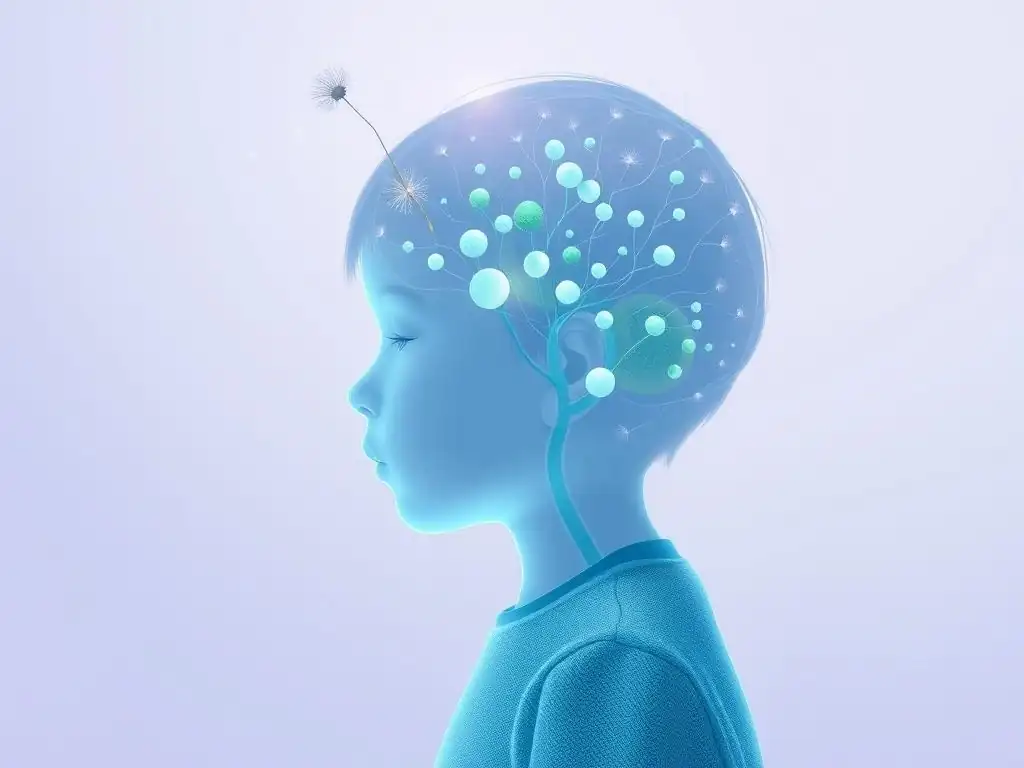
Exploring the Link Between Gut Health and Mental Wellbeing in Children
The intricate interplay between the gut and the brain forms a significant basis for understanding mental wellbeing, particularly during the critical developmental stages of childhood. Emerging research strongly suggests that the composition and function of a child's gut microbiome can profoundly influence their mood, behavior, and susceptibility to mental health challenges. This connection is mediated through various pathways, including the production of neurotransmitters like serotonin (a significant portion of which is produced in the gut), the modulation of inflammatory responses that can affect brain function, and the generation of metabolites that act as signaling molecules.
Studies have begun to identify patterns in the gut microbiome that appear to correlate with different emotional and behavioral profiles in children. For example, variations in microbial diversity or the abundance of specific bacterial species have been observed in children exhibiting traits associated with anxiety, depression, or even attention difficulties. While these findings are often correlational and complex, they highlight the potential for gut health to be a significant, and often overlooked, factor in the broader picture of children's mental health, reinforcing the importance of the gutbrain connection children mental health.
The Impact of Gut Microbiota on Childhood Anxiety and Depression
Anxiety and depression are increasingly recognized in pediatric populations, and the gut microbiome is emerging as a potential contributing factor. Research suggests that disturbances in the gut microbial balance, known as dysbiosis, might influence the development and severity of these conditions in children. The gut microbiome can affect anxiety and depression through several mechanisms, including altering the levels of neurotransmitters like GABA (an inhibitory neurotransmitter linked to anxiety) and serotonin (involved in mood regulation), influencing the hypothalamic-pituitary-adrenal (HPA) axis which governs stress response, and promoting low-grade inflammation that can impact brain regions associated with mood.
For instance, some studies have found reduced levels of certain beneficial bacteria, such as Bifidobacteria and Lactobacillus species, in children diagnosed with anxiety or depression compared to their peers. Animal models have also shown that transferring gut microbes from anxious or depressed individuals to germ-free animals can induce similar behavioral changes.
While human research is still uncovering the precise causal links and clinical implications, these findings suggest that supporting a healthy and diverse gut microbiome could be a promising avenue for prevention and support in managing childhood anxiety and depression, offering a new perspective on the gutbrain connection children mental health.
Gut Dysbiosis and its Potential Role in Neurodevelopmental Disorders in Children
Neurodevelopmental disorders, including Autism Spectrum Disorder (ASD) and Attention-Deficit/Hyperactivity Disorder (ADHD), are complex conditions with multiple contributing factors. Interestingly, a significant percentage of children with these diagnoses also experience gastrointestinal issues, such as abdominal pain, constipation, or diarrhea – symptoms often associated with gut dysbiosis. This clinical observation has spurred research into the potential link between gut health and the neurological and behavioral symptoms characteristic of these disorders, further exploring the gutbrain connection children mental health.
Studies comparing the gut microbiome of children with ASD to neurotypical children have frequently reported differences in microbial composition, including reduced diversity and altered ratios of specific bacterial groups. While these microbial profiles are not universal and vary widely, certain patterns, such as an increased prevalence of Clostridium species or a decrease in beneficial Bifidobacteria, have been noted in some cohorts.
The mechanisms proposed involve microbial production of neuroactive compounds that might affect brain function, immune system activation leading to neuroinflammation, or altered permeability of the gut lining impacting the passage of substances into the bloodstream. While gut dysbiosis is not considered a primary cause of these complex disorders, understanding its role within the gut-brain axis offers valuable insights into potential contributing factors and avenues for supportive interventions.
Key Factors Influencing the Gut-Brain Axis in Children
Diet and Nutrition: Fueling a Healthy Gut and Mind in Childhood
Diet is arguably the most significant external factor shaping the gut microbiome from infancy through childhood. The food a child consumes directly feeds their gut bacteria, influencing which microbial species thrive.
A diet rich in diverse plant fibers, fermented foods, and whole nutrients promotes a diverse and balanced microbial community, which in turn supports the production of beneficial metabolites like short-chain fatty acids (SCFAs). These SCFAs, particularly butyrate, propionate, and acetate, are crucial for the health of the gut lining, immune function, and can even influence brain function and mood by crossing the blood-brain barrier or signaling via the vagus nerve.
Conversely, a diet high in processed foods, refined sugars, unhealthy fats, and low in fiber can lead to a less diverse microbiome and potentially promote the growth of less beneficial bacteria. This imbalance can contribute to gut inflammation, disrupt gut barrier function ("leaky gut"), and reduce the production of beneficial SCFAs, all of which can negatively impact the gut-brain axis and potentially affect a child's mental wellbeing. Establishing healthy eating habits early is fundamental for nurturing a robust gut microbiome that supports optimal brain development and mental health throughout childhood and beyond.
The Importance of Fiber-Rich Foods for Gut Health in Children
Dietary fiber, found abundantly in fruits, vegetables, whole grains, legumes, nuts, and seeds, is non-digestible by human enzymes but serves as essential fuel for beneficial gut bacteria. These bacteria ferment fiber into SCFAs, which are vital for maintaining a healthy gut lining, reducing inflammation, and providing energy for colon cells. For children, adequate fiber intake is crucial for developing a resilient and diverse gut microbiome that effectively communicates with the brain.
Including a variety of fiber types from different plant sources is key, as different bacteria prefer different fibers. For example, inulin (found in onions, garlic, bananas) and fructans (found in wheat, barley) are prebiotics that specifically nourish certain beneficial bacteria like Bifidobacteria. Ensuring children consume a colorful and varied diet featuring plenty of fruits, vegetables, and whole grains – aiming for roughly their age plus 5 grams of fiber per day (e.g., a 4-year-old needs about 9g/day) – actively supports their gut health and strengthens the gutbrain connection children mental health.
Limiting Processed Foods and Sugary Drinks for Optimal Gut-Brain Function
Highly processed foods and sugary drinks are typically low in fiber and essential nutrients but high in added sugars, unhealthy fats, and artificial additives. These components can negatively impact the gut microbiome by favoring the growth of less beneficial bacteria and potentially promoting inflammation. High sugar intake, for instance, can feed certain microbes that contribute to dysbiosis and may also directly influence mood and energy levels, creating a less stable internal environment.
Regular consumption of such items can lead to a less diverse and less resilient gut microbiome, potentially weakening the positive signaling along the gut-brain axis. Shifting a child's diet away from these foods towards whole, unprocessed options supports a more balanced microbial community, which is better equipped to produce beneficial compounds and maintain healthy communication with the brain. This dietary adjustment is a practical step towards fostering a healthy gutbrain connection children mental health.
Antibiotics and Their Effect on the Gut Microbiome in Children
Antibiotics are powerful medications designed to kill bacteria, and while essential for treating bacterial infections, they do not discriminate between harmful pathogens and beneficial gut microbes. A course of antibiotics, especially broad-spectrum ones, can significantly disrupt the composition and diversity of a child's gut microbiome, often leading to a temporary reduction in beneficial bacteria and an increase in potentially harmful ones. This disruption can persist for weeks, months, or even longer after the antibiotic course is completed.
The impact of antibiotic use, particularly repeated courses early in life, on the developing gut-brain axis is a growing area of concern. Alterations in the microbiome induced by antibiotics could potentially affect neurotransmitter metabolism, immune system programming, and inflammatory pathways that are relevant to brain development and mental health. While antibiotics are sometimes medically necessary, their use in children should be judicious, and strategies to support microbiome recovery after antibiotic treatment, such as consuming fermented foods or targeted probiotics, are often recommended to help mitigate potential negative impacts on the gutbrain connection children mental health.
The Role of Stress on the Gut-Brain Axis in Early Childhood
Stress, particularly chronic or severe stress experienced during critical developmental periods, has a profound impact on the gut-brain axis in children. The brain's stress response system, the HPA axis, interacts closely with the gut. Stress hormones like cortisol can alter gut motility, increase gut permeability, and directly influence the composition and function of the gut microbiome. Conversely, signals from a stressed gut can exacerbate the brain's stress response, creating a negative feedback loop.
In young children, who are still developing their ability to regulate stress, prolonged exposure to adverse experiences (such as parental conflict, neglect, or trauma) can lead to persistent changes in both the gut microbiome and the structure and function of brain areas involved in stress and emotion regulation. This early life stress can predispose children to gastrointestinal issues and potentially increase their vulnerability to anxiety, depression, and other mental health challenges later in life. Understanding and mitigating early life stress is therefore a crucial component of supporting a healthy gutbrain connection children mental health.
Early Life Stress and its Impact on Gut Health and Mental Wellbeing
The first few years of life are a critical window for the development of the gut microbiome and the brain. Experiences during this time, especially stressful ones, can have lasting effects on the gut-brain axis. Research, often from animal models and observational human studies, suggests that early separation from caregivers, unstable environments, or exposure to trauma can lead to long-term changes in gut microbial diversity and function, increased gut permeability, and altered stress hormone levels.
These changes in the gut can, in turn, influence brain development and function, potentially affecting emotional regulation, social behavior, and cognitive abilities. For example, studies on children who have experienced early adversity have sometimes shown different gut microbial profiles compared to those from stable environments, alongside increased rates of anxiety and behavioral issues. This underscores how the environment and stress intersect with the gut-brain connection children mental health, highlighting the importance of providing nurturing and stable environments for young children to support optimal development of this critical axis.
Environmental Factors and Gut Health in Young Children
Beyond diet and stress, other environmental factors play a significant role in shaping the gut microbiome and influencing the gut-brain axis in early childhood. Exposure to microorganisms in the environment is crucial for the maturation and diversification of the gut microbiome. Factors such as mode of birth (vaginal vs. C-section), infant feeding method (breast milk vs. formula), exposure to siblings or pets, living in rural versus urban settings, and even the cleanliness of the home environment can all influence the initial colonization and subsequent development of a child's gut microbial community.
For example, children born vaginally are typically exposed to maternal vaginal and fecal microbes, which colonize their gut early on, differing from those born via C-section who first encounter skin and environmental microbes. Breast milk contains complex sugars (human milk oligosaccharides or HMOs) that act as prebiotics, specifically feeding beneficial Bifidobacteria in the infant gut.
Reduced exposure to diverse microbes due to excessive sanitation or limited outdoor time has also been hypothesized to contribute to less diverse microbiomes. These environmental influences on gut composition can have cascading effects on immune development and signaling along the gut-brain axis, potentially impacting a child's overall health and resilience, including their mental wellbeing via the gutbrain connection children mental health.
Supporting the Gut-Brain Connection for Children's Mental Wellbeing: Practical Strategies
Supporting a healthy gut-brain connection children mental health involves practical strategies that focus on nurturing the gut microbiome and promoting overall wellbeing. These approaches are often complementary and can be integrated into a child's daily routine.
- Dietary Focus:
- Increase consumption of diverse plant-based foods.
- Include fermented foods (e.g., yogurt with live cultures, kefir).
- Limit processed foods and sugary drinks.
- Consider Supplements (under guidance):
- Probiotics.
- Prebiotics.
- Lifestyle Habits:
- Promote physical activity and outdoor play.
- Implement stress management techniques.
- Ensure adequate sleep.
Implementing these strategies can help cultivate a thriving gut microbiome that effectively communicates with the brain, fostering resilience and supporting a child's emotional and behavioral health.
Probiotics and Prebiotics: Nurturing a Healthy Gut Microbiome in Children
Probiotics are live microorganisms that, when administered in adequate amounts, confer a health benefit to the host. Prebiotics are non-digestible fibers that selectively stimulate the growth and activity of beneficial bacteria already residing in the gut. Both can be valuable tools for supporting a healthy gut microbiome in children, thereby potentially strengthening the gut-brain connection children mental health. Probiotic supplementation or consumption of probiotic-rich foods introduces beneficial bacteria, while prebiotics nourish existing helpful microbes, encouraging their proliferation and activity, including the production of beneficial SCFAs.
While research on the direct impact of probiotics and prebiotics on specific childhood mental health conditions is still developing, studies suggest they can influence mood, anxiety, and stress responses, likely by modulating the gut microbiome and its communication with the brain. For instance, some studies have shown that certain strains of Lactobacillus and Bifidobacterium can influence neurotransmitter levels or reduce inflammatory markers. Incorporating these into a child's diet or routine, often after consulting with a healthcare provider, can be a supportive measure for gut health.
Choosing the Right Probiotic Supplement for Children
Selecting a probiotic supplement for a child requires careful consideration, as the effects can be strain-specific. It's not simply about the number of bacteria but the types of bacteria included. Look for supplements that contain well-researched strains known to benefit gut health or have demonstrated potential effects on the gut-brain axis, such as specific strains of Lactobacillus rhamnosus, Bifidobacterium lactis, or Lactobacillus helveticus. The supplement should also provide a sufficient number of live cultures (measured in CFUs - Colony Forming Units), typically in the billions, and be appropriate for the child's age.
It is highly recommended to consult with a pediatrician or a registered dietitian before starting any probiotic supplement for a child. They can help determine if a probiotic is appropriate, recommend specific strains and dosages based on the child's individual needs and health status, and ensure it aligns with other health strategies. This personalized approach is essential for safely and effectively leveraging probiotics to support the gutbrain connection children mental health.
Incorporating Prebiotic-Rich Foods into a Child's Diet
Focusing on dietary sources of prebiotics is often the most sustainable and beneficial approach for children. Prebiotics are naturally found in a wide variety of plant foods, making it easy to incorporate them into a child's regular meals and snacks. Excellent sources include bananas, apples (with the peel), onions, garlic, leeks, asparagus, oats, barley, flaxseeds, and legumes like beans and lentils.
Encouraging children to eat a diverse range of fruits, vegetables, whole grains, and legumes ensures they receive a mix of different types of fibers that nourish various beneficial bacteria in their gut. This dietary strategy not only supports a healthy microbiome but also provides essential vitamins, minerals, and antioxidants crucial for overall growth and development, including brain health. Making these foods a regular part of a child's diet is a foundational step in supporting a strong gutbrain connection children mental health.
Promoting Mindful Eating Habits in Children
How a child eats is almost as important as what they eat. Promoting mindful eating involves encouraging children to pay attention to their body's hunger and fullness cues, eat slowly without distractions, and appreciate the sensory experience of food. This approach can help reduce stress around mealtimes and improve digestion, both of which impact the gut-brain axis. Eating in a relaxed state, rather than rushed or stressed, supports optimal digestive function and nutrient absorption, creating a more favorable environment for beneficial gut bacteria.
Mindful eating also helps children develop a healthier relationship with food, reducing the likelihood of overeating or restrictive eating patterns that could negatively affect gut health. By fostering a calm and positive eating environment, parents can indirectly support the gut-brain connection children mental health, contributing to better physical and emotional regulation.
Encouraging Outdoor Play and Physical Activity for Gut and Brain Health
Physical activity and exposure to diverse environments, especially outdoors, have been shown to positively influence the gut microbiome. Spending time outdoors exposes children to a wider variety of microbes from soil and nature, which can help diversify their gut microbial community. Exercise itself can also alter the composition and function of the gut microbiome, potentially increasing beneficial bacteria and enhancing the production of SCFAs.
Regular physical activity is also a powerful tool for stress reduction and improving mood, directly benefiting the brain. By promoting outdoor play and ensuring children get adequate physical activity, parents support both their physical health and the intricate communication highway between the gut and the brain. This combined approach strengthens the gutbrain connection children mental health, contributing to improved resilience, mood, and overall wellbeing.
Managing Stress and Anxiety in Children: Techniques for a Healthy Gut-Brain Axis
Given the significant impact of stress on the gut-brain axis, teaching children healthy coping mechanisms for stress and anxiety is crucial for supporting their gut health and mental wellbeing. Techniques vary depending on the child's age but can include deep breathing exercises, mindfulness practices adapted for children, yoga or gentle movement, spending time in nature, creative expression (like drawing or music), and ensuring consistent routines and adequate sleep.
Helping children identify and articulate their feelings, providing a safe space for emotional expression, and modeling healthy coping strategies are also vital. By reducing the burden of chronic stress on a child's system, these techniques can help mitigate the negative effects of stress hormones on the gut microbiome and gut barrier function, thereby supporting a healthier gut-brain connection children mental health and building emotional resilience.
Recognizing Signs of Gut-Brain Dysfunction in Children

Identifying potential signs that the gut-brain axis might be disrupted in a child is an important first step in seeking appropriate support. These signs can manifest as a combination of gastrointestinal symptoms and changes in mood or behavior.
- Persistent Digestive Issues:
- Chronic constipation or diarrhea.
- Frequent abdominal pain or discomfort.
- Bloating or excessive gas.
- Unexplained nausea.
- Behavioral and Emotional Changes:
- Increased anxiety or worry.
- Changes in mood, including irritability or sadness.
- Difficulty with emotional regulation.
- Increased sensitivity to stress.
- Changes in appetite or eating patterns (pickiness, decreased interest).
- Sleep disturbances.
- Other Possible Indicators:
- Frequent illness (potentially linked to immune function changes).
- Skin issues (like eczema, sometimes linked to gut health).
- Fatigue.
It's important to remember that these symptoms can have many causes, and gut-brain dysfunction is just one possibility. However, recognizing patterns where gut issues coincide with changes in mental or emotional state warrants further investigation.
When observing a child exhibiting both digestive complaints and behavioral or emotional challenges, considering the possibility of a gut-brain connection is warranted. For instance, a child who frequently experiences stomach aches might also show increased anxiety about school or social situations. Similarly, changes in bowel habits could coincide with periods of heightened irritability or difficulty concentrating. While these correlations don't prove causation, they suggest a potential interplay between the gut and the brain.
Keeping a simple log of symptoms – both physical (like bowel movements, pain) and emotional/behavioral (like mood, anxiety levels, sleep patterns) – can help identify potential patterns. Noticing if certain foods exacerbate symptoms or if stress seems to trigger both gut upset and emotional distress can provide clues. This observational step is valuable before seeking professional guidance regarding the gutbrain connection children mental health.
Seeking Professional Help: When to Consult a Doctor or Therapist
If you observe persistent or concerning digestive issues alongside changes in your child's mood, behavior, or overall wellbeing, it is essential to consult a healthcare professional. Start with your child's pediatrician. They can evaluate the child's symptoms, rule out common medical conditions causing the digestive issues, and assess their overall health status. Be prepared to discuss both the physical and behavioral symptoms you've observed.
Depending on the pediatrician's assessment, they may refer you to specialists, such as a pediatric gastroenterologist for further investigation of gut health, or a child psychologist or therapist for evaluation and support regarding mental health concerns. A collaborative approach between medical doctors and mental health professionals is often most effective when addressing issues potentially related to the gut-brain connection children mental health. Do not delay seeking help if you are concerned about your child's health or wellbeing.
The Future of Gut-Brain Research in Pediatric Mental Health
The field of the gut-brain connection in children's mental health is rapidly evolving. Ongoing research is delving deeper into the specific mechanisms by which the gut microbiome influences brain development and function throughout childhood. Scientists are using advanced techniques, such as sequencing the entire microbial genome (metagenomics), analyzing microbial metabolites (metabolomics), and using functional MRI to observe brain activity, to better understand the intricate dialogue along the gut-brain axis in young individuals.
Future research aims to identify specific microbial signatures associated with different mental health conditions in children and to understand how early life factors, including genetics, environment, diet, and antibiotic exposure, shape this connection. This deeper understanding is crucial for developing targeted interventions and personalized approaches to support children's mental wellbeing by leveraging the power of the gut-brain axis. The potential for novel therapies is particularly exciting.
Emerging Therapies Targeting the Gut-Brain Axis for Children's Mental Health
Based on the growing understanding of the gut-brain connection children mental health, researchers are exploring novel therapeutic strategies that target the gut microbiome to potentially improve mental health outcomes in children. These emerging therapies go beyond traditional probiotics and prebiotics and include approaches like fecal microbiota transplantation (FMT), though this is currently primarily used for severe Clostridioides difficile infections and is highly experimental for mental health conditions.
Other areas of exploration involve developing 'psychobiotics' – specific probiotic strains or combinations that have demonstrated psychological benefits in studies. Additionally, research is looking into postbiotics (beneficial compounds produced by bacteria) and synbiotics (combinations of probiotics and prebiotics) designed to optimize specific aspects of the gut-brain axis. While these therapies are still largely in the research or early clinical trial phase for pediatric mental health, they represent a promising future direction, offering the potential for new, less invasive interventions to support children's emotional and behavioral health.
The Importance of Ongoing Research and Education in this Field
Continued investment in research is vital to fully unravel the complexities of the gut-brain connection in children. Large-scale, long-term studies are needed to establish clearer causal links between specific microbial profiles, dietary patterns, environmental exposures, and mental health outcomes in pediatric populations. Understanding the critical windows of development and how interventions at different ages might have varying impacts is also crucial.
Equally important is educating parents, caregivers, educators, and healthcare professionals about the significance of the gut-brain axis in childhood. Raising awareness about the link between gut health and mental wellbeing empowers families to make informed lifestyle and dietary choices that can support their children's development. Sharing research findings and promoting evidence-based strategies ensures that the potential of targeting the gut-brain connection children mental health can be responsibly integrated into care and prevention efforts.
Conclusion: Nurturing a Healthy Gut-Brain Connection for a Brighter Future for Children
The gut-brain connection represents a fundamental pathway influencing a child's development, health, and mental wellbeing. From shaping brain architecture in infancy to modulating mood and behavior in later childhood, the intricate communication between the gut and the brain plays a pivotal role. Factors like diet, stress, antibiotics, and environmental exposures significantly impact this axis, either supporting its healthy function or contributing to disruptions that may affect mental health.
By focusing on nurturing a healthy gut microbiome through balanced nutrition rich in fiber and prebiotics, limiting processed foods, promoting physical activity, managing stress, and ensuring judicious use of antibiotics, parents and caregivers can actively support a robust gut-brain connection children mental health. While research continues to uncover the full potential of this field, recognizing the importance of this connection today empowers us to implement practical strategies that can lay a strong foundation for a child's cognitive, emotional, and behavioral health, paving the way for a brighter and more resilient future.
Frequently Asked Questions
How does the gut-brain connection specifically impact a child's mental health?
The gut and brain communicate bidirectionally. In children, an unhealthy gut microbiome can disrupt this communication, potentially leading to issues like anxiety, depression, and ADHD.
What role does diet play in fostering a healthy gut-brain axis in children?
A diet rich in fiber, fruits, vegetables, and probiotics supports a diverse and balanced gut microbiome. This, in turn, can positively influence brain function and mood regulation, contributing to better mental wellbeing.
Are there specific mental health conditions in children that are strongly linked to the gut-brain connection?
While research is ongoing, conditions like anxiety, depression, autism spectrum disorder (ASD), and ADHD have shown potential links to gut health and the gut-brain axis in children.
What practical steps can parents take to improve their child's gut health and support their mental wellbeing?
Parents can focus on providing a balanced diet, encouraging outdoor play, limiting processed foods and sugars, and consulting a pediatrician or registered dietitian for personalized advice regarding probiotics or prebiotics.
How can understanding the gut-brain connection help in the treatment of mental health challenges in children?
By addressing gut health, treatment approaches can become more holistic. It may involve dietary changes, probiotic supplementation, or other interventions aimed at improving the gut microbiome alongside traditional therapy or medication.
Final Reflection: Nurturing the Mind-Gut Axis for a Brighter Future
The intricate relationship between the gut and the brain in children is no longer a niche scientific concept; it's a foundational pillar of their mental wellbeing. Understanding this connection is crucial, not just for treating existing mental health challenges, but for proactively building resilient and emotionally healthy children. Ignoring this powerful link means missing a significant opportunity to improve the lives of countless young people.
The impact of the gut-brain axis on childhood development is profound and far-reaching. We've seen how early life experiences, diet, and even stress can significantly alter the gut microbiome, influencing everything from mood regulation to cognitive function. The gut is the second brain.
This adage, while simplified, highlights the undeniable influence of gut health on mental health throughout life, but especially during the formative years of childhood. The more we learn, the clearer it becomes that fostering a healthy gut microbiome is not just about digestion; it's about cultivating emotional resilience and cognitive strength.
Now, consider your own role in this. You have the power to influence the gut-brain connection in children – whether they are your own, your students, or children in your community. Are you prioritizing gut-friendly foods and minimizing stress in the lives of the young people around you? Are you advocating for greater awareness of this crucial connection within your sphere of influence? The future of mental wellbeing in children rests, in part, on our collective understanding and action. Let's work together to nurture the mind-gut axis and empower the next generation to thrive.
Unlock Your Child's Inner Calm: Nurture a Thriving Gut-Brain Connection
Thanks for taking the time to explore the fascinating world of the gut-brain connection in children! You've learned how vital gut health is to their mental wellbeing. Now, let's put this knowledge into action.
- Prioritize Gut-Friendly Foods: Start incorporating more probiotic-rich foods and fiber into your child's diet today. Even small changes can make a big difference.
- Share Your Discoveries: Spread the word! Talk to other parents about the importance of gut health for their children's mental wellness.
- Dive Deeper: Consider exploring child-specific probiotic supplements or seeking advice from a pediatrician or registered dietitian for personalized guidance.
What simple step will you take today to nurture your child's gut-brain connection and contribute to their overall mental well-being?