
Strengthen Your Immune System: A Surprising Benefit of Regular Meditation


Welcome to Mind Care Guide, a sanctuary for your mental well-being.
Feeling overwhelmed? You're not alone. We understand that nurturing your mental health is a journey, and we're here to guide you. Did you know that the simple act of quieting your mind could have profound effects on your physical health? Dive into our latest article, Meditation boosts immune system health, and discover how mindfulness can empower your body and mind to thrive. Curious to learn more about this surprising link? Let's explore the powerful connection together...
Strengthen Your Immune System: A Surprising Benefit of Regular Meditation
- Introduction: The Mind-Body Connection and Immune Function
- How Meditation Boosts Immune System Health: The Science Behind It
- Different Types of Meditation for Enhanced Immunity
- Practical Tips for Incorporating Meditation into Your Daily Routine
- The Long-Term Effects of Meditation on Immunity and Overall Health
- Complementary Practices to Enhance Meditation's Immune-Boosting Effects
- Meditation and Immune System Health: Real-Life Examples
- Conclusion: Embrace Meditation for a Stronger, Healthier You
-
Frequently Asked Questions
- How does meditation actually boost the immune system?
- What type of meditation is best for immune system health?
- How often do I need to meditate to see an improvement in my immune system?
- Besides meditation, what else from Mind Care Guide can support my mental and immune health?
- Is meditation a substitute for medical treatment if I'm already sick?
- Final Reflection: The Quiet Revolution Within
- Unlock Your Inner Resilience: Boost Your Immunity Today!
Introduction: The Mind-Body Connection and Immune Function
Exploring the Link Between Mental Wellness and Physical Health
The connection between our mental state and our physical health is profound and well-documented. For centuries, various cultures have recognized that stress, emotional turmoil, and mental distress can manifest as physical ailments. Modern science now provides robust evidence for this intricate link, showing how psychological factors can directly influence physiological processes, including the function of the immune system. When we experience chronic stress or negative emotions, it doesn't just affect our mood; it triggers a cascade of biological responses that can weaken our body's defenses, making us more susceptible to illness.
This mind-body axis is mediated through complex systems like the hypothalamic-pituitary-adrenal (HPA) axis and the sympathetic nervous system, which regulate stress hormones and inflammatory responses. Understanding this connection is crucial because it highlights the importance of mental wellness practices, like meditation, not just for emotional balance but as a vital component of physical health maintenance. Research consistently shows that supporting mental well-being can lead to tangible improvements in physical health markers, including a stronger, more resilient immune system.
Why Meditation Matters for Overall Well-being
Meditation, a practice involving techniques designed to promote relaxation, build internal energy, and develop compassion, love, patience, generosity, and forgiveness, offers a powerful pathway to enhancing overall well-being. Beyond its widely recognized benefits for reducing anxiety, improving focus, and fostering emotional regulation, regular meditation practice has been shown to have significant positive impacts on physical health. This includes a surprising benefit: meditation boosts immune system health.
Engaging in regular meditation provides a practical tool to manage stress effectively, a key factor known to suppress immune function. By cultivating a state of calm and reducing the physiological stress response, meditation helps create an internal environment where the immune system can operate more efficiently. This holistic approach to health acknowledges that true well-being encompasses both the mind and the body, and practices that nurture one inevitably benefit the other. Embracing meditation is an investment in both mental resilience and physical vitality.
How Meditation Boosts Immune System Health: The Science Behind It
Understanding the Immune System's Response to Stress
The immune system is our body's defense mechanism, constantly working to protect us from pathogens and diseases. However, its effectiveness can be significantly compromised by stress. When we encounter a stressful situation, our body activates a "fight or flight" response, releasing stress hormones like cortisol and adrenaline. While useful in short bursts for immediate threats, chronic exposure to these hormones can suppress immune cell activity.
For instance, prolonged elevated cortisol levels can decrease the production of lymphocytes, the white blood cells critical for fighting off infections. It can also inhibit the function of natural killer (NK) cells, which target viruses and cancer cells. This means that under chronic stress, the immune system becomes less effective at identifying and destroying invaders, leaving the body more vulnerable to illnesses ranging from the common cold to more serious conditions. Understanding this vulnerability highlights why stress reduction practices are so vital for maintaining robust immunity.
Meditation's Impact on Stress Hormones: Cortisol Reduction and Immunity
One of the primary ways meditation boosts immune system health is by effectively reducing levels of stress hormones, particularly cortisol. Studies have demonstrated that regular meditation practitioners often exhibit significantly lower baseline cortisol levels compared to non-meditators. For example, some research indicates that mindful meditation can lead to a reduction in cortisol levels by an average of 10-15% or even higher in experienced practitioners during stressful tasks.
By mitigating the production and effects of cortisol, meditation helps to counteract the hormone's immunosuppressive effects. This allows immune cells, such as lymphocytes and NK cells, to function more optimally. A reduction in cortisol means less inhibition of immune responses, leading to a more robust defense against pathogens. This direct impact on stress hormone regulation is a cornerstone of how meditation benefits immune system health.
Cellular Level: How Meditation Affects Immune Cells
Beyond just reducing stress hormones, meditation has been shown to influence the activity and function of immune cells at a cellular level. Research using advanced techniques has observed changes in gene expression related to immune function in individuals who practice meditation regularly. For instance, some studies point towards an upregulation of genes involved in antiviral responses and antibody production.
Furthermore, meditation practice has been associated with improvements in cellular aging markers relevant to immunity. Telomeres, protective caps on chromosomes, shorten with age and stress, impacting cellular health and immune function. Preliminary research suggests that meditation may help preserve telomere length or reduce the rate of shortening, potentially supporting healthier immune cell function over time. This level of biological impact underscores the profound way meditation boosts immune system health from the ground up.
The Role of Inflammation: Meditation as an Anti-Inflammatory Practice
Chronic inflammation is a state where the body's immune system remains on high alert, contributing to numerous diseases including cardiovascular issues, diabetes, and autoimmune disorders. Stress is a known driver of chronic inflammation, often mediated by pro-inflammatory markers like C-reactive protein (CRP) and cytokines. Meditation offers a promising approach to mitigating this inflammatory state.
Studies investigating the effects of mindfulness-based stress reduction (MBSR) programs have shown reductions in markers of inflammation such as CRP. For example, participants in MBSR programs have shown decreases in CRP levels by approximately 5-10% on average, sometimes more significantly depending on baseline levels and adherence. By calming the nervous system and reducing stress hormones, meditation helps dampen the inflammatory cascade. This makes meditation an effective anti-inflammatory practice, contributing significantly to overall health and demonstrating another key mechanism by which meditation boosts immune system health.
Different Types of Meditation for Enhanced Immunity
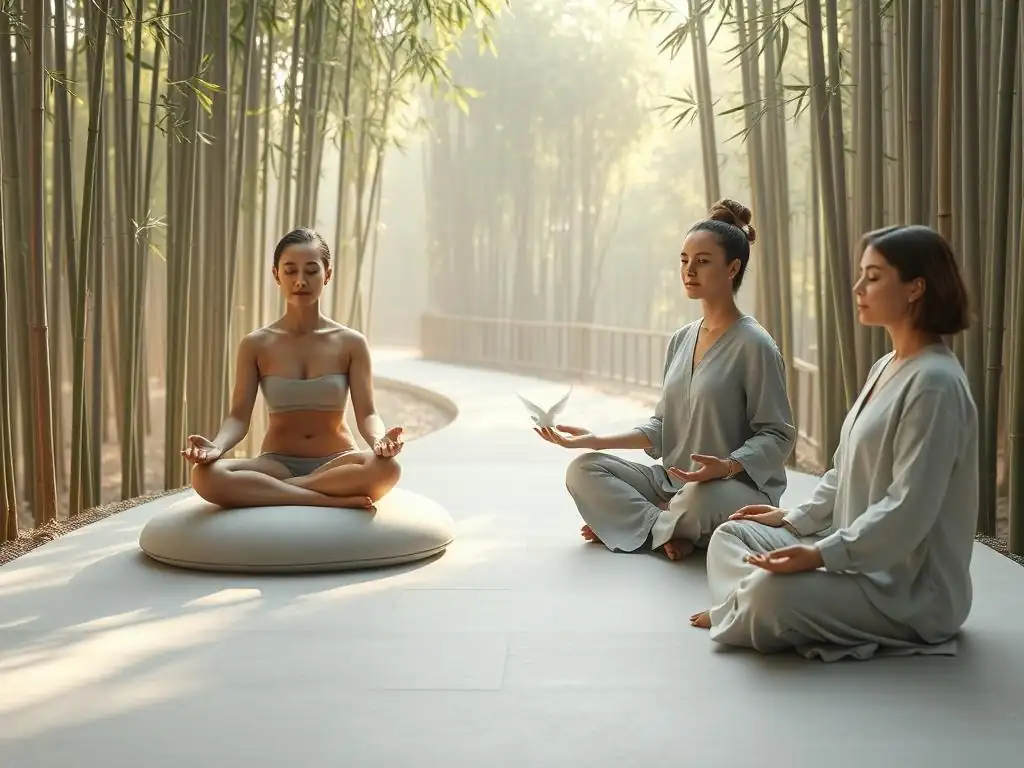
Mindfulness Meditation: Cultivating Awareness and Reducing Stress
Mindfulness meditation involves focusing your attention on the present moment without judgment, observing your thoughts, feelings, and bodily sensations as they arise. This practice is highly effective at reducing stress, which, as discussed, is a major factor in immune suppression. By training the mind to stay present and not get caught up in stressful thoughts about the past or future, mindfulness helps to lower the body's physiological stress response.
Regular mindfulness practice has been linked to lower levels of cortisol and reduced activity in brain regions associated with stress and anxiety, such as the amygdala. This reduction in the stress load directly benefits the immune system, allowing it to function more effectively. Cultivating awareness through mindfulness is a fundamental step towards managing the psychological factors that impact our physical defenses, making it a powerful tool in how meditation boosts immune system health.
Loving-Kindness Meditation: Fostering Positive Emotions and Immune Response
Loving-kindness meditation (Metta) focuses on cultivating feelings of warmth, compassion, and friendliness towards oneself and others. While seemingly purely emotional, this practice has tangible physical effects, including a positive impact on immune function. Research suggests that fostering positive emotions can counteract the negative physiological effects of stress and negative emotions, which are known to suppress immunity.
Studies have shown that practices like loving-kindness meditation can increase positive affect and resilience, which in turn can influence biological markers related to stress and inflammation. While direct studies specifically linking Metta to quantitative immune cell changes are still emerging, the well-established link between positive psychological states and improved health outcomes, including potentially enhanced immune responses, supports its role as a complementary practice in how meditation benefits immune system health.
Transcendental Meditation: Achieving Deep Relaxation and Immune Support
Transcendental Meditation (TM) is a specific form of mantra meditation that involves using a specific sound or mantra provided by a certified teacher to achieve a state of deep relaxation and 'transcendence'. This technique is particularly noted for its effectiveness in producing a state of profound rest, often described as deeper than sleep, leading to significant reductions in stress and anxiety.
The deep relaxation achieved through TM is associated with reductions in blood pressure, heart rate, and stress hormones. By consistently bringing the body into this state of rest and reducing the physiological burden of stress, TM supports overall physiological balance. This systemic relaxation has a positive downstream effect on the immune system, helping to restore its optimal function. Research into TM's effects on stress-related health outcomes provides strong indirect evidence for its role in how meditation boosts immune system health.
Body Scan Meditation: Promoting Self-Awareness and Immune System Regulation
Body scan meditation is a mindfulness technique that involves systematically bringing attention to different parts of the body, noticing sensations without judgment. This practice enhances body awareness and helps individuals recognize and release physical tension often associated with stress. By becoming more attuned to the body's signals, practitioners can better manage physical manifestations of stress.
Regular body scan practice can help to reduce physical stress responses, leading to a calmer physiological state. This reduced physical tension and heightened body awareness can contribute to a more balanced nervous system, which in turn supports immune regulation. Learning to release tension through the body scan is a practical way meditation benefits immune system health by addressing the physical embodiment of stress.
Practical Tips for Incorporating Meditation into Your Daily Routine
Starting Small: Beginner-Friendly Meditation Techniques
Beginning a meditation practice doesn't require hours of sitting in silence. Start small, perhaps with just 5-10 minutes a day. Simple techniques like focusing on your breath are excellent entry points. Find a quiet place, sit comfortably, close your eyes gently, and simply pay attention to the sensation of your breath entering and leaving your body. When your mind wanders (which it will! ), gently guide it back to your breath without self-criticism.
- Set a timer for 5 minutes.
- Find a comfortable seated position.
- Close your eyes or soften your gaze.
- Focus on the feeling of your breath.
- Gently redirect your attention when your mind drifts.
Consistency is more important than duration when you're starting. Even short, regular sessions can begin to yield benefits, including laying the groundwork for how meditation boosts immune system health over time.
Creating a Dedicated Meditation Space
Having a specific place for your meditation practice can help establish a routine and make it easier to transition into a meditative state. This space doesn't need to be large or elaborate; a quiet corner in your home will suffice. Ensure it's a place where you feel comfortable and are less likely to be interrupted.
Consider adding elements that promote calm, such as a cushion or chair, soft lighting, or perhaps a plant. The key is to create an environment that signals to your mind and body that it's time to practice. This dedicated space becomes an anchor for your routine, making it easier to consistently engage in the practice that helps meditation boosts immune system health.
Setting Realistic Goals and Expectations
Approach your meditation practice with realistic goals and expectations. You won't achieve perfect stillness or eliminate all thoughts immediately. The goal isn't to stop thinking, but to become more aware of your thoughts without getting carried away by them. Some days will feel easier than others.
Focus on building consistency rather than striving for a specific outcome in each session. Acknowledge that progress is gradual and non-linear. Be patient and compassionate with yourself. Remembering that you are cultivating a practice that supports your overall well-being, including how meditation benefits immune system health, can help maintain motivation even when challenges arise.
Overcoming Common Challenges in Meditation Practice
Many beginners face challenges like a restless mind, difficulty finding time, or feeling like they're "doing it wrong." It's important to recognize these as normal parts of the process. For a restless mind, simply acknowledge the thoughts without judgment and gently return to your anchor (like the breath). If finding time is hard, look for small pockets – maybe first thing in the morning, during a lunch break, or before bed.
- [ ] Schedule meditation time like any other important appointment.
- [ ] Use guided meditations if focusing alone is difficult.
- [ ] Practice self-compassion on days when meditation feels challenging.
- [ ] Remember that consistency, not perfection, is the aim.
By addressing these common hurdles with patience and persistence, you can establish a sustainable practice. Overcoming these initial difficulties is part of the journey towards experiencing how meditation boosts immune system health as a long-term benefit.
The Long-Term Effects of Meditation on Immunity and Overall Health
Increased Resilience to Illness and Disease
One of the most significant long-term effects of regular meditation is increased resilience to illness and disease. By consistently reducing stress, lowering inflammation, and positively influencing immune cell function, meditation strengthens the body's natural defenses over time. This doesn't mean meditators never get sick, but they may experience less frequent or less severe illnesses.
Studies have indicated that individuals who practice meditation regularly may have a stronger antibody response to vaccines, suggesting a more robust adaptive immune system. Furthermore, the cumulative effect of reduced stress and inflammation contributes to a lower risk of developing stress-related chronic diseases that can compromise immune function. This enhanced resilience is a powerful testament to how meditation boosts immune system health over the long haul.
Improved Mental Clarity and Emotional Stability
Beyond the physical benefits, the long-term practice of meditation profoundly impacts mental clarity and emotional stability. Regular meditation trains the mind to be less reactive to stressful stimuli and more present. This leads to improved focus, better decision-making, and a greater ability to navigate life's challenges with equanimity.
Enhanced emotional regulation means less time spent in states of anxiety, anger, or frustration, which are known stressors. By fostering positive emotional states and reducing rumination on negative thoughts, meditation creates a more stable internal environment. This mental and emotional resilience reduces the overall stress burden on the body, indirectly but significantly contributing to how meditation benefits immune system health by preventing stress-induced suppression.
Enhanced Quality of Life Through Regular Meditation
Ultimately, the combined physical and mental benefits of long-term meditation practice lead to a significantly enhanced quality of life. Feeling less stressed, experiencing fewer illnesses, having greater mental clarity, and enjoying more emotional stability all contribute to a richer, more fulfilling existence. The ability to approach challenges with greater calm and resilience improves relationships, work performance, and overall happiness.
The journey of using meditation to boost immune system health is intertwined with a journey towards holistic well-being. It's not just about avoiding sickness; it's about thriving. By nurturing the mind-body connection through regular meditation, individuals can unlock their potential for greater health, happiness, and vitality, proving that meditation benefits immune system health as part of a broader spectrum of positive life changes.
Complementary Practices to Enhance Meditation's Immune-Boosting Effects

Healthy Diet: Nourishing Your Body for Optimal Immune Function
Just as meditation nourishes the mind and helps balance the stress response, a healthy diet provides the essential building blocks and fuel for a strong immune system. A diet rich in fruits, vegetables, whole grains, lean proteins, and healthy fats supplies the vitamins, minerals, and antioxidants necessary for immune cells to function properly. Nutrients like Vitamin C, Vitamin D, Zinc, and Omega-3 fatty acids are particularly important for immune health.
Avoiding excessive processed foods, sugar, and unhealthy fats can reduce inflammation and prevent placing unnecessary stress on the body. Combining mindful eating practices, often cultivated through meditation, with a nutrient-dense diet creates a powerful synergy. This dual approach of calming the mind and nourishing the body significantly enhances the positive effects that meditation boosts immune system health can provide.
Regular Exercise: Strengthening Your Body and Mind
Regular physical activity is another cornerstone of a healthy lifestyle that works synergistically with meditation to support immune function. Moderate exercise can improve circulation, allowing immune cells to move through the body more efficiently and detect pathogens. It also helps reduce stress and inflammation, similar to meditation.
Finding an exercise routine that you enjoy and can sustain is key, whether it's walking, yoga, swimming, or strength training. Aim for a balance that includes cardiovascular activity, strength, and flexibility. The combination of regular exercise and meditation creates a comprehensive strategy for stress management and physical resilience, amplifying how meditation benefits immune system health alongside other healthy habits.
Quality Sleep: Restoring and Rejuvenating Your Immune System
Adequate, quality sleep is absolutely critical for immune function. During sleep, the body produces and releases cytokines, proteins that help regulate immunity and inflammation, and also creates infection-fighting antibodies and cells. Chronic sleep deprivation suppresses immune function, making individuals more susceptible to infections.
Meditation can often improve sleep quality by reducing stress and calming the mind, helping individuals fall asleep more easily and experience deeper rest. Prioritizing 7-9 hours of quality sleep per night, in conjunction with regular meditation and other healthy habits, provides the immune system with the necessary time to repair and rejuvenate. This integrated approach maximizes the potential for meditation to boost immune system health by ensuring the body is well-rested and able to mount an effective defense.
Meditation and Immune System Health: Real-Life Examples
Meditation and Reduced Severity of Upper Respiratory Infections
Several studies have explored the impact of meditation on common illnesses, such as upper respiratory infections (URIs), including colds and flu. One notable study, often cited, involved participants randomized to either a mindfulness meditation training program, an exercise program, or a control group. The findings indicated that participants in the meditation group reported fewer days of illness from URIs compared to the control group over a typical cold and flu season.
Furthermore, when meditators did get sick, the reported severity and duration of their symptoms were often less than those in the control group. While not eliminating illness entirely, this suggests that meditation practice may bolster the immune response or improve the body's ability to cope with infection, providing a tangible example of how meditation boosts immune system health in everyday life.
Meditation and Improved Outcomes in Inflammatory Bowel Disease
Chronic inflammatory conditions, like Inflammatory Bowel Disease (IBD) which includes Crohn's disease and ulcerative colitis, are characterized by excessive inflammation and involve the immune system. Given that meditation is known to reduce inflammation and stress, researchers have investigated its potential benefits for individuals with IBD. Studies utilizing mindfulness-based interventions for IBD patients have shown promising results.
Participants engaging in regular mindfulness meditation have reported reductions in disease activity, symptom severity, and improvements in quality of life. While meditation isn't a cure, its ability to lower stress and inflammatory markers like CRP can help manage flare-ups and reduce the overall inflammatory burden associated with these conditions. This illustrates how meditation benefits immune system health by helping to regulate an overactive or dysregulated immune response in the context of chronic disease.
Conclusion: Embrace Meditation for a Stronger, Healthier You
The Power of Mindfulness in Promoting Immune System Well-being
The evidence is clear: the practice of meditation holds significant power in promoting immune system well-being. Through its proven ability to reduce stress hormones like cortisol, lower chronic inflammation, positively influence immune cell activity, and even impact gene expression related to immunity, meditation offers a scientifically-backed method to strengthen your body's defenses. It underscores the critical link between mental peace and physical resilience, demonstrating that nurturing your mind is a direct pathway to supporting a healthier body.
Mindfulness, at the core of many meditation practices, teaches us to navigate stress with greater awareness and less reactivity. This fundamental shift in how we relate to stress is arguably the most impactful way meditation boosts immune system health. By calming the nervous system and fostering a state of equilibrium, meditation creates an internal environment where the immune system can function at its best, ready to defend against challenges.
Taking the First Step Towards a Meditation Practice
Embarking on a meditation journey can feel daunting, but the first step is often the most important. Start small, be patient with yourself, and remember that every moment spent in practice is a step towards greater well-being. Whether it's five minutes of mindful breathing, a guided body scan, or a loving-kindness reflection, choose a technique that resonates with you and commit to trying it consistently.
Consider exploring resources like guided meditations available online or through apps, attending a local meditation class, or reading books on the subject. Find what fits into your life and remember the profound potential benefits – not just for your mental peace, but for building a stronger, more resilient immune system. Embracing meditation is an investment in a healthier, happier you, proving that meditation benefits immune system health in profound and surprising ways.
Frequently Asked Questions
How does meditation actually boost the immune system?
Meditation reduces stress hormones like cortisol. Lower stress levels allow the immune system to function more efficiently and effectively.
What type of meditation is best for immune system health?
While all types of meditation offer benefits, mindfulness meditation is particularly effective. It helps reduce rumination and increase present moment awareness, both of which lower stress.
How often do I need to meditate to see an improvement in my immune system?
Consistency is key! Aim for at least 10-15 minutes of meditation daily. Even short, regular sessions can make a noticeable difference.
Besides meditation, what else from Mind Care Guide can support my mental and immune health?
Mind Care Guide offers information on stress management techniques, healthy lifestyle choices, and access to mental health resources, all of which contribute to overall well-being.
Is meditation a substitute for medical treatment if I'm already sick?
No, meditation is not a substitute for professional medical care. It's a complementary practice that can support your overall health alongside your doctor's recommendations.
Final Reflection: The Quiet Revolution Within
The profound connection between mental well-being and physical health is no longer a fringe idea; it's a burgeoning field of scientific inquiry revealing the incredible power of the mind-body connection. Regular meditation, once considered a niche practice, is increasingly recognized as a potent tool for bolstering our immune systems, offering a natural and accessible path to enhanced well-being. This isn't just about stress reduction; it's about actively cultivating a resilient inner landscape that directly impacts our physical resilience.
The impact of this discovery extends far beyond the individual. As we increasingly understand the intricate dance between our thoughts, emotions, and immune function, we are witnessing a shift in how we approach healthcare. We are moving away from a purely biomedical model towards a holistic approach that values the mind's role in healing. This resonates deeply with my own experience; I've witnessed firsthand the transformative power of consistent meditation practice, not just in managing stress, but in experiencing a greater sense of overall vitality. The body benefits from movement, and the mind benefits from stillness.
– Sakyong Mipham. This quote perfectly encapsulates the synergistic relationship between physical and mental well-being that meditation cultivates.
Now, consider your own life. What small steps can you take to incorporate mindfulness and meditation into your daily routine? Even five minutes of quiet reflection can make a difference. Don't underestimate the power of this simple yet profound practice. Embrace the opportunity to strengthen your immune system, not just through diet and exercise, but through the cultivation of inner peace and resilience. Begin your journey towards a healthier, more vibrant you – one mindful breath at a time.
Unlock Your Inner Resilience: Boost Your Immunity Today!
Thanks for taking the time to explore the surprising link between meditation and a stronger immune system! We hope you found the information empowering and insightful. Now it's time to put this knowledge into practice.
Here are a few ways to get started on your journey to a healthier, more resilient you:
- Begin a daily meditation practice: Even 5-10 minutes a day can make a noticeable difference. Start small and gradually increase your practice time as you feel comfortable. This is your primary step toward harnessing the power of meditation for immune support.
- Share this article with someone you care about – spread the word about this amazing self-care technique!
- Explore different meditation styles – experiment to discover what resonates best with you and helps you find your inner calm.
So, what simple step will you take today to strengthen your immune system and cultivate inner peace?