
Mindfulness: A Simple Guide to Presence and Awareness

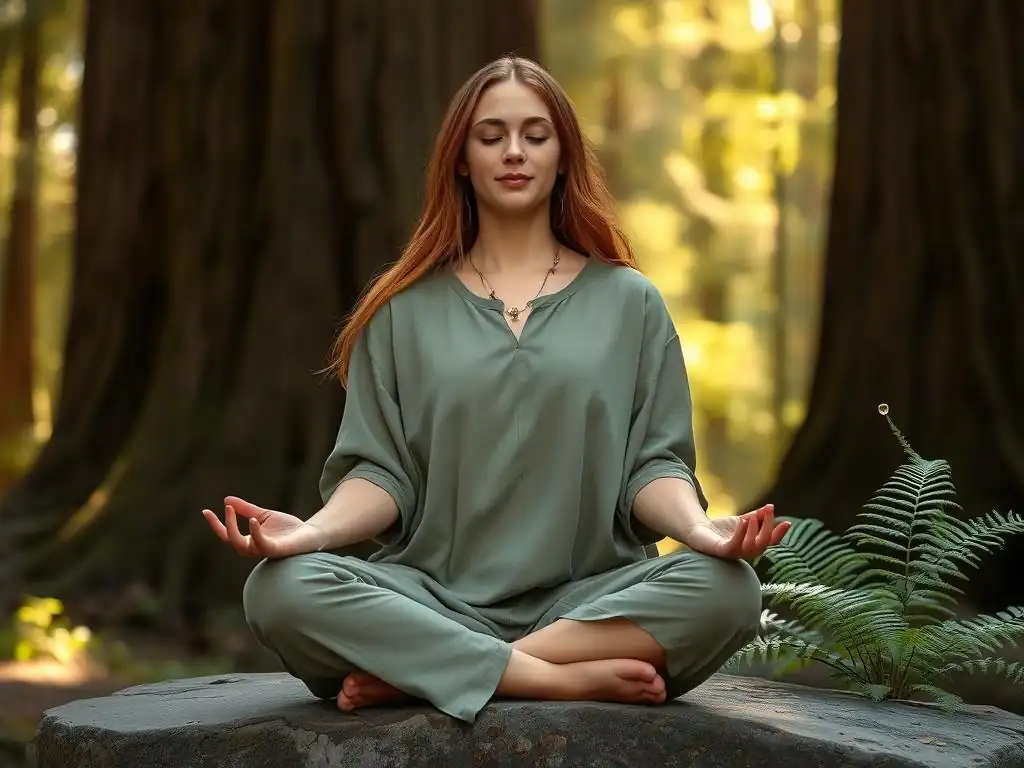
Welcome to Mind Care Guide, a safe space where your mental well-being is our priority.
Feeling overwhelmed by anxiety? You're not alone. Discover how the simple practice of mindfulness can be a powerful tool in finding relief. This guide delves into mindfulness for anxiety relief, offering practical techniques and insights to help you cultivate presence and awareness, and reclaim your inner peace. Are you ready to begin your journey to a calmer, more centered you?
Mindfulness: A Simple Guide to Presence and Awareness
- Understanding Mindfulness: Your Path to Inner Peace
- Mindfulness for Anxiety Relief: Finding Calm in the Present Moment
- Practical Mindfulness Techniques for Daily Life
- Integrating Mindfulness into Your Daily Routine
- Benefits of Mindfulness: Beyond Anxiety Reduction
- Overcoming Challenges in Mindfulness Practice
- Mindfulness Resources and Further Exploration
- Mindfulness: A Continuous Journey of Self-Discovery
-
Frequently Asked Questions
- What exactly is mindfulness, and how does it relate to mental well-being?
- How can practicing mindfulness provide anxiety relief?
- What are some simple techniques to start practicing mindfulness?
- How often should I practice mindfulness to experience its benefits for anxiety?
- Are there any specific resources or support systems available for learning more about mindfulness for anxiety?
- Final Reflection: Cultivating Calm in a Chaotic World
- Unlock Your Inner Calm: Start Your Mindfulness Journey Today!
Understanding Mindfulness: Your Path to Inner Peace
What is Mindfulness? Defining Presence and Awareness
Mindfulness is fundamentally about paying attention to the present moment without judgment. It involves deliberately bringing your awareness to what is happening internally – your thoughts, feelings, and bodily sensations – and externally – the sights, sounds, and other sensory information around you – right now. It is not about emptying your mind or achieving a state of perpetual calm, but rather about observing your experience as it unfolds, accepting it for what it is, moment by moment. This simple act of non-judgmental observation forms the bedrock of mindfulness practice.
The practice cultivates a state of being fully engaged with the present, rather than being caught up in worries about the future or regrets about the past. It's like shining a spotlight on your current experience, noticing the details you might otherwise miss in the hustle of daily life. This heightened awareness allows you to respond to situations more thoughtfully, rather than reacting impulsively. It's a skill that can be learned and strengthened over time, offering a powerful tool for navigating life's challenges with greater clarity and ease.
The Core Principles of Mindfulness Practice
At the heart of mindfulness lie several interconnected principles. Non-judgment is perhaps the most crucial; it means observing your thoughts and feelings without labeling them as good or bad, right or wrong. Acceptance goes hand-in-hand with non-judgment, involving acknowledging your present experience, whether pleasant or unpleasant, without trying to change it or push it away. Patience is also key, recognizing that developing mindfulness is a gradual process, not an overnight transformation, and progress comes with consistent, gentle effort.
Other core principles include beginner's mind, approaching each moment with curiosity as if for the first time; trust, in yourself and your own wisdom; non-striving, letting go of the need to achieve a specific outcome from your practice; and letting go, releasing thoughts, feelings, and sensations as they arise, without clinging to them. These principles guide the practice, transforming it from a mere technique into a profound way of relating to yourself and the world, ultimately fostering greater inner peace and resilience.
Mindfulness for Anxiety Relief: Finding Calm in the Present Moment
How Mindfulness Reduces Anxiety Symptoms
Mindfulness offers a powerful pathway for Mindfulness for anxiety relief by shifting your relationship with anxious thoughts and feelings. Anxiety often involves dwelling on future uncertainties or past events, creating a cycle of worry. Mindfulness interrupts this cycle by grounding you in the present moment.
Instead of being swept away by anxious thoughts, you learn to observe them as transient mental events, not absolute truths. This creates a sense of distance from the anxiety, reducing its power over you. For instance, someone experiencing social anxiety might learn to notice the physical sensations (like a racing heart) and thoughts ("Everyone is judging me") without automatically reacting with avoidance.
By focusing on the breath or bodily sensations, mindfulness practices anchor your attention away from the anxious narrative. This redirection of focus helps to calm the nervous system. Regular practice can also make you more aware of the early signs of anxiety, allowing you to apply coping strategies before the feelings become overwhelming. Studies, including those involving individuals with generalized anxiety disorder, have shown significant reductions in self-reported anxiety levels after participating in mindfulness-based programs, sometimes decreasing symptom severity by approximately 30-40% over an 8-week period compared to control groups.
The Science Behind Mindfulness and Anxiety Reduction
The effectiveness of Mindfulness for anxiety relief is supported by a growing body of scientific evidence, particularly through neuroimaging studies. Research indicates that regular mindfulness practice can lead to observable changes in the brain structures and activity associated with anxiety. Specifically, studies using fMRI scans have shown that mindfulness training can decrease activity in the amygdala, often referred to as the brain's fear center, which is hyperactive in individuals with anxiety disorders. Simultaneously, it can increase connectivity between the prefrontal cortex (responsible for executive functions like attention and decision-making) and the amygdala, allowing for better regulation of emotional responses.
Furthermore, mindfulness practice has been linked to changes in brain waves, promoting alpha and theta wave activity often associated with states of relaxation and calm, while potentially reducing beta wave activity linked to states of stress and alertness. At a physiological level, mindfulness has been shown to lower stress hormones like cortisol and reduce markers of inflammation.
For example, a study on stressed individuals found that an 8-week mindfulness program led to a significant decrease in cortisol levels compared to a control group. These biological and neurological shifts underscore how mindfulness practice physically reconfigures the brain and body to better manage stress and reduce the intensity of anxiety symptoms.
Practical Mindfulness Techniques for Daily Life
Mindfulness Meditation: A Beginner's Guide to Stillness
Mindfulness meditation is perhaps the most widely known practice. It typically involves sitting comfortably, closing your eyes or softening your gaze, and bringing your attention to your breath. The breath serves as an anchor to the present moment.
As thoughts arise – which they inevitably will – the practice is simply to notice them without judgment and gently guide your attention back to the breath. There's no need to force your mind to be empty; the goal is to observe the mind's natural tendency to wander and learn to redirect focus kindly. Starting with just 5-10 minutes a day can be incredibly beneficial.
**Simple Mindfulness Meditation Steps:**
1. Find a quiet place to sit comfortably.
2. Set a timer for a short duration (e.g., 5 minutes).
3. Gently close your eyes or rest them softly on a point in front of you.
4. Bring your attention to the sensation of your breath entering and leaving your body (e.g., at your nostrils, chest, or belly).
5. Notice thoughts, feelings, or sounds as they arise, without judgment.
6. When your mind wanders (and it will!), gently guide your attention back to your breath.
7. When the timer goes off, slowly open your eyes and take a moment before moving.
Consistency is more important than duration when starting. Even short, regular sessions build the muscle of attention and non-judgmental awareness. Many people find guided meditations helpful when beginning, as they provide instructions and structure. Over time, this practice can significantly enhance your ability to stay present and manage challenging internal experiences, contributing greatly to Mindfulness for anxiety relief.
Body Scan Meditation: Cultivating Body Awareness
The body scan meditation involves systematically bringing your attention to different parts of your body, from your toes to the crown of your head. The aim is to notice any sensations present in each area – tingling, warmth, tension, coolness – without trying to change them or judge them. It's an exercise in pure observation. This practice helps you become more attuned to the physical sensations associated with emotions, including anxiety, and can help you release stored tension.
During a body scan, you might lie down or sit comfortably. You'd start by focusing on your feet, noticing any sensations, then move your attention up through your legs, torso, arms, neck, and head. If you encounter areas of discomfort or tension, you simply acknowledge them with curiosity and gentleness, perhaps breathing into that area, but not attempting to fix it. This practice not only increases interoceptive awareness (the ability to perceive internal bodily states) but also provides a powerful way to ground yourself when your mind is racing, which is particularly helpful for Mindfulness for anxiety relief.
Mindful Breathing Exercises: Anchoring Yourself in the Present
Mindful breathing is a fundamental technique that can be practiced anywhere, anytime. It involves simply paying deliberate attention to the physical sensation of breathing. You can focus on the rise and fall of your chest or belly, the feeling of air moving through your nostrils, or the subtle pauses between inhalations and exhalations. This focus serves as an immediate anchor to the present moment, pulling you out of ruminative thoughts about the past or future.
One simple mindful breathing exercise is the 4-7-8 technique, though any rhythm that feels comfortable works. The core idea is to gently focus on the breath. For example, you might inhale deeply through your nose, notice the pause, exhale slowly through your mouth, and notice the pause again. If your mind drifts, you simply notice that it has wandered and gently return your attention to the breath. Practicing mindful breathing for just a few minutes can help activate the body's relaxation response, lowering heart rate and blood pressure, offering immediate Mindfulness for anxiety relief in moments of stress.
Mindful Walking: Connecting with Your Surroundings

Mindful walking transforms a mundane activity into a practice of presence. Instead of rushing from one point to another or letting your mind dwell on worries, you bring your attention to the act of walking itself. Notice the sensations in your feet as they touch the ground, the movement of your legs, the swing of your arms, and the rhythm of your breath as you move. Pay attention to the sights, sounds, and smells around you as you walk, engaging your senses fully in the experience.
This practice can be done indoors or outdoors, for any duration. It's about slowing down your pace slightly and deliberately engaging with the present environment. As you walk, if your mind starts planning or worrying, gently bring your awareness back to the physical sensations of walking and the sensory input from your surroundings. Mindful walking is an accessible way to integrate mindfulness into your day, providing a moving meditation that can help clear your head and reduce stress, contributing to Mindfulness for anxiety relief by grounding you in your physical environment.
Mindful Eating: Savoring Each Bite
Mindful eating involves bringing full awareness to the experience of eating. This means paying attention to the colors, textures, smells, and tastes of your food. It involves noticing the physical sensations of hunger and fullness, chewing slowly, and savoring each bite. Instead of eating distractedly while watching TV or working, you dedicate your full attention to the meal itself.
To practice mindful eating, you might start by simply observing your food before eating, noticing its appearance and smell. As you eat, chew slowly and pay attention to the flavors and textures. Notice the sensation of swallowing and how your body feels as you become satiated. This practice not only enhances the enjoyment of food but also helps you become more aware of your body's hunger and fullness cues, potentially leading to healthier eating habits and a calmer relationship with food, which can indirectly support Mindfulness for anxiety relief by reducing stress related to eating or body image.
Integrating Mindfulness into Your Daily Routine
Simple Mindfulness Practices You Can Do Anywhere
Integrating mindfulness doesn't require setting aside large blocks of time or finding a quiet sanctuary. Many simple practices can be woven into the fabric of your day. For example, you can practice mindful breathing while waiting in line, mindful walking during your commute, or mindful listening when speaking with someone. Even mundane tasks like washing dishes or brushing your teeth can become opportunities to practice by simply focusing your full attention on the sensations involved.
Another accessible practice is the "3-Minute Breathing Space." This involves taking just three minutes to check in with yourself: Minute 1: Notice what's happening right now – thoughts, feelings, sensations. Minute 2: Gather your attention to the sensation of your breath. Minute 3: Expand your awareness to include your body as a whole. These brief moments of intentional presence sprinkled throughout the day can accumulate to create a significant shift in your overall state of mind and ability to manage stress, proving valuable for Mindfulness for anxiety relief.
Creating a Dedicated Mindfulness Space
While mindfulness can be practiced anywhere, having a dedicated space can be helpful, especially when starting out or for formal meditation sessions. This space doesn't need to be large or elaborate; it could be a comfortable chair in a quiet corner, a cushion on the floor, or even just a spot by a window. The key is that it is a place where you feel comfortable and are less likely to be interrupted.
Making this space inviting can encourage regular practice. You might keep a cushion or mat there, perhaps a candle (if safe and permitted), or a simple object that brings you a sense of calm. Having a consistent physical location for your practice can help signal to your mind and body that it's time to shift into a more mindful state, making it easier to drop into presence and engage in practices beneficial for Mindfulness for anxiety relief.
Setting Realistic Mindfulness Goals
Approaching mindfulness with realistic expectations is crucial for sustained practice. It's easy to feel discouraged if you expect your mind to become completely silent or for all your anxiety to disappear overnight. Instead, set small, achievable goals. Perhaps start with just 5 minutes of mindful breathing each morning, or commit to taking one mindful walk per week. As you build consistency, you can gradually increase the duration or frequency of your practice.
Celebrate small victories, such as noticing when your mind has wandered and gently bringing it back, or recognizing an anxious thought without getting completely caught up in it. Mindfulness is a practice, not a destination, and there will be days when it feels easier than others. Be kind and patient with yourself throughout the process. Setting realistic goals fosters a positive relationship with the practice, making it more likely to become a sustainable habit that supports your overall well-being and provides ongoing Mindfulness for anxiety relief.
Benefits of Mindfulness: Beyond Anxiety Reduction
Improved Focus and Concentration
Regular mindfulness practice can significantly enhance your ability to focus and concentrate. By consistently training your attention to return to a chosen anchor, such as the breath, you strengthen the neural pathways associated with focus. This is akin to exercising a muscle; the more you practice directing and redirecting your attention, the better you become at it. Studies, such as one involving university students, have shown improvements in sustained attention and working memory capacity after just a few weeks of regular mindfulness training.
In daily life, this translates to being less easily distracted by internal chatter or external stimuli. You might find it easier to stay focused on a task at work or school, listen more attentively during conversations, or simply engage more fully with activities without your mind constantly wandering. This enhanced cognitive function is a powerful benefit that extends far beyond managing anxiety, impacting productivity and engagement in all areas of life.
Enhanced Emotional Regulation
Mindfulness cultivates a different relationship with your emotions. Instead of automatically reacting to difficult feelings, you learn to observe them with curiosity and acceptance. This pause between stimulus and response allows you to choose how you respond, rather than being driven by impulsive reactions. By noticing the physical sensations and thoughts associated with emotions like anger, sadness, or frustration, you gain a clearer understanding of your emotional landscape.
This increased awareness and the ability to observe emotions without judgment enable you to navigate challenging feelings with greater skill and resilience. You learn that emotions are temporary states, not permanent aspects of who you are. This capacity for emotional regulation is particularly beneficial for Mindfulness for anxiety relief, as it helps you recognize anxious feelings as transient experiences rather than overwhelming threats, allowing you to meet them with greater calm and composure. Research indicates that mindfulness can decrease emotional reactivity and increase the ability to recover from negative emotional experiences.
Increased Self-Awareness
Mindfulness practice naturally leads to increased self-awareness. By regularly paying attention to your internal experience – your thoughts, feelings, beliefs, and physical sensations – you gain deeper insight into your patterns of thinking and behavior. You might notice recurring negative thought loops, recognize triggers for stress or anxiety, or become more aware of your physical responses to different situations.
This heightened self-awareness is foundational for personal growth. It allows you to identify habits that may not be serving you well and make conscious choices to respond differently. Understanding your inner landscape better empowers you to live more intentionally and authentically. For someone seeking Mindfulness for anxiety relief, this self-awareness can illuminate the specific situations, thoughts, or sensations that precede anxiety, providing valuable information for preventative strategies and in-the-moment coping.
Stronger Relationships Through Mindful Communication

Mindfulness can significantly improve your relationships by fostering more present and attentive communication. Mindful listening involves giving your full attention to the person speaking, without formulating your response or getting distracted by your own thoughts. This creates a space for deeper connection and understanding. Mindful speaking involves communicating your thoughts and feelings clearly and honestly, while being aware of the impact of your words on others.
By practicing mindfulness, you become more attuned to your own emotional state during interactions and better able to recognize and empathize with the emotions of others. This reduces misunderstandings and conflicts and fosters a greater sense of connection. Improved communication skills, cultivated through mindful presence, can reduce interpersonal stress, which is often a contributor to anxiety, thus indirectly supporting Mindfulness for anxiety relief within your social environment.
Stress Reduction and Overall Well-being
Perhaps one of the most widely recognized benefits of mindfulness is its profound impact on stress reduction. By bringing your attention to the present moment and observing your thoughts and feelings without judgment, you interrupt the stress response cycle driven by worry and rumination. The simple act of focusing on the breath can activate the parasympathetic nervous system, promoting relaxation.
Beyond specific stress reduction techniques, the overall shift in perspective cultivated by mindfulness – acceptance, non-judgment, and presence – fundamentally changes how you relate to stressors. You learn to ride the waves of difficult experiences rather than being pulled under by them. This leads to a significant decrease in perceived stress levels and contributes to a greater sense of calm, resilience, and overall well-being, making it an essential tool for anyone seeking Mindfulness for anxiety relief and a more balanced life. Studies consistently show reductions in perceived stress and improvements in quality of life metrics in individuals practicing mindfulness.
Overcoming Challenges in Mindfulness Practice
Dealing with Distractions During Meditation
It is completely normal for your mind to wander during mindfulness meditation. In fact, noticing that your mind has wandered is a key part of the practice! Many beginners become frustrated by distractions, thinking they are "failing" at meditation. However, the practice isn't about having a silent mind; it's about recognizing when your mind has drifted and gently bringing your attention back to your chosen anchor, like the breath. Each time you notice a distraction and return to your anchor, you are strengthening your capacity for attention and awareness.
Think of distractions not as obstacles, but as opportunities to practice. When a thought, sound, or sensation arises and pulls your attention away, simply acknowledge it without judgment – perhaps label it mentally as "thinking" or "sound" – and then kindly redirect your focus back to your breath or body. Be patient and compassionate with yourself. It's a skill that improves with consistent, gentle effort. Using guided meditations or setting a specific intention before you begin can also help manage distractions.
Managing Difficult Emotions with Mindfulness
Mindfulness teaches you to approach difficult emotions, including anxiety, with curiosity and acceptance rather than avoidance or resistance. When a strong emotion arises, the practice is to turn towards it, rather than away. This doesn't mean wallowing in the emotion, but rather observing it with a sense of detached curiosity. Notice where you feel it in your body, what thoughts are associated with it, and how it changes moment by moment.
You can use the technique called "RAIN" as a framework: Recognize the emotion, Allow it to be there, Investigate the sensations and thoughts associated with it, and Non-identify with the emotion (remembering that you are not the emotion, it is just an experience you are having). This process helps you understand the emotion without being consumed by it. While challenging emotions can be uncomfortable, facing them mindfully can lessen their grip and is a crucial aspect of using Mindfulness for anxiety relief. If emotions feel overwhelming, practicing with a qualified mindfulness teacher or therapist is advisable.
Staying Motivated on Your Mindfulness Journey
Maintaining motivation can be a challenge, especially when results aren't immediately apparent or when life gets busy. It's helpful to remember why you started practicing mindfulness – perhaps for Mindfulness for anxiety relief, stress reduction, or simply to feel more present. Reconnecting with your intentions can reignite your drive. Setting realistic goals, as mentioned earlier, and starting small can also prevent burnout. Even short, consistent practices are more effective than infrequent long ones.
Finding a community or practice buddy can provide support and accountability. Many online groups, local centers, or apps offer guided practices and connect practitioners. Tracking your practice, even informally, can help you see your progress over time. Most importantly, cultivate self-compassion. There will be days when you miss your practice or feel like you're not doing it "right." Instead of self-criticism, simply notice the lapse and gently recommit to your practice when you can. View mindfulness as a lifelong journey of self-discovery, not a task to be perfected.
Mindfulness Resources and Further Exploration
Recommended Mindfulness Apps
Many people find that using mindfulness apps makes starting and maintaining a regular practice more accessible. These applications typically offer guided meditations of various lengths, body scans, mindful breathing exercises, and sometimes features like progress tracking or calming sounds. They provide structure and guidance, which can be particularly helpful for beginners who may feel unsure about how to meditate on their own.
Apps can be used anywhere, making it easy to fit short mindfulness sessions into a busy schedule, perhaps while commuting or during a lunch break. They often cater to different needs, with specific programs designed for stress, sleep, focus, or Mindfulness for anxiety relief. Exploring a few different options can help you find one that resonates with your personal preferences and practice style.
Books on Mindfulness and Meditation
Reading books by experienced mindfulness teachers and researchers can deepen your understanding of the philosophy and practice. Books offer detailed explanations of mindfulness principles, scientific insights into its effects, and practical guidance on techniques. They can provide context for your practice and offer wisdom on navigating common challenges.
Many foundational texts explore the historical roots of mindfulness and its modern applications. Whether you're interested in the scientific evidence, practical guides to specific techniques, or philosophical explorations of present moment awareness, there is a vast library of literature available. Consulting books can enrich your personal journey and provide further strategies for using Mindfulness for anxiety relief.
Mindfulness Retreats and Workshops
Participating in a mindfulness retreat or workshop can be a transformative experience, offering an opportunity for intensive practice away from the distractions of daily life. Retreats typically range from a day to several days or even weeks, providing extended periods for meditation, silent practice, and teachings from experienced instructors. Workshops are usually shorter, focusing on specific techniques or themes.
These immersive experiences allow you to dedicate focused time to cultivating mindfulness, often in a supportive community environment. They can help deepen your practice, clarify your understanding, and provide renewed motivation. While not necessary for getting started, attending a retreat or workshop can offer profound insights and strengthen your foundation in mindfulness, significantly enhancing its potential benefits for your overall well-being and Mindfulness for anxiety relief.
Mindfulness: A Continuous Journey of Self-Discovery
Mindfulness is not a quick fix or a state to be permanently achieved; it is a continuous, unfolding journey. It is a practice of returning, again and again, to the present moment with curiosity and kindness. As you continue to cultivate presence and awareness, you will likely find that you navigate life's inevitable challenges, including anxiety, with greater ease, resilience, and wisdom. Embrace the process, be patient with yourself, and trust that each moment of mindful attention is building a stronger foundation for inner peace and well-being. The path of mindfulness is one of ongoing learning and profound self-discovery.
Frequently Asked Questions
What exactly is mindfulness, and how does it relate to mental well-being?
Mindfulness is the practice of paying attention to the present moment without judgment. It's a key component of mental well-being as it helps reduce stress and increase awareness.
How can practicing mindfulness provide anxiety relief?
Mindfulness allows you to observe anxious thoughts without getting carried away by them, creating emotional distance and reducing reactivity. This leads to anxiety relief by promoting calmness and acceptance.
What are some simple techniques to start practicing mindfulness?
Begin with focused breathing exercises, paying attention to each inhale and exhale. You can also try body scan meditations, noticing sensations throughout your body, or mindful walking, focusing on the feeling of your feet on the ground.
How often should I practice mindfulness to experience its benefits for anxiety?
Consistency is key. Aim for at least 10-15 minutes daily. Even short sessions can have a significant impact on managing anxiety levels over time.
Are there any specific resources or support systems available for learning more about mindfulness for anxiety?
Mind Care Guide offers resources like articles, guided meditations, and links to mental health professionals who specialize in mindfulness-based therapies for anxiety. They can provide personalized guidance and support.
Final Reflection: Cultivating Calm in a Chaotic World
The pursuit of mindfulness isn't a fleeting trend; it's a vital tool for navigating the anxieties of modern life. In a world saturated with information and demands, the ability to find stillness and presence within ourselves is more crucial than ever before. The simple practices outlined in this guide – from mindful breathing to body scans – offer accessible pathways to a calmer, more centered existence, directly combating the pervasive anxieties that plague so many.
The impact of mindfulness on our collective well-being is undeniable. It's reshaping our understanding of stress management, offering a powerful alternative to the often-ineffective quick fixes of our culture. The time to repair the roof is when the sun is shining.
This proverb perfectly encapsulates the proactive nature of mindfulness; by cultivating presence now, we build resilience against future storms of anxiety and stress. Its influence extends beyond individual well-being, shaping our relationships, our work, and our overall approach to life with a gentler, more compassionate lens.
Consider the power you now hold. You've explored practical techniques to cultivate mindfulness; now, it's time to integrate them into your daily life. Start small, be patient with yourself, and allow the practice to unfold organically. Even a few minutes of mindful breathing can shift your perspective and reduce feelings of overwhelm. Embrace the journey, and discover the profound peace and clarity that awaits you on the path to mindful living. The calm you cultivate within yourself will ripple outwards, impacting not only your own well-being but also the lives of those around you.
Unlock Your Inner Calm: Start Your Mindfulness Journey Today!
Thanks for taking the time to explore the world of mindfulness with us! We hope you gained valuable insights into finding presence and awareness in your daily life. Ready to take the next step?
- Begin your daily mindfulness practice: Start with just 5 minutes a day – focus on your breath, and notice your senses. Even small moments of presence can make a big difference!
- Share your experience: Tell us about your first mindfulness practice session! We'd love to hear how it felt and what you discovered.
- Explore guided meditations: Search online for free guided meditations to deepen your practice and find what resonates with you.
What small step will you take today to cultivate more presence and awareness in your life?