
Training Your Response: How Biofeedback Builds Resilience Against Anxiety

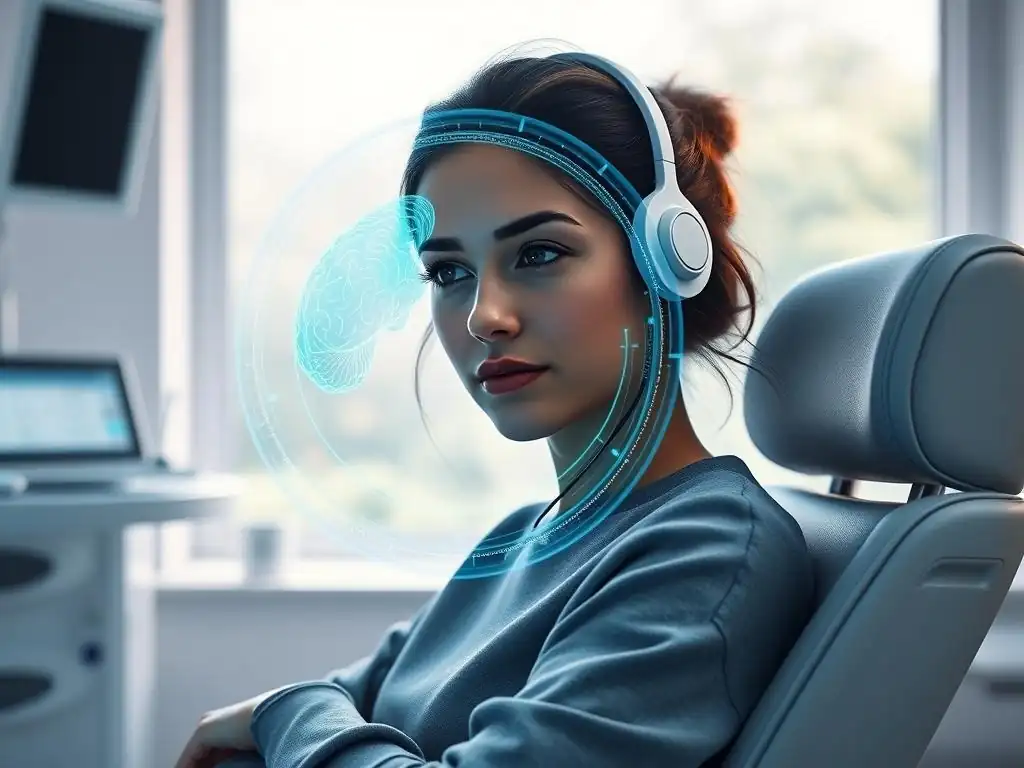
Welcome to Mind Care Guide, a space designed to nurture your mental well-being. Feeling overwhelmed by anxiety's grip? Discover a powerful, tech-driven approach that's helping individuals reclaim control. This week, we delve into Biofeedback anxiety resilience training – a cutting-edge technique that empowers you to understand and manage your body's response to stress. Curious how wearable tech can unlock your inner resilience? Let's explore how biofeedback can help you train your response and build a more peaceful you.
- Understanding Biofeedback for Anxiety and Stress Resilience
- Getting Started with Biofeedback Anxiety Resilience Training at Home
- Biofeedback Anxiety Resilience Training: A Step-by-Step Guide
- Advanced Biofeedback Techniques for Enhanced Anxiety Resilience
- Maintaining Your Anxiety Resilience with Biofeedback
- Optimizing Your Biofeedback Experience: Accessories and Resources
- Conclusion: Biofeedback as a Powerful Tool for Anxiety Resilience
-
Frequently Asked Questions
- What exactly is biofeedback anxiety resilience training?
- How does biofeedback help with anxiety resilience?
- What kind of equipment is used during biofeedback sessions?
- How long does it typically take to see results from biofeedback anxiety resilience training?
- Is biofeedback anxiety resilience training a replacement for traditional therapy or medication?
- Final Reflection: Cultivating Inner Calm in a Turbulent World
- Unleash Your Inner Calm: Take Control of Your Anxiety
Understanding Biofeedback for Anxiety and Stress Resilience
What is Biofeedback and How Does it Work for Anxiety Reduction?
Biofeedback is a mind-body technique that teaches individuals how to influence physiological responses previously thought to be involuntary. By using electronic sensors, biofeedback devices measure bodily functions such as heart rate, breathing, muscle tension, and skin temperature. This information is then "fed back" to the user in real-time, often through visual displays, auditory tones, or tactile sensations.
This immediate feedback allows individuals to become more aware of their body's subtle signals and learn to consciously control them. For individuals struggling with anxiety, which often manifests with pronounced physical symptoms like rapid heartbeat, shallow breathing, and tense muscles, this awareness is the first step towards gaining control over their stress response.
The core principle behind biofeedback for anxiety reduction lies in the connection between the mind and the body. When someone feels anxious, their sympathetic nervous system often goes into overdrive, triggering the "fight or flight" response. Biofeedback provides tangible data about these physical changes. For example, someone might see their heart rate spike on a monitor when they think about a stressful situation.
Through guided exercises, relaxation techniques, and conscious effort, the individual learns to lower these physiological markers. As they practice, they develop the ability to voluntarily reduce their heart rate, slow their breathing, and relax their muscles, effectively counteracting the physical symptoms of anxiety. This process, central to effective biofeedback anxiety resilience training, empowers individuals by showing them they have the capacity to regulate their own stress reactions.
The Science Behind Biofeedback and Anxiety Resilience
The scientific basis for biofeedback's effectiveness in building anxiety resilience is rooted in psychophysiology and neuroplasticity. Anxiety is often associated with dysregulation of the autonomic nervous system (ANS), particularly an imbalance between the sympathetic (activating) and parasympathetic (calming) branches. Chronic stress and anxiety can lead to a state where the sympathetic system is dominant, resulting in prolonged periods of elevated heart rate, blood pressure, and muscle tension.
Biofeedback training, especially heart rate variability (HRV) biofeedback, targets this imbalance by teaching individuals to increase parasympathetic activity, promoting a state of physiological coherence. Studies have shown that increasing HRV, a measure of the healthy fluctuations in the time intervals between heartbeats, is correlated with improved emotional regulation and stress resilience.
Furthermore, biofeedback leverages the brain's ability to change and adapt, known as neuroplasticity. As individuals practice regulating their physiological responses with the help of biofeedback, they are essentially retraining neural pathways. For example, neurofeedback, a specific type of biofeedback focusing on brainwave activity (EEG), can help individuals learn to increase brainwave patterns associated with relaxation (like alpha waves) and decrease patterns associated with anxiety (like high beta waves).
Over time, this conscious practice can lead to lasting changes in how the brain processes stress and triggers the anxiety response. Research, including meta-analyses published in journals like Applied Psychophysiology and Biofeedback, has indicated significant reductions in self-reported anxiety levels and improvements in physiological markers among participants undergoing biofeedback anxiety resilience training compared to control groups. While individual results vary, the underlying mechanism involves learning to consciously influence the physiological loop that perpetuates anxiety.
Benefits of Biofeedback Anxiety Resilience Training: A Comprehensive Overview
Undertaking biofeedback anxiety resilience training offers a range of significant benefits for those seeking to better manage their stress and anxiety. One primary advantage is the development of increased self-awareness regarding the physical manifestations of anxiety. Before biofeedback, many people are unaware of how their bodies react to stress until symptoms become overwhelming.
By seeing real-time data on a screen or hearing auditory feedback, individuals gain a profound understanding of the subtle shifts in their heart rate, breathing patterns, or muscle tension as anxiety begins to build. This heightened awareness allows them to identify early warning signs and intervene before the anxiety escalates into a full-blown panic attack or overwhelming stress response. It shifts the individual from being a passive recipient of anxiety symptoms to an active participant in managing them.
Beyond mere awareness, biofeedback training provides tangible skills for self-regulation. It teaches specific techniques, often involving controlled breathing, progressive muscle relaxation, or guided imagery, while simultaneously showing the user the immediate physiological impact of these techniques. This creates a powerful feedback loop: the user tries a technique, sees their heart rate drop or their breathing pattern smooth out, and learns that they have the capacity to change their internal state.
This empowers individuals, reducing feelings of helplessness often associated with anxiety. Many participants report reduced frequency and intensity of anxiety symptoms, better sleep quality, and improved overall coping skills.
For instance, individuals training with HRV biofeedback might aim to increase their coherence scores by 20% over several weeks, correlating with a significant reduction in reported stress levels, perhaps dropping from an average of 7/10 to 3/10 on a daily stress scale. This learned ability to consciously influence physiological states is a powerful foundation for long-term anxiety resilience.
Getting Started with Biofeedback Anxiety Resilience Training at Home
Choosing the Right Biofeedback Device for Anxiety Management
Selecting the appropriate biofeedback device is a crucial first step in beginning your biofeedback anxiety resilience training journey from the comfort of your home. The choice depends largely on the specific physiological signal you wish to focus on, your budget, and your technical comfort level. Devices range from relatively simple wearables that track heart rate variability to more complex systems involving multiple sensors.
It's important to research the features, ease of use, and the quality of the accompanying software or app, as this is how you will receive and interpret the real-time feedback. Consider reading reviews and comparing specifications to find a device that aligns with your personal goals for managing anxiety.
Think about what aspects of your anxiety manifest most physically. Is it rapid heartbeat? Difficulty breathing? Muscle tension? Different devices specialize in different signals. Also, consider the training protocols the device supports. Some devices are designed specifically for HRV training, while others might offer more general relaxation or focused attention exercises. The goal is to find a reliable tool that provides accurate feedback and guides you through effective biofeedback anxiety resilience training sessions. Many reputable brands offer devices specifically designed for home use, making this powerful technique more accessible than ever before.
Understanding Different Types of Biofeedback Devices: EEG, HRV, GSR
Home biofeedback devices primarily focus on a few key physiological signals, each offering a unique window into your body's stress response. Electroencephalography (EEG) biofeedback, often referred to as neurofeedback, measures brainwave activity. Devices using EEG typically involve sensors placed on the scalp and help users learn to modify specific brainwave patterns associated with states like focus, relaxation, or alertness. For anxiety, the goal is often to increase alpha waves (associated with calm) and decrease beta waves (associated with alertness or anxiety).
Heart Rate Variability (HRV) biofeedback measures the variations in the time intervals between successive heartbeats. Unlike simple heart rate, HRV is a sophisticated measure of the autonomic nervous system balance. Higher HRV generally indicates a healthier, more resilient nervous system capable of adapting to stress. HRV biofeedback trains individuals to breathe in a way that maximizes HRV and promotes physiological coherence, a state where heart rate, breathing, and blood pressure rhythms are synchronized.
Galvanic Skin Response (GSR) biofeedback, also known as electrodermal activity (EDA) or skin conductance, measures the electrical conductivity of the skin, which changes with sweat gland activity. Sweat glands are controlled by the sympathetic nervous system, so increased GSR often indicates heightened emotional arousal or stress. GSR biofeedback helps users learn relaxation techniques that reduce skin conductivity, reflecting a calmer physiological state. Many general stress management biofeedback devices incorporate GSR alongside other measures like heart rate or temperature.
Review: The Muse 2 Brain Sensing Headband for Anxiety and Focus - Pros & Cons
The Muse 2 is a popular consumer-grade EEG biofeedback device designed primarily for meditation and focus training, but widely used for anxiety management. It uses sensors on the forehead and behind the ears to measure brainwave activity and provides real-time audio feedback – often in the form of weather sounds. Calm, peaceful weather indicates a relaxed state, while stormy weather suggests a wandering mind. This immediate feedback helps users learn to quiet their mental chatter and enter a more relaxed state, a key component of biofeedback anxiety resilience training.
- Pros: Relatively affordable compared to clinical systems; easy to set up and use at home; engaging app with guided meditations and post-session reports; measures multiple signals (EEG, heart rate, breathing, body movement) providing a holistic view; portable and non-invasive. Many users report improved ability to relax and focus after consistent use.
- Cons: Primarily designed for meditation/focus, not clinical diagnosis; feedback is often gamified and less raw than clinical systems; sensor placement can sometimes be tricky or sensitive to movement; battery life can be limited depending on usage. While beneficial for general relaxation and awareness, its direct application for specific anxiety disorder treatment should be discussed with a professional.
Alternative: Using the HeartMath Inner Balance Trainer for Heart Rate Variability Biofeedback
The HeartMath Inner Balance Trainer is a widely recommended device specifically focused on Heart Rate Variability (HRV) biofeedback, a powerful technique for building anxiety resilience. This device typically uses an earlobe sensor that clips onto your ear and connects to your smartphone or tablet via a cable or Bluetooth. The accompanying app guides you through breathing exercises designed to help you achieve physiological coherence, visualizing your HRV in real-time as a graph or using engaging games.
The Inner Balance Trainer provides clear, immediate feedback on your coherence level, often using a simple color-coded indicator (e.g., red for low coherence, blue for medium, green for high). The app tracks your progress over time, showing improvements in your average coherence score and overall HRV. This device is particularly effective for individuals whose anxiety manifests strongly through cardiovascular symptoms like rapid heart rate. Consistent practice with the Inner Balance Trainer is a direct form of biofeedback anxiety resilience training focused on regulating the autonomic nervous system.
Setting Up Your Biofeedback Training Environment
Creating a conducive environment is essential for effective biofeedback anxiety resilience training at home. Choose a quiet, comfortable space where you won't be interrupted. This could be a quiet room, a comfortable chair, or even a peaceful corner of your bedroom. Ensure the lighting is soft and non-distracting. Minimize background noise – turn off TVs, silence phones, and inform household members that you need some undisturbed time.
Your training environment should promote relaxation and focus. Make sure your device is fully charged or has fresh batteries and that the accompanying software or app is installed and ready to go on your computer, tablet, or smartphone. Have any necessary accessories, like electrode gel if your device requires it, readily available. The aim is to remove potential sources of stress or distraction, allowing you to fully concentrate on your physiological feedback and the techniques you are practicing to build your anxiety resilience. A clutter-free, peaceful setting enhances your ability to relax and engage with the biofeedback process.
Initial Assessment: Measuring Your Baseline Anxiety Levels
Before starting regular biofeedback anxiety resilience training, it's highly beneficial to establish a baseline measurement of your typical anxiety levels and physiological responses. This baseline will serve as a point of comparison to track your progress over time. You can measure your anxiety subjectively using validated questionnaires like the Generalized Anxiety Disorder 7-item (GAD-7) scale or the Hamilton Anxiety Rating Scale (HARS). Take these assessments before you begin training and periodically throughout your journey (e.g., every 4-6 weeks). Note your scores and any specific symptoms you are experiencing.
In addition to subjective measures, use your biofeedback device to record your physiological signals during a typical state of rest and perhaps during a mildly stressful situation (if comfortable and safe to do so). For example, measure your average heart rate, HRV, or GSR while simply sitting quietly for 5-10 minutes. Then, perhaps measure it while thinking about a common, low-level stressor.
Record these initial physiological readings. Understanding your starting point – both how you feel and how your body responds – provides a clear picture of what you are working with and helps you set realistic goals for your biofeedback anxiety resilience training. Seeing quantifiable changes in these baselines over weeks and months can also be incredibly motivating.
Biofeedback Anxiety Resilience Training: A Step-by-Step Guide
Step 1: Connecting Your Biofeedback Device and Software
The first practical step in your biofeedback anxiety resilience training is to connect your device and ensure the software or app is working correctly. If you are using a wearable device like the Muse headband, place it on your head according to the manufacturer's instructions, ensuring the sensors make good contact. If using a device with peripheral sensors like the HeartMath Inner Balance Trainer, attach the sensor (e.g., to your earlobe or finger) and connect it to your phone or tablet.
Next, launch the accompanying app or software on your device. Follow the on-screen prompts to pair the biofeedback device via Bluetooth or cable connection. Most apps will have a simple connection indicator.
Ensure the signal quality is good – some apps will show a signal strength indicator, especially for EEG or HRV sensors, as poor contact can lead to inaccurate readings. Double-check that the device is properly calibrated if the instructions mention calibration. This setup process should ideally be done in your quiet training environment to minimize distractions and ensure a smooth start to your biofeedback anxiety resilience training session.
Step 2: Understanding Your Physiological Signals
Once connected, your biofeedback device will begin displaying your real-time physiological data. This is the core of the training. Take a few moments to simply observe the feedback without trying to change anything. Watch how your heart rate fluctuates, how your breathing pattern appears on the screen, or how your skin conductivity changes. Pay attention to how these signals correspond with your internal feelings. For instance, you might notice your heart rate is higher than you expected, or your breathing is more shallow when you feel slightly restless.
The biofeedback software will typically present this data in an easy-to-understand format – graphs, meters, sounds, or visual animations. The goal in this step is to build awareness. Start to recognize the patterns associated with feeling stressed versus feeling calm. For example, you might see a jagged, erratic HRV pattern when your mind is racing, compared to a smooth, wave-like pattern when you feel relaxed. This understanding of your personal physiological responses is fundamental to effective biofeedback anxiety resilience training, as it shows you what you need to influence.
Step 3: Guided Meditation and Breathing Exercises for Anxiety Control
With your device providing real-time feedback, begin practicing specific techniques aimed at regulating your physiological responses. Guided meditations, often available within the biofeedback app itself or through integrated services like Calm or Headspace, are excellent for promoting a relaxed mental state. As you listen to the guidance, observe how your physiological signals change on the screen. Notice if focusing on the meditation lowers your heart rate or smooths your breathing pattern.
Breathing exercises are particularly powerful in biofeedback anxiety resilience training, especially for regulating heart rate variability and calming the nervous system. Techniques like diaphragmatic breathing (deep belly breathing) or paced breathing (inhaling and exhaling slowly, often to a specific count like 5 seconds in, 5 seconds out) can have an immediate impact on your physiological state. As you practice these breathing patterns, watch your biofeedback display.
You should see a corresponding positive change in your signals, such as an increase in HRV coherence or a decrease in heart rate. The visual confirmation reinforces the effectiveness of the technique and helps you learn to reproduce the desired physiological state.
Step 4: Using the Biofeedback Data to Improve Your Response
The true power of biofeedback anxiety resilience training lies in actively using the real-time data to refine your techniques. It's not just about watching the numbers; it's about experimenting with different mental and physical strategies and seeing their immediate impact on your body. If you're trying paced breathing and your HRV coherence isn't improving, maybe adjust your breathing rate slightly or focus more intently on relaxing your shoulders. The feedback loop allows for continuous adjustment.
For example, imagine you are using a Muse headband for biofeedback anxiety resilience training focused on reducing mind-wandering (often linked to anxiety). The app uses auditory cues like birds chirping for a calm mind and stormy sounds for a busy mind. If you hear stormy sounds, you know your brain activity is in a less desirable state.
You can then consciously shift your focus back to your breath or the meditation guidance. When you hear birds chirping, the positive feedback reinforces that the technique is working. Over time, you learn what it feels like in your body and mind to produce those desired signals, making you less reliant on the device.
Example: Reducing Anxiety During a Simulated Stressful Situation with Muse
Let's consider using the Muse 2 for a specific scenario in biofeedback anxiety resilience training. Suppose you feel anxious about an upcoming presentation. While wearing the Muse, you might spend a few minutes thinking about the presentation. Observe the Muse app's feedback – perhaps the "weather" becomes stormy, indicating increased mental activity or stress. Then, consciously engage in a technique you've practiced, like slow, deep breathing or focusing on a calming image, while still thinking about the presentation.
As you apply the technique, the Muse feedback should ideally shift towards calm, perhaps with birds chirping and sunny weather sounds. This immediate feedback shows you that, even when thinking about a stressor, you have the ability to influence your physiological response through conscious effort. Practicing this in a controlled setting allows you to build confidence in your ability to manage anxiety triggers in real life. This isn't about making the stressor disappear, but about changing how your body and mind react to it, a core goal of biofeedback anxiety resilience training.
Real-World Case Study: Overcoming Panic Attacks: Sarah's Journey to Anxiety Resilience Using HeartMath
Consider Sarah, a 35-year-old who suffered from frequent and debilitating panic attacks, often triggered by public transport. She decided to try biofeedback anxiety resilience training using the HeartMath Inner Balance Trainer. Initially, her baseline HRV coherence scores were low, and her heart rate would spike significantly when she even thought about taking the bus. She committed to 10-15 minutes of daily practice sessions using the Inner Balance app's guided breathing exercises.
During her sessions, she focused on synchronizing her breathing with the app's prompts, aiming to keep the coherence indicator in the green zone. She watched her HRV pattern smooth out on the screen, learning to associate the feeling of calm, steady breathing with a more balanced nervous system. After about two months of consistent biofeedback anxiety resilience training, Sarah noticed a significant reduction in the frequency and intensity of her panic attacks.
Her average coherence scores increased by roughly 40%. More importantly, when she did feel anxiety beginning to build, she could consciously apply the paced breathing technique she learned with the Inner Balance Trainer, often preventing a full-blown panic attack. She reported feeling more in control of her body's response, allowing her to gradually start using public transport again, a major step in regaining her independence and building lasting anxiety resilience.
Step 5: Tracking Your Progress and Adjusting Your Training
Consistent practice is key to successful biofeedback anxiety resilience training, and tracking your progress helps maintain motivation and informs adjustments to your routine. Most biofeedback apps provide historical data, allowing you to see trends in your physiological signals over time – improvements in average heart rate, increases in HRV coherence scores, or reductions in skin conductivity during sessions. Regularly review these reports. Are your coherence scores steadily improving? Is it taking less time to reach a relaxed state?
Based on your progress and ongoing experience, adjust your training. If you're finding a particular exercise effective, continue with it. If you seem to be plateauing, perhaps increase the length of your sessions, try a different breathing pattern, or integrate the biofeedback practice into mildly stressful situations (like reviewing emails that typically cause stress) to practice managing your response in context. You might also adjust the difficulty settings if your app offers them. The goal is continuous improvement and refinement of your ability to self-regulate, solidifying your biofeedback anxiety resilience.
Advanced Biofeedback Techniques for Enhanced Anxiety Resilience
Neurofeedback for Deeper Anxiety Management
Neurofeedback, or EEG biofeedback, represents a more advanced form of biofeedback anxiety resilience training that directly targets brainwave activity patterns associated with anxiety. While consumer EEG devices like Muse offer a simplified approach, clinical neurofeedback typically involves more sensors and sophisticated software to train specific brainwave frequencies in targeted areas of the brain. For anxiety, this often means training to increase alpha waves (associated with calm, relaxed alertness) and/or decrease high beta waves (associated with worry, rumination, and hypervigilance).
During a neurofeedback session, sensors are placed on the scalp, and the individual receives feedback – often visual (like a video playing) or auditory (like music) – that continues smoothly when the desired brainwave pattern is present but stops or becomes distorted when the undesired pattern appears. This teaches the brain to produce more of the beneficial waves and less of the problematic ones.
This form of biofeedback anxiety resilience training can be particularly helpful for individuals whose anxiety is strongly linked to specific thought patterns or cognitive states, aiming for more fundamental changes in brain function over time. Clinical neurofeedback sessions are typically conducted by trained practitioners, although some home systems with professional guidance are becoming available.
Integrating Biofeedback with Cognitive Behavioral Therapy (CBT) for Anxiety
Combining biofeedback anxiety resilience training with Cognitive Behavioral Therapy (CBT) can create a powerful synergy for managing anxiety. CBT helps individuals identify and challenge negative thought patterns and behaviors that contribute to anxiety. Biofeedback, on the other hand, provides concrete, physiological evidence of the body's stress response and offers tools for regulating it. When used together, biofeedback can enhance the effectiveness of CBT by making the mind-body connection tangible.
For example, a CBT session might help someone identify that catastrophic thinking ("I'm going to fail this task") triggers their anxiety. During a biofeedback session, the individual can intentionally bring up this thought while monitoring their physiological signals. They will likely see an increase in heart rate, GSR, or a drop in HRV coherence.
Then, using CBT techniques learned (like challenging the thought or replacing it with a more balanced one) while monitoring biofeedback, they can see how changing their thinking directly impacts their physiological state. This immediate feedback reinforces the power of cognitive restructuring and provides a physiological tool (like paced breathing learned via biofeedback) to manage the physical symptoms that CBT addresses. This integrated approach strengthens both cognitive and physiological aspects of biofeedback anxiety resilience training.
Combining Biofeedback with Mindfulness Practices for Stress Reduction
Mindfulness practices, such as focused breathing meditation or body scans, are inherently synergistic with biofeedback anxiety resilience training for stress reduction. Both approaches emphasize present moment awareness and attention to internal states. Biofeedback provides an objective, external validation of the internal shifts that occur during mindfulness practice. When practicing mindful breathing, for instance, the biofeedback device can show you how focusing on your breath influences your heart rate or breathing pattern in real-time.
Using biofeedback alongside mindfulness enhances your interoceptive awareness – your ability to sense internal bodily states. As you practice mindfulness, the biofeedback device confirms when your efforts are leading to physiological relaxation. This immediate feedback can deepen your mindfulness practice, making it easier to stay present and less reactive to anxious thoughts or sensations. It transforms mindfulness from a purely mental exercise into a tangible, data-driven process, solidifying the link between mental state and physical response, and thereby strengthening your overall biofeedback anxiety resilience.
Maintaining Your Anxiety Resilience with Biofeedback
Daily Biofeedback Practice for Long-Term Anxiety Management
Consistency is paramount for maintaining the anxiety resilience built through biofeedback training. Just like physical exercise is needed to maintain fitness, regular biofeedback practice is necessary to keep your self-regulation skills sharp. Aim for daily sessions, even if they are short (e.g., 5-10 minutes). These brief, consistent practices help reinforce the learned physiological control and keep your nervous system more balanced in the face of daily stressors.
Daily practice allows you to continue monitoring your physiological responses and quickly identify if stress levels are creeping up. It provides a routine opportunity to consciously engage the relaxation response, preventing chronic stress from accumulating. Many individuals find integrating biofeedback into their morning or evening routine works best. Whether it's a quick HRV coherence session before starting the day or a muscle tension scan before bed, consistent engagement is the cornerstone of using biofeedback anxiety resilience training as a long-term management tool.
Troubleshooting Common Biofeedback Issues
While home biofeedback devices are generally user-friendly, you might encounter some common issues during your biofeedback anxiety resilience training. One frequent problem is poor sensor contact, particularly with EEG headbands or skin conductivity sensors, leading to noisy or inaccurate data. Ensure sensors are clean and making firm contact with the skin (using gel if required). Check battery levels, as low power can affect performance.
Another issue might be difficulty achieving the desired physiological state or seeing expected changes in the feedback. This could be due to external distractions, internal resistance, or simply needing more practice with the technique. Revisit the basics: ensure your environment is quiet, focus purely on the exercise (like breathing), and be patient. If using an app, check for software updates or troubleshooting guides. If problems persist and you feel the device isn't working correctly, contact the manufacturer's support. Patience and persistence are key when troubleshooting your biofeedback anxiety resilience training journey.
When to Seek Professional Help Alongside Biofeedback
While biofeedback anxiety resilience training is a powerful self-management tool, it is not a substitute for professional medical or psychological care, especially for severe anxiety disorders or panic attacks. If your anxiety symptoms are significantly impacting your daily life, causing distress, or if you are experiencing panic attacks, it is crucial to consult with a doctor or a mental health professional.
Biofeedback can be a valuable adjunct therapy when used under the guidance of a qualified practitioner, such as a licensed therapist, psychologist, or biofeedback specialist. They can help determine if biofeedback is appropriate for your specific condition, provide more advanced training protocols, integrate biofeedback with other therapies like CBT, and help you interpret your progress. Seeking professional help ensures you receive comprehensive care and that biofeedback anxiety resilience training is part of a holistic treatment plan tailored to your needs.
Optimizing Your Biofeedback Experience: Accessories and Resources
Recommended Apps for Biofeedback Training: Calm and Headspace Integration
Many biofeedback devices pair with dedicated apps, but integrating them with popular mindfulness and meditation apps like Calm or Headspace can enhance your biofeedback anxiety resilience training. While Calm and Headspace don't provide biofeedback themselves, they offer extensive libraries of guided meditations, breathing exercises, and relaxation programs that you can follow while using your biofeedback device.
For example, you can play a guided body scan meditation from Calm and observe how your muscle tension (if using a sEMG biofeedback device) or skin conductivity (GSR) changes as you focus on releasing tension in different body parts. Or, you can use a paced breathing exercise from Headspace and simultaneously monitor your HRV coherence with a HeartMath device. This integration allows you to leverage the high-quality content of these apps while gaining the objective, real-time insight from your biofeedback device, creating a richer and potentially more effective biofeedback anxiety resilience training experience.
Essential Accessories for Your Biofeedback Device: Electrode Gel and Cleaning Supplies
Depending on your specific biofeedback device, certain accessories might be essential for optimal performance and hygiene. Devices that use electrode pads or sensors that make direct contact with the skin often require electrode gel or paste. This improves conductivity, ensuring a strong, clean signal. Check your device's manual to see if gel is recommended or required. Using the correct type of gel, as specified by the manufacturer, is important.
Maintaining cleanliness is also crucial. Sensors and headbands can accumulate sweat and oils over time, which can affect signal quality and hygiene. Have appropriate cleaning supplies on hand, such as alcohol wipes or mild soap and water, as recommended by the manufacturer for cleaning the specific materials of your device. Proper care of your equipment ensures reliable performance for consistent biofeedback anxiety resilience training.
Further Reading: Books and Online Courses on Biofeedback and Anxiety
To deepen your understanding and enhance your biofeedback anxiety resilience training, consider exploring additional resources. Numerous books delve into the science and practice of biofeedback, explaining the physiological principles in more detail and offering various techniques. Look for titles specifically related to biofeedback for anxiety, stress, or psychophysiology.
Online courses can also provide structured learning about biofeedback principles and applications. Some courses might be aimed at practitioners but still offer valuable insights for individuals using biofeedback at home. Many device manufacturers also provide educational materials or webinars. Expanding your knowledge base can help you better understand the data your device provides and refine your personal biofeedback anxiety resilience training strategies.
Conclusion: Biofeedback as a Powerful Tool for Anxiety Resilience
Embracing Biofeedback for a Calmer, More Resilient You.
Biofeedback anxiety resilience training offers a unique and empowering approach to managing stress and anxiety. By providing real-time feedback on your body's physiological state, biofeedback devices bridge the gap between mind and body, allowing you to see the tangible effects of your thoughts, feelings, and relaxation techniques. This immediate insight is crucial for developing the self-awareness needed to recognize the early signs of anxiety and the skills required to consciously regulate your physiological response.
Embracing biofeedback means committing to a practice that empowers you to take an active role in your well-being. It's about learning to calm your nervous system, regulate your breathing, and quiet a racing mind by seeing the immediate impact of your efforts. Consistent biofeedback anxiety resilience training can lead to significant reductions in anxiety symptoms, improved coping mechanisms, and a greater sense of control. While it requires patience and practice, the ability to voluntarily influence your body's reaction to stress is an invaluable skill for building lasting resilience and fostering a calmer, more balanced life.
Frequently Asked Questions
What exactly is biofeedback anxiety resilience training?
It's a technique that teaches you to control your body's physiological responses to stress, like heart rate and muscle tension. This increased awareness allows you to develop coping mechanisms and build resilience.
How does biofeedback help with anxiety resilience?
Biofeedback provides real-time feedback on your body's functions, allowing you to learn to regulate them consciously. By practicing, you can train yourself to manage anxiety symptoms and become more resilient.
What kind of equipment is used during biofeedback sessions?
Biofeedback uses sensors attached to your body to monitor things like heart rate, skin temperature, and muscle tension. This data is displayed on a screen, providing visual or auditory feedback about your physiological state.
How long does it typically take to see results from biofeedback anxiety resilience training?
The time it takes to see results varies from person to person. However, many people notice improvements in their ability to manage anxiety within a few weeks of regular practice.
Is biofeedback anxiety resilience training a replacement for traditional therapy or medication?
Biofeedback is often used as a complementary therapy alongside traditional treatments like talk therapy or medication. It's not a replacement but can be a valuable tool in a comprehensive mental well-being plan.
Final Reflection: Cultivating Inner Calm in a Turbulent World
The ability to manage anxiety is no longer a luxury; it's a necessity in our fast-paced, demanding world. The techniques explored in this article—centered around biofeedback training—offer a powerful pathway to building resilience against the overwhelming tide of stress and anxiety that many face daily. This isn't just about managing symptoms; it's about cultivating a deeper understanding of your body's responses and empowering yourself to take control.
Biofeedback's impact extends far beyond individual stress management; it's reshaping our understanding of mental health and well-being. It's a testament to the mind-body connection, highlighting the profound influence our thoughts and emotions have on our physiological state. This holistic approach challenges the traditional medical model, offering a proactive and empowering alternative. As Jon Kabat-Zinn eloquently stated, Wherever you go, there you are.
Biofeedback helps us truly be present in our bodies, allowing us to observe and regulate our responses, rather than being controlled by them.
Now, consider your own relationship with stress and anxiety. What small steps can you take today to incorporate the principles of biofeedback into your life? Perhaps it's simply taking a few moments each day to practice mindful breathing, or exploring a guided meditation app. Maybe it's seeking out a qualified biofeedback practitioner for personalized guidance. The journey to resilience is a personal one, but the tools are available. Embrace the opportunity to cultivate inner calm and build a stronger, more resilient you. The power to shape your response to stress lies within you.
Unleash Your Inner Calm: Take Control of Your Anxiety
Thanks for taking the time to explore the power of biofeedback in building resilience against anxiety! We hope you gained valuable insights into how you can actively manage your stress response.
Ready to start your journey towards a calmer, more confident you? Here's how:
- Begin your biofeedback practice today! Even 10 minutes a day can make a significant difference. Start with simple breathing exercises and gradually introduce more advanced techniques.
- Share your experience! Connect with others on social media and tell us about your progress—your insights could inspire someone else.
- Explore additional resources: Search for local biofeedback practitioners or online guided meditations to further enhance your self-regulation skills.
What small step will you take today to cultivate greater inner peace and resilience?