
The Interplay of Neurotransmitters: Why It's Never Just One Chemical Out of Sync

Welcome to Mind Care Guide, a space dedicated to understanding and nurturing your mental well-being.
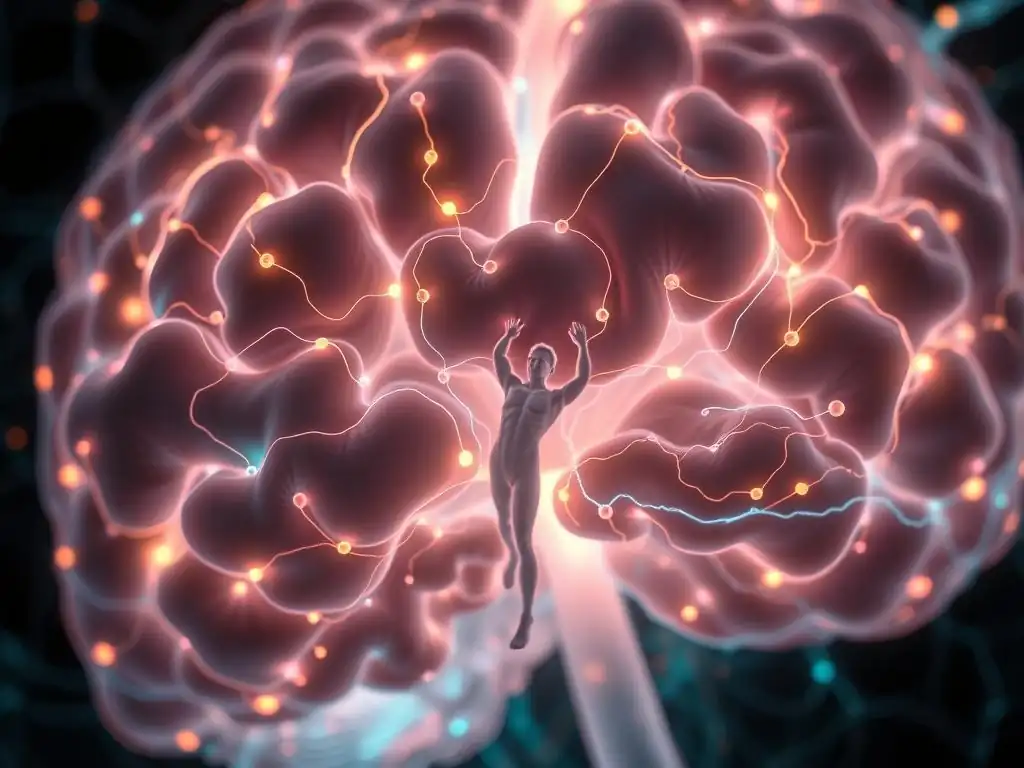
Ever felt like something's just not quite right, but can't put your finger on it? We delve into the intricate world of the brain to shed light on potential causes of mental health challenges. In this article, we explore how neurotransmitter imbalance causes depression, going beyond simplistic explanations to uncover the complex interplay of these vital chemical messengers. What if the key to feeling better lies in understanding how these neurotransmitters work together? Keep reading to discover more.
The Interplay of Neurotransmitters: Why It's Never Just One Chemical Out of Sync
- Introduction: Beyond Single Neurotransmitter Imbalances in Mental Health
- Understanding the Basics of Neurotransmitters and Brain Function
- The Complexity of Depression: Moving Beyond Simple Serotonin Deficiencies
- The Complex Network: How Neurotransmitters Interact
- Neurotransmitter Interactions and Their Impact on Mood Disorders
- Factors Influencing Neurotransmitter Levels Beyond Chemical Imbalance
- The Importance of a Holistic Approach to Neurotransmitter Regulation
- Diagnosing Neurotransmitter-Related Issues: A Complex Process
- Practical Strategies for Supporting Neurotransmitter Balance
- Conclusion: Embracing the Complexity of Neurotransmitters and Mental Health
-
Frequently Asked Questions
- What are neurotransmitters, and how do they relate to mental well-being?
- Can a single neurotransmitter imbalance directly cause depression?
- What are the most commonly implicated neurotransmitters in depression?
- How can I tell if I have a neurotransmitter imbalance that might be contributing to my depression?
- What are some treatment options for addressing neurotransmitter imbalances related to depression?
- Final Reflection: The Symphony of the Mind: Understanding Neurotransmitter Imbalance
- Unlock Your Brain's Potential: Dive Deeper into Neurotransmitter Harmony
Introduction: Beyond Single Neurotransmitter Imbalances in Mental Health
For decades, the narrative surrounding mental health conditions, particularly depression, has often been simplified to the idea of a "chemical imbalance." While neurotransmitters are undeniably central to brain function and mood regulation, the notion that a single neurotransmitter imbalance causes depression or other complex disorders is a significant oversimplification. The reality is far more intricate, involving a delicate and dynamic interplay between numerous neurochemicals, brain regions, genetic predispositions, and environmental factors.
Understanding the true nature of neurotransmitter function reveals a complex network where multiple chemicals work in concert, influencing each other's synthesis, release, receptor binding, and reuptake. Disruptions in this network, rather than a deficit or excess of one substance, are more likely contributors to the multifaceted symptoms observed in conditions like major depressive disorder, anxiety disorders, and bipolar disorder. This article explores this complex landscape, moving beyond the outdated single-chemical hypothesis to appreciate the intricate symphony of the brain's chemical messengers.
Understanding the Basics of Neurotransmitters and Brain Function
What are Neurotransmitters and How Do They Work?
Neurotransmitters are chemical messengers that transmit signals from one neuron (nerve cell) to a target cell across a synapse. These target cells can be other neurons, muscle cells, or gland cells. The process begins when an electrical impulse, called an action potential, travels down the axon of the sending neuron. Upon reaching the axon terminal, this electrical signal triggers the release of neurotransmitter molecules stored in vesicles into the synaptic cleft, the tiny space between neurons.
Once in the synaptic cleft, these neurotransmitter molecules diffuse across the space and bind to specific receptor proteins on the membrane of the receiving neuron or target cell. This binding acts like a key fitting into a lock, initiating a response in the target cell. This response can be excitatory, making the target cell more likely to fire its own action potential, or inhibitory, making it less likely to fire.
After transmitting the signal, neurotransmitters are quickly removed from the synaptic cleft either by reuptake (being transported back into the sending neuron), enzymatic degradation (broken down by enzymes), or diffusion, ensuring that the signal is precise and temporary. This intricate dance of release, binding, and clearance is fundamental to all brain activity, from thought and emotion to movement and sensation.
Key Neurotransmitters Involved in Mental Health: A Brief Overview
Several neurotransmitters play crucial roles in regulating mood, cognition, and behavior, and their dysregulation is implicated in various mental health conditions. Serotonin, often dubbed the "feel-good" neurotransmitter, is primarily involved in regulating mood, sleep, appetite, and social behavior. Low levels or impaired signaling of serotonin have long been associated with depressive symptoms, though the relationship is complex.
Dopamine is another critical player, heavily involved in reward, motivation, pleasure, and motor control. Dysfunctions in dopaminergic systems are linked to conditions like depression (especially anhedonia, the inability to experience pleasure), addiction, and schizophrenia. Norepinephrine (also known as noradrenaline) influences alertness, arousal, attention, and the body's stress response; imbalances can contribute to anxiety disorders and depression.
Gamma-aminobutyric acid (GABA) is the primary inhibitory neurotransmitter in the central nervous system, crucial for reducing neuronal excitability and promoting calm; deficient GABAergic signaling is strongly linked to anxiety disorders and panic attacks. Conversely, Glutamate is the primary excitatory neurotransmitter, essential for learning and memory; excessive glutamate activity can lead to excitotoxicity and is implicated in conditions like bipolar disorder and neurodegenerative diseases. Acetylcholine, while known for its role in muscle contraction, also plays a part in learning, memory, and attention, and its dysfunction is associated with cognitive decline.
The Complexity of Depression: Moving Beyond Simple Serotonin Deficiencies
Why Focusing Solely on Serotonin is an Oversimplification
For many years, the dominant hypothesis regarding the biological basis of depression centered heavily on a deficiency in serotonin. This "serotonin hypothesis" gained traction with the success of selective serotonin reuptake inhibitors (SSRIs), medications that increase serotonin levels in the synaptic cleft.
However, clinical observations and extensive research have demonstrated that while serotonin is involved, it is far from the sole player. Many individuals with depression do not respond adequately to SSRIs, and even in those who do, the therapeutic effects often take weeks to manifest, suggesting more complex adaptive changes in the brain rather than a simple immediate correction of a chemical deficit.
Furthermore, studies measuring serotonin metabolites in cerebrospinal fluid have not consistently found low levels in all depressed individuals. Research using techniques like PET scans to measure serotonin transporters and receptors has also yielded inconsistent results across different studies and individuals. This evidence strongly suggests that depression is not simply caused by "low serotonin" but involves a broader dysregulation of neural circuits and multiple neurotransmitter systems. The idea that a single neurotransmitter imbalance causes depression fails to account for the vast heterogeneity in symptoms and treatment responses seen in people living with the condition.
The Complex Network: How Neurotransmitters Interact

Synergistic Effects: How Neurotransmitters Work Together
Neurotransmitters rarely act in isolation; they often work together in synergistic ways to modulate brain activity and behavior. For example, serotonin and norepinephrine systems are deeply interconnected and collectively influence mood, energy levels, and the stress response. Many effective antidepressant medications, such as serotonin-norepinephrine reuptake inhibitors (SNRIs), target the reuptake of both these neurotransmitters, suggesting that increasing the availability of both is often more effective for certain individuals than targeting serotonin alone.
Another example involves the interplay between dopamine and glutamate in the brain's reward pathways and prefrontal cortex, areas critical for motivation, decision-making, and cognitive control. Proper communication between these systems is essential for goal-directed behavior. Dysregulation in the dopamine-glutamate balance is implicated not only in depression's anhedonia but also in conditions like addiction and schizophrenia, highlighting how the combined action of different neurotransmitters underlies complex brain functions and dysfunctions. Research involving animal models, for instance, has shown that manipulating both dopamine and glutamate pathways can have different and sometimes more profound effects on reward-seeking behavior than altering just one.
Antagonistic Relationships: Balancing Act in the Brain
Just as neurotransmitters can work synergistically, they can also have antagonistic or opposing effects, creating a necessary balance for optimal brain function. GABA, the main inhibitory neurotransmitter, acts to calm neural activity, counteracting the excitatory effects of glutamate, the main excitatory neurotransmitter. This dynamic balance between inhibition and excitation is crucial for preventing seizures and maintaining stable brain rhythms.
Disruptions in the GABA-glutamate balance are implicated in various neurological and psychiatric conditions. For example, excessive glutamate activity or insufficient GABA activity can lead to neuronal hyperexcitability, contributing to anxiety, restlessness, and potentially more severe issues like seizures. Conversely, excessive GABAergic activity can lead to sedation and cognitive impairment. Benzodiazepines, a class of anti-anxiety medications, work by enhancing the effects of GABA, thereby increasing inhibition in the brain. This highlights how the careful balance between opposing forces, mediated by different neurotransmitters, is fundamental to healthy brain function and how perturbing this balance can contribute to mental health challenges.
Neurotransmitter Interactions and Their Impact on Mood Disorders
Serotonin and Dopamine: A Delicate Balance in Depression
The relationship between serotonin and dopamine is particularly relevant in understanding the multifaceted nature of depression. While serotonin is often linked to mood regulation and emotional processing, dopamine is strongly associated with motivation, pleasure, and reward. Many individuals with depression experience not only low mood but also anhedonia (loss of interest or pleasure) and lack of motivation, symptoms more closely tied to dopaminergic dysfunction.
Research suggests that serotonin and dopamine systems can influence each other's activity. For instance, serotonin neurons can project to dopamine-rich areas and modulate dopamine release. Conversely, dopamine pathways can influence the function of serotonin receptors. This intricate cross-talk means that a disruption in one system can impact the other, contributing to the diverse symptom profile of depression. Studies using brain imaging have sometimes shown altered activity in both serotonin and dopamine pathways in depressed individuals, further supporting the idea that it's the collective dysfunction, not just a single neurotransmitter imbalance causing depression, that underlies the disorder.
The Role of GABA and Glutamate in Anxiety and Depression
Beyond serotonin and dopamine, the balance between GABA and glutamate is increasingly recognized as critical for mood and anxiety regulation. As the brain's primary inhibitory and excitatory neurotransmitters, respectively, their proper function is vital for maintaining neural stability. Imbalances in this system can significantly contribute to the symptoms of anxiety disorders and depression.
In anxiety, reduced GABAergic inhibition or excessive glutamatergic excitation can lead to hyperactive neural circuits, contributing to feelings of worry, panic, and restlessness. Similarly, alterations in glutamate signaling have been observed in individuals with major depression, particularly in brain regions involved in mood regulation and cognitive function. Some newer therapeutic approaches for depression, such as ketamine (though its mechanism is complex), are thought to exert their rapid antidepressant effects, in part, by modulating glutamate signaling. This underscores that the view of neurotransmitter imbalance causes depression is too simplistic, and a broader perspective including GABA and glutamate is essential.
Factors Influencing Neurotransmitter Levels Beyond Chemical Imbalance
The Impact of Lifestyle Factors: Diet, Sleep, and Exercise
Neurotransmitter levels and function are not solely determined by intrinsic brain chemistry; they are significantly influenced by lifestyle factors. Diet plays a role, as neurotransmitters are synthesized from precursors obtained through food. For example, tryptophan, an amino acid found in foods like turkey, nuts, and seeds, is a precursor for serotonin synthesis.
Deficiencies in essential nutrients can potentially impact neurotransmitter production, though the direct link to clinical depression is complex. Studies have shown correlations between diets high in processed foods and increased risk of depression, while diets rich in omega-3 fatty acids and antioxidants are associated with lower risk, potentially mediated in part through effects on brain inflammation and neurotransmitter pathways.
Sleep is profoundly intertwined with neurotransmitter regulation. Sleep deprivation can disrupt the delicate balance of various neurotransmitters, including serotonin, dopamine, and norepinephrine, affecting mood, cognitive function, and stress response. For instance, studies have shown that just one night of sleep deprivation can alter dopamine receptor sensitivity. Chronic poor sleep is a significant risk factor for both anxiety and depression.
Regular physical exercise has also been shown to positively impact neurotransmitter levels. Exercise can increase the synthesis and release of serotonin, dopamine, and norepinephrine, contributing to improved mood and reduced anxiety. Some research suggests that regular aerobic activity can lead to increases in brain-derived neurotrophic factor (BDNF), a protein that supports the growth and survival of neurons and synapses, which can indirectly influence neurotransmitter system health.
Genetic Predisposition and Neurotransmitter Function
While mental health conditions are not determined by a single gene, genetic factors can influence an individual's susceptibility by affecting the structure and function of neurotransmitter systems. Variations in genes that code for enzymes involved in neurotransmitter synthesis or degradation, transporter proteins that clear neurotransmitters from the synapse, or receptor proteins that bind neurotransmitters can all impact how these chemical messengers function in the brain.
For example, variations in the gene SLC6A4, which codes for the serotonin transporter protein, have been widely studied. Some variations are associated with altered serotonin reuptake efficiency, potentially affecting the sensitivity of individuals to stress and their risk of developing depression or anxiety, especially when combined with adverse environmental experiences.
Similarly, variations in genes related to dopamine receptors or enzymes involved in dopamine metabolism have been linked to differences in reward processing and vulnerability to conditions like addiction and depression. It's important to note that these genetic influences are typically small and interact with numerous other genetic and environmental factors, meaning a specific gene variation doesn't guarantee a disorder but can alter predisposition.
Environmental Influences on Neurotransmitter Activity
Environmental factors, particularly stress and early life experiences, can have a profound and lasting impact on neurotransmitter systems. Chronic stress, for instance, can lead to sustained release of stress hormones like cortisol, which can negatively affect the structure and function of neurons, particularly in brain areas involved in mood and memory like the hippocampus and prefrontal cortex. Elevated cortisol levels can alter the sensitivity of neurotransmitter receptors and disrupt the balance of systems like serotonin, norepinephrine, and dopamine.
Adverse childhood experiences, such as trauma or neglect, can also wire the developing brain in ways that affect neurotransmitter systems, leading to increased vulnerability to stress and mental health issues later in life. These early experiences can influence the expression of genes related to neurotransmitter function (epigenetic modifications) and alter the connectivity within neural circuits.
Exposure to environmental toxins or certain infections can also potentially impact brain chemistry and neurotransmitter function. This highlights that the complex interplay of neurotransmitter imbalance causes depression and other conditions is not just an internal brain issue but is significantly shaped by the external world and life history.
The Importance of a Holistic Approach to Neurotransmitter Regulation
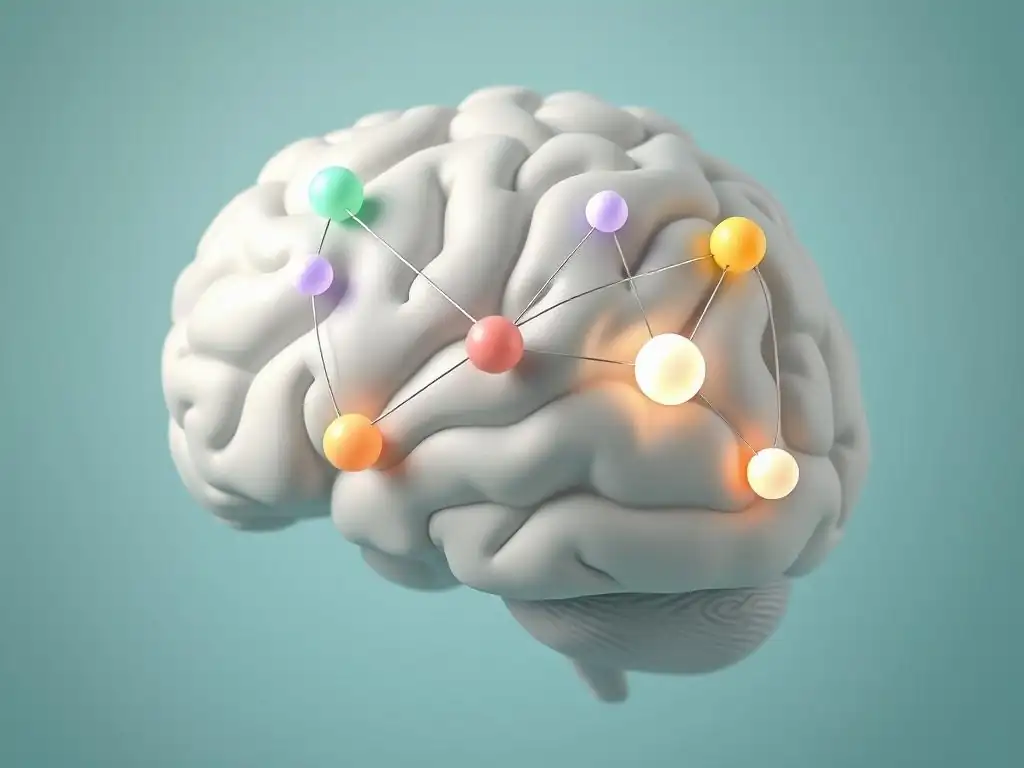
Targeting Multiple Neurotransmitters for Improved Mental Well-being
Given the complex interplay of neurotransmitters, a holistic approach that targets multiple systems is often more effective than focusing on a single chemical pathway. Many modern psychiatric medications reflect this understanding. For example, as mentioned, SNRIs affect both serotonin and norepinephrine, while other drugs might target dopamine and norepinephrine, or influence glutamate or GABA systems. Some treatments for bipolar disorder modulate multiple pathways, affecting neurotransmitter release, receptor sensitivity, and intracellular signaling cascades.
Beyond medication, therapies and lifestyle interventions can also influence multiple neurotransmitter systems simultaneously. Exercise, for instance, boosts serotonin, dopamine, and norepinephrine. Mindfulness and stress reduction techniques can modulate the stress response system, which in turn influences the balance of various neurotransmitters. This multi-pronged approach acknowledges that mental well-being relies on the harmonious function of an entire network, not just optimizing one component. Targeting multiple neurotransmitters allows for a more comprehensive restoration of neural circuit function.
Therapeutic Interventions: Medication and Neurotransmitter Modulation
Pharmacological interventions remain a cornerstone in treating moderate to severe mental health conditions, working primarily by modulating neurotransmitter activity. Antidepressants like SSRIs, SNRIs, and atypical antidepressants influence serotonin, norepinephrine, and/or dopamine levels in the synapse. Anxiolytics often target the GABA system to increase inhibitory activity. Mood stabilizers used in bipolar disorder may affect various systems, including glutamate and intracellular signaling pathways, to dampen extreme fluctuations in neural activity.
It's crucial to understand that these medications don't simply "fix" a single chemical imbalance. Instead, they initiate a cascade of changes in the brain over time, leading to altered receptor sensitivity, changes in gene expression, and potentially neurogenesis (the birth of new neurons) and synaptogenesis (the formation of new connections).
The delayed onset of therapeutic effects for many psychotropic medications underscores that the benefit comes from these downstream adaptive changes in neural circuits, not just the immediate alteration of neurotransmitter levels. Finding the right medication and dosage is often a process of trial and error, reflecting the individual variability in how brains respond to these complex chemical modulators.
The Role of Therapy in Addressing Underlying Causes
While medication can help regulate neurotransmitter levels and activity, psychotherapy plays a vital role in addressing the psychological, emotional, and behavioral factors that contribute to mental health challenges. Therapy techniques, such as Cognitive Behavioral Therapy (CBT) or Interpersonal Therapy (IPT), work by helping individuals identify and change negative thought patterns and behaviors, improve coping skills, and address relationship issues.
Remarkably, research using fMRI and other brain imaging techniques has shown that successful psychotherapy can lead to measurable changes in brain activity and connectivity, including in regions rich in neurotransmitter pathways. For example, studies have indicated that CBT can alter activity in the prefrontal cortex and amygdala, areas involved in emotional regulation and stress response that are heavily influenced by serotonin, norepinephrine, and GABA. This suggests that therapy doesn't just change thoughts; it can induce neurobiological changes, complementing the effects of medication and contributing to long-term well-being by helping to restore healthier patterns of neural communication.
Challenges in Directly Measuring Neurotransmitter Levels
Despite the central role of neurotransmitters, directly measuring their levels in the living human brain to diagnose mental health conditions is extremely challenging and not part of routine clinical practice. While neurotransmitters and their metabolites can be measured in blood, urine, or cerebrospinal fluid (CSF), these measurements do not accurately reflect the dynamic concentrations and activity occurring within the synapses of specific brain regions.
Neurotransmitter levels in the periphery (blood, urine) are influenced by many factors unrelated to brain function, such as diet, stress, and physical activity. CSF provides a closer view of the brain's chemical environment, but sampling is invasive and still only reflects the overall levels in the fluid surrounding the brain and spinal cord, not the precise synaptic activity in specific circuits implicated in mood disorders.
Therefore, clinical diagnoses of conditions like depression or anxiety are based on symptom presentation, clinical history, and psychological evaluation, not on direct "neurotransmitter tests." The idea that one can simply test for a specific neurotransmitter imbalance causes depression diagnosis is a misconception.
Symptom Assessment and Clinical Evaluation
The primary method for diagnosing mental health conditions involves a thorough symptom assessment and clinical evaluation conducted by a qualified mental health professional. This process includes detailed interviews about the individual's experiences, feelings, thoughts, behaviors, and overall functioning. Standardized diagnostic criteria, such as those outlined in the Diagnostic and Statistical Manual of Mental Disorders (DSM-5), are used to identify specific patterns of symptoms that characterize different conditions like major depressive disorder, generalized anxiety disorder, or bipolar disorder.
The clinician gathers information about the onset, duration, and severity of symptoms, as well as their impact on daily life. They also explore personal and family history of mental illness, medical conditions, medication use, and social and environmental factors. This comprehensive approach allows the clinician to understand the individual's unique presentation, identify co-occurring conditions, and formulate an appropriate treatment plan that may include therapy, medication, or a combination of approaches. This method, while not directly measuring brain chemistry, is the most reliable way to diagnose these complex conditions based on their observable manifestations.
Advanced Imaging Techniques in Neurotransmitter Research
While not used for routine clinical diagnosis, advanced neuroimaging techniques play a crucial role in research aimed at understanding how neurotransmitter systems function in the living brain and how they are altered in mental health conditions. Positron Emission Tomography (PET) scans, for example, can use radioactive tracers that bind to specific neurotransmitter receptors or transporters, allowing researchers to visualize and quantify their density and activity in different brain regions.
Functional Magnetic Resonance Imaging (fMRI) measures brain activity by detecting changes in blood flow. While not directly measuring neurotransmitters, fMRI can reveal how different brain regions communicate with each other within neural circuits that are modulated by various neurotransmitters. Research using these techniques has provided valuable insights into the neural correlates of depression, anxiety, and other disorders, showing altered activity and connectivity in circuits involving serotonin, dopamine, norepinephrine, and glutamate pathways. This research continues to deepen our understanding of the neurobiological underpinnings of mental illness, moving beyond the single neurotransmitter imbalance hypothesis towards a network-based understanding.
Practical Strategies for Supporting Neurotransmitter Balance
Dietary Recommendations for Optimal Neurotransmitter Function
Supporting overall brain health through nutrition can positively influence neurotransmitter function, though it's not a quick fix for clinical conditions. Consuming a balanced diet rich in whole foods provides the necessary building blocks for neurotransmitter synthesis and supports overall brain metabolism. Foods rich in tryptophan, such as poultry, eggs, dairy, nuts, and seeds, are precursors for serotonin.
Omega-3 fatty acids, found in fatty fish, flaxseeds, and walnuts, are crucial components of brain cell membranes and have anti-inflammatory properties that can benefit brain health and potentially support neurotransmitter signaling. B vitamins (especially B6, B12, and folate) are cofactors for many enzymes involved in neurotransmitter synthesis. Ensuring adequate intake of protein, healthy fats, complex carbohydrates, vitamins, and minerals supports the complex biochemical processes required for healthy neurotransmitter production, transport, and function. While diet alone cannot correct severe neurotransmitter imbalance causes depression, it is a foundational element of overall mental wellness.
The Importance of Stress Management Techniques
Chronic stress is a major disruptor of neurotransmitter balance, particularly affecting the stress response system involving cortisol, norepinephrine, and other neurochemicals. Implementing effective stress management techniques is therefore crucial for supporting healthy brain chemistry. Practices such as mindfulness meditation, deep breathing exercises, yoga, and spending time in nature have been shown to activate the parasympathetic nervous system, counteracting the effects of the stress response.
Regularly engaging in activities that promote relaxation and reduce stress can help lower cortisol levels and support the balanced function of neurotransmitter systems involved in mood and anxiety regulation. Even simple techniques like taking short breaks throughout the day or practicing progressive muscle relaxation can make a difference. Prioritizing stress management is an active step towards fostering a more resilient brain environment less prone to the dysregulations associated with chronic stress.
Prioritizing Sleep for Neurotransmitter Regulation
Adequate and quality sleep is essential for numerous brain functions, including the synthesis, release, and clearance of neurotransmitters. During sleep, particularly specific stages like REM sleep, there are characteristic patterns of neurotransmitter activity that are necessary for processes like memory consolidation and emotional regulation. Chronic sleep deprivation disrupts these patterns, leading to imbalances that can negatively impact mood, cognitive function, and stress reactivity.
Aiming for 7-9 hours of quality sleep per night is a critical strategy for supporting neurotransmitter health. Establishing a regular sleep schedule, creating a relaxing bedtime routine, ensuring a dark and quiet sleep environment, and avoiding stimulants like caffeine and nicotine close to bedtime can all improve sleep quality. Prioritizing sleep is not a luxury but a fundamental requirement for maintaining the delicate balance of the brain's chemical messengers.
The Benefits of Exercise for Neurotransmitter Production
Regular physical exercise is one of the most powerful lifestyle interventions for supporting mental health, partly due to its positive effects on neurotransmitter systems. Aerobic exercise, such as brisk walking, running, swimming, or cycling, increases blood flow to the brain, delivering oxygen and nutrients essential for neuronal health. It also promotes the release of endorphins, natural mood boosters, and has been shown to increase the synthesis and release of serotonin, dopamine, and norepinephrine.
Consistent exercise can also stimulate the production of neurotrophic factors like BDNF, which supports the growth and survival of neurons and synapses, strengthening neural circuits involved in mood regulation. Aiming for at least 150 minutes of moderate-intensity aerobic exercise or 75 minutes of vigorous-intensity exercise per week, combined with muscle-strengthening activities, can have significant benefits for neurotransmitter function and overall mental well-being. The impact of exercise on multiple neurotransmitter systems underscores why the idea that a single neurotransmitter imbalance causes depression is too simplistic; holistic actions are needed.
Conclusion: Embracing the Complexity of Neurotransmitters and Mental Health
Moving Beyond Simple Explanations of "Serotonin Deficiency Causes Depression"
The journey into the world of neurotransmitters reveals a landscape far more intricate than the early, simplified models suggested. The notion that conditions like depression are merely the result of a single "chemical imbalance," such as low serotonin, is an outdated and inaccurate representation of current scientific understanding. While neurotransmitters are undoubtedly crucial players, mental health disorders arise from complex dysregulations within neural circuits involving the dynamic interplay of multiple neurotransmitters, influenced by genetic factors, environmental experiences, and lifestyle choices.
Understanding that neurotransmitter imbalance causes depression is a partial truth; the reality is a complex network issue. This shift in perspective is vital because it moves away from the idea of a simple fix (like just boosting one chemical) towards a more nuanced understanding that acknowledges the multifaceted nature of these conditions. It highlights that effective treatment often requires addressing multiple contributing factors and targeting several aspects of brain function.
The Importance of Personalized Treatment Approaches
Given the complexity and individual variability in how neurotransmitter systems function and how they are affected by various factors, personalized treatment approaches are essential. What works for one person's depression or anxiety may not work for another, even if they have similar symptoms. Treatment plans need to be tailored to the individual's unique profile, taking into account their specific symptoms, medical history, genetic predispositions, lifestyle, and preferences.
A personalized approach might involve a combination of pharmacological interventions carefully selected based on symptom profile and potential side effects, specific types of psychotherapy targeting underlying psychological patterns, and lifestyle modifications such as dietary changes, exercise programs, and stress management techniques. This integrated approach recognizes that supporting mental well-being involves optimizing the complex biological, psychological, and social factors that influence brain health and neurotransmitter function.
Fostering a Deeper Understanding of Brain Chemistry and Mental Well-being
Educating ourselves and others about the true complexity of neurotransmitters and mental health is crucial for reducing stigma and promoting effective care. Moving beyond simplistic explanations empowers individuals to understand that mental health challenges are legitimate health conditions rooted in complex biological and environmental interactions, not personal failings.
A deeper understanding encourages patience with treatment, which often involves trial and error, and promotes engagement in holistic strategies that support overall brain health. By appreciating the intricate symphony of brain chemistry and the many factors that influence it, we can foster more empathetic attitudes, advocate for better research and treatment, and ultimately support individuals on their journey toward improved mental well-being. This complex understanding is key to navigating the challenges posed by conditions where neurotransmitter imbalance causes depression and other debilitating symptoms.
Frequently Asked Questions
What are neurotransmitters, and how do they relate to mental well-being?
Neurotransmitters are chemical messengers in the brain. They play a crucial role in regulating mood, sleep, appetite, and other functions vital for mental well-being.
Can a single neurotransmitter imbalance directly cause depression?
While a single neurotransmitter imbalance can contribute, depression is usually more complex. It's often a combination of multiple neurotransmitter imbalances interacting with genetic and environmental factors.
What are the most commonly implicated neurotransmitters in depression?
Serotonin, dopamine, and norepinephrine are the neurotransmitters most frequently linked to depression. Imbalances in these chemicals can affect mood, motivation, and energy levels.
How can I tell if I have a neurotransmitter imbalance that might be contributing to my depression?
It's challenging to self-diagnose. A mental health professional can assess your symptoms and possibly recommend tests to determine if neurotransmitter levels are playing a role in your depression.
Treatment options include medication like antidepressants (SSRIs, SNRIs) which aim to regulate neurotransmitter activity. Therapy, lifestyle changes, and supplements may also be recommended to support overall brain health.
Final Reflection: The Symphony of the Mind: Understanding Neurotransmitter Imbalance
The intricate dance of neurotransmitters isn't a solo performance; it's a complex orchestra, and when the harmony is disrupted, the consequences can be profound, impacting millions struggling with depression and other mental health challenges. Understanding this interconnectedness is crucial, moving beyond simplistic explanations of "one chemical out of balance" to a more holistic view of the brain's delicate ecosystem. This nuanced understanding is vital for developing more effective and targeted treatments.
The exploration of neurotransmitter interplay has profoundly shifted my perspective on mental health. It's no longer a matter of simply identifying a single culprit, but rather appreciating the intricate web of interactions that contribute to our emotional well-being. The brain is a complex organ, and mental illness is rarely caused by a single factor.
This quote underscores the importance of considering the whole picture, rather than focusing solely on individual neurotransmitters in isolation. The ongoing research in this field is not only illuminating but also offers hope for more personalized and effective interventions in the future.
Consider the implications of this for your own life. Are you simplifying your understanding of mental health challenges, both your own and others'? Take a moment to reflect on the interconnectedness of your thoughts, feelings, and behaviors. Seek to understand the complexity of the brain's chemistry, and remember that support is available. By embracing a holistic approach, we can foster a more compassionate and informed understanding of mental health, paving the way for a future where effective treatment is accessible to all.
Unlock Your Brain's Potential: Dive Deeper into Neurotransmitter Harmony
Thanks for exploring the fascinating world of neurotransmitters with us! We hope you gained a clearer understanding of their complex interactions and the importance of holistic brain health. Ready to take the next step?
- Prioritize your brain health: Identify one small, achievable change you can make today to support your neurotransmitter balance – whether it's improving sleep, adding more greens to your diet, or incorporating a mindful exercise routine.
- Share your insights: Discuss this article with a friend or family member who might benefit from learning about neurotransmitter balance. Spark a conversation and help spread the word about holistic brain care!
- Explore further: Consider journaling about your experiences with different strategies and observe how they impact your mood, focus, and energy levels.
What small change will you make today to nurture your brain’s amazing chemical symphony?