
Is Your Brain Hardwired for Anxiety? Exploring the Role of Negative Neuroplasticity


Welcome to Mind Care Guide, a compassionate space dedicated to nurturing your mental well-being.
Ever feel like anxiety is a deeply ingrained part of who you are? What if it's not a fixed state, but a pattern your brain has learned? Our article delves into the fascinating world of negative neuroplasticity anxiety management, exploring how your brain can actually reinforce anxious thought patterns, and more importantly, how you can rewire it for greater peace and resilience. Curious to learn how to break free from the anxiety loop? Read on to discover the neuroscience behind anxiety and practical strategies for lasting change.
Is Your Brain Hardwired for Anxiety? Exploring the Role of Negative Neuroplasticity
- Understanding Neuroplasticity and Its Impact on Mental Health
- Negative Neuroplasticity: The Dark Side of Brain Rewiring
- The Brain's Anxiety Circuitry and Negative Neuroplasticity
- Identifying the Signs of Negative Neuroplasticity Contributing to Anxiety
- Breaking the Cycle: Strategies for Anxiety Management Through Neuroplasticity
- Lifestyle Changes to Support Positive Neuroplasticity and Reduce Anxiety
- Practical Techniques for Managing Anxiety and Promoting Brain Rewiring
- The Future of Anxiety Treatment: Targeting Neuroplasticity for Lasting Relief
- Mind Care Guide: Supporting Your Journey to Mental Well-being Through Understanding Neuroplasticity
-
Frequently Asked Questions
- What is negative neuroplasticity and how does it relate to anxiety?
- How can I identify if negative neuroplasticity is contributing to my anxiety?
- What role does "Mind Care Guide" play in understanding negative neuroplasticity and anxiety management?
- What are some strategies for managing anxiety related to negative neuroplasticity?
- How does "Negative neuroplasticity anxiety management" relate to overall mental well-being?
- Final Reflection: Rewiring Your Brain, Rewiring Your Life
- Unlock Your Brain's Potential: Rewire for Resilience
Understanding Neuroplasticity and Its Impact on Mental Health
What is Neuroplasticity? The Brain's Remarkable Adaptability
Neuroplasticity is the brain's extraordinary ability to reorganize itself throughout life, forming new neural connections in response to learning, experience, and even injury. This dynamic process allows the brain to adapt, grow, and change, essentially rewiring its circuits. It's not a static organ; rather, it's constantly being shaped by everything we think, feel, and do. For instance, learning a new language or skill can significantly increase the density of gray matter in certain brain regions, demonstrating this remarkable capacity for change.
This adaptability is fundamental to our cognitive functions, memory formation, and emotional regulation. From childhood through old age, the brain's structure and function are continuously molded by environmental interactions and internal states. This means that pathways related to positive habits, skills, and emotional resilience can be strengthened, while less used or detrimental pathways might weaken, highlighting the brain's inherent potential for positive transformation.
How Neuroplasticity Relates to Anxiety Disorders
Neuroplasticity plays a critical role in both the development and potential treatment of anxiety disorders. When we experience anxiety, specific neural pathways in the brain become more active and, through neuroplastic processes, can become stronger over time. This means that the more we engage in anxious thought patterns or behaviors, the more ingrained these patterns can become, essentially creating 'highways' for anxiety signals to travel more easily and quickly.
Conversely, understanding neuroplasticity offers hope for managing anxiety. It implies that just as the brain can be wired for anxiety, it can also be rewired towards calmness and resilience. Therapeutic interventions and lifestyle changes aimed at promoting positive neuroplasticity can help weaken the neural circuits associated with fear and worry while strengthening those related to calm, rational thinking, and emotional regulation. This principle is foundational to many effective approaches for negative neuroplasticity anxiety management.
Negative Neuroplasticity: The Dark Side of Brain Rewiring
Defining Negative Neuroplasticity: When Adaptation Leads to Anxiety
Negative neuroplasticity refers to the brain's ability to change in ways that are detrimental to mental health and well-being. Instead of fostering adaptive responses, this process strengthens neural pathways associated with maladaptive thoughts, emotions, and behaviors. In the context of anxiety, negative neuroplasticity can solidify circuits involved in fear responses, worry, rumination, and avoidance, making these reactions more automatic and difficult to interrupt.
This process can be triggered and reinforced by chronic stress, traumatic experiences, persistent negative thinking, and unhealthy coping mechanisms. For example, constantly anticipating the worst-case scenario or repeatedly avoiding situations that trigger fear can reinforce the neural pathways that support these anxious responses. Over time, this negative rewiring can make the brain more predisposed to react with anxiety, even to minor stressors, creating a vicious cycle that is central to many anxiety disorders.
The Role of Negative Neuroplasticity in Developing Anxiety
Negative neuroplasticity is a key mechanism underlying the chronic nature of many anxiety disorders. When someone repeatedly experiences anxiety-provoking situations or engages in anxious thought patterns, the brain's fear circuitry, particularly involving the amygdala, becomes more sensitive and reactive. This increased sensitivity is a direct result of negative neuroplastic changes, where the connections within the fear network are strengthened.
This strengthening means that the brain becomes quicker to perceive threat and trigger the fight-or-flight response, even when no real danger is present. This hypersensitivity contributes to the persistent state of worry and hypervigilance characteristic of conditions like Generalized Anxiety Disorder (GAD) or Panic Disorder. Addressing this negative neuroplasticity is crucial for effective negative neuroplasticity anxiety management.
Negative Neuroplasticity vs. Positive Neuroplasticity: A Comparative Analysis
The distinction between negative and positive neuroplasticity lies in the outcome of the brain's rewiring. Positive neuroplasticity involves changes that enhance cognitive function, emotional regulation, learning, and overall mental well-being. Examples include strengthening pathways for learning new skills, recovering from brain injury, or building resilience to stress.
In contrast, negative neuroplasticity involves changes that contribute to dysfunction, such as the reinforcement of pathways associated with chronic pain, addiction, depression, and, notably, anxiety. While both are natural processes of brain adaptation, positive neuroplasticity is the goal for therapeutic interventions aimed at improving mental health, including effective negative neuroplasticity anxiety management strategies that seek to counteract the negative wiring with positive changes.
The Brain's Anxiety Circuitry and Negative Neuroplasticity
Key Brain Regions Involved in Anxiety: Amygdala, Hippocampus, and Prefrontal Cortex
Anxiety is not confined to a single brain area but involves a complex network of interconnected regions. The amygdala, often dubbed the brain's "fear center," plays a crucial role in detecting threats and initiating fear responses. The hippocampus is involved in memory formation, including memories of fearful or stressful events, providing context to potential threats. The prefrontal cortex (PFC), particularly the medial and ventromedial areas, is vital for executive functions, rational decision-making, and regulating emotional responses originating in the amygdala.
In a healthy brain, the PFC can effectively modulate the amygdala's activity, helping to differentiate between real and perceived threats. However, in anxiety disorders, this balance is disrupted. Research suggests that in individuals with chronic anxiety, the amygdala may be hyperactive, while the regulatory influence of the PFC might be diminished, contributing to an exaggerated fear response and difficulty in controlling worry.
How Negative Neuroplasticity Reinforces Anxiety Pathways
Negative neuroplasticity strengthens the connections within this anxiety circuitry in ways that favor fearful and anxious responses. For instance, repeated activation of the amygdala due to chronic stress or trauma can lead to structural changes, such as an increase in dendritic spines, making the amygdala more excitable and its connections stronger. Simultaneously, negative experiences can weaken the inhibitory pathways from the prefrontal cortex to the amygdala, reducing the brain's ability to dampen fear signals.
This process creates a feedback loop: the brain becomes more prone to anxiety, leading to more anxious experiences and thoughts, which further reinforce the negative neuroplastic changes. This cycle makes it harder to break free from anxious patterns and highlights why targeted strategies are essential for negative neuroplasticity anxiety management.
The Impact of Chronic Stress on Brain Structure and Function
Chronic stress is a powerful driver of negative neuroplasticity and has profound effects on brain structure and function, particularly in regions involved in anxiety. Prolonged exposure to stress hormones like cortisol can lead to atrophy (shrinkage) in the hippocampus, impairing memory and emotional regulation. It can also increase the size and activity of the amygdala, making the individual more sensitive to fear.
Furthermore, chronic stress can disrupt the function of the prefrontal cortex, impairing its ability to regulate emotions, make decisions, and control impulses. These stress-induced changes in brain structure and connectivity directly contribute to the development and maintenance of anxiety disorders, making the brain less resilient and more reactive to stress.
Identifying the Signs of Negative Neuroplasticity Contributing to Anxiety
Recognizing Patterns of Anxious Thinking and Behavior
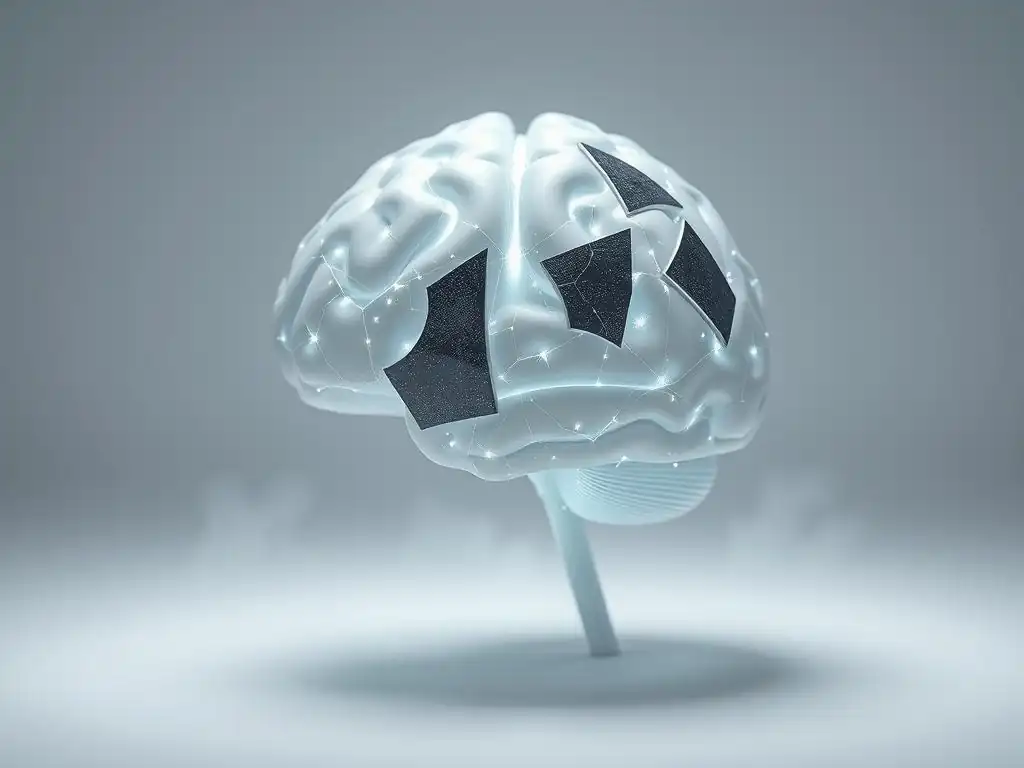
Identifying the signs of negative neuroplasticity often involves recognizing ingrained patterns of anxious thinking and behavior that feel automatic or difficult to change. These patterns are essentially the behavioral manifestations of strengthened anxiety pathways in the brain. Common examples include persistent worry that feels uncontrollable, catastrophizing (always assuming the worst outcome), and rumination (repetitively going over negative thoughts).
Behaviorally, this can manifest as avoidance of situations that trigger anxiety, excessive safety behaviors (like constantly seeking reassurance), or difficulty relaxing. These behaviors, while offering temporary relief, actually reinforce the negative neural circuits by confirming to the brain that the perceived threat was real and avoidance was necessary. Recognizing these deeply rooted patterns is the first step in understanding how negative neuroplasticity is contributing to one's anxiety.
The Link Between Trauma and Negative Neuroplasticity
Trauma, especially early in life or repeated trauma, is a significant factor in driving negative neuroplasticity and increasing vulnerability to anxiety disorders, including PTSD. Traumatic experiences can fundamentally alter the brain's stress response system and fear circuitry. The constant state of hyperarousal and fear associated with trauma can lead to significant and lasting changes in the amygdala, hippocampus, and prefrontal cortex.
For example, trauma can lead to a persistently hyperactive amygdala and a reduced-size hippocampus, impairing the ability to process context and distinguish safe environments from dangerous ones. This negative rewiring contributes to intrusive thoughts, flashbacks, hypervigilance, and exaggerated startle responses characteristic of trauma-related anxiety, making targeted interventions crucial for recovery.
Catastrophizing, Rumination, and Avoidance: Manifestations of Negative Neuroplasticity
Catastrophizing, rumination, and avoidance are classic examples of how negative neuroplasticity expresses itself in anxiety. Catastrophizing involves neural pathways that quickly jump to worst-case scenarios, fueled by a brain wired to anticipate danger. Rumination involves repetitive loops of negative thoughts, indicating strengthened circuits for worry and distress that are hard to disengage from.
Avoidance behaviors reinforce the belief that the avoided situation is genuinely threatening, further solidifying the fear-based pathways. Each time a person avoids a feared situation, the brain's fear circuit is momentarily appeased, strengthening the association between the situation and danger, and reinforcing the avoidance pathway. These manifestations highlight the need for strategies that actively disrupt these ingrained patterns for effective negative neuroplasticity anxiety management.
Breaking the Cycle: Strategies for Anxiety Management Through Neuroplasticity
Harnessing Positive Neuroplasticity to Reduce Anxiety
The good news is that if the brain can be wired for anxiety through negative neuroplasticity, it can also be rewired for calm and resilience through positive neuroplasticity. This involves intentionally engaging in activities and thought patterns that strengthen neural pathways associated with positive emotions, rational thinking, and relaxation. The principle is simple: "neurons that fire together, wire together." By consistently practicing new, healthier responses, we can build and strengthen new, more adaptive neural circuits, gradually weakening the old, anxious ones.
This process is not instantaneous; it requires consistent effort and practice, much like building a new physical skill. However, with dedication, individuals can actively shape their brain's structure and function to reduce anxiety symptoms. Effective negative neuroplasticity anxiety management relies heavily on leveraging this inherent capacity for positive change.
Cognitive Behavioral Therapy (CBT) and Neuroplasticity: A Powerful Combination
Cognitive Behavioral Therapy (CBT) is one of the most evidence-based psychotherapies for anxiety disorders, and its effectiveness is closely linked to its ability to promote positive neuroplasticity. CBT helps individuals identify and challenge negative thought patterns and behaviors that contribute to anxiety. By practicing new ways of thinking (e.g., challenging catastrophic thoughts with more balanced perspectives) and new behaviors (e.g., gradually facing feared situations instead of avoiding them), individuals are actively creating new neural pathways.
Studies using fMRI scans have shown that successful CBT treatment for anxiety disorders can lead to measurable changes in brain activity and connectivity, including decreased activity in the amygdala and increased activity in prefrontal regions responsible for regulation. This demonstrates how the structured techniques of CBT directly facilitate the rewiring of the anxious brain, serving as a prime example of negative neuroplasticity anxiety management through therapy.
Mindfulness and Meditation for Rewiring the Anxious Brain
Mindfulness and meditation practices are increasingly recognized for their ability to promote positive neuroplastic changes relevant to anxiety reduction. Regular mindfulness practice, which involves paying attention to the present moment without judgment, can help weaken the neural connections associated with mind-wandering, rumination, and reactivity (common features of anxiety). Simultaneously, it strengthens pathways related to focused attention, emotional regulation, and self-awareness.
Research indicates that long-term meditators show structural differences in brain regions associated with attention, introspection, and emotional processing, such as increased gray matter in parts of the prefrontal cortex and hippocampus. By training the mind to observe thoughts and feelings without getting swept away by them, mindfulness helps individuals develop a greater capacity to tolerate uncertainty and discomfort, effectively rewiring the brain away from automatic anxious responses.
Neurofeedback and Biofeedback: Therapeutic Interventions for Positive Neuroplasticity
Neurofeedback and biofeedback are therapeutic techniques that allow individuals to gain conscious control over physiological processes, including brainwave activity (neurofeedback) or physiological responses like heart rate and muscle tension (biofeedback), which are often dysregulated in anxiety. By providing real-time feedback on these processes, individuals learn strategies to regulate them, thereby promoting positive neuroplastic changes.
For instance, neurofeedback for anxiety might focus on increasing alpha waves (associated with relaxation) and decreasing high-beta waves (associated with vigilance and worry) in specific brain regions. Through repeated practice and feedback, the brain learns to produce more desirable patterns of activity, strengthening the neural pathways associated with calmness. While often used as adjunctive therapies, these methods offer a direct approach to influencing brain activity for negative neuroplasticity anxiety management.
Lifestyle Changes to Support Positive Neuroplasticity and Reduce Anxiety
The Importance of Exercise for Brain Health and Anxiety Reduction
Regular physical exercise is a powerful catalyst for positive neuroplasticity and a vital component of negative neuroplasticity anxiety management. Exercise increases blood flow to the brain, promoting the production of brain-derived neurotrophic factor (BDNF), a protein that supports the growth, survival, and function of neurons and synapses. BDNF is often referred to as "Miracle-Gro" for the brain due to its crucial role in neuroplasticity.
Aerobic exercise, like running or swimming, has been shown to increase the size of the hippocampus, a brain region often reduced in size by chronic stress and anxiety. Exercise also helps regulate neurotransmitters like serotonin, norepinephrine, and dopamine, which play key roles in mood and stress regulation. Aiming for at least 150 minutes of moderate-intensity exercise per week, as recommended by health guidelines, can have significant positive effects on brain structure and function, helping to counteract negative wiring.
Nutrition and Neuroplasticity: Fueling a Healthy Mind
What we eat directly impacts brain health and neuroplasticity. A diet rich in omega-3 fatty acids, antioxidants, vitamins, and minerals provides the necessary building blocks and protection for optimal brain function and the promotion of positive neuroplasticity. Omega-3s, found in fatty fish like salmon, are essential components of brain cell membranes and are crucial for synaptic plasticity.
Conversely, diets high in processed foods, sugar, and unhealthy fats can contribute to inflammation and oxidative stress, which can impair neuroplasticity and negatively affect mood and cognitive function. Focusing on a balanced diet with plenty of fruits, vegetables, whole grains, lean proteins, and healthy fats supports the brain's ability to adapt and rewire in healthy ways, contributing to effective negative neuroplasticity anxiety management.
Sleep and Anxiety: Restoring Brain Function and Promoting Neuroplasticity
Sufficient and quality sleep is absolutely essential for brain health, memory consolidation, and neuroplasticity. During sleep, the brain is actively engaged in processes that consolidate learning and memory, clear metabolic waste products, and restore neurotransmitter balance. These processes are critical for maintaining healthy neural circuits and facilitating positive neuroplastic changes.
Chronic sleep deprivation, common among individuals with anxiety, impairs cognitive function, increases amygdala reactivity, and disrupts the prefrontal cortex's ability to regulate emotions. Prioritizing 7-9 hours of quality sleep per night helps restore the brain's capacity for emotional regulation, strengthens adaptive neural pathways, and supports the overall goals of negative neuroplasticity anxiety management.
Practical Techniques for Managing Anxiety and Promoting Brain Rewiring
Deep Breathing Exercises to Reduce Amygdala Activity
Deep breathing exercises are simple yet powerful techniques that can immediately help calm the nervous system and, over time, contribute to rewiring the brain away from hyper-reactivity. Techniques like diaphragmatic breathing stimulate the vagus nerve, which is part of the parasympathetic nervous system responsible for the "rest and digest" response. Activating the parasympathetic system counteracts the sympathetic "fight or flight" response triggered by the amygdala.
Regular practice of deep breathing can help reduce baseline amygdala activity and strengthen the prefrontal cortex's ability to regulate emotional responses. For example, the 4-7-8 breathing technique (inhale for 4, hold for 7, exhale for 8) can be practiced multiple times a day to build this capacity, offering a direct tool for negative neuroplasticity anxiety management in the moment and over time.
Working Memory Training Techniques for Strengthening the Prefrontal Cortex
Anxiety often involves difficulty with focusing attention and managing intrusive thoughts, functions linked to the prefrontal cortex. Working memory, the ability to hold and manipulate information in the mind, is a key function of the PFC. Training working memory can help strengthen this area, improving its capacity for executive control and emotional regulation.
Techniques like N-back tasks (remembering stimuli presented 'N' steps back) or engaging in mentally challenging activities like puzzles or learning new skills can help improve working memory capacity. As the prefrontal cortex gets stronger, its ability to exert top-down control over the amygdala and interrupt anxious thought loops improves, supporting negative neuroplasticity anxiety management by enhancing regulatory brain functions.
Visualization and Affirmations: Strategies for Creating Healthier Neural Pathways
Visualization and affirmations are techniques that leverage the brain's capacity for neuroplasticity by creating mental experiences of desired states. Visualizing calm, positive outcomes or successfully navigating previously feared situations can help build and strengthen neural pathways associated with these positive experiences, even if they are only imagined initially. The brain doesn't always distinguish between real and vividly imagined experiences, allowing visualization to influence neural wiring.
Similarly, repeating positive affirmations (e.g., "I am capable," "I am safe") can help challenge and replace ingrained negative self-talk patterns. While seemingly simple, consistent practice of visualization and affirmations can help shift the brain's default mode from one of fear and worry to one of greater confidence and calm, serving as accessible tools for negative neuroplasticity anxiety management.
The Future of Anxiety Treatment: Targeting Neuroplasticity for Lasting Relief
Emerging Research on Neuroplasticity and Anxiety Disorders
Research into the role of neuroplasticity in anxiety is a rapidly evolving field, offering exciting possibilities for future treatments. Scientists are using advanced imaging techniques, such as fMRI and diffusion tensor imaging (DTI), to better understand the specific structural and functional connectivity changes associated with different anxiety disorders. This research is providing more precise targets for intervention.
Emerging studies are exploring novel compounds and therapeutic approaches specifically designed to promote positive neuroplasticity or reverse negative changes in anxiety-related brain circuits. For example, research is underway on the potential of certain pharmacological agents to enhance the effects of behavioral therapies by creating a "window of plasticity" where the brain is more amenable to rewiring.
Personalized Approaches to Anxiety Treatment Based on Brain Rewiring
Understanding that anxiety involves unique patterns of negative neuroplasticity in each individual opens the door for more personalized treatment approaches. Instead of a one-size-fits-all model, future anxiety treatment may involve assessing an individual's specific brain wiring patterns (perhaps through imaging or other biomarkers) and tailoring interventions – whether therapy, medication, or lifestyle changes – to target those specific neural circuits.
This personalized approach could lead to more efficient and effective negative neuroplasticity anxiety management by directly addressing the underlying brain changes contributing to the individual's symptoms. For instance, someone with excessive amygdala activity might benefit more from interventions focused on calming techniques, while someone with impaired prefrontal regulation might benefit more from cognitive training.
Transcranial Magnetic Stimulation (TMS) and Other Future Research Directions
Non-invasive brain stimulation techniques like Transcranial Magnetic Stimulation (TMS) are being explored for their potential to modulate brain activity and promote neuroplasticity in anxiety disorders. TMS uses magnetic pulses to stimulate specific areas of the brain, such as the prefrontal cortex, to enhance its activity and improve its ability to regulate the amygdala.
While still largely experimental for primary anxiety disorders (it's approved for some cases of OCD and depression, which often co-occur with anxiety), TMS represents a promising direction for directly targeting the neural circuits implicated in negative neuroplasticity. Future research continues to explore various neuromodulation techniques, pharmacological agents that enhance plasticity, and even gene therapies, all aimed at leveraging the brain's capacity for change to provide more lasting relief from anxiety.
Mind Care Guide: Supporting Your Journey to Mental Well-being Through Understanding Neuroplasticity
Understanding neuroplasticity offers a powerful perspective on anxiety – not as a fixed state, but as a condition influenced by changeable brain pathways. Recognizing the role of negative neuroplasticity can help demystify why anxiety feels so ingrained, while the concept of positive neuroplasticity provides a roadmap for change. At Mind Care Guide, we are committed to providing you with the knowledge and resources to embark on this journey of brain rewiring.
Empower yourself by learning more about how your brain works and the practical steps you can take to foster positive neuroplasticity. Managing anxiety through neuroplasticity is an active process that involves consistent effort, but the potential for lasting change is immense.
Resources for Learning More About Neuroplasticity and Anxiety
There are numerous reputable resources available for those wishing to deepen their understanding of neuroplasticity and its relevance to anxiety. Many university research departments focusing on neuroscience and psychology publish accessible summaries of their findings. Organizations dedicated to mental health often provide educational materials explaining the brain basis of anxiety and the principles of neuroplasticity.
Books written by neuroscientists and psychologists for a general audience can also offer comprehensive insights into how the brain changes and how to harness this capacity for mental well-being. Exploring these resources can provide a solid foundation for anyone committed to effective negative neuroplasticity anxiety management.
Finding a Therapist Experienced in Neuroplasticity-Based Therapies
For many, professional guidance is invaluable in applying the principles of neuroplasticity to manage anxiety. Therapists experienced in modalities like Cognitive Behavioral Therapy (CBT), Dialectical Behavior Therapy (DBT), Mindfulness-Based Stress Reduction (MBSR), and certain forms of neurofeedback are well-equipped to help individuals identify negative thought patterns and behaviors and develop strategies to build healthier neural pathways.
When seeking a therapist, consider asking about their approach and whether they incorporate psychoeducation about the brain and neuroplasticity into their practice. A therapist who understands negative neuroplasticity anxiety management from a brain-based perspective can provide targeted interventions and support tailored to your specific needs, guiding you effectively on your path to rewiring the anxious brain.
Frequently Asked Questions
What is negative neuroplasticity and how does it relate to anxiety?
Negative neuroplasticity refers to the brain's ability to strengthen maladaptive connections, leading to increased anxiety. These repeated anxious thoughts and behaviors can reinforce neural pathways that perpetuate the cycle of anxiety.
How can I identify if negative neuroplasticity is contributing to my anxiety?
Look for patterns of repetitive anxious thoughts or behaviors that feel difficult to break. You might notice that you automatically react with anxiety in certain situations, even when the threat is minimal.
What role does "Mind Care Guide" play in understanding negative neuroplasticity and anxiety management?
"Mind Care Guide" offers information, support, and resources for understanding the link between negative neuroplasticity and anxiety. We aim to help individuals re-train their brains and manage anxiety effectively.
Strategies include mindfulness techniques, cognitive behavioral therapy (CBT), and exposure therapy. These methods help to weaken negative neural pathways and build new, healthier ones.
How does "Negative neuroplasticity anxiety management" relate to overall mental well-being?
Effectively managing anxiety through understanding and addressing negative neuroplasticity is crucial for improving overall mental well-being. By breaking the cycle of anxiety, you can experience greater peace and resilience.
Final Reflection: Rewiring Your Brain, Rewiring Your Life
The understanding of negative neuroplasticity is no longer a niche scientific concept; it's a crucial key to unlocking effective anxiety management in the modern world. The pervasive stress of daily life, from social media pressures to economic uncertainty, fuels the very neural pathways that perpetuate anxiety. This means that what we once considered a fixed trait – our predisposition to anxiety – is actually a dynamic process, constantly being shaped by our experiences and thoughts.
The exploration of negative neuroplasticity has profoundly impacted my own understanding of anxiety, shifting my perspective from one of resignation to one of empowered self-regulation. It's no longer a question of "am I destined for anxiety?" but rather, "how can I consciously reshape my neural pathways to foster resilience and calm?"
This journey of understanding resonates deeply with the words of Viktor Frankl: >“Between stimulus and response there is a space. In that space is our power to choose our response. In our response lies our growth and our freedom.” This space, this conscious choice, is where the power of neuroplasticity truly lies.
You now possess the knowledge to actively participate in reshaping your brain. This isn't about eliminating anxiety entirely – that's unrealistic – but about cultivating the mental strength to navigate challenging emotions with greater ease and grace. Consider the practices discussed throughout this article – mindfulness, cognitive restructuring, and consistent self-compassion – and integrate them into your daily life. Begin today, with a single mindful breath, to consciously cultivate the positive neuroplasticity that will lead you towards a more peaceful and fulfilling existence.
Unlock Your Brain's Potential: Rewire for Resilience
Thanks for exploring the fascinating world of neuroplasticity and anxiety with us! You've now gained valuable insights into how your brain can adapt and change. Ready to put this knowledge into action?
- Prioritize one small, positive change: Start by consciously practicing a single mindfulness technique (even just 5 minutes daily) to begin rewiring your brain towards a more positive state. This could be deep breathing, a short meditation, or even simply focusing on your senses.
- Share your experience: Connect with others in the Mind Care Guide community and share your progress and challenges. What small step will you take today?
- Discover more: Explore our other articles on anxiety management techniques, including practical exercises and self-help guides available on MindCareGuide.org.
What small step will you take today to cultivate greater resilience in your life?