
Building Resilience from the Inside Out: Strengthening Your GutBrain Link


Welcome to Mind Care Guide, a safe space dedicated to nurturing your mental well-being.
Ever wonder if the secret to lasting mental resilience lies deeper than you think? It does. Explore the fascinating GutBrain connection in our in-depth article, "Building Resilience from the Inside Out: Strengthening Your GutBrain Link," and discover how nurturing your gut can profoundly impact your mental and emotional health. Ready to unlock the power within? Let's begin your journey toward a healthier, more resilient you.
- Building Resilience from the Inside Out: Strengthening Your Gut-Brain Link for Mental Well-being
- The Gut-Brain Axis and Its Impact on Mental Health Conditions
- Strategies to Strengthen Your Gut-Brain Link for Enhanced Resilience
- Assessing Your Gut Health and Seeking Professional Guidance
- The Future of Gut-Brain Research and Mental Health Treatment
- Cultivating a Resilient Mind Through a Healthy Gut: A Holistic Approach
-
Frequently Asked Questions
- How does the gut-brain connection influence mental resilience?
- What are some practical ways to improve my gut health for better mental well-being?
- Can imbalances in the gut microbiome contribute to mental health issues?
- What role does diet play in supporting the gut-brain connection and building resilience?
- Are there specific supplements that can help strengthen the gut-brain connection for enhanced mental resilience?
- Final Reflection: Cultivating Inner Strength Through the Gut-Brain Axis
- Unleash Your Inner Resilience: Strengthen Your Gut-Brain Connection Today!
Building Resilience from the Inside Out: Strengthening Your Gut-Brain Link for Mental Well-being
What is the Gut-Brain Axis? Exploring the Two-Way Communication
The gut-brain axis is a complex, bidirectional communication system that links the central nervous system (CNS), which includes the brain and spinal cord, with the enteric nervous system (ENS), often referred to as the "second brain," located in the gut. This intricate network involves various pathways, including the vagus nerve, the endocrine system (hormones), the immune system, and the metabolic products of the gut microbiome. Think of it as a superhighway where messages are constantly being exchanged between your digestive system and your brain, influencing everything from mood and cognition to digestion and immune responses.
This constant dialogue means that what happens in your gut can directly impact your brain function and vice versa. For instance, stress originating in the brain can slow down digestion, while irritation in the gut can send signals to the brain that affect mood and energy levels.
Researchers estimate that the gut contains over 100 million neurons, more than the spinal cord, highlighting the sophistication and independence of the ENS in managing digestive processes, yet it remains intimately connected to the brain via this axis. Understanding this fundamental link is crucial for appreciating how deeply gut health is intertwined with our overall mental well-being and our capacity for mental resilience.
How the Gut Microbiome Influences Brain Function and Emotional Regulation
The gut microbiome, the trillions of microorganisms living in your digestive tract, plays a pivotal role in shaping brain function and influencing emotional regulation through the gut-brain axis. These microbes produce a wide array of neuroactive compounds, including neurotransmitters like serotonin and gamma-aminobutyric acid (GABA), short-chain fatty acids (SCFAs) like butyrate, and other metabolites that can directly or indirectly interact with the brain. For example, a significant portion of the body's serotonin, a neurotransmitter vital for mood regulation, is produced in the gut, influenced by microbial activity.
Furthermore, the gut microbiome impacts brain health by modulating inflammation and influencing the integrity of the gut barrier, which in turn affects the blood-brain barrier. A healthy microbiome supports a robust gut lining, preventing harmful substances from entering the bloodstream and potentially reaching the brain. Studies in both animals and humans have demonstrated that alterations in the gut microbiome composition can correlate with changes in behavior, mood, and cognitive function.
For instance, research has shown that individuals with depression often exhibit different gut microbial profiles compared to healthy individuals, with lower levels of certain beneficial bacteria known to produce SCFAs. This highlights the profound impact of microbial balance on our emotional landscape and the potential for targeting the microbiome to enhance mental resilience.
The Link Between Gut Health and Mental Resilience: A Vital Connection
Mental resilience, the ability to adapt and bounce back from adversity, is not solely a product of psychological factors; it is also significantly influenced by physiological processes, particularly those mediated by the gut-brain axis. A healthy gut, supported by a diverse and balanced microbiome, contributes to stable mood, reduced inflammation, and efficient stress response, all of which are foundational elements of resilience. When the gut-brain connection is strong and functioning optimally, the body and mind are better equipped to handle stressors and maintain emotional equilibrium.
Conversely, a compromised gut-brain axis, often characterized by dysbiosis (an imbalance in gut bacteria), increased intestinal permeability ("leaky gut"), and chronic low-grade inflammation, can undermine mental resilience. This disruption can lead to an exaggerated stress response, heightened anxiety, and increased vulnerability to depressive symptoms.
For example, individuals experiencing chronic stress often show altered gut microbial composition and impaired gut barrier function, creating a vicious cycle where stress negatively impacts the gut, and the compromised gut exacerbates the stress response and impairs the capacity for bouncing back. Strengthening the gut-brain link is therefore a vital strategy for cultivating mental resilience from the inside out.
The Gut-Brain Axis and Its Impact on Mental Health Conditions
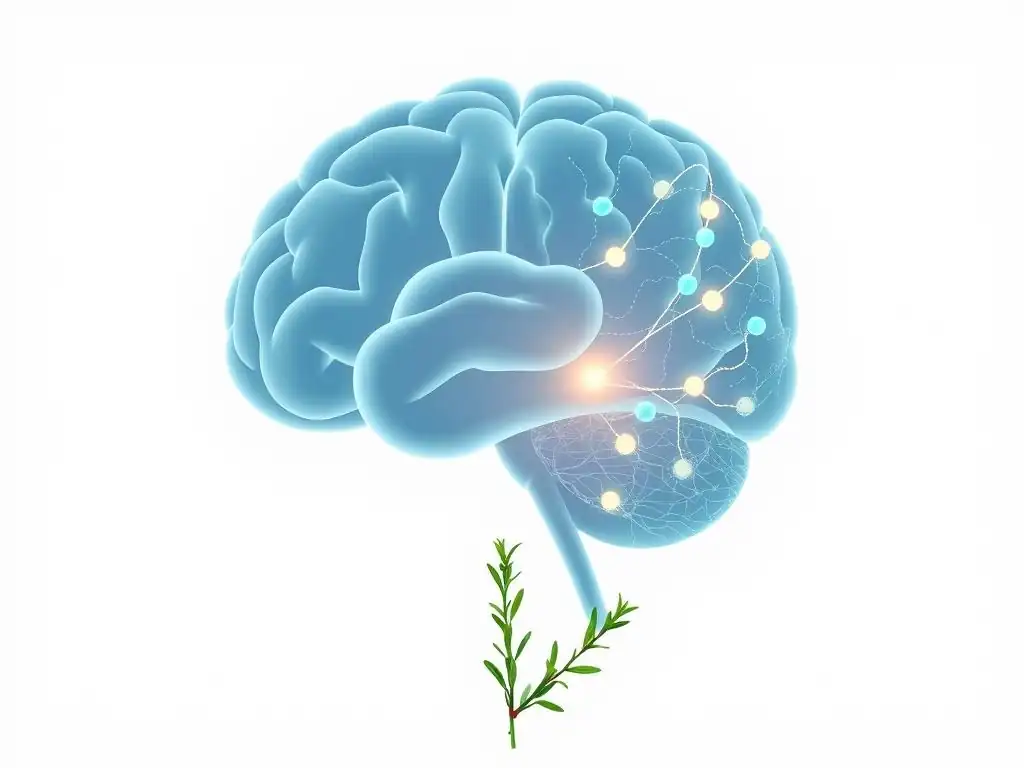
Gut Dysbiosis and Increased Vulnerability to Anxiety and Depression
Gut dysbiosis, an imbalance in the types and proportions of microorganisms in the gut, is increasingly recognized as a contributing factor to the development and severity of anxiety and depression. When the balance between beneficial and potentially harmful bacteria is disrupted, it can lead to reduced production of beneficial metabolites like SCFAs (e.g., butyrate), increased production of pro-inflammatory compounds, and impaired gut barrier function. These changes can directly impact the gut-brain axis, sending signals to the brain that affect mood, behavior, and stress reactivity.
Research provides compelling evidence for this link. A meta-analysis published in 2019 examining studies on gut microbiota and depression found consistent differences in the microbial composition of depressed individuals compared to healthy controls, often characterized by reduced diversity and alterations in specific bacterial genera. Similarly, studies on anxiety have shown associations with distinct microbial profiles. For example, reduced levels of certain Lactobacillus and Bifidobacterium species have been observed in individuals with anxiety disorders. This growing body of evidence underscores how microbial imbalance can compromise the gutbrain connection mental resilience, making individuals more susceptible to these common mental health challenges.
The Role of Inflammation in the Gut-Brain Axis and Mental Health Challenges
Chronic low-grade inflammation is a key mechanism through which the gut-brain axis influences mental health. The gut is a major site of immune activity, and when gut health is compromised, such as through dysbiosis or increased permeability, it can trigger inflammatory responses. Inflammatory molecules produced in the gut can enter the bloodstream and cross the blood-brain barrier, leading to neuroinflammation. This inflammation within the brain can disrupt neurotransmitter systems, impair neuronal function, and contribute to the pathology of various mental health conditions.
Studies have consistently linked elevated levels of inflammatory markers like C-reactive protein (CRP) and pro-inflammatory cytokines (such as IL-6 and TNF-alpha) with increased risk and severity of depression, anxiety, and even neurodegenerative conditions. For instance, a study involving thousands of participants found that individuals with higher levels of CRP had a significantly increased risk of developing depression over time. The gut, through its influence on systemic inflammation via the gut-brain axis, acts as a crucial regulator of this process. By promoting gut health and reducing gut-derived inflammation, we can potentially mitigate neuroinflammation and bolster the gutbrain connection mental resilience.
Irritable Bowel Syndrome (IBS) and Its Association with Mental Health
Irritable Bowel Syndrome (IBS) is a classic example of a disorder deeply rooted in the dysfunction of the gut-brain axis, demonstrating a strong bidirectional link between gastrointestinal symptoms and mental health. People with IBS frequently experience not only abdominal pain, bloating, and altered bowel habits but also high rates of anxiety and depression. It's estimated that between 50% and 90% of individuals with IBS also report significant psychological symptoms, far exceeding the rates seen in the general population.
This strong association is not merely coincidental; it reflects the shared pathways and feedback loops of the gut-brain axis. Stress and emotional distress can exacerbate IBS symptoms by affecting gut motility and sensitivity, while chronic gut symptoms can significantly impact mood and quality of life, leading to increased anxiety and depression.
Research suggests that altered gut microbiota, increased gut permeability, and dysregulated immune activation are common features in both IBS and certain mental health conditions, further highlighting the interwoven nature of gut health and mental well-being through the gut-brain connection mental resilience. Addressing both the gastrointestinal and psychological aspects is often necessary for effective management of IBS and its associated mental health challenges.
Strategies to Strengthen Your Gut-Brain Link for Enhanced Resilience
Dietary Interventions for a Healthier Gut and Improved Mental Well-being
Diet is perhaps the most accessible and powerful tool for influencing the gut microbiome and strengthening the gut-brain axis. What you eat directly feeds your gut bacteria, shaping their composition and the metabolites they produce. A diet rich in diverse plant fibers, fermented foods, and healthy fats can promote the growth of beneficial bacteria, reduce inflammation, and support the production of neuroactive compounds that positively impact brain function and mood, contributing to a stronger gutbrain connection mental resilience.
Conversely, a diet high in processed foods, refined sugars, and unhealthy fats can foster the growth of less beneficial bacteria, increase gut permeability, and drive inflammation, potentially undermining mental health. Making conscious dietary choices focused on whole, nutrient-dense foods is a foundational step in optimizing your gut-brain health. Even small changes, like increasing your intake of fruits and vegetables, can start to shift your microbial landscape within days or weeks, leading to tangible improvements in both digestive comfort and mental clarity.
The Power of Prebiotics and Probiotics for Gut Health
Prebiotics and probiotics are key dietary components that can specifically target the gut microbiome to enhance gut health and support the gut-brain connection. Prebiotics are types of dietary fiber that selectively feed beneficial gut bacteria, promoting their growth and activity. Excellent sources include foods like garlic, onions, leeks, asparagus, bananas, and oats. Consuming a variety of prebiotic-rich foods provides the necessary fuel for a diverse and thriving microbial community.
Probiotics are live beneficial bacteria or yeasts that, when consumed in adequate amounts, confer a health benefit to the host. They can be found in fermented foods such as yogurt with live and active cultures, kefir, sauerkraut, kimchi, and tempeh, or taken as dietary supplements.
While research on specific strains and their effects on mental health is ongoing, some studies suggest that certain Lactobacillus and Bifidobacterium strains may influence mood, reduce anxiety, and improve symptoms of depression, directly impacting the gutbrain connection mental resilience. Incorporating both prebiotics and probiotics into your diet is a synergistic approach to fostering a healthy gut environment.
Anti-Inflammatory Foods to Support Gut-Brain Balance
Reducing systemic inflammation is crucial for a healthy gut-brain axis and enhanced mental resilience. A diet rich in anti-inflammatory foods can help soothe the gut lining, modulate the immune response, and protect against neuroinflammation. Key players in an anti-inflammatory diet include foods high in omega-3 fatty acids, antioxidants, and certain phytonutrients.
Examples of potent anti-inflammatory foods include fatty fish like salmon, mackerel, and sardines; colorful fruits and vegetables such as berries, leafy greens, broccoli, and bell peppers; nuts and seeds like walnuts, almonds, and flaxseeds; and spices like turmeric (containing curcumin) and ginger. Incorporating these foods regularly into your meals can help counteract inflammation originating in the gut and support the intricate dialogue between your gut and brain, fostering a more robust gutbrain connection mental resilience.
Foods to Avoid That Can Disrupt Gut Health
Just as some foods promote gut health, others can disrupt it and negatively impact the gut-brain axis. Foods high in refined sugars, unhealthy fats (especially trans fats and excessive saturated fats), and artificial additives can feed less beneficial bacteria, increase gut permeability, and promote inflammation. A diet heavy in these components can lead to dysbiosis and undermine the integrity of the gut lining, sending inflammatory signals to the brain.
Highly processed foods, sugary drinks, fried foods, and excessive consumption of red and processed meats are examples of foods that should be limited or avoided when aiming to improve gut health and strengthen the gut-brain connection. For instance, a study in mice showed that a high-fat, high-sugar diet rapidly altered gut microbiota composition and impaired cognitive function. While human studies are complex, observational data consistently links Western-style diets with increased rates of both gut issues and mental health challenges. Making conscious choices to reduce these disruptive foods is essential for nurturing a healthy gut-brain connection mental resilience.
Lifestyle Modifications to Foster a Stronger Gut-Brain Connection
Diet is a powerful lever, but lifestyle factors also significantly influence the gut-brain axis. Chronic stress, lack of physical activity, and insufficient sleep can all negatively impact gut health, leading to dysbiosis, increased inflammation, and impaired gut barrier function. Addressing these lifestyle elements is therefore crucial for supporting a healthy gut-brain connection and enhancing mental resilience.
Integrating practices that promote relaxation, regular movement, and adequate rest into your daily routine can create a more favorable environment for beneficial gut bacteria and reduce the detrimental effects of stress on the digestive system. These modifications work synergistically with dietary changes to build a robust foundation for gut-brain health. For instance, engaging in regular exercise has been shown to increase the diversity of the gut microbiome, while chronic stress can reduce it.
Stress Management Techniques: Reducing the Impact of Stress on the Gut
Stress has a profound and immediate impact on the gut, often leading to changes in gut motility, increased sensitivity, altered gut permeability, and shifts in microbial composition. This bidirectional effect means that stress can trigger digestive symptoms, and conversely, gut distress can exacerbate feelings of stress and anxiety. Effective stress management is therefore vital for protecting gut health and maintaining a healthy gut-brain connection.
Techniques such as mindfulness meditation, deep breathing exercises, yoga, spending time in nature, or engaging in hobbies can help activate the parasympathetic nervous system, often referred to as the "rest and digest" system. This counteracts the "fight or flight" response triggered by stress, promoting calmer gut function and reducing the release of stress hormones like cortisol, which can negatively impact the gut microbiome and gut barrier. Implementing just 10-15 minutes of a stress-reducing activity daily can make a noticeable difference in both gut comfort and overall gutbrain connection mental resilience.
The Importance of Regular Exercise for Gut and Brain Health
Regular physical activity is beneficial for both physical and mental health, and its positive effects extend to the gut-brain axis. Exercise has been shown to increase the diversity and richness of the gut microbiome, promote the growth of beneficial bacteria that produce SCFAs, and reduce gut transit time, which can help prevent the buildup of waste products. These changes contribute to a healthier gut environment and support optimal gut function.
Furthermore, exercise reduces inflammation throughout the body, including neuroinflammation, and can improve mood by increasing the production of endorphins and other neurochemicals. Studies in athletes have shown significantly different gut microbial profiles compared to sedentary individuals, often with a greater abundance of species associated with metabolic health and reduced inflammation. Aiming for at least 150 minutes of moderate-intensity aerobic exercise or 75 minutes of vigorous-intensity exercise per week, as recommended by health guidelines, can be a powerful strategy for enhancing both gut health and gutbrain connection mental resilience.
Prioritizing Sleep for Optimal Gut-Brain Function
Sleep is a fundamental biological process that significantly impacts both gut health and brain function, and thus the gut-brain axis. Chronic sleep deprivation or disruption can negatively alter the gut microbiome composition, increase gut permeability, and exacerbate inflammation, all of which can compromise the gut-brain connection. For instance, studies have shown that just a few nights of sleep restriction can lead to unfavorable shifts in gut bacterial communities.
Poor sleep is also strongly linked to increased stress, anxiety, and depression, creating a vicious cycle where sleep problems worsen mental health, and mental health issues disrupt sleep. Prioritizing 7-9 hours of quality sleep per night is essential for allowing the gut and brain to perform crucial maintenance and repair processes, including supporting a healthy microbial balance and reducing inflammatory signals along the gut-brain axis. Establishing a consistent sleep schedule and creating a relaxing bedtime routine can significantly improve sleep quality and, in turn, strengthen your gutbrain connection mental resilience.
Supplementation Strategies for Gut-Brain Support
While diet and lifestyle are the cornerstones of gut-brain health, certain supplements may offer additional support, particularly for individuals with specific needs or deficiencies. However, it's crucial to approach supplementation thoughtfully and ideally under the guidance of a healthcare professional, as the effects can vary depending on the individual and the specific product. Supplements can target the gut microbiome, reduce inflammation, or provide essential nutrients that support both gut and brain function, contributing to the gutbrain connection mental resilience.
Common categories of supplements for gut-brain support include probiotics, prebiotics (as isolated fibers), and certain vitamins and minerals known to play roles in gut integrity, neurotransmitter production, and inflammation regulation. The efficacy of supplements depends on factors like dosage, strain specificity (for probiotics), quality, and individual absorption.
Exploring the Benefits of Lactobacillus and Bifidobacterium Strains
Specific strains within the Lactobacillus and Bifidobacterium genera are among the most well-studied probiotics for their potential benefits on mental health and the gut-brain axis. These bacteria are known producers of beneficial compounds, including SCFAs like butyrate, which nourish gut cells and have anti-inflammatory effects, and certain neurotransmitters or precursors.
Research has explored the impact of specific strains, such as Lactobacillus rhamnosus GG, Lactobacillus helveticus R0052, Bifidobacterium longum R0175, and Bifidobacterium breve 12, on anxiety, depression, and stress responses. Some studies have shown that supplementation with certain combinations of these strains can lead to reductions in cortisol levels, improvements in mood scores, and decreased self-reported anxiety.
For example, a study published in 2016 found that participants taking a specific multi-strain probiotic containing Lactobacillus and Bifidobacterium species reported reduced psychological distress compared to a placebo group. While more research is needed to pinpoint the most effective strains for specific conditions, including bolstering the gutbrain connection mental resilience, these genera represent promising avenues for probiotic intervention.
The Role of Vitamin D and Magnesium in Gut-Brain Health
Beyond probiotics and prebiotics, certain vitamins and minerals are essential for maintaining a healthy gut-brain axis. Vitamin D, often associated with bone health, also plays a role in immune regulation and reducing inflammation, both of which impact the gut and brain. Receptors for Vitamin D are found throughout the body, including in gut cells and the brain. Deficiency in Vitamin D has been linked to increased risk of inflammatory bowel diseases and may also be associated with depression.
Magnesium is another vital mineral involved in over 300 enzymatic reactions in the body, including those related to neurotransmitter synthesis and stress response. Magnesium deficiency can affect gut motility and has been implicated in anxiety and depression. Ensuring adequate intake of Vitamin D (through sunlight exposure, diet, or supplementation) and Magnesium (found in leafy greens, nuts, seeds, and whole grains) can support overall physiological function, including maintaining a healthy gut-brain connection mental resilience.
Considerations When Choosing Gut Health Supplements
Choosing the right gut health supplements requires careful consideration. The market is vast, and product quality and efficacy can vary significantly. It's important to look for reputable brands that provide clear information about the specific strains of bacteria (for probiotics), the number of live organisms (CFUs or Colony Forming Units), and storage recommendations.
Furthermore, consider your specific needs and health goals. Are you targeting general gut health, specific digestive symptoms, or mental well-being? Different supplements may be more appropriate depending on your situation. Consulting with a healthcare professional, such as a doctor or a registered dietitian specializing in gut health, can provide personalized guidance and help you select supplements that are evidence-based and appropriate for your individual circumstances, ensuring they align with your efforts to strengthen your gutbrain connection mental resilience.
Assessing Your Gut Health and Seeking Professional Guidance
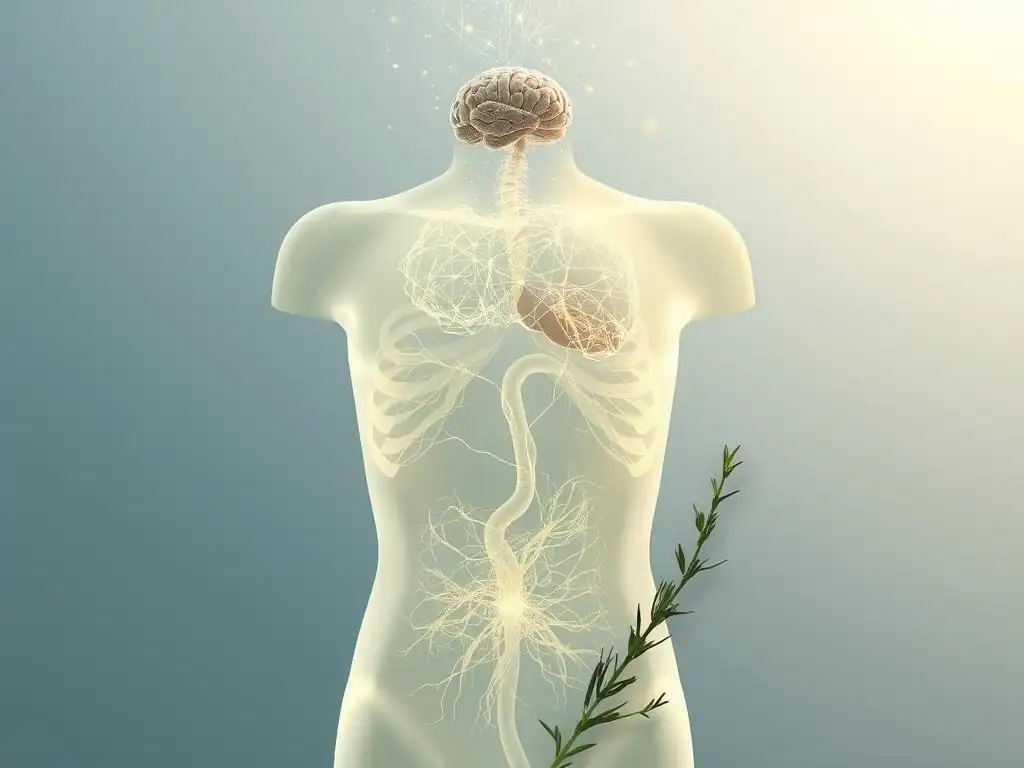
Identifying Potential Gut Health Issues Affecting Your Mental Well-being
Recognizing that your gut health might be impacting your mental well-being is the first step toward addressing potential issues. Pay attention to chronic digestive symptoms such as bloating, gas, abdominal pain, constipation, or diarrhea, especially if they coincide with changes in mood, anxiety levels, or cognitive function. These symptoms can be indicators of gut dysbiosis, inflammation, or other underlying gut issues that are disrupting the gut-brain axis.
Beyond overt digestive problems, consider if you experience frequent fatigue, skin issues (like eczema), unexplained aches and pains, or food sensitivities, as these can sometimes be related to compromised gut health and increased intestinal permeability. While self-assessment is a starting point, it's essential not to self-diagnose. These signs warrant further investigation by a qualified healthcare professional who can properly evaluate your symptoms and determine the underlying cause, guiding you toward strengthening your gutbrain connection mental resilience.
Working with a Healthcare Professional to Evaluate Your Gut-Brain Health
Given the complexity of the gut-brain axis, seeking professional guidance is highly recommended when exploring the link between your gut health and mental well-being. A healthcare professional, such as a gastroenterologist, a functional medicine practitioner, a registered dietitian, or a psychiatrist with an interest in the gut-brain axis, can provide a comprehensive evaluation.
They will take a detailed medical history, including your digestive symptoms, mental health status, diet, lifestyle, and any medications you are taking. Based on this information, they can help identify potential connections and recommend appropriate diagnostic tests or interventions. This collaborative approach ensures that you receive evidence-based advice and personalized strategies tailored to your unique gut-brain profile, offering targeted support for enhancing your gutbrain connection mental resilience.
Discussing Potential Diagnostic Tests: Stool Analysis and Intestinal Permeability Testing
To gain a clearer picture of your gut health, a healthcare professional may recommend specific diagnostic tests. Stool analysis is a common test that can provide insights into the composition and diversity of your gut microbiome, the presence of beneficial bacteria, opportunistic pathogens, fungi, parasites, and markers of inflammation and digestion.
Another relevant test is intestinal permeability testing, sometimes referred to as a "leaky gut" test, which assesses the integrity of your gut barrier. Increased permeability can allow undigested food particles, bacteria, and toxins to enter the bloodstream, potentially triggering inflammation and impacting the gut-brain axis. Discussing these options with your healthcare provider can help determine if such tests are appropriate for you and how the results can inform a targeted plan to improve your gut health and strengthen your gutbrain connection mental resilience.
The Future of Gut-Brain Research and Mental Health Treatment
Emerging Therapies Targeting the Gut-Brain Axis
Research into the gut-brain axis is a rapidly evolving field, opening up exciting possibilities for novel mental health treatments. Scientists are exploring various ways to therapeutically modulate the gut microbiome and the gut-brain connection to alleviate symptoms of anxiety, depression, and other conditions. These emerging therapies go beyond traditional psychiatric medications and delve into the potential of the gut as a target for intervention.
One promising area is the development of "psychobiotics," which are probiotics or prebiotics that, when consumed, produce a positive mental health benefit. Fecal microbiota transplantation (FMT), the transfer of fecal matter from a healthy donor to a recipient, is also being investigated for its potential to restore a balanced gut microbiome in individuals with mental health disorders, though this is still largely experimental for psychiatric conditions.
Other research focuses on targeting specific microbial metabolites or pathways involved in gut-brain communication. While many of these approaches are still in clinical trials, they represent a significant shift towards recognizing the gut's crucial role in mental wellness and the potential for modulating the gutbrain connection mental resilience through targeted interventions.
Personalized Approaches to Gut-Brain Health for Enhanced Resilience
As our understanding of the gut-brain axis deepens, the future of mental health treatment is likely to become more personalized, taking into account an individual's unique gut microbiome profile and how it interacts with their brain and overall physiology. Just as genetic testing is becoming more common, analyzing an individual's gut microbiome composition and function could help tailor dietary recommendations, probiotic interventions, and lifestyle strategies for optimal gut-brain health and mental resilience.
This personalized approach acknowledges that there is no one-size-fits-all solution for gut health or mental well-being. Factors like genetics, environment, diet history, antibiotic use, and stress levels all contribute to a person's unique gut ecosystem. Future therapies and strategies for enhancing gutbrain connection mental resilience may involve detailed microbial profiling to identify specific imbalances and then applying highly targeted interventions, such as specific dietary fibers or probiotic strains, designed to restore balance and optimize the gut-brain dialogue for improved mental outcomes.
Cultivating a Resilient Mind Through a Healthy Gut: A Holistic Approach
Integrating Gut-Brain Strategies into Your Daily Life for Long-Term Mental Well-being
Building mental resilience is an ongoing process, and integrating strategies that support the gut-brain axis into your daily life is a powerful, holistic approach to long-term mental well-being. This means viewing your gut not just as a digestive organ but as a crucial partner in your mental health journey. It involves making conscious choices about what you eat, how you manage stress, how much you move, and how well you sleep, recognizing the profound impact these factors have on your gut microbiome and its communication with your brain.
Start by incorporating small, sustainable changes. Perhaps add a serving of fermented food to your daily routine, commit to a short walk after meals, or practice a few minutes of mindful breathing when you feel stressed. Over time, these consistent efforts accumulate, fostering a healthier gut environment and strengthening the gut-brain connection. By nurturing your gut, you are simultaneously investing in your mental resilience, creating a foundation from the inside out that helps you navigate life's challenges with greater ease and emotional stability.
Frequently Asked Questions
How does the gut-brain connection influence mental resilience?
The gut-brain axis is a bidirectional communication system. A healthy gut microbiome can positively influence brain function and reduce stress, thereby enhancing mental resilience.
What are some practical ways to improve my gut health for better mental well-being?
Focus on a diet rich in fiber, prebiotics, and probiotics. Reducing processed foods and managing stress levels can also significantly improve gut health and, subsequently, mental well-being.
Can imbalances in the gut microbiome contribute to mental health issues?
Yes, research suggests that imbalances, often referred to as gut dysbiosis, can be linked to anxiety, depression, and other mental health challenges by affecting neurotransmitter production.
What role does diet play in supporting the gut-brain connection and building resilience?
Diet is crucial. A nutrient-rich diet supports a diverse and healthy gut microbiome, which is essential for producing neurotransmitters and reducing inflammation, contributing to greater mental resilience.
Are there specific supplements that can help strengthen the gut-brain connection for enhanced mental resilience?
While a balanced diet is primary, certain supplements like probiotics and omega-3 fatty acids may support gut health. However, it's important to consult with a healthcare professional before starting any supplement regimen.
Final Reflection: Cultivating Inner Strength Through the Gut-Brain Axis
The intricate connection between our gut and brain is no longer a niche scientific concept; it's a foundational pillar of holistic well-being, directly impacting our mental resilience in profound ways. Understanding this powerful link empowers us to take proactive steps toward strengthening our mental fortitude, fostering a more resilient and balanced life. The implications are vast, reaching far beyond simple digestive health.
The exploration of the gut-brain axis has fundamentally shifted my understanding of mental health, revealing the interconnectedness of seemingly disparate systems within the body. It's a reminder that true resilience isn't solely built through external strategies, but cultivated from within, nurtured by the intricate dance between our microbiota and our minds. The gut is the second brain,
a phrase often repeated, underscores the profound impact of gut health on our overall well-being, including our emotional and cognitive states. This understanding allows us to move beyond simplistic solutions and embrace a more holistic approach to mental wellness.
Now, consider your own gut-brain connection. What steps can you take today to nourish this vital link? Perhaps it's incorporating more fermented foods into your diet, prioritizing stress-reducing activities like meditation or yoga, or simply taking a moment to connect with your body and listen to its needs. Embrace this knowledge, empower yourself with the understanding of this powerful connection, and embark on a journey towards building unshakeable resilience from the inside out. Your mental well-being deserves this level of care and attention.
Unleash Your Inner Resilience: Strengthen Your Gut-Brain Connection Today!
Thanks for taking the time to explore the fascinating world of your gut-brain connection and how it impacts your resilience! You've now learned valuable strategies to cultivate inner strength and well-being. Ready to take the next step?
- Prioritize gut-friendly foods: Start incorporating more fermented foods and fiber into your diet this week. Notice the difference in your energy levels and mood. This is your primary action to build a stronger gut-brain axis.
- Share this knowledge: Spread the word! Discuss your newfound insights with friends and family – you might inspire someone to embark on their own journey to improved resilience.
- Explore mindful eating practices: Consider incorporating a few minutes of mindful eating into your daily routine. Reflect on the nourishment your body receives.
What small step will you take today to nurture your gut and boost your resilience?