
The Mental Health Diet: Simple Steps to Start AntiInflammatory Eating


Welcome to Mind Care Guide, your sanctuary for navigating the complexities of mental well-being.
Feeling overwhelmed by the constant chatter in your mind? What if simple, everyday choices could offer a pathway to calmer waters? Dive into "The Mental Health Diet: Simple Steps to Start AntiInflammatory Eating" and discover how antiinflammatory eating mental health benefits can reshape your inner landscape. Could changing your plate change your perspective? Let's explore together...
The Mental Health Diet: Simple Steps to Start Anti-Inflammatory Eating
- Introduction: Understanding the Connection Between Diet and Mental Well-being
- What is Anti-Inflammatory Eating for Mental Health?
- Benefits of Anti-Inflammatory Eating for Mental Wellness
- Simple Steps to Start Your Anti-Inflammatory Eating Journey
- Anti-Inflammatory Recipes for Mental Health
- Overcoming Challenges and Staying Consistent with Anti-Inflammatory Eating
- Consulting with Professionals: When to Seek Expert Advice
- Conclusion: Embracing Anti-Inflammatory Eating for a Healthier Mind.
-
Frequently Asked Questions
- What is the connection between anti-inflammatory eating and mental health?
- How does an anti-inflammatory diet differ from a typical diet?
- What are some specific foods to include in an anti-inflammatory diet for mental well-being?
- Can anti-inflammatory eating replace traditional mental health treatments like therapy or medication?
- How quickly can I expect to see improvements in my mental health after starting an anti-inflammatory diet?
- Final Reflection: Nourishing the Mind, One Bite at a Time
- Unlock Your Mind's Potential: Start Your Anti-Inflammatory Journey Today!
Introduction: Understanding the Connection Between Diet and Mental Well-being
Exploring the Gut-Brain Axis and Mental Health
The connection between what we eat and how we feel mentally is far more profound than previously understood, largely mediated by the intricate communication network known as the gut-brain axis. This bidirectional pathway links the central nervous system (brain and spinal cord) with the enteric nervous system (the nervous system of the gut), and it involves hormonal, immune, and neural signaling.
The gut is home to trillions of microorganisms, collectively known as the gut microbiota, which play a critical role in producing neurotransmitters like serotonin (a significant portion of the body's serotonin is produced in the gut), short-chain fatty acids (SCFAs) like butyrate, and other compounds that can influence brain function, mood, and even behavior. Disruptions to this delicate ecosystem, often caused by poor dietary choices, stress, or antibiotic use, can negatively impact mental health.
Research over the past decade has increasingly highlighted how the composition and diversity of our gut bacteria can influence our vulnerability to conditions such as anxiety, depression, and stress-related disorders. For example, studies in both animals and humans have shown that diets high in processed foods and sugar can alter the gut microbiota in ways that promote inflammation and impair gut barrier function, potentially allowing inflammatory molecules to enter the bloodstream and affect brain chemistry.
Conversely, diets rich in fiber from plant-based foods support beneficial gut bacteria, leading to the production of SCFAs that nourish gut cells, reduce inflammation, and have been shown to have positive effects on mood and cognitive function. Understanding this axis is fundamental to appreciating how antiinflammatory eating mental health strategies work.
The Role of Inflammation in Mental Health Conditions
Chronic low-grade inflammation is increasingly recognized as a significant factor underlying various mental health challenges, including depression, anxiety, bipolar disorder, and even neurodegenerative conditions. This isn't the acute inflammation you get from an injury, but rather a persistent, subtle immune response occurring throughout the body and, crucially, in the brain.
When the body is exposed to inflammatory triggers from the diet (like excessive sugar or unhealthy fats), environmental toxins, chronic stress, or an imbalanced gut microbiome, immune cells can become activated and release pro-inflammatory cytokines. These molecules can cross the blood-brain barrier and interfere with neurotransmitter function, disrupt neural pathways, and even impair neurogenesis (the growth of new brain cells).
Elevated levels of inflammatory markers, such as C-reactive protein (CRP) and various cytokines, have been consistently found in individuals experiencing depressive episodes or severe anxiety. This suggests that reducing systemic inflammation could be a key strategy in managing these conditions.
An anti-inflammatory diet specifically targets these inflammatory pathways by providing the body with nutrients and compounds that help calm the immune system and protect brain cells from damage. By focusing on foods that combat inflammation and avoiding those that promote it, individuals can potentially lower their inflammatory load and create a more supportive environment for optimal brain function and emotional stability.
What is Anti-Inflammatory Eating for Mental Health?
Defining Anti-Inflammatory Diet for Brain Health
An anti-inflammatory diet for brain health is an eating pattern focused on consuming foods known for their anti-inflammatory properties while minimizing foods that tend to promote inflammation in the body. It's not a strict, short-term diet plan but rather a sustainable lifestyle approach centered on nutrient-dense whole foods.
The primary goal is to reduce systemic inflammation, which, as discussed, has strong links to mental health conditions and cognitive decline. This way of eating emphasizes fruits, vegetables, lean proteins, healthy fats, and complex carbohydrates, providing a rich array of antioxidants, omega-3 fatty acids, fiber, and phytochemicals – all compounds known to modulate the immune response and support brain function.
Unlike restrictive fad diets, anti-inflammatory eating for mental health is about abundance and inclusion, focusing on what you can eat to nourish your body and mind. It draws inspiration from traditional dietary patterns like the Mediterranean diet, which consistently shows benefits for both physical and mental health outcomes in large population studies.
For instance, a study published in BMC Medicine in 2017 found that participants who followed a modified Mediterranean diet pattern experienced a significant reduction in depressive symptoms compared to a control group over a 12-week period. This highlights the practical impact of adopting such an anti-inflammatory diet approach for improving mental well-being.
Key Principles of an Anti-Inflammatory Diet
The core principles of an anti-inflammatory diet revolve around selecting foods that actively combat inflammation and minimizing those that trigger it.
- Increase Intake of Fruits and Vegetables: Aim for a wide variety of colorful produce daily. These are rich in antioxidants, vitamins, minerals, and fiber, which help neutralize free radicals and reduce oxidative stress, a key driver of inflammation. Specific examples include berries, leafy greens like spinach and kale, broccoli, and bell peppers.
- Focus on Healthy Fats: Incorporate sources of monounsaturated and polyunsaturated fats, especially omega-3 fatty acids. Omega-3s, found in fatty fish (like salmon, mackerel), flaxseeds, chia seeds, and walnuts, are potent anti-inflammatory agents that are crucial for brain structure and function. Olive oil is another excellent source of monounsaturated fats and antioxidants.
- Choose Lean Protein Sources: Opt for lean proteins like fish, poultry, legumes, and nuts. Limit excessive consumption of red and processed meats, which can be higher in saturated fats and compounds that may promote inflammation in some individuals.
- Select Whole Grains: Prioritize whole grains over refined grains. Whole grains retain their fiber, vitamins, and minerals, contributing to better blood sugar control and gut health, which in turn helps manage inflammation. Examples include oats, quinoa, brown rice, and whole wheat.
- Minimize Processed Foods, Sugary Drinks, and Refined Sugars: These are major culprits that can spike blood sugar, contribute to weight gain, and fuel chronic inflammation. Reducing or eliminating items like sugary sodas, pastries, white bread, and processed snacks is a cornerstone of antiinflammatory eating mental health.
- Use Anti-Inflammatory Spices: Incorporate spices like turmeric (containing curcumin), ginger, garlic, and cinnamon into your cooking. These have well-documented anti-inflammatory properties.
Adhering to these principles creates a dietary pattern that supports not just physical health, but also provides a solid foundation for improved mental clarity, mood stability, and overall resilience against stress and mood disorders.
Benefits of Anti-Inflammatory Eating for Mental Wellness
Reducing Symptoms of Depression and Anxiety Through Diet
Emerging research strongly suggests that adopting an anti-inflammatory eating pattern can significantly impact the severity of symptoms associated with depression and anxiety. Given the established link between chronic inflammation and these mood disorders, a diet that actively reduces inflammation can help to normalize inflammatory markers in the body and brain.
For instance, a meta-analysis published in the Journal of Clinical Psychiatry in 2019 reviewed data from several studies and found that dietary interventions focusing on improving diet quality (often inherently anti-inflammatory) led to a small but significant reduction in depressive symptoms. While diet is not a standalone cure and should complement other treatments, it represents a powerful adjunctive strategy.
Individuals who transition from a standard Western diet high in processed foods to one rich in fruits, vegetables, omega-3s, and whole grains often report experiencing a noticeable improvement in their mood, reduced feelings of persistent worry, and increased energy levels. This isn't just anecdotal; studies tracking dietary patterns and mental health over time, like the large-scale PREDIMED study in Spain which followed participants on a Mediterranean diet, have shown lower rates of depression incidence among those adhering more closely to this anti-inflammatory pattern.
Focusing on antiinflammatory eating mental health provides a tangible way to support the body's natural ability to regulate mood and stress responses.
Improving Cognitive Function and Focus with Anti-Inflammatory Foods
Beyond mood, chronic inflammation can impair cognitive function, affecting memory, concentration, and overall mental sharpness. The brain is particularly vulnerable to inflammatory damage. An anti-inflammatory diet supplies the brain with the essential nutrients it needs to function optimally and protects it from inflammatory insult. Omega-3 fatty acids, for example, are integral components of brain cell membranes and play a crucial role in synaptic plasticity and reducing neuroinflammation. Antioxidants found in abundance in berries and leafy greens help protect brain cells from oxidative stress, which often accompanies inflammation.
Consuming foods rich in these compounds supports better blood flow to the brain and promotes the health of brain cells. Studies have shown that dietary patterns emphasizing anti-inflammatory foods are associated with better cognitive performance and a reduced risk of cognitive decline later in life.
For instance, research on the MIND diet (a hybrid of the Mediterranean and DASH diets, both highly anti-inflammatory) has demonstrated a slower rate of cognitive decline in older adults who adhere closely to its principles, equivalent to being 7.5 years younger cognitively. This illustrates how prioritizing antiinflammatory eating mental health can have lasting positive effects on not only emotional well-being but also cognitive vitality.
Supporting Overall Mental Health and Emotional Balance
Adopting an anti-inflammatory diet contributes to overall mental resilience and emotional balance by addressing multiple physiological pathways involved in mental health. It helps stabilize blood sugar levels, preventing the energy crashes and mood swings often associated with diets high in refined sugars and carbohydrates. It supports a healthy gut microbiome, which, as discussed, is crucial for neurotransmitter production and regulating the stress response. Furthermore, providing the body with a steady supply of essential vitamins and minerals ensures that metabolic processes vital for brain function run smoothly.
This holistic approach means that while specific symptoms like anxiety or low mood might improve, individuals often experience broader benefits such as improved sleep quality, increased stress tolerance, and a greater sense of well-being. By consistently providing the body with nutrient-dense, anti-inflammatory foods, you are building a robust foundation for mental and emotional stability. Thinking about antiinflammatory eating mental health isn't just about avoiding bad foods; it's about actively nourishing your brain and body to thrive and maintain equilibrium in the face of daily challenges.
Simple Steps to Start Your Anti-Inflammatory Eating Journey
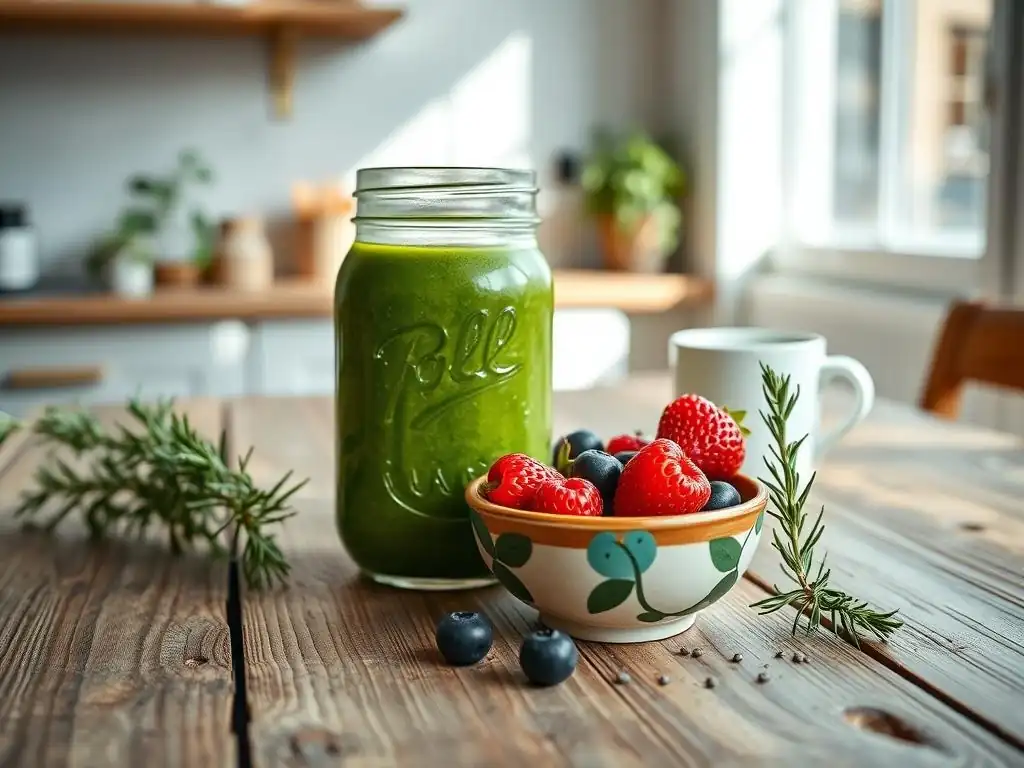
Step 1: Identify and Eliminate Inflammatory Foods
Common Culprits: Processed Foods, Sugar, and Unhealthy Fats
The first crucial step in transitioning to an anti-inflammatory eating pattern is to recognize and reduce your intake of the most common dietary culprits that promote inflammation. Processed foods are often high in refined sugars, unhealthy trans fats (like partially hydrogenated oils), excessive sodium, and artificial additives, all of which can trigger inflammatory responses in the body. Think about items like packaged snacks, sugary cereals, fast food, and microwave meals.
Refined sugar, in particular, causes rapid spikes in blood sugar and insulin levels, which can lead to a cascade of inflammatory reactions. A single can of soda, for example, can contain upwards of 30-40 grams of sugar, far exceeding daily recommended limits and contributing significantly to systemic inflammation over time.
Unhealthy fats, specifically trans fats and excessive amounts of saturated fats found in red meat, butter, and many processed items, can also increase inflammatory markers. While saturated fat's role is debated, trans fats are widely accepted as pro-inflammatory and detrimental to health. The goal isn't necessarily complete elimination overnight, but a conscious effort to drastically reduce these items. Consider starting by cutting out one major source, like sugary drinks, and observing how you feel. This initial focus on reducing the inflammatory load is a cornerstone of successful antiinflammatory eating mental health strategies.
Creating a Food Diary to Track Your Reactions
Keeping a food diary can be an incredibly insightful tool when starting an anti-inflammatory diet. It involves recording everything you eat and drink, along with how you feel physically and mentally after consuming those items. Note your energy levels, mood, digestive comfort, and any specific symptoms like headaches or fatigue. This practice helps you identify potential trigger foods that might be causing inflammatory responses unique to your body. For example, you might notice that after eating a meal high in refined carbohydrates, you experience a significant dip in energy and increased irritability a couple of hours later.
Maintain the diary for at least a week, or ideally two, to capture a representative sample of your eating habits and reactions. This personal data is invaluable for making informed decisions about which specific foods to reduce or eliminate from your diet. It makes the process of adopting antiinflammatory eating mental health more personal and effective, allowing you to tailor your approach based on your body's specific responses rather than just following general guidelines.
Step 2: Incorporate Anti-Inflammatory Powerhouse Foods
The Best Vegetables for Mental Health: Leafy Greens, Broccoli, Berries
Loading your plate with a wide variety of vegetables is fundamental to an anti-inflammatory diet for mental health. Leafy greens like spinach, kale, and collard greens are nutritional powerhouses, packed with vitamins (A, C, K), minerals (folate, magnesium), and antioxidants. Folate, for instance, is essential for neurotransmitter synthesis, and low levels have been linked to depression. Magnesium plays a role in stress response regulation and can help improve sleep. A single cup of cooked spinach provides a significant portion of your daily vitamin K and folate needs, contributing directly to brain health and reducing inflammation.
Cruciferous vegetables such as broccoli, cauliflower, and Brussels sprouts contain compounds like sulforaphane, which has been shown to have powerful anti-inflammatory and antioxidant effects. Broccoli, in particular, is a great source of Vitamin C and fiber. Adding a serving of broccoli to your daily meals can contribute significantly to your overall nutrient intake.
Berries, while technically fruits, are often grouped here due to their exceptional antioxidant content, particularly anthocyanins, which give them their vibrant colors. Blueberries, strawberries, raspberries, and blackberries have been shown in studies to reduce inflammation and improve cognitive function, making them top choices for antiinflammatory eating mental health.
Fruits Packed with Antioxidants: Blueberries, Strawberries, Oranges
Fruits are essential components of an anti-inflammatory diet, providing natural sweetness along with a wealth of vitamins, fiber, and antioxidants. Blueberries are often hailed as a superfruit for their incredibly high levels of antioxidants, particularly anthocyanins, which have been linked to improved memory and reduced brain aging in studies. Consuming just half a cup of blueberries a few times a week can contribute significant antioxidant power.
Strawberries are another excellent choice, rich in Vitamin C and other antioxidants that help combat oxidative stress and inflammation. A cup of strawberries provides more than a full day's recommended intake of Vitamin C.
Citrus fruits like oranges and grapefruits are well-known for their high Vitamin C content, a potent antioxidant that supports the immune system and helps protect against inflammation. They also contain flavonoids with anti-inflammatory properties. While all fruits offer benefits, focusing on those with deep colors often indicates a higher concentration of beneficial antioxidants. Incorporating a variety of these fruits daily is a delicious way to boost your intake of inflammation-fighting compounds and support your journey towards antiinflammatory eating mental health.
Healthy Fats for Brain Function: Avocado, Olive Oil, Fatty Fish
Incorporating healthy fats is non-negotiable for optimal brain health and reducing inflammation. The brain is composed of about 60% fat, and it requires a steady supply of the right kinds of fats to function properly. Avocados are a fantastic source of monounsaturated fats, which are linked to reduced inflammation and better cardiovascular health (which in turn supports brain health). They also contain fiber, potassium, and vitamins K, C, E, and several B vitamins. Adding half an avocado to a salad or smoothie provides healthy fats and nutrients that support brain cell membranes.
Extra virgin olive oil is a staple of the Mediterranean diet and is rich in monounsaturated fats and polyphenols, powerful antioxidants with anti-inflammatory properties. Studies have shown that compounds in olive oil can reduce inflammatory markers like CRP. Using two tablespoons of extra virgin olive oil daily in cooking or as a dressing is a simple way to incorporate this beneficial fat.
Fatty fish like salmon, mackerel, sardines, and anchovies are perhaps the most celebrated sources of omega-3 fatty acids (EPA and DHA). These fats are crucial for brain structure, neurotransmitter function, and are potent anti-inflammatory agents. Aiming for 2-3 servings of fatty fish per week can significantly boost your omega-3 levels and support antiinflammatory eating mental health.
Protein Sources that Support Mental Well-being: Salmon, Chicken, Lentils
Protein is essential for building and repairing tissues, including brain cells, and for the synthesis of neurotransmitters. Choosing the right protein sources can also contribute to your anti-inflammatory goals. Fatty fish, particularly salmon, serves double duty as both a source of healthy omega-3 fats and high-quality protein. A 3-ounce serving of salmon provides around 20 grams of protein and a significant amount of EPA and DHA.
Lean poultry like chicken and turkey (skinless) are good sources of protein without the higher levels of saturated fat found in some red meats. They provide amino acids necessary for brain function. Plant-based protein sources like lentils, beans, chickpeas, and tofu are excellent additions to an anti-inflammatory diet. Lentils, for example, offer not only protein but also significant amounts of fiber, folate, and magnesium, all beneficial for mental health. They also have a low glycemic index, helping to stabilize blood sugar. Incorporating a variety of these protein sources ensures you meet your needs while supporting antiinflammatory eating mental health.
Step 3: Plan Your Meals and Snacks for Optimal Mental Health
Creating a Weekly Meal Plan Focused on Anti-Inflammatory Foods
Planning ahead is one of the most effective strategies for successfully adopting and maintaining an anti-inflammatory eating pattern. Creating a weekly meal plan helps ensure you have the right ingredients on hand and reduces the likelihood of resorting to convenient, but often inflammatory, processed foods when you're short on time or energy. Start by blocking out your meals for the week – breakfast, lunch, dinner, and a couple of snacks. Then, choose recipes or meal ideas that align with anti-inflammatory principles, focusing on combinations of leafy greens, other colorful vegetables, lean protein, healthy fats, and whole grains.
For example, a sample day might include oatmeal with berries and walnuts for breakfast, a large salad with grilled salmon, avocado, and olive oil dressing for lunch, and baked chicken breast with roasted broccoli and quinoa for dinner. Planning allows you to shop efficiently and prep ingredients in advance, such as chopping vegetables or cooking a batch of grains. This proactive approach makes sticking to antiinflammatory eating mental health much more manageable and sustainable in the long run.
Healthy Snack Ideas to Curb Cravings and Boost Mood
Snacks can be a minefield of inflammatory foods, but they can also be opportunities to further nourish your body and support your mental health goals. The key is to choose snacks that are satisfying, help stabilize blood sugar, and are packed with anti-inflammatory nutrients. Instead of reaching for chips or cookies, consider options like a handful of mixed nuts and seeds (almonds, walnuts, pumpkin seeds) which provide healthy fats, protein, and fiber.
Other excellent anti-inflammatory snack ideas include apple slices with almond butter, Greek yogurt (plain, unsweetened) with berries, a small container of hummus with vegetable sticks (carrots, celery, bell peppers), or a hard-boiled egg. These options provide sustained energy, prevent drastic blood sugar fluctuations that can impact mood, and contribute valuable nutrients like omega-3s, antioxidants, and fiber. Having these healthy snacks readily available is a crucial component of successful antiinflammatory eating mental health.
Step 4: Hydrate for Brain Health
The Importance of Water for Mental Well-being
Hydration is often overlooked in dietary discussions, but it is absolutely vital for both physical and mental well-being. The brain is approximately 75-80% water, and even mild dehydration can negatively impact cognitive function, concentration, and mood. When you are dehydrated, your body releases stress hormones like cortisol, which can exacerbate feelings of anxiety and tension. Dehydration can also lead to fatigue and headaches, further impacting your mental state.
Ensuring adequate water intake throughout the day supports optimal brain function, helps transport nutrients to brain cells, and aids in the removal of waste products. While general guidelines suggest around 8 glasses (about 2 liters) per day, individual needs vary based on activity level, climate, and other factors. Pay attention to your thirst cues and aim for consistent hydration. Making water your primary beverage choice is a simple yet powerful step in supporting your overall health, including your journey with antiinflammatory eating mental health.
Anti-Inflammatory Drinks to Support Your Diet
While water is paramount, certain other beverages can complement an anti-inflammatory diet. Green tea is particularly noteworthy, rich in antioxidants called catechins, like EGCG (epigallocatechin gallate), which have potent anti-inflammatory and neuroprotective effects. Studies have shown that regular green tea consumption is associated with a lower risk of depression and improved cognitive function. Aiming for 1-2 cups of green tea daily can be beneficial.
Other supportive drinks include unsweetened herbal teas (like ginger or turmeric tea), which can offer additional anti-inflammatory compounds. Freshly made vegetable juices (heavy on greens and low-sugar vegetables) can also provide a concentrated dose of nutrients, though they lack the fiber of whole vegetables. Avoid sugary drinks, fruit juices with added sugar, and excessive alcohol, as these can promote inflammation. Choosing these anti-inflammatory eating mental health beverages reinforces your dietary goals.
Step 5: Prioritize Gut Health for a Healthy Mind
The Role of Probiotics and Prebiotics in Mental Health
A healthy gut microbiome is intrinsically linked to a healthy mind, largely through the gut-brain axis. Probiotics are beneficial live bacteria that, when consumed in adequate amounts, can confer health benefits, including improving the balance of gut flora. Research suggests that certain strains of probiotics may help reduce inflammation and positively influence mood and anxiety levels. For example, a study published in Translational Psychiatry in 2016 found that a multi-strain probiotic supplement reduced depressive symptoms in participants.
Prebiotics are non-digestible fibers that act as food for beneficial gut bacteria. They are found in foods like garlic, onions, leeks, asparagus, bananas, and oats. By feeding the good bacteria, prebiotics help them thrive and produce beneficial compounds like short-chain fatty acids (SCFAs), which nourish the gut lining, reduce inflammation, and can signal the brain to influence mood and appetite. Incorporating both probiotics and prebiotics is a powerful strategy for supporting your gut microbiome and enhancing the benefits of antiinflammatory eating mental health.
Incorporating Fermented Foods into Your Diet: Yogurt, Kimchi, Sauerkraut
Fermented foods are excellent natural sources of probiotics. Including them regularly in your diet is a delicious way to introduce beneficial bacteria into your gut. Plain, unsweetened yogurt with live and active cultures is a widely available option. Look for labels that specify "live and active cultures" and avoid those with high amounts of added sugar, which can counteract the benefits.
Other examples of fermented foods include kimchi (spicy fermented cabbage), sauerkraut (fermented cabbage), kefir (fermented milk drink), and kombucha (fermented tea). These foods offer diverse strains of probiotics and often contain prebiotics as well. Start with small amounts if you are new to fermented foods and gradually increase your intake. Adding a side of sauerkraut to a meal or enjoying a small bowl of kimchi can be simple steps to boost your probiotic intake and support your journey with antiinflammatory eating mental health.
Anti-Inflammatory Recipes for Mental Health
Salmon with Roasted Vegetables: A Delicious and Nutritious Anti-Inflammatory Meal
Here is a simple recipe idea that embodies the principles of anti-inflammatory eating for mental health: Baked Salmon with Roasted Broccoli and Sweet Potatoes. This meal combines fatty fish rich in omega-3s (salmon), antioxidant-packed vegetables (broccoli and sweet potatoes), and healthy fats (olive oil). To prepare, preheat your oven to 400°F (200°C).
Toss broccoli florets and cubed sweet potatoes with a tablespoon or two of extra virgin olive oil, salt, pepper, and perhaps some turmeric and ginger for added anti-inflammatory power. Spread them on a baking sheet. Place the salmon fillets on the same or a separate baking sheet, drizzle with olive oil, lemon juice, and season with salt and pepper.
Roast the vegetables for about 15-20 minutes, then add the salmon to the oven and roast for another 12-15 minutes, or until the salmon is cooked through and flakes easily with a fork. The total cooking time is roughly 30-35 minutes. This meal provides high-quality protein, essential omega-3 fats (around 1.5-2g of combined EPA/DHA per 4oz serving of salmon), complex carbohydrates, fiber, and a wide range of vitamins and antioxidants. It's a straightforward way to make antiinflammatory eating mental health practical and enjoyable for a main meal.
Berry and Nut Mix: A Quick and Easy Anti-Inflammatory Snack
For a simple and portable anti-inflammatory snack, consider a mix of fresh or frozen berries and a variety of nuts and seeds. Combine about half a cup of mixed berries (like blueberries, raspberries, and strawberries) with a quarter cup of mixed nuts and seeds (such as walnuts, almonds, pumpkin seeds, and chia seeds). Walnuts are particularly high in omega-3s (ALA), while almonds provide Vitamin E, and seeds offer fiber and minerals like magnesium.
This snack is bursting with antioxidants from the berries (providing compounds like anthocyanins) and healthy fats, protein, and fiber from the nuts and seeds. It helps keep you feeling full and satisfied between meals, preventing energy crashes and supporting stable blood sugar levels. It's easy to prepare ahead of time in small containers for grab-and-go convenience, making it an ideal choice when you're looking for a quick way to support your antiinflammatory eating mental health goals throughout the day.
Overcoming Challenges and Staying Consistent with Anti-Inflammatory Eating
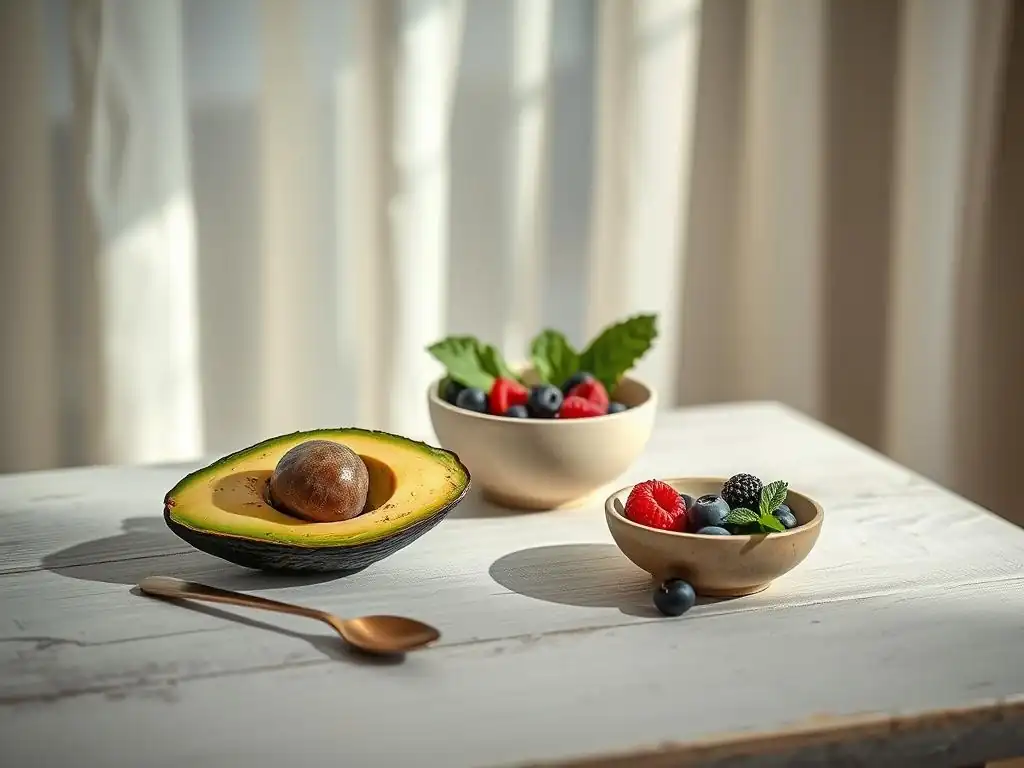
Dealing with Cravings and Temptations
One of the biggest hurdles when changing your diet, including starting antiinflammatory eating mental health, is managing cravings for familiar, often less healthy, foods. Cravings are complex and can be triggered by habits, emotions, or physiological factors like blood sugar fluctuations. When a craving strikes for something sugary or processed, pause and try to identify the underlying reason.
Are you truly hungry, or are you bored, stressed, or tired? If it's not true hunger, try engaging in a non-food activity like going for a walk, listening to music, or practicing deep breathing for 10-15 minutes – often, the craving will pass.
If you are genuinely hungry, choose one of the healthy, anti-inflammatory snacks you've prepared, such as berries and nuts or vegetable sticks with hummus. Ensure your main meals are balanced with protein, healthy fats, and fiber to help stabilize blood sugar and reduce intense cravings later. Allowing a small, mindful portion of a less-than-ideal food occasionally rather than feeling deprived can sometimes prevent a full binge, but the goal is to consistently choose nourishing options that support your mental health.
Eating Out While Maintaining an Anti-Inflammatory Diet
Eating out doesn't have to derail your anti-inflammatory eating efforts. Many restaurants offer options that can fit within this dietary pattern with a few smart choices. Look for dishes centered around grilled or baked fish or lean protein. Opt for plenty of vegetables as sides – ask for extra non-starchy vegetables instead of fries or mashed potatoes. Request that sauces and dressings be served on the side so you can control the amount used; vinaigrettes with olive oil and vinegar are generally better choices than creamy or sugary dressings.
Choose whole grains where available, such as brown rice or quinoa. Be mindful of hidden sugars and unhealthy fats in fried foods, creamy sauces, and desserts. Don't hesitate to ask questions about ingredients or preparation methods. Many restaurants are accommodating of dietary requests. Planning ahead by looking at the menu online before you go can help you identify suitable options in advance. Consistent antiinflammatory eating mental health is about making the best choices possible in various situations, not striving for unattainable perfection.
Making Anti-Inflammatory Eating a Sustainable Lifestyle
Sustainability is key to reaping the long-term benefits of anti-inflammatory eating for mental health. This isn't a temporary fix, but a shift in how you approach food. Find enjoyment in cooking and experimenting with new anti-inflammatory recipes. Focus on the positive additions to your diet – the vibrant colors, fresh flavors, and the feeling of nourishing your body – rather than solely on what you are restricting. Build a repertoire of simple, go-to anti-inflammatory meals that you enjoy and can prepare easily.
Connect with others who are interested in healthy eating; sharing tips and experiences can provide motivation and support. Understand that progress isn't linear; there will be days when you make less-than-ideal choices. Don't view these as failures, but as opportunities to learn and get back on track at the next meal. Focus on progress over perfection. By integrating antiinflammatory eating mental health principles into your daily routine in a flexible and enjoyable way, you increase the likelihood of making it a lasting part of your life.
Consulting with Professionals: When to Seek Expert Advice
Talking to Your Doctor About Anti-Inflammatory Eating and Mental Health
While dietary changes can be a powerful tool for supporting mental health, it's important to approach them as part of a comprehensive care plan. If you are experiencing symptoms of depression, anxiety, or any other mental health condition, it is crucial to consult with your doctor or a mental health professional. Discuss your interest in anti-inflammatory eating with them. They can provide guidance on how dietary changes might complement your current treatment plan, especially if you are taking medications, as diet can sometimes influence medication effectiveness or side effects.
Your doctor can also help rule out any underlying medical conditions that might be contributing to your symptoms and can advise on whether certain dietary changes are appropriate for your specific health profile. They can also refer you to specialists, such as a registered dietitian, who can provide more detailed nutritional guidance tailored to your needs. Open communication with your healthcare provider ensures that your efforts towards antiinflammatory eating mental health are safe and integrated into your overall health management.
Finding a Registered Dietitian or Nutritionist Specializing in Mental Wellness
For personalized guidance on implementing an anti-inflammatory diet for mental health, consulting with a registered dietitian (RD) or a nutritionist is highly recommended. Look for professionals who specialize in mental health, functional nutrition, or inflammatory conditions. An RD can assess your current eating habits, nutritional needs, and health status to create a customized meal plan that is both anti-inflammatory and sustainable for you.
They can provide specific recommendations on portion sizes, food choices, meal timing, and supplementation if necessary. A dietitian can also help you navigate challenges like food sensitivities, allergies, or co-occurring health conditions. They possess the expertise to translate the general principles of antiinflammatory eating mental health into practical, actionable steps tailored to your individual circumstances and goals, providing invaluable support on your journey.
Conclusion: Embracing Anti-Inflammatory Eating for a Healthier Mind.
Embracing an anti-inflammatory eating pattern is a proactive and powerful step you can take to support your mental well-being. By focusing on nutrient-dense whole foods and minimizing inflammatory culprits, you nourish your gut, reduce systemic inflammation, and create a more favorable environment for optimal brain function and emotional stability. This dietary approach is not a cure-all, but a fundamental building block that can significantly complement other mental health strategies.
Making gradual, sustainable changes to incorporate more anti-inflammatory foods while reducing processed items can lead to noticeable improvements in mood, energy levels, and cognitive clarity over time. Remember that consistency is more important than perfection, and seeking professional guidance when needed can provide valuable support. By committing to antiinflammatory eating mental health, you are investing in a healthier brain and a more balanced emotional life.
Frequently Asked Questions
What is the connection between anti-inflammatory eating and mental health?
Anti-inflammatory eating can positively impact mental health by reducing inflammation in the body and brain. This can alleviate symptoms of conditions like depression and anxiety by supporting better brain function.
How does an anti-inflammatory diet differ from a typical diet?
An anti-inflammatory diet emphasizes whole foods like fruits, vegetables, and healthy fats while minimizing processed foods, sugar, and refined carbohydrates. This contrasts with typical diets often high in processed ingredients and inflammatory compounds.
What are some specific foods to include in an anti-inflammatory diet for mental well-being?
Include foods rich in omega-3 fatty acids like salmon, antioxidants like berries, and fiber-rich options like leafy greens. These foods help combat inflammation and promote gut health, vital for mental well-being.
Can anti-inflammatory eating replace traditional mental health treatments like therapy or medication?
No, anti-inflammatory eating should be considered a complementary strategy, not a replacement for professional treatment. It can enhance the effectiveness of therapy and medication, but shouldn't be used instead.
How quickly can I expect to see improvements in my mental health after starting an anti-inflammatory diet?
The timeline varies, but some individuals may notice improvements in mood and energy levels within a few weeks. Consistent adherence to the diet is key, and it's important to be patient as it can take time to see the full benefits.
Final Reflection: Nourishing the Mind, One Bite at a Time
The connection between what we eat and how we feel is undeniable, and the impact of an anti-inflammatory diet on mental well-being is becoming increasingly clear. This isn't just about managing physical symptoms; it's about cultivating a resilient and thriving mind, capable of navigating the complexities of modern life with greater ease and grace. The simple steps outlined in this article—from incorporating nutrient-rich foods to minimizing inflammatory triggers—offer a powerful pathway to improved mental clarity, emotional stability, and overall well-being.
The journey towards better mental health is often a long and winding road, but understanding the role of nutrition provides a tangible and empowering starting point. It's a shift in perspective, recognizing that we can actively participate in our own healing and cultivate a healthier relationship with our bodies and minds. As Hippocrates wisely observed, Let food be thy medicine and medicine be thy food.
This ancient wisdom holds profound truth, particularly in the context of mental health, where the interplay between diet and emotional well-being is increasingly recognized.
Now, consider your own relationship with food. What small changes can you implement today to nourish your mind and body? Perhaps it's adding a vibrant serving of leafy greens to your lunch, swapping processed snacks for a handful of nuts, or simply taking a moment to savor each bite with mindful awareness. Remember, the journey towards a healthier mind begins with a single, conscious choice. Embrace the power of the mental health diet, and embark on a path towards a brighter, more resilient you.
Unlock Your Mind's Potential: Start Your Anti-Inflammatory Journey Today!
Thanks for taking the time to explore the power of anti-inflammatory eating for better mental health! You've now learned valuable strategies to nourish your mind and body. Let's put this knowledge into action:
- Begin your personalized anti-inflammatory meal plan today. Start small – swap one processed food for a whole food this week. Track your progress and notice the difference!
- Share your experience! Connect with others on our Mind Care Guide social media channels and share your recipe successes and challenges.
- Consider exploring some of our other articles on mindful eating and stress management for a holistic approach.
Ready to feel the positive effects of nourishing your brain? What's the first anti-inflammatory swap you'll make in your diet?