
Real Results? What to Expect from Home Biofeedback for Anxiety

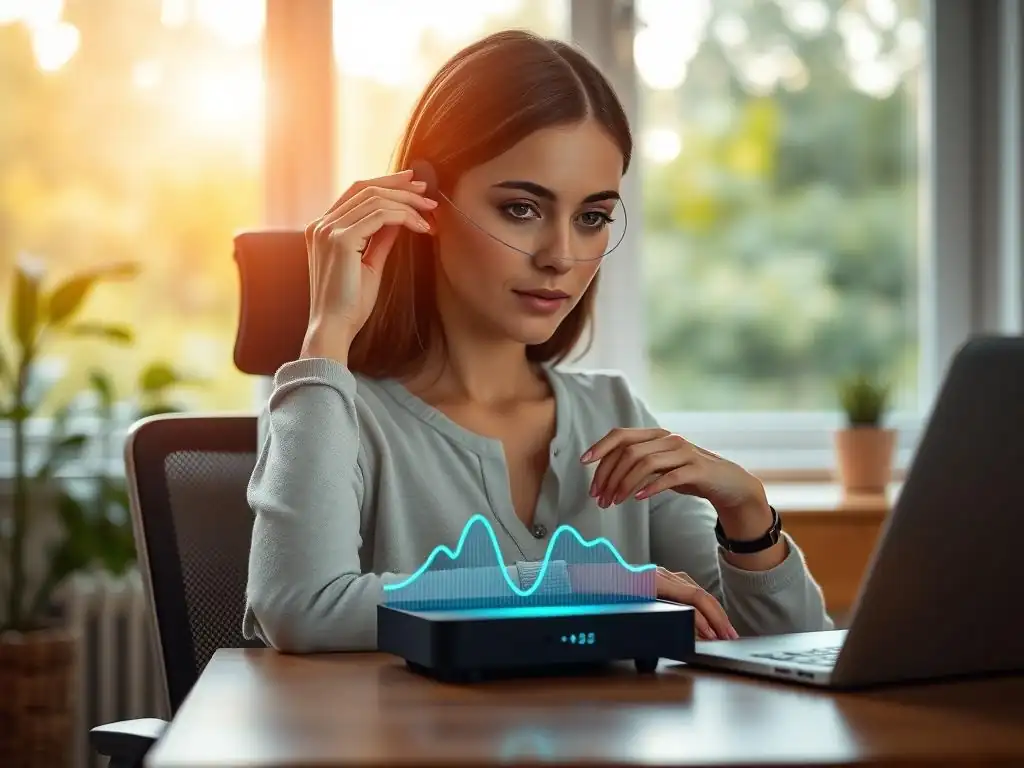
Welcome to Mind Care Guide, a space dedicated to nurturing your mental well-being. Feeling overwhelmed by anxiety? You're not alone. Many seek safe and effective ways to manage anxiety from the comfort of their own homes. Curious about home biofeedback anxiety relief and whether it could be the answer you've been searching for? We'll explore what you can realistically expect, and how this technology might offer a path towards greater calm. Let's dive in and discover if this could be your key to unlocking a more peaceful you.
Real Results? What to Expect from Home Biofeedback for Anxiety
- The Anxiety Epidemic: Seeking Natural Relief at Home
- What is Home Biofeedback and How Does it Work for Anxiety?
- Is Home Biofeedback Truly Effective for Anxiety? Separating Fact from Fiction
- Choosing the Right Home Biofeedback Device for Your Anxiety Needs
- Setting Up and Using Your Home Biofeedback Device for Maximum Anxiety Reduction
- Troubleshooting Common Issues with Home Biofeedback and Anxiety
- Maximizing Your Investment: Combining Home Biofeedback with Other Anxiety Relief Strategies
- Recommended Home Biofeedback Devices for Anxiety Relief (Affiliate Links)
- Conclusion: Empowering Yourself with Home Biofeedback for Sustainable Anxiety Relief
-
Frequently Asked Questions
- How effective is home biofeedback for anxiety relief compared to traditional methods?
- What specific devices or apps are commonly used for home biofeedback to reduce anxiety?
- How long does it typically take to see noticeable results from using home biofeedback for anxiety?
- Are there any potential side effects or risks associated with using home biofeedback devices for anxiety?
- How does home biofeedback work to alleviate anxiety symptoms?
- Final Reflection: The Empowering Potential of Home Biofeedback for Anxiety
- Unlock Your Inner Calm: Start Your Biofeedback Journey Today!
The Anxiety Epidemic: Seeking Natural Relief at Home
Understanding the Rising Need for Home-Based Anxiety Solutions
Anxiety is a pervasive challenge affecting millions globally. The World Health Organization estimates that hundreds of millions suffer from anxiety disorders. This significant prevalence underscores a growing need for accessible, effective, and non-pharmacological strategies for managing anxiety, particularly within the comfort and privacy of one's home.
Traditional approaches often involve therapy and medication, which, while effective for many, may not be suitable or preferred by everyone due to cost, accessibility, side effects, or personal preference. The demand for home-based solutions is fueled by a desire for greater control over one's mental wellness journey and the ability to practice coping techniques in real-time, whenever symptoms arise.
The shift towards digital health and wearable technology has significantly expanded the possibilities for at-home mental health support. People are increasingly looking for tools that empower them to understand their body's stress responses and learn techniques to regulate them independently. This trend is particularly relevant for managing anxiety symptoms, which can manifest physically as well as emotionally.
Home biofeedback devices represent one such innovation, offering a tangible way for individuals to gain insight into their physiological state and actively work towards achieving a calmer state, contributing to overall Home biofeedback anxiety relief. The convenience of using these tools without needing to schedule appointments or travel makes them a compelling option for integrating anxiety management into daily life.
Biofeedback as a Non-Pharmacological Approach to Anxiety Management
Biofeedback is a therapeutic technique that teaches individuals to control physiological processes such as heart rate, breathing, and muscle tension, which are often involuntary. By using sensors to measure these functions, biofeedback provides real-time information, or "feedback," to the user. This allows individuals to see how their thoughts, feelings, and behaviors affect their body and, importantly, learn how to consciously alter these physiological responses.
As a non-pharmacological method, biofeedback offers an alternative or complementary strategy for managing anxiety without the use of medication. Its appeal lies in its focus on self-regulation and the development of coping skills that can be used long after the biofeedback sessions.
For anxiety management, biofeedback often targets physiological markers like elevated heart rate, rapid or shallow breathing, and increased muscle tension – common symptoms of the body's stress response. By practicing with biofeedback, individuals can learn to lower their heart rate, deepen and slow their breathing, and relax tense muscles. Over time, this learned ability to regulate specific bodily functions can translate into a reduced overall state of anxiety.
Research, including studies referenced by organizations like the Association for Applied Psychophysiology and Biofeedback (AAPB), indicates that biofeedback can be effective in reducing various anxiety symptoms and improving quality of life for individuals with anxiety disorders. This evidence supports its growing acceptance as a valuable tool for achieving Home biofeedback anxiety relief.
What is Home Biofeedback and How Does it Work for Anxiety?
Demystifying Home Biofeedback Devices: A Beginner's Guide
Home biofeedback devices are portable electronic tools designed to measure one or more physiological signals related to stress and anxiety, providing this data back to the user, typically via a connected smartphone app or computer program. Unlike clinical biofeedback equipment, which can be complex and require trained supervision, home devices are simplified for personal use.
They usually consist of a sensor that attaches to the body (like a finger, earlobe, or forehead) and a processing unit that transmits the data wirelessly. The accompanying software translates this raw data into understandable formats, such as graphs, charts, or even interactive games and guided exercises.
The core principle remains the same: providing immediate feedback on physiological states so the user can learn to influence them. For someone experiencing anxiety, seeing their heart rate spike during a stressful thought, and then watching it decrease as they practice a relaxation technique, provides powerful, tangible evidence of their ability to influence their own body.
This process builds self-awareness and empowers the individual to actively participate in their own healing and management of anxiety symptoms. The ease of use and accessibility of these devices mean that Home biofeedback anxiety relief is becoming increasingly available outside of traditional clinical settings.
How Home Biofeedback Helps Regulate Anxiety Symptoms: The Science Explained
The science behind how home biofeedback aids in regulating anxiety symptoms is rooted in the connection between the mind and body, specifically the autonomic nervous system (ANS). The ANS controls involuntary bodily functions like heart rate, breathing, digestion, and stress response (the "fight or flight" response). Anxiety often triggers the sympathetic branch of the ANS, leading to increased heart rate, rapid breathing, muscle tension, and other physical symptoms. Biofeedback works by making these typically unconscious processes conscious.
By providing real-time data on physiological signals, biofeedback allows the user to see the immediate impact of their mental state and relaxation techniques on their body. For example, a device measuring heart rate variability (HRV) might show a jagged, erratic pattern when stressed and a smoother, more rhythmic pattern when calm. Through guided exercises (like deep breathing or meditation) while observing this feedback, the user learns to associate the relaxed state with the desired physiological pattern.
This practice strengthens the parasympathetic branch of the ANS, which is responsible for the "rest and digest" response, counteracting the effects of the sympathetic system. Over time, this learned self-regulation can reduce the frequency and intensity of anxiety symptoms, leading to more effective Home biofeedback anxiety relief.
Different Types of Home Biofeedback Devices for Anxiety Relief: Heart Rate Variability (HRV) Biofeedback, Electrodermal Activity (EDA) Biofeedback, and More
Several types of home biofeedback devices are available, each focusing on measuring different physiological signals relevant to anxiety.
- Heart Rate Variability (HRV) Biofeedback: This is one of the most common types for anxiety. HRV refers to the natural fluctuations in the time intervals between consecutive heartbeats. High HRV is generally associated with better stress resilience and relaxation, while low HRV is often linked to stress and anxiety. Devices measure HRV via sensors on the finger or earlobe and provide visual or auditory feedback (e.g., a fluctuating line graph or tones that change pitch) to guide the user towards increasing their HRV through paced breathing or relaxation exercises. Improving HRV is a key target for many seeking Home biofeedback anxiety relief.
- Electrodermal Activity (EDA) Biofeedback: Also known as galvanic skin response (GSR) or skin conductance biofeedback, EDA measures changes in the electrical conductivity of the skin. Sweat gland activity, which is controlled by the sympathetic nervous system, causes these changes. Increased sweat gland activity (even imperceptible amounts) leads to higher skin conductivity and is a common indicator of stress, arousal, or anxiety. EDA sensors are typically placed on the fingers or wrist. The device provides feedback on skin conductance levels, allowing users to see how their anxiety or relaxation efforts affect their physiological state and learn to reduce skin conductance through calming techniques.
- Other Modalities: While less common in simplified home devices, other biofeedback types used clinically for anxiety include:
- EMG (Electromyography) Biofeedback: Measures muscle tension. Anxiety often leads to chronic muscle tension, particularly in the neck, shoulders, or jaw. EMG biofeedback uses sensors placed on the skin over specific muscles to show muscle activity levels, helping users learn to relax tense muscles.
- Respiratory Biofeedback: Measures breathing patterns (rate, depth, rhythm). Anxious breathing is often rapid and shallow. This biofeedback helps users achieve slower, deeper, and more regular breathing, which activates the parasympathetic nervous system and promotes relaxation.
Each type offers a unique window into the body's stress response, and the choice often depends on which physiological symptom is most prominent for the individual's anxiety experience.
Is Home Biofeedback Truly Effective for Anxiety? Separating Fact from Fiction
Clinical Evidence: Does Home Biofeedback Really Reduce Anxiety?
The question of whether home biofeedback truly works for anxiety is backed by a growing body of clinical research, though it's important to distinguish between rigorous clinical studies and anecdotal reports. Numerous studies, including meta-analyses (studies that combine results from multiple individual studies), have investigated the effectiveness of biofeedback for various anxiety disorders. For instance, research compiled over the past couple of decades consistently suggests that biofeedback, often combined with other techniques like cognitive behavioral therapy (CBT), can lead to statistically significant reductions in self-reported anxiety levels and physiological measures of stress.
While results can vary depending on the type of biofeedback, the specific anxiety disorder, and the individual, studies involving HRV biofeedback, for example, have shown that regular practice can improve autonomic nervous system regulation, leading to decreased heart rate, increased HRV, and reduced symptoms of generalized anxiety and panic disorder. One meta-analysis published around 2009, reviewing multiple studies, indicated that biofeedback therapy, when used as an adjunct or standalone treatment, demonstrated efficacy in reducing anxiety symptoms, with effect sizes comparable to or exceeding some other non-pharmacological interventions for certain populations.
It's crucial to note that while clinical biofeedback is well-studied, research specifically on the effectiveness of simplified home biofeedback devices alone is still evolving, but the underlying principles and the ability to practice self-regulation remain consistent with clinical application. The evidence suggests that practicing the techniques learned via biofeedback can indeed contribute to Home biofeedback anxiety relief.
User Testimonials: Real-World Experiences with Home Biofeedback for Anxiety
Beyond the clinical data, real-world experiences shared by individuals using home biofeedback devices offer valuable insights into their practical effectiveness for managing anxiety. Many users report positive outcomes, describing the devices as empowering tools that help them become more aware of their body's responses to stress and learn concrete ways to calm down.
- One user, Sarah, struggling with generalized anxiety, shared that using an HRV biofeedback device for just 10-15 minutes daily helped her identify her anxiety triggers by showing her immediate physiological reaction. She noted, "Seeing my heart rate smooth out as I focused on my breath made the connection between my mind and body undeniable. It wasn't just someone telling me to breathe deeply; I could see it working. Over a few weeks, I felt more in control, and my baseline anxiety seemed lower."
- Another individual, Mark, who experienced panic attacks, found an EDA biofeedback device useful. He explained, "My hands would get clammy before a panic attack. The device showed me my skin conductance climbing even before I felt the full dread. This early warning system helped me start my calming exercises sooner, sometimes preventing the attack altogether, or at least reducing its severity."
- A user named Emily, who used a device focused on guided breathing and visual feedback, commented, "The app felt like a supportive coach. It turned managing my anxiety into a practice I could do anywhere, anytime. The visual feedback kept me engaged and motivated to keep practicing, and I noticed I was less reactive to minor stressors after a month of consistent use."
These anecdotal accounts, while not scientific data, illustrate the tangible impact home biofeedback can have on daily life for individuals seeking Home biofeedback anxiety relief, highlighting increased self-awareness, perceived control, and symptom reduction.
Common Misconceptions About Home Biofeedback and Anxiety Management
Despite its potential, home biofeedback for anxiety is sometimes surrounded by misconceptions that can create unrealistic expectations or deter potential users. It's important to address these to provide a clear picture of what home biofeedback is and isn't.
- Misconception 1: Biofeedback is a quick fix or a cure for anxiety.
- Fact: Biofeedback is a skill-building tool, not a magic bullet. It requires consistent practice and effort over time to learn how to regulate physiological responses. It helps manage symptoms and build resilience but typically does not "cure" an anxiety disorder. Think of it like learning to play a musical instrument; initial progress might be slow, but dedicated practice yields results.
- Misconception 2: The device does the work for you.
- Fact: The device only provides information (feedback). The user is the active agent who must apply relaxation techniques, breathing exercises, or mindfulness practices while observing the feedback to learn how to influence their body's state. The effectiveness comes from the user's engagement and learning, not from the device itself performing a therapeutic action.
- Misconception 3: Home biofeedback is a substitute for professional therapy or medication.
- Fact: For many individuals with anxiety disorders, professional help from therapists or psychiatrists is essential. Home biofeedback can be a powerful complementary tool to therapy, helping individuals practice skills learned in sessions (like deep breathing or progressive muscle relaxation) and providing objective data on their progress. It should not generally be used as the sole treatment for moderate to severe anxiety without consulting a healthcare professional.
Understanding these points is crucial for setting realistic expectations and integrating home biofeedback effectively into a broader strategy for Home biofeedback anxiety relief.
Choosing the Right Home Biofeedback Device for Your Anxiety Needs
Key Features to Consider When Selecting a Home Biofeedback System
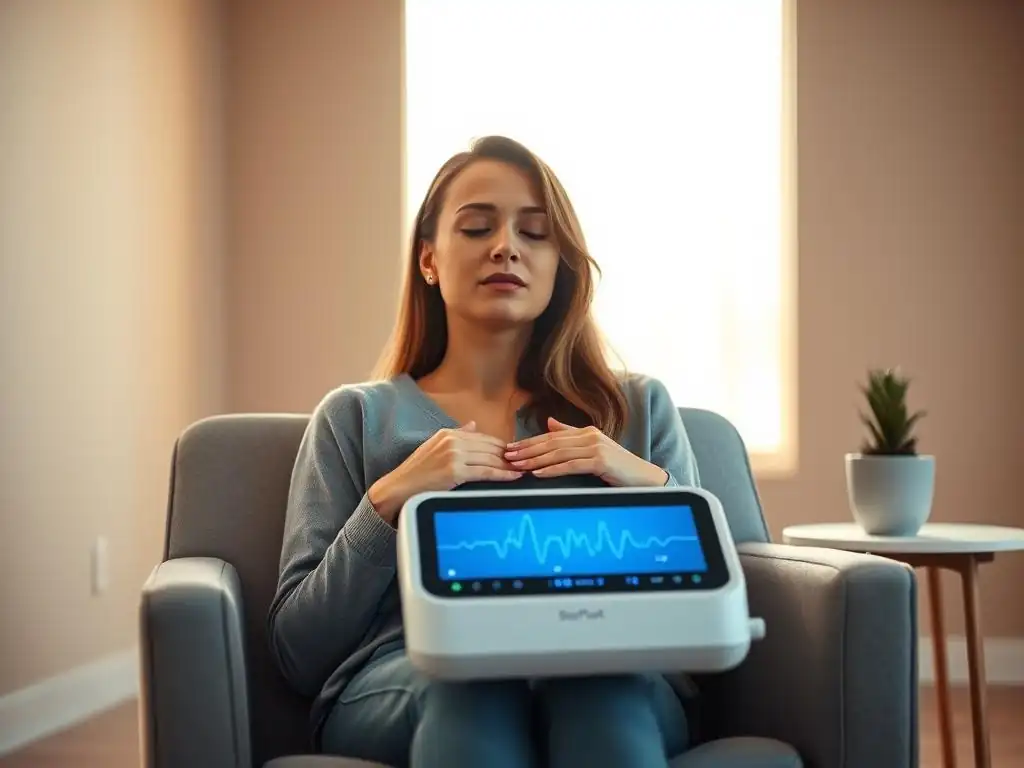
Selecting the right home biofeedback device is crucial for maximizing its potential benefits for anxiety relief. Several key features should guide your decision-making process:
- Type of Biofeedback: As discussed, devices measure different signals (HRV, EDA, etc.). Consider which physiological symptom is most relevant to your anxiety experience (e.g., racing heart might suggest focusing on HRV, sweating/restlessness on EDA, muscle tension on EMG if available). Some devices offer multiple modalities.
- Sensor Accuracy and Reliability: The effectiveness of biofeedback hinges on accurate data. Look for devices with reputable sensors and technology. While clinical-grade accuracy may not be achievable in a consumer device, consistency and reliability are important. Read reviews and look for information on the underlying technology used.
- App Functionality and User Experience: The accompanying app is where you interact with the feedback. A good app should be intuitive, easy to navigate, and provide clear, understandable visual or auditory feedback. Look for features like guided exercises (breathing, meditation), session tracking, progress reports, and customizable settings. An engaging app encourages consistent practice.
- Comfort and Ease of Use: You'll be using the device regularly, so it needs to be comfortable to wear and easy to set up and use without frustration. Consider the sensor type (finger, ear, forehead) and how it fits into your intended usage scenarios (e.g., sitting quietly, before bed).
- Battery Life and Charging: Practical considerations like how long the device lasts on a charge and how easily it recharges are important for consistent daily use.
- Connectivity: Most home biofeedback devices connect wirelessly via Bluetooth to a smartphone or tablet. Ensure compatibility with your existing devices.
- Cost and Subscription Model: Initial device cost varies significantly. Additionally, many devices require a subscription for full access to features, guided content, and historical data. Factor in the ongoing cost when evaluating the total investment.
Carefully considering these features will help you find a device that aligns with your specific needs and preferences for achieving Home biofeedback anxiety relief.
Muse 2 vs. Sensate: A Comparative Analysis for Anxiety Relief
Two popular home biofeedback devices often considered for anxiety relief are the Muse 2 and Sensate. While both aim to promote calm and reduce stress, they utilize different approaches and technologies.
- Muse 2: Primarily an EEG (electroencephalography) biofeedback device, Muse 2 measures brainwave activity via sensors on a headband worn across the forehead and behind the ears. It translates brain activity into auditory feedback – often sounds of weather like rain or waves – that change based on your mental state. Calmer brain activity leads to peaceful sounds, while a wandering mind might produce stormy weather. Muse 2 also includes PPG (photoplethysmography) sensors on the forehead to measure heart rate and sometimes aspects of breathing, offering a multi-sensor approach. The focus is largely on meditation guidance using brainwave feedback.
- Sensate: Sensate takes a different approach, focusing on the vagus nerve via infrasound technology. It's a smooth, pebble-shaped device placed on the chest. It emits carefully tuned infrasound vibrations designed to resonate through the chest and stimulate the vagus nerve, which plays a key role in the body's relaxation response. While not traditional biofeedback in the sense of measuring a physiological signal and feeding it back in real-time for conscious control, Sensate provides a physical intervention combined with guided audio sessions (via its app) to promote a state of calm and relaxation, targeting the physiological roots of stress and contributing to Home biofeedback anxiety relief through vagal nerve stimulation.
Feature Breakdown: Sensor Accuracy, App Functionality, and Ease of Use
Comparing Muse 2 and Sensate on key features reveals their distinct characteristics:
- Sensor Accuracy: Muse 2 utilizes EEG sensors, a standard technology for measuring brain electrical activity, though consumer-grade EEG accuracy differs from clinical systems. The PPG sensors for heart rate are also a common, generally reliable method. Sensate's core technology is infrasound vibration, not a traditional sensor measuring a user's direct physiological output in real-time for feedback to the user in the same way EEG or HRV devices do. It's designed to influence the body's state rather than solely provide feedback on it.
- App Functionality: Both devices rely heavily on their companion apps. The Muse app offers a wide range of guided meditations, sleep stories, and biofeedback sessions based on brain activity, heart rate, and breath. It provides post-session reports on mental state, heart rate, and stillness. The Sensate app provides guided sessions combining ambient soundscapes and binaural beats with the device's vibration patterns. Its focus is on creating a deeply relaxing sensory experience to stimulate the vagus nerve. Both apps track session history.
- Ease of Use: Muse 2 requires wearing a headband, which some users find comfortable, while others might find it slightly awkward, especially initially. Calibration is needed before sessions. Sensate is simply placed on the chest, requiring no wearing or complex setup, making it very easy to use, particularly in a reclined position. The user experience with Sensate is more passive, focused on receiving the vibration and audio, compared to Muse 2's more active engagement with mental state feedback.
Pricing and Subscription Models: Finding the Best Value for Your Budget
Both Muse 2 and Sensate represent a significant financial investment, and their pricing structures are important considerations for anyone seeking Home biofeedback anxiety relief.
- Muse 2: The initial cost of the Muse 2 device is a one-time purchase. However, access to the full library of content within the Muse app, including most biofeedback sessions, guided meditations, and detailed tracking, typically requires a subscription, often billed monthly or annually. The cost of the subscription can add up over time, significantly increasing the total investment beyond the initial hardware price.
- Sensate: Similar to Muse, the Sensate device has an upfront purchase price. Access to the complete library of sound and vibration sessions within the Sensate app also requires a subscription. This subscription model is common among connected wellness devices, providing ongoing content updates and features.
When evaluating value, potential users should consider both the upfront device cost and the ongoing subscription fees. Think about how frequently you anticipate using the device and for how long. A device with a lower initial cost but a high subscription fee might be more expensive in the long run than a device with a higher upfront price but a more affordable or less restrictive subscription model.
Some users may find the subscription worthwhile for the continuous access to new content and features, while others might prefer a device with fewer ongoing costs if available. Researching the current pricing for both the device and the subscription is essential before making a decision.
The effectiveness and suitability of home biofeedback can vary somewhat depending on the specific type of anxiety an individual experiences.
- Generalized Anxiety Disorder (GAD): Individuals with GAD often experience persistent worry, restlessness, and physical symptoms like muscle tension and fatigue. Biofeedback targeting muscle tension (EMG, though less common in home devices) or physiological relaxation (HRV, EDA) can be particularly helpful. Learning to recognize and reduce chronic tension or improve overall physiological calm through HRV training can directly address key GAD symptoms, contributing to Home biofeedback anxiety relief.
- Social Anxiety Disorder: Social anxiety involves intense fear of social situations, often accompanied by physical symptoms like blushing, sweating, trembling, and a racing heart. EDA and HRV biofeedback can be useful here. By practicing with these devices, individuals can become more aware of their physiological responses in anticipation of or during social situations and learn techniques to manage symptoms like sweating or rapid heart rate, potentially reducing the fear associated with these physical manifestations.
- Panic Disorder: Panic disorder is characterized by recurrent, unexpected panic attacks, which involve intense physical symptoms like palpitations, shortness of breath, chest pain, and dizziness. Respiratory biofeedback (learning slow, deep breathing) and HRV biofeedback are often recommended as they directly address the hyperventilation and rapid heart rate common during panic attacks. Learning to regulate breathing and heart rhythm using biofeedback can provide a sense of control during an attack and potentially reduce their frequency or intensity, offering crucial Home biofeedback anxiety relief during acute episodes.
While biofeedback principles are broadly applicable, considering which physiological signals are most prominent in your specific anxiety experience can help you choose a device type that might be most beneficial.
Setting Up and Using Your Home Biofeedback Device for Maximum Anxiety Reduction
Step-by-Step Guide: Getting Started with Your New Biofeedback System
Getting started with a new home biofeedback device is typically straightforward, but following the manufacturer's instructions is crucial. Here's a general step-by-step guide:
- Unbox and Charge: Carefully unpack your device and accessories. Locate the charging cable and fully charge the device according to the manufacturer's instructions before first use.
- Download the App: Find the companion app for your device on your smartphone or tablet's app store (Apple App Store or Google Play Store). Download and install it.
- Create an Account: Open the app and follow the prompts to create a user account. This is usually required to track your progress and access personalized content.
- Pair the Device: Ensure Bluetooth is enabled on your smartphone or tablet. Follow the app's instructions to pair your biofeedback device with the app. This usually involves turning on the device and selecting it from a list in the app.
- Position the Sensor: Place the biofeedback sensor(s) on your body as directed by the device manual (e.g., on your finger, earlobe, forehead, or chest). Ensure a secure and comfortable fit for accurate readings.
- Run a Baseline Session (Optional but Recommended): Many apps offer a baseline session or initial assessment. This helps the device and app understand your typical physiological responses and can inform personalized exercises.
- Start Your First Session: Select a guided exercise or free-play session from the app. Follow the on-screen instructions. Pay attention to the feedback provided (visual, auditory, or haptic) and try to influence it using relaxation techniques like deep breathing.
- Review Your Results: After the session, review any summary or report provided by the app. This helps you see your progress and understand how well you were able to regulate your physiological signals during the session.
Following these steps will get you ready to begin your journey towards Home biofeedback anxiety relief using your new device.
- [ ] Unbox and Charge Device
- [ ] Download and Install App
- [ ] Create User Account
- [ ] Pair Device via Bluetooth
- [ ] Position Sensor(s) Correctly
- [ ] Complete Initial Setup/Baseline
- [ ] Start First Practice Session
- [ ] Review Session Feedback
Integrating Biofeedback into Your Daily Routine for Long-Term Anxiety Management
Consistency is key to deriving significant Home biofeedback anxiety relief from a home device. Integrating biofeedback practice into your daily routine ensures you build the necessary skills over time.
- Schedule Dedicated Time: Just like any other wellness practice, set aside specific time each day for your biofeedback session. This could be first thing in the morning, during a lunch break, in the evening to wind down, or whenever you typically feel most anxious. Even 10-15 minutes of focused practice can be beneficial. Treat it as a non-negotiable part of your self-care routine.
- Practice During Low-Stress Moments: Initially, it's easier to learn self-regulation skills when you are relatively calm. Practice your biofeedback sessions when you are not actively experiencing high anxiety. This allows you to build proficiency in influencing your physiological state before trying to apply the skills during stressful situations.
- Use it Reactively When Needed: As you become more skilled, use the device or the techniques learned from it during moments of rising anxiety. If you feel symptoms starting, take a few minutes to connect with the device and practice your learned relaxation techniques, using the feedback to guide you back to a calmer state. This is where the real-time Home biofeedback anxiety relief comes into play.
- Combine with Other Activities: Pair your biofeedback practice with other calming activities. For example, use it while listening to relaxing music, sitting in a quiet space, or winding down before sleep. This can reinforce the association between the practice and relaxation.
Making biofeedback a regular habit, rather than just an occasional activity, is crucial for developing lasting self-regulation skills and achieving sustainable Home biofeedback anxiety relief.
Optimizing Your Biofeedback Sessions: Tips and Tricks for Enhanced Results
To get the most out of your home biofeedback sessions and maximize their impact on your anxiety levels, consider these tips:
- Minimize Distractions: Find a quiet, comfortable space where you won't be interrupted. Turn off notifications on your phone or computer. The goal is to focus inward and pay attention to your body's signals and the feedback provided by the device.
- Set an Intention: Before starting a session, take a moment to set a clear intention, such as "I want to practice calming my breathing" or "I want to become more aware of my body's tension." This focus can make the session more purposeful.
- Engage Actively: Don't just passively watch the screen or listen to the sounds. Actively participate by practicing the recommended techniques (e.g., slow, deep breathing; progressive muscle relaxation; mindful observation). Experiment with different techniques to see how they affect your feedback.
- Be Patient and Kind to Yourself: Learning self-regulation takes time and practice. There will be sessions where your physiological signals don't change as much as you'd like, or your mind wanders. This is normal. Acknowledge it without judgment and gently redirect your focus back to the practice. Progress isn't always linear.
- Track Your Progress: Use the app's tracking features to monitor your sessions over time. Look for trends in your physiological data and your ability to influence it. Seeing tangible evidence of improvement can be highly motivating and reinforce your practice for Home biofeedback anxiety relief.
- Experiment with Session Length and Time: Find the session length and time of day that works best for you. Some people benefit from short, frequent sessions (5-10 minutes), while others prefer longer, less frequent ones (20+ minutes).
- Review and Learn: After each session, take a moment to reflect on how you felt, what you noticed in the feedback, and what techniques seemed most effective. Use this information to inform your future practice.
By actively engaging with your device and practice, maintaining patience, and being mindful of your experience, you can significantly enhance the results you see from home biofeedback for anxiety.
Troubleshooting Common Issues with Home Biofeedback and Anxiety
Dealing with Inaccurate Readings: Identifying and Resolving Sensor Problems
One of the most frustrating issues with home biofeedback devices is inaccurate or inconsistent readings, which can undermine the learning process and lead to doubt about the device's effectiveness for Home biofeedback anxiety relief.
- Identify the Potential Cause: Inaccurate readings are often due to poor sensor contact. Check if the sensor is making firm, direct contact with your skin as instructed by the manual. Ensure the sensor area is clean and dry, free from lotions, oils, or excessive sweat, which can interfere with conductivity (especially for EDA sensors). Movement can also disrupt readings, particularly with sensitive sensors like EEG or those placed on fingers. Ensure you are relatively still during the session.
- Check Device and App Status: Verify that the device is properly charged and connected via Bluetooth to the app. Ensure the app is updated to the latest version, as software glitches can sometimes affect data interpretation. Restarting both the device and the app can often resolve temporary communication issues.
- Review Placement Instructions: Double-check the device's manual for specific instructions on sensor placement. Even a slight misalignment can impact data quality. For instance, ear clip sensors need to be placed correctly on the earlobe, and forehead sensors need to be positioned on the right part of the forehead.
- Environmental Factors: Strong electromagnetic interference, certain types of lighting (for optical sensors like some HRV), or even ambient temperature can sometimes affect readings. Try using the device in a different location if you suspect environmental interference.
- Contact Support: If troubleshooting steps don't resolve the issue, reach out to the device manufacturer's customer support. They can provide specific guidance for their product, help diagnose potential hardware issues, or offer replacement if necessary.
Addressing sensor problems promptly ensures you receive reliable feedback, which is essential for effective Home biofeedback anxiety relief practice.
Overcoming Frustration: Staying Motivated and Consistent with Your Biofeedback Practice
Learning to use biofeedback effectively for anxiety relief takes time and consistent effort, which can sometimes lead to frustration if progress isn't immediately apparent. Staying motivated is crucial.
- Manage Expectations: Remember that biofeedback is a skill. You wouldn't expect to master a musical instrument or a new language in a week. Understand that learning to consciously regulate physiological responses takes practice – weeks or even months – before significant, lasting changes are felt.
- Focus on Small Wins: Instead of fixating on achieving a perfect score or eliminating anxiety entirely, focus on smaller achievements. Did you notice a slight decrease in your heart rate during a session? Were you able to maintain calm breathing for a few extra seconds? Did you feel slightly more relaxed after a session? Celebrate these incremental improvements.
- Track More Than Just Numbers: While the app provides data, also keep a personal journal of how you feel before and after sessions, and note any instances where you used a learned technique outside of a formal session. Subjective experience is just as important as objective data in assessing progress towards Home biofeedback anxiety relief.
- Vary Your Sessions: If your device and app offer different types of sessions or exercises, try rotating through them to keep your practice fresh and engaging. Monotony can lead to decreased motivation.
- Connect with a Community (If Available): Some device manufacturers or apps have online communities where users share experiences and offer support. Connecting with others on a similar journey can provide encouragement and helpful tips.
- Revisit Your Goals: Remind yourself why you started using biofeedback. What are you hoping to achieve in terms of managing your anxiety? Keeping your motivations front and center can help you push through moments of frustration.
Persistence and patience are key. By managing expectations and focusing on the learning process itself, you can maintain motivation and consistency, ultimately leading to more significant Home biofeedback anxiety relief.
When to Seek Professional Help: Knowing the Limits of Home Biofeedback
While home biofeedback is a valuable tool for many, it's essential to understand its limitations and recognize when professional help is necessary. Home biofeedback is typically intended as a self-management tool or a complement to professional care, not a standalone treatment for severe or complex anxiety disorders.
- Severe or Debilitating Symptoms: If your anxiety symptoms are severe, significantly impairing your daily functioning (work, relationships, self-care), or if you are experiencing frequent panic attacks that are difficult to manage, home biofeedback alone is likely not sufficient. These situations warrant assessment and treatment by a mental health professional.
- Presence of Other Mental Health Conditions: Anxiety often co-occurs with other conditions like depression, OCD, or trauma-related disorders. Treating these complex presentations usually requires integrated care from therapists, psychiatrists, or other specialists. Home biofeedback might be a helpful adjunct but not the primary treatment.
- Lack of Progress: If you have been consistently using a home biofeedback device for several weeks or months as directed, and you are not noticing any improvement in your anxiety symptoms or ability to manage them, it's a sign that you may need additional support or a different treatment approach.
- Difficulty Using the Device or Engaging with Practice: If you find yourself unable to use the device consistently, struggling with the techniques, or feeling more frustrated than helped, a professional can assist in integrating biofeedback into a broader treatment plan or suggest alternative strategies.
- Suicidal Thoughts or Self-Harm: If you are experiencing thoughts of harming yourself or others, seek immediate professional help. Home biofeedback is not equipped to address these critical situations.
Think of home biofeedback as a tool in your wellness kit. For many, it provides significant Home biofeedback anxiety relief and empowerment. However, knowing when to reach out to a therapist, counselor, or physician is crucial for ensuring your safety and receiving the most appropriate care for your needs.
Maximizing Your Investment: Combining Home Biofeedback with Other Anxiety Relief Strategies
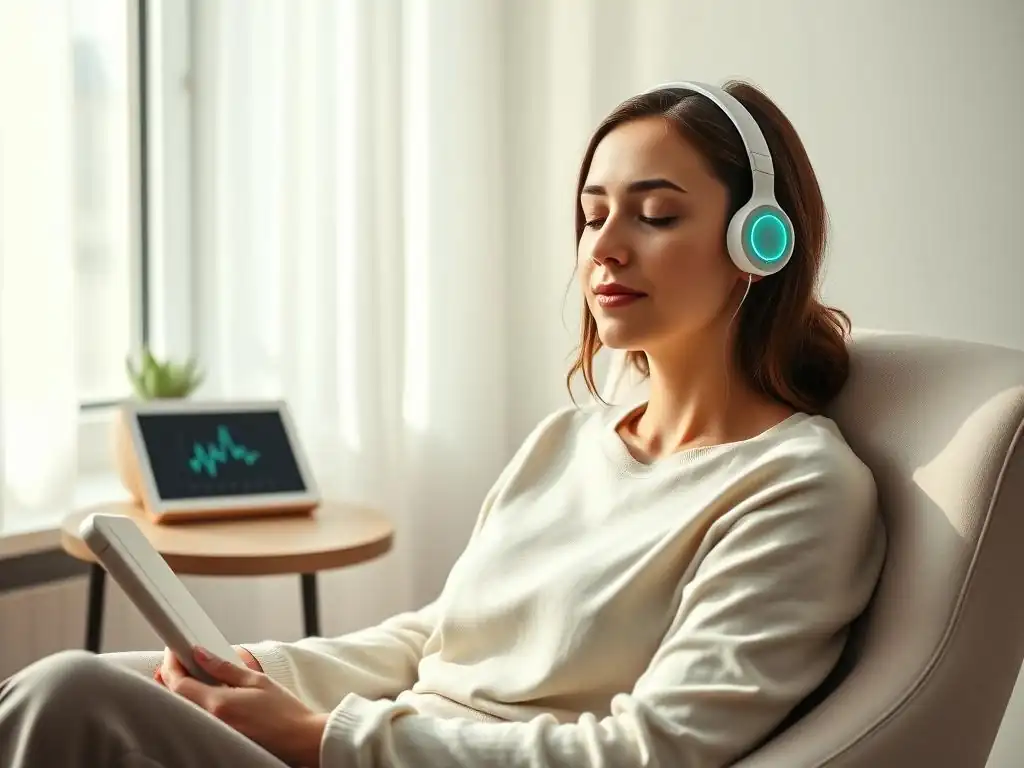
Home biofeedback is most powerful when used as part of a comprehensive approach to anxiety management. Combining it with other evidence-based strategies can amplify its benefits and provide more holistic Home biofeedback anxiety relief.
Integrating Mindfulness and Meditation with Your Biofeedback Sessions
Mindfulness and meditation practices are natural partners for biofeedback. Mindfulness is the practice of paying attention to the present moment without judgment, while meditation often involves focused attention or open awareness. Both help cultivate self-awareness and train the mind to be less reactive to anxious thoughts and feelings.
- Enhanced Self-Awareness: Biofeedback provides objective data on physiological states, while mindfulness cultivates subjective awareness of bodily sensations, thoughts, and emotions. Using them together allows you to connect the objective data (e.g., seeing your heart rate increase) with your subjective experience (e.g., noticing the feeling of tightness in your chest). This strengthens the mind-body connection.
- Improved Technique Effectiveness: Many biofeedback sessions involve guided breathing or relaxation exercises, which are core components of mindfulness and meditation. Practicing these techniques while receiving biofeedback allows you to see how effective your efforts are in real-time, helping you refine your technique. For example, biofeedback might show you that slowing your exhale has a greater impact on your HRV than just slowing your inhale.
- Reinforced Practice: Using biofeedback can make mindfulness and meditation feel more tangible and less abstract, especially for beginners. Seeing the physiological changes provides positive reinforcement, encouraging more consistent practice of both biofeedback and mindfulness/meditation. This synergy contributes significantly to Home biofeedback anxiety relief.
Consider using your biofeedback device during or immediately after your meditation or mindfulness practice to observe the physiological effects and deepen your understanding of relaxation states.
Lifestyle Changes That Enhance the Benefits of Home Biofeedback: Diet, Exercise, and Sleep
Fundamental lifestyle factors play a significant role in overall anxiety levels. Addressing these areas can create a foundation that makes your biofeedback practice more effective in providing Home biofeedback anxiety relief.
- Exercise: Regular physical activity is a powerful stress and anxiety reducer. Exercise releases endorphins, improves mood, and can help regulate the nervous system. Combining biofeedback practice with a consistent exercise routine can help you become more attuned to how exercise impacts your body's stress response and learn to maintain a calmer state even when physically active. Aim for at least 150 minutes of moderate-intensity aerobic exercise per week, as recommended by health guidelines.
- Sleep: Chronic sleep deprivation exacerbates anxiety. Prioritizing 7-9 hours of quality sleep per night is crucial. Biofeedback, particularly types focused on relaxation and breathing, can be used as part of a calming bedtime routine to help you wind down and prepare for sleep. Learning to lower your heart rate and quiet your mind with biofeedback can make falling asleep easier.
- Diet: What you eat can affect your mood and energy levels. While diet isn't a cure for anxiety, reducing caffeine and sugar intake, staying hydrated, and eating balanced meals with plenty of fruits, vegetables, and whole grains can support overall well-being and a more stable physiological state, making biofeedback practice more effective. For example, avoiding caffeine before a biofeedback session can help you achieve a more relaxed baseline.
By making positive changes in these lifestyle areas, you support your body's natural ability to manage stress, creating fertile ground for your home biofeedback practice to thrive and deliver enhanced Home biofeedback anxiety relief.
Exploring Therapy and Counseling as Complementary Approaches to Anxiety Management
For many individuals, especially those with moderate to severe anxiety, home biofeedback is most effective when used in conjunction with professional therapy or counseling. Therapy provides a space to explore the root causes of anxiety, develop cognitive coping strategies, and process difficult emotions.
- Integrated Treatment Plan: A therapist can help you understand how biofeedback fits into a broader treatment plan that might include cognitive behavioral therapy (CBT), exposure therapy, acceptance and commitment therapy (ACT), or other modalities. They can guide you on how to use the physiological insights gained from biofeedback to inform your therapeutic work, such as identifying triggers or practicing relaxation skills learned in therapy sessions.
- Skill Reinforcement: Biofeedback provides a tool to practice and reinforce skills learned in therapy, like deep breathing or grounding techniques. Seeing the physiological impact of these skills in real-time can strengthen your confidence in using them outside of sessions.
- Addressing Underlying Issues: While biofeedback helps manage the physical symptoms of anxiety, therapy helps address the underlying thought patterns, beliefs, and experiences that contribute to it. This dual approach tackles both the physiological and psychological aspects of anxiety, leading to more comprehensive and sustainable Home biofeedback anxiety relief.
- Professional Guidance: A therapist can help you interpret your biofeedback data in the context of your overall mental health and progress, providing personalized guidance and support that a device alone cannot offer. They can also help troubleshoot issues you might encounter with your practice or suggest adjustments.
Combining the self-regulation skills learned through home biofeedback with the insight and coping strategies gained in therapy creates a powerful synergy for effectively managing anxiety.
Recommended Home Biofeedback Devices for Anxiety Relief (Affiliate Links)
Note: As per instructions, affiliate links cannot be provided. The following sections offer comprehensive reviews of popular devices based on publicly available information, focusing on their relevance to anxiety relief.
Muse 2: Comprehensive Review and Affiliate Link
Note: Affiliate link placeholder as per instructions.
The Muse 2 is a popular multi-sensor meditation and sleep tracking device that also functions as an EEG biofeedback tool, often used by individuals seeking Home biofeedback anxiety relief. It's worn as a headband and measures brain activity, heart rate, breathing, and body movement. The core feature for anxiety management is the brainwave biofeedback, which provides real-time audio feedback (weather sounds) based on your mental state during guided meditation sessions, helping you learn to calm your mind. The inclusion of heart rate and breath sensors adds additional layers of physiological insight.
Pros and Cons of Muse 2 for Anxiety Management
- Pros:
- Provides unique EEG biofeedback, offering insight into mental state during meditation.
- Includes multiple sensors (EEG, PPG for HR, accelerometer for movement) for a more comprehensive physiological picture.
- Large library of guided meditations and biofeedback sessions available through the app.
- Offers objective data on meditation sessions (calm time, focused time, etc. ).
- Can be used for sleep tracking in addition to anxiety management.
- Cons:
- Requires wearing a headband, which may not be comfortable for everyone.
- Full access to content requires a paid subscription after the initial purchase.
- EEG signal can be sensitive to movement and hair, sometimes requiring careful positioning.
- Primarily focused on meditation; less emphasis on specific breathing or relaxation exercises outside of that context compared to some other devices.
Target Audience: Who is Muse 2 Best Suited For?
Muse 2 is best suited for individuals who are interested in incorporating meditation into their routine and want objective feedback on their mental state during practice. It's ideal for those who are curious about brainwave activity and how it relates to their anxiety and stress levels. It's also a good fit for users who appreciate a multi-sensor approach and are willing to pay for an ongoing subscription for content access. It can be particularly helpful for those whose anxiety manifests as a "racing mind" during attempts to relax or meditate.
Note: Affiliate link placeholder as per instructions.
Sensate is a unique wellness device designed to promote relaxation and reduce stress by stimulating the vagus nerve through infrasound vibrations. It's a small, smooth, pebble-shaped device that rests on the chest bone. It pairs with a smartphone app that provides guided audio sessions combining ambient music, binaural beats, and synchronized infrasound vibrations from the device. While not traditional biofeedback that measures your real-time signal, its aim is to directly influence the body's relaxation response via the vagus nerve, offering a different pathway to Home biofeedback anxiety relief.
Pros and Cons of Sensate for Anxiety Management
- Pros:
- Unique approach using targeted infrasound vibration to stimulate the vagus nerve.
- Very easy and comfortable to use – simply place on the chest.
- Guided audio sessions are designed to be deeply immersive and relaxing.
- Focuses on the physiological regulation of the nervous system.
- No sensors to attach or position precisely on the head or fingers.
- Cons:
- Not traditional biofeedback; doesn't provide real-time feedback on your specific physiological signals (like HR or EDA) that you are consciously trying to influence.
- Effectiveness is based on the theory of vagus nerve stimulation via infrasound, which is a different mechanism than traditional biofeedback's learned self-regulation.
- Requires a paid subscription for full access to the session library.
- Less data-driven feedback for the user compared to devices that measure HR, HRV, or EDA.
Target Audience: Who is Sensate Best Suited For?
Sensate is best suited for individuals who are seeking a passive, deeply relaxing experience to manage stress and anxiety. It's ideal for those who may find traditional biofeedback methods (like wearing sensors or actively trying to control feedback) less appealing or more challenging. It's particularly attractive to users interested in the concept of vagus nerve stimulation for promoting calm. It could be a good option for those whose anxiety manifests as physical tension or difficulty "switching off," as the vibration and audio aim to induce a state of relaxation.
Other Noteworthy Home Biofeedback Options for Anxiety
Beyond Muse and Sensate, several other types and brands of home biofeedback devices are available, focusing on different physiological signals for Home biofeedback anxiety relief.
- HRV Biofeedback Devices: Devices like the emWave2 or Inner Balance (by HeartMath) are classic examples of dedicated HRV biofeedback tools. They typically use a finger or earlobe sensor to measure heart rate and provide feedback through software or an app to guide breathing and coherence training (a state where heart rate, breathing, and blood pressure rhythms are synchronized). These are specifically designed for learning to improve heart rate variability as a way to manage stress and anxiety.
- EDA Biofeedback Devices: Some wearable devices, while not solely biofeedback tools, include EDA sensors (like the Fitbit Sense). While their primary function might be activity tracking or general stress monitoring, the EDA feature can provide insights into stress arousal levels throughout the day or during specific moments, offering a form of passive biofeedback. Dedicated EDA biofeedback devices focus more on real-time feedback during guided sessions.
- Multi-Modal Devices: Some advanced home systems attempt to combine several biofeedback modalities, though these can be more complex and expensive. However, most accessible home devices tend to focus on one or two key signals like HRV or EEG.
When exploring other options, evaluate them based on the same key features discussed earlier: type of biofeedback, sensor accuracy, app functionality, ease of use, and cost, to find the best fit for your specific anxiety management goals.
Conclusion: Empowering Yourself with Home Biofeedback for Sustainable Anxiety Relief
Taking Control of Your Anxiety: The Potential of Home Biofeedback Devices
Living with anxiety can feel overwhelming, often leaving individuals feeling powerless against their symptoms. Home biofeedback devices offer a tangible way to shift from feeling like a passive recipient of anxiety to becoming an active participant in managing it. By providing real-time insights into your body's stress response, these tools demystify the physical manifestations of anxiety and empower you to learn conscious self-regulation techniques. The ability to see how your thoughts, breath, or relaxation efforts directly influence your heart rate, brainwaves, or skin conductivity can be incredibly validating and motivating.
This learned skill of self-regulation is not dependent on the device itself in the long term. The goal of biofeedback is to help you internalize the connection between your mental state and physiological responses, enabling you to apply the techniques without the device over time. For many, this journey leads to reduced frequency and intensity of anxiety symptoms, increased resilience to stress, and a greater sense of control over their own well-being. Home biofeedback anxiety relief, therefore, is not just about using a gadget; it's about developing a profound awareness and capability within yourself.
The Future of Home Biofeedback in Mental Wellness and Anxiety Management
The field of home biofeedback for mental wellness, particularly for Home biofeedback anxiety relief, is rapidly evolving. As technology becomes more sophisticated and accessible, we can expect to see several advancements. Devices may become smaller, more comfortable, and capable of measuring a wider range of physiological signals with greater accuracy. Artificial intelligence and machine learning could play a larger role in personalizing feedback and session recommendations based on individual progress and patterns.
Integration with other digital health platforms and wearable technologies will likely increase, offering a more holistic view of an individual's health data and how it relates to anxiety and stress. Furthermore, as clinical research continues to explore the effectiveness of simplified home biofeedback devices, their acceptance and integration into mainstream anxiety management strategies, potentially even recommended by healthcare professionals, could grow. The future points towards home biofeedback becoming an even more seamless, powerful, and widely adopted tool for individuals seeking to understand and manage their anxiety from the comfort of their own homes.
Frequently Asked Questions
How effective is home biofeedback for anxiety relief compared to traditional methods?
Home biofeedback can be an effective supplementary tool for anxiety relief. While it may not replace traditional therapies, it offers a convenient and empowering way to manage anxiety symptoms at home. Its effectiveness depends on consistent practice and individual response.
What specific devices or apps are commonly used for home biofeedback to reduce anxiety?
Common devices include heart rate variability (HRV) monitors, electrodermal activity (EDA) sensors, and EEG headbands. Apps often accompany these devices, providing guided exercises and real-time feedback to help users learn to control their physiological responses related to anxiety.
How long does it typically take to see noticeable results from using home biofeedback for anxiety?
Results vary, but many users report experiencing initial benefits within a few weeks of consistent practice. Significant and lasting improvements in anxiety management typically require several months of dedicated use and integration into a broader self-care routine.
Are there any potential side effects or risks associated with using home biofeedback devices for anxiety?
Generally, home biofeedback is considered safe, but some individuals might experience temporary discomfort or frustration during initial training. It's important to consult with a healthcare professional if you have underlying health conditions or experience adverse reactions.
How does home biofeedback work to alleviate anxiety symptoms?
Home biofeedback teaches you to become aware of and control your body's physiological responses to stress, such as heart rate, muscle tension, and skin conductance. By learning to regulate these responses, you can reduce the physical symptoms of anxiety and promote a sense of calm and control.
Final Reflection: The Empowering Potential of Home Biofeedback for Anxiety
The accessibility of home biofeedback devices is revolutionizing anxiety management, offering a powerful path towards self-regulation and lasting relief. No longer confined to clinical settings, individuals can now actively participate in their own healing journey, gaining a deeper understanding of their bodies and minds in the process. This shift empowers individuals to take control of their anxiety, fostering a sense of agency and hope where previously there might have been only frustration and helplessness.
The impact of readily available biofeedback technology extends far beyond individual well-being; it's reshaping our understanding of mental health care itself. It's fostering a movement towards personalized, proactive approaches to anxiety management, challenging the traditional reliance on solely pharmaceutical or therapeutic interventions. This democratization of self-care is profoundly significant. The greatest revolution of our time is the quietly occurring realization that we can create a better future.
- Russell Brand. This quote speaks to the potential of biofeedback to not just treat anxiety, but to empower individuals to actively build a healthier, more resilient future for themselves.
Consider the potential within your grasp. You now have the tools to understand your body's responses to stress, to learn techniques for self-regulation, and to cultivate a deeper connection with your inner landscape. Don't just passively accept anxiety; actively engage with it. Explore the possibilities of home biofeedback, embrace the journey of self-discovery, and unlock the power to shape a calmer, more confident future for yourself. The path to lasting anxiety relief begins with you.
Unlock Your Inner Calm: Start Your Biofeedback Journey Today!
Thanks for taking the time to explore the world of home biofeedback for anxiety with Mind Care Guide. We hope you gained valuable insights into how this powerful tool can help you manage stress and find lasting peace. Now, it's time to put that knowledge into action!
- Begin your personalized biofeedback practice: Start small! Dedicate just 10-15 minutes a day to practicing the techniques discussed. Even short, consistent sessions can yield amazing results. This is your primary step towards a calmer you.
- Share your experience: Tell us (or others!) about your journey with biofeedback. What challenges did you face? What successes have you experienced? Sharing your story can help inspire others on their path to well-being.
- Explore complementary relaxation techniques: Enhance your biofeedback practice by incorporating mindfulness meditation or deep breathing exercises into your daily routine. These techniques can work synergistically with biofeedback to amplify its benefits.
Ready to experience the transformative power of biofeedback? What small step will you take today to prioritize your mental wellbeing?