
Are You Listening to Your Gut Feelings? The Science Behind Gut Instinct and Mental Health


Welcome to Mind Care Guide, a safe space to explore the intricate landscape of your mental well-being. Have you ever felt that pull, that knowing deep within? We often dismiss it as a whim, but what if your gut held a key to understanding your mental health? In this article, we'll delve into the fascinating gut instinct mental health connection, unveiling the science behind this powerful link. Are you ready to discover how your inner voice can guide you towards a healthier, happier you?
Are You Listening to Your Gut Feelings? The Science Behind Gut Instinct and Mental Health
- Introduction: Exploring the Gut-Brain Connection for Mental Health
- The Gut-Brain Axis: A Two-Way Communication Highway
- The Science of Gut Feelings: What's Really Happening?
- Gut Microbiome and Mental Health: The Microbial Influence
- Gut Instinct and Decision-Making: Intuition and the Brain
- The Impact of Diet on Gut Health and Mental Well-being
- Stress and the Gut: The Vicious Cycle
- Practical Steps to Improve Your Gut Health for Better Mental Health
- Recognizing Gut-Related Mental Health Issues: When to Seek Help
- Conclusion: Nurturing Your Gut for Enhanced Mental Well-being
-
Frequently Asked Questions
- How is gut instinct related to mental health?
- What role do gut bacteria play in the gut instinct mental health connection?
- Can improving gut health actually improve my mental state?
- What are some signs that my gut health might be impacting my mental health?
- How can I start exploring the gut instinct mental health connection for myself?
- Final Reflection: Unveiling the Wisdom Within: Gut Instinct and Mental Wellbeing
- Unlock Your Inner Wisdom: Take Charge of Your Gut Feelings!
Introduction: Exploring the Gut-Brain Connection for Mental Health
Understanding the Gut-Brain Axis: A Complex Communication System
The concept of "gut feelings" is deeply ingrained in human language and experience, often referring to an intuitive sense about a situation or person. Far from being merely metaphorical, this feeling is increasingly understood through the lens of the gut-brain axis, a complex bidirectional communication system linking the central nervous system (brain and spinal cord) and the enteric nervous system (ENS), which governs the gastrointestinal tract.
This intricate network involves neural, endocrine, and immune pathways, facilitating constant signaling between your digestive system and your brain. It's this axis that scientifically underpins the gut instinct mental health connection, revealing how what happens in your gut can profoundly influence your thoughts, feelings, and behaviors.
Research into the gut-brain axis has exploded in recent years, moving from theoretical concepts to concrete scientific understanding. Studies using advanced techniques, such as neuroimaging and microbiome analysis, demonstrate how signals originating in the gut can impact brain regions associated with mood, cognition, and stress response. For instance, signals traveling along the vagus nerve, a major neural pathway in this axis, can modulate brain activity.
Similarly, gut microbes produce metabolites that enter the bloodstream and influence brain function. This sophisticated interplay highlights that the gut is not just a digestive organ but a critical player in overall mental and emotional well-being, forming the biological basis for what we often perceive as gut instinct.
Why Gut Health Impacts Mental Well-being
The state of your gut health, particularly the composition and activity of your gut microbiome (the trillions of microorganisms living in your digestive tract), has a direct and significant impact on your mental well-being. An imbalance in the gut microbiome, known as dysbiosis, has been linked in numerous studies to various mental health conditions, including anxiety, depression, and even neurodevelopmental disorders. This connection stems from the gut's role in producing neurotransmitters, influencing immune responses, and modulating inflammation, all of which affect brain function and mood regulation.
Consider the fact that an estimated 90% of the body's serotonin, a key neurotransmitter involved in mood, sleep, and appetite, is produced in the gut. While this gut-produced serotonin doesn't directly cross the blood-brain barrier to influence mood in the brain, it plays crucial roles in gut motility and signaling along the gut-brain axis, indirectly impacting brain function.
Furthermore, gut bacteria produce other neuroactive compounds, such as gamma-aminobutyric acid (GABA), which has calming effects, and short-chain fatty acids (SCFAs), which can influence brain health and reduce inflammation. Maintaining a healthy gut environment is therefore crucial for supporting the production and signaling of these vital compounds, directly contributing to a more stable and positive mental state, reinforcing the vital gut instinct mental health connection.
The Gut-Brain Axis: A Two-Way Communication Highway
Decoding the Gut-Brain Axis: Neural, Endocrine, and Immune Pathways
The communication along the gut-brain axis is incredibly sophisticated, utilizing multiple pathways simultaneously. One primary route is the neural pathway, heavily reliant on the vagus nerve, which serves as a direct, superhighway connecting the brainstem to the gut.
This nerve transmits signals in both directions: from the brain to the gut, influencing digestion and motility, and from the gut to the brain, relaying information about the gut's state, such as distension, nutrient presence, or inflammation. This constant neural feedback loop is fundamental to the gut instinct mental health connection, allowing physical sensations in the gut to register as emotional or intuitive signals in the brain.
Beyond neural signaling, the axis employs endocrine (hormonal) and immune pathways. Gut cells produce hormones that influence appetite, mood, and even brain function. For example, hormones like ghrelin and leptin, involved in hunger and satiety, also have receptors in the brain and can affect mood and reward pathways.
The immune system is also deeply intertwined; a large portion of the body's immune cells reside in the gut. Gut microbes influence the development and activity of these immune cells, which in turn produce cytokines and other signaling molecules that can cross the blood-brain barrier or communicate via the vagus nerve, impacting neuroinflammation and potentially contributing to mood disorders. This multifaceted communication ensures that the brain is constantly informed about the gut's status, integrating this information into overall physiological and psychological states.
The Vagus Nerve: A Key Player in Gut-Brain Communication
The vagus nerve, Latin for "wandering," is the longest cranial nerve, extending from the brainstem down through the neck and thorax to the abdomen, innervating organs including the heart, lungs, and gastrointestinal tract. It acts as a critical conduit for transmitting signals from the gut to the brain (afferent signals) and from the brain to the gut (efferent signals).
An estimated 80-90% of vagal fibers are afferent, meaning they carry information from the gut to the brain. This disproportionate flow from the gut to the brain underscores the significant influence the digestive system has on central nervous system function, including emotional processing and stress response.
Activation of the vagus nerve is associated with relaxation, reduced heart rate, and decreased inflammation – all beneficial for mental well-being. Conversely, reduced vagal tone (a measure of vagus nerve activity) has been linked to increased inflammation, higher stress levels, and a greater risk of anxiety and depression. The gut microbiome plays a role here too; certain beneficial bacteria can stimulate the vagus nerve, sending positive signals to the brain.
This highlights how nurturing your gut health can potentially enhance vagal tone, improving resilience to stress and strengthening the positive aspects of the gut instinct mental health connection. Techniques like deep breathing, meditation, and yoga are thought to improve vagal tone, offering complementary ways to support this crucial communication pathway.
The Science of Gut Feelings: What's Really Happening?
The Enteric Nervous System: Your "Second Brain"
The enteric nervous system (ENS) is often referred to as the "second brain" because it's a complex network of over 100 million neurons embedded in the walls of the gastrointestinal tract, stretching from the esophagus to the anus. This system is capable of operating independently of the central nervous system (CNS) to manage digestion, peristalsis (muscle contractions that move food), and nutrient absorption.
However, it is also in constant communication with the CNS via the gut-brain axis, primarily through the vagus nerve, as discussed earlier. This independence yet connection is what allows the gut to process information and react to stimuli locally, while also sending important signals to the brain that can influence mood and sensation.
The ENS contains various types of neurons, including motor neurons that control muscle contractions, interneurons that relay information, and sensory neurons that detect changes in the gut environment, such as stretch, chemical composition, and even the presence of toxins. These sensory neurons are crucial for generating signals that contribute to sensations like fullness, discomfort, or the more subtle, non-painful signals that might translate into an intuitive feeling.
When you experience a "gut feeling" – be it nervousness before a presentation or a strange sense of unease about a decision – it is often the ENS detecting subtle cues within or around your body and relaying this information to the brain, where it's interpreted alongside other cognitive and emotional data, forming the basis of the gut instinct mental health connection.
Neurotransmitters in the Gut: Serotonin, GABA, and Mental Health
The gut is a major manufacturing site for many neurotransmitters, chemical messengers that transmit signals throughout the nervous system. While the brain is famous for using neurotransmitters like dopamine, norepinephrine, and serotonin, the gut also produces and utilizes these and others. As mentioned, the gut produces the vast majority of the body's serotonin. While this peripheral serotonin primarily regulates gut motility and secretion, it also influences vagal signaling and interacts with immune cells in the gut wall, indirectly impacting brain function and mood.
Another significant neurotransmitter produced in the gut, often by gut bacteria, is GABA (gamma-aminobutyric acid). GABA is the primary inhibitory neurotransmitter in the central nervous system, meaning it calms nerve activity and reduces anxiety. Studies suggest that certain gut bacteria, like Lactobacillus and Bifidobacterium species, can produce GABA.
This gut-derived GABA, along with other bacterial metabolites, can influence the gut-brain axis and potentially modulate anxiety levels. The production and signaling of these neurotransmitters in the gut highlight another critical pathway through which the state of your digestive system directly influences your mental and emotional landscape, solidifying the scientific basis of the gut instinct mental health connection.
Gut Microbiome and Mental Health: The Microbial Influence
The Gut Microbiome's Impact on Brain Function and Behavior
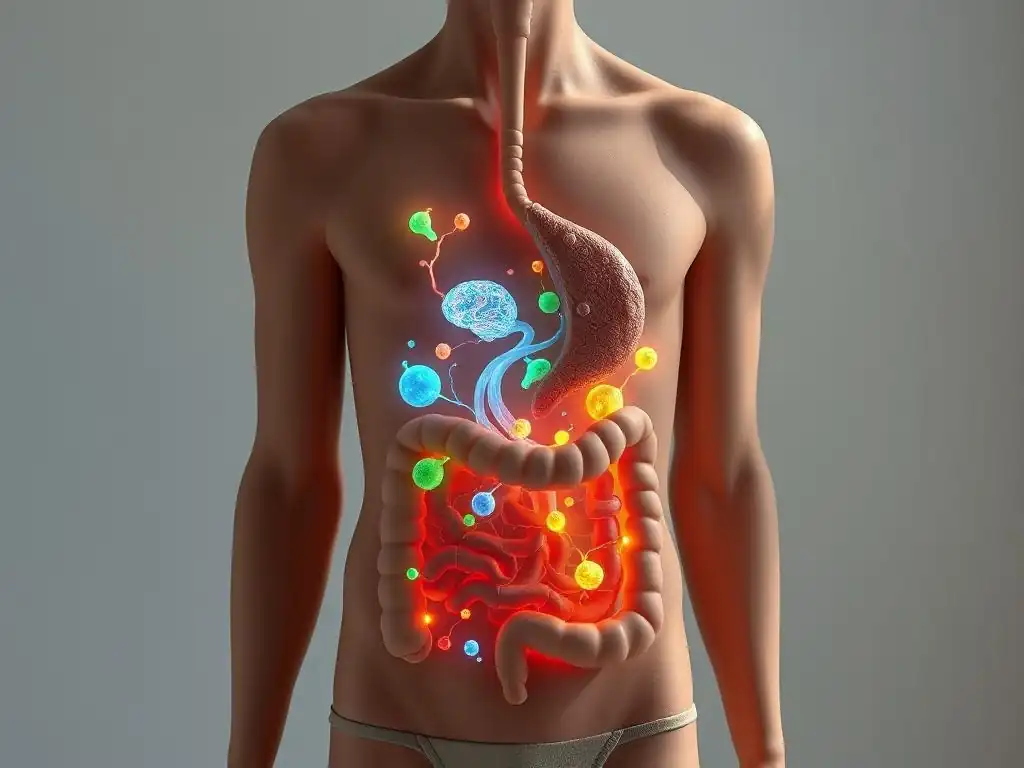
The gut microbiome, the diverse community of bacteria, viruses, fungi, and other microorganisms residing in your digestive tract, is a powerhouse of biochemical activity that profoundly influences brain function and behavior. These microbes aren't just passive residents; they actively communicate with the host through various mechanisms, including the production of metabolites, neurotransmitters, and immune modulators. The composition and diversity of this microbial community are dynamic and highly sensitive to factors like diet, stress, sleep, and medication, making the gut microbiome a key, modifiable factor in mental health.
Studies have shown striking differences in the gut microbiome composition between individuals with and without mental health conditions like depression, anxiety, and autism spectrum disorder. For instance, individuals with depression often show lower diversity in their gut bacteria and altered levels of specific microbial species compared to healthy controls.
Research in animal models, such as germ-free mice (born and raised without any microbes), demonstrates just how critical the microbiome is for proper brain development and function. When these mice are colonized with gut bacteria from anxious or depressed humans, they can exhibit similar behavioral traits, providing compelling evidence for the microbiome's causal role in shaping behavior and mood, reinforcing the gut instinct mental health connection.
How Gut Bacteria Affect Mood, Anxiety, and Cognitive Function
Gut bacteria influence mood, anxiety, and cognitive function through multiple pathways. They produce short-chain fatty acids (SCFAs) like butyrate, propionate, and acetate through the fermentation of dietary fibers. Butyrate, for example, is a primary energy source for colonocytes (cells lining the colon) and has anti-inflammatory properties. SCFAs can cross the blood-brain barrier and influence neuroinflammation, neurotransmitter synthesis, and even neurogenesis (the creation of new neurons). Propionate has been linked to appetite regulation and can influence mood.
Furthermore, gut microbes can directly produce or influence the levels of neurotransmitters and their precursors. Beyond GABA and serotonin mentioned earlier, they can affect tryptophan metabolism, an essential amino acid that is a precursor to serotonin and melatonin. An imbalanced microbiome can disrupt this pathway, potentially reducing the availability of tryptophan for serotonin synthesis.
Additionally, gut microbes interact with the immune system, influencing systemic and neuroinflammation. Chronic low-grade inflammation is increasingly recognized as a contributing factor to various mental health disorders. By modulating inflammation and producing neuroactive compounds, the gut microbiome plays a direct role in shaping our emotional states, stress responses, and even cognitive abilities, highlighting the profound impact of the gut instinct mental health connection.
Gut Instinct and Decision-Making: Intuition and the Brain
Tapping into Intuition: The Role of the Gut in Subconscious Processing
Intuition, often described as a "gut feeling" or a hunch, is a rapid, non-conscious information processing system that allows us to make quick judgments and decisions without deliberate analytical thought. While traditionally viewed as purely a function of the brain, particularly the prefrontal cortex, mounting evidence suggests the gut-brain axis plays a significant role in this process. The gut, with its extensive ENS and constant communication with the brain, is ideally positioned to integrate vast amounts of sensory and physiological data, much of which remains below the level of conscious awareness.
When you encounter a situation, your gut receives signals not just about digestion but also potentially about stress hormones, subtle physiological changes, or cues from the environment processed by the body. This complex data, processed by the ENS and relayed to the brain via the vagus nerve and other pathways, can bypass slower, analytical processing.
The brain then integrates these "gut signals" with existing knowledge, past experiences, and emotional states to generate a rapid, intuitive response. This subconscious processing, informed by physiological states communicated from the gut, is a key mechanism behind the feeling of intuition, illustrating the practical application of the gut instinct mental health connection in everyday life.
When to Trust Your Gut: Recognizing Valid Intuition vs. Anxiety
Discerning genuine intuition from anxiety or fear can be challenging, as both manifest as physical sensations in the gut area (butterflies, tightness, nausea). However, understanding the nature of the signal can help differentiate them. True intuition is often described as a sudden, clear, and calm knowing, even if the accompanying physical sensation is intense. It typically points towards a direction or decision without a detailed rationale immediately available. It feels like a quiet certainty amidst the noise.
Anxiety, on the other hand, is usually accompanied by racing thoughts, catastrophic thinking, and a sense of dread or panic. The physical sensations associated with anxiety tend to be more persistent, overwhelming, and linked to specific worries or fears, often without a clear, actionable insight. While both involve the gut-brain axis, anxiety represents a state of dysregulation or heightened stress response within this axis, while intuition might represent a more integrated, rapid processing of complex information facilitated by the axis.
Learning to differentiate these signals requires self-awareness and practice, paying attention not just to the physical sensation but also to the accompanying mental state and the quality of the "knowing." This self-awareness is crucial for leveraging the gut instinct mental health connection in a healthy way.
The Impact of Diet on Gut Health and Mental Well-being
Foods That Promote a Healthy Gut Microbiome: Fiber, Fermented Foods, and Polyphenols
Diet is arguably the most significant factor influencing the composition and function of the gut microbiome. A diet rich in diverse plant-based foods is crucial for fostering a healthy and diverse microbial community. Dietary fiber, a type of carbohydrate that the human body cannot digest but gut bacteria can, is particularly important. Fiber acts as a prebiotic, selectively feeding beneficial gut bacteria.
Good sources include fruits, vegetables, legumes (beans, lentils), and whole grains. Studies show that increasing fiber intake can rapidly alter gut microbiome composition within days, promoting the growth of bacteria that produce beneficial SCFAs. For example, aim for at least 25-30 grams of fiber per day, a target that many Western diets fail to meet, averaging closer to 15 grams.
Fermented foods are another cornerstone of a gut-healthy diet. These foods contain live and active cultures of beneficial bacteria (probiotics). Examples include yogurt with live cultures, kefir, sauerkraut, kimchi, miso, and kombucha.
Consuming these foods regularly can introduce beneficial microbes into the gut and support the existing microbial community. Polyphenols, plant compounds found in colorful fruits, vegetables, tea, coffee, and dark chocolate, also act as prebiotics, reaching the colon undigested and being metabolized by gut bacteria into beneficial compounds. Incorporating a variety of these foods into your daily meals can significantly improve gut health, which in turn positively impacts the gut instinct mental health connection.
Foods to Limit for Optimal Gut-Brain Function: Processed Foods, Sugar, and Artificial Sweeteners
Just as some foods benefit the gut microbiome, others can harm it and negatively impact the gut-brain axis. Highly processed foods, often low in fiber and high in unhealthy fats, sugar, and artificial additives, tend to promote the growth of less beneficial bacteria and can reduce overall microbial diversity. For example, diets high in saturated fat have been shown in animal studies to quickly alter the gut microbiome and impair cognitive function. Chronic consumption of such foods can contribute to gut dysbiosis and inflammation, negatively affecting mental well-being.
Excessive sugar intake is particularly detrimental. Sugary foods and beverages can feed less desirable bacteria and yeasts, potentially leading to imbalances. Artificial sweeteners, while calorie-free, have also been shown in some studies to alter gut microbiome composition in ways that could potentially impact metabolic health and the gut-brain axis.
Limiting these types of foods and focusing on whole, unprocessed ingredients is key to maintaining a healthy gut environment that supports positive mental health outcomes and strengthens the beneficial aspects of the gut instinct mental health connection. Think of your gut microbes as tiny farmers – they thrive on nutritious inputs and suffer from poor-quality ones.
Stress and the Gut: The Vicious Cycle
How Stress Affects Gut Health: Increased Permeability and Inflammation
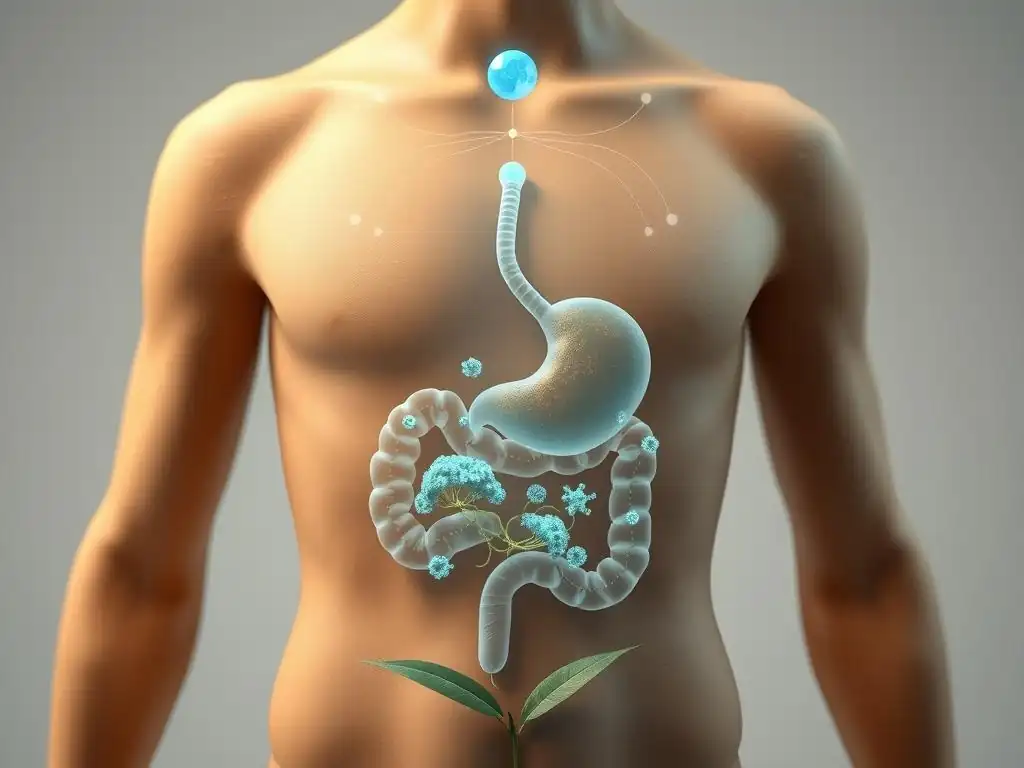
Stress has a profound and often immediate impact on gut health, creating a vicious cycle that can exacerbate mental health issues. When you experience stress, your body releases stress hormones like cortisol and adrenaline. These hormones affect gut motility, secretion, and blood flow. Crucially, chronic stress can increase intestinal permeability, sometimes referred to as "leaky gut." This means the tight junctions between cells lining the gut become looser, allowing undigested food particles, toxins, and bacteria to leak into the bloodstream.
This leakage triggers an immune response, leading to inflammation not just in the gut but potentially systemically. Chronic inflammation is a known contributor to various health problems, including mental health disorders.
Furthermore, stress directly alters the composition and diversity of the gut microbiome, often reducing beneficial bacteria and increasing potentially harmful ones. This stress-induced dysbiosis further compromises gut barrier function and contributes to inflammation, creating a negative feedback loop where stress harms the gut, and the compromised gut then sends inflammatory and dysbiotic signals back to the brain, intensifying the stress response and negatively impacting the gut instinct mental health connection.
Gut Issues as a Symptom of Anxiety and Stress: IBS and Functional Gut Disorders
The strong link between stress, anxiety, and gut health is perhaps most evident in the prevalence of functional gastrointestinal disorders like Irritable Bowel Syndrome (IBS). IBS affects an estimated 10-15% of the global population and is characterized by symptoms like abdominal pain, bloating, gas, diarrhea, and constipation, often without clear structural abnormalities in the gut. While the exact causes are complex, stress and psychological factors are well-established triggers and exacerbators of IBS symptoms.
The heightened sensitivity and altered motility characteristic of IBS are thought to be partly mediated by dysregulation of the gut-brain axis, often amplified by stress. Individuals with anxiety and depression have a significantly higher incidence of IBS compared to the general population. This suggests that for many, gut symptoms are not just physical ailments but can also be manifestations of underlying psychological distress. Addressing stress and anxiety is therefore a critical component in managing conditions like IBS, highlighting the interconnectedness of the gut instinct mental health connection and the importance of a holistic approach to treatment.
Practical Steps to Improve Your Gut Health for Better Mental Health
Probiotics and Prebiotics: Supporting a Healthy Gut Microbiome
Supporting your gut microbiome through the strategic use of probiotics and prebiotics is a practical step towards improving both gut and mental health. Probiotics are live beneficial bacteria that, when consumed in adequate amounts, confer a health benefit. They can be found in fermented foods (like yogurt, kefir, sauerkraut) or taken as dietary supplements. Different probiotic strains have been studied for their effects on mental health, with some showing promise in reducing symptoms of anxiety and depression, earning the moniker "psychobiotics." For example, certain strains of Lactobacillus and Bifidobacterium have demonstrated positive effects in clinical trials.
Prebiotics, on the other hand, are non-digestible fibers that selectively feed beneficial bacteria already present in your gut. They essentially act as fertilizer for your gut garden. Good sources include garlic, onions, leeks, asparagus, bananas (especially slightly green ones), oats, and flaxseeds. Combining probiotics and prebiotics (a synbiotic approach) is often recommended, as the prebiotics help the probiotics thrive. While probiotic supplements can be beneficial, focusing on a diet rich in diverse plant fibers and fermented foods provides a broad spectrum of prebiotics and probiotics, offering a sustainable way to nurture your gut instinct mental health connection.
Mindful Eating: Connecting with Your Body's Hunger and Fullness Cues
Mindful eating is an approach that involves paying full attention to the experience of eating and drinking, both inside and outside the body. This includes observing the colors, smells, flavors, and textures of food, as well as recognizing physical hunger and fullness cues. This practice can be particularly beneficial for gut health and the gut-brain connection because it encourages you to slow down, chew your food thoroughly (aids digestion), and become more attuned to how different foods make your body feel.
By practicing mindful eating, you can become more aware of which foods support your digestive system and which might cause discomfort or negative symptoms. This heightened awareness allows you to make dietary choices that are more aligned with your body's needs, potentially reducing exposure to triggering foods and promoting a healthier gut environment. Furthermore, the act of eating mindfully can reduce stress around meals, which, as we know, positively impacts gut function. Connecting with your body's signals through mindful eating strengthens the intuitive communication along the gut-brain axis, enhancing your gut instinct mental health connection.
Stress Management Techniques for Gut Health: Deep Breathing, Yoga, and Exercise
Given the strong bidirectional link between stress and gut health, implementing effective stress management techniques is crucial for supporting both. Practices that activate the parasympathetic nervous system, often referred to as the "rest and digest" system, can directly improve gut function and reduce the negative impact of stress on the gut microbiome and permeability.
- [ ] Practice deep diaphragmatic breathing for a few minutes daily. This simple technique stimulates the vagus nerve, promoting relaxation and potentially improving gut motility.
- [ ] Engage in regular physical exercise. Exercise has been shown to reduce stress hormones, improve gut motility, and even positively alter gut microbiome composition. Aim for at least 150 minutes of moderate aerobic activity per week, as recommended by health guidelines.
- [ ] Explore mind-body practices like yoga, meditation, or Tai Chi. These activities are known for their stress-reducing effects and can enhance vagal tone, supporting healthier gut-brain communication. For instance, a study showed that regular yoga practice improved symptoms in IBS patients, likely due to its stress-reducing effects and impact on the gut-brain axis.
Incorporating these techniques into your routine provides tangible ways to interrupt the stress-gut cycle, fostering a calmer nervous system and a healthier digestive tract, thereby nurturing your gut instinct mental health connection.
Identifying Symptoms of Gut Dysbiosis and its Mental Health Manifestations
Recognizing that mental health symptoms might have roots in gut health is an important step towards seeking appropriate help. Symptoms of gut dysbiosis can be varied and include common digestive issues like bloating, gas, abdominal pain, diarrhea, constipation, and acid reflux. However, gut imbalances can also manifest in ways that seem unrelated to digestion, such as skin issues (e.g., eczema, acne), fatigue, unintentional weight changes, and nutrient deficiencies.
When gut dysbiosis impacts the gut-brain axis, it can contribute to or exacerbate mental health symptoms. Watch for patterns where digestive issues seem to correlate with fluctuations in mood, anxiety levels, or cognitive function (like brain fog or difficulty concentrating). If you experience persistent digestive symptoms alongside new or worsening anxiety, depression, irritability, or changes in sleep patterns, it might be indicative of a gut-related mental health issue.
For example, individuals with Small Intestinal Bacterial Overgrowth (SIBO), a form of dysbiosis, often report significant anxiety and brain fog alongside their digestive distress. Recognizing these potential links is crucial for addressing the underlying causes of your symptoms and understanding the full scope of the gut instinct mental health connection.
Seeking Professional Help: Therapies and Treatments for Gut-Brain Imbalance
If you suspect your mental health challenges are linked to gut health, seeking professional help is essential. This might involve consulting both a mental health professional (like a therapist or psychiatrist) and a healthcare provider knowledgeable about gut health, such as a gastroenterologist, a functional medicine practitioner, or a registered dietitian nutritionist specializing in gut health.
Therapies aimed at the gut-brain axis can be highly effective. For example, Gut-Directed Hypnotherapy has shown significant success in treating IBS by targeting the communication pathways between the gut and the brain. Cognitive Behavioral Therapy (CBT) and other talk therapies can help manage the stress and anxiety that often accompany gut issues, thereby improving gut function.
Dietary interventions guided by a professional can identify trigger foods, optimize nutrient intake, and incorporate prebiotics and probiotics appropriately. In some cases, targeted testing (like stool analysis or breath tests) might be recommended to identify specific imbalances. Addressing the gut instinct mental health connection holistically through a combination of dietary changes, stress management, and targeted therapies offers a comprehensive approach to improving both gut health and mental well-being.
Conclusion: Nurturing Your Gut for Enhanced Mental Well-being
The Future of Gut-Brain Research and Mental Health Treatment
The field of gut-brain research is rapidly expanding, offering exciting possibilities for future mental health treatments. Scientists are exploring the potential of "psychobiotics" – specific strains of probiotics or prebiotics with demonstrated mental health benefits – as novel therapeutic agents. Research is also delving deeper into the specific metabolites produced by gut bacteria and their precise effects on brain function, which could lead to the development of new drugs or dietary interventions targeting these pathways.
Furthermore, personalized approaches are on the horizon. As our understanding of the gut microbiome and its interaction with individual genetics and lifestyle factors grows, future treatments may involve tailoring interventions based on an individual's unique microbial profile. This could mean personalized dietary recommendations, specific probiotic cocktails, or targeted prebiotics designed to optimize the gut instinct mental health connection for each person. The increasing recognition of the gut's role in conditions like depression, anxiety, and even neurodegenerative diseases is opening up entirely new avenues for prevention and treatment, moving beyond traditional brain-centric models.
Embracing the Gut-Brain Connection for a Healthier Life
Understanding and embracing the profound gut instinct mental health connection empowers you to take proactive steps towards enhancing your overall well-being. Your gut is not just a digestive organ; it's a key partner in regulating your mood, influencing your thoughts, and even shaping your intuition. By prioritizing gut health, you are directly investing in your mental health.
Simple, consistent lifestyle choices can make a significant difference:
- Prioritize a diverse diet rich in fiber, fermented foods, and polyphenols.
- Minimize processed foods, excessive sugar, and artificial sweeteners.
- Implement stress management techniques like mindfulness, deep breathing, or yoga.
- Ensure you get adequate sleep and regular physical activity.
- Pay attention to your body's signals and seek professional help when needed.
By nurturing your gut, you strengthen the communication along the gut-brain axis, potentially leading to improved mood, reduced anxiety, clearer intuition, and a greater sense of vitality. Listening to your gut feelings takes on a whole new meaning when you understand the intricate science behind this powerful connection.
Frequently Asked Questions
The gut and brain are connected via the gut-brain axis, a complex communication system. This means that your gut health can directly impact your mental well-being and vice versa.
What role do gut bacteria play in the gut instinct mental health connection?
Gut microbiota produce neurotransmitters like serotonin, influencing mood and behavior. Imbalances in gut bacteria can therefore contribute to conditions like anxiety and depression.
Can improving gut health actually improve my mental state?
Yes, research suggests that strategies like eating a balanced diet and taking probiotics can positively affect mood and reduce symptoms of certain mental health conditions by improving gut health.
What are some signs that my gut health might be impacting my mental health?
Frequent digestive issues like bloating, constipation, or diarrhea, alongside symptoms of anxiety, depression, or brain fog, could indicate a connection between your gut and mental state.
How can I start exploring the gut instinct mental health connection for myself?
Start by focusing on gut-healthy habits, such as eating fiber-rich foods and managing stress, and consult a healthcare professional for personalized advice and to rule out underlying medical conditions.
Final Reflection: Unveiling the Wisdom Within: Gut Instinct and Mental Wellbeing
The intricate connection between our gut and our mental health is no longer a fringe theory; it's a rapidly expanding field of research with profound implications for how we understand and manage our wellbeing. Ignoring the whispers of our intuition, those subtle gut feelings, can have significant consequences for our mental state, impacting everything from stress levels to overall emotional resilience. Understanding this connection is crucial for navigating the complexities of modern life.
The exploration of gut instinct's influence on mental health has been a deeply personal journey for me, highlighting the often-overlooked power of our internal wisdom. It's easy to get caught up in the noise of external pressures and societal expectations, neglecting the valuable insights our bodies provide. Listen to your body, it's the only place you have to live,
as the saying goes, and this rings truer than ever when considering the gut-brain axis. This article has reinforced the importance of paying attention to those subtle cues, those nagging feelings that often precede a mental health challenge, allowing for proactive self-care and prevention.
Now, I invite you to reflect on your own relationship with your gut feelings. Do you actively listen to the whispers of your intuition? Do you honor your body's signals, or do you tend to override them? Consider incorporating practices that foster this connection – mindfulness, meditation, journaling – to strengthen your awareness and cultivate a deeper understanding of your inner wisdom. By tuning into the language of your gut, you empower yourself to take charge of your mental wellbeing, fostering a more balanced and fulfilling life.
Unlock Your Inner Wisdom: Take Charge of Your Gut Feelings!
Thanks for taking the time to explore the fascinating connection between gut health and mental well-being! We hope you gained valuable insights into the power of your intuition. Now, let's turn those insights into action.
- Prioritize your gut health: Start incorporating gut-friendly foods like fermented vegetables, yogurt, and prebiotic-rich fruits and vegetables into your diet this week. This simple step can significantly impact both your physical and mental health.
- Listen to your body's whispers: Take a few minutes each day to check in with your feelings and intuitions. Journaling or mindful meditation can be helpful tools for this process.
- Share your experiences: Let's build a supportive community! Share your thoughts and experiences in the comments below – what strategies do you use to listen to your gut feelings?
What small change will you make today to better understand and nurture your inner wisdom?