
Vipassana Meditation for Busy People: Finding Time for Insight

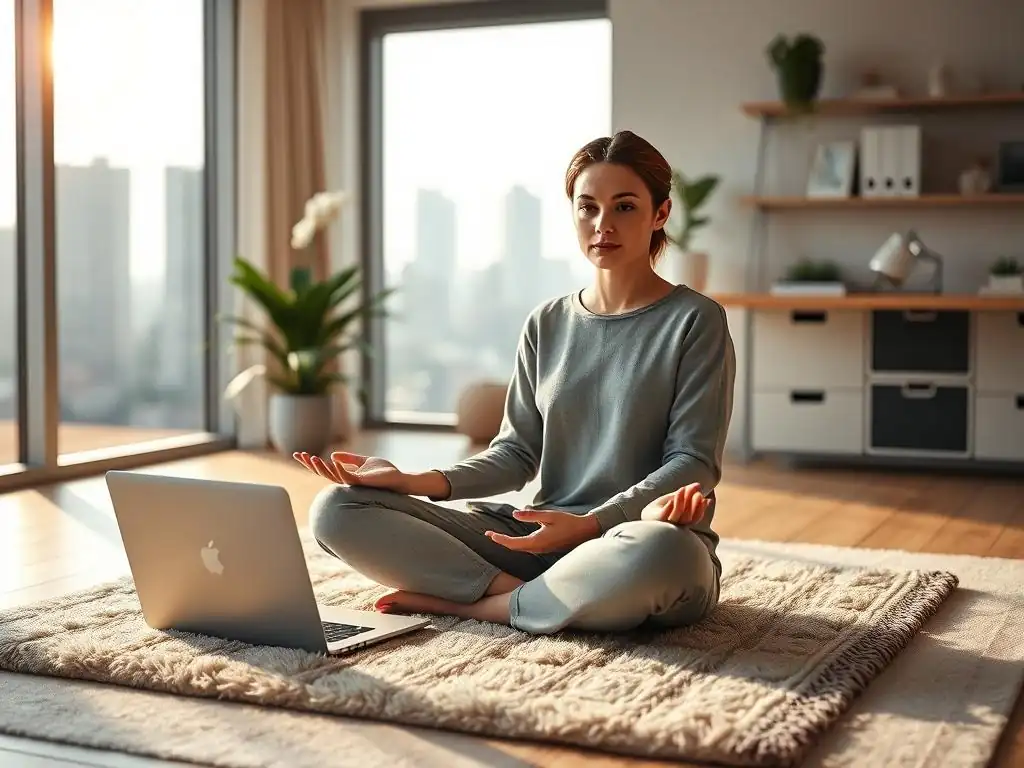
Welcome to Mind Care Guide.
Feeling overwhelmed and longing for inner peace, even with a schedule that never seems to slow down? You're not alone. Many struggle to find moments for self-care amidst the chaos. This guide offers a lifeline. Discover practical strategies for incorporating Vipassana meditation into your busy life. Curious how you can unlock clarity and reduce stress, even with limited time? Let's explore how to bring mindful awareness to your everyday, starting now...
Vipassana Meditation for Busy Professionals: Cultivating Mindfulness in a Demanding World
- Understanding Vipassana Meditation and Its Benefits for Demanding Schedules
- Integrating Vipassana into a Demanding Lifestyle: Practical Strategies
- Practical Tips for Professionals Starting Vipassana Meditation
- Adapting Vipassana Techniques for a Fast-Paced Professional World
- Troubleshooting Common Challenges for Busy Vipassana Practitioners
- The Long-Term Rewards of Vipassana: A Sustainable Practice for Professional Well-being
- Vipassana Meditation Techniques for Specific Professional Scenarios
- Recommended Resources for Professionals Learning Vipassana
-
Frequently Asked Questions
- How can busy people realistically incorporate Vipassana meditation into their daily routines?
- What are the key benefits of Vipassana meditation specifically for busy people experiencing stress and anxiety?
- Is it necessary to attend a lengthy Vipassana retreat to experience the benefits, or can shorter, more frequent sessions be effective?
- What are some common challenges busy people face when starting Vipassana meditation, and how can they overcome them?
- Where can busy people find reliable resources and guidance to learn Vipassana meditation techniques, especially if they can't attend a retreat?
- Final Reflection: Cultivating Inner Peace in a Hectic World
- Unlock Your Inner Peace: Start Your Vipassana Journey Today
Understanding Vipassana Meditation and Its Benefits for Demanding Schedules
What is Vipassana Meditation? A Concise Introduction for Professionals
Vipassana meditation, meaning "to see things as they really are," is an ancient Indian technique of meditation. It's a process of self-purification by self-observation. Originating from the teachings of the Buddha, it is a non-sectarian practice focused on developing insight into the true nature of reality, primarily through observing the breath and bodily sensations. Unlike some other forms of meditation that might focus on concentration on a single point or visualization, Vipassana cultivates awareness of the changing nature of the mind and body. It's a practice of bare attention, observing experiences without judgment or reaction.
For busy professionals, understanding Vipassana as a skill rather than a religious ritual is crucial. It's a mental training that helps individuals become more aware of their internal landscape – their thoughts, feelings, and physical sensations – as they arise and pass away. This awareness is cultivated through sustained, diligent practice. While traditional Vipassana is often taught in intensive retreat settings, the core principles can be adapted for daily life, making Vipassana meditation busy people a realistic pursuit even amidst packed schedules. The goal is not to empty the mind, but to understand its workings and reduce reactive patterns.
The Benefits of Vipassana: Stress Reduction, Focus, and Emotional Regulation
Consistent Vipassana practice offers significant benefits, particularly relevant for those navigating demanding professional environments. A primary advantage is stress reduction. By observing physical sensations associated with stress without immediate reaction, practitioners learn to detach from the intensity of stressful experiences. Studies, such as those involving mindfulness-based interventions which often incorporate Vipassana principles, have shown reductions in perceived stress levels, sometimes by as much as 20-30% over several weeks of regular practice.
Beyond stress, Vipassana enhances focus and concentration. By training the mind to stay present with sensations, practitioners improve their ability to direct attention and resist distractions. This heightened focus translates directly to improved productivity and efficiency in the workplace. Furthermore, the practice fosters emotional regulation. By observing emotions as transient phenomena, individuals gain greater capacity to respond thoughtfully rather than react impulsively to challenging situations or difficult colleagues, leading to more constructive interactions and better decision-making under pressure.
Vipassana for Reducing Workplace Stress and Enhancing Performance
The workplace can be a significant source of stress, from tight deadlines and demanding clients to interpersonal conflicts and constant connectivity. Vipassana provides busy people with tools to navigate this pressure cooker. By practicing awareness of physical tension in the body or the racing thoughts in the mind during a stressful meeting, one can learn to pause, breathe, and respond more calmly instead of being overwhelmed. This simple act of mindful observation can diffuse the intensity of a stressful moment.
Moreover, enhanced focus directly impacts performance. In roles requiring complex problem-solving, analytical thinking, or sustained attention, the ability to remain present and concentrate without getting sidetracked by internal chatter or external distractions is invaluable. Professionals who integrate Vipassana often report feeling more present during tasks, leading to fewer errors and a deeper engagement with their work. This isn't just about working harder, but working smarter and more mindfully, ultimately contributing to better overall performance and job satisfaction for Vipassana meditation busy people.
Integrating Vipassana into a Demanding Lifestyle: Practical Strategies
Debunking the Myth: Vipassana Doesn't Require Extensive Daily Practice
A common misconception that deters busy professionals is the belief that Vipassana demands hours of daily meditation, often associated with intensive retreats. While traditional retreats involve many hours of sitting per day, the foundational principles and benefits can be accessed with much shorter, consistent daily practice. The key is quality and consistency over sheer quantity. Even 10-15 minutes of focused, daily Vipassana practice can begin to cultivate the crucial skills of awareness and equanimity.
For Vipassana meditation busy people, the idea of needing an hour or more is often a barrier. It's important to understand that the goal for daily life is integration, not isolation. The benefits of Vipassana come from training the mind to be present and non-reactive, a skill that is honed over time through regular effort, even in small increments. Starting small and building a sustainable habit is far more effective than aiming for an unattainable ideal and quickly giving up.
Micro-Meditations: Incorporating Mindfulness into Short Breaks and Transitions
One of the most practical strategies for busy professionals is the use of "micro-meditations." These are very short periods of mindful awareness integrated into the natural breaks and transitions throughout the day. Instead of scrolling through a phone during a 5-minute gap between tasks or waiting for coffee, one can simply close their eyes and focus on the sensation of breathing for one minute.
These brief moments add up. A professional might practice mindful breathing for 60 seconds before a challenging phone call, do a quick body scan while sitting in traffic, or simply notice the sensations in their feet while walking to the printer. These aren't formal sitting sessions, but active applications of Vipassana principles in real-time. They break the cycle of rushing and automatic pilot, bringing small pockets of presence into the day and reinforcing the skills learned during more formal, albeit short, sitting practices.
Mindful Commuting: Transforming Travel Time into Meditation Time
Commuting, often viewed as wasted or stressful time, can be transformed into an opportunity for Vipassana practice. Whether driving, taking public transport, or walking, the commute provides a consistent block of time that can be utilized for mindfulness. For drivers, this might involve focusing on the sensations of sitting, the feel of the steering wheel, and observing thoughts about traffic without judgment, while maintaining full attention on the road.
For those using public transport, the possibilities are even greater. One can dedicate the entire journey to mindful breathing, observing the sounds and sights around them without getting lost in thought, or doing a gentle body scan while seated. This not only makes the commute less stressful but also serves as a valuable daily training session. Turning a 30-minute train ride into mindful awareness practice is a powerful way for Vipassana meditation busy people to integrate the technique without needing extra time in an already packed day.
Practical Tips for Professionals Starting Vipassana Meditation
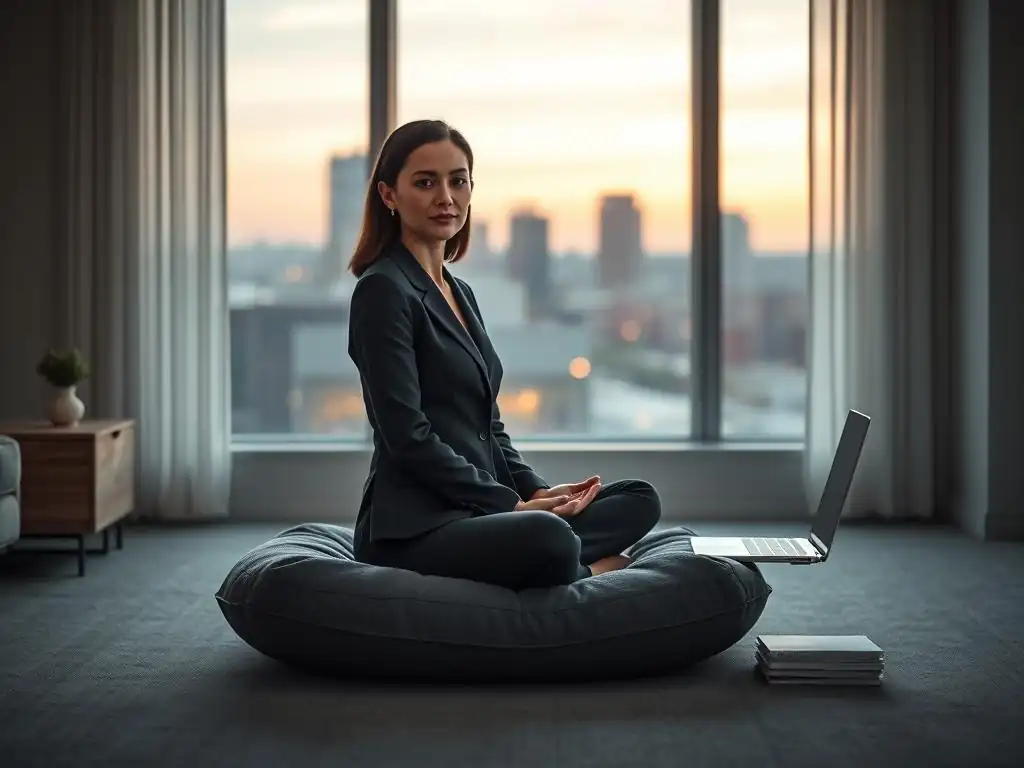
Setting Realistic Goals: Start with 5-10 Minutes Daily
For busy professionals new to Vipassana, the most important tip is to start small and be realistic. Aiming for an hour of meditation daily from the outset is likely to lead to frustration and abandonment. A far more sustainable approach is to commit to just 5 or 10 minutes each day. This amount of time is manageable even in a hectic schedule and is sufficient to begin cultivating the habit and experiencing initial benefits.
Consistency is more critical than duration in the beginning. Practicing for 10 minutes every single day is significantly more effective than practicing for an hour once a week. As the practice becomes more comfortable and the benefits become apparent, individuals may naturally feel motivated to extend the duration gradually, perhaps adding a few minutes each month. This gentle progression makes Vipassana meditation busy people feel less daunting and more achievable.
Creating a Dedicated Space: Designating a Quiet Corner for Practice
While Vipassana can be practiced anywhere, especially with micro-meditations, having a dedicated space for formal sitting practice can be very helpful, particularly when starting out. This doesn't need to be an elaborate meditation room; a quiet corner in your home where you won't be disturbed is sufficient. It could be a spot with a comfortable cushion or chair, free from clutter and distractions like televisions or work materials.
Having a specific, designated space helps to create a mental anchor for the practice. When you go to this corner, your mind begins to associate it with meditation, making it easier to transition into a state of mindfulness. Even in a small apartment, finding a quiet spot by a window or simply a comfortable chair in a less-trafficked area can serve this purpose effectively for Vipassana meditation busy people trying to build a routine.
Utilizing Technology: Apps and Guided Meditations for Time-Constrained Individuals
Technology can be a valuable ally for busy professionals starting Vipassana. Numerous meditation apps are available (though specific app names cannot be listed here as per instructions), offering guided meditations ranging from a few minutes to longer sessions. These guided practices can be particularly helpful for beginners, providing instructions and gentle guidance on where to place attention, helping to keep the mind from wandering excessively.
Many apps also offer features like progress tracking, reminders, and themed sessions tailored to specific goals like stress reduction or focus enhancement. Some platforms provide access to teachings and talks that explain Vipassana principles in clear, accessible language. For Vipassana meditation busy people, these digital tools offer flexibility, allowing practice to fit into tight schedules, whether during a lunch break or first thing in the morning.
Finding a Community: Online Forums and Local Meditation Groups
Connecting with others who practice Vipassana can provide support, motivation, and valuable insights, especially when navigating the challenges of integrating practice into a busy life. While physical proximity might be difficult for some busy professionals, online forums and communities dedicated to Vipassana or mindfulness offer a way to connect with fellow practitioners, ask questions, share experiences, and receive encouragement.
Alternatively, if schedule permits, finding a local meditation group or center that offers Vipassana sittings or courses can provide face-to-face interaction and guidance from experienced teachers. Even attending a session or two occasionally can be beneficial. Sharing the journey with others reinforces commitment and provides a sense of belonging, making the path of Vipassana meditation busy people feel less solitary.
Adapting Vipassana Techniques for a Fast-Paced Professional World
Body Scan Meditation: A Quick Technique for Physical Awareness and Tension Release
The body scan meditation is a foundational Vipassana technique that is highly adaptable for short, frequent practice, making it ideal for busy professionals. It involves systematically bringing awareness to different parts of the body, noticing any sensations (or lack thereof) without judgment. This practice cultivates present moment awareness anchored in physical reality and helps release accumulated physical tension, a common issue for those with sedentary or stressful jobs.
A quick body scan can be done in just 3-5 minutes. While sitting at a desk, waiting for a meeting to start, or before presenting, one can quickly scan through the body – from the soles of the feet up to the crown of the head – simply noticing sensations like pressure, warmth, tingling, or tightness. This rapid check-in grounds you in the present, interrupts cycles of anxious thinking, and provides a quick release of muscular tension, making it a powerful tool for Vipassana meditation busy people navigating demanding days.
Breath Awareness Meditation: Anchoring Yourself in the Present Moment Amidst Chaos
Focusing on the breath is another core Vipassana technique that serves as an immediate anchor to the present moment, particularly useful when feeling overwhelmed or distracted. The breath is always available and always in the present. By simply paying attention to the natural inflow and outflow of air, typically at the nostrils or the abdomen, one can steady the mind and regain composure amidst external or internal chaos.
When faced with a challenging email, a difficult conversation, or simply feeling scattered, taking just a few moments to bring full attention to the sensation of breathing can be incredibly effective. This short practice interrupts the reactive mind, allowing for a more considered response. It's a portable and discreet technique that requires no special equipment or location, making breath awareness a go-to strategy for Vipassana meditation busy people seeking immediate calm and focus throughout their workday.
Mindful Walking: Practicing Awareness During Commutes or Lunch Breaks
Mindful walking is a dynamic form of Vipassana meditation that integrates awareness into the act of movement. Instead of rushing from one place to another on autopilot, mindful walking involves paying deliberate attention to the physical sensations of walking – the lifting of the foot, the forward movement, the placing of the foot back down, the shifting of weight. This technique can transform necessary movement into a meditative practice.
For busy professionals, mindful walking can be incorporated during a commute (if walking), moving between buildings, or during a lunch break stroll. Even walking to the printer or the breakroom can become a short mindful exercise. This practice not only brings mindfulness into daily activities but also helps to break up prolonged periods of sitting, promoting both mental clarity and physical well-being. It's an active way for Vipassana meditation busy people to cultivate presence while on the go.
Troubleshooting Common Challenges for Busy Vipassana Practitioners
Dealing with Workplace Distractions: Strategies for a Noisy Environment
Workplaces are often filled with distractions: ringing phones, colleagues talking, email notifications, and general office noise. Practicing Vipassana meditation busy people in this environment requires specific strategies. While finding a truly quiet space might be impossible, one can minimize distractions by using noise-canceling headphones during short practice sessions (if appropriate for the workplace culture) or finding a less trafficked area like an empty conference room or even a quiet corner outdoors if available.
Furthermore, Vipassana itself trains the mind to observe distractions without getting carried away by them. Instead of fighting the noise, the practice involves noticing the sound, acknowledging it without judgment ("Ah, the phone is ringing"), and gently returning attention to the primary object of meditation, such as the breath or bodily sensations. Over time, the ability to observe distractions without reacting strengthens, making it easier to maintain focus even in challenging environments.
Overcoming Resistance: Cultivating Motivation and Maintaining Consistency
One of the biggest hurdles for Vipassana meditation busy people is overcoming internal resistance – the voice that says "I'm too busy," "I'm not doing it right," or "It's not working." Maintaining consistency requires cultivating motivation and self-compassion. It's helpful to remember why you started practicing – perhaps to reduce stress, improve focus, or gain clarity. Reconnecting with these initial motivations can provide the push needed on days when practice feels like a chore.
Setting realistic expectations is also key; some days meditation will feel calm and focused, other days it will feel restless and difficult. Both are valid experiences. Rather than striving for perfect stillness, the goal is simply to show up and practice awareness, meeting whatever arises with acceptance. Tracking progress, perhaps simply by noting days practiced on a calendar, can also provide a sense of accomplishment and reinforce the habit. Understanding that consistency, not perfection, is the aim helps to overcome the resistance and maintain a regular practice.
Addressing Fatigue: Scheduling Meditation for Optimal Energy Levels
Fatigue is a common issue for busy professionals, and trying to meditate when exhausted can be counterproductive, sometimes leading to falling asleep rather than cultivating awareness. It's important to be strategic about when you schedule your Vipassana practice. For some, early morning before the demands of the day begin is ideal. For others, a midday session during a lunch break provides a necessary reset.
Experimenting with different times is recommended to find what works best with your energy levels and schedule. If evening is the only option but you find yourself too tired, try a shorter, more active practice like mindful walking, or focus on body scan while lying down before sleep. The key is to find a time when you are alert enough to practice awareness, even if just for a few minutes. Adapting the practice schedule to accommodate natural energy fluctuations is crucial for sustainable Vipassana meditation busy people.
The Long-Term Rewards of Vipassana: A Sustainable Practice for Professional Well-being

Cultivating Resilience and Reducing Burnout Through Consistent Practice
Consistent Vipassana practice builds mental resilience, the ability to bounce back from adversity and navigate challenges effectively. By regularly observing the transient nature of thoughts, emotions, and sensations, practitioners develop a deeper understanding that difficult states are temporary. This perspective helps prevent getting stuck in negativity or feeling overwhelmed by setbacks common in professional life.
Burnout is a significant risk for busy professionals, characterized by exhaustion, cynicism, and reduced efficacy. Vipassana helps mitigate burnout by increasing self-awareness, allowing individuals to recognize the early signs of stress and fatigue. The practice of non-reactivity also helps prevent emotional depletion caused by constant reaction to stressors. Over time, a consistent Vipassana meditation busy people practice fosters a more balanced and sustainable approach to work and life, reducing the likelihood and severity of burnout.
Improved Focus and Concentration: Enhancing Productivity and Decision-Making
A primary long-term benefit of Vipassana is a sustained improvement in focus and concentration. The practice is essentially a training in directing and maintaining attention. As the mind becomes less prone to wandering and distraction through regular observation, the ability to concentrate on tasks for longer periods increases naturally. This enhanced focus directly translates into improved productivity and efficiency in the workplace.
Furthermore, improved concentration supports better decision-making. When the mind is clear and less cluttered by irrelevant thoughts or emotional reactivity, it is better equipped to analyze information, weigh options, and make sound judgments. Professionals who practice Vipassana often report feeling more present and decisive, leading to better outcomes in their work. This cognitive sharpening is a significant long-term reward for Vipassana meditation busy people.
Vipassana practice cultivates emotional intelligence by increasing awareness of one's own emotions and the ability to understand and manage them. By observing emotions as physical sensations and mental states without getting lost in their narrative, practitioners develop a greater capacity to recognize emotions as they arise, understand their triggers, and choose how to respond rather than reacting habitually.
This heightened emotional awareness extends to understanding others. As one becomes more attuned to their own internal states, they can often develop greater empathy and insight into the feelings and perspectives of colleagues, clients, and superiors. This enhanced emotional intelligence is invaluable for navigating complex workplace dynamics, resolving conflicts, building stronger relationships, and leading more effectively – key skills for any busy professional.
Vipassana Meditation Techniques for Specific Professional Scenarios
Applying Mindfulness to High-Pressure Meetings and Negotiations
High-pressure meetings and negotiations are prime opportunities to apply Vipassana principles in action. Before entering the meeting, take a minute or two to practice mindful breathing or a quick body scan to ground yourself and calm any anxiety. During the meeting, pay attention to physical sensations of tension or stress that may arise. Notice the thoughts and emotions occurring within yourself, observing them without judgment.
Crucially, practice mindful listening when others are speaking. This involves paying full attention to what is being said, observing your own reactions (like formulating a response before they finish), and letting go of distractions. In negotiations, observing your own emotional responses (e.g., frustration, impatience) and the subtle cues in others can provide valuable insight and allow for more strategic, less reactive communication. This real-time application is vital for Vipassana meditation busy people.
Enhancing Creativity and Innovation Through Present Moment Awareness
Creativity and innovation often arise when the mind is open and receptive, not stressed and cluttered. Vipassana practice, by calming the mental chatter and cultivating present moment awareness, can create fertile ground for new ideas. When the mind is less preoccupied with past regrets or future worries, it is more available to notice novel connections, perceive things from different perspectives, and engage in divergent thinking.
Incorporating short periods of mindful breathing or mindful walking during brainstorming sessions or when facing a creative block can help clear the mind and allow for fresh insights to emerge. The practice of observing thoughts without attachment also encourages a less critical, more playful approach to ideas. For professionals whose roles require innovation, cultivating this state of present, open awareness through Vipassana can be a powerful catalyst.
Improving Communication Through Mindful Listening
Effective communication is fundamental to professional success, and mindful listening is a cornerstone of good communication. Mindful listening, informed by Vipassana principles, involves giving your full, undivided attention to the speaker. This means not just hearing the words, but also paying attention to the tone of voice, body language, and the underlying emotions, while simultaneously being aware of your own internal reactions without letting them hijack your attention.
When practicing mindful listening, you are observing the experience of listening itself – the sounds entering your ears, the thoughts arising in response, the feelings triggered. By noticing your urge to interrupt, formulate a rebuttal, or get distracted, you gain the ability to pause and choose a more present response. This makes the speaker feel truly heard and understood, leading to clearer communication, stronger relationships, and fewer misunderstandings in the workplace for Vipassana meditation busy people.
Recommended Resources for Professionals Learning Vipassana
Books and Articles on Vipassana Tailored for Professional Life
Many resources explore the intersection of mindfulness, including Vipassana principles, and professional effectiveness. Numerous books delve into applying mindfulness to leadership, productivity, stress management, and emotional intelligence in the workplace. These often provide practical exercises and frameworks specifically designed for the challenges faced by busy professionals.
Articles published in business journals, psychology magazines, and online platforms dedicated to professional development frequently discuss the science-backed benefits of mindfulness and meditation for enhancing performance and well-being in demanding careers. Seeking out resources that explicitly address the unique context of professional life can make the principles of Vipassana more relatable and actionable for busy individuals.
Online Vipassana Courses and Meditation Apps for Busy Schedules
For busy professionals, online resources offer unparalleled flexibility in learning Vipassana. Numerous reputable websites and platforms provide introductory and in-depth Vipassana courses that can be accessed anytime, anywhere. These often include video lectures, guided meditations, and readings, allowing individuals to learn at their own pace, fitting study sessions into their busy schedules.
As mentioned earlier, meditation apps are also a convenient resource, offering guided Vipassana meditations of varying lengths, suitable for quick practices throughout the day. Many apps provide educational content explaining the techniques and philosophy. These digital tools are invaluable for Vipassana meditation busy people seeking to learn and maintain a consistent practice without needing to attend in-person classes or retreats initially.
Weekend Vipassana Retreats in [Region/Country] for Professionals
While daily short practice is beneficial, attending a meditation retreat offers a deeper immersion in Vipassana. For busy professionals who cannot commit to a traditional 10-day retreat, weekend or short-duration retreats (e.g., 2-3 days) are often available. These provide an opportunity to step away from daily demands, deepen understanding of the technique through focused practice, and receive guidance from experienced teachers.
Finding retreat centers or organizations that offer Vipassana or mindfulness retreats specifically designed for or accessible to professionals can be helpful. These retreats provide a concentrated period of practice that can significantly accelerate learning and solidify the habit, making it easier to maintain consistency upon returning to a busy work life. While specific locations cannot be listed, searching for "Vipassana retreats [Your Region/Country]" can reveal local options.
Frequently Asked Questions
How can busy people realistically incorporate Vipassana meditation into their daily routines?
Busy individuals can incorporate Vipassana by starting with short 5-10 minute sessions and gradually increasing the duration. They can schedule it like any other important appointment, using mindfulness apps as a guide.
What are the key benefits of Vipassana meditation specifically for busy people experiencing stress and anxiety?
Vipassana helps busy people by reducing stress levels and improving focus through heightened awareness of thoughts and sensations. It also fosters a greater sense of inner peace and resilience.
Is it necessary to attend a lengthy Vipassana retreat to experience the benefits, or can shorter, more frequent sessions be effective?
While retreats offer immersive experiences, shorter, regular daily sessions of Vipassana can still provide significant benefits. Consistency is key to cultivating mindfulness and insight.
What are some common challenges busy people face when starting Vipassana meditation, and how can they overcome them?
Common challenges include finding time and dealing with a restless mind. Overcoming these involves scheduling dedicated time, practicing patience, and accepting that distractions are normal.
Where can busy people find reliable resources and guidance to learn Vipassana meditation techniques, especially if they can't attend a retreat?
Mind Care Guide (and other reputable sources online) offers articles, guided meditations, and online courses to learn Vipassana techniques. Additionally, local meditation centers often provide introductory sessions.
Final Reflection: Cultivating Inner Peace in a Hectic World
The pursuit of mindfulness in our relentlessly busy lives is not a luxury, but a necessity. The techniques of Vipassana meditation, often perceived as requiring extensive retreats and monastic dedication, are surprisingly adaptable to the demands of modern schedules. This article has explored practical strategies for integrating this powerful practice into even the most time-constrained routines, proving that finding moments of stillness is achievable, regardless of external pressures.
The impact of Vipassana meditation extends far beyond the immediate experience of calm; it cultivates a deeper understanding of ourselves and our relationship with the world. It fosters resilience in the face of stress, sharpens focus amidst distractions, and cultivates a more compassionate response to the challenges life throws our way. As Thich Nhat Hanh wisely stated, Peace is not something you can find. Peace is something you create.
This is the essence of Vipassana – actively creating inner peace, not passively searching for it. The ripple effect of this inner transformation extends outwards, influencing our interactions with others and our overall well-being.
Now, consider your own life. What small adjustments can you make to incorporate even five minutes of daily mindful breathing or body scan meditation? Don't be discouraged by the perceived lack of time; instead, view these moments as essential self-care, a vital investment in your mental and emotional health. Begin today. Start small. Experience the transformative power of Vipassana meditation, and discover the profound peace that awaits you, even amidst the whirlwind of a busy life.
Unlock Your Inner Peace: Start Your Vipassana Journey Today
Thanks for taking the time to explore the power of Vipassana meditation, even with a busy schedule! You've now learned valuable techniques to integrate mindfulness into your daily life. Ready to deepen your practice?
- Begin with a 5-minute guided meditation: Start small, focus on your breath, and notice the present moment. Consistency is key!
- Share your experience: Tell a friend or family member about your meditation journey – sharing your insights can help solidify your practice and inspire others.
- Try a mindful walking meditation: Integrate mindfulness into your day by paying close attention to the sensations of walking – this is a simple yet profound practice.
What small step will you take today to cultivate more inner peace?