
Neuroinflammation in Schizophrenia: What CuttingEdge Research Shows

Welcome to Mind Care Guide, your trusted companion on the journey to mental well-being.
Feeling lost in the complexities of mental health? We understand. Today, we delve into the fascinating and crucial area of Schizophrenia neuroinflammation research insights. Join us as we unpack cutting-edge discoveries that could reshape our understanding of this condition. What if inflammation is a key piece of the puzzle? Let's explore what the latest neuroscience reveals and how it might impact future treatments.
Schizophrenia & Neuroinflammation: Research & Management
- Understanding Neuroinflammation's Role in Schizophrenia
- Current Research on Neuroinflammation in Schizophrenia
- Mechanisms Linking Neuroinflammation to Schizophrenia Symptoms
- Therapeutic Targets for Neuroinflammation in Schizophrenia
- The Future of Schizophrenia Treatment: Focusing on Neuroinflammation
- Holistic Management of Neuroinflammation in Schizophrenia
-
Frequently Asked Questions
- What is neuroinflammation and how is it linked to schizophrenia?
- What are some key findings from recent schizophrenia neuroinflammation research?
- How can understanding neuroinflammation help in developing new treatments for schizophrenia?
- What are the limitations of current schizophrenia neuroinflammation research?
- What resources are available for people affected by schizophrenia and their families?
- Final Reflection: Unraveling the Inflammatory Enigma of Schizophrenia
- Unlock Your Understanding of Schizophrenia: Take the Next Step
Understanding Neuroinflammation's Role in Schizophrenia
Defining Neuroinflammation: A Key Factor in Schizophrenia Pathophysiology
Neuroinflammation, often described as the activation of the brain's immune response, involves complex interactions between glial cells (like microglia and astrocytes), neurons, and the peripheral immune system. This process is typically a protective mechanism aimed at clearing pathogens or damaged tissue. However, when this response becomes chronic or dysregulated, it can lead to neuronal dysfunction and damage. Recent Schizophrenia neuroinflammation research insights highlight that this persistent inflammatory state might be a critical, underlying factor contributing to the development and progression of schizophrenia.
Unlike acute inflammation which is a rapid, localized response, neuroinflammation in the context of chronic conditions like schizophrenia appears to be a low-grade, sustained process. This sustained inflammation can release pro-inflammatory cytokines and chemokines, disrupt neurotransmitter systems, and impair synaptic function. Studies using post-mortem brain tissue from individuals with schizophrenia have shown increased levels of inflammatory markers such as IL-1β, TNF-α, and IL-6 in specific brain regions like the prefrontal cortex and hippocampus, suggesting a persistent inflammatory milieu.
Schizophrenia and the Brain: Exploring Structural and Functional Changes
Schizophrenia is characterized by profound alterations in brain structure and function. Neuroimaging studies, including MRI, have consistently revealed structural abnormalities, such as reduced gray matter volume, particularly in frontal, temporal, and limbic areas. Enlarged ventricles are also a common finding. Functionally, there are often disruptions in connectivity and activity within key neural circuits, including those involved in executive function, emotion processing, and sensory perception. These changes manifest as the diverse range of symptoms seen in schizophrenia, including hallucinations, delusions, disorganized thinking, and cognitive deficits.
These structural and functional changes are not simply static lesions but rather represent a dynamic process that may evolve over time. Research into the neural basis of schizophrenia suggests that these alterations begin early, perhaps during neurodevelopment, and may be exacerbated by environmental factors and ongoing pathological processes. Emerging Schizophrenia neuroinflammation research insights propose that chronic neuroinflammation could be a significant driver of these observed neurodegenerative-like changes and functional impairments, potentially mediating the link between genetic predisposition and environmental triggers.
Neuroinflammation and Schizophrenia: An Integrated Overview
Integrating the understanding of neuroinflammation with the known neuropathology of schizophrenia provides a more comprehensive view of the illness. Neuroinflammation isn't viewed as the sole cause but rather a significant contributor within a complex multifactorial framework. It can interact with genetic vulnerabilities, environmental stressors (like infections or early-life adversity), and neurotransmitter dysregulation to influence disease onset, symptom severity, and progression. This perspective shifts the focus beyond traditional dopamine-centric models to include the immune system as a critical player in the brain's health and dysfunction.
The hypothesis is that a sensitized or dysregulated immune system response in the brain contributes to the synaptic pruning abnormalities, neuronal loss, and white matter changes observed in schizophrenia. This integrated model suggests potential new avenues for therapeutic intervention. By targeting the inflammatory pathways, it might be possible to modify the disease course, alleviate symptoms, or even prevent illness onset in individuals at high risk. This area of Schizophrenia neuroinflammation research insights is rapidly evolving, seeking to understand the precise mechanisms of this interaction.
Current Research on Neuroinflammation in Schizophrenia
Key Findings from Recent Studies on Neuroinflammation and Schizophrenia
Recent investigations utilizing advanced techniques like PET imaging with radioligands that bind to markers of neuroinflammation (such as the translocator protein, TSPO) have provided compelling evidence of increased glial activation in the brains of individuals with schizophrenia, both during acute episodes and in chronic illness. A meta-analysis published in 2018, for example, pooling data from multiple TSPO-PET studies, consistently showed elevated TSPO binding in regions like the prefrontal cortex, hippocampus, and thalamus in patients compared to healthy controls. This binding is indicative of increased microglial and astrocytic activity.
Further studies have explored the relationship between inflammation markers and clinical symptoms. Some research indicates a correlation between elevated levels of certain pro-inflammatory cytokines (like IL-6) in the cerebrospinal fluid or blood and the severity of positive symptoms (hallucinations, delusions) or cognitive deficits in patients with schizophrenia. While these correlations do not prove causation, they strengthen the hypothesis that neuroinflammation is not merely a consequence of the illness but actively contributes to its clinical manifestations. These Schizophrenia neuroinflammation research insights are crucial for developing targeted therapies.
Identifying Inflammatory Biomarkers in Schizophrenia Patients
The identification of reliable inflammatory biomarkers is a major goal in schizophrenia research. Such biomarkers could potentially aid in diagnosis, prognostication, and treatment stratification. Researchers are investigating various molecules in the blood, cerebrospinal fluid (CSF), and even post-mortem brain tissue. Promising candidates include pro-inflammatory cytokines (e.g., TNF-α, IL-1β, IL-6), anti-inflammatory cytokines (e.g., IL-10), chemokines, and acute-phase proteins like C-reactive protein (CRP).
Studies have shown that a significant subset of individuals with schizophrenia exhibits elevated levels of peripheral inflammatory markers like CRP. For instance, one large study found that approximately 25-30% of schizophrenia patients had elevated CRP levels (above 3 mg/L), which is a marker of systemic inflammation but can also reflect neuroinflammation. While peripheral markers don't directly measure brain inflammation, they can serve as accessible indicators and may correlate with central inflammatory processes. Ongoing Schizophrenia neuroinflammation research insights are focused on validating these biomarkers and understanding their clinical utility.
Glial Cells and Neuroinflammation in Schizophrenia
Glial cells, including microglia and astrocytes, are the primary immune cells of the brain and play central roles in neuroinflammation. Dysfunction of these cells is increasingly implicated in the pathophysiology of schizophrenia.
Microglia Activation's Role in Schizophrenia
Microglia are the brain's resident macrophages, constantly surveying the environment and responding to threats. In schizophrenia, evidence suggests that microglia can become chronically activated, shifting from a homeostatic state to a pro-inflammatory one. This activated state involves changes in morphology, proliferation, and the release of inflammatory mediators. PET studies using TSPO ligands, as mentioned earlier, indicate increased microglial density or activation in several brain regions in schizophrenia patients.
Chronic microglial activation can have detrimental effects on neuronal health. It can lead to excessive synaptic pruning, where necessary synaptic connections are eliminated, potentially contributing to the gray matter reductions observed in schizophrenia. Furthermore, activated microglia release neurotoxic substances and inflammatory cytokines that can impair neuronal function and survival. Understanding the triggers and consequences of this chronic microglial activation is a key focus of Schizophrenia neuroinflammation research insights.
Astrocyte Involvement in Schizophrenia
Astrocytes are the most abundant glial cells and play crucial roles in supporting neuronal function, maintaining the blood-brain barrier, regulating neurotransmitter levels, and responding to injury. In neuroinflammation, astrocytes also become reactive, a process known as astrogliosis. This involves changes in their morphology, proliferation, and gene expression, leading to the release of both pro- and anti-inflammatory molecules.
Post-mortem studies and imaging data in schizophrenia have shown evidence of altered astrocyte morphology and density, as well as changes in the expression of astrocytic markers like glial fibrillary acidic protein (GFAP). While reactive astrocytes can have protective functions, chronic or aberrant astrogliosis can contribute to neuronal dysfunction and inflammation. The interplay between activated microglia and reactive astrocytes in driving neuroinflammation and contributing to the pathology of schizophrenia is a complex area of ongoing Schizophrenia neuroinflammation research insights.
Mechanisms Linking Neuroinflammation to Schizophrenia Symptoms
How Neuroinflammation Contributes to Cognitive and Psychotic Symptoms
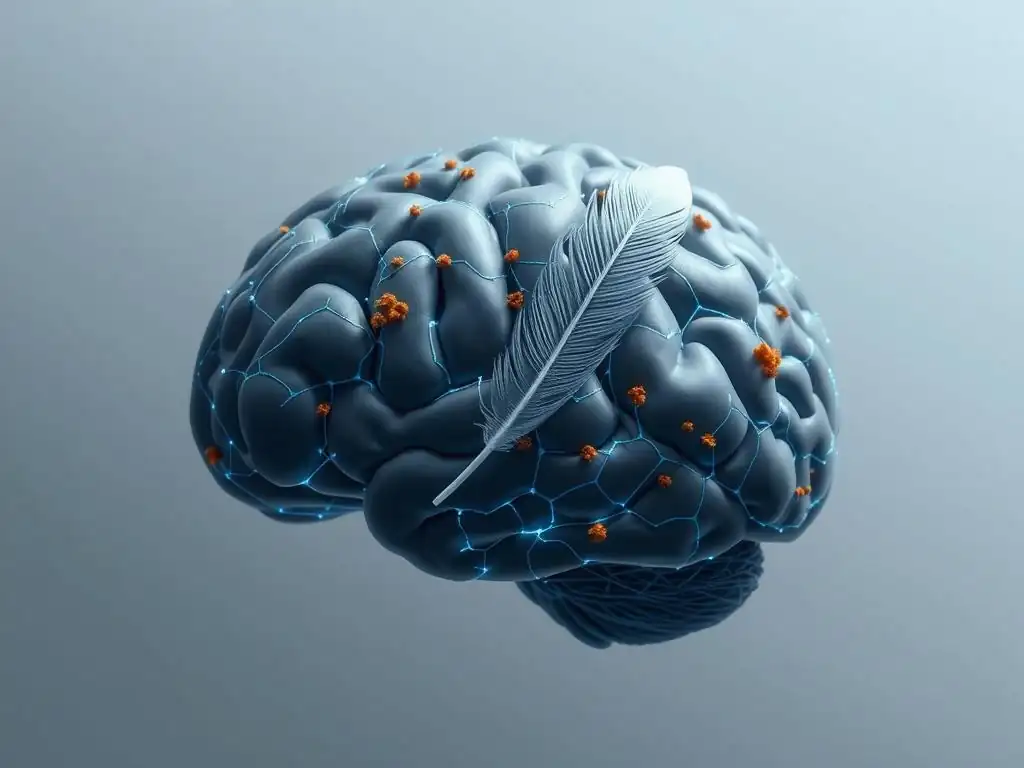
Neuroinflammation can impact brain function through multiple pathways, potentially contributing to the diverse symptoms of schizophrenia. Inflammatory mediators like cytokines can directly affect neuronal excitability and synaptic plasticity, disrupting the communication networks essential for cognitive processes. For example, elevated levels of cytokines like IL-1β and TNF-α have been shown to impair long-term potentiation, a cellular mechanism underlying learning and memory. This could partly explain the significant cognitive deficits often seen in schizophrenia, including difficulties with attention, memory, and executive functions.
Furthermore, neuroinflammation can influence neurotransmitter systems crucial for mood, motivation, and reality perception, such as the dopaminergic and glutamatergic systems. Cytokines can modulate dopamine synthesis and release, potentially contributing to the dysregulation of dopamine signaling implicated in psychotic symptoms like hallucinations and delusions. Similarly, inflammation can impair glutamate reuptake by astrocytes, leading to excitotoxicity and disrupted synaptic function, which is also hypothesized to play a role in schizophrenia pathophysiology. These connections are vital Schizophrenia neuroinflammation research insights.
Inflammation's Impact on Brain Circuits Involved in Schizophrenia
The brain's complex circuitry is highly susceptible to the effects of chronic inflammation. Neuroinflammation can disrupt the structural and functional integrity of key neural networks known to be dysfunctional in schizophrenia, such as the salience network, the default mode network, and fronto-limbic circuits. For instance, inflammation in the prefrontal cortex could impair its connectivity with other brain regions, contributing to executive dysfunction and poor decision-making.
Chronic inflammation can also damage myelin, the fatty sheath insulating nerve fibers, impairing efficient signal transmission along neural pathways. White matter abnormalities are consistently reported in schizophrenia, and neuroinflammation is a plausible contributor to this damage. By disrupting connectivity and signal flow within critical brain circuits, neuroinflammation could underlie the disintegration of thought processes and abnormal sensory perception characteristic of schizophrenia. Understanding these circuit-level effects is a key focus of current Schizophrenia neuroinflammation research insights.
Oxidative Stress, Neuroinflammation, and Schizophrenia: A Complex Interplay
Oxidative stress, an imbalance between the production of reactive oxygen species and the ability of the body to detoxify them, is closely linked to neuroinflammation and is also implicated in schizophrenia. Inflammatory processes can generate reactive oxygen species, while oxidative stress can in turn activate inflammatory pathways, creating a vicious cycle. This interplay can lead to further cellular damage, including damage to DNA, proteins, and lipids, impairing neuronal and glial function.
In schizophrenia, evidence suggests increased oxidative stress markers. For example, studies have shown reduced levels of antioxidants like glutathione and increased levels of lipid peroxidation products in the brains and periphery of patients. This oxidative damage, fueled by chronic neuroinflammation, could contribute to the neuroprogressive aspects of the illness and exacerbate symptoms. Targeting the oxidative stress-neuroinflammation axis is an area of interest for potential therapeutic interventions based on Schizophrenia neuroinflammation research insights.
Therapeutic Targets for Neuroinflammation in Schizophrenia
Emerging Anti-Inflammatory Strategies for Schizophrenia Treatment
Given the growing evidence for neuroinflammation's role, researchers are exploring anti-inflammatory strategies as potential treatments for schizophrenia, either as standalone therapies or adjunctive to standard antipsychotic medications. This includes repurposing existing anti-inflammatory drugs and developing novel compounds specifically targeting neuroinflammatory pathways. Early studies have investigated agents like aspirin, celecoxib (a COX-2 inhibitor), and minocycline (an antibiotic with anti-inflammatory properties).
Meta-analyses of trials using adjunctive anti-inflammatory agents have shown mixed but promising results, particularly for reducing positive symptoms in some patients. For instance, some analyses suggest that adjunctive celecoxib might lead to a modest improvement in symptom scores. However, results are not universally positive, and identifying which patients are most likely to benefit is crucial. This personalized approach aligns with the latest Schizophrenia neuroinflammation research insights, suggesting that not all patients may have a significant inflammatory component.
Targeting Specific Inflammatory Pathways: Drug Development for Schizophrenia
Beyond broad anti-inflammatory agents, efforts are underway to develop drugs that target specific molecules or pathways involved in neuroinflammation relevant to schizophrenia. This includes inhibitors of specific cytokines (like TNF-α or IL-6), modulators of microglial activation, and agents that influence the NLRP3 inflammasome, a key complex involved in initiating inflammatory responses.
Developing such targeted therapies presents challenges, including ensuring they can cross the blood-brain barrier and have a favorable safety profile. However, the potential benefit lies in precisely modulating the aberrant inflammatory response without suppressing the immune system broadly. Preclinical studies in animal models are exploring these targets, and some compounds are entering early-phase clinical trials. These targeted approaches are at the forefront of Schizophrenia neuroinflammation research insights aimed at developing more effective treatments.
Lifestyle Interventions: Impact on Neuroinflammation and Schizophrenia
Lifestyle factors are increasingly recognized for their impact on both systemic and neuroinflammation. Interventions such as regular physical exercise, a healthy diet (e.g., rich in omega-3 fatty acids and antioxidants), stress reduction techniques, and sufficient sleep can influence inflammatory markers. For instance, studies have shown that regular aerobic exercise can reduce levels of pro-inflammatory cytokines like CRP and TNF-α.
While direct studies specifically measuring the impact of these interventions on brain inflammation in schizophrenia are limited, promoting healthy lifestyles is a valuable part of holistic care. These interventions can improve overall physical health, which is often compromised in individuals with schizophrenia, and may indirectly modulate inflammatory processes. Incorporating lifestyle advice into treatment plans is a practical application of broader health principles informed by Schizophrenia neuroinflammation research insights.
The Future of Schizophrenia Treatment: Focusing on Neuroinflammation
Personalized Medicine: Tailoring Treatment Based on Inflammation Profiles
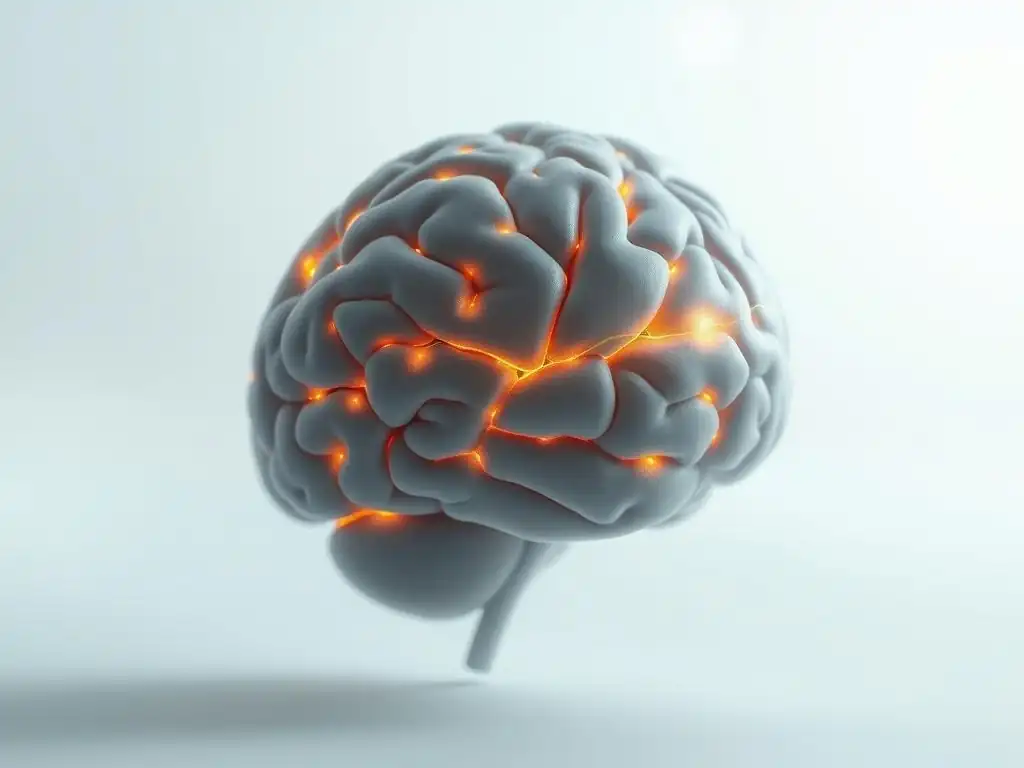
A key direction for future schizophrenia treatment, informed by Schizophrenia neuroinflammation research insights, is the move towards personalized medicine. Identifying inflammatory biomarkers in individual patients could help determine if neuroinflammation is a significant contributor to their illness and whether they are likely to respond to anti-inflammatory therapies. For example, a patient with high levels of CRP or specific cytokine profiles might be a better candidate for adjunctive anti-inflammatory medication than someone without these markers.
Developing reliable and accessible methods for assessing inflammatory profiles in clinical settings is essential for this personalized approach. This could involve blood tests, CSF analysis, or potentially even advanced neuroimaging techniques. Tailoring treatment based on a patient's unique biological profile, including their inflammatory status, holds the promise of improving treatment efficacy and reducing the burden of side effects by avoiding ineffective medications.
Long-Term Effects of Neuroinflammation on Schizophrenia Progression
Understanding the long-term impact of chronic neuroinflammation on the trajectory of schizophrenia is critical. Does persistent inflammation contribute to cognitive decline over time? Does it increase the risk of relapse? Longitudinal studies are needed to track inflammatory markers and clinical outcomes in individuals with schizophrenia over many years. Early evidence suggests that higher baseline inflammatory markers might predict poorer long-term functional outcomes or greater cognitive deterioration in some patient subgroups.
Clarifying these long-term effects will provide further rationale for targeting neuroinflammation early in the disease course. If inflammation drives neuroprogressive changes, interventions aimed at reducing it could potentially slow or halt these processes, preserving cognitive function and improving long-term prognosis. This focus on the long-term implications is a crucial part of ongoing Schizophrenia neuroinflammation research insights.
The Search for Effective Anti-Inflammatory Therapies for Schizophrenia
The search for truly effective anti-inflammatory therapies for schizophrenia continues. This involves rigorous clinical trials of novel compounds and further investigation into the optimal use of existing agents. Challenges include identifying the specific inflammatory pathways most relevant to schizophrenia pathology and developing drugs that can safely and effectively modulate these targets in the brain.
Future research will likely involve larger, well-designed clinical trials, potentially stratifying patients based on inflammatory biomarkers. Collaboration between neuroscientists, immunologists, and clinicians is essential to translate basic science discoveries into clinical applications. The goal is to develop treatments that not only manage symptoms but also address the underlying biological processes, including neuroinflammation, to improve the lives of individuals affected by schizophrenia. This endeavor is central to advancing Schizophrenia neuroinflammation research insights.
Holistic Management of Neuroinflammation in Schizophrenia
Early Intervention in Schizophrenia and Neuroinflammation
Early intervention in schizophrenia is paramount, and emerging Schizophrenia neuroinflammation research insights suggest that targeting inflammation early might be particularly beneficial. The prodromal phase of schizophrenia, the period before the onset of overt psychosis, is characterized by subtle cognitive and behavioral changes and may also involve early signs of neuroinflammation. Identifying individuals at high clinical risk and assessing their inflammatory status could allow for targeted preventative or early therapeutic interventions.
Pilot studies exploring anti-inflammatory agents in high-risk individuals are beginning, aiming to determine if these interventions can prevent or delay the transition to full-blown psychosis. Addressing lifestyle factors and stress early on may also help mitigate inflammatory processes. A focus on early detection and intervention, incorporating an understanding of neuroinflammation, holds significant promise for altering the disease trajectory.
Resources and Support for Individuals with Schizophrenia
Living with schizophrenia presents significant challenges, and accessing appropriate resources and support is vital for recovery and well-being. This includes access to evidence-based treatments (antipsychotic medication, psychotherapy like CBT), case management, vocational training, and peer support groups. Organizations dedicated to mental health provide invaluable information, advocacy, and support networks for individuals and their families.
While the focus on neuroinflammation highlights biological aspects, it's crucial to remember that schizophrenia is a complex illness affecting the whole person. A holistic approach that integrates medical treatment with psychosocial support, rehabilitation services, and attention to overall physical health, including lifestyle factors that may influence inflammation, offers the best path to recovery and improved quality of life.
Advocating for Research and Improved Mental Health Services
Advocacy plays a critical role in advancing Schizophrenia neuroinflammation research insights and translating findings into better patient care. Increased funding for research is needed to accelerate the discovery of novel treatments targeting neuroinflammation and other underlying mechanisms. Advocating for policies that improve access to comprehensive mental health services, reduce stigma, and support integrated physical and mental healthcare is equally important.
Raising public awareness about the biological underpinnings of schizophrenia, including the role of neuroinflammation, can help destigmatize the illness and promote a more compassionate understanding. By supporting research and advocating for improved services, we can work towards a future where schizophrenia is better understood, more effectively treated, and individuals affected can live fulfilling lives.
Frequently Asked Questions
What is neuroinflammation and how is it linked to schizophrenia?
Neuroinflammation refers to inflammation in the brain. Emerging research suggests a strong link between this inflammation and the development and progression of schizophrenia.
What are some key findings from recent schizophrenia neuroinflammation research?
Recent studies indicate that individuals with schizophrenia often exhibit elevated levels of inflammatory markers in their brain and cerebrospinal fluid. These findings suggest that neuroinflammation may contribute to schizophrenia's symptoms.
How can understanding neuroinflammation help in developing new treatments for schizophrenia?
Identifying the specific inflammatory pathways involved in schizophrenia could lead to the development of novel therapeutic targets. These targets might offer new ways to manage symptoms and potentially even prevent the onset of the illness.
What are the limitations of current schizophrenia neuroinflammation research?
Current research is still evolving, and it's crucial to acknowledge that correlation does not equal causation. More studies are needed to determine the precise role of neuroinflammation in schizophrenia and to validate potential treatments.
What resources are available for people affected by schizophrenia and their families?
Mind Care Guide offers a comprehensive guide to mental well-being, providing information, support, and resources for individuals and families facing mental health challenges, including schizophrenia.
Final Reflection: Unraveling the Inflammatory Enigma of Schizophrenia
The intricate link between neuroinflammation and schizophrenia is no longer a mere hypothesis; it's a rapidly evolving field brimming with potential for transformative treatments. Understanding the precise role of inflammatory processes in the development and progression of this debilitating illness is crucial for developing effective therapies that target the root causes, not just the symptoms. This research holds the key to unlocking a future where schizophrenia is managed with far greater efficacy and compassion.
The journey through the current research landscape on neuroinflammation in schizophrenia has been both illuminating and humbling. The sheer complexity of the brain's inflammatory response, its multifaceted interactions with genetic predispositions and environmental factors, underscores the need for continued, rigorous investigation. The most beautiful thing we can experience is the mysterious. It is the source of all true art and science.
- Albert Einstein. This quote perfectly encapsulates the awe and wonder, but also the challenge, inherent in exploring the still largely mysterious relationship between inflammation and schizophrenia. The more we learn, the more we realize how much more there is to discover.
The insights presented in this article are not merely academic exercises; they are a call to action. You, the reader, are now equipped with a deeper understanding of the inflammatory processes implicated in schizophrenia. Consider how this knowledge can inform your own perspectives on mental health, research funding priorities, and the support systems we provide for individuals living with this complex illness. Let us collectively champion further research, advocate for improved access to care, and foster a future where the inflammatory enigma of schizophrenia is finally solved, leading to a brighter, healthier future for all those affected.
Here's a CTA tailored to the provided article title and website information:
Unlock Your Understanding of Schizophrenia: Take the Next Step
Thanks for taking the time to explore the fascinating world of neuroinflammation and schizophrenia with us! We hope you gained valuable insights into the latest research. Now it's time to put that knowledge into action.
- Deepen your understanding: Explore reputable sources like the National Institute of Mental Health (NIMH) website for more in-depth information on schizophrenia research. This will help you stay informed about ongoing breakthroughs.
- Share your thoughts: Leave a comment below and share your key takeaways or any questions that sparked your curiosity. Let's build a community of learning and support together.
- Consider supporting research: Research is key to finding new treatments and improving the lives of those affected by schizophrenia. Consider researching organizations dedicated to mental health research and explore ways to support their vital work.
What unique perspective do you bring to this complex topic, and how can we work together to better understand and address neuroinflammation in schizophrenia?