
The Pituitary Gland's Central Role in Stress Biology

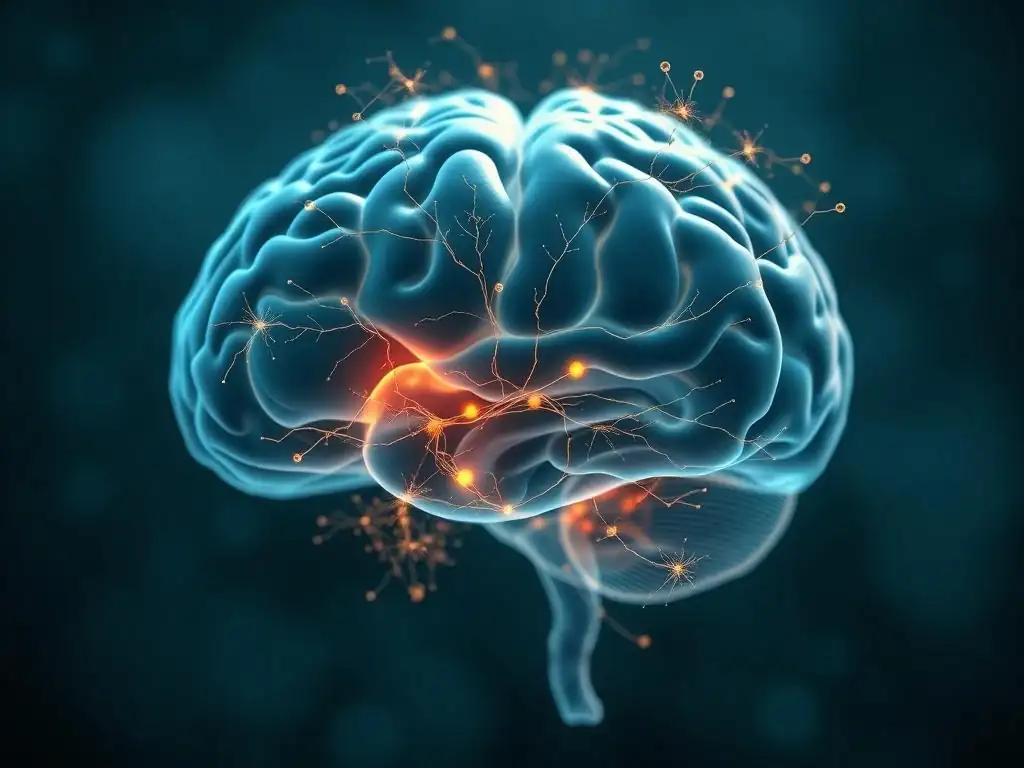
Welcome to Mind Care Guide, your haven for understanding and nurturing mental well-being. Feeling overwhelmed? Did you know a tiny gland in your brain might be playing a bigger role in your stress response than you realize? Dive into our comprehensive guide and discover the pituitary gland's central role in stress biology, exploring how this crucial organ impacts your mental and physical health. Uncover the science behind stress and learn practical strategies for managing its effects, starting now.
The Pituitary Gland's Central Role in Stress Biology
- Introduction: Understanding the Pituitary Gland and Stress
- The Pituitary Gland: An Overview
- The Pituitary Gland's Response to Stress: A Detailed Look
- ACTH and the Adrenal Glands: The Next Step in the Stress Cascade
- Chronic Stress and the Pituitary Gland: Long-Term Effects
- The Pituitary Gland, Stress, and the Brain: A Complex Interaction
- Measuring Pituitary Function in Stress Research
- Strategies for Supporting Pituitary Health and Managing Stress
- Medications Affecting the Pituitary Gland and Stress Response
- Future Research Directions: Unraveling the Pituitary-Stress Connection
- Conclusion: The Pituitary Gland as a Central Player in Stress Biology and Mental Well-being
-
Frequently Asked Questions
- What is the main function of the pituitary gland in the stress response?
- How does chronic stress affect the pituitary gland?
- What is the connection between the pituitary gland and the hypothalamus in managing stress?
- Can problems with the pituitary gland directly cause or worsen anxiety or depression related to stress?
- What are some ways to support the healthy function of the pituitary gland in the face of stress?
- Final Reflection: The Pituitary Gland: A Silent Orchestrator of Stress
- Unlock Your Body's Stress Response: Take Control Now!
Introduction: Understanding the Pituitary Gland and Stress
The Crucial Role of the Pituitary in the Body's Stress Response
The pituitary gland, often referred to as the "master gland," plays an indispensable role in orchestrating the body's response to stress. Situated at the base of the brain, beneath the hypothalamus, this small but mighty endocrine gland acts as a central relay station, receiving signals from the brain and sending out hormonal commands to various organs.
Its involvement is critical in initiating and regulating the complex physiological changes that occur when we perceive a threat or challenge. This intricate process, often summarized as the pituitary gland stress response, is vital for survival, enabling the body to adapt to demanding situations.
When stress is encountered, the hypothalamus signals the pituitary, which in turn releases specific hormones that trigger a cascade of events throughout the body. This rapid communication ensures that resources are mobilized, energy is directed towards coping mechanisms, and non-essential functions are temporarily suppressed. Understanding this fundamental interaction is key to comprehending how stress impacts not only physical health but also mental well-being. The efficiency and appropriate regulation of this pituitary-driven pathway are paramount for maintaining homeostasis and preventing the detrimental effects of chronic stress.
Mind Care Guide's Perspective on the Neuroscience of Stress
At Mind Care Guide, we view the neuroscience of stress through a lens that integrates biological mechanisms with psychological experience. We recognize that while the pituitary gland's role in the stress response is fundamentally biological, its long-term impact is deeply intertwined with mental health outcomes. Our perspective emphasizes that understanding the underlying brain-body connections, such as the pivotal function of the pituitary in mediating stress signals, provides valuable insight into conditions like anxiety, depression, and burnout.
We believe that empowering individuals with knowledge about their own stress physiology, including the critical function of the pituitary gland and its stress response, is a vital step towards effective stress management and improved mental well-being. By exploring the intricate pathways and hormonal cascades, we can better appreciate why stress feels the way it does and develop more informed strategies for coping. Mind Care Guide is committed to providing accessible information that bridges the gap between complex neuroscience and practical, empathetic support for navigating the challenges of stress.
The Pituitary Gland: An Overview
Anatomy of the Pituitary Gland: Anterior and Posterior Lobes
The pituitary gland, a pea-sized structure weighing approximately 0.5 grams in humans, is anatomically divided into two distinct lobes: the anterior pituitary (adenohypophysis) and the posterior pituitary (neurohypophysis). These lobes, though adjacent, differ significantly in their origin, structure, and function. The anterior pituitary is glandular tissue, originating from the roof of the mouth during embryonic development. It is responsible for synthesizing and secreting a wide array of hormones in response to signals from the hypothalamus, carried via a specialized portal vascular system.
In contrast, the posterior pituitary is neural tissue, an extension of the hypothalamus itself. It does not synthesize hormones but rather stores and releases hormones produced by specific neurons in the hypothalamus. These hormones travel down axons that extend from the hypothalamus into the posterior pituitary. This structural division highlights the pituitary's dual nature: acting as both an endocrine gland under hypothalamic control and a direct neurosecretory organ.
Hormones Secreted by the Pituitary: A Comprehensive List
The pituitary gland is a prolific producer and releaser of hormones that regulate numerous bodily functions. The anterior pituitary secretes six major hormones:
- Thyroid-Stimulating Hormone (TSH): Stimulates the thyroid gland.
- Adrenocorticotropic Hormone (ACTH): Stimulates the adrenal cortex (key in the pituitary gland stress response).
- Follicle-Stimulating Hormone (FSH): Involved in reproductive function.
- Luteinizing Hormone (LH): Involved in reproductive function.
- Growth Hormone (GH): Stimulates growth and cell reproduction.
- Prolactin (PRL): Stimulates milk production.
The posterior pituitary releases two hormones synthesized in the hypothalamus:
- Antidiuretic Hormone (ADH), also known as Vasopressin: Regulates water balance.
- Oxytocin: Involved in social bonding, childbirth, and lactation.
The coordinated release of these hormones allows the pituitary to exert widespread influence over metabolism, growth, reproduction, and, significantly, the body's adaptation to stress via the pituitary gland stress response pathway.
The Hypothalamic-Pituitary-Adrenal (HPA) Axis: A Key Regulator
The Hypothalamic-Pituitary-Adrenal (HPA) axis is a central neuroendocrine pathway that governs the body's response to stress. It involves a complex feedback loop between three key endocrine glands: the hypothalamus, the pituitary gland, and the adrenal glands. When a stressor is perceived, the hypothalamus releases Corticotropin-Releasing Hormone (CRH). CRH then travels to the anterior pituitary.
Upon receiving the CRH signal, the anterior pituitary releases Adrenocorticotropic Hormone (ACTH). ACTH enters the bloodstream and travels to the adrenal glands, specifically the adrenal cortex. This stimulation prompts the adrenal cortex to release glucocorticoids, primarily cortisol in humans. Cortisol is the body's main stress hormone, mediating numerous physiological changes to help the body cope. This entire sequence, initiated by the hypothalamus and critically involving the pituitary gland stress response, is a fundamental mechanism for maintaining homeostasis in the face of challenge.
The Pituitary Gland's Response to Stress: A Detailed Look
How Stress Activates the HPA Axis
The activation of the HPA axis, and thus the pituitary gland stress response, begins in the brain. When a stressor is detected – whether physical (like injury or infection) or psychological (like public speaking or a difficult deadline) – sensory information is processed by areas like the amygdala, which signals threat. This signal is relayed to the hypothalamus, the brain region responsible for maintaining the body's internal balance. The hypothalamus acts as the command center, translating the perception of stress into a physiological response by initiating the HPA cascade.
Within minutes of encountering a significant stressor, the hypothalamus begins secreting Corticotropin-Releasing Hormone (CRH) into the portal blood vessels connecting it to the anterior pituitary. The speed and magnitude of this CRH release are proportional to the perceived intensity of the stressor. This initial step is critical because it sets the entire pituitary gland stress response in motion, preparing the body for a "fight or flight" or "rest and digest" reaction, depending on the nature of the stress and the subsequent hormonal signals.
Corticotropin-Releasing Hormone (CRH) and the Pituitary
Corticotropin-Releasing Hormone (CRH), also known as corticotropin-releasing factor (CRF), is a peptide hormone produced and secreted by specific neurons in the paraventricular nucleus (PVN) of the hypothalamus. Its primary target is the anterior pituitary gland. Upon binding to CRH receptors on specialized cells in the anterior pituitary called corticotrophs, CRH stimulates the synthesis and release of Adrenocorticotropic Hormone (ACTH).
The concentration of CRH reaching the pituitary is a key determinant of the strength of the pituitary gland stress response. Elevated levels of CRH, triggered by stress, lead to a rapid increase in ACTH secretion. This hypothalamic-pituitary interaction is highly regulated; while stress powerfully stimulates CRH release, other factors like circadian rhythms also influence its baseline secretion, contributing to the natural daily fluctuations in ACTH and cortisol levels.
Adrenocorticotropic Hormone (ACTH) Secretion Under Stress
Adrenocorticotropic Hormone (ACTH), a 39-amino acid peptide, is synthesized from a larger precursor molecule called proopiomelanocortin (POMC) within the corticotroph cells of the anterior pituitary. Its secretion is directly controlled by hypothalamic CRH and, to a lesser extent, by Arginine Vasopressin (AVP), another hypothalamic hormone that synergizes with CRH. When stress-induced CRH reaches the anterior pituitary, it triggers a near-immediate release of stored ACTH into the systemic circulation.
The surge in ACTH levels is a hallmark of the acute pituitary gland stress response. Within minutes of a stressor, plasma ACTH concentrations can increase several-fold. This rapid rise is essential because ACTH is the signal that tells the adrenal glands to release cortisol, the main hormone that mediates the body's physiological adaptation to stress. The amount of ACTH released is tightly controlled by the intensity and duration of the stress signal from the hypothalamus, demonstrating the precise nature of this central regulatory mechanism.
ACTH and the Adrenal Glands: The Next Step in the Stress Cascade
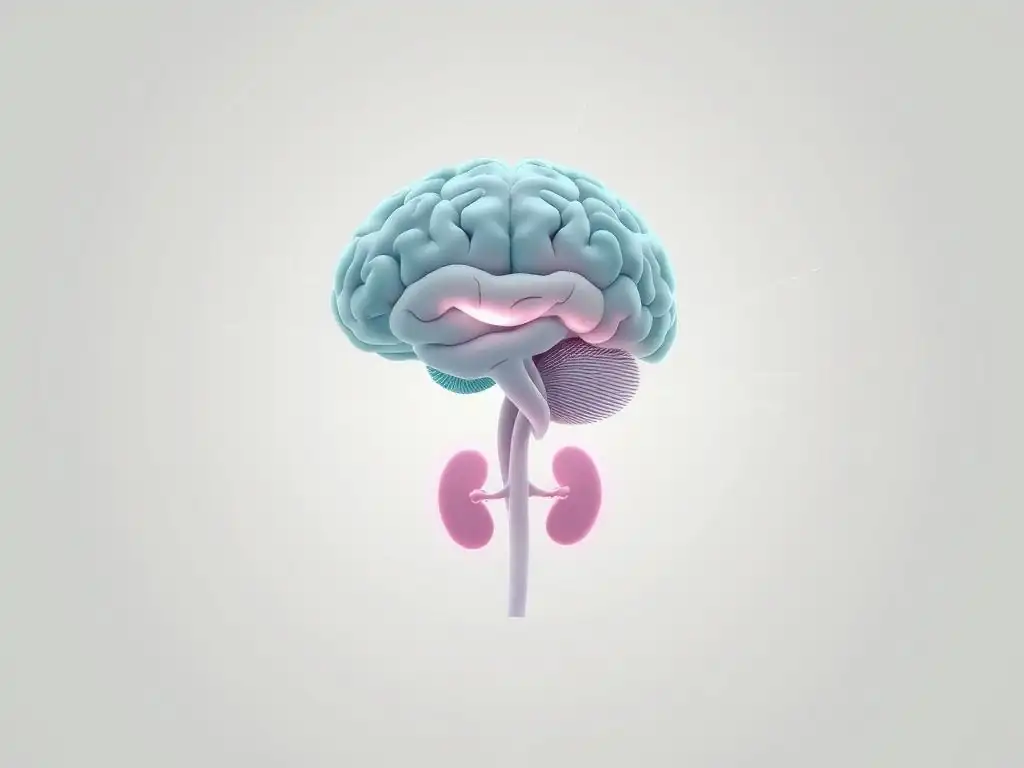
The Pituitary-Adrenal Connection: Amplifying the Stress Signal
The journey of the stress signal continues from the pituitary to the adrenal glands, located atop the kidneys. ACTH, released from the anterior pituitary in response to stress, travels through the bloodstream and binds to receptors on cells in the adrenal cortex, the outer layer of the adrenal gland. This binding acts as a powerful stimulus, instructing the adrenal cortex to synthesize and release glucocorticoid hormones, primarily cortisol. This pituitary-adrenal connection effectively amplifies the initial stress signal received by the hypothalamus and pituitary.
The adrenal glands, specifically the fasciculata zone of the adrenal cortex, are exquisitely sensitive to ACTH levels. Even small increases in circulating ACTH can lead to a significant rise in cortisol production. This amplification ensures that the body's response is robust enough to meet the demands of the stressor. Without the pituitary's role in releasing ACTH, the adrenal glands would not receive the necessary signal to unleash the full power of cortisol, highlighting the pituitary's central position in the broader pituitary gland stress response.
Cortisol Release: The Primary Stress Hormone
Cortisol is a steroid hormone with widespread effects throughout the body, making it the primary mediator of the physiological response to stress. Once released from the adrenal cortex following ACTH stimulation, cortisol enters the bloodstream and travels to target tissues, including the liver, muscles, fat tissue, and even the brain. Cortisol's actions are aimed at mobilizing energy resources, suppressing non-essential functions like digestion and reproduction, and modulating the immune system to prepare the body to cope with the stressor.
For instance, cortisol promotes gluconeogenesis in the liver, increasing blood glucose levels to provide energy. It also facilitates the breakdown of fats and proteins. While beneficial in the short term for survival, prolonged exposure to high cortisol levels can have detrimental effects. The release of cortisol is a key output of the pituitary gland stress response system, representing the body's major hormonal adaptation mechanism.
The Role of the Pituitary in Regulating Cortisol Levels
The pituitary gland plays a crucial role not only in stimulating cortisol release but also in regulating its levels through negative feedback. As cortisol levels in the blood rise, cortisol molecules travel back to the brain, including the hypothalamus and the anterior pituitary. Here, cortisol binds to glucocorticoid receptors, signaling these areas to reduce the release of CRH and ACTH, respectively. This negative feedback loop is a critical mechanism for shutting down the HPA axis once the stressor has passed and cortisol levels are sufficiently high.
This feedback ensures that the pituitary gland stress response is appropriately terminated, preventing excessive and prolonged exposure to cortisol. A healthy pituitary gland is essential for this regulatory process. Dysfunction in the pituitary's ability to sense cortisol levels or respond appropriately can lead to dysregulation of the entire HPA axis, resulting in either insufficient or excessive cortisol production, both of which can have significant health consequences.
Chronic Stress and the Pituitary Gland: Long-Term Effects
Pituitary Gland Dysfunction Due to Chronic Stress Exposure
Prolonged exposure to chronic stress can significantly impact the structure and function of the pituitary gland, disrupting the finely tuned pituitary gland stress response. While acute stress leads to a transient activation of the HPA axis, chronic stress can lead to persistent overactivity or, paradoxically, blunted responsiveness. Studies have suggested that sustained high levels of CRH from the hypothalamus can lead to changes in the anterior pituitary, including alterations in the number or sensitivity of CRH receptors on corticotrophs.
Furthermore, prolonged high cortisol levels, while initially acting in a negative feedback loop, can eventually lead to a form of resistance or dysregulation at the pituitary level. This can manifest as a blunted ACTH response to stimulating factors or, in some cases, a persistent, low-level elevation of ACTH secretion. These changes reflect the wear and tear that chronic stress can impose on the endocrine system, highlighting the vulnerability of the pituitary gland to sustained challenge.
The Impact of Prolonged Cortisol Exposure on Pituitary Function
Prolonged exposure to high circulating levels of cortisol, a direct result of a sustained pituitary gland stress response, can have complex and sometimes paradoxical effects on pituitary function. Initially, cortisol provides negative feedback to reduce ACTH release. However, chronic high cortisol can lead to a desensitization of pituitary corticotrophs to feedback signals, or it can suppress the normal pulsatile secretion of ACTH. This can result in a flattened diurnal rhythm of cortisol or an altered ACTH response in dynamic tests.
Beyond its effects on ACTH regulation, chronic high cortisol can also influence the secretion of other pituitary hormones. For example, it can suppress Growth Hormone (GH) secretion, potentially impacting growth and metabolism. It can also affect the reproductive axis by inhibiting Gonadotropin-Releasing Hormone (GnRH) from the hypothalamus, which in turn reduces LH and FSH release from the pituitary, potentially leading to reproductive issues. This demonstrates how chronic stress, mediated through cortisol and the pituitary, can have widespread systemic consequences.
Pituitary Gland and Mental Health: Impact on Depression and Anxiety
The intricate connection between the pituitary gland's stress response and mental health, particularly depression and anxiety, is a significant area of research. Dysregulation of the HPA axis, involving altered pituitary function, is frequently observed in individuals with major depressive disorder and anxiety disorders. For instance, many depressed patients exhibit hypercortisolism, characterized by elevated cortisol levels and a resistance to the normal negative feedback of cortisol on the pituitary and hypothalamus. This suggests that the pituitary may not be effectively shutting down the stress response.
Conversely, some individuals with chronic stress or certain types of depression show a blunted cortisol response, potentially indicating a state of HPA axis exhaustion or altered pituitary responsiveness. These disruptions in the normal pituitary gland stress response contribute to the neurobiological changes associated with mood and anxiety disorders, affecting neurotransmitter systems and brain regions involved in emotional regulation. Understanding these links is crucial for developing effective mental health interventions.
The Pituitary Gland, Stress, and the Brain: A Complex Interaction
The Pituitary's Influence on Brain Regions Involved in Stress Processing
The pituitary gland, while an endocrine organ, is deeply integrated into brain circuits involved in stress processing. Hormones released by the pituitary, particularly ACTH and cortisol, circulate throughout the body and cross the blood-brain barrier to influence various brain regions. Cortisol, in particular, has significant effects on areas critical for stress regulation, learning, and memory, such as the hippocampus, amygdala, and prefrontal cortex.
For example, cortisol can modulate neuronal excitability and plasticity in these regions. While acute increases in cortisol can enhance memory consolidation for emotionally salient events, chronic high levels can impair cognitive function, reduce neurogenesis in the hippocampus, and even lead to volume reduction in certain brain areas. This highlights how the output of the pituitary gland stress response directly impacts the brain's ability to process information, regulate emotions, and adapt to future stressors.
Interactions with the Amygdala and Hippocampus Under Stress
The amygdala and hippocampus are two key brain structures heavily involved in processing stress and emotion, and they have significant interactions with the pituitary gland stress response axis. The amygdala, responsible for detecting threats and initiating fear responses, sends excitatory signals to the hypothalamus, promoting CRH release and activating the pituitary. Under stress, increased activity in the amygdala can lead to a heightened pituitary-driven stress response.
The hippocampus, conversely, plays a crucial role in contextualizing stress and providing inhibitory feedback to the HPA axis, helping to dampen the pituitary gland stress response. The hippocampus has a high density of glucocorticoid receptors, making it particularly sensitive to cortisol levels. Acute stress can enhance hippocampal function, but chronic stress and prolonged high cortisol exposure can damage hippocampal neurons, impairing its ability to regulate the HPA axis and leading to a vicious cycle of stress hypersensitivity and elevated cortisol.
Neuroplasticity and the Pituitary-Brain Stress Response
Neuroplasticity, the brain's ability to reorganize itself by forming new neural connections, is significantly influenced by the pituitary gland stress response. Hormones like cortisol, released downstream of pituitary ACTH, can alter synaptic structure, neuronal excitability, and the birth of new neurons (neurogenesis) in brain regions like the hippocampus. Acute stress can induce adaptive changes, potentially enhancing learning related to the stressor.
However, chronic stress and sustained activation of the pituitary-driven stress response can lead to maladaptive neuroplastic changes. This can include dendritic atrophy and reduced neurogenesis in the hippocampus, potentially contributing to cognitive deficits and increased vulnerability to mood disorders. Concurrently, chronic stress can enhance synaptic connections and activity in the amygdala, potentially leading to increased anxiety and fear responses. Understanding how the pituitary axis modulates neuroplasticity is key to understanding the long-term brain consequences of stress.
Measuring Pituitary Function in Stress Research
Assessing ACTH and Cortisol Levels: Diagnostic Methods
Measuring hormone levels is a primary method for assessing the activity of the pituitary gland stress response and the HPA axis. Blood tests are commonly used to measure circulating levels of ACTH and cortisol. ACTH levels are typically measured in plasma, often requiring specific handling due to the hormone's instability. Cortisol is frequently measured in serum or plasma. However, single measurements can be misleading due to the pulsatile and diurnal nature of these hormones; cortisol levels are typically highest in the morning and lowest at night.
To get a more comprehensive picture, dynamic tests are often employed. For example, the ACTH stimulation test involves administering synthetic ACTH and measuring the subsequent cortisol response, assessing the adrenal gland's capacity. The dexamethasone suppression test (DST) involves administering a synthetic glucocorticoid (dexamethasone) and measuring subsequent cortisol levels. Dexamethasone should suppress ACTH and cortisol release via negative feedback; failure to suppress can indicate HPA axis dysregulation, potentially involving altered pituitary sensitivity. Salivary and urinary cortisol measurements over 24 hours can also provide insight into overall cortisol production, reflecting the cumulative effect of the pituitary gland stress response over time.
Pituitary Imaging Techniques: MRI and CT Scans
Imaging techniques such as Magnetic Resonance Imaging (MRI) and Computed Tomography (CT) scans are valuable tools for visualizing the pituitary gland itself. While these techniques do not directly measure hormone levels or dynamic function related to the pituitary gland stress response, they can identify structural abnormalities that might impact its function. For example, pituitary adenomas (tumors), even small ones, can produce excessive amounts of ACTH (leading to Cushing's disease, a form of HPA axis hyperactivity) or compress surrounding tissue, interfering with normal hormone secretion.
MRI is generally preferred for detailed visualization of the pituitary gland due to its superior soft tissue contrast, allowing for the detection of microadenomas (tumors less than 10mm) that might not be visible on CT scans. While structural imaging doesn't diagnose stress-induced functional changes directly, it is essential for ruling out underlying pituitary pathology that could be contributing to or mimicking stress-related endocrine dysfunction.
Challenges in Measuring the Pituitary Gland's Response to Stress
Measuring the pituitary gland's response to stress presents several challenges. One significant difficulty is the inherent variability in hormone secretion. ACTH and cortisol are released in pulses and follow a strong circadian rhythm, making single measurements unreliable indicators of overall HPA axis activity or the strength of the pituitary gland stress response. Factors like sleep, food intake, and physical activity also influence levels, requiring standardized collection protocols.
Furthermore, the perception and physiological response to stress are highly individual. What is stressful for one person may not be for another, and the magnitude of the pituitary response can vary widely based on genetics, past experiences, coping mechanisms, and the specific nature of the stressor. Capturing the dynamic response to an acute stressor in a clinical or research setting often requires carefully controlled protocols, such as applying a standardized stress test (e.g., Trier Social Stress Test) and taking frequent blood samples, which can be invasive and themselves introduce stress.
Strategies for Supporting Pituitary Health and Managing Stress

Lifestyle Modifications to Reduce Pituitary Stress
Adopting healthy lifestyle habits can significantly support pituitary health and dampen an overactive pituitary gland stress response. Ensuring adequate sleep, ideally 7-9 hours per night for most adults, is crucial, as sleep deprivation is a potent stressor that disrupts the HPA axis and cortisol rhythm. Maintaining a regular sleep schedule helps to normalize the natural diurnal pattern of ACTH and cortisol release regulated by the pituitary.
Reducing exposure to chronic stressors is also paramount. This might involve setting boundaries in work or personal life, managing time effectively, and engaging in activities that promote relaxation. Limiting intake of stimulants like caffeine, especially in the afternoon and evening, can also help regulate the HPA axis and support healthy pituitary signaling. These simple yet effective changes can reduce the chronic burden on the pituitary gland stress response system.
The Role of Diet and Exercise in Pituitary Function
Nutritious diet and regular physical activity are foundational for overall endocrine health, including optimal pituitary function and a balanced pituitary gland stress response. A balanced diet rich in whole foods, including fruits, vegetables, lean proteins, and healthy fats, provides the necessary building blocks for hormone synthesis and helps maintain stable blood sugar levels, preventing metabolic stress that can activate the HPA axis. Avoiding excessive sugar, processed foods, and unhealthy fats can reduce inflammation and support overall hormonal balance.
Regular, moderate exercise is a well-documented stress reliever. It helps regulate the HPA axis, potentially by reducing the release of CRH from the hypothalamus and enhancing negative feedback sensitivity at the pituitary. While intense, prolonged exercise can acutely activate the pituitary gland stress response, consistent moderate activity tends to lower baseline cortisol levels over time and improve the system's ability to recover after stress. Aiming for at least 150 minutes of moderate-intensity aerobic exercise or 75 minutes of vigorous-intensity exercise per week, coupled with muscle-strengthening activities, is generally recommended.
Mindfulness and Stress Reduction Techniques for Pituitary Health
Mindfulness and various stress reduction techniques offer powerful non-pharmacological approaches to modulating the pituitary gland stress response. Practices like meditation, deep breathing exercises, yoga, and progressive muscle relaxation can activate the parasympathetic nervous system, which counteracts the "fight or flight" response driven by the HPA axis. Regular practice has been shown in studies to reduce cortisol levels and improve HPA axis regulation.
For instance, a meta-analysis of mindfulness meditation studies found a consistent pattern of reduced cortisol levels in participants compared to control groups. Engaging in these practices regularly can help dampen the initial CRH signal from the hypothalamus, leading to a less pronounced ACTH release from the pituitary and subsequently lower cortisol levels. By consciously interrupting the stress cascade at the brain level, these techniques effectively support the pituitary gland's effort to maintain a healthy stress response.
Medications Affecting the Pituitary Gland and Stress Response
Medications that Influence ACTH and Cortisol Production
Certain medications can directly or indirectly influence the pituitary gland stress response by affecting ACTH and cortisol production. Synthetic glucocorticoids like prednisone or dexamethasone, commonly prescribed for inflammatory or autoimmune conditions, mimic the action of cortisol. When taken for extended periods, these medications suppress CRH and ACTH release via negative feedback, effectively putting the pituitary's own production on hold. Abruptly stopping these medications can lead to adrenal insufficiency because the pituitary and adrenal glands have become suppressed and need time to resume normal function.
Drugs that block cortisol synthesis in the adrenal glands or block cortisol receptors can also indirectly affect the pituitary by altering feedback signals, although their primary action is downstream of ACTH. In rare cases of pituitary tumors that produce excessive ACTH (Cushing's disease), medications or surgery targeting the pituitary itself are used to reduce ACTH secretion and normalize the pituitary gland stress response loop.
Considerations for Medication Use and Pituitary Health
When medications that affect the HPA axis are prescribed, careful consideration must be given to their potential impact on pituitary health and the overall pituitary gland stress response. Healthcare providers monitor patients on long-term glucocorticoid therapy for signs of HPA axis suppression. This suppression means the body's natural ability to produce cortisol in response to stress is impaired, which can be dangerous during periods of illness, surgery, or other significant stressors.
Patients on such medications are often advised to carry a steroid card and may require stress doses of glucocorticoids during these challenging times. For conditions involving HPA axis hyperactivity, such as Cushing's disease originating from a pituitary tumor, treatment focuses on addressing the underlying cause, often involving surgery to remove the tumor, which can restore normal pituitary function and a healthy pituitary gland stress response over time.
Potential Side Effects of Glucocorticoids on the Pituitary
Long-term or high-dose use of exogenous glucocorticoid medications (like prednisone) can lead to significant side effects on the pituitary gland. The most prominent effect is suppression of ACTH secretion due to potent negative feedback. This suppression can persist for weeks or even months after the medication is stopped, leading to secondary adrenal insufficiency. During this recovery period, the pituitary gradually resumes ACTH production, which in turn stimulates the adrenal glands to produce cortisol again.
Other potential effects, though less common, can include changes in the size of the pituitary gland or altered secretion of other pituitary hormones, although the primary impact on the pituitary gland stress response pathway is the suppression of ACTH. Managing these side effects requires careful tapering of medication doses and monitoring of HPA axis recovery under medical supervision.
Future Research Directions: Unraveling the Pituitary-Stress Connection
Emerging Research on Pituitary Gland Plasticity and Stress
Emerging research is exploring the concept of pituitary gland plasticity – the idea that the pituitary's structure and function can change in response to chronic stress and other stimuli. Studies in animal models suggest that chronic stress can alter the size and cellular composition of the anterior pituitary, affecting the proportion and activity of different hormone-producing cells, including corticotrophs. Understanding this plasticity could provide new insights into how the pituitary gland stress response adapts, or fails to adapt, to prolonged challenge.
Researchers are also investigating the epigenetic modifications (changes in gene expression that don't involve alterations to the DNA sequence) that occur in pituitary cells under stress. These epigenetic changes could provide a molecular explanation for how early life stress or chronic adult stress leaves a lasting imprint on pituitary function and predisposes individuals to HPA axis dysregulation and related health issues.
The Potential for Targeted Therapies for Pituitary Dysfunction
The growing understanding of the molecular mechanisms underlying pituitary dysfunction in stress-related disorders is opening avenues for potential targeted therapies. Instead of solely focusing on the downstream effects of cortisol, future treatments might aim to modulate pituitary function directly. This could involve developing drugs that specifically target CRH receptors on pituitary corticotrophs, or agents that influence the synthesis or processing of ACTH within the pituitary.
Furthermore, research into the role of other neuropeptides and hormones that influence the pituitary's response to stress (beyond CRH and AVP) could identify new therapeutic targets. Personalized medicine approaches, based on an individual's specific pattern of HPA axis dysregulation, potentially identified through detailed assessment of the pituitary gland stress response, could lead to more effective and tailored interventions for stress-related conditions.
Understanding Individual Variability in the Pituitary Stress Response
A key area for future research is understanding the significant individual variability observed in the pituitary gland stress response. Why do some individuals exhibit a robust, resilient response and rapid recovery, while others show exaggerated or blunted responses and prolonged recovery? Factors such as genetics, early life experiences (which can program the HPA axis and pituitary development), sex differences, and even the gut microbiome are thought to play a role.
Investigating how these factors interact to shape the pituitary's responsiveness to stress could lead to better prediction of vulnerability to stress-related disorders. It could also inform preventative strategies and personalized interventions aimed at supporting a healthy pituitary gland stress response throughout life, ultimately improving resilience and mental well-being.
Conclusion: The Pituitary Gland as a Central Player in Stress Biology and Mental Well-being
Recap of the Pituitary Gland's Role in the Stress Response
The pituitary gland holds a central and indispensable position in the body's intricate stress response system, primarily through its role in the Hypothalamic-Pituitary-Adrenal (HPA) axis. Acting as a crucial intermediary between the brain's stress signals and the body's hormonal output, the anterior pituitary releases ACTH in response to hypothalamic CRH. This ACTH then stimulates the adrenal glands to produce cortisol, the major stress hormone. This cascade, representing the core pituitary gland stress response, is essential for mobilizing the body's resources to cope with challenges.
While vital for acute adaptation, this system is vulnerable to chronic stress. Prolonged activation or dysregulation involving the pituitary can lead to persistent hormonal imbalances with widespread consequences for physical health, cognitive function, and emotional well-being. The pituitary's ability to appropriately initiate, maintain, and terminate the stress response through negative feedback mechanisms is critical for maintaining homeostasis and preventing the detrimental effects of chronic stress.
The Importance of Addressing Pituitary Health for Mental Well-being (Mind Care Guide's Perspective)
From Mind Care Guide's perspective, recognizing the vital role of the pituitary gland in the stress response underscores the deep biological roots of many mental health challenges. Understanding that conditions like chronic anxiety or depression can be linked to dysregulation of the HPA axis, involving altered pituitary function, highlights the importance of addressing the biological underpinnings of stress alongside psychological and environmental factors. We believe that supporting pituitary health through lifestyle choices, stress management techniques, and, when necessary, medical interventions is integral to promoting overall mental well-being.
Empowering individuals with knowledge about their body's stress system, including the critical function of the pituitary gland and its stress response, fosters a sense of agency and encourages proactive steps towards health. By considering the brain-body connection, we can develop more holistic and effective strategies for navigating stress and building resilience.
Resources for Further Learning About the Pituitary Gland and Stress
For those interested in delving deeper into the fascinating world of the pituitary gland and its role in the stress response, numerous resources are available. Academic textbooks on endocrinology and neuroscience provide detailed accounts of the HPA axis and pituitary function. Reputable health organizations and research institutions often publish accessible summaries of research findings on stress, hormones, and the brain. Exploring scientific databases can yield a wealth of studies on the pituitary gland stress response in various populations and conditions. Consulting with healthcare professionals, particularly endocrinologists or neuroscientists, can also provide personalized insights and guidance.
Frequently Asked Questions
What is the main function of the pituitary gland in the stress response?
The pituitary gland plays a central role in the stress response by releasing hormones, particularly ACTH, which stimulates the adrenal glands to produce cortisol. This initiates the body's primary physiological reaction to stress.
How does chronic stress affect the pituitary gland?
Chronic stress can lead to pituitary gland dysregulation, potentially causing it to become overactive or underactive. This can disrupt the hormonal balance and negatively impact overall health.
What is the connection between the pituitary gland and the hypothalamus in managing stress?
The hypothalamus and pituitary gland work together in the Hypothalamic-Pituitary-Adrenal (HPA) axis. The hypothalamus signals the pituitary to release hormones, which then trigger the adrenal glands to release cortisol.
Yes, pituitary gland dysfunction, induced by stress, can contribute to or exacerbate anxiety and depression symptoms. This is because of its role in regulating hormones that influence mood and emotional well-being.
What are some ways to support the healthy function of the pituitary gland in the face of stress?
Managing stress through techniques like mindfulness, exercise, and adequate sleep is crucial. Maintaining a healthy diet and consulting with a healthcare professional for hormone level assessments can also help.
Final Reflection: The Pituitary Gland: A Silent Orchestrator of Stress
The intricate dance between the pituitary gland and the stress response is not merely a biological curiosity; it's a fundamental key to understanding our physical and mental well-being in the face of modern life's relentless pressures. The sheer volume of stressors we encounter daily – from deadlines to social media to global anxieties – highlights the critical importance of comprehending how our bodies, specifically the pituitary gland, manage these challenges. Ignoring this intricate system leaves us vulnerable to the long-term consequences of chronic stress.
The pervasive influence of stress on our society is undeniable, manifesting in everything from increased rates of mental health disorders to widespread burnout. The pituitary gland, often overlooked, acts as the central conductor of this complex symphony of hormonal responses. Understanding its role allows us to move beyond simply acknowledging the existence of stress to actively managing its impact. The body keeps the score,
as Bessel van der Kolk eloquently puts it, reminding us that the physiological effects of stress are deeply ingrained and require mindful attention. This understanding empowers us to seek healthier coping mechanisms and support systems.
Consider the information presented within this article. How can you apply this knowledge to your own life? Are you aware of your body's stress signals?
Do you have strategies in place to manage stress effectively, supporting the healthy function of your pituitary gland? Take a moment to reflect on your relationship with stress and explore ways to nurture your body's natural resilience. By understanding the central role of the pituitary gland, you can embark on a journey towards a more balanced and fulfilling life, one where the silent orchestrator of your stress response works in harmony with your overall well-being.
Here's a CTA for an article on the pituitary gland's role in stress biology, tailored for MindCareGuide.org:
Unlock Your Body's Stress Response: Take Control Now!
Thanks for exploring the fascinating world of the pituitary gland and its impact on stress with us! You've gained valuable insights into a crucial part of your body's stress response system. Now it's time to put that knowledge to work.
Here are a few ways to take charge of your stress response:
- Prioritize mindful stress management techniques: Explore daily practices like meditation, deep breathing, or yoga to actively regulate your pituitary gland's activity. This is your primary step toward feeling calmer and more in control.
- Share your newfound knowledge: Discuss what you've learned with friends or family. Helping others understand stress biology can be empowering for everyone involved.
- Dive Deeper: Research additional resources on stress management and hormonal balance to further enhance your understanding and self-care practices.
Ready to harness the power of your pituitary gland and experience less stress? What's one small step you'll take today to improve your stress response?