
Tame Your Inner Critic: Cultivate SelfCompassion with Meditation


Welcome to Mind Care Guide, a safe haven for your mental well-being.
Feeling overwhelmed by anxiety? You're not alone. We understand the relentless grip it can have. This week, we're diving deep into a powerful tool that can help you navigate those turbulent waters: selfcompassion meditation. Discover how to tame your inner critic and cultivate a kinder, more understanding relationship with yourself. Ready to embark on a journey towards greater peace? Let's explore the transformative potential of selfcompassion meditation for anxiety together...
- Managing Performance Anxiety: A Musician's Guide to Mental Strategies
- Understanding Performance Anxiety and Its Impact on Musicians
- What is Mental Rehearsal for Musicians?
- The Science Behind Mental Rehearsal and Anxiety Reduction
- Step-by-Step Guide to Mental Rehearsal for Musical Performances
- Practical Mental Strategies for Daily Anxiety Management
- Overcoming Challenges in Mental Rehearsal Practice
- Integrating Mental Strategies into Your Daily Routine
- Additional Resources for Managing Performance Anxiety
- Long-Term Benefits of Mental Strategies for Musical Performance
-
Frequently Asked Questions
- What is self-compassion meditation and how can it help with anxiety?
- How does self-compassion meditation differ from regular mindfulness meditation?
- How often should I practice self-compassion meditation to see a reduction in anxiety?
- Are there different types of self-compassion meditation techniques suitable for anxiety?
- Where can I find resources to learn more about self-compassion meditation for anxiety?
- Final Reflection: Finding Peace Through Self-Compassion
- Unlock Your Inner Calm: Start Your Self-Compassion Journey Today!
Managing Performance Anxiety: A Musician's Guide to Mental Strategies
Performance anxiety, often known as stage fright, is a common challenge that can significantly impact musicians of all levels, from students to seasoned professionals. While a certain level of nervous energy can be beneficial, excessive anxiety can hinder technical execution, stifle creativity, and make the performance experience stressful rather than enjoyable. Developing effective mental strategies is crucial for managing this anxiety and unlocking a musician's full potential on stage.
This guide explores the nature of performance anxiety in musicians and delves into practical mental techniques, focusing particularly on mental rehearsal, to help performers cultivate confidence and composure. By understanding the roots of their anxiety and implementing proven psychological tools, musicians can learn to navigate the pressures of performing, allowing their true artistry to shine through.
Understanding Performance Anxiety and Its Impact on Musicians
Performance anxiety manifests uniquely in each musician, but its core involves intense nervousness and fear related to performing in front of others. This fear isn't just about making mistakes; it can encompass judgment from the audience, critics, or peers, or even the fear of not meeting one's own high standards. For musicians whose art is deeply personal, this vulnerability on stage can feel particularly intense.
Understanding the specific triggers and symptoms is the first step toward effective management. Recognizing how anxiety impacts both the body and mind, and subsequently the musical expression itself, provides a foundation for applying targeted strategies. This awareness shifts the experience from an overwhelming force to a challenge that can be understood and addressed with intention.
Identifying Triggers of Performance Anxiety
Performance anxiety in musicians can be set off by a variety of internal and external factors. For many, the mere thought of an upcoming performance is enough to initiate a cascade of worry, sometimes weeks or even months in advance. High-stakes situations, such as auditions for prestigious orchestras or conservatories, competitions with significant prizes, or solo recitals where the musician is the sole focus, are particularly potent triggers. The perceived judgment of specific individuals in the audience, like teachers, mentors, or critics, can also amplify feelings of nervousness.
Another common trigger is performing unfamiliar or technically challenging repertoire. Lack of sufficient preparation can fuel insecurity, making the musician hyper-aware of potential errors. Past negative experiences on stage, such as memory slips, technical malfunctions (like a broken string or reed), or receiving harsh criticism, can create a learned fear response, where future performances evoke the anxiety associated with the previous negative event. The specific acoustics of a venue, the size of the audience, or even the time of day can also contribute to triggering anxious feelings for some individuals.
The Physical and Psychological Symptoms of Stage Fright
The physical manifestations of stage fright are diverse and often immediately noticeable. Common symptoms include a rapid heartbeat, shortness of breath, trembling hands or legs, excessive sweating, and a dry mouth. Some musicians experience digestive issues, such as nausea or butterflies in the stomach. Muscle tension is also prevalent, particularly in the shoulders, neck, and arms, which can directly impede technical facility on an instrument. These physical responses are part of the body's "fight or flight" response, triggered by the perceived threat of performance.
Psychologically, stage fright can be equally debilitating. Symptoms range from intense worry and catastrophic thinking ("I'm going to forget everything," "I'm going to fail") to difficulty concentrating and memory blanks. Musicians might experience a feeling of detachment or being on "autopilot," losing the ability to connect emotionally with the music. Self-doubt is a pervasive psychological symptom, leading to a loss of confidence in one's preparation and abilities. These psychological symptoms can create a vicious cycle, where the fear of experiencing these symptoms exacerbates the anxiety itself.
The Impact of Performance Anxiety on Musical Expression
Performance anxiety significantly hinders a musician's ability to express themselves fully and authentically through their music. Physically, the muscle tension and tremors can compromise technique, leading to dropped notes, inconsistent tone, or difficulty with complex passages that are easily executed in practice. A rapid heart rate and shallow breathing can affect breath support for singers and wind players, impacting phrasing and sustain.
Beyond the technical aspects, anxiety can strip away the emotional depth and spontaneity of a performance. The musician might become so focused on avoiding mistakes that they become rigid and cautious, unable to convey the nuances, dynamics, and emotional arc of the piece. The fear of judgment can make them hesitant to take artistic risks or connect with the audience. Ultimately, performance anxiety can transform what should be a communicative and expressive act into a tense, constrained experience, preventing the musician from sharing their true musical voice.
What is Mental Rehearsal for Musicians?
Mental rehearsal, also known as visualization or imagery practice, is a powerful cognitive technique that involves vividly imagining oneself performing a piece of music successfully, from start to finish. It's not simply thinking about playing; it's a multi-sensory experience that engages the mind in a detailed simulation of the actual performance scenario. This practice allows musicians to "play" the music in their minds, activating neural pathways similar to those used during physical practice.
This technique moves beyond mere positive thinking by requiring active engagement with the details of the performance environment and the musical execution. It involves seeing the stage, hearing the sounds, feeling the instrument, and experiencing the emotions associated with a confident and successful performance. Regular mental rehearsal can train the brain to associate the performance context with positive experiences and skilled execution, rather than anxiety.
Defining Mental Rehearsal: Visualization and Cognitive Practice
Mental rehearsal is a form of cognitive practice where the musician creates a detailed mental simulation of a future performance. This typically involves visualization – seeing oneself walk onto the stage, sit or stand with the instrument, and execute the piece flawlessly. However, it extends beyond just visual imagery. Auditory components are crucial for musicians; they must vividly hear the music being played with the desired tone, dynamics, and phrasing. Kinesthetic imagery is also vital – feeling the instrument in their hands, the physical sensations of playing, the breath support, and the movements required for execution.
Furthermore, effective mental rehearsal incorporates emotional and environmental details. The musician imagines feeling calm, confident, and connected to the music and the audience. They might visualize the specific concert hall, the lighting, the audience's attentive presence, and the feeling of satisfaction upon completing the performance. By engaging multiple senses and emotional states, mental rehearsal creates a rich, immersive simulation that can significantly influence the real performance experience.
Exploring the Benefits of Mental Rehearsal in Music Performance
Integrating mental rehearsal into a musician's practice routine offers a multitude of benefits, particularly in managing performance anxiety. One primary advantage is the reinforcement of muscle memory and technical passages without the physical fatigue of repeated physical practice. By mentally "playing" challenging sections, musicians can identify potential pitfalls and mentally correct them, solidifying the correct sequence of movements and notes. This can be especially useful for intricate or fast passages.
Beyond technique, mental rehearsal significantly boosts confidence. By repeatedly visualizing a successful performance, the musician builds a strong mental blueprint of competence and composure. This positive mental framing helps to counteract the negative self-talk and catastrophic thinking often associated with performance anxiety. It also helps familiarize the musician with the performance context, making it feel less daunting and unpredictable when the actual event arrives. Studies on athletes, whose performance challenges share similarities with musicians, often show that mental rehearsal can improve performance by 10-20% in various tasks, suggesting a substantial potential benefit for musical execution as well.
Mental Rehearsal vs. Physical Practice: A Complementary Approach
It is crucial to understand that mental rehearsal is not a substitute for physical practice but rather a powerful complement to it. Physical practice is essential for developing technique, building stamina, and learning the music on a fundamental level. There is no way to achieve mastery without putting in the necessary hours of hands-on work with the instrument. Physical practice allows for immediate feedback, error correction through repetition, and the development of the fine motor skills required for playing.
Mental rehearsal works alongside physical practice by reinforcing the neural pathways established during physical training and preparing the mind for the performance environment. While physical practice builds the capacity to perform, mental rehearsal builds the readiness and confidence to execute that capacity under pressure. Combining both approaches leads to more efficient learning, stronger retention, and a greater ability to translate practice room proficiency to the stage. Musicians who successfully manage anxiety often integrate both types of practice into a holistic preparation strategy.
The Science Behind Mental Rehearsal and Anxiety Reduction

The effectiveness of mental rehearsal in music performance is supported by neuroscience and psychological research. When musicians engage in vivid mental imagery of playing, brain regions associated with motor control, auditory processing, and even emotional regulation show activity patterns similar to those observed during actual physical performance. This phenomenon highlights how the brain doesn't always distinguish sharply between imagination and reality, allowing mental practice to have a tangible impact on neural pathways.
This cognitive simulation helps to desensitize the brain to the stressors of performance. By mentally navigating potential challenges and executing solutions in a controlled, imagined environment, the musician reduces the novelty and perceived threat of these situations in reality. This process can help to calm the amygdala, the brain's fear center, and activate areas associated with planning and execution, shifting the neurological response from panic to preparedness.
Research Supporting the Effectiveness of Mental Rehearsal in Music
Research in performance psychology provides evidence for the benefits of mental rehearsal for musicians. Studies have utilized techniques like fMRI scans to observe brain activity during imagined and actual musical performance, revealing overlapping activation in motor and auditory cortices. This neural overlap supports the idea that mental practice reinforces the same brain networks used in physical playing.
Furthermore, behavioral studies have shown improvements in musical performance quality after incorporating mental rehearsal. For example, one study involving pianists found that those who combined physical and mental practice showed greater accuracy and fewer errors in performance compared to those who only engaged in physical practice. While exact percentage improvements vary widely depending on the study design and participants, findings consistently suggest that mental rehearsal contributes positively to technical execution, memory recall, and overall performance quality, especially under pressure.
How Mental Rehearsal Impacts the Brain and Reduces Stress
Mental rehearsal influences the brain in ways that directly contribute to stress and anxiety reduction. By mentally simulating the desired performance state – calm, focused, confident – the musician activates neural circuits associated with these positive emotions and cognitive states. This repeated activation helps to strengthen these pathways, making it easier to access these states during the actual performance.
Crucially, mental rehearsal can help to regulate the activity of the sympathetic nervous system, which is responsible for the "fight or flight" response. By mentally practicing handling stressful moments gracefully (like a memory slip or external distraction) and returning to a state of focus, the musician trains their brain to respond to potential stressors with resilience rather than panic.
This process helps to lower baseline anxiety levels related to performing and improves the body's ability to manage the physiological symptoms of stage fright when they arise. It's a form of psychological conditioning that prepares the nervous system for the demands of performance.
The Role of Mental Rehearsal in Building Confidence
Confidence is a critical factor in managing performance anxiety, and mental rehearsal is a powerful tool for building it. Confidence isn't just about knowing the music; it's about believing in your ability to perform it well under pressure. By repeatedly visualizing a successful, composed, and expressive performance, the musician creates a powerful mental narrative of competence. This positive narrative directly challenges and weakens the negative self-talk and doubts that fuel anxiety.
Each successful mental run-through reinforces the belief that "I can do this." It builds self-efficacy – the belief in one's capacity to execute behaviors necessary to produce specific performance attainments. When the actual performance situation arises, the musician isn't facing it with a blank slate of uncertainty, but with a mental history of successful execution, albeit imagined. This mental preparation helps the musician approach the stage with a sense of readiness and capability, significantly reducing anxiety stemming from self-doubt.
Step-by-Step Guide to Mental Rehearsal for Musical Performances
Implementing mental rehearsal effectively requires a structured approach. It's more than just casually thinking about the piece; it involves dedicated time and focused attention to detail. Establishing a routine and following specific steps can maximize the benefits of this practice, making it a powerful tool in your performance preparation toolkit.
The process begins with creating the right environment and then systematically working through the performance scenario in your mind, incorporating sensory details, positive outcomes, and even strategies for navigating potential challenges. Consistency in this practice is key to developing it as a reliable method for enhancing performance readiness and reducing anxiety.
Preparation: Creating a Focused and Distraction-Free Environment
To engage in effective mental rehearsal, it's essential to create an environment conducive to concentration. Find a quiet space where you won't be interrupted by phone calls, notifications, or other people. This might be a comfortable chair in a quiet room or even a peaceful outdoor setting. Ensure you are comfortable, perhaps sitting or lying down, but remain alert – the goal is focused mental work, not relaxation to the point of sleep.
Before beginning, take a few moments to quiet your mind. You might start with a few deep breaths to center yourself and release any immediate tension. Have your musical score or notes nearby, not necessarily to read constantly, but as a reference point if needed to anchor your mental imagery. The aim is to minimize external distractions and internal mental clutter, allowing you to fully immerse yourself in the imagined performance experience.
Guided Mental Rehearsal Script: A Practical Exercise for Musicians
A guided script can provide structure for your mental rehearsal, ensuring you cover all necessary aspects. Start by visualizing yourself preparing for the performance – perhaps getting dressed, traveling to the venue, or warming up backstage. Then, vividly imagine walking onto the stage. Feel the texture of the floor, see the audience, hear the ambient sounds. Take your position and prepare to play.
Mentally begin the piece. Hear the opening notes with perfect tone and clarity. As you play, focus on the physical sensations – the weight of the instrument, the feel of the keys or strings, the movement of your bow or fingers.
Listen intently to the music unfolding as you desire it to sound, paying attention to dynamics, phrasing, and articulation. If you encounter a difficult passage, mentally slow it down, execute it correctly, and then return to tempo. Continue through the entire piece, from the first note to the final cutoff and bow, experiencing the flow and execution as you intend it to be.
Visualizing Successful Performance Scenarios
A core component of mental rehearsal is focusing on successful outcomes. As you mentally play through your piece, actively visualize yourself performing with confidence, technical accuracy, and emotional expression. See the audience engaged and responsive. Imagine your physical posture is relaxed yet poised, and your movements are fluid and controlled. Hear the music sounding exactly as you've practiced it, resonant and beautiful.
Beyond just playing the notes, visualize connecting with the music on a deeper level, conveying its meaning and emotion. Imagine feeling calm and centered, even amidst the excitement of performance. If you mentally stumble or make an error, don't dwell on it. Instead, calmly and immediately correct it in your mind and continue the successful performance from that point. This trains your brain to recover gracefully and maintain composure, reinforcing a positive and capable self-image on stage.
Addressing Potential Challenges and Developing Contingency Plans
While focusing on success is important, effective mental rehearsal also involves preparing for potential challenges. Instead of avoiding thoughts of things going wrong, address them constructively in your mental practice. Visualize a common fear, such as a memory slip. Then, mentally rehearse your plan for handling it calmly – perhaps going back to a known point, improvising briefly, or pausing slightly. Practice recovering smoothly and continuing the performance without letting the mistake derail you emotionally or technically.
Mentally prepare for external distractions too, like a dropped program or a noise in the audience. Visualize yourself acknowledging it briefly if necessary, but quickly returning your focus to the music. By mentally rehearsing your response to potential stressors, you build resilience and reduce the fear of the unexpected. This proactive approach transforms potential threats into manageable situations, increasing your confidence in your ability to handle whatever the performance throws at you.
Practical Mental Strategies for Daily Anxiety Management
While mental rehearsal is specific to performance preparation, daily anxiety management techniques can build a foundation of calm and resilience that benefits all aspects of life, including performance. Integrating simple practices into your daily routine can help lower overall stress levels and provide tools to manage anxiety when it arises, whether on stage or off.
These strategies focus on regulating the nervous system, reframing negative thought patterns, and anchoring yourself in the present moment. Consistent daily practice makes these tools more readily available when you need them most, helping you approach challenges with greater ease and composure.
Deep Breathing Exercises for Calming Nerves
Deep breathing is one of the most immediate and effective ways to calm the nervous system. When you are anxious, your breathing often becomes shallow and rapid, which reinforces the body's stress response. Consciously slowing down and deepening your breath sends a signal to your brain that you are safe, activating the parasympathetic nervous system, which promotes relaxation.
A simple technique is diaphragmatic breathing: sit or lie comfortably, place one hand on your chest and the other just below your rib cage. Inhale slowly and deeply through your nose, feeling your abdomen rise as your diaphragm fills with air, while your chest remains relatively still. Exhale slowly through pursed lips, gently contracting your abdominal muscles to push the air out.
Practice this for a few minutes daily, and use it whenever you feel anxious, including backstage before a performance. Counting your breaths (e.g., inhale for 4 counts, hold for 2, exhale for 6) can help focus the mind and regulate the rhythm.
Positive Self-Talk Techniques for Building Confidence
The internal dialogue we have with ourselves significantly impacts our feelings and performance. Negative self-talk ("I'm not good enough," "I always mess up this part") fuels anxiety and undermines confidence. Positive self-talk involves consciously replacing these detrimental thoughts with supportive, realistic, and encouraging statements. This isn't about unrealistic affirmations, but about challenging negative beliefs and reinforcing your capabilities.
Identify your common negative thoughts, then reframe them. Instead of "I'm going to forget everything," try "I am well-prepared and can handle anything that comes up." Instead of "I always mess up this part," try "I have practiced this section diligently and can execute it smoothly." Create a few positive, performance-focused affirmations that resonate with you, such as "I am calm and focused," "I trust my preparation," or "I allow my music to flow freely." Repeat these statements regularly, especially in moments of doubt or anxiety, to build a more positive and resilient mindset.
Mindfulness Practices for Staying Present in the Moment
Anxiety often involves worrying about the future or ruminating on past mistakes. Mindfulness is the practice of intentionally focusing on the present moment without judgment. For musicians, this means bringing your attention fully to the act of playing, the sound you are producing, the feel of the instrument, and the experience of the music as it unfolds, rather than getting lost in worries about the audience or the outcome.
Simple mindfulness techniques can be practiced daily. This could be as simple as taking a few minutes to focus entirely on the sensations of breathing, or mindfully engaging in a routine activity like eating or walking, paying attention to sensory details. During practice sessions, cultivate mindfulness by focusing completely on the sound, intonation, and rhythm of the notes you are playing, noticing distractions but gently bringing your attention back to the music. On stage, mindfulness helps you stay grounded and responsive to the music and the moment, reducing the power of distracting anxious thoughts.
Progressive Muscle Relaxation for Tension Release
Physical tension is a common symptom of anxiety and can directly impede musical execution. Progressive Muscle Relaxation (PMR) is a technique that involves systematically tensing and then releasing different muscle groups in the body. This practice helps you become more aware of where you hold tension and provides a method for consciously releasing it, promoting overall physical and mental relaxation.
To practice PMR, find a quiet place where you can sit or lie down comfortably. Start with one muscle group, such as your hands. Clench your fists tightly for about 5-10 seconds, noticing the sensation of tension.
Then, release the tension completely, letting your hands become loose and limp, and notice the feeling of relaxation. Move through different muscle groups – arms, shoulders, neck, face, chest, abdomen, back, legs, feet – tensing and releasing each one. Regular PMR practice can help you relax your muscles more effectively before or during stressful situations, such as waiting in the wings before a performance.
Overcoming Challenges in Mental Rehearsal Practice
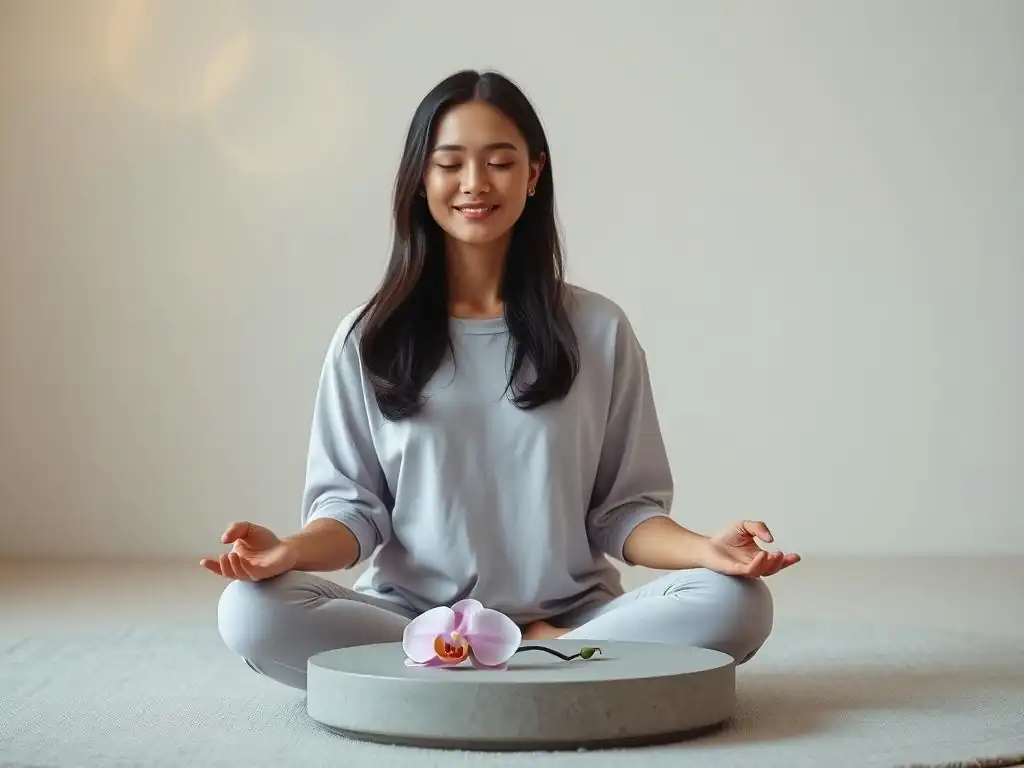
While mental rehearsal is a powerful tool, it's not always easy to implement effectively. Musicians may encounter challenges such as intrusive negative thoughts, difficulty maintaining focus, or struggling to adapt the technique to different performance scenarios. Recognizing these common hurdles is the first step to overcoming them and refining your mental practice.
Developing strategies to address these challenges ensures that mental rehearsal remains a productive and beneficial part of your preparation, rather than becoming another source of frustration. Persistence and flexibility are key to making mental rehearsal work for you.
Dealing with Negative Thoughts and Self-Doubt
One of the most significant challenges in mental rehearsal is the intrusion of negative thoughts and self-doubt. You might start visualizing a successful performance, only for thoughts like "But what if I mess up?" or "I'm not good enough" to creep in. These thoughts can disrupt the positive imagery and reinforce anxiety. It's important not to fight these thoughts or judge yourself for having them, as this often gives them more power.
Instead, acknowledge the negative thought without dwelling on it. Recognize it as just a thought, not necessarily a reality. Then, gently but firmly redirect your attention back to your intended positive visualization. If a specific fear (like a memory slip) is persistent, incorporate the strategy discussed earlier: mentally rehearse handling that specific challenge successfully and recovering gracefully. Over time, consistently returning to the positive, prepared mental state will weaken the power of the negative thoughts and build a stronger sense of self-efficacy.
Maintaining Focus and Concentration
Maintaining focus during mental rehearsal can be challenging, especially when your mind is racing with anxiety or distractions. It's easy for thoughts to wander to unrelated topics or for the visualization to become vague and unspecific. This lack of focus diminishes the effectiveness of the practice, as the brain isn't receiving clear, consistent signals.
To improve concentration, start with shorter mental rehearsal sessions, perhaps just 5-10 minutes, and gradually increase the duration as your focus improves. Practice in a calm, distraction-free environment as recommended earlier. If your mind wanders, gently guide it back to the performance scenario you are visualizing. Don't get frustrated; simply notice the distraction and return to the task. Using your score as a brief anchor point can also help redirect your focus if you lose track of where you are in the music. Consistent practice strengthens your ability to maintain concentration during both mental and physical preparation.
Adapting Mental Rehearsal to Different Performance Contexts
Mental rehearsal needs to be adaptable to the specific context of the performance. Visualizing a solo recital in a large concert hall requires different details than preparing for a chamber music performance in a smaller venue or an orchestral audition behind a screen. Failing to tailor the mental rehearsal to the specific situation can make the practice feel less relevant and effective.
Consider the unique aspects of the upcoming performance: the size and layout of the space, the presence or absence of other musicians, the specific acoustics, and the nature of the audience (e.g., formal jury vs. casual crowd). Incorporate these details into your visualization. For an audition, focus on walking into the room, interacting with the panel, and performing the required excerpts with confidence and precision.
For a chamber concert, visualize collaborating seamlessly with your colleagues. By making your mental rehearsal as specific and realistic as possible for the given context, you enhance its relevance and effectiveness in preparing you for that particular experience.
Integrating Mental Strategies into Your Daily Routine
For mental strategies like mental rehearsal, positive self-talk, and mindfulness to be truly effective, they need to become consistent habits, not just techniques pulled out in moments of crisis. Integrating these practices into your daily routine ensures that you are building resilience and preparedness over time, rather than trying to cram them in right before a performance.
Making mental preparation a regular part of your schedule, just like physical practice, signals its importance and allows the benefits to accumulate. Setting realistic goals and tracking your progress can help maintain motivation and reinforce the value of these practices.
Setting Realistic Goals for Mental Preparation
Just as you set practice goals for learning music, set realistic goals for your mental preparation. Start small. Aim for 5-10 minutes of focused mental rehearsal a few times a week, perhaps immediately after a physical practice session or before bed. As you become more comfortable and skilled, you can gradually increase the duration or frequency. Don't aim for perfection immediately; the goal is consistent engagement.
Consider integrating other mental strategies into specific parts of your day. Perhaps practice deep breathing for two minutes before starting your physical practice session, or use positive self-talk during challenging moments in rehearsal. Schedule these mental exercises just like you would schedule a lesson or a rehearsal. Having a plan makes it more likely that you will follow through and build these valuable habits over time.
Combining Mental Rehearsal with Physical Practice
The most powerful approach is often to combine mental rehearsal with your physical practice sessions. This can be done in several ways. You might start a practice session with a few minutes of mental run-through of a piece or a difficult section before you even pick up your instrument. This helps prime your brain for the physical work ahead and can make the physical practice more focused and efficient.
Alternatively, you can integrate mental rehearsal during physical practice breaks. After working on a difficult passage physically, close your eyes for a minute or two and mentally rehearse playing it perfectly. This reinforces the desired motor patterns and can help correct errors mentally before attempting the passage again physically. Ending a practice session with a mental run-through of the entire piece can also help solidify your preparation and end on a positive, confident note.
Tracking Your Progress and Celebrating Small Wins
Tracking your progress in mental preparation can provide valuable insight and motivation. Keep a simple journal noting when you practiced mental rehearsal, for how long, and how it felt. Did you stay focused? Were negative thoughts less intrusive? Did you feel more confident afterward? Note any improvements you observe in your physical practice or performance readiness.
Celebrating small wins is also important. Did you successfully use deep breathing to calm nerves before a rehearsal? Did you manage to redirect a negative thought during mental rehearsal? Acknowledge these successes, no matter how small they seem. This positive reinforcement helps build momentum and encourages you to continue integrating these strategies into your routine. Recognizing the cumulative effect of consistent mental preparation is key to long-term success in managing performance anxiety.
Additional Resources for Managing Performance Anxiety
Managing performance anxiety is a journey, and many resources are available to provide further support and guidance. While mental rehearsal and daily strategies are powerful tools, exploring other avenues can offer different perspectives and techniques to complement your practice.
These resources can range from educational materials that deepen your understanding of performance psychology to professional support tailored to the unique challenges faced by musicians. Seeking out additional help is a sign of strength and commitment to your well-being and musical growth.
Recommended Books and Websites on Performance Psychology
Numerous books and websites delve into the specific psychological challenges faced by performers, including musicians. These resources often provide detailed explanations of anxiety's mechanisms, explore a wider range of coping strategies, and share insights from experienced performers and psychologists. Topics covered typically include managing fear of failure, building mental toughness, optimizing practice strategies, and maintaining motivation.
While specific titles cannot be listed here, searching for books or websites on "performance psychology for musicians," "stage fright management," or "peak performance in music" can yield valuable results. Look for resources written by psychologists specializing in performance or by musicians who have successfully navigated performance anxiety. These materials can offer theoretical understanding and practical exercises that complement the strategies discussed in this article.
Finding a Qualified Music Psychologist or Coach
For musicians struggling with severe or persistent performance anxiety, seeking professional help from a qualified music psychologist or performance coach can be highly beneficial. These professionals specialize in the unique pressures of the performance world and can provide personalized strategies, cognitive behavioral therapy (CBT) techniques, and support tailored to individual needs.
A music psychologist can help identify the root causes of anxiety, challenge deeply ingrained negative beliefs, and teach advanced coping mechanisms. A performance coach might focus more on optimizing practice routines, setting performance goals, and building mental skills specifically for the stage. They can provide a safe space to explore fears and develop a comprehensive plan for managing anxiety and enhancing performance. Finding a professional with experience working with musicians is recommended for the most relevant support.
Links to Guided Meditations for Musicians
Guided meditations are another valuable resource that can support musicians in managing anxiety and enhancing focus. While this article focuses on mental rehearsal, which is a form of focused imagery, general mindfulness and relaxation meditations can also be very helpful. Many guided meditations are specifically designed for performers, focusing on themes like calming nerves, building confidence, or enhancing concentration.
These resources, often found on various platforms, involve listening to an instructor guide you through relaxation techniques, body scans, or visualizations. While direct links cannot be provided, searching for "guided meditation for performance anxiety," "mindfulness for musicians," or "meditation for focus and concentration" can lead to audio or video resources that can be incorporated into your daily or pre-performance routine. These can be particularly useful for developing the ability to quiet the mind and cultivate a state of calm presence.
Long-Term Benefits of Mental Strategies for Musical Performance
Consistently applying mental strategies like mental rehearsal, positive self-talk, and mindfulness extends far beyond managing a single performance. These techniques build fundamental psychological skills that foster long-term growth, resilience, and fulfillment in a musician's career. They transform the relationship with performance from one dominated by fear to one characterized by confidence and creative freedom.
The cumulative effect of these strategies is a stronger, more adaptable musician who can not only navigate the inevitable pressures of performing but also unlock deeper levels of musical expression and artistic connection, ensuring a more sustainable and enjoyable musical journey.
Fostering Confidence and Resilience on Stage
Regularly practicing mental strategies, particularly mental rehearsal with its focus on successful outcomes and graceful recovery from challenges, fundamentally builds confidence and resilience. Confidence grows from the repeated mental experience of performing capably. Resilience is built by mentally practicing how to handle setbacks and distractions, training the mind to bounce back rather than crumble under pressure.
Over time, this leads to a shift in mindset. Instead of viewing performance as a trial by fire, the musician begins to see it as an opportunity to share their music, backed by solid preparation – both physical and mental. This inner strength allows them to approach the stage with a sense of calm readiness, knowing they have the tools to navigate whatever arises and trust their ability to deliver their best possible performance.
Enhancing Musical Expression and Creativity
Performance anxiety is a major barrier to authentic musical expression. When a musician is consumed by fear and self-consciousness, their focus is inward, on survival and avoiding mistakes, rather than outward, on communicating the music's message and connecting with the audience. By reducing the grip of anxiety, mental strategies free up mental and emotional space for creativity and expressiveness.
When the mind is calm and focused, the musician can listen more acutely, respond more spontaneously to the music, and access deeper emotional layers. The physical relaxation achieved through techniques like deep breathing and PMR allows for greater technical freedom and nuance in playing. Ultimately, managing anxiety allows the musician's true artistic voice to emerge, leading to more compelling, creative, and heartfelt performances.
Reducing the Impact of Anxiety on Your Musical Career
Performance anxiety can be a significant obstacle to a musician's career progression. It can lead to avoiding performance opportunities, underperforming in auditions, or even causing talented individuals to abandon their musical aspirations altogether. By effectively managing anxiety through mental strategies, musicians can mitigate these negative impacts.
Developing mental resilience allows musicians to confidently pursue performance opportunities, handle the pressures of professional auditions and concerts, and build a reputation for reliable and expressive performances. It contributes to a more positive and sustainable relationship with their craft, enabling them to pursue their musical goals with greater freedom and less self-imposed limitation. Ultimately, mastering the mental game is as crucial as mastering the instrument for a fulfilling and successful musical career.
Frequently Asked Questions
What is self-compassion meditation and how can it help with anxiety?
Self-compassion meditation involves treating yourself with the same kindness and understanding you would offer a friend. It can significantly reduce anxiety by fostering self-acceptance and diminishing negative self-talk.
How does self-compassion meditation differ from regular mindfulness meditation?
While both involve present moment awareness, self-compassion meditation specifically focuses on directing compassion and understanding towards oneself. Regular mindfulness meditation aims for non-judgmental observation of thoughts and feelings.
How often should I practice self-compassion meditation to see a reduction in anxiety?
The frequency varies, but aiming for 10-15 minutes most days of the week can yield noticeable results. Consistency is key; even short, regular sessions are more effective than sporadic longer sessions.
Are there different types of self-compassion meditation techniques suitable for anxiety?
Yes, techniques include loving-kindness meditation (Metta), self-compassion breaks, and guided meditations focused on acknowledging suffering and offering oneself comfort. Experiment to find what resonates best.
Where can I find resources to learn more about self-compassion meditation for anxiety?
Websites like Mind Care Guide offer articles, guided meditations, and resources. Additionally, searching for guided self-compassion meditations on platforms like YouTube or Insight Timer can be helpful.
Final Reflection: Finding Peace Through Self-Compassion
The relentless inner critic, a voice of self-doubt and judgment, is a pervasive experience, impacting mental health and well-being on a global scale. This pervasive negativity fuels anxiety, hindering our ability to thrive and live fulfilling lives. But the good news is that we can actively cultivate self-compassion, a powerful antidote to this internal struggle, and meditation offers a practical pathway to achieve this.
The journey towards self-compassion is not a sprint, but a marathon of mindful awareness and gentle self-acceptance. It's a process of learning to treat ourselves with the same kindness and understanding we would offer a dear friend. This shift in perspective, from harsh judgment to compassionate understanding, profoundly impacts our emotional landscape. As Kristin Neff, a leading researcher on self-compassion, eloquently states: Self-compassion involves treating yourself with the same kindness you would offer a friend who is going through a difficult time.
This simple yet profound idea has the power to reshape our relationship with ourselves and alleviate the burden of anxiety.
Now, consider your own inner critic. What does it sound like? What messages does it whisper? I invite you to begin a daily practice of self-compassion meditation, even if it's just for five minutes. Listen to that inner voice, acknowledge its presence without judgment, and then gently replace its harsh pronouncements with words of kindness and understanding. This small act of self-care can be a transformative step towards a calmer, more compassionate, and ultimately, more fulfilling life. Embrace the journey, and discover the peace that awaits you within.
Unlock Your Inner Calm: Start Your Self-Compassion Journey Today!
Thanks for taking the time to explore the power of self-compassion through meditation! We hope you gained valuable insights into nurturing your inner peace. Now it's time to put these insights into action.
- Begin your daily meditation practice: Even 5 minutes a day can make a significant difference in how you relate to yourself. Start small, be consistent, and notice the shift.
- Share your experience: Connect with others on their self-compassion journey. Share your thoughts, challenges, and wins on social media using #MindCareSelfCompassion.
- Explore guided meditations: Dive deeper into self-compassion practices by searching for guided meditations tailored to self-kindness and self-acceptance.
What small act of self-compassion will you prioritize today?