
Boost Your Confidence: Guided Meditations for SelfEsteem

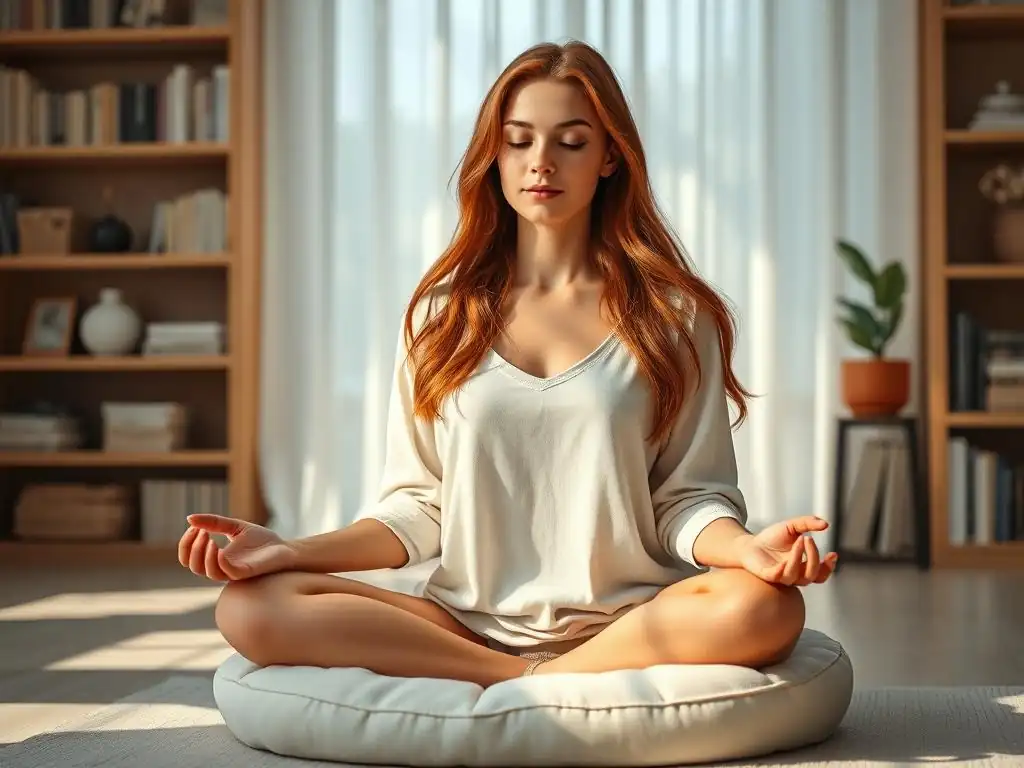
Welcome to Mind Care Guide, a safe space dedicated to nurturing your inner peace and mental well-being. Feeling lost on your journey to self-acceptance? You're not alone. We understand the struggles with self-esteem, and we're here to help you discover your inherent worth. This week, we're focusing on a powerful tool to help you boost self-esteem through meditation. Curious to learn how mindful practices can unlock a more confident you? Let's begin!
Cultivating Inner Peace: Guided Meditations for Stress Reduction
- Introduction: Finding Calm Through Guided Meditation
- Understanding Stress and Its Impact
- Preparing for Your Stress Reduction Meditation Journey
- Guided Meditation Techniques to Reduce Stress
- Sample Guided Meditation Script for Stress Reduction
- Tips for Maximizing the Benefits of Stress Reduction Meditations
- Overcoming Challenges in Your Stress Reduction Meditation Practice
- Advanced Meditation Practices for Enhanced Stress Resilience
- The Science Behind Meditation and Stress Reduction
- Integrating Stress Reduction Meditation into Daily Life
- Conclusion: Embracing Calmness and Resilience Through Meditation
-
Frequently Asked Questions
- How can meditation specifically help boost my self-esteem?
- What types of guided meditations are most effective for improving self-esteem?
- How often should I practice meditation to see a noticeable improvement in my self-esteem?
- What if I find it difficult to focus during meditation?
- Are there any other self-esteem boosting techniques I can combine with meditation for better results?
- Final Reflection: Cultivating Inner Peace, Elevating Self-Worth
- Unlock Your Inner Confidence: Start Your Journey Now!
Introduction: Finding Calm Through Guided Meditation
The Power of Meditation for Stress Relief
Stress is an undeniable part of modern life, impacting millions globally. Chronic stress can lead to a host of physical and mental health issues, from fatigue and headaches to anxiety disorders and depression. Finding effective ways to manage this pervasive stress is crucial for overall well-being. Meditation, an ancient practice focused on training attention and awareness, has emerged as a powerful tool in this fight. By dedicating even a few minutes daily to stillness and focused breathing, individuals can begin to interrupt the stress response cycle, promoting a state of calm and centeredness.
The impact of meditation on stress relief is increasingly supported by scientific research. Studies using fMRI scans have shown that regular meditation practice can lead to measurable changes in brain structure, particularly in areas associated with stress, fear, and emotional regulation, such as the amygdala.
For instance, research indicates that the amygdala, often called the brain's fear center, may decrease in size or activity with consistent meditation, while areas linked to attention and self-awareness, like the prefrontal cortex, may show increased gray matter density. This neurological evidence underscores meditation's potential to fundamentally alter our relationship with stressors, moving from reactive panic to mindful observation.
Why Guided Meditation is Effective for Anxiety Management
For individuals struggling with anxiety, the prospect of sitting in silence with racing thoughts can feel overwhelming. This is where guided meditation offers a gentle and accessible entry point. Guided meditations involve listening to an instructor who leads you through the process, offering prompts for breathing, body awareness, visualization, or focusing attention. This external guidance provides structure and support, helping to keep the mind anchored and preventing it from getting lost in anxious rumination. The voice of the guide can be a soothing presence, creating a sense of safety and reassurance that makes the practice less intimidating.
The effectiveness of guided meditation for anxiety management lies in its ability to provide a specific focus and direction. Instead of being told to simply "clear your mind" (which can be impossible for an anxious mind), a guide directs your attention to concrete sensations, sounds, or images. This directed focus acts as a powerful antidote to the scattered and worry-filled thoughts characteristic of anxiety.
For example, a guide might instruct you to focus solely on the feeling of your breath entering and leaving your nostrils, or to visualize a calm, peaceful place. This redirection of attention trains the mind to disengage from anxious thought loops, gradually building the capacity to observe thoughts without getting swept away by them, which is a core skill in managing anxiety.
Understanding Stress and Its Impact
Identifying Common Stressors in Modern Life
Modern life presents a complex landscape of potential stressors, varying from individual to individual but often sharing common themes. Work-related pressures, such as heavy workloads, tight deadlines, job insecurity, or difficult colleagues, are frequently cited as major sources of stress for adults. Financial concerns, including managing debt, affording housing, or simply making ends meet, also contribute significantly to chronic stress levels for a large portion of the population. According to surveys, a substantial percentage of people report financial stress as a primary worry.
Beyond work and money, relationship challenges—whether with partners, family members, or friends—can be emotionally taxing and create ongoing stress. Health issues, both personal and those affecting loved ones, also rank high on the list of stressors. Furthermore, the constant connectivity and information overload from social media and news cycles can contribute to feelings of pressure, comparison, and anxiety, adding a layer of digital stress that was less prevalent in previous generations. Even seemingly minor daily hassles, like traffic jams or technical difficulties, accumulate and contribute to the overall stress burden.
The Connection Between Stress and Physical/Mental Health
The link between chronic stress and detrimental health outcomes is well-established in medical research. When the body perceives a threat (whether real or imagined), it triggers the "fight or flight" response, releasing stress hormones like cortisol and adrenaline. While useful in short bursts, prolonged exposure to these hormones due to chronic stress can disrupt almost all of the body's processes. Physically, this can manifest as digestive problems, headaches, muscle tension, weakened immune function making one more susceptible to illness, and an increased risk of cardiovascular issues over time.
Mentally and emotionally, the impact of stress is equally significant. Chronic stress is a major contributing factor to the development and exacerbation of mental health conditions such as anxiety disorders, depression, and burnout. It can impair cognitive functions like concentration, memory, and decision-making. Emotionally, it often leads to irritability, restlessness, feelings of being overwhelmed, and difficulty relaxing. The constant state of hyperarousal depletes mental and emotional resources, making it harder to cope with challenges and reducing overall resilience.
Preparing for Your Stress Reduction Meditation Journey
Creating a Quiet and Comfortable Meditation Space
Designating a specific space for your meditation practice, even if it's just a corner of a room, can signal to your mind and body that it's time to transition into a state of calm. This space doesn't need to be elaborate; the key is that it is quiet and comfortable, minimizing potential distractions. Choose a time when you are least likely to be interrupted by phone calls, emails, or other demands. Inform others in your household that you will be taking some quiet time. Ensuring privacy helps you fully immerse yourself in the practice without worrying about external disturbances.
Comfort is paramount to allowing yourself to relax deeply. This might mean sitting on a cushion on the floor, using a chair with good back support, or even lying down if that feels most comfortable for you, though be mindful of the risk of falling asleep. Ensure your clothing is loose and comfortable, not restrictive.
Adjust the lighting to be soft, perhaps dimming overhead lights or using natural light. Some people find it helpful to include elements that evoke calm, such as a soft blanket, a candle (used safely), or a plant, but these are optional additions – the core requirement is simply a peaceful environment free from immediate discomforts.
Setting Intentions for Your Stress-Relieving Meditation
Approaching your meditation practice with a clear intention can significantly enhance its effectiveness, particularly when the goal is stress reduction. Before you begin, take a moment to acknowledge why you are meditating. Your intention doesn't need to be complex; it could be as simple as "I intend to find a few moments of peace," "I intend to release tension in my body," or "I intend to observe my thoughts without judgment." Setting an intention provides a gentle focus for your practice, helping to orient your mind towards the desired outcome of cultivating inner peace and reducing stress.
This step is more about guidance than rigid expectation. If your mind wanders during the meditation (which it inevitably will), you can gently return to your intention as a reminder of your purpose.
For example, if you notice yourself getting caught up in anxious thoughts, recalling your intention to "release tension" can help you redirect your focus back to your breath or body. Setting an intention also frames the practice positively, shifting the focus from trying to "get rid of" stress (which can create resistance) to cultivating qualities like calm, awareness, or acceptance, which naturally diminish the power of stress.
Guided Meditation Techniques to Reduce Stress
Breath Awareness Meditation for Relaxation
Breath awareness meditation is a foundational technique for stress reduction because the breath is intimately connected to our nervous system. When we are stressed, our breathing tends to become shallow, rapid, and irregular. By consciously focusing on the breath, we can activate the body's relaxation response, slowing the heart rate and calming the mind. In a guided breath awareness meditation, the instructor will typically guide you to simply notice the sensation of your breath as it enters and leaves your body, perhaps at the nostrils, chest, or abdomen. There's no need to change the breath, just observe it.
The power of this practice lies in its simplicity and accessibility. You can practice breath awareness anywhere, anytime you feel stress rising. The guide's voice helps keep your attention anchored to the breath, providing a gentle anchor in the present moment.
When thoughts inevitably arise (which they will), the guide will remind you to simply notice them without judgment and gently return your attention to the breath. This repeated process of returning to the breath trains the mind to become less reactive to distractions and stressors, building resilience over time. Studies have shown that even short periods of breath-focused meditation can reduce reported stress levels and physiological markers like heart rate.
Progressive Muscle Relaxation for Tension Release
Stress often manifests as physical tension held in the body – clenched jaws, tight shoulders, knotted stomachs. Progressive Muscle Relaxation (PMR) is a technique specifically designed to release this physical tension, which in turn helps to calm the mind.
In a guided PMR session, the instructor will lead you through a systematic process of tensing and then releasing different muscle groups in the body, typically starting from the toes and working upwards to the head. You'll be instructed to hold the tension for a few seconds, noticing the feeling, and then completely release it, paying attention to the contrast between tension and relaxation.
This technique is highly effective because it makes you acutely aware of where you hold tension in your body and provides a direct method for letting it go. The act of deliberately tensing muscles before releasing them helps you achieve a deeper state of relaxation than simply trying to relax from a normal state. Guided PMR is particularly useful for individuals who experience physical symptoms of stress, such as muscle aches, headaches, or difficulty sleeping due to physical restlessness. Consistent practice can help you recognize the early signs of tension building up during the day and address them proactively.
Body Scan Meditation for Physical Awareness
The body scan meditation involves systematically bringing your attention to different parts of your body, noticing any sensations present without judgment. Unlike progressive muscle relaxation, the body scan doesn't typically involve tensing muscles; it's purely about cultivating awareness of physical sensations, whether they are pleasant, unpleasant, or neutral. A guide will typically lead you to focus on areas like your toes, feet, ankles, and gradually move up through the legs, torso, arms, neck, and head, inviting you to simply observe what you feel in each region.
Focusing on Sensations and Releasing Tension
During a body scan, the instruction is to simply notice sensations – tingling, warmth, coolness, pressure, absence of sensation. The goal is not to change anything, but merely to be present with the physical experience. As you bring awareness to different parts of your body, you often become conscious of areas where you are holding tension that you weren't previously aware of.
By simply noticing this tension and breathing into it, without trying to force it away, you create the conditions for it to naturally soften and release. This practice helps ground you in the physical reality of the present moment, pulling your attention away from stressful thoughts about the past or future.
Cultivating Acceptance of Physical Sensations
A key aspect of the body scan is cultivating an attitude of acceptance towards whatever sensations arise. If you feel discomfort or pain in a certain area, the practice is not to judge it, fear it, or try to fix it during the meditation. Instead, you are encouraged to simply acknowledge its presence with curiosity and kindness.
This practice of non-judgmental awareness towards physical sensations translates into a greater capacity to accept difficult emotions and thoughts without resistance, which is fundamental to reducing the suffering associated with stress and anxiety. By learning to be present with physical discomfort, you build resilience in being present with emotional discomfort.
Visualization Meditation for Mental Escape
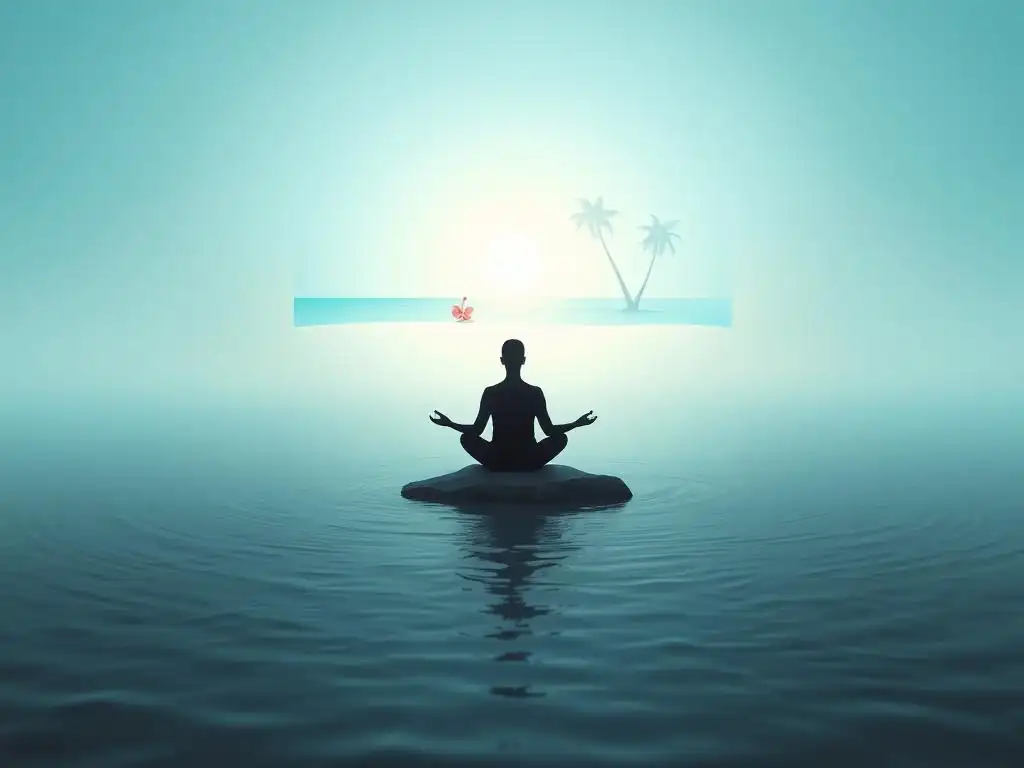
Visualization meditation involves creating vivid mental images of peaceful scenes or desired outcomes. This technique can be a powerful tool for stress reduction by offering a temporary mental escape from current stressors and invoking feelings of calm and relaxation through the power of imagination. In a guided visualization, the instructor will paint a picture with words, describing a serene environment like a tranquil beach, a peaceful forest, or a cozy cabin, inviting you to engage all your senses in building this mental image.
Imagining Peaceful Scenes and Scenarios
The effectiveness of imagining peaceful scenes lies in the mind-body connection. When you vividly imagine a relaxing scenario, your body can respond as if you were actually there, triggering the relaxation response. For instance, visualizing yourself walking on a warm beach might conjure feelings of warmth, the sound of waves, and the scent of salt air, all of which can counteract the physiological signs of stress. Guided visualizations often include specific details to make the imagined scene as real as possible, helping to fully engage your attention and distract from stressful thoughts.
Using Sensory Details to Enhance Relaxation
Guides use rich sensory language to deepen the visualization experience. You might be prompted to notice the color of the water, the feeling of sand between your toes, the sound of birdsong, the smell of pine trees, or the warmth of the sun on your skin.
Engaging multiple senses in your imagination makes the visualization more immersive and powerful, enhancing its ability to transport you mentally to a state of calm. This focused imaginative work provides a mental refuge, allowing your nervous system to settle and promoting a sense of peace and tranquility that can linger after the meditation ends.
Mindfulness Meditation for Present Moment Awareness
Mindfulness meditation, in its broader sense, is about cultivating awareness of the present moment without judgment. While breath awareness and body scans are specific forms of mindfulness, general mindfulness meditation involves noticing whatever arises in your experience – thoughts, feelings, bodily sensations, external sounds – from a place of calm observation. A guided mindfulness meditation will typically start by bringing attention to the breath or body as an anchor, and then widen the scope of awareness to include whatever is present in consciousness, gently guiding you to observe without getting caught up or reactive.
This practice directly addresses stress by training you to relate differently to your thoughts and emotions. Instead of being consumed by worries or frustrations, mindfulness teaches you to see them as transient mental events, like clouds passing in the sky. By creating this space between you and your stressful thoughts, you reduce their power to trigger the full-blown stress response. Regular mindfulness practice builds the capacity to remain present and centered even amidst challenges, fostering greater emotional regulation and a sense of inner stability that acts as a buffer against stress.
Sample Guided Meditation Script for Stress Reduction
Below is an outline of what a guided stress reduction meditation script might include, providing structure for a practice aimed at finding calm.
[Introduction and Body Scan]
- Begin by inviting the listener to find a comfortable position, either seated or lying down.
- Guide them to gently close their eyes if comfortable.
- Instruct them to take a few deep breaths, slowly exhaling.
- Begin a systematic scan of the body, starting from the feet and moving upwards.
- Instruct the listener to bring gentle awareness to each body part, noticing any sensations present without judgment.
- Pause at different areas (feet, legs, hips, abdomen, back, chest, arms, hands, neck, head), inviting them to notice feelings like weight, temperature, or tingling.
- If tension is noticed, gently suggest breathing into that area and imagining the breath softening the tension.
[Breathing Exercises for Calmness]
- Transition from the body scan to focusing specifically on the breath.
- Guide the listener to notice the natural rhythm of their breath without trying to change it.
- Suggest focusing on the sensation of the breath entering and leaving the body at a specific point, such as the nostrils or the rise and fall of the abdomen.
- Optionally, introduce a simple breathing technique, like counting the breath (inhale for 4, exhale for 4) or extending the exhale slightly to activate the parasympathetic nervous system.
- Remind the listener that the mind will wander and that is normal; gently guide them back to the breath each time.
[Visualization of a Peaceful Setting]
- Invite the listener to bring to mind or create a mental image of a place where they feel completely safe, peaceful, and relaxed.
- Guide them through engaging their senses in this imagined scene. What do they see? What sounds do they hear? What do they smell? What do they feel (temperature, texture)?
- Encourage them to fully immerse themselves in the feeling of peace and tranquility associated with this place.
- Suggest spending a few minutes simply resting in this peaceful visualization, allowing the calming sensations to wash over them.
[Concluding Remarks and Gratitude]
- Gently bring the listener back from the visualization, guiding their awareness back to their physical body and the space they are in.
- Instruct them to take a few deeper breaths, feeling their body supported.
- Suggest wiggling fingers and toes, and slowly bringing gentle movement back into the body.
- Offer a moment for gratitude – perhaps for taking this time for themselves or for the simple act of breathing.
- Instruct them to open their eyes gently when they feel ready.
- Conclude by reinforcing the intention of carrying this sense of calm into the rest of their day.
Tips for Maximizing the Benefits of Stress Reduction Meditations
Consistency is Key: Establishing a Regular Meditation Practice
Like any skill, the ability to effectively use meditation for stress reduction improves with consistent practice. Sporadic meditations might offer temporary relief, but the deeper, lasting benefits – such as reduced baseline stress levels, improved emotional regulation, and increased resilience – accrue over time with regularity. Aiming for even just 5-10 minutes of meditation daily is far more beneficial than meditating for an hour once a week. Think of it like brushing your teeth for mental hygiene; a little bit every day makes a significant difference in the long run.
Establishing a routine helps turn meditation into a habit rather than a chore. Try to meditate at the same time each day, perhaps first thing in the morning to set a calm tone for the day, or in the evening to unwind before sleep. Start small and gradually increase the duration as you feel comfortable.
Tracking your practice, perhaps with a simple note in a journal or using a meditation app, can help maintain motivation and provide a visual reminder of your commitment to reducing stress through this practice. Remember that consistency is more important than the duration or perceived "quality" of any single session; showing up is the most important part.
Combining Meditation with Other Stress-Management Techniques
While guided meditation is a powerful tool on its own, its effectiveness in reducing stress can be significantly enhanced when combined with other healthy lifestyle practices. Think of stress management as a multi-faceted approach. Regular physical activity, for example, is a well-known stress reliever, releasing endorphins and helping to discharge physical tension. Pairing a brisk walk or a yoga session with a calming meditation can create a powerful synergy for both physical and mental relaxation.
Additionally, ensuring adequate sleep, maintaining a balanced diet, and engaging in social connections are fundamental pillars of stress resilience. Using guided meditation can help improve sleep quality by calming a restless mind before bed, and a well-rested body is better equipped to handle stress. Similarly, practicing mindfulness techniques learned in meditation can improve focus and presence during social interactions, making them more fulfilling and less stressful. Journaling, as mentioned elsewhere, can also complement meditation by providing an outlet for processing thoughts and emotions that might arise during or after practice.
Journaling to Track Progress and Reflect on Insights
Keeping a journal alongside your meditation practice can be an invaluable tool for enhancing its stress-reducing benefits. After a meditation session, take a few minutes to jot down your experience. What did you notice during the meditation? Were there specific thoughts or feelings that arose? Did you feel any shifts in physical sensation or emotional state? There's no right or wrong way to journal; simply writing down whatever comes to mind can provide clarity and insight.
Over time, reviewing your journal entries can help you identify patterns in your stress triggers and how your meditation practice is helping you respond to them. You might notice that certain types of meditations are more effective for you on specific days, or that consistent practice is leading to a gradual reduction in overall stress reactivity. Journaling also provides an outlet for processing challenging emotions that might surface during meditation, preventing them from lingering and causing further stress. It's a tangible way to track your journey towards cultivating inner peace and a valuable resource for self-reflection.
Overcoming Challenges in Your Stress Reduction Meditation Practice
Dealing with Restlessness and Distractions During Meditation
It's completely normal to experience restlessness and distractions during meditation, especially when you are stressed or new to the practice. The mind's nature is to think, and trying to force it to be blank is often counterproductive. The key is not to eliminate distractions, but to change your relationship with them.
When you notice your mind wandering to stressful thoughts, planning, or external distractions like sounds, simply acknowledge the distraction without judgment. Mentally note it ("thinking," "planning," "sound") and then gently, without self-criticism, guide your attention back to your meditation anchor, whether it's your breath, body sensations, or the guide's voice.
Physical restlessness can also arise, perhaps an itch, discomfort, or fidgeting urge. Acknowledge the sensation with curiosity. If it's a minor sensation, see if you can breathe through it without reacting. If it's significant discomfort, it's okay to gently adjust your posture mindfully. The practice is in noticing the urge to react and choosing a conscious response (returning focus, gentle adjustment) rather than an automatic one (getting lost in thought, sudden movement). Consistency helps build the muscle of returning to focus, making distractions less powerful over time.
Addressing Resistance to Stillness and Quiet
For many people, particularly those accustomed to a fast-paced, busy life or those struggling with anxiety, the idea of sitting still in quiet can feel deeply uncomfortable or even anxiety-provoking. This resistance is a common hurdle in starting a meditation practice for stress reduction. The mind might protest with thoughts like "I don't have time," "This is boring," or "I'm not doing it right." Recognize these thoughts as part of the initial resistance, not necessarily the truth of the practice itself.
Approaching meditation with an attitude of gentle curiosity rather than forceful discipline can help overcome resistance. Start with very short durations, perhaps just 3-5 minutes, to make it feel less daunting. Use guided meditations, as the guide's voice can provide a comforting presence and structure that makes the quiet less unsettling. Understand that meditation isn't about achieving a state of perfect stillness or emptiness, but about practicing being present with whatever arises. Accepting that some sessions will feel restless or difficult removes the pressure to perform and makes the practice more sustainable.
Advanced Meditation Practices for Enhanced Stress Resilience
Walking Meditation for Active Mindfulness
While sitting meditation is common, walking meditation offers an alternative way to cultivate mindfulness and reduce stress, particularly beneficial for those who find sitting still challenging. It integrates mindful awareness into the everyday activity of walking. The focus is typically on the physical sensations of walking: the lifting of the foot, the movement through the air, the placement of the heel, the shift of weight, the contact of the sole with the ground. You can practice this indoors or outdoors, walking slowly and deliberately, bringing your full attention to the physical process.
Walking meditation helps to ground you in the present moment through bodily sensation and movement. It can be a dynamic way to release pent-up energy and tension that often accompanies stress, while simultaneously calming the mind by giving it a simple, repetitive focus. It trains your ability to be mindful while active, making it easier to integrate mindfulness into other daily activities and manage stress on the go. By paying attention to the simple act of walking, you can step out of your head and into your body, interrupting cycles of worry and rumination.
Loving-Kindness Meditation for Emotional Balance
Loving-Kindness Meditation, also known as Metta meditation, is a practice focused on cultivating feelings of warmth, compassion, and kindness towards oneself and others. While not directly focused on stress reduction, it indirectly builds emotional resilience by fostering positive emotions and reducing feelings of isolation, resentment, or anger, which often contribute to stress. The practice typically involves silently repeating phrases expressing goodwill, such as "May I be happy," "May I be healthy," "May I be safe," "May I be free from suffering," first towards oneself, then towards loved ones, neutral people, difficult people, and finally towards all beings.
Practicing Metta can counterbalance the negative emotional states often fueled by stress. By intentionally cultivating feelings of kindness, you can shift your emotional landscape, making you less reactive to external stressors. Studies suggest that loving-kindness meditation can increase positive emotions and reduce negative ones, including anxiety and depression symptoms. It helps build empathy and connection, reducing feelings of loneliness which can exacerbate stress. This practice provides a powerful antidote to the inward focus and self-criticism that stress often engenders, promoting emotional balance and well-being.
The Science Behind Meditation and Stress Reduction
How Meditation Affects the Brain and Reduces Cortisol Levels
Scientific research has shed considerable light on the physiological mechanisms by which meditation helps reduce stress. Neuroimaging studies using techniques like fMRI have shown that regular meditation practice leads to changes in brain structure and function. Specifically, areas associated with stress and fear processing, such as the amygdala, often show decreased activity and even reduced gray matter density in experienced meditators compared to non-meditators. Conversely, regions linked to attention, self-awareness, and emotional regulation, like the prefrontal cortex and hippocampus, may show increased activity or gray matter density.
Beyond structural changes, meditation influences neurochemical pathways. One significant finding is its impact on cortisol, often referred to as the "stress hormone." Chronic stress leads to elevated and prolonged cortisol levels, which can have detrimental effects on health.
Studies have demonstrated that regular meditation practice can help regulate the hypothalamic-pituitary-adrenal (HPA) axis, the body's central stress response system, leading to lower baseline levels of cortisol and a healthier stress response. For example, some research indicates that consistent meditators may show significantly lower cortisol levels compared to control groups under stressful conditions. This hormonal regulation is a key factor in meditation's ability to mitigate the harmful physical effects of chronic stress.
Research Supporting the Effectiveness of Meditation for Stress Management
A substantial body of research supports the effectiveness of meditation, particularly mindfulness-based interventions, in reducing stress and improving mental well-being. Programs like Mindfulness-Based Stress Reduction (MBSR), developed by Jon Kabat-Zinn, have been extensively studied and shown to significantly reduce symptoms of stress, anxiety, and depression in clinical populations and healthy individuals alike. Meta-analyses, which combine the results of many studies, consistently find that mindfulness meditation has a moderate to large effect size in reducing psychological distress.
For instance, a meta-analysis published in JAMA Internal Medicine in 2014 reviewed 47 trials with 3,515 participants and concluded that mindfulness meditation programs had moderate evidence of improving anxiety, depression, and pain, and low evidence of improving stress/distress and mental quality of life. While acknowledging limitations, the overall trend across numerous studies points towards meditation being a valuable non-pharmacological approach to stress management.
Research continues to explore specific benefits, durations, and types of meditation most effective for different stress-related conditions, but the consensus is strong: consistent meditation practice is a scientifically supported method for cultivating inner peace and building resilience against stress.
Integrating Stress Reduction Meditation into Daily Life
Short Meditations for Quick Stress Relief
You don't need an hour to reap the benefits of meditation. Even very short practices, lasting just 1-5 minutes, can be incredibly effective for managing stress in the moment. These brief meditations are easy to integrate into a busy day.
You can take a minute to do a quick breath awareness exercise before a stressful meeting, spend three minutes doing a mini body scan at your desk, or listen to a short guided visualization during your commute. The key is to use these short practices strategically throughout the day whenever you feel stress starting to build or when you need a quick reset.
These short bursts of mindfulness help to interrupt the stress response cycle before it escalates. By taking even a single conscious breath or momentarily focusing on physical sensations, you create a pause that allows you to step back from the reactivity of stress. Regular use of short meditations trains your ability to access a calm state quickly, making you more adept at handling daily pressures. They are a practical tool for injecting moments of peace and presence into the demands of modern life, preventing stress from becoming overwhelming.
Using Mindfulness Techniques Throughout the Day
Beyond formal sitting or walking meditations, cultivating mindfulness throughout your daily activities is a powerful way to reduce stress and enhance overall well-being. Mindfulness isn't just something you do on a cushion; it's a way of being present in whatever you're doing. This could involve paying full attention while eating a meal, noticing the textures, smells, and tastes without distraction. It could mean walking mindfully from one place to another, feeling your feet on the ground and observing your surroundings with curiosity.
Integrating mindfulness into daily tasks transforms mundane activities into opportunities for stress reduction. Washing dishes mindfully, focusing on the warmth of the water and the feel of the soap, can become a calming practice. Even during stressful conversations, taking a moment to notice your breath or the physical sensations in your body can help you respond more thoughtfully rather than react emotionally. By consistently bringing gentle, non-judgmental awareness to everyday moments, you build a continuous practice of presence that naturally reduces reactivity to stressors and increases your capacity for calm.
Conclusion: Embracing Calmness and Resilience Through Meditation
The Ongoing Journey of Self-Care and Stress Management
Embarking on a journey with guided meditations for stress reduction is a powerful act of self-care. It acknowledges that managing stress is not a one-time fix but an ongoing process that requires dedication and practice. Meditation provides a reliable tool to navigate the inevitable challenges and pressures of life with greater ease and resilience. By consistently carving out time for stillness, breath awareness, and mindful presence, you are actively nurturing your mental and emotional well-being, building internal resources that help you weather life's storms more effectively.
This journey is personal and unfolds over time. There will be days when meditation feels easy and deeply calming, and days when it feels difficult and restless. Both are normal parts of the process. The key is to approach the practice with patience, kindness, and persistence, celebrating small victories and learning from challenges. As you continue to practice, you may find that your baseline stress levels decrease, your reactions to stressors become less intense, and you cultivate a greater sense of inner peace and stability that extends beyond your formal meditation sessions.
Resources for Continued Support and Guidance in Meditation
For those looking to deepen their practice or find continued support in using guided meditations for stress reduction, numerous resources are available. Many meditation apps offer extensive libraries of guided meditations tailored to specific needs, including stress, anxiety, and sleep. Websites and online platforms dedicated to mindfulness and meditation provide articles, courses, and guided sessions from experienced teachers.
Additionally, exploring local meditation centers or community groups can offer the benefit of practicing in person and connecting with others on a similar path. Books on mindfulness and meditation offer in-depth understanding and techniques. Remember that finding the resources and guides that resonate most with you is part of the journey. With consistent practice and the right support, guided meditation can become an indispensable tool in your self-care toolkit, empowering you to cultivate calmness and build lasting resilience against stress.
Frequently Asked Questions
How can meditation specifically help boost my self-esteem?
Meditation can help you become more aware of your negative self-talk, allowing you to challenge and reframe those thoughts. It also cultivates self-compassion, leading to greater acceptance and appreciation of yourself.
What types of guided meditations are most effective for improving self-esteem?
Meditations that focus on positive affirmations, visualization of success, and self-compassion practices are particularly helpful for boosting self-esteem. They help reprogram your subconscious mind.
How often should I practice meditation to see a noticeable improvement in my self-esteem?
Consistency is key. Aim for at least 10-15 minutes of meditation daily, although even shorter sessions can be beneficial. You should start seeing gradual improvements in your self-esteem within a few weeks.
What if I find it difficult to focus during meditation?
It's perfectly normal to have wandering thoughts. Gently redirect your attention back to your breath or the guided meditation. Don't judge yourself; simply acknowledge the thought and let it pass.
Are there any other self-esteem boosting techniques I can combine with meditation for better results?
Yes, combining meditation with other practices like positive self-talk, setting achievable goals, and engaging in activities you enjoy can significantly enhance your self-esteem. These strategies support a holistic approach to well-being.
Final Reflection: Cultivating Inner Peace, Elevating Self-Worth
The power of guided meditation to boost self-esteem is not just a fleeting trend; it's a transformative practice with the potential to reshape our relationship with ourselves and the world. In a society obsessed with external validation, learning to cultivate inner peace and self-acceptance through meditation offers a powerful antidote to the pervasive anxieties and insecurities that plague so many. This journey inward is not a quick fix, but a sustainable path to lasting self-worth.
The exploration of self-esteem through meditation has profoundly impacted my own life, teaching me the importance of self-compassion and acceptance. The quiet moments spent in mindful reflection have allowed me to unravel deeply ingrained negative self-talk and replace it with a kinder, more understanding inner voice. As the Dalai Lama wisely said, The purpose of our lives is to be happy.
And true happiness, I've discovered, begins with a deep and abiding love for oneself. This journey of self-discovery, facilitated by the practice of meditation, is ongoing, and its ripple effects extend far beyond the quiet moments of practice, influencing my interactions with others and my overall sense of well-being.
Now, it's your turn. Consider incorporating even just five minutes of daily guided meditation into your routine. Start small, be patient with yourself, and allow the transformative power of mindfulness to gently reshape your perception of self. Embrace the journey, celebrate your progress, and remember that the most important relationship you'll ever have is the one you have with yourself. Begin cultivating that relationship today, and watch your self-esteem blossom.
Unlock Your Inner Confidence: Start Your Journey Now!
Thank you for taking the time to explore the power of guided meditation for boosting your self-esteem. We hope you found valuable insights and practical techniques to nurture your inner strength. Now it's time to put those learnings into action!
- Begin your daily meditation practice: Download our free guided meditation specifically designed to enhance self-esteem (link would go here on a real website). Even 5 minutes a day can make a difference!
- Share your experience: Tell us about your journey – what resonates most with you? Connect with our community on social media (link would go here) and inspire others to embark on their self-discovery.
- Challenge a limiting belief: Identify one negative thought pattern from the article that holds you back. This week, consciously replace it with a positive affirmation.
What small step will you take today to cultivate a deeper sense of self-love and confidence?