
Targeting the PFC: Treatment Strategies for DepressionRelated Executive Deficits

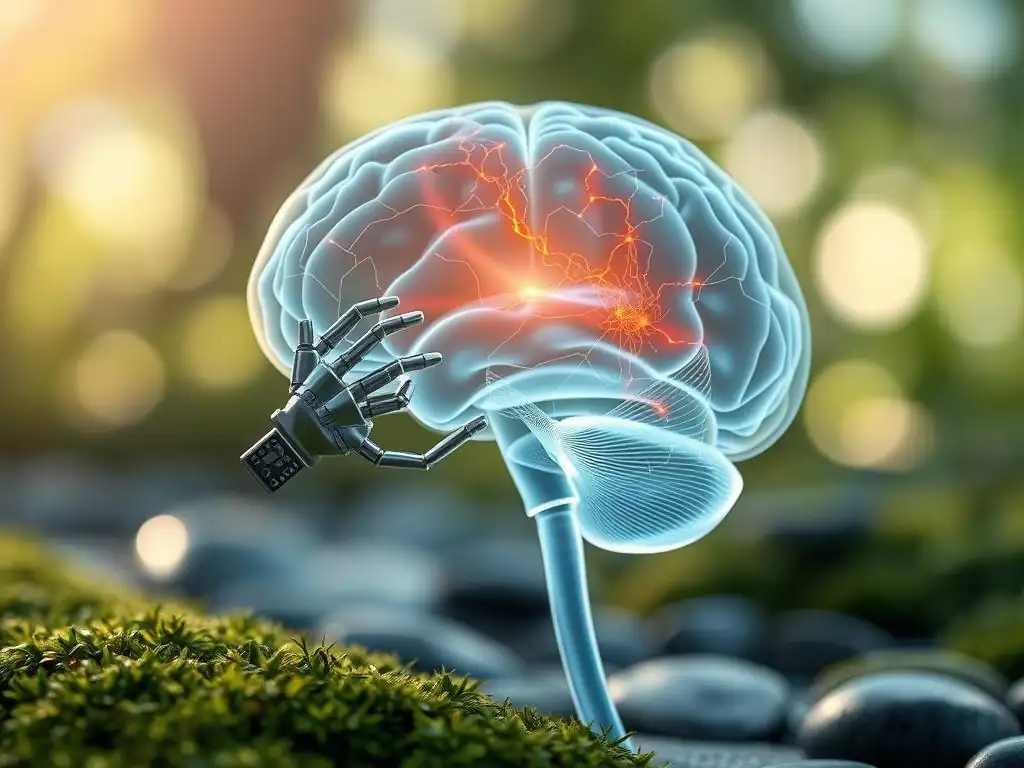
Welcome to Mind Care Guide, your trusted companion on the journey to mental well-being. Feeling frustrated by the fog of depression, especially when it impacts your focus and decision-making? You're not alone. Many experience the challenges of executive dysfunction alongside depression, and understanding your options is the first step towards reclaiming control. Dive into our insightful article, "Targeting the PFC: Treatment Strategies for Depression-Related Executive Deficits," and discover evidence-based approaches for executive dysfunction depression treatment. Are you ready to uncover practical strategies to sharpen your mind and improve your life?
Targeting the PFC: Treatment Strategies for Depression-Related Executive Deficits
- Understanding Executive Dysfunction in Depression
- Executive Dysfunction Depression Treatment: A Multifaceted Approach
- Targeted Interventions for Specific Executive Function Deficits
- Novel Approaches to Treating Executive Dysfunction in Depression
- Optimizing Treatment Outcomes for Executive Dysfunction and Depression
- The Future of Executive Dysfunction Depression Treatment
-
Frequently Asked Questions
- What is executive dysfunction, and how is it related to depression?
- Why is the Prefrontal Cortex (PFC) a key target in treating executive dysfunction related to depression?
- What are some treatment strategies specifically targeting the PFC to improve executive function in depressed individuals?
- How does medication play a role in addressing executive dysfunction alongside depression?
- What resources are available for individuals seeking help with executive dysfunction and depression?
- Final Reflection: Reframing Depression: The Path to Executive Function Recovery
- Unlock Your Executive Function: Take Charge of Your Well-being
Understanding Executive Dysfunction in Depression
The Role of the Prefrontal Cortex (PFC) in Executive Function
The prefrontal cortex (PFC), located at the front of the brain, is often described as the brain's executive control center. It plays a critical role in a wide array of cognitive processes collectively known as executive functions. These essential skills include planning, decision-making, working memory, impulse control, cognitive flexibility, and problem-solving.
The PFC allows us to regulate our thoughts, emotions, and actions to achieve goals and navigate complex situations effectively. Different subregions within the PFC are specialized for various functions; for instance, the dorsolateral PFC is heavily involved in working memory and planning, while the ventromedial PFC is more associated with emotional regulation and decision-making based on reward and risk.
Effective executive function is paramount for daily life, enabling individuals to manage tasks, maintain focus, and adapt to changing circumstances. When the PFC is not functioning optimally, these abilities can become impaired, leading to significant difficulties in various aspects of life, including work, relationships, and self-care. Understanding the intricate functions of the PFC provides a crucial foundation for comprehending how disruptions in this area can manifest as cognitive challenges, particularly in conditions like depression.
How Depression Impacts PFC Activity and Executive Skills
Major depressive disorder (MDD) is frequently linked to observable changes in brain structure and function, with the prefrontal cortex being particularly vulnerable. Research using neuroimaging techniques like fMRI often shows reduced activity in certain areas of the PFC, especially the dorsolateral and ventromedial regions, in individuals experiencing depression. This hypoactivity is thought to contribute directly to the executive function deficits commonly reported by depressed patients, such as difficulty concentrating, impaired decision-making, and problems with planning or initiating tasks.
Beyond reduced activity, depression can also affect the connectivity between the PFC and other brain regions, including the amygdala (involved in processing emotions) and the anterior cingulate cortex (involved in conflict monitoring and motivation). Disrupted communication within these neural circuits can further exacerbate executive dysfunction, leading to a cycle where negative mood impacts cognitive ability, which in turn can worsen depressive symptoms. Addressing these neural changes is a key aspect of effective executive dysfunction depression treatment.
Identifying Executive Function Deficits in Depressed Individuals
Executive function deficits in depression can vary in severity and presentation among individuals. Common signs include difficulty starting or completing tasks, problems with organization, impaired concentration, forgetfulness (especially regarding recent events or tasks), difficulty making decisions, feeling overwhelmed by choices, and trouble inhibiting impulsive behaviors or negative thoughts. These symptoms are often distinct from the core mood symptoms of depression but significantly impact a person's ability to function.
Formal assessment of executive function can be done through neuropsychological testing batteries that evaluate specific skills like working memory (e.g., digit span backward), planning (e.g., Tower of London test), cognitive flexibility (e.g., Wisconsin Card Sorting Test), and inhibitory control (e.g., Stroop test). Clinicians also rely on patient self-reports and observations from family members or caregivers to understand the real-world impact of these deficits. Recognizing and accurately identifying these specific challenges is the first step in tailoring an effective executive dysfunction depression treatment plan.
Executive Dysfunction Depression Treatment: A Multifaceted Approach
Targeting executive dysfunction in the context of depression requires a comprehensive strategy that often combines different therapeutic modalities. Because the deficits stem from complex neurobiological changes, a multifaceted approach is generally more effective than relying on a single type of intervention. This can involve pharmacological treatments aimed at restoring neurochemical balance, alongside non-pharmacological therapies designed to retrain cognitive skills and modify behavior.
The goal of executive dysfunction depression treatment is not just to alleviate mood symptoms but also to improve cognitive function, thereby enhancing overall functional recovery and quality of life. By addressing both the emotional and cognitive aspects of the illness, individuals are better equipped to engage in daily activities, maintain relationships, and pursue personal goals, which can also have a positive reciprocal effect on their mood.
Pharmaceutical Interventions for Improving Executive Function in Depression
Antidepressants and Cognitive Enhancement
Traditional antidepressant medications, primarily selective serotonin reuptake inhibitors (SSRIs) and serotonin-norepinephrine reuptake inhibitors (SNRIs), are the cornerstone of pharmacological executive dysfunction depression treatment. While their primary action is to modulate neurotransmitter levels associated with mood, many studies suggest they can also have positive effects on cognitive function, including executive skills. For example, SNRIs, which increase both serotonin and norepinephrine, might be particularly beneficial as norepinephrine is known to play a role in attention and executive control.
However, the cognitive benefits of standard antidepressants can be modest and may not fully resolve significant executive deficits for all patients. Some individuals may experience improvement in concentration and motivation as their mood lifts, but specific executive functions like complex planning or cognitive flexibility might remain impaired. This highlights the need for a comprehensive approach that may include augmenting antidepressant therapy or incorporating non-pharmacological strategies specifically targeting cognitive skills.
Stimulant Medications for Executive Dysfunction in Depression
In some cases, particularly when executive dysfunction symptoms like impaired concentration, inattention, or lack of motivation are prominent and persistent despite antidepressant treatment, stimulant medications might be considered as an augmentation strategy. Medications traditionally used for Attention-Deficit/Hyperactivity Disorder (ADHD), such as methylphenidate or amphetamine-based stimulants, work by increasing dopamine and norepinephrine levels, neurotransmitters crucial for executive function, attention, and motivation.
Clinical use of stimulants in depression with executive dysfunction is often cautiously approached and typically reserved for treatment-resistant cases or those with significant overlapping symptoms. While some studies and clinical experiences suggest potential benefits in improving focus and energy, their use requires careful monitoring due to potential side effects and abuse risk. They are not a standard first-line executive dysfunction depression treatment but can be a targeted option in specific clinical scenarios.
Non-Pharmaceutical Strategies for Addressing Executive Dysfunction
Cognitive Behavioral Therapy (CBT) for Executive Function Improvement
Cognitive Behavioral Therapy (CBT) is a widely used psychotherapy for depression that can indirectly and directly help improve executive function. CBT focuses on identifying and changing negative thought patterns and behaviors. By teaching individuals to challenge distorted thinking (e.g., "I'm too useless to start this task"), CBT can reduce the cognitive load imposed by negative rumination, freeing up mental resources needed for executive tasks.
Furthermore, behavioral components of CBT often involve structured activities and goal setting, which implicitly train planning, organization, and task initiation skills. A therapist might work with a patient to break down a large task into smaller, manageable steps, schedule activities, and monitor progress – all exercises that strengthen executive abilities. While not solely focused on cognitive remediation, the structured, problem-solving nature of CBT can be a valuable part of executive dysfunction depression treatment.
Cognitive Remediation Therapy (CRT) for Depression-Related Executive Deficits
Cognitive Remediation Therapy (CRT) is a specific type of therapy designed explicitly to improve cognitive skills, including executive functions. CRT approaches use targeted exercises and strategies to help individuals retrain their brains to perform specific cognitive tasks more effectively. This can involve computer-based training programs, group exercises, or individual sessions focusing on areas like working memory, planning, and problem-solving.
CRT for depression-related executive deficits tailors exercises to the specific impairments identified in a patient. For example, someone struggling with planning might work on sequencing tasks or developing step-by-step strategies for daily routines. The therapy emphasizes practice and generalization of skills to real-life situations. Research suggests that CRT can lead to measurable improvements in cognitive test performance and potentially enhance functional outcomes, making it a promising component of executive dysfunction depression treatment.
Mindfulness-Based Interventions for Enhancing Executive Control
Mindfulness-based interventions, such as Mindfulness-Based Cognitive Therapy (MBCT) or Mindfulness-Based Stress Reduction (MBSR), can also play a role in improving executive function in depressed individuals. Mindfulness practices cultivate present moment awareness without judgment. This training can enhance attention control and reduce the impact of distracting thoughts (like rumination), which are common in depression and interfere with executive tasks.
By practicing mindfulness, individuals can strengthen their ability to focus attention, inhibit automatic negative reactions, and develop greater awareness of their thought processes. While not a direct executive skills training, the improvements in attention regulation and reduced cognitive interference can indirectly support better executive functioning. This makes mindfulness a valuable complementary strategy within a broader executive dysfunction depression treatment plan.
Lifestyle Modifications: Diet, Exercise, and Sleep Hygiene for Executive Function
Lifestyle factors have a significant impact on brain health and cognitive function, including executive skills. Regular physical exercise has been shown to improve blood flow to the brain, promote neurogenesis (the growth of new neurons), and enhance the function of neurotransmitters like dopamine and norepinephrine, all of which support executive function. Even moderate exercise, like brisk walking for 30 minutes several times a week, can yield benefits.
Similarly, a balanced diet rich in omega-3 fatty acids, antioxidants, and vitamins is essential for brain health. Poor nutrition can impair cognitive function. Adequate and consistent sleep is also crucial; sleep deprivation significantly impairs attention, working memory, and decision-making. Addressing sleep hygiene problems common in depression (difficulty falling asleep, staying asleep, or oversleeping) is a vital step in supporting cognitive recovery and forms a foundational element of comprehensive executive dysfunction depression treatment.
Targeted Interventions for Specific Executive Function Deficits
Effective executive dysfunction depression treatment often involves tailoring interventions to the specific types of executive function deficits an individual experiences. While some therapies offer broad cognitive benefits, focusing on areas like working memory, inhibitory control, or planning can lead to more significant improvements in daily functioning. This personalized approach acknowledges that not all individuals with depression will have the same profile of cognitive impairments.
Identifying the most prominent deficits through assessment helps clinicians prioritize which skills to target. For example, someone struggling primarily with starting tasks might benefit more from behavioral activation and planning strategies, while someone with significant distractibility might benefit more from attention training exercises or mindfulness techniques.
Treatment Strategies for Working Memory Impairments in Depression
Working memory, the ability to hold and manipulate information in mind for short periods, is frequently impaired in depression. This can make it difficult to follow instructions, remember lists, or keep track of multiple pieces of information simultaneously. Treatment strategies for working memory deficits include specific cognitive training exercises, often delivered via computer programs, that involve tasks requiring individuals to remember and manipulate increasing amounts of information.
These programs, sometimes called "brain training" or cognitive remediation software, provide repetitive practice designed to strengthen the neural circuits supporting working memory. While the transfer of skills to complex real-world tasks can vary, consistent practice can lead to measurable improvements in working memory capacity. Therapists might also teach compensatory strategies, such as using lists, reminders, or breaking tasks down into smaller, less demanding steps, as part of executive dysfunction depression treatment.
Addressing Inhibitory Control Problems in Depressed Patients
Inhibitory control refers to the ability to suppress impulses, distractions, or unwanted thoughts or behaviors. Impairments in this area can manifest as difficulty stopping negative rumination, acting impulsively, or being easily distracted. Interventions targeting inhibitory control often involve techniques that train the ability to override automatic responses.
Mindfulness practices are particularly helpful here, as they cultivate the ability to notice thoughts and feelings without immediately acting on them or getting caught up in them. Cognitive exercises that require inhibiting prepotent responses (like the Stroop test) can also be used in therapy. Behavioral strategies like setting intentional pauses before reacting or developing specific plans for managing distractions are also key components of executive dysfunction depression treatment focused on inhibitory control.
Improving Cognitive Flexibility and Problem-Solving Skills
Cognitive flexibility is the ability to switch between different tasks or thought processes and adapt to changing rules or situations. Problem-solving involves identifying problems, generating solutions, and evaluating their effectiveness. Both skills are often compromised in depression, leading to feeling stuck, difficulty adapting to unexpected changes, or struggling to find solutions to life's challenges.
CBT and specific problem-solving therapies are valuable for these deficits. Problem-solving therapy explicitly teaches a structured approach to identifying problems, brainstorming solutions, evaluating pros and cons, and implementing a chosen solution. Cognitive remediation exercises might involve tasks that require shifting between different rules or perspectives. Learning to challenge rigid thinking patterns, a core element of CBT, also directly enhances cognitive flexibility, making these therapies crucial components of executive dysfunction depression treatment.
Enhancing Planning and Organization Abilities Through Therapy
Difficulty with planning and organization is a hallmark of executive dysfunction in depression, making it hard to initiate and complete tasks, manage time, and structure daily life. Therapeutic strategies for these deficits focus on teaching practical skills and developing helpful routines. This can involve goal setting, breaking down complex tasks into smaller steps, creating schedules, using organizational tools (like calendars, planners, or apps), and learning time management techniques.
Behavioral activation, a component of CBT, is often effective here, encouraging individuals to schedule and engage in enjoyable or meaningful activities, which requires planning and organization. Therapists work collaboratively with patients to develop realistic plans and troubleshoot potential obstacles. Consistent practice and reinforcement of these skills are essential for long-term improvement in executive function and overall recovery during executive dysfunction depression treatment.
Novel Approaches to Treating Executive Dysfunction in Depression
Beyond traditional pharmacological and psychological interventions, several novel approaches are emerging that directly target brain function to improve executive skills in depression. These methods often leverage our growing understanding of the neural circuits involved in both depression and executive function. While some are still considered experimental or are used in specific clinical settings, they represent promising avenues for future executive dysfunction depression treatment.
These innovative therapies aim to modulate brain activity in areas like the prefrontal cortex, which are often underactive or dysregulated in depression. By directly influencing neural circuits, they seek to improve cognitive function in ways that might complement or go beyond the effects of medication or traditional therapy.
Transcranial Magnetic Stimulation (TMS) for PFC Activation
Transcranial Magnetic Stimulation (TMS) is a non-invasive brain stimulation technique that uses magnetic pulses to stimulate specific areas of the brain. It is an approved treatment for major depression, typically targeting the dorsolateral prefrontal cortex (DLPFC). While its primary mechanism is thought to relate to mood regulation, there is growing interest in its potential to improve cognitive function, particularly executive skills, by increasing activity in the targeted PFC region.
Studies have shown that TMS applied to the left DLPFC, a common site for depression treatment, can lead to improvements in working memory and other executive functions in depressed patients. The effects vary, and more research is needed to fully understand the optimal protocols for cognitive enhancement specifically. However, TMS represents a direct way to modulate PFC activity and is a promising tool within the spectrum of executive dysfunction depression treatment options, especially for individuals who haven't responded to other therapies.
Neurofeedback for Enhancing Executive Function in Depression
Neurofeedback is a type of biofeedback that trains individuals to self-regulate their brain activity. Using electroencephalography (EEG) or fMRI, individuals receive real-time feedback on their brainwave patterns or brain activity in specific regions. They are then trained to alter their brain activity towards a desired pattern, such as increasing activity in areas of the PFC associated with executive function.
For individuals with depression and executive dysfunction, neurofeedback protocols might focus on increasing alpha or beta wave activity in prefrontal regions or normalizing connectivity patterns. The goal is to help patients gain conscious control over aspects of their brain function that support executive skills. While neurofeedback for depression and executive dysfunction is still an area of active research, preliminary findings suggest it could be a viable adjunctive treatment, offering a non-pharmacological way to directly target neural underpinnings of cognitive deficits as part of executive dysfunction depression treatment.
Digital Therapeutics for Executive Function Training
The rise of digital therapeutics, including mobile apps and online platforms, offers new ways to deliver cognitive training and support executive function in depression. These tools can provide engaging and accessible exercises designed to practice and improve specific cognitive skills like working memory, attention, and planning. Some platforms are designed as medical devices, undergoing clinical trials to demonstrate efficacy.
Digital therapeutics can offer personalized training programs, track progress, and provide exercises that adapt in difficulty. They can serve as a convenient way for individuals to supplement therapy or practice skills learned in CRT. While the effectiveness varies depending on the program, clinically validated digital therapeutics are becoming an increasingly relevant part of executive dysfunction depression treatment, offering scalable and accessible cognitive support.
Optimizing Treatment Outcomes for Executive Dysfunction and Depression
Treating executive dysfunction in depression is a complex process that often requires careful planning and ongoing adjustment. Simply treating the mood symptoms does not always resolve the cognitive deficits. Therefore, optimizing outcomes involves a strategic approach that considers the individual's unique profile of symptoms and challenges, integrating different treatment modalities, and monitoring progress closely.
The aim is to not only alleviate the burden of depressive symptoms but also to restore and enhance cognitive capacity, enabling individuals to achieve better functional recovery and improve their overall quality of life. This requires a collaborative effort between the patient and the clinical team, focusing on both short-term symptom relief and long-term skill building.
Combining Pharmacological and Non-Pharmacological Interventions
For many individuals with depression and significant executive dysfunction, the most effective executive dysfunction depression treatment involves a combination of approaches. Pharmacological interventions, such as antidepressants or potential augmentation strategies, can help normalize brain chemistry and improve overall mood and energy levels, creating a foundation for cognitive work.
Simultaneously, non-pharmacological therapies like CBT, CRT, or mindfulness-based practices provide targeted strategies for retraining cognitive skills, developing coping mechanisms, and building healthy habits. Combining these approaches addresses both the neurobiological and behavioral aspects of the illness, offering a more comprehensive path to recovery. For example, medication might help improve motivation enough for a patient to engage more effectively in CRT exercises.
Personalized Treatment Plans Based on Individual Deficit Profiles
Given the variability in how executive dysfunction presents in depression, personalized treatment plans are crucial. A thorough assessment of specific deficits – whether they primarily involve working memory, planning, inhibition, or flexibility – allows clinicians to tailor interventions to the individual's greatest needs. For instance, someone with severe planning deficits might benefit more from extensive behavioral scheduling and organizational training than someone whose main issue is distractibility.
Personalization extends beyond identifying deficits; it also considers the individual's preferences, strengths, lifestyle, and access to resources. A treatment plan should be a collaborative effort, ensuring the patient is engaged and the strategies are practical and sustainable in their daily life. This tailored approach is fundamental to effective executive dysfunction depression treatment.
Monitoring Progress and Adjusting Treatment Strategies
Effective executive dysfunction depression treatment requires ongoing monitoring of both mood symptoms and cognitive function. This can involve regular clinical interviews, mood questionnaires, and potentially periodic cognitive assessments. Tracking progress helps determine if the chosen interventions are effective and identifies areas where adjustments may be needed.
If a particular strategy isn't yielding the desired results, the treatment plan can be modified. This might involve changing medication dosage or type, adjusting the focus of therapy, incorporating new techniques (like digital therapeutics), or exploring novel approaches like TMS if appropriate. A flexible and responsive approach ensures that the treatment remains aligned with the individual's evolving needs and progress towards recovery.
The Future of Executive Dysfunction Depression Treatment
The field of neuroscience continues to deepen our understanding of the complex relationship between the prefrontal cortex, executive function, and depression. This ongoing research is paving the way for more targeted and effective treatments for executive dysfunction in depressed individuals. The future holds promise for interventions that are more precise, personalized, and potentially preventative.
As technology advances and our understanding of brain circuitry improves, we can anticipate innovative therapies that directly address the neural underpinnings of cognitive deficits in depression. This focus on the biological basis of executive dysfunction, combined with psychological and lifestyle interventions, will likely lead to more complete and sustained recoveries for individuals affected by this challenging aspect of depression.
Research Directions and Emerging Therapies
Current research in executive dysfunction depression treatment is exploring various avenues. One area involves identifying specific biomarkers (e.g., genetic markers, neuroimaging patterns, or physiological measures) that predict which individuals are most likely to experience executive deficits and which treatments they might respond best to. This could lead to more precise, personalized medicine approaches.
Emerging therapies are also investigating novel drug targets that specifically modulate neurotransmitter systems or neural circuits involved in executive function, potentially offering cognitive benefits independent of mood effects. Furthermore, research into advanced neurostimulation techniques (like tDCS or focused ultrasound) and more sophisticated neurofeedback methods continues, aiming to provide highly targeted interventions for PFC dysfunction. The development of more sophisticated digital therapeutics and virtual reality-based cognitive training programs is also a rapidly expanding area.
The Importance of Early Intervention and Prevention
Addressing executive dysfunction early in the course of depression is increasingly recognized as crucial for improving long-term outcomes. Untreated or persistent cognitive deficits can significantly impair functional recovery, even if mood symptoms improve. Early identification and intervention can help prevent the consolidation of these deficits and mitigate their impact on daily life, work, and relationships.
Furthermore, understanding the risk factors for developing executive dysfunction in depression (e.g., specific genetic predispositions, early life stress, or the severity/chronicity of depressive episodes) could lead to preventative strategies. Promoting brain health through lifestyle interventions, managing stress, and addressing early signs of depression might help preserve executive function. A focus on prevention and early executive dysfunction depression treatment holds the potential to reduce the overall burden of this challenging aspect of the illness.
Frequently Asked Questions
Executive dysfunction refers to impairments in cognitive processes like planning, organization, and working memory. In depression, these functions are often significantly impacted, making daily tasks and responsibilities challenging.
The Prefrontal Cortex (PFC) is the brain region primarily responsible for executive functions. Focusing treatment strategies on the PFC aims to restore or improve its functionality, thus alleviating executive deficits.
What are some treatment strategies specifically targeting the PFC to improve executive function in depressed individuals?
Treatment can include cognitive remediation therapy, which aims to improve cognitive skills. Additionally, brain stimulation techniques like Transcranial Magnetic Stimulation (TMS) can directly stimulate the PFC.
How does medication play a role in addressing executive dysfunction alongside depression?
Certain antidepressants may improve executive function by modulating neurotransmitter levels in the PFC. Furthermore, stimulant medications sometimes are prescribed off-label to treat executive deficits, but careful monitoring is essential.
What resources are available for individuals seeking help with executive dysfunction and depression?
Resources like Mind Care Guide offer information, support groups, and links to qualified mental health professionals. Seeking a comprehensive assessment is the first step in developing an effective treatment plan.
Final Reflection: Reframing Depression: The Path to Executive Function Recovery
The pervasive impact of depression extends far beyond low mood; it significantly impairs executive function, affecting daily life in profound ways. Understanding and addressing these executive deficits is crucial not only for alleviating depressive symptoms but also for fostering long-term recovery and improved quality of life. This is no longer a niche area of research; it's a critical component of effective depression treatment.
The journey to reclaiming executive function after a depressive episode is deeply personal, a testament to resilience and the power of targeted interventions. The struggle is real, and the path to recovery can feel long and arduous. Yet, the progress made, even in small steps, is incredibly meaningful. The most beautiful discovery true friends make is that they can grow separately without growing apart.
This quote, while seemingly unrelated to depression, speaks to the importance of self-compassion and the understanding that recovery is a unique and individual process. The strategies outlined in this article offer a framework, but the application and success will be uniquely yours.
You, the reader, are now equipped with a deeper understanding of the intricate relationship between depression and executive dysfunction. Consider the ways in which executive deficits might be impacting your life, or the lives of those you care about. Take the time to reflect on your own strengths and challenges, and explore the treatment options discussed here. Remember, seeking professional help is a sign of strength, not weakness. Embrace the opportunity to reclaim your executive function and build a more fulfilling and empowered future. The path to recovery is within reach.
Unlock Your Executive Function: Take Charge of Your Well-being
Thanks for taking the time to explore the complexities of depression-related executive deficits and how targeting the prefrontal cortex can pave the way for improved mental health. You've gained valuable insights into effective strategies; now let's put that knowledge into action!
- Prioritize one small, achievable goal: Identify a single area where executive function impacts your daily life (e.g., time management, organization, or task initiation) and set a small, realistic goal to improve it this week. This is your key step towards positive change.
- Share your insights: Discuss what you've learned with a trusted friend, family member, or therapist. Sharing your knowledge can strengthen your commitment and help others.
- Explore mindfulness techniques: Try a 5-minute guided meditation focusing on present moment awareness – a powerful tool for improving focus and attention.
Ready to experience the positive impact of actively engaging your prefrontal cortex? What small step will you take today to strengthen your executive function?