
The Secret Highway to Your Mood: How Your Gut Talks to Your Brain

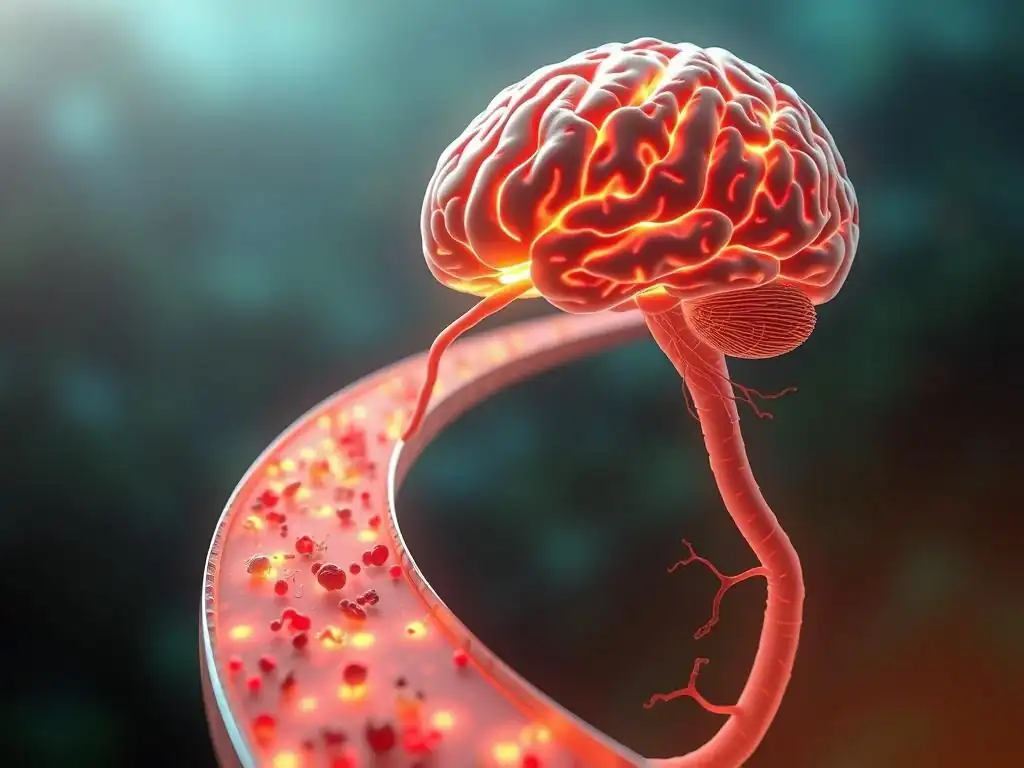
Welcome to Mind Care Guide, a safe space to explore the intricate landscape of your mental well-being. Are you struggling to understand the subtle cues your body is sending? Perhaps the answer lies closer than you think... In this article, we delve into the fascinating gut-brain connection and its profound impact on your mental health. Discover how nourishing your gut could unlock a happier, healthier you, and begin your journey to understanding this vital link. Ready to unravel the secrets?
The Gut-Brain Axis: Fueling Mood and Mental Wellness
- Understanding the Gut-Brain Axis and Mental Health
- The Gut's Role in Mental Health Disorders
- Key Players in Gut-Brain Communication
- Optimizing Gut Health for Improved Mental Well-being
- Practical Steps to Enhance Your Gut-Brain Connection
- The Future of Gut-Brain Research and Mental Health Treatment
-
Frequently Asked Questions
- How does the gut-brain connection specifically impact mental health?
- What role do probiotics and prebiotics play in the gut-brain axis?
- Can dietary changes really improve my mental well-being through the gut-brain connection?
- What are some early signs that my mental health might be affected by my gut health?
- Where can I find reliable resources and support for improving my gut health to benefit my mental well-being?
- Final Reflection: Unlocking the Mind-Gut Connection for a Healthier You
- Unlock Your Gut-Brain Connection Today!
Understanding the Gut-Brain Axis and Mental Health
The intricate connection between your digestive system and your brain is far more profound than simply processing food. This complex communication network, known as the gut-brain axis, plays a pivotal role in regulating not just digestion but also mood, stress response, and overall mental well-being. Understanding this vital link is key to unlocking a more holistic approach to mental health.
Recent scientific discoveries are continually shedding light on how signals travel between the gut and the brain, influencing everything from our emotional state to our cognitive functions. This bidirectional communication highway impacts how we feel, think, and even behave, highlighting the critical importance of addressing gut health when considering mental health challenges.
The Gut-Brain Connection: A Two-Way Street
The gut-brain axis is a sophisticated system of communication involving neural, hormonal, and immunological pathways. It's not a one-way street where the brain simply dictates gut function; rather, signals travel in both directions, creating a constant dialogue that influences various physiological processes. This constant feedback loop means that the state of your gut can significantly impact your brain, and vice versa.
This bidirectional link is mediated by several key components, including the vagus nerve, the endocrine system (hormones), the immune system, and the gut microbiome itself. For instance, stress originating in the brain can alter gut motility and permeability, while signals from the gut, such as those from gut bacteria, can influence mood and cognitive function. Recognizing this two-way street is fundamental to appreciating the complexity of the gutbrain connection mental health.
How the Gut Microbiome Influences Mental Well-being
The gut microbiome, the vast community of microorganisms residing in your digestive tract, is a major player in the gut-brain axis. These microbes, including bacteria, viruses, and fungi, produce various compounds that can directly or indirectly affect brain function and mental state. A diverse and balanced microbiome is often associated with better mental health outcomes, while imbalances (dysbiosis) have been linked to various psychological conditions.
Specific types of gut bacteria can produce neurotransmitters, short-chain fatty acids (SCFAs), and other metabolites that enter the bloodstream and reach the brain, influencing neural activity and inflammation. For example, certain bacteria contribute to the production of GABA, a calming neurotransmitter, while others might produce compounds that increase inflammation, potentially impacting mood and contributing to symptoms of anxiety or depression. Research into the gutbrain connection mental health frequently focuses on the specific roles of different microbial species.
The Vagus Nerve: Your Body's Information Superhighway
The vagus nerve is the longest cranial nerve in the body, extending from the brainstem down through the neck and chest to the abdomen, where it connects with major organs, including the gut. It serves as a primary communication pathway in the gut-brain axis, transmitting signals in both directions. Approximately 80-90% of vagal nerve fibers carry information from the gut to the brain, providing the brain with crucial updates on the state of the digestive system and its microbial inhabitants.
This nerve's activity is closely linked to the parasympathetic nervous system, often associated with the "rest and digest" state. Stimulating the vagus nerve can have calming effects and has been explored as a therapeutic approach for conditions like depression and anxiety. The constant flow of information via the vagus nerve underscores how intimately connected the gut and brain are in regulating physiological responses and influencing the gutbrain connection mental health.
The Gut's Role in Mental Health Disorders
Mounting evidence suggests that disruptions in the gut-brain axis can contribute to the development and severity of various mental health disorders. While not the sole cause, imbalances in the gut microbiome or altered gut function are increasingly recognized as significant factors that can exacerbate symptoms or increase susceptibility to conditions like anxiety and depression.
Research in this area is rapidly expanding, highlighting the potential for targeting the gut as a novel approach to mental health treatment. Understanding these links provides new avenues for intervention and support for individuals struggling with these challenges.
Gut Dysbiosis and its Link to Anxiety
Gut dysbiosis, an imbalance in the composition and function of the gut microbiome, has been consistently associated with increased anxiety levels. Studies in both animals and humans have shown that altering the gut microbial community can influence anxiety-like behaviors and symptoms. For example, transferring the gut microbiota from anxious individuals to germ-free mice can induce anxious behaviors in the recipients.
Potential mechanisms include altered production of neurotransmitters like GABA, increased gut permeability ("leaky gut") leading to systemic inflammation, and changes in stress hormone regulation. This complex interplay demonstrates how disruptions in the delicate balance of gut bacteria can directly impact the neural circuits involved in fear and anxiety, underscoring the importance of the gutbrain connection mental health in anxiety disorders.
The Connection Between Gut Health and Depression
Depression is another mental health condition strongly linked to gut health. Individuals with depression often exhibit distinct differences in their gut microbiome composition compared to healthy individuals. These differences can include reduced diversity or altered ratios of specific bacterial species known to produce beneficial metabolites.
One prominent link involves inflammation. Gut dysbiosis can trigger a low-grade systemic inflammatory response, and chronic inflammation is increasingly recognized as a contributor to the pathophysiology of depression. Furthermore, altered gut bacteria can affect the production and metabolism of tryptophan, an amino acid precursor to serotonin, a key neurotransmitter involved in mood regulation. This multifaceted connection highlights how addressing gut health is a vital component in understanding and managing depression through the lens of the gutbrain connection mental health.
Inflammatory Bowel Disease (IBD) and Mental Health: A Complex Relationship
Individuals diagnosed with Inflammatory Bowel Disease (IBD), such as Crohn's disease and ulcerative colitis, experience chronic inflammation in the digestive tract. This persistent inflammation is closely linked to a higher prevalence of mental health conditions, particularly anxiety and depression. Estimates suggest that up to 40% of IBD patients experience significant anxiety, and around 25% report clinical depression, rates significantly higher than in the general population.
The relationship is complex and likely bidirectional. IBD-related inflammation can disrupt the gut barrier, increase gut permeability, and directly activate immune and neural pathways that signal the brain, contributing to mood disturbances. Conversely, stress and psychological factors can exacerbate IBD symptoms. This clear example demonstrates the potent influence of chronic gut inflammation on mental state and the significant clinical relevance of the gutbrain connection mental health in chronic conditions.
Key Players in Gut-Brain Communication
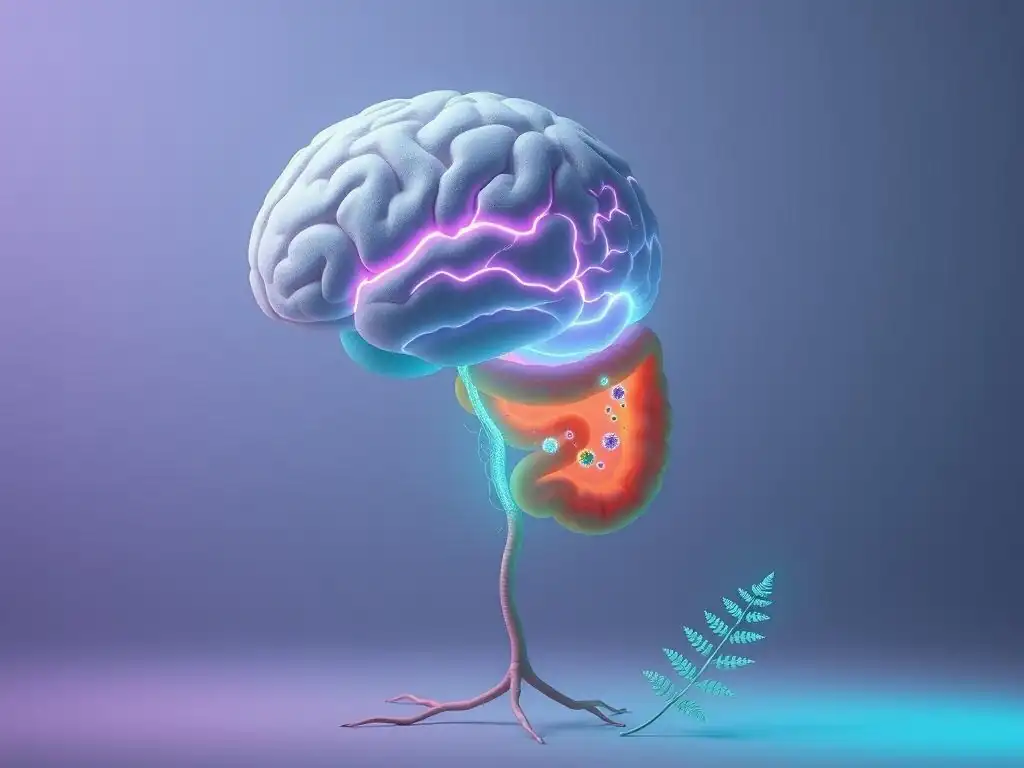
The constant dialogue between the gut and the brain is facilitated by a cast of molecular messengers and cellular structures. Understanding these key players provides deeper insight into the mechanisms underpinning the gut-brain axis and how they influence mental well-being. These components work in concert to relay information about the state of the gut to the central nervous system.
From microbial products to immune signals, these factors collectively orchestrate the complex interactions that shape our mood, stress response, and cognitive function. Identifying and studying these mediators is crucial for developing targeted interventions aimed at optimizing the gutbrain connection mental health.
Neurotransmitters Produced in the Gut: Serotonin, Dopamine, and GABA
Surprisingly, the gut is a major production site for several neurotransmitters traditionally associated with the brain. Serotonin, often called the "feel-good" neurotransmitter, is perhaps the most striking example; approximately 90% of the body's serotonin is produced by specialized cells in the gut lining. This gut-derived serotonin plays crucial roles in regulating gut motility but also signals the brain via the vagus nerve or bloodstream, influencing mood and behavior.
Other neurotransmitters like dopamine and gamma-aminobutyric acid (GABA) are also influenced by gut bacteria. Certain gut microbes can produce GABA, a primary inhibitory neurotransmitter that promotes relaxation and reduces anxiety. While the exact extent to which gut-produced neurotransmitters directly cross the blood-brain barrier is debated, their influence on the gut-brain axis through various pathways, including vagal nerve signaling and systemic circulation, is well-established. This highlights the gut's significant, often underestimated, role in regulating brain chemistry and the gutbrain connection mental health.
Short-Chain Fatty Acids (SCFAs): Fueling Brain Health from the Gut
Short-chain fatty acids (SCFAs) are beneficial metabolites produced when gut bacteria ferment dietary fiber that humans cannot digest. The main SCFAs are acetate, propionate, and butyrate. Butyrate, in particular, is a primary energy source for colon cells and plays a vital role in maintaining gut barrier integrity, reducing inflammation, and potentially signaling the brain.
SCFAs can cross the blood-brain barrier and exert direct effects on brain function. They can influence neurotransmitter synthesis, regulate neuroinflammation, and support neuronal health. For instance, butyrate has been shown to have neuroprotective effects and may influence mood and memory. The production of these crucial compounds by the gut microbiome underscores how dietary choices, particularly fiber intake, directly impact brain health and the gutbrain connection mental health.
The Immune System's Role in the Gut-Brain Axis
The gut houses a significant portion of the body's immune cells, making it a major hub for immune activity. The immune system in the gut constantly interacts with the gut microbiome, monitoring for pathogens while maintaining tolerance to beneficial bacteria. This immune activity in the gut can profoundly influence the brain.
Inflammatory signals produced in the gut, such as cytokines, can travel through the bloodstream or via the vagus nerve to the brain, triggering neuroinflammation. Chronic low-grade inflammation originating in the gut has been implicated in various mental health conditions, including depression and anxiety. Conversely, beneficial gut bacteria can produce anti-inflammatory compounds. This intricate interplay between the gut immune system, the microbiome, and the brain is a critical aspect of the gutbrain connection mental health.
Optimizing Gut Health for Improved Mental Well-being
Given the profound influence of the gut on mental health, strategies aimed at optimizing gut health offer promising avenues for improving mood, reducing anxiety, and supporting overall psychological resilience. Focusing on dietary interventions and lifestyle changes can help foster a healthier gut microbiome and strengthen the beneficial communication along the gut-brain axis.
Adopting gut-friendly habits can lead to tangible improvements in digestive comfort and contribute significantly to enhanced mental clarity and emotional stability. This proactive approach empowers individuals to take charge of their well-being by nurturing their inner ecosystem and supporting the gutbrain connection mental health.
Dietary Strategies to Support a Healthy Gut Microbiome
Diet is arguably the most influential factor shaping the gut microbiome. What we eat directly feeds our gut bacteria, either supporting the growth of beneficial microbes or promoting the proliferation of less desirable ones. A diet rich in diverse plant fibers and fermented foods is generally considered beneficial for fostering a healthy and diverse gut ecosystem.
Conversely, diets high in processed foods, sugar, and unhealthy fats can negatively impact microbial balance and increase gut inflammation. Making conscious dietary choices is a fundamental step in cultivating a gut environment that supports optimal brain function and strengthens the gutbrain connection mental health.
Probiotics and Prebiotics: Nurturing Beneficial Gut Bacteria
Probiotics are live beneficial bacteria that, when consumed in adequate amounts, confer a health benefit to the host. They can be found in fermented foods like yogurt, kefir, sauerkraut, kimchi, and tempeh, or taken as supplements. Different probiotic strains may offer varying benefits, some of which have been studied for their potential effects on mood and anxiety.
Prebiotics are non-digestible fibers that selectively feed beneficial bacteria already residing in the gut. Think of them as fertilizer for your gut microbes. Excellent sources of prebiotics include garlic, onions, leeks, asparagus, bananas, and oats. Combining probiotics and prebiotics, often referred to as synbiotics, can be a powerful strategy to nourish and maintain a thriving gut microbiome, thereby supporting the gutbrain connection mental health.
The Importance of Fiber for Gut and Brain Health
Dietary fiber is essential for gut health, serving as the primary food source for beneficial gut bacteria. When these bacteria ferment fiber, they produce beneficial SCFAs, such as butyrate, which nourish colon cells and have widespread systemic effects, including on the brain. Different types of fiber feed different bacteria, emphasizing the importance of consuming a wide variety of plant-based foods.
Adequate fiber intake promotes regular bowel movements, helps maintain a healthy weight, and reduces the risk of chronic diseases. For the gut-brain axis, sufficient fiber ensures the production of those vital SCFAs that support gut barrier integrity and directly influence brain health. Aiming for the recommended daily intake of around 25-30 grams of fiber can significantly benefit both digestive and mental well-being, reinforcing the positive aspects of the gutbrain connection mental health.
Foods to Avoid: Inflammatory Triggers in the Gut
While focusing on what to eat is crucial, identifying foods that can harm gut health is equally important. Diets high in refined sugars, unhealthy saturated and trans fats, and highly processed foods can promote the growth of pro-inflammatory bacteria and increase gut permeability. Artificial sweeteners and emulsifiers found in processed foods have also been shown in some studies to negatively impact the gut microbiome.
Excessive alcohol consumption can also disrupt gut microbial balance and damage the gut lining. Reducing or eliminating these inflammatory triggers can help restore balance to the gut microbiome, decrease systemic inflammation, and remove potential roadblocks to a healthy gutbrain connection mental health.
Lifestyle Factors Influencing the Gut-Brain Connection
Beyond diet, several lifestyle factors significantly impact the health of your gut and, consequently, your mental well-being. Chronic stress, poor sleep patterns, and lack of physical activity can all negatively influence the gut microbiome and the communication pathways between the gut and the brain.
Addressing these aspects of your daily life complements dietary strategies and provides a more comprehensive approach to supporting the gutbrain connection mental health. Making positive changes in these areas can create a more favorable environment for both your gut and your mind.
Stress Management Techniques for Gut Health
Stress is a powerful modulator of the gut-brain axis. Chronic stress can alter gut motility, increase gut permeability, change gut microbiome composition, and influence the production of stress hormones that impact gut function. This can exacerbate digestive issues and contribute to symptoms of anxiety and depression.
Implementing effective stress management techniques is therefore vital for supporting gut health. Practices such as mindfulness meditation, deep breathing exercises, yoga, spending time in nature, or engaging in hobbies can help activate the parasympathetic nervous system, promoting relaxation and positively influencing the gut. Prioritizing stress reduction is a critical component in maintaining a healthy gutbrain connection mental health.
The Impact of Sleep on Gut Microbiome and Mental State
Sleep and the gut microbiome have a bidirectional relationship. Disruptions to sleep patterns, such as those caused by shift work or insufficient sleep, can negatively alter the composition and diversity of the gut microbiome. Conversely, the gut microbiome may also influence sleep quality and circadian rhythms.
Poor sleep is a known risk factor for mental health issues like anxiety and depression. By negatively impacting the gut microbiome and increasing inflammation, sleep deprivation can further impair the gutbrain connection mental health. Prioritizing 7-9 hours of quality sleep per night is essential not just for cognitive function but also for supporting a healthy gut ecosystem and emotional resilience.
Exercise and its Positive Effects on Gut-Brain Communication
Regular physical activity has numerous health benefits, including a positive impact on the gut microbiome. Studies suggest that exercise can increase the diversity and abundance of beneficial gut bacteria, particularly those that produce SCFAs. Exercise may also improve gut motility and reduce inflammation.
The mechanisms by which exercise influences the gut-brain axis are multifaceted, potentially involving changes in SCFA production, reduced inflammation, and improved circulation. Consistent exercise can contribute to a healthier gut environment, which in turn supports better brain function and mood regulation, reinforcing the positive influence of the gutbrain connection mental health.
Practical Steps to Enhance Your Gut-Brain Connection
Understanding the science is the first step; implementing practical strategies is the next. Taking concrete actions to support your gut health can lead to noticeable improvements in your mental well-being. This involves paying attention to your body's signals, seeking professional guidance when needed, and committing to sustainable, long-term habits.
Empowering yourself with actionable steps allows you to actively work towards optimizing your gutbrain connection mental health. It's a journey that requires patience and consistency, but the potential rewards for both physical and mental health are significant.
Identifying Potential Gut Issues: Symptoms and Testing
Recognizing signs of potential gut issues is crucial. Common symptoms can include bloating, gas, abdominal pain, constipation, diarrhea, and food sensitivities. However, less obvious signs like fatigue, skin problems (e.g., eczema), joint pain, and mood disturbances can also be linked to underlying gut imbalances.
If you suspect gut issues are impacting your health, various testing options are available, though their accessibility and clinical utility can vary. These might include stool analysis to assess microbial composition, diversity, and markers of inflammation or gut permeability. Breath tests can help identify small intestinal bacterial overgrowth (SIBO). While testing can provide insights, symptoms often provide valuable clues. Paying close attention to how different foods and lifestyle factors affect your digestion and mood is a practical starting point for addressing the gutbrain connection mental health.
Personalized Approaches to Gut Health: Consulting with a Healthcare Professional
Given the complexity of the gut-brain axis and the individuality of each person's microbiome, a one-size-fits-all approach to gut health is rarely effective. Consulting with a healthcare professional, such as a doctor, registered dietitian, or a practitioner specializing in gut health, can provide personalized guidance.
They can help assess your specific symptoms, health history, and potentially recommend appropriate testing. Based on this information, they can help you develop a tailored plan that may include dietary modifications, targeted probiotic or prebiotic supplementation, or other interventions. Working with a professional ensures that your approach to improving your gutbrain connection mental health is safe, effective, and addresses your unique needs.
Long-Term Strategies for Maintaining a Healthy Gut-Brain Axis
Optimizing the gut-brain connection is not a quick fix but a commitment to long-term well-being. Maintaining a healthy gut requires consistent effort in adopting and sustaining beneficial dietary and lifestyle habits. This includes consistently consuming a diverse, fiber-rich diet, managing stress effectively, prioritizing sufficient sleep, and engaging in regular physical activity.
It also involves listening to your body and making adjustments as needed. Gut health can fluctuate based on factors like stress levels, travel, or illness. Building resilience in your gut microbiome through consistent healthy practices helps your system better navigate these fluctuations. Committing to these long-term strategies is key to reaping the sustained benefits for both your digestive health and your gutbrain connection mental health.
The Future of Gut-Brain Research and Mental Health Treatment
The field of gut-brain axis research is one of the most dynamic areas in science today, holding immense promise for future mental health treatments. Scientists are rapidly unraveling the intricate mechanisms by which the gut influences the brain, opening up exciting possibilities for novel therapeutic interventions.
This burgeoning understanding suggests a paradigm shift in how we approach mental health, moving towards more holistic and personalized strategies that consider the profound influence of the digestive system. The potential to leverage the gutbrain connection mental health for therapeutic benefit is a major focus of ongoing research.
Emerging Therapies Targeting the Gut-Brain Connection
Several innovative therapies are being explored that directly target the gut to influence mental health. These include:
- Fecal Microbiota Transplantation (FMT): Transferring stool from a healthy donor to a recipient to reshape the recipient's gut microbiome. While primarily used for recurrent Clostridioides difficile infection, research is exploring its potential for other conditions, including mood disorders, though this is still highly experimental for mental health.
- Psychobiotics: Probiotics or prebiotics that, when ingested, produce a mental health benefit. Specific strains are being investigated for their ability to reduce anxiety, improve mood, or modulate the stress response.
- Targeted Microbial Therapies: Developing therapies using specific consortia of beneficial bacteria or microbial metabolites to address imbalances associated with particular mental health conditions.
These emerging therapies represent the cutting edge of leveraging the gutbrain connection mental health for therapeutic purposes, moving beyond traditional pharmacological approaches.
The Potential of Microbiome-Based Interventions for Mental Health
The increasing understanding of the gut microbiome's influence on the brain highlights the significant potential of microbiome-based interventions for mental health. Instead of solely targeting brain chemistry with pharmaceuticals, future treatments may involve modifying the gut ecosystem to indirectly or directly influence brain function and emotional state.
This could range from personalized dietary recommendations and specific prebiotic/probiotic regimens to more advanced therapies like microbial transplants or engineered bacteria designed to produce therapeutic compounds in the gut. The goal is to restore a healthy microbial balance and enhance the beneficial signaling along the gut-brain axis, offering new hope for individuals with treatment-resistant depression or anxiety by addressing the root cause linked to the gutbrain connection mental health.
Gut Health and Mental Health: A Holistic Approach to Wellness
Ultimately, the growing evidence for the gutbrain connection mental health reinforces the importance of a holistic approach to wellness. It moves away from viewing the brain and the gut as separate entities and instead recognizes them as parts of an integrated system. Achieving optimal mental well-being involves nurturing the entire system, starting with the foundations of gut health.
This means integrating dietary choices, stress management, sleep hygiene, and physical activity as fundamental components of mental health care. While conventional mental health treatments remain vital, incorporating strategies that support the gut-brain axis offers a powerful, complementary path towards greater resilience, improved mood, and enhanced overall vitality. Embracing this holistic perspective is key to unlocking the full potential of the gutbrain connection mental health for a healthier mind and body.
Frequently Asked Questions
How does the gut-brain connection specifically impact mental health?
The gut microbiome influences mental health through the production of neurotransmitters and modulation of the immune system. These processes can directly affect brain function and emotional regulation, impacting conditions like anxiety and depression.
What role do probiotics and prebiotics play in the gut-brain axis?
Probiotics introduce beneficial bacteria to the gut, while prebiotics provide nourishment for these bacteria. A balanced gut microbiome supports mental well-being by reducing inflammation and improving neurotransmitter production.
Can dietary changes really improve my mental well-being through the gut-brain connection?
Yes, dietary adjustments focused on a gut-friendly diet can positively impact mental health. Emphasizing fiber-rich foods, fermented foods, and minimizing processed foods can create a healthier gut environment and improve mood.
What are some early signs that my mental health might be affected by my gut health?
Common signs include digestive issues like bloating, constipation, or diarrhea co-occurring with mood swings, anxiety, or brain fog. Recognizing this connection early can help you take proactive steps.
Where can I find reliable resources and support for improving my gut health to benefit my mental well-being?
Websites like Mind Care Guide offer valuable information, support groups, and expert advice on the gut-brain connection and strategies for improving both gut and mental health. Seeking guidance from a healthcare professional is also recommended.
Final Reflection: Unlocking the Mind-Gut Connection for a Healthier You
The intricate relationship between our gut and our brain is no longer a scientific curiosity; it's a fundamental key to understanding and improving mental health. Ignoring this powerful connection is akin to ignoring half the equation when it comes to overall well-being. The implications for preventative care and personalized treatment strategies are profound and far-reaching.
The more I researched the gut-brain axis, the more I realized how deeply intertwined our physical and mental health truly are. This isn't just about digestive issues; it's about anxiety, depression, even cognitive function. The sheer complexity of the microbiome and its influence on neurotransmitters is breathtaking. The gut is the second brain,
a phrase often used, truly undersells the intricate bidirectional communication system at play. Understanding this connection empowers us to take proactive steps towards better mental and physical health.
Now, consider your own relationship with your gut health. Are you nourishing it with the foods and lifestyle choices it needs to thrive? This isn't about restrictive diets or quick fixes; it's about cultivating a mindful approach to your overall well-being, starting with the often-overlooked powerhouse within you. Take a moment to reflect on your daily habits—what can you change today to strengthen this vital connection and pave the way for a brighter, healthier future? The journey to better mental health begins with understanding the secret highway that connects your gut and your brain.
Unlock Your Gut-Brain Connection Today!
Thanks for taking the time to explore the fascinating world of your gut-brain connection! We hope you gained valuable insights into how your gut health impacts your mood and overall well-being. Now, it's time to put this knowledge into action.
Here are a few steps you can take to nurture your gut and improve your mood:
- Prioritize prebiotic and probiotic-rich foods: Start incorporating fermented foods like yogurt and kimchi, or high-fiber fruits and vegetables into your diet this week. This is the key step to a happier, healthier gut.
- Share your newfound knowledge: Tell a friend or family member about the gut-brain connection – you might just inspire them to improve their well-being too!
- Explore mindful eating practices: Try to pay closer attention to your eating habits and savor your meals. Notice how different foods affect your mood and energy levels.
What's one small change you can make today to nurture your gut-brain connection? Let's discuss in the comments below!