
The Secret Life of Glial Cells: Their Role in Brain Inflammation and Mental Illness

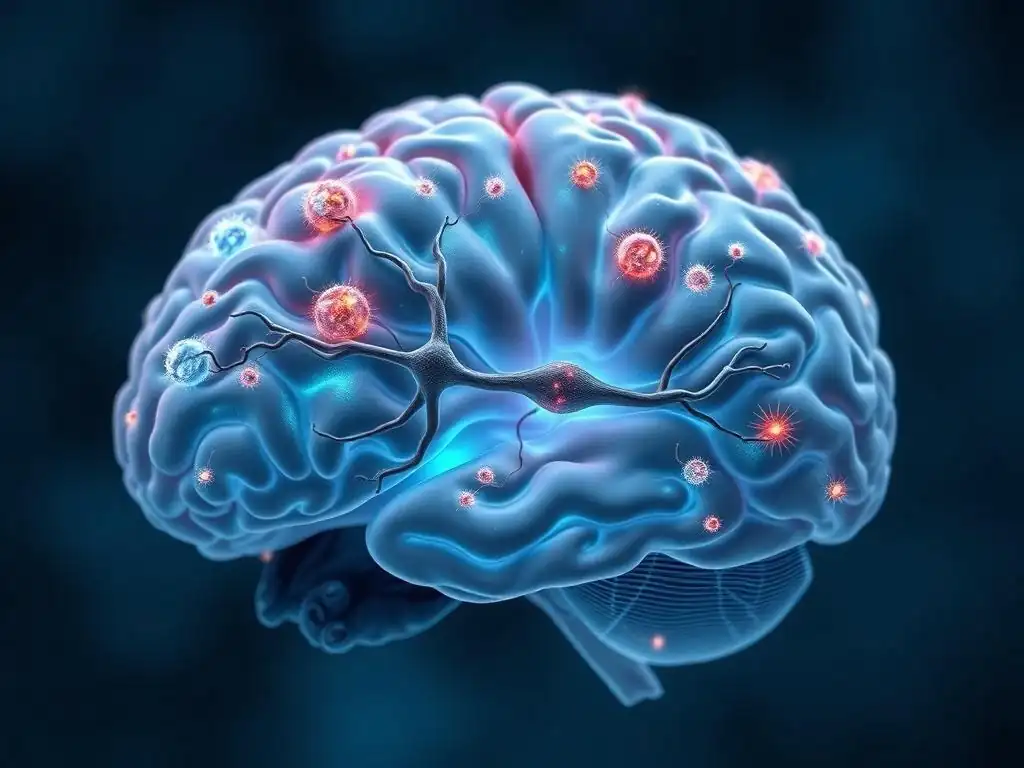
Welcome to Mind Care Guide, a space dedicated to understanding and nurturing your mental well-being.
Ever wondered if the key to unlocking the mysteries of mental illness lies hidden within the brain's unsung heroes? Dive into our latest article to explore the fascinating world of glial cells and discover their crucial role in brain inflammation and mental health, including how they could revolutionize our understanding of glial cells mental illness support. Prepare to uncover groundbreaking insights that might just change the way you think about mental wellness.
The Secret Life of Glial Cells: Their Role in Brain Inflammation and Mental Illness
- Introduction: Unveiling the Hidden Power of Glial Cells in Mental Health
- What are Glial Cells? Beyond Neurons in Brain Function
- Glial Cells and Brain Inflammation: A Deep Dive
- The Connection Between Glial Cell Dysfunction and Mental Illness
- Glial Cells as Therapeutic Targets for Mental Illness
- Research Advancements: New Insights into Glial Cells and Mental Disorders
- Lifestyle Factors Influencing Glial Cell Health and Mental Well-being
- Practical Strategies for Supporting Glial Health and Overall Mental Health
- Conclusion: The Promise of Glial Cell Research for Mental Health Treatment
-
Frequently Asked Questions
- How do glial cells contribute to mental illness?
- What is the link between glial cell activation and brain inflammation?
- Can glial cells offer potential targets for mental illness treatments?
- What role do glial cells play in providing support to neurons?
- How can understanding glial cells improve mental well-being and support?
- Final Reflection: Unveiling the Silent Architects of Mental Wellbeing
- Unlock Your Brain's Hidden Potential: Discover the Power of Glial Cells
For decades, the scientific community focused intensely on neurons as the primary actors in brain function, cognition, and mental health. These electrically excitable cells were seen as the stars of the show, transmitting signals and forming complex networks. However, a quiet revolution has been unfolding in neuroscience, shifting the spotlight to the brain's other dominant cell type: glial cells. Far from being mere structural support, these cells play active, dynamic roles in brain health and disease, including profound implications for mental well-being and the future of glial cells mental illness support.
Understanding the Importance of Glial Cells in Mental Illness
Recent research has illuminated the critical functions of glial cells, revealing their involvement in everything from synaptic plasticity and myelin formation to the brain's immune response. Their dysfunction is now strongly implicated in a wide range of neurological and psychiatric disorders. Scientists are uncovering how problems with glial cells can disrupt neural circuits, impair communication between neurons, and contribute directly to the symptoms associated with conditions like depression, schizophrenia, and bipolar disorder. This growing understanding highlights the potential for targeting glial cells for mental illness support and treatment.
Evidence from numerous studies, including post-mortem brain analyses and advanced imaging techniques, consistently points to alterations in glial cell number, morphology, and activity in individuals diagnosed with various mental health conditions. For instance, studies have reported reduced numbers of certain types of glial cells, like astrocytes and oligodendrocytes, in specific brain regions affected by major depressive disorder. Conversely, increased activation of microglia, the brain's immune cells, is frequently observed in psychiatric conditions linked to neuroinflammation. These findings underscore that effective glial cells mental illness support strategies must consider the intricate roles these cells play.
Neuroinflammation and the Link to Mental Well-being: A New Perspective
A key area where glial cells take center stage is neuroinflammation – the inflammatory response within the brain or spinal cord. While acute inflammation is a necessary protective mechanism, chronic or dysregulated neuroinflammation can be highly detrimental. Glial cells, particularly microglia and astrocytes, are the primary mediators of this response, releasing inflammatory molecules like cytokines and chemokines. This persistent inflammatory state can impair neuronal function, damage synapses, and disrupt neurotransmitter balance, all of which are pathways implicated in the development and exacerbation of mental health symptoms.
The link between systemic inflammation in the body and inflammation in the brain is also becoming clearer. Conditions like chronic stress, poor diet, infections, and autoimmune diseases can trigger inflammatory signals that cross the blood-brain barrier, activating glial cells and initiating neuroinflammation. This inflammatory cascade is no longer seen as merely a consequence of mental illness but potentially a contributing factor or even a primary driver in some cases. Recognizing and addressing neuroinflammation mediated by glial cells is becoming a vital component of comprehensive mental illness support.
What are Glial Cells? Beyond Neurons in Brain Function
Historically overshadowed by neurons, glial cells were once thought of primarily as "glue" (from the Greek word "glia") that held neurons together. This view drastically underestimated their complexity and vital roles. Glial cells constitute roughly half of the cells in the human brain, performing a diverse array of functions essential for maintaining brain homeostasis, supporting neuronal health, and modulating neural circuit activity. They are integral partners to neurons, not just passive bystanders.
Types of Glial Cells: Astrocytes, Oligodendrocytes, Microglia, and Ependymal Cells
There are several distinct types of glial cells in the central nervous system (CNS), each with specialized roles. Astrocytes are star-shaped cells that outnumber neurons in many brain regions; they perform numerous functions, including maintaining the blood-brain barrier, regulating blood flow, controlling the chemical environment around neurons, and supporting synapse formation and function. Oligodendrocytes are responsible for producing myelin, the fatty sheath that insulates axons and allows for rapid electrical signaling; in the peripheral nervous system, Schwann cells perform a similar function.
Microglia are the resident immune cells of the CNS, constantly surveying the brain environment for pathogens or injury. They act as phagocytes, clearing cellular debris and dead cells, and also release signaling molecules that can modulate inflammation and influence neuronal survival. Ependymal cells line the ventricles of the brain and the central canal of the spinal cord, producing cerebrospinal fluid (CSF) and having cilia that help circulate it. Understanding the specific roles of these different glial cell types is crucial for developing targeted glial cells mental illness support strategies.
The Diverse Functions of Glial Cells: Support, Protection, and Modulation
Beyond their basic structural support role, glial cells are deeply involved in the dynamic processes of the brain. Astrocytes, for example, actively participate in synaptic transmission by regulating neurotransmitter levels in the synaptic cleft and providing metabolic support to neurons. They also play a role in forming and pruning synapses, influencing neural circuit development and plasticity. Oligodendrocytes are essential for efficient signal propagation along myelinated axons, and damage to these cells or their myelin is a hallmark of diseases like multiple sclerosis, but disruptions in myelination may also play a subtle role in some psychiatric conditions.
Microglia are the brain's first line of defense, responding rapidly to injury, infection, or inflammation. They can adopt different activation states, ranging from a resting, surveillance state to activated states that are either pro-inflammatory or anti-inflammatory and reparative. Their activity is tightly regulated, but when this regulation fails, chronic neuroinflammation can ensue. Collectively, these diverse functions illustrate that glial cells are not merely support staff but active participants in the complex biological processes that underpin healthy brain function and, when disrupted, contribute to the pathology of mental illness.
Glial Cells and Brain Inflammation: A Deep Dive
Brain inflammation, or neuroinflammation, is a complex process involving the activation of glial cells and the release of various signaling molecules. While a controlled inflammatory response is essential for clearing pathogens and repairing tissue damage, chronic or excessive neuroinflammation can be highly detrimental to neuronal health and function. Glial cells are the central players in initiating, maintaining, and resolving this inflammatory state within the central nervous system.
Microglia: The Brain's Immune Cells and Their Role in Inflammation
Microglia are the primary immune cells of the brain, analogous to macrophages in the rest of the body. In their resting state, they constantly scan the brain environment for signs of trouble, such as pathogens, damaged cells, or abnormal protein aggregates. When they detect such signals, they become activated, undergoing changes in morphology and function. Activated microglia can release a variety of molecules, including pro-inflammatory cytokines like tumor necrosis factor-alpha (TNF-α), interleukin-1 beta (IL-1β), and interleukin-6 (IL-6), as well as reactive oxygen species and proteases.
While this response is intended to be protective, chronic microglial activation can lead to sustained release of these inflammatory mediators, creating a toxic environment for neurons. Studies using PET imaging have shown increased microglial activation in specific brain regions of individuals with depression, anxiety disorders, and schizophrenia compared to healthy controls. For example, one study reported approximately 30% to 40% higher microglial activation in the prefrontal cortex of patients experiencing a depressive episode. This persistent inflammatory state mediated by microglia is a key target for developing glial cells mental illness support strategies.
Astrocytes: Regulating the Inflammatory Response in the Brain
Astrocytes, though not typically considered primary immune cells, play a crucial regulatory role in neuroinflammation and interact extensively with microglia. They can be activated by inflammatory signals from microglia or by neuronal distress. Activated astrocytes can also release inflammatory mediators, contributing to the inflammatory milieu. However, astrocytes also have critical functions in resolving inflammation and promoting repair. They can release anti-inflammatory molecules and growth factors that support neuronal survival and tissue healing.
The interaction between astrocytes and microglia is complex and context-dependent. In healthy conditions, their communication helps maintain brain homeostasis and regulate the immune response. In pathological states, dysregulated communication between these two cell types can perpetuate chronic neuroinflammation. For instance, astrocytes can become "reactive," undergoing changes in gene expression and morphology that alter their supportive functions and potentially contribute to neurotoxicity. Understanding this intricate interplay is vital for developing effective glial cells mental illness support approaches that aim to restore balance.
Chronic Neuroinflammation: The Detrimental Effects on Brain Health
Chronic neuroinflammation, often driven by persistent microglial and astrocytic activation, has profound detrimental effects on brain health. Sustained exposure to inflammatory cytokines can impair neuronal function, disrupt synaptic plasticity (the ability of synapses to strengthen or weaken over time, crucial for learning and memory), and even lead to neuronal death. Inflammation can also interfere with the production and function of neurotransmitters like serotonin, dopamine, and glutamate, which are critical for mood regulation, motivation, and cognitive processes.
The blood-brain barrier, normally a protective shield, can become compromised by chronic inflammation, allowing peripheral inflammatory molecules or immune cells to enter the brain, further fueling the inflammatory cycle. This persistent inflammatory state is increasingly recognized as a common thread linking various neurological and psychiatric conditions. Research suggests that individuals with elevated levels of inflammatory markers in their blood are at a higher risk of developing depression or experiencing more severe symptoms. Targeting this chronic inflammation mediated by glial cells is a promising avenue for future mental illness support and treatment.
The Connection Between Glial Cell Dysfunction and Mental Illness
The growing body of evidence clearly establishes a link between dysfunctional glial cells and the development or progression of various mental illnesses. Rather than being solely neuronal disorders, many psychiatric conditions appear to involve complex interactions between neurons and glial cells, with glial dysfunction playing a significant contributing role. Understanding these connections opens new possibilities for glial cells mental illness support and therapeutic intervention.
Glial Cell Abnormalities in Depression: Evidence and Mechanisms
Major depressive disorder (MDD) is one of the mental illnesses most strongly linked to glial cell dysfunction and neuroinflammation. Studies have consistently reported alterations in glial cell populations and activity in the brains of individuals with depression. Post-mortem studies have shown reduced density of astrocytes and oligodendrocytes in key brain regions involved in mood regulation, such as the prefrontal cortex and hippocampus. For example, some research indicates a reduction of astrocytic markers by up to 20-30% in certain cortical areas of depressed individuals.
Furthermore, imaging studies using PET have frequently detected increased microglial activation in multiple brain regions in individuals with active depression compared to healthy controls. This microglial activation is associated with increased levels of inflammatory cytokines like IL-6 and TNF-α within the brain environment.
These inflammatory mediators can disrupt serotonin and glutamate systems, impair neurogenesis (the birth of new neurons, particularly important in the hippocampus), and reduce synaptic plasticity, all mechanisms thought to contribute to depressive symptoms like low mood, anhedonia, and cognitive deficits. This evidence highlights the potential for glial cells mental illness support strategies focused on modulating these cellular changes.
Schizophrenia and Glial Cells: Exploring the Neuroinflammatory Hypothesis
Schizophrenia is another severe mental illness where glial cell abnormalities and neuroinflammation are increasingly implicated. While historically viewed primarily as a disorder of neuronal connectivity and neurotransmitter imbalance, research points to significant glial involvement, particularly during critical periods of brain development and during psychotic episodes. Studies have found changes in the density and morphology of astrocytes and oligodendrocytes in the brains of individuals with schizophrenia.
Microglial activation has also been observed in the brains of individuals with schizophrenia, particularly during acute psychotic episodes or in those experiencing cognitive deficits. Post-mortem studies and some imaging studies have reported elevated markers of microglial activation in regions like the prefrontal cortex, hippocampus, and thalamus.
The neuroinflammatory hypothesis of schizophrenia suggests that excessive or dysregulated immune responses mediated by glial cells contribute to synaptic pruning abnormalities, white matter deficits (myelination issues), and overall disruption of neural circuits, ultimately leading to the characteristic symptoms of the disorder. Developing effective glial cells mental illness support for schizophrenia may involve targeting this inflammatory component.
Bipolar Disorder: Investigating the Role of Glial Cells in Mood Regulation
Bipolar disorder, characterized by extreme shifts in mood, energy, and activity levels, also shows evidence of glial cell dysfunction and neuroinflammation. Research suggests that glial cell abnormalities may contribute to the instability of mood states seen in this condition. Studies have reported altered numbers and reactivity of astrocytes and microglia in brain regions involved in mood regulation, such as the prefrontal cortex, amygdala, and hippocampus, in individuals with bipolar disorder compared to healthy controls.
During manic and depressive episodes, markers of inflammation and glial activation appear to fluctuate, potentially contributing to the switches between mood states. Some studies have found increased levels of inflammatory cytokines in the blood and cerebrospinal fluid of individuals during acute episodes.
The precise role of glial cells in the cyclical nature of bipolar disorder is still under investigation, but it is hypothesized that their dysfunction contributes to impaired neural plasticity, altered neurotransmitter signaling, and dysregulation of brain circuits involved in emotional processing and mood stability. Research into glial cells mental illness support for bipolar disorder is exploring ways to stabilize glial function.
Autism Spectrum Disorder: Glial Cell Involvement in Neurodevelopment
Autism Spectrum Disorder (ASD) is a complex neurodevelopmental condition characterized by challenges with social interaction, communication, and restricted or repetitive behaviors. Emerging research indicates that glial cells play a significant role in the atypical brain development observed in ASD. During critical periods of brain development, glial cells are crucial for processes like synaptic pruning (eliminating excess synapses), myelination, and establishing proper neural circuits. Dysfunction in these processes, mediated by glial cells, could contribute to the altered connectivity patterns seen in the autistic brain.
Studies have reported increased microglial density or activation in certain brain regions of individuals with ASD, particularly early in life. This suggests a potential role for neuroinflammation or altered immune surveillance during development. Furthermore, abnormalities in astrocyte function and morphology have been observed, potentially impacting synaptic function and overall brain growth. While the exact mechanisms are still being elucidated, the involvement of glial cells in shaping neural circuits during development points to their potential as targets for early intervention and glial cells mental illness support in ASD.
Glial Cells as Therapeutic Targets for Mental Illness
The increasing understanding of the critical roles glial cells play in mental illness has opened exciting new avenues for therapeutic development. Instead of solely focusing on neurons and neurotransmitters, researchers are now exploring ways to modulate glial cell function to restore brain health and alleviate psychiatric symptoms. This represents a significant shift towards novel glial cells mental illness support strategies.
Targeting Microglia: Modulating Brain Inflammation for Mental Health
Given their central role in neuroinflammation, microglia are a prime target for therapeutic intervention in mental illness. The goal is often not to completely suppress microglial activity, as they are essential for brain health, but rather to modulate their activation state – shifting them from a pro-inflammatory, potentially neurotoxic state towards a more anti-inflammatory, pro-reparative state. Strategies include developing drugs that block the receptors microglia use to detect inflammatory signals, or compounds that promote the release of anti-inflammatory cytokines.
One example of a compound studied for its microglial-modulating effects is minocycline, an antibiotic that has been shown to have anti-inflammatory properties in the brain. While clinical trial results have been mixed and more research is needed, studies have explored its potential as an adjunct therapy for conditions like depression and schizophrenia, hypothesizing that its benefits might stem, in part, from reducing microglial-mediated neuroinflammation. Developing more specific and effective microglial modulators is a key area of research for improving glial cells mental illness support.
Enhancing Astrocytic Function: Supporting Neuronal Health and Mental Well-being
Astrocytes offer another promising therapeutic target. Since they provide crucial metabolic and trophic support to neurons, regulate the extracellular environment, and participate in synaptic function, enhancing astrocytic health and function could indirectly support neuronal health and improve mental well-being. Strategies could involve developing compounds that promote astrocytic uptake of excess glutamate (an excitatory neurotransmitter that can be toxic at high concentrations), enhance their ability to release neurotrophic factors (molecules that support neuronal survival and growth), or restore their normal morphology and density in affected brain regions.
For example, research is exploring molecules that can stimulate the production or function of specific astrocytic transporters or enzymes involved in maintaining brain homeostasis. Restoring healthy astrocytic function could help normalize neuronal signaling, protect neurons from excitotoxicity, and improve synaptic plasticity, all of which are beneficial for mental health. Targeting astrocytes represents a multifaceted approach to glial cells mental illness support, addressing the broader brain environment.
Novel Therapeutic Approaches: Minocycline, Statins, and Anti-inflammatory Cytokines
Beyond targeting specific glial cell types, broader anti-inflammatory strategies are being investigated for their potential in mental illness. As mentioned, minocycline is one example. Another class of drugs being explored are statins, commonly used to lower cholesterol. Some studies suggest statins may have anti-inflammatory effects in the brain, potentially impacting glial cell activity. While their primary use is cardiovascular, their potential psychiatric benefits are a subject of ongoing research, though not yet standard practice for mental health treatment.
Targeting specific inflammatory cytokines directly is also an area of interest. For example, blocking pro-inflammatory cytokines like TNF-α or IL-6, or administering anti-inflammatory cytokines, could theoretically reduce neuroinflammation. However, the complexity of the cytokine network and the potential for systemic side effects make this approach challenging. Nevertheless, research into these novel therapies that modulate glial cell function and neuroinflammation represents a significant step towards developing more effective and targeted glial cells mental illness support strategies for the future.
Research Advancements: New Insights into Glial Cells and Mental Disorders
The field of glial cell research in mental illness is rapidly evolving, driven by significant technological advancements. These new tools and techniques are providing unprecedented insights into the complex roles of glial cells in brain function and dysfunction, paving the way for a deeper understanding of psychiatric disorders and potential new treatments.
Cutting-Edge Studies: Genome-Wide Association Studies and Advanced Imaging Techniques
Genome-Wide Association Studies (GWAS) have identified genetic variants associated with increased risk for various mental illnesses. Increasingly, these studies are highlighting genes that are primarily or highly expressed in glial cells, suggesting that genetic predispositions to psychiatric conditions may, in part, be mediated through glial dysfunction. For instance, variants in genes related to immune function, which are highly relevant to microglial activity, have been linked to schizophrenia and other disorders. This genetic evidence strongly supports the focus on glial cells mental illness support.
Advanced imaging techniques, such as high-resolution PET imaging with novel radiotracers, are allowing researchers to visualize and quantify aspects of glial cell activity, such as microglial activation or astrocytic metabolic processes, in the living human brain. For example, PET ligands that bind to the translocator protein (TSPO), which is upregulated in activated microglia and astrocytes, are being used to assess neuroinflammation in psychiatric populations. While TSPO imaging has limitations, it provides valuable in-vivo evidence of glial involvement. More sophisticated MRI techniques are also being developed to assess white matter integrity, influenced by oligodendrocytes, and the structural characteristics of astrocytes.
Future Directions: Single-Cell RNA Sequencing and Clinical Trials of Glial-Targeted Therapies
The future of glial cell research is particularly bright with the advent of techniques like single-cell RNA sequencing. This powerful technology allows scientists to analyze the gene expression profiles of individual cells, revealing the specific states and functions of different glial cell subtypes in unprecedented detail. Applying single-cell sequencing to post-mortem brain tissue or animal models of mental illness is helping researchers identify subtle changes in glial cell populations and their molecular pathways that contribute to disease. This level of detail is crucial for designing highly specific glial cells mental illness support therapies.
Furthermore, promising findings from preclinical studies targeting glial cells are moving towards clinical trials. While still relatively early, researchers are initiating trials to test the efficacy and safety of novel compounds designed to modulate microglial activity, enhance astrocytic function, or reduce neuroinflammation in individuals with specific mental health conditions. These trials represent the translation of fundamental glial research into potential new therapeutic options, offering hope for improved glial cells mental illness support in the coming years.
Lifestyle Factors Influencing Glial Cell Health and Mental Well-being
While genetic predisposition and biological mechanisms are crucial, lifestyle factors also play a significant role in influencing glial cell health, neuroinflammation, and consequently, mental well-being. Empowering individuals with knowledge about how their daily choices impact these fundamental brain cells is an important aspect of promoting overall mental health and providing indirect glial cells mental illness support.
Diet and Nutrition: Supporting Glial Cell Function Through Food
A growing body of evidence suggests that diet significantly impacts neuroinflammation and glial cell function. Diets high in saturated fats, refined sugars, and processed foods are associated with increased systemic inflammation, which can spill over into the brain and activate glial cells. Conversely, diets rich in omega-3 fatty acids (found in fish, flaxseeds), antioxidants (found in fruits and vegetables), and probiotics (found in fermented foods) are linked to reduced inflammation and may support healthy glial cell function.
For instance, omega-3 fatty acids, particularly DHA, are incorporated into cell membranes, including those of glial cells, and can influence inflammatory signaling pathways. Antioxidants help protect brain cells, including glia, from oxidative stress, which can contribute to inflammation. The gut microbiome, influenced by diet, also communicates with the brain (the gut-brain axis) and can impact neuroinflammation via pathways involving immune cells and metabolites. Encouraging a balanced, anti-inflammatory diet is a practical way to offer support for glial cells and mental well-being.
Exercise and Physical Activity: Reducing Neuroinflammation and Promoting Glial Health
Regular physical activity is another powerful lifestyle factor that can positively influence glial cell health and reduce neuroinflammation. Exercise has been shown to decrease systemic inflammatory markers and can also directly impact the brain. Studies in both animals and humans suggest that exercise can modulate microglial activity, reducing their pro-inflammatory state and potentially promoting a more anti-inflammatory, neuroprotective phenotype.
Physical activity also stimulates the production of neurotrophic factors, such as Brain-Derived Neurotrophic Factor (BDNF), which support neuronal health, synaptic plasticity, and can be influenced by glial cells. Exercise has well-documented benefits for mood and cognitive function, and these benefits may be partly mediated through its effects on reducing neuroinflammation and supporting healthy glial-neuronal interactions. Incorporating regular exercise is a valuable component of a holistic approach to glial cells mental illness support.
Stress Management: Minimizing the Impact of Stress on Glial Cells
Chronic stress is a major risk factor for various mental health conditions and is known to significantly impact the brain, including glial cells. Stress hormones like cortisol can influence glial cell activity and promote neuroinflammation, particularly in stress-sensitive brain regions like the hippocampus and prefrontal cortex. Prolonged exposure to stress can lead to sustained microglial activation and changes in astrocytic function, contributing to impaired neurogenesis, synaptic dysfunction, and altered mood regulation.
Effective stress management techniques, such as mindfulness meditation, yoga, deep breathing exercises, and adequate sleep, can help mitigate the detrimental effects of stress on glial cells and neuroinflammation. By reducing the physiological stress response, these practices can help maintain glial cell homeostasis and support overall brain resilience. Teaching stress management skills is an essential aspect of comprehensive glial cells mental illness support and prevention.
Practical Strategies for Supporting Glial Health and Overall Mental Health
Given the vital role of glial cells in brain health and mental well-being, adopting lifestyle strategies that support these cells is a proactive step individuals can take. While these strategies are not a substitute for professional medical care, they can complement treatment and contribute to overall brain resilience and glial cells mental illness support.
Promoting a Healthy Brain Environment: Dietary Recommendations and Sleep Hygiene
Creating a healthy internal environment for your brain involves consistent attention to diet and sleep. Focus on consuming a balanced diet rich in whole foods: plenty of fruits and vegetables (aim for a variety of colors for diverse antioxidants), lean proteins, and healthy fats, especially those containing omega-3s (like fatty fish, walnuts, chia seeds). Limit intake of processed foods, excessive sugar, and saturated fats, which can promote inflammation. Consider incorporating fermented foods like yogurt or kefir for probiotic benefits, potentially supporting the gut-brain axis.
Adequate and consistent sleep is also crucial. During sleep, the brain undergoes important restorative processes, including the glymphatic system (a waste clearance system largely mediated by astrocytes) clearing metabolic waste products and inflammatory molecules. Chronic sleep deprivation can disrupt these processes and promote neuroinflammation. Aim for 7-9 hours of quality sleep per night and establish a regular sleep schedule. Prioritizing these fundamental habits provides essential glial cells mental illness support from the ground up.
Seeking Professional Help: When to Consult a Psychiatrist or Neurologist
It is crucial to remember that lifestyle strategies are supportive measures and not replacements for professional medical diagnosis and treatment. If you are experiencing symptoms of a mental health condition, such as persistent low mood, anxiety, significant changes in sleep or appetite, difficulty concentrating, or changes in thought patterns, it is important to seek professional help.
A psychiatrist is a medical doctor specializing in mental health who can diagnose conditions and prescribe medication. A neurologist is a medical doctor specializing in the nervous system, and while mental illnesses are often managed by psychiatrists, a neurologist might be consulted if there are concerns about underlying neurological conditions or if specific brain-related investigations are needed.
Discuss your symptoms openly with a healthcare professional. They can provide an accurate diagnosis, recommend appropriate treatment options (which may include therapy, medication, or a combination), and offer personalized advice. While research into glial-targeted therapies is ongoing, current treatments for mental illness are primarily focused on neurotransmitter systems and psychological interventions. However, informing your doctor about your interest in brain health and inflammation research can open a discussion about potential adjunctive strategies or future options for glial cells mental illness support.
Resources for Mental Health Support: National Institute of Mental Health and Mental Health America
Accessing reliable information and support is a key part of managing mental health. Numerous organizations provide valuable resources. The National Institute of Mental Health (NIMH) is the lead federal agency for research on mental disorders. Their website offers extensive information on various conditions, research updates, and statistics. It's a valuable resource for learning about the biological basis of mental illness, including ongoing research into areas like neuroinflammation and glial cells.
Mental Health America (MHA) is a leading community-based nonprofit dedicated to addressing the needs of those living with mental illness and promoting the overall mental health of all. They offer information, advocacy, and tools like screening tests. Exploring resources from reputable organizations like NIMH and MHA can empower individuals with knowledge and connect them to support networks, complementing their journey towards better mental well-being and understanding the broader context of glial cells mental illness support.
Conclusion: The Promise of Glial Cell Research for Mental Health Treatment
The exploration of glial cells has transformed our understanding of brain function and dysfunction. No longer considered merely supporting actors, these dynamic cells are now recognized as crucial players in maintaining brain health and contributing significantly to the pathology of mental illnesses. Their intricate roles in neuroinflammation, synaptic modulation, and neuronal support highlight their importance in the complex landscape of psychiatric disorders.
The Expanding Role of Glial Cells in Understanding Mental Illness
The evidence linking glial cell dysfunction to conditions like depression, schizophrenia, bipolar disorder, and ASD is compelling and continues to grow. Research shows specific alterations in the number, morphology, and activity of microglia, astrocytes, and oligodendrocytes in the brains of individuals affected by these illnesses. This expanding knowledge base is shifting the paradigm in mental health research, moving beyond a purely neuron-centric view to embrace the complex interplay between neurons and glial cells. Understanding this interaction is fundamental to developing truly comprehensive glial cells mental illness support.
Chronic neuroinflammation, largely mediated by activated glial cells, is emerging as a common pathway contributing to the symptoms and progression of various mental health conditions. This inflammatory link provides a biological basis for the observed connections between physical health (like chronic infections or autoimmune conditions) and mental health. Recognizing inflammation's role opens the door to exploring therapeutic strategies aimed at modulating the brain's immune response.
Hope for the Future: Glial-Targeted Therapies and Improved Mental Well-being
The insights gained from glial cell research offer significant hope for the future of mental health treatment. By identifying specific glial cell types and pathways involved in different conditions, scientists are developing novel therapeutic approaches aimed directly at modulating glial function or reducing neuroinflammation. While still in relatively early stages, preclinical studies and initial clinical trials of glial-targeted therapies are showing promise.
Future treatments may involve drugs that selectively inhibit pro-inflammatory microglial activation, promote the beneficial functions of astrocytes, or target specific inflammatory molecules released by glia. Combined with lifestyle interventions that support glial health, such as diet, exercise, and stress management, these advancements hold the potential to provide more effective and personalized glial cells mental illness support, leading to improved outcomes and enhanced mental well-being for millions affected by psychiatric disorders. The secret life of glial cells is being unveiled, and it holds keys to unlocking new frontiers in mental health care.
Frequently Asked Questions
How do glial cells contribute to mental illness?
Glial cells, particularly microglia and astrocytes, can become activated and release inflammatory substances in the brain. This brain inflammation can disrupt neuronal function and contribute to the development or worsening of mental illness symptoms.
What is the link between glial cell activation and brain inflammation?
When the brain experiences stress, injury, or infection, glial cells become activated as part of the immune response. This activation can lead to the release of cytokines and other inflammatory molecules, resulting in neuroinflammation.
Can glial cells offer potential targets for mental illness treatments?
Yes, researchers are exploring ways to modulate glial cell activity to reduce inflammation and protect neurons. Targeting glial cells could lead to novel therapies for mental illness by reducing brain inflammation.
What role do glial cells play in providing support to neurons?
Glial cells provide essential support to neurons by providing nutrients, removing waste products, and maintaining the extracellular environment. They also play a crucial role in synaptic plasticity, which is vital for learning and memory.
How can understanding glial cells improve mental well-being and support?
By understanding the role of glial cells in brain inflammation and mental illness, we can develop more targeted and effective interventions. This knowledge can also inform strategies for promoting mental well-being by supporting healthy glial cell function.
Final Reflection: Unveiling the Silent Architects of Mental Wellbeing
The intricate dance between glial cells and brain inflammation is no longer a whispered secret; it's a critical factor shaping our understanding of mental illness. This understanding holds the potential to revolutionize diagnosis, treatment, and ultimately, the lives of millions grappling with these debilitating conditions. The more we learn about these often-overlooked cells, the closer we get to unlocking effective, targeted interventions.
The journey of uncovering the glial cell's role in mental illness has been a profound one, highlighting the interconnectedness of seemingly disparate biological processes. It underscores the importance of moving beyond a purely neuron-centric view of the brain. This shift in perspective is crucial, as it opens doors to exploring novel therapeutic strategies that target glial cell dysfunction directly. The brain is not just a collection of neurons; it's a complex ecosystem where glial cells play a vital, often underestimated, role.
This quote encapsulates the paradigm shift we're witnessing in neuroscience, a shift that promises a brighter future for those affected by mental illness.
Consider the implications of this research for your own life, and the lives of those you know. Are you ready to advocate for a more holistic approach to mental healthcare, one that acknowledges the crucial contributions of glial cells? By supporting further research and promoting a deeper understanding of this complex interplay, we can pave the way for more effective treatments, improved diagnostic tools, and ultimately, a world where mental illness is better understood, treated, and prevented. Let's work together to illuminate the secret lives of glial cells and unlock the potential for a healthier future.
Thanks for exploring the fascinating world of glial cells with us! You've now gained valuable insights into their crucial role in brain health and mental well-being. Ready to delve deeper?
- Dive into further research: Explore reputable sources like the National Institute of Mental Health (NIMH) website to learn more about glial cell research and its implications for mental illness treatment. This is your primary action to deepen your understanding.
- Share this knowledge: Discuss this article with friends and family – sparking conversations about brain health is incredibly powerful!
- Challenge yourself: Consider researching a specific area related to glial cells that piqued your interest (e.g., astrocytes, microglia, or a particular disease). Let us know in the comments which area you are focusing on.
So, what specific aspect of glial cell research will you explore next to unlock a deeper understanding of the brain?