
Altered Brain Circuits: How PFC Connectivity Changes Contribute to Executive Problems in Depression


Welcome to Mind Care Guide, your trusted resource for navigating the complexities of mental well-being. Feeling disconnected, foggy, or struggling with decision-making? Dive into our exploration of Depression's PFC connectivity changes and discover how alterations in crucial brain circuits might be affecting your executive functions. Could understanding these neurological shifts be the key to unlocking new paths toward clarity and improved mental health? Let's explore together.
Altered Brain Circuits: How Frontoparietal Network Connectivity Changes Contribute to Executive Dysfunction in Depression
- Understanding Depression and the Frontoparietal Network (FPN)
- Depression’s FPN Connectivity Changes: An Overview
- The Impact of Dysfunctional FPN Connectivity on Executive Function in Depression
- Exploring the Neural Mechanisms Behind FPN Dysfunction in Depression
- Investigating FPN Connectivity Changes Using Neuroimaging Techniques
- Treatment Strategies Targeting FPN Connectivity in Depression
- The Future of Research on Depression’s FPN Connectivity Changes
- Living with Executive Dysfunction Related to Depression: Practical Tips
- Conclusion: Restoring FPN Connectivity for Improved Mental Health in Depression
-
Frequently Asked Questions
- What are the primary PFC connectivity changes observed in individuals with depression?
- How do these PFC connectivity changes specifically contribute to executive problems in depression?
- Can lifestyle changes or therapy influence PFC connectivity and improve executive function in depressed individuals?
- Are there specific brain imaging techniques used to measure PFC connectivity in individuals with depression?
- Are PFC connectivity changes a reliable biomarker for diagnosing depression, or are they used in conjunction with other diagnostic criteria?
- Final Reflection: Reconnecting the Mind: Hope in Understanding Depression's PFC Connectivity
- Unleash Your Brain's Potential: Take Control of Your Executive Function
Understanding Depression and the Frontoparietal Network (FPN)
The Role of the Frontoparietal Network in Executive Function
The Frontoparietal Network (FPN) is a large-scale brain network comprising regions in the prefrontal cortex (PFC) and parietal lobe. This network is critically involved in executive functions, which are higher-level cognitive processes essential for goal-directed behavior. These functions include planning, decision-making, working memory, cognitive flexibility, problem-solving, and inhibitory control. The FPN acts like a dynamic control system, coordinating activity across different brain areas to adapt behavior based on task demands and environmental cues.
Specific components of the FPN, such as the dorsolateral prefrontal cortex (DLPFC) and areas within the posterior parietal cortex, work in concert to maintain task goals, monitor performance, and switch between different cognitive strategies. For instance, during a complex problem-solving task, the FPN is highly active, helping individuals break down the problem, hold relevant information in working memory (a key role of the DLPFC), and evaluate potential solutions. Disruptions to this network's connectivity can profoundly impact an individual's ability to perform these crucial cognitive tasks effectively.
Depression: A Complex Disorder Affecting Brain Function
Major Depressive Disorder (MDD) is a debilitating mental health condition characterized by persistent low mood, loss of interest or pleasure, and a range of physical and cognitive symptoms. While often understood primarily through its emotional impact, depression significantly alters brain function and structure. These alterations are not uniform but involve changes across multiple neural circuits, including those responsible for mood regulation, reward processing, and cognitive control.
Research over the past few decades has increasingly highlighted the significant cognitive impairments associated with depression, which can persist even during periods of remission. These cognitive deficits, particularly in executive functions, are thought to stem directly from the underlying neural changes. Understanding how depression affects specific brain networks, such as the FPN, is crucial for developing more targeted and effective treatments that address not only the emotional symptoms but also the pervasive cognitive challenges.
Depression’s FPN Connectivity Changes: An Overview
Key Brain Regions Involved in Depression and Executive Function: DLPFC, ACC, Parietal Cortex
Several key brain regions form the core of the FPN and are consistently implicated in both executive function and the pathophysiology of depression. The dorsolateral prefrontal cortex (DLPFC) is a primary node, crucial for working memory, planning, and cognitive control. Adjacent to it, the anterior cingulate cortex (ACC), particularly its dorsal part, plays a role in conflict monitoring, error detection, and motivated behavior, and is often considered part of the extended cognitive control network that interacts closely with the FPN.
The parietal cortex, particularly the intraparietal sulcus and superior parietal lobule, contributes to spatial processing, attention, and numerical cognition, working alongside the PFC nodes to support complex tasks. While the FPN primarily involves connections between the DLPFC and parietal regions, its function is intricately linked with other networks like the Default Mode Network (DMN) and the Salience Network. Alterations in the activity and connectivity within these key FPN regions and between them are central to understanding depression’s PFC connectivity changes and their impact on cognition.
How Depression Alters Neural Circuits in the FPN
Depression is associated with significant alterations in the functional and structural connectivity within the FPN. Functional connectivity, measured by how correlated activity is between brain regions, often shows reductions within the FPN in individuals with depression compared to healthy controls. For example, studies using fMRI have frequently reported decreased resting-state functional connectivity between the DLPFC and parietal areas. This reduced coordination between core FPN nodes is thought to impair the network's ability to efficiently process information and exert cognitive control.
Furthermore, depression can alter the balance of connectivity between the FPN and other large-scale networks. A common finding is increased connectivity between the FPN and the DMN, a network typically active during self-referential thought and mind-wandering. In healthy individuals, the FPN usually suppresses DMN activity during goal-directed tasks. In depression, this inverse relationship is often weakened, potentially contributing to difficulties disengaging from rumination and focusing on external tasks. These complex depression’s FPN connectivity changes disrupt the brain's ability to flexibly switch between internal thought and external demands, underpinning many executive difficulties.
The Impact of Dysfunctional FPN Connectivity on Executive Function in Depression
Cognitive Impairments in Depression: A Direct Result of FPN Alterations
The dysfunctional connectivity within the FPN and its altered interactions with other networks are considered primary drivers of the widespread cognitive impairments observed in depression. When the FPN is not functioning optimally, the brain struggles to allocate resources efficiently, maintain focus, and flexibly adapt to changing situations. This directly translates into difficulties with tasks that require sustained effort, planning, and problem-solving. The severity of these cognitive deficits can vary, but they are present in a significant proportion of individuals with depression, affecting daily functioning, work, and relationships.
These cognitive challenges are not merely secondary symptoms but are often core features of the illness, sometimes appearing even before the onset of mood symptoms or persisting after mood has improved. The specific pattern of depression’s FPN connectivity changes observed in an individual may correlate with the specific profile of their cognitive deficits. For instance, reduced connectivity involving the DLPFC might be more strongly linked to working memory and planning impairments, while changes in ACC connectivity could relate more to difficulties with error monitoring and cognitive control.
Executive Dysfunction: Planning, Decision-Making, and Working Memory Deficits
Executive dysfunction is a hallmark cognitive symptom in depression, manifesting in various ways. Planning becomes challenging; individuals may struggle to organize tasks, prioritize steps, or foresee consequences, making it difficult to manage responsibilities. Decision-making can be impaired, often characterized by indecisiveness or poor choices, potentially stemming from difficulties evaluating options or predicting outcomes.
Working memory deficits are also common, making it hard to hold and manipulate information in the mind, which impacts learning, problem-solving, and following instructions. A study involving depressed patients found, on average, a 15-20% reduction in performance on working memory tasks compared to healthy controls. These specific deficits align well with the known roles of FPN components, particularly the DLPFC, which is indispensable for maintaining information in working memory and guiding behavior based on internal goals. The altered neural circuits, reflecting depression’s FPN connectivity changes, directly undermine these essential cognitive processes.
Specific Cognitive Domains Affected by FPN Connectivity Changes
Beyond planning, decision-making, and working memory, other executive domains are also significantly impacted by altered FPN connectivity in depression. Cognitive flexibility, the ability to switch between different rules or tasks, is often impaired. For example, performance on tasks requiring shifting attention or changing strategies is typically slower and less accurate in depressed individuals. This difficulty in switching mental gears can make it hard to adapt to unexpected changes or learn from mistakes.
Attention control is another domain affected. Individuals with depression may struggle with sustained attention, selective attention (filtering out distractions), and inhibitory control (suppressing irrelevant thoughts or actions). These attention deficits contribute to feelings of being overwhelmed or unable to concentrate, further hindering productivity and daily functioning. Research suggests that the degree of impairment in these specific cognitive domains is often correlated with the severity of observed depression’s FPN connectivity changes, particularly involving the DLPFC and ACC.
Exploring the Neural Mechanisms Behind FPN Dysfunction in Depression
Neurotransmitters and FPN Connectivity: Glutamate, GABA, and Monoamines
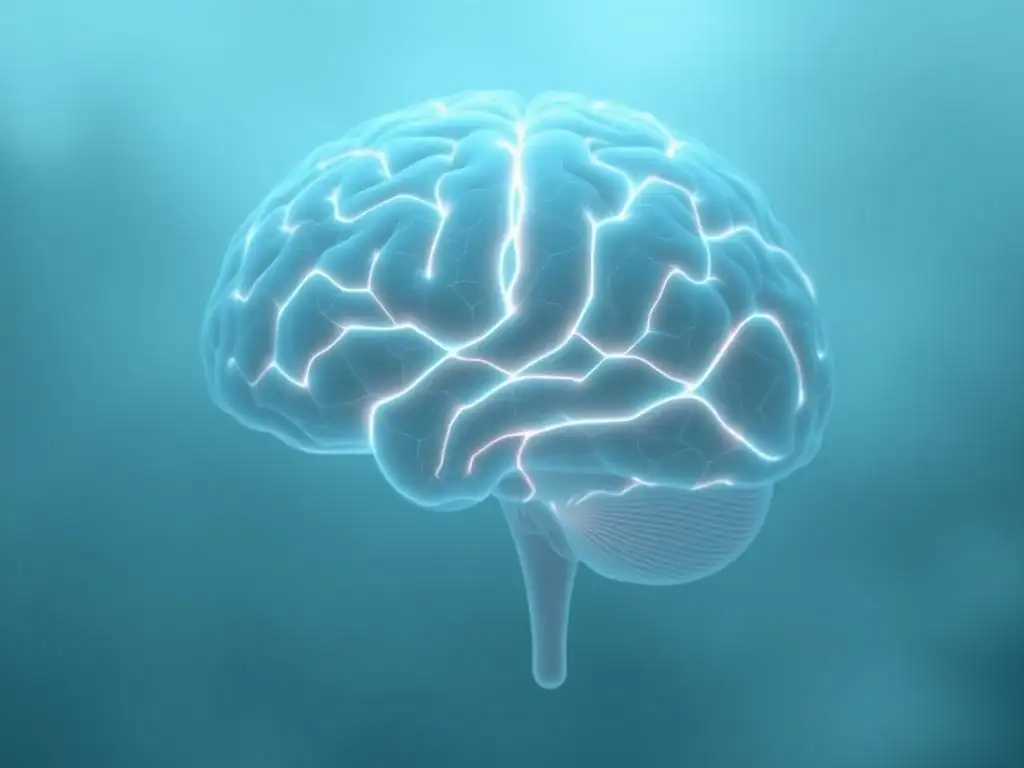
Neurotransmitter systems play a critical role in modulating synaptic plasticity and neural circuit function, and dysregulation of these systems is central to the pathophysiology of depression. While monoamines like serotonin, norepinephrine, and dopamine are well-known targets for antidepressant medications, emerging research highlights the importance of excitatory (glutamate) and inhibitory (GABA) neurotransmission in FPN function and depression. Changes in glutamate and GABA levels or receptor function within FPN regions can alter the balance of excitation and inhibition, impacting the synchrony and strength of connections within the network.
Studies have shown altered levels of glutamate and GABA in the PFC of depressed individuals using magnetic resonance spectroscopy (MRS). These imbalances can disrupt the precise timing and coordination of neural activity necessary for efficient FPN function. Furthermore, monoamines also influence FPN connectivity indirectly by modulating the activity of glutamatergic and GABAergic neurons. Understanding how depression’s PFC connectivity changes are influenced by these complex neurotransmitter interactions provides crucial insights into the biological basis of executive dysfunction.
The Role of Inflammation and Oxidative Stress in Disrupting FPN Circuits in Depressed Individuals
Chronic low-grade inflammation and increased oxidative stress are increasingly recognized as contributors to the biological changes seen in depression. Inflammatory cytokines, such as IL-6 and TNF-alpha, and reactive oxygen species can directly impact neuronal health and synaptic function. These factors can disrupt neurotransmitter synthesis and release, impair mitochondrial function, and damage cellular components, all of which can negatively affect the integrity and function of neural circuits like the FPN.
Evidence suggests that elevated inflammatory markers in depressed individuals are associated with reduced gray matter volume in FPN regions and altered network connectivity. For example, studies have linked higher levels of C-reactive protein (CRP) to decreased functional connectivity within the FPN. This suggests a pathway where systemic inflammation contributes to neurobiological changes that underlie depression’s FPN connectivity changes and the resulting cognitive impairments. Addressing inflammation and oxidative stress may thus represent novel therapeutic avenues.
Genetic and Environmental Factors Influencing FPN Connectivity and Depression Risk
Both genetic predisposition and environmental factors contribute to an individual's vulnerability to depression and may influence the development of altered FPN connectivity. Genetic variations in genes related to neurotransmitter systems (like serotonin transporter genes) or stress response pathways (like genes involved in the HPA axis) can subtly influence the development and function of brain circuits, including the FPN. While no single gene causes depression or specific connectivity changes, combinations of genetic factors can increase risk.
Environmental factors, particularly early life stress or trauma, have a profound and lasting impact on brain development and function. Adversity during critical developmental periods can alter the maturation of the PFC and its connections, leading to enduring changes in FPN structure and function that increase susceptibility to depression and executive dysfunction later in life. These interactions between genetic background and environmental experiences shape the neural landscape, contributing to the unique pattern of depression’s PFC connectivity changes observed in each individual.
Investigating FPN Connectivity Changes Using Neuroimaging Techniques
Functional MRI (fMRI) Studies of FPN Activity in Depression
Functional Magnetic Resonance Imaging (fMRI) is a widely used neuroimaging technique that measures brain activity by detecting changes in blood flow. In the context of depression, fMRI studies have provided significant insights into the functional connectivity of the FPN. By examining the correlation of activity fluctuations between different brain regions, researchers can infer the strength of their functional connections.
Numerous fMRI studies have consistently reported altered resting-state functional connectivity within the FPN and between the FPN and other networks in individuals with depression. For instance, resting-state fMRI studies have often shown reduced functional connectivity between the DLPFC and parietal cortex in depressed patients. Task-based fMRI studies, where participants perform executive function tasks while being scanned, have also revealed abnormal activation patterns and connectivity within the FPN, demonstrating that these depression’s FPN connectivity changes are evident not just at rest but also during cognitive challenges.
Diffusion Tensor Imaging (DTI): Mapping White Matter Integrity and Connectivity
Diffusion Tensor Imaging (DTI) is a type of MRI that measures the diffusion of water molecules in the brain to infer the integrity and orientation of white matter tracts, which are bundles of nerve fibers that connect different brain regions. DTI provides structural information about brain connectivity, complementing the functional insights from fMRI.
Studies using DTI in depression have often reported reduced fractional anisotropy (FA) – a measure of white matter integrity and directionality – in white matter tracts connecting regions within the FPN, such as tracts linking the PFC and parietal cortex. Reduced FA suggests damage or disorganization of these fiber bundles, which would impair the speed and efficiency of communication between FPN nodes. These structural changes in white matter pathways contribute to the overall picture of altered neural circuits and depression’s FPN connectivity changes.
Electroencephalography (EEG) and Magnetoencephalography (MEG): Assessing Neural Oscillations and Connectivity
Electroencephalography (EEG) and Magnetoencephalography (MEG) are neuroimaging techniques that measure electrical and magnetic activity generated by neural populations, respectively. They offer high temporal resolution, allowing researchers to study brain activity and connectivity dynamics on a millisecond timescale. These methods can assess how different brain regions synchronize their activity through neural oscillations (brain waves) at various frequencies.
Research using EEG and MEG in depression has identified alterations in neural oscillations and coherence (a measure of functional connectivity) within FPN regions and between the FPN and other networks. For example, studies have reported altered alpha and theta band oscillations and reduced coherence between frontal and parietal sites in depressed individuals, particularly during tasks requiring executive control. These findings provide dynamic insights into how depression impacts the coordinated electrical activity that underlies FPN function and contributes to depression’s FPN connectivity changes.
Treatment Strategies Targeting FPN Connectivity in Depression
Antidepressant Medications and their Impact on FPN Function
Antidepressant medications, particularly selective serotonin reuptake inhibitors (SSRIs), are the first-line treatment for many individuals with depression. While their primary action is on neurotransmitter systems, their therapeutic effects are thought to involve downstream changes in neural circuit function, including the FPN. Studies using neuroimaging before and after antidepressant treatment have shown that effective treatment can lead to a normalization of some aspects of FPN activity and connectivity.
For instance, research using fMRI has demonstrated that successful treatment with SSRIs can increase resting-state functional connectivity within the FPN and normalize the interaction between the FPN and the DMN. These changes typically occur over several weeks, coinciding with the gradual improvement in both mood and cognitive symptoms. While the exact mechanisms are still being investigated, it is believed that by modulating neurotransmitter levels, these medications facilitate neuroplastic changes that help restore more adaptive patterns of neural communication, ameliorating depression’s PFC connectivity changes.
Cognitive Remediation Therapy (CRT) and Neural Plasticity in the FPN
Cognitive Remediation Therapy (CRT) is a behavioral intervention specifically designed to improve cognitive deficits, including executive dysfunction, often associated with mental health conditions like depression. CRT involves structured exercises and strategies aimed at practicing and improving skills such as planning, organization, working memory, and problem-solving. The underlying principle of CRT is to harness the brain's neuroplasticity to strengthen cognitive abilities.
Emerging evidence suggests that CRT can not only improve performance on cognitive tasks but also induce positive changes in brain function. Neuroimaging studies examining the effects of CRT in depression are limited but promising, indicating potential improvements in FPN activity and connectivity following therapy. By engaging in targeted cognitive training, individuals may be able to strengthen the neural pathways within the FPN, helping to counteract some of the depression’s FPN connectivity changes and improve executive function in daily life.
Brain Stimulation Techniques: rTMS and tDCS for Enhancing FPN Activity
Brain stimulation techniques, such as repetitive Transcranial Magnetic Stimulation (rTMS) and transcranial Direct Current Stimulation (tDCS), offer non-invasive ways to modulate neural activity in specific brain regions. These techniques are increasingly used in treating depression, particularly for individuals who do not respond to medication. Given the role of the DLPFC, a key FPN node, in depression and executive function, this region is often a target for stimulation.
High-frequency rTMS applied to the left DLPFC is an FDA-approved treatment for depression and is thought to exert its effects, in part, by modulating activity and connectivity within the FPN and its connections to limbic areas. Studies have shown that rTMS can increase activity in the targeted DLPFC and enhance functional connectivity within the FPN. Similarly, tDCS applied over FPN regions has shown potential in improving cognitive performance and mood in depression, likely by influencing neuronal excitability and synaptic plasticity, thereby targeting depression’s PFC connectivity changes directly.
The Future of Research on Depression’s FPN Connectivity Changes
Novel Therapeutic Targets for Improving Executive Function in Depression
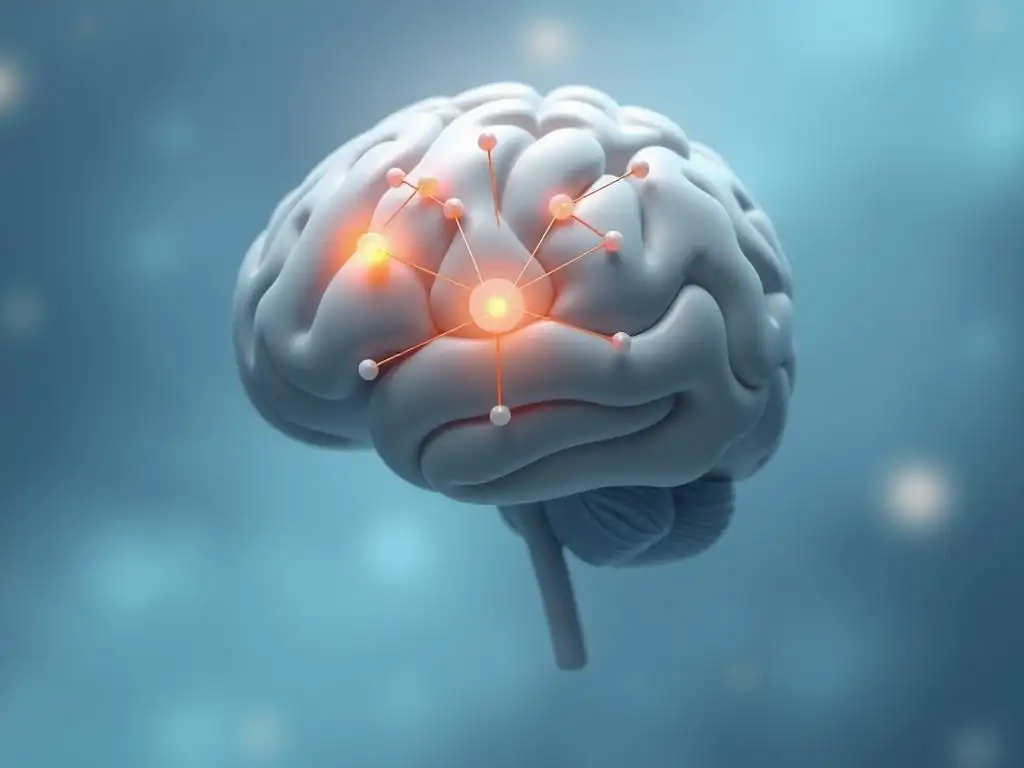
Future research into depression’s FPN connectivity changes holds significant promise for identifying novel therapeutic targets aimed at improving executive function. Beyond traditional neurotransmitter systems, attention is turning to other factors influencing neural circuits, such as neuroinflammation, oxidative stress pathways, and neurotrophic factors (like BDNF). Developing treatments that mitigate inflammation or promote neurogenesis and synaptic plasticity could potentially restore FPN integrity and function.
Furthermore, research into specific molecular pathways within FPN neurons that are disrupted in depression could lead to the development of highly targeted pharmacological agents. For example, understanding how specific ion channels or intracellular signaling pathways are altered in the DLPFC in depression might allow for the design of drugs that selectively correct these deficits. These novel approaches could move beyond simply modulating neurotransmitter levels to directly addressing the cellular and molecular basis of depression’s FPN connectivity changes.
Personalized Approaches to Treatment Based on Individual FPN Connectivity Profiles
One of the challenges in treating depression and its associated cognitive deficits is the significant variability in treatment response among individuals. Neuroimaging, particularly connectivity analysis of the FPN, offers the potential for developing personalized treatment approaches. By characterizing an individual's specific pattern of depression’s FPN connectivity changes, clinicians might be able to predict their likely response to different therapies (e.g., medication, therapy, brain stimulation) or tailor interventions to target their unique neural profile.
For example, an individual showing particularly severe reduction in DLPFC-parietal connectivity might benefit more from interventions known to enhance activity in these pathways, such as targeted rTMS or CRT. Conversely, someone with more pronounced alterations in FPN-DMN interactions might respond better to therapies that help decouple these networks, such as mindfulness-based cognitive therapy. Developing reliable biomarkers based on FPN connectivity could pave the way for precision medicine in psychiatry, ensuring individuals receive the most effective treatment for their specific needs.
Longitudinal Studies Examining FPN Connectivity Changes and Treatment Outcomes
Longitudinal studies, which follow individuals over time, are crucial for understanding the trajectory of depression’s FPN connectivity changes and how they relate to the course of the illness and treatment outcomes. By assessing FPN connectivity at multiple time points – before treatment, during treatment, and in remission or relapse – researchers can gain insights into which connectivity patterns predict treatment response, which normalize with recovery, and which might represent enduring vulnerabilities.
These studies can also help clarify whether altered FPN connectivity is a cause, consequence, or maintaining factor of depression and executive dysfunction. For instance, if specific connectivity deficits are observed early in the illness or even before symptom onset, it would suggest they are part of the underlying vulnerability. If changes occur only with symptom onset and normalize with recovery, they might be state markers of the illness. Longitudinal data are essential for building comprehensive models of how depression affects the brain and for evaluating the long-term impact of interventions on FPN connectivity and cognitive function.
Strategies for Managing Cognitive Challenges in Daily Life
Living with executive dysfunction due to depression can be incredibly frustrating and impact many aspects of daily life, from managing household tasks to performing at work or school. However, several practical strategies can help mitigate these challenges. Breaking down large tasks into smaller, more manageable steps can make them feel less overwhelming. Using external aids like planners, calendars, to-do lists, and reminder apps can help compensate for working memory and planning difficulties.
Establishing routines can also be very helpful, as predictable schedules reduce the need for constant decision-making and planning. Prioritizing tasks and focusing on one thing at a time can improve concentration and reduce errors. Simple techniques like setting timers for focused work periods followed by short breaks can also enhance attention and productivity. It's important to be patient with yourself and acknowledge that these difficulties are symptoms of the illness, not personal failings.
Building Resilience and Coping Mechanisms for Improved Mental Well-being
Developing resilience and effective coping mechanisms is essential for navigating the challenges posed by depression and its associated cognitive symptoms. Engaging in regular physical activity, even light exercise, has been shown to benefit both mood and cognitive function, potentially by promoting neuroplasticity and improving blood flow to the brain. Mindfulness and meditation practices can help improve attention regulation and reduce rumination, which is linked to altered FPN-DMN connectivity.
Prioritizing sufficient sleep is also critical, as sleep deprivation exacerbates cognitive deficits. Learning stress management techniques, such as deep breathing or progressive muscle relaxation, can help prevent stress from overwhelming cognitive resources. Connecting with supportive friends and family can provide emotional support and practical assistance, reducing feelings of isolation. Building resilience is an ongoing process that involves self-compassion and persistence in implementing strategies that support mental and cognitive health.
Seeking Professional Help: When and How to Access Support
If you are experiencing persistent symptoms of depression, including significant difficulties with executive functions, it is crucial to seek professional help. Mental health professionals, such as psychiatrists, psychologists, or licensed therapists, can provide a comprehensive evaluation and develop a personalized treatment plan. Do not hesitate to discuss your cognitive symptoms specifically, as they are a valid and important part of your experience with depression.
Accessing support can involve various steps:
- [ ] Schedule an appointment with your primary care physician to discuss your symptoms and get a referral if needed.
- [ ] Research mental health professionals in your area or through your insurance provider's network.
- [ ] Look for therapists who specialize in cognitive behavioral therapy (CBT) or other evidence-based therapies for depression, some of which may incorporate cognitive strategies.
- [ ] Consider discussing potential treatment options with a psychiatrist, including medication or exploring brain stimulation techniques if appropriate.
- [ ] Inquire about cognitive remediation therapy (CRT) if executive dysfunction is a primary concern.
- [ ] Explore local mental health resources, support groups, or community services.
Remember that seeking help is a sign of strength, and effective treatments are available to address both the mood and cognitive aspects of depression, including the underlying depression’s PFC connectivity changes.
Conclusion: Restoring FPN Connectivity for Improved Mental Health in Depression
Depression is a complex disorder that significantly impacts brain function, particularly altering connectivity within the Frontoparietal Network (FPN), including crucial regions like the Prefrontal Cortex (PFC). These depression’s FPN connectivity changes are strongly linked to the debilitating executive dysfunction experienced by many individuals with the illness, affecting their ability to plan, make decisions, remember information, and control their attention. Understanding these neural alterations is key to developing more effective interventions.
Research using advanced neuroimaging techniques continues to shed light on the specific ways depression disrupts FPN circuits, highlighting the roles of neurotransmitter imbalances, inflammation, and genetic/environmental factors. Encouragingly, current and emerging treatments, ranging from antidepressant medications and cognitive therapies to brain stimulation techniques, show promise in restoring more adaptive FPN connectivity patterns. The future of depression treatment is moving towards personalized approaches that target these specific neural changes. By addressing depression’s PFC connectivity changes and supporting the restoration of healthy FPN function, we can significantly improve executive function and overall mental well-being for those living with depression.
Frequently Asked Questions
What are the primary PFC connectivity changes observed in individuals with depression?
Studies have shown that depression is often associated with reduced connectivity between the prefrontal cortex (PFC) and other brain regions, particularly those involved in emotional processing and reward. This can lead to difficulties in regulating emotions and experiencing pleasure.
How do these PFC connectivity changes specifically contribute to executive problems in depression?
The PFC is crucial for executive functions like planning, decision-making, and working memory. Altered connectivity impairs the PFC's ability to effectively communicate with other brain regions, resulting in deficits in these areas.
Can lifestyle changes or therapy influence PFC connectivity and improve executive function in depressed individuals?
Yes, certain therapies like Cognitive Behavioral Therapy (CBT) and lifestyle changes such as regular exercise have been shown to promote neuroplasticity and potentially improve PFC connectivity, thus enhancing executive function.
Are there specific brain imaging techniques used to measure PFC connectivity in individuals with depression?
Functional Magnetic Resonance Imaging (fMRI) is a common technique used to assess brain activity and connectivity. Diffusion Tensor Imaging (DTI) can also be used to examine the structure of white matter tracts, which facilitate communication between brain regions.
Are PFC connectivity changes a reliable biomarker for diagnosing depression, or are they used in conjunction with other diagnostic criteria?
While PFC connectivity patterns can provide valuable insights, they are not used as a standalone diagnostic tool. They are typically considered alongside clinical assessments, self-reported symptoms, and other diagnostic criteria to arrive at a comprehensive diagnosis of depression.
Final Reflection: Reconnecting the Mind: Hope in Understanding Depression's PFC Connectivity
The intricate wiring of our prefrontal cortex (PFC) profoundly impacts our ability to navigate the complexities of daily life, and disruptions in this circuitry are increasingly recognized as a core feature of depression. Understanding these altered connections isn't just an academic pursuit; it's a crucial step towards developing more effective and targeted treatments for this debilitating condition. The implications of this research extend far beyond the laboratory, offering a tangible path towards alleviating suffering and improving the lives of millions.
The journey of uncovering the relationship between PFC connectivity and depression has been a profound one, revealing the delicate balance within our brains and the devastating consequences of its disruption. This research underscores the importance of viewing mental illness not as a simple chemical imbalance, but as a complex interplay of neural pathways and their intricate communication. The brain is the most complex organ in the known universe, and depression is a disorder of the brain's intricate circuitry.
This quote highlights the need for a nuanced approach to understanding and treating depression, moving beyond simplistic explanations and embracing the complexity of the neural networks involved.
Consider the implications of this research for yourself. Perhaps you've struggled with executive dysfunction, the very cognitive processes governed by the PFC. Perhaps you've witnessed the debilitating effects of depression on a loved one. This understanding of altered PFC connectivity offers a new lens through which to view these challenges. It's a call to action – to advocate for research funding, to seek out evidence-based treatments, and to foster a culture of compassion and understanding for those battling this pervasive illness. Let's work together to reconnect the minds affected by depression and pave the way for a brighter future.
Unleash Your Brain's Potential: Take Control of Your Executive Function
Thanks for taking the time to explore the fascinating connection between altered brain circuits and executive function challenges in depression. You've gained valuable insights into how these connections impact your daily life! Now, let's put this knowledge into action.
- Prioritize one small step today to improve your focus or organization. This could be anything from creating a simple to-do list to decluttering a small space. Even a tiny change can make a big difference!
- Explore mindfulness techniques to strengthen your PFC connectivity. Consider trying a guided meditation or even just taking a few deep breaths throughout your day.
- Share this article with someone who might benefit from understanding the link between brain health and executive function. Let's spread awareness and support!
Ready to unlock your brain's full potential? What's one small, actionable step you'll take this week to improve your executive function?