
Personalized Psychiatry: Tailoring Treatment Based on Individual Neurochemistry?


Welcome to Mind Care Guide, a space dedicated to understanding and nurturing your mental well-being. Ever wondered if there's a more precise way to address mental health challenges, one tailored to your unique brain chemistry? Our article delves into the fascinating world of neurochemical psychiatry personalized treatment, exploring how understanding individual neurochemical profiles could revolutionize mental healthcare. Curious to know if personalized psychiatry holds the key to a brighter future for mental wellness? Let's explore this ground-breaking approach together...
Understanding Neurochemical Psychiatry and its Potential for Personalized Mental Healthcare
Neurochemical psychiatry is a field focused on understanding how imbalances or dysfunctions in the brain's neurochemical systems contribute to mental health conditions. This approach moves beyond purely psychological models to investigate the complex interplay of neurotransmitters, hormones, and genetic factors that influence mood, cognition, and behavior. By examining these underlying biological mechanisms, practitioners aim to gain deeper insights into the specific nature of an individual's mental health challenges, rather than relying solely on symptom-based diagnoses.
The potential for personalized mental healthcare within neurochemical psychiatry is significant. Instead of applying a standard treatment protocol based on a diagnostic label (like major depressive disorder or generalized anxiety disorder), a personalized approach seeks to identify the unique neurochemical profile of the individual patient.
For instance, two people with the same diagnosis might have very different underlying neurochemical issues – one perhaps struggling with serotonin regulation, another with dopamine pathway dysfunction. A personalized treatment strategy, informed by this neurochemical understanding, could involve selecting medications or interventions specifically targeted to correct that individual's identified imbalance, potentially leading to more effective outcomes and fewer side effects.
- Serotonin: Understanding its Role in Mood and Behavior and Personalized Interventions
- Dopamine: Personalized Strategies for Addressing Dopamine-Related Mental Health Conditions
- Norepinephrine: Tailoring Treatment to Individual Norepinephrine Imbalances
- GABA: Personalized Approaches for Anxiety and Seizure Disorders
- Glutamate: The Role of Glutamate in Mental Health and Personalized Treatment Strategies
- What is personalized psychiatry, and how does it differ from traditional approaches?
- How does neurochemistry play a role in personalized psychiatry?
- What are some of the potential benefits of personalized psychiatry?
- What kind of information is used to personalize treatment in neurochemical psychiatry?
- Is personalized psychiatry widely available, and what are the challenges to its implementation?
The Neuroscience of Mental Health: A Foundation for Personalized Approaches
Exploring the Role of Neurotransmitters in Mental Illness
Neurotransmitters are chemical messengers that transmit signals between neurons in the brain. They play a critical role in regulating virtually every function, from mood and sleep to cognition and motor control. When the levels or activity of these neurotransmitters are disrupted, it can significantly impact mental well-being. For example, imbalances in serotonin are often associated with depression and anxiety, while dopamine dysfunction is implicated in conditions like schizophrenia and ADHD.
Research in neuroscience has illuminated the complex ways these chemicals interact within neural circuits. Studies using advanced imaging techniques have shown altered neurotransmitter activity in specific brain regions in individuals with various mental health disorders. Understanding these intricate pathways and the specific roles of different neurotransmitters – such as glutamate, GABA, norepinephrine, and acetylcholine – provides a foundational understanding necessary for developing more targeted and effective interventions in personalized neurochemical psychiatry.
Chemical Imbalances and Their Impact on Mental Well-being
The concept of "chemical imbalance" is often used to explain the biological basis of mental illness, though it's a simplification of complex neurobiological processes. It refers to the idea that an insufficient amount of a neurotransmitter, an excess amount, or a problem with how the brain uses these chemicals can disrupt normal brain function and lead to symptoms of mental disorder. While the exact nature of these imbalances is still being researched, evidence suggests they are involved in many conditions.
For instance, major depressive disorder has been linked to issues with serotonin, norepinephrine, and dopamine systems. Anxiety disorders can involve dysregulation of GABA and glutamate. Bipolar disorder may involve complex interactions between multiple neurotransmitter systems, potentially including disruptions in calcium signaling pathways. These chemical disruptions don't exist in isolation; they interact with genetic predispositions, environmental factors, and life experiences, highlighting the need for a personalized approach that considers the individual's unique biological and life context.
What is Personalized Neurochemical Psychiatry?
Defining Personalized Psychiatry: A Precision Medicine Approach to Mental Health
Personalized psychiatry represents an application of the precision medicine model to mental healthcare. Instead of relying on a trial-and-error approach or generalized treatment guidelines, it seeks to tailor interventions based on an individual's unique biological, genetic, and environmental profile. This includes assessing factors like genetic variations that affect drug metabolism, specific neurochemical imbalances, brain structure and function (often through neuroimaging), and even individual lifestyle factors.
This approach aims to move beyond diagnostic labels to understand the specific underlying mechanisms driving an individual's symptoms. For example, two individuals diagnosed with generalized anxiety disorder might receive vastly different personalized treatment plans if one shows evidence of GABAergic system dysfunction while the other presents with heightened norepinephrine activity. The goal is to match the right treatment to the right person at the right time, improving efficacy and minimizing adverse effects.
The Importance of Individual Neurochemical Profiles in Treatment Planning
Individual neurochemical profiles are crucial in personalized treatment planning because they can predict how a person might respond to specific medications or therapies. Genetic variations can influence how quickly a person metabolizes certain drugs (pharmacogenomics), affecting dosage needs and the likelihood of side effects. For instance, someone with a genetic variation causing rapid metabolism of a common antidepressant might require a higher dose to achieve therapeutic levels, while a slow metabolizer might need a lower dose to avoid toxicity.
Beyond genetics, assessing neurotransmitter levels or activity through various methods (though direct measurement is challenging and often relies on indirect markers) can provide clues about specific dysfunctions. A person with low dopamine activity in certain brain regions might benefit from different interventions than someone with excessive glutamate activity. By understanding these unique profiles, neurochemical psychiatry personalized treatment aims to select the most promising initial therapy, reducing the time and distress associated with trying multiple ineffective treatments.
Why is Personalized Psychiatry Needed? Addressing the Limitations of Traditional Approaches
The One-Size-Fits-All Approach: Inefficiencies and Side Effects
Traditional psychiatric treatment often follows a stepped-care model based on diagnostic categories. While effective for many, this approach can be inefficient because it doesn't account for individual biological differences. A common scenario involves trying several medications from the same class before finding one that works, or experiencing significant side effects that lead to treatment discontinuation. Studies indicate that response rates to initial antidepressant trials are often around 50-60%, meaning a substantial portion of patients do not achieve full remission with the first medication prescribed.
This trial-and-error process can prolong suffering, increase healthcare costs, and lead to patient frustration and non-adherence. The one-size-fits-all model also doesn't adequately address the heterogeneity within diagnostic categories; people with the same diagnosis can have vastly different underlying biological issues. Personalized neurochemical psychiatry seeks to overcome these limitations by using data to guide initial treatment selection, aiming for a higher probability of success from the outset.
Variability in Treatment Response: The Role of Individual Neurochemistry
The significant variability observed in patient responses to psychiatric medications is a key driver for the need for personalized approaches. Factors such as genetic polymorphisms affecting drug targets (like neurotransmitter receptors or transporters) or drug metabolism enzymes (like cytochrome P450 enzymes) can dramatically influence how a person reacts to a drug. For example, variations in the CYP2D6 gene can affect the metabolism of several antidepressants and antipsychotics, leading to poor response or increased side effects.
Individual differences in baseline neurotransmitter levels, receptor density, and the efficiency of reuptake mechanisms also contribute to this variability. A treatment that effectively boosts serotonin for one individual might have minimal impact on another whose depression is primarily linked to dopamine dysfunction. Understanding these individual neurochemical nuances is fundamental to providing effective neurochemical psychiatry personalized treatment, moving away from empirical prescribing towards evidence-informed selection.
Key Neurotransmitters and Their Relevance in Personalized Psychiatry
Serotonin: Understanding its Role in Mood and Behavior and Personalized Interventions
Serotonin (5-HT) is a critical neurotransmitter deeply involved in regulating mood, sleep, appetite, and social behavior. Imbalances in serotonin levels or function are strongly associated with depression, anxiety disorders, obsessive-compulsive disorder (OCD), and panic disorder. Many common antidepressants, such as Selective Serotonin Reuptake Inhibitors (SSRIs), target the serotonin system by blocking its reuptake, increasing its availability in the synaptic cleft.
Personalized interventions related to serotonin can involve pharmacogenomic testing to predict response to SSRIs based on variations in genes like SLC6A4 (serotonin transporter) or CYP2D6 and CYP2C19 (metabolism enzymes). For instance, certain SLC6A4 polymorphisms have been linked to differential response to SSRIs. Additionally, some personalized approaches might consider dietary factors (like tryptophan intake) or gut microbiome health, which also influence serotonin production and function, as part of a comprehensive treatment plan.
Dopamine is a key neurotransmitter involved in reward, motivation, pleasure, motor control, and executive functions. Dysregulation of dopamine pathways is implicated in a range of conditions, including schizophrenia, ADHD, Parkinson's disease (affecting motor function but often with psychiatric symptoms), and substance use disorders. Antipsychotic medications primarily target dopamine receptors, while stimulant medications for ADHD often affect dopamine and norepinephrine reuptake.
Personalized strategies for dopamine-related conditions can involve genetic testing for variations in dopamine receptor genes ( DRD1, DRD2, DRD4) or dopamine metabolizing enzymes ( COMT). For example, the COMT Val158Met polymorphism affects dopamine levels in the prefrontal cortex and has been associated with differences in cognitive function and response to stimulants in ADHD. Tailoring treatment might involve selecting specific antipsychotics based on receptor binding profiles or adjusting stimulant type and dose based on metabolic capacity and receptor sensitivity predictions.
Norepinephrine: Tailoring Treatment to Individual Norepinephrine Imbalances
Norepinephrine (also known as noradrenaline) is involved in the body's fight-or-flight response, alertness, arousal, and attention. Along with serotonin, it plays a significant role in mood regulation. Imbalances are linked to depression, anxiety, and ADHD. Medications like SNRIs (Serotonin-Norepinephrine Reuptake Inhibitors) and some older antidepressants target norepinephrine reuptake.
Personalized treatment approaches considering norepinephrine might look at genetic variations in the norepinephrine transporter gene ( SLC6A2) or enzymes involved in its synthesis or metabolism. Understanding an individual's baseline norepinephrine activity or genetic predisposition towards dysregulation can help determine if a norepinephrine-focused medication is likely to be effective or if another class of drug targeting a different system might be more appropriate. This level of detail is essential for effective neurochemical psychiatry personalized treatment.
GABA: Personalized Approaches for Anxiety and Seizure Disorders
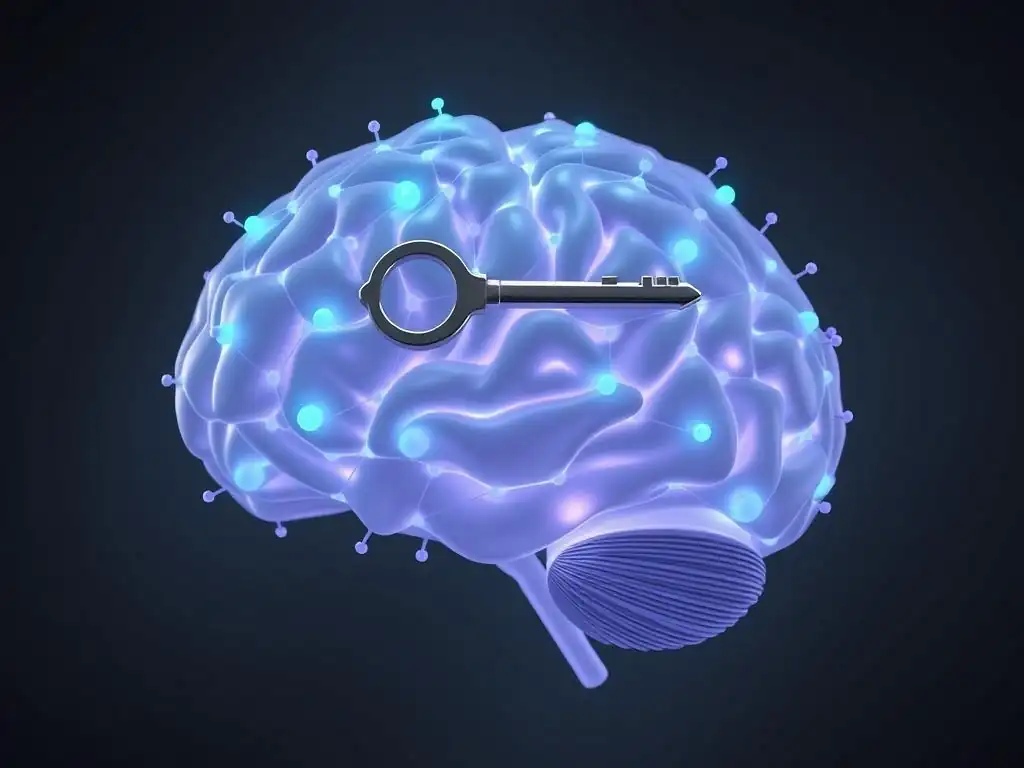
Gamma-aminobutyric acid (GABA) is the primary inhibitory neurotransmitter in the central nervous system. It acts like a brake, reducing neuronal excitability. Low GABA activity or impaired GABAergic signaling is associated with anxiety disorders, panic attacks, insomnia, and seizure disorders. Medications like benzodiazepines work by enhancing GABAergic transmission.
Personalized strategies related to GABA could involve assessing genetic variations in GABA receptor subunits or enzymes involved in GABA synthesis or breakdown. While direct measurement of GABA activity is challenging, indirect evidence or genetic markers might suggest that interventions aimed at enhancing GABAergic function are more likely to be beneficial for a specific individual's anxiety compared to, say, a serotonin-focused treatment. Non-pharmacological interventions like mindfulness and certain forms of psychotherapy are also thought to influence GABAergic activity and can be part of a personalized plan.
Glutamate: The Role of Glutamate in Mental Health and Personalized Treatment Strategies
Glutamate is the primary excitatory neurotransmitter in the brain and is involved in learning, memory, and synaptic plasticity. While essential for normal brain function, excessive glutamate activity (excitotoxicity) or dysregulation of glutamatergic pathways is implicated in a range of psychiatric and neurological conditions, including schizophrenia, depression, bipolar disorder, and obsessive-compulsive disorder.
Personalized treatment strategies involving glutamate are still emerging but hold promise. Some newer or investigational treatments for depression and OCD, such as ketamine (which affects NMDA glutamate receptors), highlight the potential of targeting this system. Personalized approaches might involve identifying individuals whose symptoms are particularly linked to glutamatergic dysfunction, perhaps through advanced neuroimaging or specific biomarker analysis, to determine if they might be good candidates for glutamate-modulating therapies, offering a more targeted neurochemical psychiatry personalized treatment.
Diagnostic Tools and Technologies for Personalized Neurochemical Psychiatry
Neuroimaging Techniques: PET, SPECT, fMRI
Neuroimaging techniques provide insights into brain structure, function, and neurochemistry, offering valuable data for personalized psychiatry. Positron Emission Tomography (PET) and Single-Photon Emission Computed Tomography (SPECT) can use radioactive tracers that bind to specific neurotransmitter receptors, transporters, or enzymes, allowing researchers and clinicians to visualize and quantify their distribution and activity in the living brain. For example, PET scans can measure dopamine transporter availability, which is reduced in Parkinson's disease and can be altered in conditions like ADHD.
Functional Magnetic Resonance Imaging (fMRI) measures brain activity by detecting changes in blood flow. While not directly measuring neurotransmitters, fMRI can reveal how different brain regions communicate with each other (functional connectivity) and how these networks are affected by mental illness. Patterns of connectivity have been linked to treatment response in depression and other disorders. These imaging techniques provide a non-invasive way to gather data about an individual's unique brain function and neurochemistry, informing personalized treatment decisions.
Genetic Testing: Identifying Genetic Predispositions to Mental Illness
Genetic testing, particularly pharmacogenomic testing, is a widely used tool in personalized neurochemical psychiatry. These tests analyze variations (polymorphisms) in genes that influence drug metabolism (e.g., CYP450 enzymes), drug targets (e.g., neurotransmitter receptors or transporters), and genes associated with specific mental health risks or treatment response likelihood. For example, testing for variations in the MTHFR gene, involved in folate metabolism, can be relevant as folate is necessary for neurotransmitter synthesis.
While genetic testing doesn't provide a diagnosis, it offers clues about how an individual might process certain medications or their potential susceptibility to specific neurochemical imbalances. Knowing if someone is a rapid or poor metabolizer of a drug can help a clinician select a different medication or adjust the dose from the start, potentially avoiding ineffective treatment or adverse effects. This genetic information is a key component in building an individual's neurochemical profile for personalized treatment.
Biomarker Analysis: Measuring Neurotransmitter Levels and Metabolic Activity
Biomarker analysis in personalized psychiatry involves measuring biological indicators that can provide insights into an individual's neurochemical state. While directly measuring neurotransmitter concentrations in the brain is generally not feasible in clinical practice, researchers use various methods to assess related biomarkers. These can include measuring metabolites of neurotransmitters in blood, urine, or cerebrospinal fluid (though CSF collection is invasive).
Other biomarkers might include levels of enzymes involved in neurotransmitter synthesis or breakdown, or even peripheral indicators that reflect central nervous system activity. For example, measuring levels of homovanillic acid (HVA), a dopamine metabolite, in CSF has been explored. While still an area of active research and often not yet standard clinical practice for direct neurotransmitter measurement, biomarker analysis holds promise for providing objective data to complement genetic and imaging information, further refining the neurochemical psychiatry personalized treatment approach.
Benefits of Personalized Neurochemical Psychiatry
Improved Treatment Outcomes: Increased Efficacy and Reduced Side Effects
One of the primary anticipated benefits of personalized neurochemical psychiatry is the potential for significantly improved treatment outcomes. By tailoring treatment based on an individual's unique biological profile, clinicians can select interventions that are more likely to be effective for that specific person's underlying neurochemistry. This can lead to higher response and remission rates compared to traditional trial-and-error methods.
Furthermore, understanding an individual's genetic predisposition to drug metabolism or sensitivity can help predict and potentially avoid adverse drug reactions. For instance, selecting an antidepressant based on a patient's CYP2D6 genotype might reduce the likelihood of experiencing severe side effects associated with poor metabolism of certain drugs. This leads to a safer and more tolerable treatment experience, enhancing the overall effectiveness of neurochemical psychiatry personalized treatment.
More Targeted Therapies: Addressing the Root Causes of Mental Illness
Personalized neurochemical psychiatry allows for more targeted therapeutic interventions. Instead of broadly addressing symptoms, this approach seeks to identify and correct specific neurochemical dysfunctions. If testing suggests a specific issue with dopamine signaling in a particular brain pathway, treatment can be focused on modulating that specific pathway, rather than using a drug that affects multiple systems broadly.
This targeted approach moves closer to addressing the "root causes" of an individual's mental health challenges, as opposed to merely managing symptoms. By focusing on the specific biological mechanisms at play, personalized treatment has the potential to be more potent and precise, leading to more sustainable recovery and potentially preventing relapse by restoring more balanced brain function.
Enhanced Patient Engagement: Empowering Individuals in Their Treatment Journey
Personalized neurochemical psychiatry can significantly enhance patient engagement in their treatment journey. When patients understand that their treatment plan is specifically designed for them based on objective biological data, they may feel more empowered and invested in the process. Discussing genetic test results or explaining how imaging findings inform medication choice can demystify mental illness and treatment, fostering a sense of collaboration between patient and clinician.
This increased understanding and involvement can lead to better adherence to treatment plans, as patients may feel more confident in the rationale behind the chosen interventions. Empowering individuals with knowledge about their own neurochemistry and how it relates to their mental health can reduce stigma and encourage active participation in their recovery, making the path towards well-being more manageable and hopeful.
Challenges and Considerations in Implementing Personalized Psychiatry
Ethical Considerations: Privacy and Data Security
Implementing personalized neurochemical psychiatry raises significant ethical considerations, particularly regarding privacy and the security of sensitive biological data. Neurochemical profiles, genetic information, and detailed brain imaging data are highly personal and require robust protection against breaches. Ensuring informed consent regarding how this data will be collected, stored, and used is paramount.
There are also concerns about potential discrimination based on genetic or neurochemical profiles, for example, in insurance or employment. Establishing clear ethical guidelines, stringent data security protocols, and legal frameworks to protect individuals' biological information is crucial before personalized psychiatry can be widely and equitably implemented.
Cost and Accessibility: Ensuring Equitable Access to Personalized Treatment
The technologies and analyses used in personalized neurochemical psychiatry, such as advanced neuroimaging and comprehensive genetic sequencing, can be expensive. This raises significant concerns about cost and accessibility, potentially creating disparities in care where only those with sufficient financial resources or insurance coverage can benefit from this advanced approach.
Ensuring equitable access requires addressing the cost barriers through insurance reform, government subsidies, or the development of more affordable testing methods. Without efforts to make personalized neurochemical psychiatry accessible to all who could benefit, it risks exacerbating existing inequalities in mental healthcare access and quality.
Interpretation of Data: The Complexity of Neurochemical Profiles and Data Overfitting
Interpreting the complex data generated from neuroimaging, genetic testing, and biomarker analysis is a significant challenge. The brain's neurochemical systems are incredibly intricate, with multiple neurotransmitters interacting in dynamic ways across various brain regions. Understanding how specific genetic variations or biomarker levels translate into clinical symptoms or predict treatment response requires sophisticated analytical tools and expertise.
There's also a risk of data overfitting – creating complex models that perform well on existing data but fail to accurately predict outcomes in new patients. Researchers and clinicians must be cautious not to overstate the predictive power of current data and continue refining their understanding of these complex biological systems. The field requires ongoing research to validate findings and develop reliable algorithms for interpreting individual neurochemical profiles accurately for effective neurochemical psychiatry personalized treatment.
The Future of Personalized Psychiatry: Advancements and Innovations

Artificial Intelligence and Machine Learning: Predicting Treatment Response
The future of personalized psychiatry is likely to be significantly shaped by advancements in artificial intelligence (AI) and machine learning (ML). These technologies are uniquely suited to analyze the vast and complex datasets generated by genetic testing, neuroimaging, and clinical assessments. AI algorithms can identify subtle patterns within this data that may be invisible to human clinicians, potentially leading to more accurate predictions of individual treatment response.
For example, ML models are being developed to predict which antidepressant is most likely to work for a patient based on their genetic profile, brain connectivity patterns from fMRI, and clinical symptomology. As these models become more sophisticated and trained on larger datasets, they have the potential to significantly enhance the precision and effectiveness of neurochemical psychiatry personalized treatment, guiding clinicians towards optimal interventions from the outset.
Novel Therapeutic Targets: Sigma-1 Receptors, NMDA Receptor Modulators
Research continues to identify novel therapeutic targets beyond the traditional neurotransmitter systems (serotonin, dopamine, norepinephrine). For example, sigma-1 receptors are being investigated as potential targets for depression and anxiety, and their activation might influence various neurotransmitter systems. Modulators of NMDA glutamate receptors, such as ketamine and esketamine, represent a significant recent advancement for treatment-resistant depression, highlighting the importance of targeting previously less explored pathways.
As our understanding of the neurobiological underpinnings of mental illness deepens, personalized psychiatry will increasingly incorporate these novel targets. Identifying individuals who are most likely to benefit from treatments targeting these specific receptors or pathways, perhaps based on their genetic profile or specific patterns of brain activity, will be a key aspect of future personalized approaches, offering hope for those who don't respond to current treatments.
Integration of Personalized Psychiatry into Mainstream Mental Healthcare
A significant challenge and goal for the future is the integration of personalized neurochemical psychiatry into mainstream mental healthcare. Currently, many of these advanced techniques are available primarily in specialized clinics or academic centers. Widespread adoption requires making the technologies more affordable and accessible, developing standardized protocols for testing and data interpretation, and educating clinicians.
Efforts are underway to incorporate pharmacogenomic testing into standard clinical practice guidelines and to develop user-friendly tools for clinicians to interpret complex biological data. As the evidence base grows and technologies become more streamlined, personalized approaches are expected to become a more routine part of mental health assessment and treatment, making neurochemical psychiatry personalized treatment a reality for a broader population.
Case Studies: Examples of Successful Personalized Treatment Approaches
Case Study 1: Treatment-Resistant Depression and Serotonin Transporter Polymorphism
Consider Sarah, a 45-year-old woman with major depressive disorder who has not responded adequately to several trials of different SSRI antidepressants over two years. Her symptoms include persistent low mood, fatigue, and difficulty concentrating. Genetic testing reveals that Sarah has a specific polymorphism in the SLC6A4 gene (serotonin transporter gene) associated with reduced expression of the serotonin transporter protein.
Based on this neurochemical profile insight, her psychiatrist hypothesizes that her serotonin system may not be as responsive to the typical mechanism of SSRIs. Instead of trying another SSRI, they consider a different class of antidepressant, perhaps an SNRI or even a medication that targets a different neurotransmitter system like dopamine or glutamate, or a combination approach.
With this personalized strategy, Sarah is switched to an SNRI, and within 8 weeks, she experiences a significant reduction in her depressive symptoms, achieving remission for the first time in years. This exemplifies how understanding an individual's specific neurochemistry, even through genetic markers, can guide successful treatment changes in neurochemical psychiatry personalized treatment.
Case Study 2: ADHD and Dopamine Receptor Sensitivity
Take the case of David, a 10-year-old boy diagnosed with ADHD who experiences significant side effects (anxiety and irritability) on standard doses of methylphenidate, a common stimulant. His doctor orders pharmacogenomic testing, which reveals variations in genes related to dopamine receptor sensitivity ( DRD2) and metabolism ( COMT). The results suggest he may be particularly sensitive to dopaminergic stimulation and metabolize certain stimulants more slowly.
Using this personalized neurochemical information, David's treatment is adjusted. Instead of increasing the methylphenidate dose or trying a different stimulant with a similar metabolic pathway, his doctor switches him to atomoxetine, a non-stimulant medication that primarily targets norepinephrine reuptake, or tries a much lower dose of a different stimulant formulation. By tailoring the medication choice and dosage based on his predicted sensitivity and metabolism, David experiences improved focus and reduced hyperactivity with minimal side effects, allowing him to function better at school and home.
Finding a Personalized Neurochemical Psychiatry Provider: What to Look For
Board Certification, Experience with Neurochemical Testing, Multidisciplinary Approach
When seeking a provider for personalized neurochemical psychiatry, look for psychiatrists who are board-certified and have specific training or experience in psychopharmacology and personalized medicine approaches. It is crucial that they have practical experience utilizing and interpreting neurochemical testing, including pharmacogenomic data and potentially advanced imaging results if those are part of their practice.
A provider who employs a multidisciplinary approach is often beneficial. This might involve collaboration with genetic counselors, clinical pharmacists specializing in psychopharmacology, or other specialists who can help integrate complex biological data into a comprehensive treatment plan. Don't hesitate to ask about their training and experience in this specialized area of neurochemical psychiatry personalized treatment.
Questions to Ask: Experience with Specific Conditions, Testing Methods, Treatment Options
Prepare a list of questions for potential providers to ensure they are a good fit for your needs. Ask about their experience treating your specific condition (e.g., treatment-resistant depression, bipolar disorder) using personalized approaches. Inquire about the specific neurochemical testing methods they utilize (e.g., which genetic panels, if they use imaging) and how they incorporate the results into treatment decisions.
Also, ask about the range of treatment options they consider beyond medication, as personalized plans often include psychotherapy, lifestyle interventions, and sometimes novel therapies. Understanding their philosophy and process for developing a neurochemical psychiatry personalized treatment plan will help you feel confident in their approach and ensure it aligns with your expectations for care.
Resources for Neurotransmitters and Mental Illness
Frequently Asked Questions
What is personalized psychiatry, and how does it differ from traditional approaches?
Personalized psychiatry aims to tailor treatment plans based on an individual's unique neurochemical profile. This differs from traditional approaches that often rely on a "one-size-fits-all" methodology. It involves using biomarkers and genetic information to guide medication selection and therapy.
How does neurochemistry play a role in personalized psychiatry?
Neurochemistry is central to personalized psychiatry. By understanding an individual's specific neurotransmitter levels and receptor activity, clinicians can make more informed decisions about which treatments are most likely to be effective.
What are some of the potential benefits of personalized psychiatry?
Potential benefits include improved treatment outcomes, reduced side effects, and faster symptom relief. By targeting specific neurochemical imbalances, personalized psychiatry could lead to more effective and efficient mental health care.
What kind of information is used to personalize treatment in neurochemical psychiatry?
Information used includes genetic testing, brain imaging, and biomarker analysis to assess neurotransmitter levels. This data helps clinicians understand an individual's unique neurochemical profile and tailor treatment accordingly.
Is personalized psychiatry widely available, and what are the challenges to its implementation?
Personalized psychiatry is still emerging and not widely available. Challenges include the cost of testing, the complexity of interpreting data, and the need for specialized expertise. More research and infrastructure are needed for widespread implementation.
Final Reflection: The Dawn of Personalized Neurochemical Psychiatry
The future of mental healthcare lies not in a one-size-fits-all approach, but in the precise tailoring of treatment based on an individual's unique neurochemical profile. This is no longer a futuristic fantasy; the advancements in understanding the intricate interplay of neurochemicals and mental health are paving the way for a revolution in psychiatric care. We are moving beyond broad diagnostic categories towards a more nuanced and effective understanding of individual needs.
The implications of this shift are profound, impacting not only the efficacy of treatment but also the very nature of the doctor-patient relationship. Understanding the specific neurochemical imbalances contributing to a patient's condition allows for more targeted interventions, potentially minimizing side effects and maximizing therapeutic benefits. This personalized approach fosters a deeper connection between patient and practitioner, built on a foundation of scientific understanding and individualized care. The greatest advances in medicine are those that move from a general approach to a personalized one, and psychiatry is no exception.
This quote encapsulates the transformative potential of neurochemical psychiatry.
Consider the possibilities: imagine a future where treatment plans are not just educated guesses, but precisely calibrated to your unique neurochemical fingerprint. This is not a passive role for you; you are an active participant in shaping your own mental health journey. Take the time to learn about your own neurochemistry, to engage in open dialogue with your healthcare provider, and to advocate for the most effective and personalized treatment plan possible. The path to better mental health is paved with understanding, and the future of personalized neurochemical psychiatry is bright.
Unlock Your Brain's Potential: Take Charge of Your Mental Health
Thanks for taking the time to explore the fascinating world of personalized psychiatry with us! You've gained valuable insights into how understanding your unique neurochemistry can revolutionize mental healthcare. Now, it's time to put that knowledge into action.
- Schedule a consultation with a psychiatrist: This is the most important step towards personalized treatment. Discuss your individual needs and explore the possibility of tailored approaches to mental wellbeing.
- Share this article with someone you care about: Spread awareness about the transformative potential of personalized psychiatry. Help others discover this crucial path to better mental health.
- Explore online resources: Discover reputable organizations and websites dedicated to mental health research and advocacy – expand your understanding of this rapidly evolving field!
So, what personalized mental health strategies will you explore first, and what questions do you have about finding a treatment plan that's right for you?