
Calm Your Nervous System: The Physiological Effects of Mindfulness on Anxiety

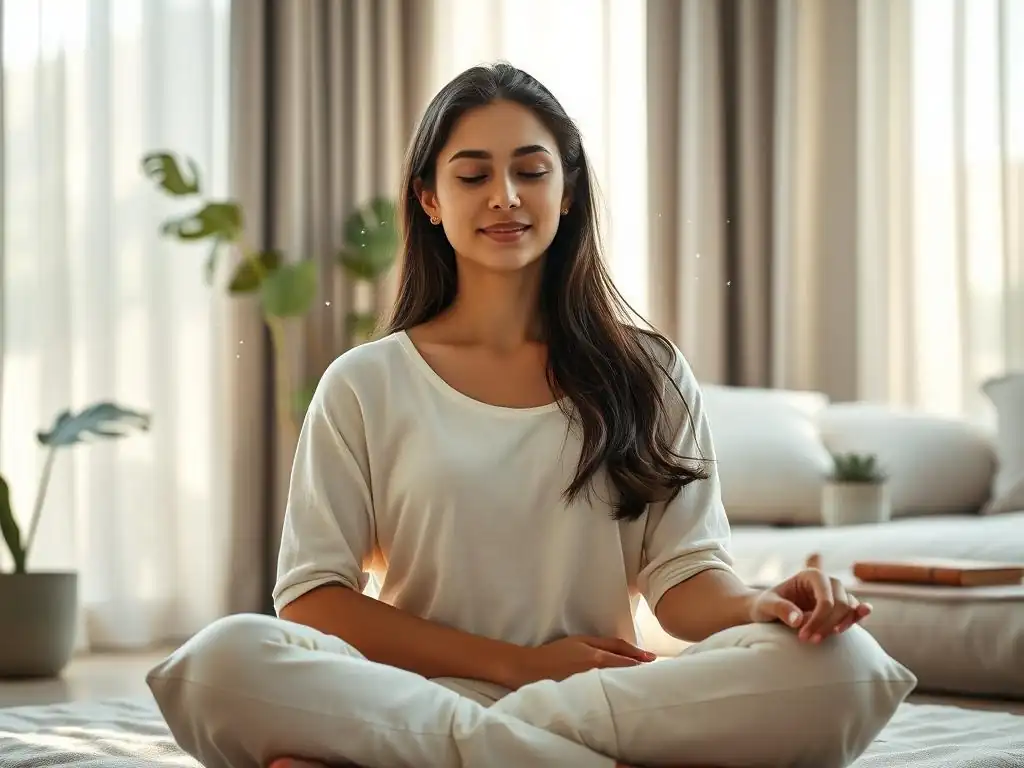
Welcome to Mind Care Guide, a space dedicated to nurturing your mental well-being.
Feeling overwhelmed by anxiety? You're not alone. This article delves into the fascinating science behind how mindfulness reduces anxiety symptoms, exploring the physiological changes that occur within your body when you practice mindful awareness. Discover how simple techniques can help you reclaim a sense of calm and control. Ready to understand the power of your own mind? Let's begin your journey to inner peace.
Calming the Anxious Mind: The Physiological Effects of Mindfulness
- Introduction: The Interplay of Anxiety and Mindfulness
- Mindfulness's Influence on the Autonomic Nervous System
- Mindfulness and Brain Function: Neuroplasticity and Emotional Regulation
- Mindfulness and Stress Hormone Regulation
- Mindfulness and Heart Rate Variability
- Mindfulness Practices for Anxiety
- Integrating Mindfulness into Daily Life
- Research on Mindfulness and Anxiety
- Conclusion: Mindfulness for Resilience and Well-being
-
Frequently Asked Questions
- What exactly is mindfulness, and how does it relate to anxiety reduction?
- How does mindfulness physiologically impact the body to reduce anxiety?
- How often and for how long should I practice mindfulness to experience a reduction in anxiety symptoms?
- What are some practical mindfulness exercises I can incorporate into my daily routine?
- Are there any potential drawbacks or situations where mindfulness might not be helpful for anxiety?
- Final Reflection: Finding Stillness in a Restless World
- Unleash Your Inner Calm: Take Control of Your Anxiety
Introduction: The Interplay of Anxiety and Mindfulness
Anxiety is a pervasive challenge in modern life, affecting millions worldwide. It's more than just a feeling of worry; it involves a complex interplay of psychological and physiological responses. The body gears up for perceived threat, leading to symptoms like rapid heartbeat, shallow breathing, muscle tension, and a racing mind. For many, finding effective, sustainable ways to manage these symptoms is crucial for reclaiming a sense of calm and control. Understanding the bodily basis of anxiety is the first step toward finding effective solutions.
The Growing Need for Anxiety Solutions
The prevalence of anxiety disorders is significant. Globally, it's estimated that anxiety disorders affect around 4% of the population. In the United States alone, over 40 million adults experience an anxiety disorder in any given year, making it the most common mental illness. This widespread impact underscores the urgent need for accessible and effective strategies to alleviate anxiety symptoms and improve overall mental well-being. The search for non-pharmacological interventions is increasingly popular among individuals seeking complementary approaches to traditional treatments.
The economic burden of anxiety is also substantial, encompassing healthcare costs, lost productivity, and reduced quality of life. As awareness grows, so does the demand for practical, evidence-based techniques that individuals can incorporate into their daily routines. This growing demand highlights the value of exploring methods like mindfulness, which research suggests can significantly reduce anxiety symptoms and offer a path toward greater emotional resilience.
Mindfulness: A Tool for Nervous System Regulation
Mindfulness, often defined as paying attention in a particular way: on purpose, in the present moment, and non-judgmentally, has emerged as a powerful tool for addressing anxiety. It's not about emptying the mind or achieving a state of bliss, but rather about cultivating awareness of one's thoughts, feelings, bodily sensations, and surrounding environment without getting caught up in them. This practice helps individuals step out of automatic reactions and gain perspective.
The core mechanism through which mindfulness reduces anxiety symptoms lies in its capacity to influence the body's stress response system. By fostering a state of present-moment awareness, mindfulness practice can help interrupt the cycle of worry and rumination that often fuels anxiety. It teaches the mind to observe distressing thoughts and sensations without immediately reacting to them, gradually weakening their power and helping regulate the nervous system.
Physiological Mechanisms of Mindfulness in Anxiety Reduction
Mindfulness doesn't just change how you feel subjectively; it induces measurable physiological changes that directly counteract the effects of anxiety. These changes occur across multiple systems in the body, including the autonomic nervous system, brain function, and hormonal regulation.
Research indicates that regular mindfulness practice reduces anxiety symptoms by influencing key biological pathways. For instance, studies using fMRI scans show altered brain activity in areas associated with fear and emotion regulation. Furthermore, physiological markers like heart rate variability and stress hormone levels (such as cortisol) demonstrate significant positive changes in individuals who practice mindfulness consistently. Understanding these mechanisms provides a scientific basis for why mindfulness is an effective strategy for calming an anxious mind.
Mindfulness's Influence on the Autonomic Nervous System
The autonomic nervous system (ANS) controls involuntary bodily functions like heart rate, digestion, and breathing. It has two main branches: the sympathetic nervous system (responsible for the "fight or flight" response) and the parasympathetic nervous system (responsible for the "rest and digest" state). In anxiety, the sympathetic system is often overactive, leading to physical symptoms. Mindfulness directly impacts this balance.
Mindfulness practice helps to shift the dominance from the sympathetic to the parasympathetic nervous system. By focusing on breath and present moment awareness, individuals can consciously engage the vagus nerve, a key component of the parasympathetic system. This engagement counteracts the physiological arousal triggered by anxiety, promoting a state of calm and relaxation throughout the body.
Balancing Sympathetic and Parasympathetic Activity
Chronic anxiety is often characterized by a state of sympathetic nervous system overdrive. The body is constantly on high alert, perceiving non-threatening situations as dangerous. This imbalance can lead to persistent physical symptoms like increased heart rate, elevated blood pressure, and muscle tension. Restoring balance is key to reducing anxiety symptoms.
Mindfulness training helps individuals become more attuned to their physiological state, allowing them to recognize early signs of sympathetic activation. Through practices like mindful breathing, they can consciously activate the parasympathetic response, effectively downregulating the fight-or-flight reaction. This conscious regulation helps to train the body to respond to stress in a more balanced way over time, ultimately reducing the frequency and intensity of anxiety-related physical symptoms.
Dampening the Stress Response: Reducing Sympathetic Activity
When faced with a perceived threat, the sympathetic nervous system triggers a cascade of physiological changes designed to prepare the body for action. This includes the release of stress hormones like adrenaline and noradrenaline, increased heart rate and respiration, and redirection of blood flow to muscles. While essential for survival in acute danger, a prolonged or easily triggered sympathetic response contributes significantly to chronic anxiety.
Mindfulness techniques, such as focusing on the breath or body sensations, provide an anchor in the present moment, disrupting the anxious thought loops that often trigger the sympathetic response. By observing thoughts and feelings without judgment, individuals learn not to react automatically to every anxious signal. This cultivated non-reactivity helps to prevent the unnecessary activation of the sympathetic system, thereby dampening the overall stress response and helping mindfulness reduces anxiety symptoms.
Activating Relaxation: Enhancing Parasympathetic Activity
The parasympathetic nervous system promotes relaxation, conservation of energy, and recovery. Its activation leads to a decrease in heart rate and blood pressure, slowed breathing, and increased digestive activity – essentially the opposite of the fight-or-flight response. Engaging the parasympathetic system is crucial for calming the body during anxiety.
Practices like slow, deep mindful breathing are particularly effective at stimulating the vagus nerve, which in turn enhances parasympathetic activity. Regular engagement in mindfulness meditation trains the body to more readily access this state of relaxation. Over time, this enhanced parasympathetic tone contributes to a lower baseline level of physiological arousal, making individuals less susceptible to the acute physical symptoms of anxiety and fostering a greater sense of calm.
Mindfulness and Brain Function: Neuroplasticity and Emotional Regulation
The brain is highly adaptable, a property known as neuroplasticity. Anxiety can reshape brain circuits, particularly those involved in fear and worry. Fortunately, practices like mindfulness can also induce positive structural and functional changes in the brain, promoting better emotional regulation and reducing the brain's reactivity to stress.
Studies using neuroimaging techniques have shown that mindfulness practice can lead to changes in brain regions associated with attention, self-awareness, and emotional processing. These changes contribute to an increased capacity to manage distressing emotions and thoughts, which is fundamental to reducing anxiety symptoms. The brain's ability to rewire itself in response to mindfulness highlights its potential as a powerful tool for long-term anxiety management.
Reducing Amygdala Reactivity
The amygdala is a key brain structure involved in processing emotions, particularly fear and threat. In individuals with anxiety, the amygdala is often hyperactive, leading to an exaggerated response to perceived stressors. This heightened reactivity contributes significantly to feelings of fear, panic, and worry.
Research, including studies at institutions like Harvard Medical School, has shown that regular mindfulness meditation can lead to a decrease in the size and activity of the amygdala. For example, an 8-week mindfulness-based stress reduction (MBSR) program was found to reduce amygdala volume and alter its connectivity. By reducing the amygdala's exaggerated response, mindfulness helps to dampen the initial fear signal, making individuals less prone to triggering the full-blown anxiety response and demonstrating how mindfulness reduces anxiety symptoms at a neurological level.
Strengthening Prefrontal Cortex Control
The prefrontal cortex (PFC), located at the front of the brain, is responsible for higher-level cognitive functions, including planning, decision-making, and emotional regulation. It acts as the brain's executive control center, helping to regulate impulses and responses, including those originating from the amygdala. In anxiety, the connection between the PFC and the amygdala can be weakened, leading to less top-down control over emotional reactions.
Mindfulness practice has been shown to increase activity and strengthen connections in areas of the prefrontal cortex, particularly those involved in attention and self-awareness. This enhanced PFC function provides greater capacity to observe thoughts and emotions without being overwhelmed by them, allowing for a more considered response rather than an automatic, anxious reaction. Strengthening the PFC's control over the amygdala is a crucial neurological mechanism by which mindfulness reduces anxiety symptoms.
Long-Term Brain Changes Through Mindfulness
The effects of mindfulness on the brain are not temporary. Consistent practice can lead to lasting structural and functional changes, demonstrating the power of neuroplasticity in the context of mental well-being. These long-term changes contribute to increased resilience and a reduced susceptibility to anxiety over time.
Studies comparing experienced meditators to non-meditators have found differences in brain structure, such as increased cortical thickness in areas associated with attention and sensory processing. These structural changes, coupled with altered functional connectivity between brain regions like the PFC and amygdala, indicate that mindfulness physically reshapes the brain in ways that support emotional regulation and stress reduction. This neurobiological evidence strongly supports the claim that mindfulness reduces anxiety symptoms through tangible, lasting brain changes.
Mindfulness and Stress Hormone Regulation

Hormones play a critical role in the body's stress response. The hypothalamic-pituitary-adrenal (HPA) axis is the main system involved in regulating stress hormones, most notably cortisol. Chronic stress and anxiety can lead to dysregulation of the HPA axis and elevated levels of cortisol, which can have detrimental effects on both mental and physical health.
Mindfulness practice has been shown to influence the HPA axis and help regulate stress hormone levels. By promoting a state of calm and reducing the perception of threat, mindfulness can decrease the signals that trigger the release of stress hormones. This hormonal regulation is another key physiological pathway through which mindfulness reduces anxiety symptoms.
Cortisol's Role in Anxiety
Cortisol is often referred to as the primary stress hormone. It is released by the adrenal glands in response to signals from the HPA axis. In the short term, cortisol helps the body respond to stress by increasing glucose in the bloodstream, enhancing the brain's use of glucose, and making substances that repair tissues more available. However, chronically elevated cortisol levels can have negative consequences, including impaired cognitive function, weakened immune response, increased blood pressure, and exacerbated anxiety symptoms.
Individuals with chronic anxiety or stress often exhibit higher baseline cortisol levels or an exaggerated cortisol response to stressors. This hormonal imbalance contributes to the persistent state of physiological arousal and the difficulty in relaxing that characterizes anxiety disorders. Managing cortisol levels is therefore an important aspect of anxiety treatment.
Mindfulness as a Cortisol-Lowering Technique
Research indicates that regular mindfulness practice can help lower cortisol levels. By reducing the subjective experience of stress and calming the physiological stress response, mindfulness intervenes in the HPA axis pathway. This can lead to a decrease in the frequency and magnitude of cortisol release.
Studies have measured cortisol in saliva or blood samples before and after mindfulness interventions. While results can vary, many studies have shown significant reductions in cortisol levels in participants who engage in regular mindfulness practice compared to control groups. For example, some studies report average reductions in cortisol levels ranging from 10% to 20% after several weeks of mindfulness training. This objective data supports the subjective reports that mindfulness reduces anxiety symptoms by influencing the body's hormonal stress response.
Mindfulness Techniques for Cortisol Reduction
Certain mindfulness techniques may be particularly effective in promoting cortisol reduction. Practices that focus on deep relaxation and calming the nervous system are often highlighted.
- Mindful Breathing: Slow, diaphragmatic breathing directly stimulates the vagus nerve, signaling the brain to reduce the stress response and potentially lowering cortisol.
- Body Scan Meditation: Bringing awareness to bodily sensations can help release physical tension associated with stress and promote a state of relaxation that counteracts cortisol release.
- Gentle Mindful Movement: Practices like mindful yoga or walking at a relaxed pace can help discharge physical stress while maintaining present moment awareness, also contributing to HPA axis regulation.
Consistent engagement in these practices helps train the body and mind to enter a more relaxed state, supporting the long-term goal of reducing anxiety symptoms through hormonal balance.
Mindfulness and Heart Rate Variability
Heart Rate Variability (HRV) is a measure of the variation in time between heartbeats. It is regulated by the autonomic nervous system. Higher HRV generally indicates a healthy, flexible nervous system that can easily switch between sympathetic and parasympathetic states. Lower HRV is often associated with stress, anxiety, depression, and various health problems, reflecting a nervous system stuck in a sympathetic-dominant state.
Mindfulness practice has been shown to increase HRV. This increase is a physiological marker of improved autonomic nervous system balance and enhanced vagal tone. By promoting relaxation and reducing stress reactivity, mindfulness improves the body's ability to adapt to different demands, which is reflected in higher HRV and contributes to the overall effect that mindfulness reduces anxiety symptoms.
Understanding HRV as a Health Indicator
HRV is increasingly recognized as a valuable non-invasive indicator of both physical and mental health. A higher HRV suggests that the autonomic nervous system is well-regulated and resilient, capable of responding appropriately to different internal and external stimuli. It indicates a good balance between the sympathetic and parasympathetic branches.
Conversely, low HRV is a common finding in individuals experiencing chronic stress, anxiety, and other mood disorders. It signifies a less adaptable nervous system, often dominated by sympathetic activity. Improving HRV is therefore a desirable outcome for reducing the physiological burden of anxiety and promoting overall well-being.
Increasing HRV Through Mindfulness
Mindfulness techniques that emphasize breath control and present moment awareness are particularly effective at improving HRV. By consciously slowing the breath and focusing attention inward, individuals can directly influence autonomic nervous system activity.
Studies measuring HRV before and after mindfulness interventions have consistently shown positive results. For example, research on MBSR programs often reports statistically significant increases in HRV among participants, sometimes showing improvements of 10-15% or more depending on the baseline and duration of practice. This objective physiological change provides strong evidence that mindfulness reduces anxiety symptoms by improving autonomic flexibility and stress resilience.
Mindfulness-Based Techniques for HRV Enhancement
Several mindfulness practices are known to positively impact HRV:
- Coherent Breathing: Breathing at a slow, steady pace (around 5-7 breaths per minute) is a powerful way to synchronize heart rhythms and increase HRV. Mindfulness adds the element of non-judgmental awareness to this practice.
- Loving-Kindness Meditation: While seemingly focused on emotions, this practice can induce a state of warmth and connection that activates the parasympathetic nervous system and increases HRV.
- Body Scan Meditation: By systematically bringing awareness to the body and releasing tension, the body scan promotes deep relaxation, which is conducive to higher HRV.
Regular engagement with these techniques helps train the nervous system for better regulation, contributing significantly to the physiological benefits of mindfulness for anxiety.
Mindfulness Practices for Anxiety
Implementing mindfulness requires engaging in specific practices. While the core principle is present-moment awareness, various techniques can be used to cultivate this state. Finding the practices that resonate most with you is key to establishing a sustainable routine that helps mindfulness reduces anxiety symptoms.
It's important to approach these practices with patience and self-compassion. The goal isn't to eliminate thoughts or feelings, but to observe them without judgment and return gently to the present moment when the mind wanders. Consistency, even for short periods, is more beneficial than infrequent long sessions.
Mindful Breathing Techniques
Mindful breathing is often the foundational practice in mindfulness training. It involves paying deliberate attention to the sensation of the breath as it enters and leaves the body.
- Find a comfortable position, sitting or lying down.
- Close your eyes gently if comfortable, or soften your gaze.
- Bring your attention to your breath. Notice the feeling of the air in your nostrils, the rise and fall of your chest or abdomen, the temperature difference between inhale and exhale.
- Simply observe the breath without trying to change it.
- When your mind wanders (which it will), gently notice where it went and guide your attention back to the breath, without judgment.
- Start with just a few minutes per day and gradually increase the duration.
This simple practice provides an anchor to the present moment, helping to interrupt anxious thought loops and activate the parasympathetic nervous system. Regular mindful breathing is a direct way that mindfulness reduces anxiety symptoms by calming the physiological response.
Body Scan Meditation
The body scan is a practice that involves systematically bringing mindful awareness to different parts of the body, noticing physical sensations without judgment.
- Lie down comfortably on your back, or sit upright if preferred.
- Close your eyes or soften your gaze.
- Bring your awareness to your breath for a few moments to settle in.
- Then, gently bring your attention to your toes. Notice any sensations there – tingling, warmth, pressure, absence of sensation. Simply observe.
- Slowly move your attention up through your body: feet, ankles, lower legs, knees, upper legs, hips, etc., section by section, all the way up to the crown of your head.
- Spend a few moments with each area, simply noticing whatever is present. If you encounter discomfort or tension, acknowledge it with curiosity rather than trying to fix it.
- If your mind wanders, gently redirect your attention back to the body part you were focusing on.
This practice helps to cultivate interoceptive awareness (awareness of internal bodily states) and can help release stored tension. By grounding attention in the physical body, the body scan helps to interrupt anxious mental chatter and promotes a sense of presence and relaxation.
Mindful Walking
Mindful walking integrates mindfulness into a common activity. It can be practiced indoors or outdoors, slowly or at a normal pace.
- Find a place where you can walk undisturbed for 10-20 minutes.
- Begin by standing for a moment, noticing the sensations of your feet on the ground.
- As you begin to walk, bring your attention to the physical sensations of walking: the lifting of one foot, the movement forward, the placement of the foot back down, the shift of weight.
- Notice the movement of your legs, arms, and body.
- You can also expand your awareness to include the sights, sounds, and smells around you, noticing them as they arise and pass, without getting lost in thought about them.
- If your mind wanders, gently bring your attention back to the sensations of walking or the present environment.
Mindful walking provides a moving meditation that helps to ground you in the present moment. It can be particularly helpful for restless energy often associated with anxiety. By focusing on the physical act of walking and sensory input, it helps to quiet the anxious mind and provides a gentle way to integrate mindfulness into daily activity.
Integrating Mindfulness into Daily Life

The true power of mindfulness for anxiety lies not just in formal meditation sessions, but in integrating mindful awareness into everyday activities. This helps to cultivate a state of present-moment awareness that is accessible throughout the day, providing a continuous buffer against stress and worry.
Making mindfulness a habit requires intention and practice. It involves finding ways to bring mindful attention to routine tasks, transitions, and even challenging moments. The goal is to weave mindfulness seamlessly into the fabric of daily life.
Establishing a Mindfulness Routine
Creating a consistent routine is crucial for reaping the benefits of mindfulness. This doesn't necessarily mean hours of meditation daily; even short, regular periods can be effective.
- Start Small: Begin with 5-10 minutes of formal practice (like mindful breathing or body scan) once or twice a day.
- Schedule It: Treat your mindfulness practice like any other important appointment. Schedule it in your calendar.
- Choose a Time and Place: Find a time when you are least likely to be interrupted and a quiet space where you feel comfortable.
- Stack Habits: Link your mindfulness practice to an existing habit (e.g., after brushing your teeth, before your morning coffee).
- Informal Practice: Look for opportunities to bring mindfulness to everyday activities – mindfully eating a meal, washing dishes, listening fully to a conversation, or simply noticing your breath for a few moments during transitions.
Consistency builds momentum and strengthens the neural pathways associated with mindfulness, making it easier for mindfulness reduces anxiety symptoms over time.
Addressing Challenges in Mindfulness Practice
It's common to encounter challenges when starting mindfulness practice, such as difficulty concentrating, feeling restless, or becoming aware of uncomfortable thoughts or feelings. These are normal parts of the process.
- Wandering Mind: The mind will wander. The practice isn't about stopping thoughts, but noticing when the mind has wandered and gently bringing it back. This act of returning is the core exercise.
- Physical Discomfort: If you experience discomfort, try adjusting your posture. If it persists, acknowledge it with curiosity rather than resistance. Sometimes, simply bringing mindful attention to the sensation can change your relationship with it.
- Emotional Difficulty: Mindfulness can sometimes bring difficult emotions to the surface. Approach these with self-compassion. If it feels overwhelming, it's okay to pause and seek support from a mental health professional.
- Feeling Like You're "Doing It Wrong": There's no single "right" way to practice. Every moment of attempting to be present is successful practice. Let go of perfectionism.
Remember that the journey of mindfulness is one of continuous learning and self-discovery. Patience and persistence are key to allowing mindfulness reduces anxiety symptoms gradually.
Consistency for Long-Term Anxiety Management
The physiological and neurological changes that support anxiety reduction through mindfulness develop over time with consistent practice. Just like building physical strength requires regular exercise, building mental resilience and retraining the nervous system requires regular mindful engagement.
Research often points to significant improvements in anxiety symptoms after 8 weeks of consistent daily practice (e.g., 30-45 minutes per day in formal programs). However, even shorter daily practices (10-15 minutes) combined with informal mindfulness throughout the day can yield noticeable benefits over several months. The cumulative effect of regular mindful moments helps to lower baseline stress levels, improve emotional regulation, and build a greater capacity to navigate challenges without being overwhelmed by anxiety. Consistency is the bridge between occasional mindful moments and lasting relief from anxiety symptoms.
Research on Mindfulness and Anxiety
The effectiveness of mindfulness for anxiety is not just anecdotal; it is supported by a growing body of scientific research. Studies have investigated the impact of various mindfulness-based interventions on anxiety symptoms across different populations and settings.
This research provides valuable insights into how and why mindfulness reduces anxiety symptoms, offering evidence-based support for its integration into mental health strategies. Understanding the research can help individuals feel more confident in exploring mindfulness as a tool for their own well-being.
Key Studies on Mindfulness and Anxiety
Numerous studies and meta-analyses have demonstrated the positive effects of mindfulness on anxiety. Landmark research on Mindfulness-Based Stress Reduction (MBSR) and Mindfulness-Based Cognitive Therapy (MBCT) has been particularly influential.
- A meta-analysis published in JAMA Internal Medicine in 2014 reviewed 47 trials with 3,515 participants and found moderate evidence that mindfulness meditation programs improved anxiety symptoms.
- Research specifically on MBSR, developed by Jon Kabat-Zinn, has shown significant reductions in anxiety and improvements in quality of life in clinical populations. For instance, studies consistently show that participants in 8-week MBSR programs experience a notable decrease in self-reported anxiety scores.
- Studies using neuroimaging (fMRI) have provided objective evidence of brain changes, such as reduced amygdala reactivity and increased PFC activity, correlating with reductions in anxiety symptoms.
These studies, among many others, provide compelling evidence that mindfulness reduces anxiety symptoms through measurable psychological and physiological changes.
Mindfulness vs. Traditional Anxiety Treatments
Mindfulness is often used as a complementary approach to traditional anxiety treatments like therapy (e.g., Cognitive Behavioral Therapy - CBT) and medication. Research has also compared the efficacy of mindfulness-based interventions to these established methods.
While medication and CBT are highly effective for many, studies suggest that mindfulness can offer comparable benefits for certain individuals or may enhance the effects of traditional treatments. For example, some research indicates that MBCT can be as effective as antidepressant medication in preventing relapse in individuals with recurrent depression, which often co-occurs with anxiety.
Furthermore, mindfulness offers unique benefits, such as cultivating present-moment awareness and non-judgmental acceptance, which can be valuable skills for long-term anxiety management and overall emotional resilience. The choice of treatment is individual, but research clearly positions mindfulness as a valid, evidence-based option for reducing anxiety symptoms.
Conclusion: Mindfulness for Resilience and Well-being
Anxiety can feel overwhelming, but understanding its physiological roots and the power of practices like mindfulness offers a path toward greater ease and control. Mindfulness provides concrete tools to regulate the nervous system, reshape brain responses, balance hormones, and improve heart health. By cultivating present-moment awareness, individuals can interrupt the cycle of worry and build resilience against the physical and mental toll of anxiety.
The journey with mindfulness is a personal one, requiring patience, practice, and self-compassion. It's not about eliminating anxiety entirely, but about changing your relationship with it, learning to navigate challenging moments with greater calm and clarity. The consistent practice of mindfulness reduces anxiety symptoms and opens the door to a more peaceful and fulfilling life.
Mindfulness for Anxiety Management
Mindfulness is a powerful, evidence-based strategy for managing anxiety symptoms. Its impact on the autonomic nervous system, brain structure and function, stress hormone levels, and heart rate variability provides a strong physiological basis for its effectiveness. By incorporating mindful breathing, body scan, mindful walking, and other practices into daily life, individuals can actively work to calm their nervous system and reduce the intensity and frequency of anxiety.
Adopting a mindfulness practice empowers you to become a more active participant in your own well-being. It's a skill that can be developed over time, offering a sustainable approach to reducing anxiety symptoms and fostering a greater sense of peace and presence in the face of life's challenges.
Resources for Starting a Mindfulness Practice
Getting started with mindfulness is accessible to everyone. Numerous resources are available to guide you:
- Guided Meditations: Many free and paid apps (like Calm, Headspace, Insight Timer) and websites offer guided mindfulness meditations suitable for beginners.
- Books: Numerous books explain mindfulness principles and provide practical exercises, such as "Wherever You Go, There You Are" by Jon Kabat-Zinn or "Mindfulness in Plain English" by Henepola Gunaratana.
- Courses and Workshops: Look for local or online MBSR or MBCT programs, often offered by hospitals, community centers, or meditation teachers. These structured programs provide comprehensive training.
- Mindfulness Groups: Practicing with others can be supportive. Search for local meditation or mindfulness groups.
Starting small, being consistent, and approaching the practice with kindness towards yourself are the most important steps.
Mindfulness for a Calmer Life
Ultimately, integrating mindfulness into your life is about cultivating a state of being that supports not just reduced anxiety symptoms, but overall resilience and well-being. It's about learning to meet each moment, pleasant or unpleasant, with greater awareness and acceptance.
As you continue to practice, you may find that you are less reactive to stressors, more present in your relationships, and better able to appreciate the simple moments of life. The physiological benefits discussed are the foundation, but the true gift of mindfulness is the possibility of living a calmer, more connected, and more meaningful life.
Frequently Asked Questions
What exactly is mindfulness, and how does it relate to anxiety reduction?
Mindfulness is a mental state achieved by focusing on the present moment, acknowledging and accepting feelings, thoughts, and bodily sensations. It helps reduce anxiety by interrupting negative thought patterns and promoting a sense of calm.
How does mindfulness physiologically impact the body to reduce anxiety?
Mindfulness practices can lower cortisol levels, the stress hormone, and activate the parasympathetic nervous system, which promotes relaxation. This leads to a slower heart rate and reduced blood pressure, alleviating anxiety symptoms.
How often and for how long should I practice mindfulness to experience a reduction in anxiety symptoms?
While results vary, studies suggest practicing mindfulness for at least 10-15 minutes daily can significantly reduce anxiety. Consistency is key; even short, regular sessions are more effective than infrequent long ones.
What are some practical mindfulness exercises I can incorporate into my daily routine?
Simple exercises include mindful breathing, focusing on the sensation of each inhale and exhale, and body scan meditations, paying attention to different parts of your body. Mindful walking and eating are also effective.
Are there any potential drawbacks or situations where mindfulness might not be helpful for anxiety?
While generally safe, mindfulness may not be suitable for everyone. In some cases, it could potentially exacerbate anxiety in individuals with severe trauma or certain mental health conditions. Consulting a mental health professional is always recommended.
Final Reflection: Finding Stillness in a Restless World
The pervasive anxiety of modern life demands effective coping mechanisms, and the evidence overwhelmingly supports mindfulness as a powerful tool. This article has explored the physiological pathways through which mindfulness practices directly impact the nervous system, reducing the experience of anxiety symptoms. From the dampening of the amygdala's alarm response to the strengthening of the prefrontal cortex's regulatory functions, the science clearly demonstrates the transformative potential of this ancient practice in a contemporary context.
Mindfulness isn't merely a trend; it's a fundamental shift in our relationship with ourselves and the world around us. It's a recognition of the power we hold to shape our internal experience, to cultivate a sense of presence and calm amidst the chaos. This ongoing influence is visible in the increasing integration of mindfulness techniques into healthcare, education, and even corporate settings. The mind is everything. What you think you become.
– Buddha. This simple yet profound statement encapsulates the core principle of mindfulness: by cultivating awareness of our thoughts and emotions, we gain the agency to reshape our responses and ultimately, our lives.
Consider the impact of even a few minutes of daily mindful practice. Imagine the ripple effect of reduced stress, improved focus, and increased emotional regulation in your own life. You have the power to cultivate inner peace, to quiet the noise of your nervous system, and to experience the profound benefits of mindfulness. Begin today. Start small, with just a few deep breaths, and allow yourself to discover the transformative stillness that awaits within.
Unleash Your Inner Calm: Take Control of Your Anxiety
Thanks for taking the time to explore the powerful connection between mindfulness and anxiety relief. We hope you gained valuable insights into how you can actively calm your nervous system. Now, it's time to put this knowledge into practice!
Here are a few ways to continue your journey towards inner peace:
- Prioritize a 5-minute mindfulness exercise today. Even a short session can make a noticeable difference. Find a quiet space and focus on your breath.
- Explore guided meditation resources. There are countless free apps and online guides available to support your practice.
- Share your experience! Tell us in the comments what mindfulness techniques work best for you and inspire others to find their calm.
What small step will you take today to cultivate a more peaceful and centered you?