
The Aging Brain: How Neurotransmitter Changes Occur Over Time

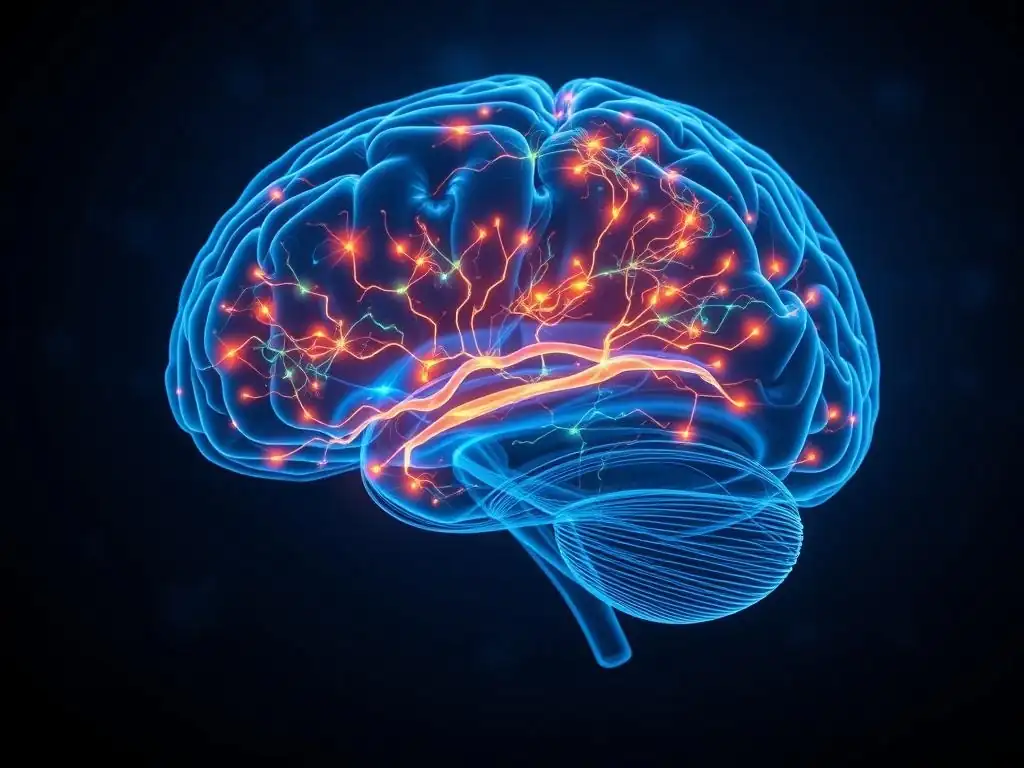
Welcome to Mind Care Guide, your compassionate companion on the journey to mental well-being. Are you noticing subtle shifts in memory or focus as time goes by? Perhaps you're curious about what's really happening inside your brain as you age? In this article, we delve into the fascinating neuroscience behind aging brain neurotransmitter decline, exploring how these vital chemical messengers change over time and, more importantly, what you can do to support a healthy and vibrant mind. Let's unravel the mysteries together and discover actionable steps you can take today.
Age-Related Changes in Neurotransmitter Systems and Cognitive Function
- Introduction: Understanding the Impact of Aging on Neurotransmitter Function
- Age-Related Changes in Key Neurotransmitter Systems
- Mechanisms Underlying Age-Related Neurotransmitter Decline
- Consequences of Neurotransmitter Decline on Cognitive and Mental Health
- Strategies to Support Neurotransmitter Function and Cognitive Health
- Future Directions in Research and Therapeutic Interventions
- Conclusion: Preserving Neurotransmitter Function for Healthy Cognitive Aging
-
Frequently Asked Questions
- What are neurotransmitters and why are they important for the aging brain?
- How does the natural aging process affect neurotransmitter levels?
- What specific neurotransmitters are most significantly affected by aging?
- What are some potential consequences of aging brain neurotransmitter decline?
- Are there strategies to mitigate the effects of neurotransmitter decline in the aging brain?
- Final Reflection: Embracing the Evolving Brain
- Unlock Your Brain's Potential: Take Charge of Cognitive Health
Introduction: Understanding the Impact of Aging on Neurotransmitter Function
The human brain undergoes significant transformations throughout life, and aging brings about a complex interplay of structural and functional changes. Among the most critical of these changes are alterations in the brain's neurotransmitter systems. Neurotransmitters are the chemical messengers that nerve cells use to communicate with each other, influencing everything from mood and memory to movement and sleep.
As we age, the delicate balance and function of these systems can shift, contributing to the cognitive and emotional changes often associated with later life. Understanding the nature of this aging brain neurotransmitter decline is crucial for maintaining mental well-being and cognitive health.
This natural process of age-related change in neurotransmitters is not necessarily a direct cause of disease, but it does represent a fundamental shift in brain chemistry that can affect cognitive performance and increase vulnerability to certain conditions. The efficiency of neurotransmitter synthesis, release, reuptake, and receptor binding can all be impacted by aging. These widespread effects mean that changes in even one neurotransmitter system can have ripple effects throughout the brain, influencing various cognitive functions and emotional states. Exploring these specific changes provides insight into the biological underpinnings of cognitive aging.
The Role of Neurotransmitters in Maintaining Cognitive Health with Age
Neurotransmitters are fundamental to virtually all brain functions, including the complex processes that underpin cognition. Acetylcholine is vital for memory formation and retrieval, while dopamine plays a key role in executive functions like planning and working memory, as well as motivation. Serotonin influences mood and contributes to cognitive flexibility, and GABA (gamma-aminobutyric acid) is crucial for inhibitory control and filtering irrelevant information. Maintaining healthy levels and efficient signaling of these chemicals is therefore paramount for preserving cognitive abilities as the brain ages.
As the aging brain experiences neurotransmitter decline, the efficiency of neural circuits dependent on these chemicals can decrease. For example, reduced acetylcholine activity is strongly linked to memory difficulties, a common concern in older adults. Similarly, changes in dopamine pathways in the prefrontal cortex are associated with declines in executive functions. While some degree of cognitive change is considered normal aging, significant age-related neurotransmitter changes can exacerbate these effects, potentially contributing to more pronounced cognitive impairment or increasing the risk for neurodegenerative conditions. Supporting these systems is a key focus for promoting healthy cognitive aging.
Neurochemical Differences Between Younger and Older Brains
Studies comparing the brains of younger adults (e.g., 20-30 years old) and older adults (e.g., 65+ years old) consistently reveal quantifiable differences in neurotransmitter systems. For instance, imaging studies using PET (Positron Emission Tomography) have shown a general decline in the density of receptors for several key neurotransmitters in older brains. Research indicates that dopamine D2 receptor binding potential, particularly in areas like the striatum, can decline by approximately 5-10% per decade after early adulthood. Similar, though often less pronounced, declines have been observed for serotonin transporters and receptors in various brain regions.
Beyond receptor density, the actual synthesis and metabolism of neurotransmitters can also change with age. Enzymes responsible for creating or breaking down neurotransmitters may become less efficient. For example, levels of choline acetyltransferase (ChAT), the enzyme that synthesizes acetylcholine, are often reduced in certain brain areas of older individuals, particularly those with more significant cognitive decline. These multifaceted neurochemical differences contribute significantly to the overall phenomenon of aging brain neurotransmitter decline and its impact on brain function.
Aging affects different neurotransmitter systems in distinct ways, leading to varied impacts on cognitive and emotional functions. While a general trend of decline or altered sensitivity is common, the specifics vary significantly.
Dopamine: Motor Control, Motivation, and Reward Processing
The dopaminergic system is particularly vulnerable to age-related changes. The density of dopamine transporters (DAT) and D2/D3 receptors, especially in the striatum, shows a substantial decline with age, estimated to be around 6-8% per decade. This decline affects pathways involved in motor control, contributing to age-related changes in movement and potentially increasing the risk of conditions like Parkinson's disease, although normal aging changes are distinct from pathological processes.
Furthermore, dopamine plays a critical role in the prefrontal cortex, supporting executive functions, motivation, and reward processing. Age-related reductions in prefrontal dopamine signaling are thought to contribute to declines in tasks requiring cognitive flexibility, working memory, and motivational drive. This aging brain neurotransmitter decline in dopamine pathways is a significant factor in age-related changes in both motor and higher-level cognitive functions.
Serotonin: Mood Regulation, Sleep, and Appetite
The serotonergic system, crucial for regulating mood, sleep, appetite, and emotional processing, also undergoes age-related alterations. Studies have shown changes in serotonin transporter (SERT) binding and various serotonin receptor subtypes (e.g., 5-HT1A, 5-HT2A) in different brain regions of older adults. While the pattern can be complex and region-specific, changes in serotonin signaling are implicated in the increased prevalence of mood disorders, such as depression and anxiety, in later life.
Alterations in serotonin also impact sleep architecture, contributing to common age-related sleep disturbances like difficulty falling asleep or staying asleep. The intricate network of serotonin pathways means that age-related changes here can have widespread effects on emotional resilience and basic physiological processes regulated by the brain. Understanding these age-related neurotransmitter changes in serotonin is key to addressing mood and sleep issues in older populations.
Acetylcholine: Memory, Learning, and Attention
The cholinergic system, centered around acetylcholine, is arguably the most strongly linked to age-related cognitive decline, particularly memory function. Neurons that produce acetylcholine, primarily located in the basal forebrain, show vulnerability with age, and the levels of the enzyme choline acetyltransferase (ChAT) can decrease. Acetylcholine receptors also show age-related changes in density and function in areas critical for memory like the hippocampus and cortex.
This decline in cholinergic function is considered a major contributor to the memory difficulties experienced by many older adults and is a primary target for pharmacological interventions in Alzheimer's disease, although these interventions have limited efficacy and target a pathological state beyond normal aging. The aging brain neurotransmitter decline in acetylcholine is a well-documented phenomenon that directly impacts learning, attention, and the ability to form new memories.
GABA: Inhibition, Anxiety, and Sleep
GABA is the brain's primary inhibitory neurotransmitter, essential for balancing excitatory signals, regulating anxiety, and promoting restful sleep. Age-related changes in the GABAergic system are less consistently documented than those for other neurotransmitters, but evidence suggests alterations in GABA levels, synthesis enzymes, and receptor sensitivity can occur. These changes may contribute to age-related increases in anxiety, altered responses to stress, and difficulties with inhibitory control (e.g., filtering distractions).
Changes in GABAergic signaling can also impact sleep patterns, potentially contributing to the fragmentation of sleep often observed in older adults. While research is ongoing, it is clear that disruptions to this inhibitory system play a role in the overall picture of age-related neurotransmitter changes and their influence on mental well-being and cognitive function.
Genetic Predisposition to Neurotransmitter Imbalance
Individual genetic makeup plays a significant role in how the brain ages, including the vulnerability of neurotransmitter systems. Variations in genes that code for enzymes involved in neurotransmitter synthesis, transport proteins, receptors, or breakdown enzymes can influence baseline levels and the rate of age-related decline. For example, certain polymorphisms in genes related to dopamine or serotonin pathways have been associated with differences in cognitive performance or susceptibility to mood disorders in older age.
While no single gene dictates the entire process of aging brain neurotransmitter decline, the cumulative effect of multiple genetic variations can influence an individual's resilience or vulnerability. Understanding these genetic factors may eventually lead to more personalized approaches for maintaining brain health, though current research is still uncovering the complex interactions between genes and aging neurochemistry.
Environmental Factors Affecting Neurotransmitter Synthesis and Degradation
Beyond genetics, lifelong exposure to environmental factors significantly impacts brain health and neurotransmitter function. Chronic stress, exposure to environmental toxins (like heavy metals or certain pesticides), poor diet, and lack of physical activity can all negatively affect the delicate balance of neurotransmitters. For instance, chronic stress can disrupt the hypothalamic-pituitary-adrenal (HPA) axis, leading to elevated cortisol levels, which in turn can impair the function of dopamine and serotonin systems.
Nutritional deficiencies are another critical environmental factor. The synthesis of neurotransmitters requires specific precursors (like amino acids) and cofactors (like B vitamins and minerals). A diet lacking in these essential nutrients over many years can impair the brain's ability to produce and maintain adequate neurotransmitter levels, contributing to aging brain neurotransmitter decline.
Oxidative Stress and Inflammation's Impact on Neurotransmitter Systems
Two major culprits in cellular aging are oxidative stress and chronic low-grade inflammation, and both profoundly affect neurotransmitter systems. Oxidative stress, caused by an imbalance between free radicals and antioxidants, can damage neurons, including the proteins and lipids that make up synapses and receptors. This damage can impair neurotransmitter release, reuptake, and receptor binding efficiency.
Similarly, chronic inflammation in the brain (neuroinflammation), often driven by aging immune cells and accumulated cellular debris, can disrupt neuronal function and neurotransmitter signaling. Inflammatory molecules called cytokines can directly interfere with neurotransmitter synthesis and metabolism, as well as alter receptor sensitivity. The cumulative effect of decades of oxidative stress and inflammation significantly contributes to the aging brain neurotransmitter decline observed in older adults.
Hormonal Influences on Neurotransmitter Activity During Aging
Hormonal changes that occur with aging also impact neurotransmitter systems. Declines in hormones like estrogen (especially in women after menopause), testosterone (in men), and growth hormone can influence neuronal health and neurotransmitter activity. Estrogen, for example, has been shown to modulate serotonin and acetylcholine systems, and its decline is associated with changes in mood and cognitive function.
The stress hormone cortisol, while not declining with age, often shows altered diurnal patterns or elevated levels in older adults experiencing chronic stress. As mentioned earlier, elevated cortisol can be detrimental to neurotransmitter systems, particularly in areas like the hippocampus and prefrontal cortex. These hormonal shifts add another layer of complexity to the multifaceted process of aging brain neurotransmitter decline.
Consequences of Neurotransmitter Decline on Cognitive and Mental Health
Increased Vulnerability to Neurodegenerative Diseases
While age-related neurotransmitter changes are part of normal aging, they can significantly increase vulnerability to neurodegenerative diseases like Alzheimer's disease and Parkinson's disease. In Alzheimer's, the loss of cholinergic neurons is a hallmark feature, exacerbating the general aging brain neurotransmitter decline in acetylcholine. In Parkinson's, the degeneration of dopaminergic neurons in the substantia nigra leads to severe motor deficits, building upon the age-related decline in dopamine pathways.
The weakened state of these neurotransmitter systems due to normal aging may make the brain less resilient to the pathological processes that initiate neurodegenerative diseases. For instance, a brain already experiencing age-related reductions in dopamine receptors might be more susceptible to the initial stages of Parkinson's pathology.
Aging brain neurotransmitter decline, particularly in the serotonin, norepinephrine, and dopamine systems, is strongly implicated in the increased risk and prevalence of mood disorders like depression and anxiety in older adults. While depression is not a normal part of aging, it affects a significant portion of the older population, with estimates suggesting up to 15-20% of community-dwelling older adults experience depressive symptoms. Changes in the balance and function of these mood-regulating neurotransmitters contribute to feelings of sadness, loss of interest, and reduced motivation.
The complexity of neurotransmitter interactions means that changes in one system can affect others. For example, alterations in dopamine pathways related to reward processing can diminish the capacity for experiencing pleasure, a core symptom of depression. Addressing these neurochemical imbalances is a key aspect of treating late-life depression.
Cognitive Impairment and Memory Loss
One of the most noticeable consequences of aging brain neurotransmitter decline is its impact on cognitive function, leading to difficulties with memory, attention, processing speed, and executive functions. As discussed, the decline in acetylcholine is a major factor in memory loss. Changes in dopamine affect executive control and working memory, while alterations in GABA and glutamate (the main excitatory neurotransmitter) can impact overall neural circuit efficiency and plasticity, which are vital for learning and memory consolidation.
While some degree of cognitive slowing is common with age, significant or rapidly progressing cognitive impairment warrants medical evaluation. The cumulative effects of age-related neurotransmitter changes, combined with other factors like vascular health, play a significant role in the spectrum of cognitive function observed in older adults, from mild forgetfulness to more serious impairment.
Sleep Disturbances
Aging is frequently accompanied by changes in sleep patterns, including difficulty initiating sleep, increased nighttime awakenings, and a shift in sleep architecture (spending less time in deep sleep and REM sleep). Neurotransmitter systems, particularly serotonin, GABA, acetylcholine, and norepinephrine, are critical regulators of the sleep-wake cycle.
Age-related alterations in the synthesis, release, or receptor sensitivity of these neurotransmitters can disrupt the delicate balance required for healthy sleep. For instance, changes in GABAergic signaling may reduce the brain's ability to promote and maintain inhibitory states conducive to sleep. These sleep disturbances, in turn, can further negatively impact cognitive function and mood, creating a cyclical challenge for the aging brain.
Strategies to Support Neurotransmitter Function and Cognitive Health
Dietary Interventions for Neurotransmitter Optimization
Nutrition plays a foundational role in brain health and neurotransmitter synthesis. A balanced diet rich in whole foods provides the necessary building blocks and cofactors. For example, adequate intake of omega-3 fatty acids, found in fatty fish like salmon, is important for neuronal membrane health and synaptic function, indirectly supporting neurotransmitter signaling.
Consuming foods rich in antioxidants (berries, leafy greens) helps combat oxidative stress, while foods with anti-inflammatory properties (turmeric, ginger) can help mitigate neuroinflammation, thereby protecting neurotransmitter systems from damage. Focusing on a Mediterranean-style diet, for instance, has been associated with better cognitive outcomes in older adults, partly due to its supportive effect on brain health and neurotransmitter pathways.
Essential Nutrients for Neurotransmitter Synthesis
Specific nutrients are direct precursors or cofactors for neurotransmitter production.
- Amino acids: Tryptophan (found in poultry, nuts, seeds) is a precursor for serotonin. Tyrosine (found in meat, dairy, beans) is a precursor for dopamine and norepinephrine.
- B Vitamins: B6, B12, and folate are essential cofactors for many enzymatic reactions involved in neurotransmitter synthesis and metabolism. Deficiencies in these vitamins are linked to cognitive issues and mood changes in older adults.
- Magnesium: Involved in numerous enzymatic reactions, including those related to neurotransmitter function and receptor activity.
- Zinc: Plays a role in neurotransmitter signaling, particularly for glutamate and GABA.
Ensuring adequate intake of these essential nutrients through diet is a key strategy for supporting neurotransmitter function and mitigating the effects of aging brain neurotransmitter decline.
Exercise and Physical Activity for Neurotransmitter Regulation
Regular physical activity is one of the most potent interventions for supporting brain health and cognitive function in aging. Exercise has been shown to positively influence multiple neurotransmitter systems. Aerobic exercise, for example, can increase the synthesis and release of dopamine, serotonin, and norepinephrine, which are critical for mood, motivation, and cognitive function.
Physical activity also promotes the production of neurotrophic factors, such as Brain-Derived Neurotrophic Factor (BDNF), which supports the growth, survival, and function of neurons, including those that produce neurotransmitters. Studies suggest that older adults who engage in regular exercise tend to have better cognitive function and a reduced risk of depression compared to their sedentary peers, partly attributable to these beneficial neurochemical changes. Aiming for at least 150 minutes of moderate-intensity exercise per week is a widely recommended guideline.
Cognitive Training and Mental Stimulation
Engaging in mentally stimulating activities and cognitive training can help maintain cognitive function and potentially influence neurotransmitter systems through mechanisms like synaptic plasticity. Learning new skills, solving puzzles, reading, and engaging in social interactions can strengthen neural connections and potentially increase the demand on and efficiency of neurotransmitter signaling pathways.
While direct evidence linking cognitive training specifically to increased neurotransmitter levels is still emerging, the process of neuroplasticity that underlies learning and memory is heavily dependent on efficient neurotransmission. By keeping neural circuits active and adaptable, mental stimulation helps the brain compensate for some of the age-related changes, including aspects of aging brain neurotransmitter decline.
Pharmacological and Nutritional Supplement Considerations
For some individuals, particularly those experiencing significant mood disorders or cognitive impairment, pharmacological interventions may be considered. Medications like SSRIs (Selective Serotonin Reuptake Inhibitors) are commonly prescribed for depression and work by increasing serotonin availability in the synapse. Cholinesterase inhibitors are used in Alzheimer's treatment to increase acetylcholine levels.
Nutritional supplements are also explored, though their efficacy varies and should be discussed with a healthcare provider. Supplements like Omega-3 fatty acids, B vitamins, Vitamin D, and certain plant extracts (e.g., Ginkgo Biloba, curcumin) are researched for their potential to support brain health and neurotransmitter function, often by reducing inflammation or providing precursors. However, evidence for their direct impact on reversing aging brain neurotransmitter decline is often limited, and they are not a substitute for a healthy lifestyle or necessary medical treatment.
Future Directions in Research and Therapeutic Interventions
Novel Drug Targets for Neurotransmitter Modulation
Research continues to explore more precise and effective ways to modulate neurotransmitter systems to counteract age-related decline and treat associated conditions. This includes developing drugs that target specific receptor subtypes, enzymes involved in synthesis or degradation, or transport proteins with greater selectivity and fewer side effects than current treatments. For example, research is ongoing into positive allosteric modulators (PAMs) that don't just activate receptors but enhance the neurotransmitter's effect when it binds, offering a potentially more nuanced approach.
Another area of interest is drugs that influence the release or reuptake mechanisms of neurotransmitters in a more targeted way. The goal is to develop therapies that can restore more youthful neurotransmitter signaling patterns without causing widespread disruptions throughout the brain, offering hope for better treatments for cognitive impairment, mood disorders, and neurodegenerative diseases linked to aging brain neurotransmitter decline.
Gene Therapy for Neurotransmitter Restoration
Gene therapy represents a frontier with the potential to directly address some of the underlying biological mechanisms of aging brain neurotransmitter decline. This approach involves introducing genetic material into brain cells to enhance the production of enzymes necessary for neurotransmitter synthesis, increase the expression of specific receptors, or improve the survival of neurotransmitter-producing neurons.
While still largely in experimental stages, particularly for age-related cognitive decline (as opposed to monogenic neurological disorders), gene therapy holds promise for potentially restoring the capacity of the aging brain to produce and utilize neurotransmitters more effectively. Delivering genes specifically to vulnerable populations of neurons, like cholinergic or dopaminergic cells, is a major focus of this research.
Personalized Medicine Approaches
Recognizing that aging brain neurotransmitter decline varies significantly among individuals, the future of interventions is moving towards personalized medicine. This involves using genetic information, biomarkers (like neurotransmitter metabolites in biofluids or imaging data), and individual lifestyle factors to tailor interventions.
Understanding an individual's unique genetic predisposition to certain neurotransmitter vulnerabilities or their specific pattern of decline could allow for more targeted dietary recommendations, exercise prescriptions, supplement use, or even pharmacological treatments. This personalized approach aims to move beyond one-size-fits-all strategies to provide interventions that are most likely to be effective for a given person in supporting their neurotransmitter function and cognitive health as they age.
Lifestyle Interventions for Delaying Cognitive Decline
Ongoing research continues to refine our understanding of how lifestyle factors like diet, exercise, sleep, stress management, and social engagement impact brain aging and neurotransmitter health. Future research will likely focus on optimizing combinations of these interventions and understanding the precise molecular pathways through which they exert their effects on neurotransmitter systems.
There is growing interest in the concept of "cognitive reserve" and how lifestyle factors contribute to building this reserve, potentially allowing individuals to tolerate more age-related brain changes, including aging brain neurotransmitter decline, before showing significant cognitive symptoms. Promoting accessible and sustainable lifestyle interventions for populations is a critical public health goal aimed at delaying or mitigating age-related cognitive decline.
Conclusion: Preserving Neurotransmitter Function for Healthy Cognitive Aging
Aging brain neurotransmitter decline is a complex and multifactorial process that significantly influences cognitive function, mood, and overall mental well-being in later life. Changes across key systems like dopamine, serotonin, acetylcholine, and GABA contribute to common age-related shifts in memory, executive function, mood regulation, and sleep patterns. These neurochemical alterations are driven by a combination of genetic predispositions, cumulative environmental exposures, oxidative stress, inflammation, and hormonal changes over the lifespan.
While some degree of change is inevitable, understanding the mechanisms behind age-related neurotransmitter changes empowers us to adopt strategies that can support brain health and potentially mitigate the extent or impact of this decline.
Key Insights: Neurotransmitter Changes and Cognitive Well-being
- Neurotransmitters are essential chemical messengers vital for all cognitive processes.
- Aging leads to measurable changes in neurotransmitter synthesis, release, reuptake, and receptor function across multiple systems.
- Specific neurotransmitter systems (dopamine, serotonin, acetylcholine, GABA) are affected differently, contributing to distinct age-related changes in motor control, mood, memory, and sleep.
- Genetic, environmental, inflammatory, and hormonal factors interact to drive aging brain neurotransmitter decline.
- Consequences can range from normal age-related cognitive slowing to increased vulnerability to mood disorders and neurodegenerative diseases.
- Lifestyle interventions, including diet, exercise, and mental stimulation, are powerful tools for supporting neurotransmitter function and promoting cognitive resilience.
- Future research aims at developing more targeted pharmacological, genetic, and personalized approaches to maintain neurotransmitter health in the aging brain.
By focusing on lifestyle strategies and staying informed about advancements in research, individuals can take proactive steps to support their brain's neurochemical health and strive for healthy cognitive aging, preserving well-being throughout their later years.
Frequently Asked Questions
What are neurotransmitters and why are they important for the aging brain?
Neurotransmitters are chemical messengers that transmit signals between nerve cells in the brain. Their decline in the aging brain can lead to cognitive and functional impairments.
How does the natural aging process affect neurotransmitter levels?
As we age, the brain produces fewer neurotransmitters and the receptors for these chemicals become less sensitive. This contributes to a decline in brain function and efficiency.
What specific neurotransmitters are most significantly affected by aging?
Dopamine, serotonin, acetylcholine, and norepinephrine are particularly vulnerable to age-related decline. This decline impacts motor control, mood, memory, and attention.
What are some potential consequences of aging brain neurotransmitter decline?
Consequences can include memory loss, slower processing speed, increased risk of depression, and difficulties with motor skills. These changes can significantly affect daily life.
Are there strategies to mitigate the effects of neurotransmitter decline in the aging brain?
Yes, lifestyle changes such as regular exercise, a healthy diet, and mental stimulation can help support brain health. Some medications and supplements may also be beneficial, but consult a doctor.
Final Reflection: Embracing the Evolving Brain
The intricate dance of neurotransmitters throughout our lifespan profoundly impacts our cognitive abilities and overall well-being, a reality made even more critical by the undeniable effects of aging. Understanding the nuanced changes in neurotransmitter levels as we age is not merely an academic exercise; it's a crucial step towards proactively supporting brain health and mitigating the potential decline associated with senescence. This knowledge empowers us to make informed choices that can significantly impact the quality of our later years.
The ongoing research into neurotransmitter decline highlights the dynamic nature of the aging brain, challenging the once-prevalent notion of inevitable cognitive deterioration. This understanding has shifted the focus from simply accepting age-related changes to actively seeking strategies to optimize brain function. The brain is like a muscle; it needs to be exercised to stay strong.
This simple analogy underscores the importance of lifestyle choices in maintaining healthy neurotransmitter levels and preserving cognitive sharpness. It's a powerful reminder that we are not passive recipients of age-related changes, but active participants in shaping our brain's trajectory.
Consider the implications of this knowledge for your own life. What steps can you take today to support the health of your brain? From incorporating brain-boosting foods into your diet and engaging in regular cognitive stimulation to prioritizing stress management and ensuring adequate sleep, the choices are within your reach. Embrace the evolving nature of your brain, and actively participate in its ongoing journey. The future of your cognitive health is not predetermined; it's a future you actively shape through conscious choices and a commitment to lifelong learning and well-being.
Here's a Call to Action (CTA) tailored to the article "The Aging Brain: How Neurotransmitter Changes Occur Over Time" on MindCareGuide.org:
Unlock Your Brain's Potential: Take Charge of Cognitive Health
Thanks for taking the time to learn about the fascinating changes our brains undergo as we age! Understanding neurotransmitter shifts is a powerful first step towards proactive brain health. Now, let's put this knowledge into action:
- Prioritize brain-boosting nutrients: Identify three foods rich in choline, tyrosine, or tryptophan and incorporate them into your diet this week. This is a simple yet significant change.
- Share this article with someone you care about: Help them understand the importance of neurotransmitter balance and aging well.
- Join our MindCareGuide community forum: Discuss your experiences and learn from others navigating similar journeys. Share your favorite brain-healthy recipes!
Ready to make a positive impact on your cognitive health? What's one small step you'll take today to nourish your brain?