
Beyond the Blues: Exploring the GutBrain Link in Various Mental Health Conditions

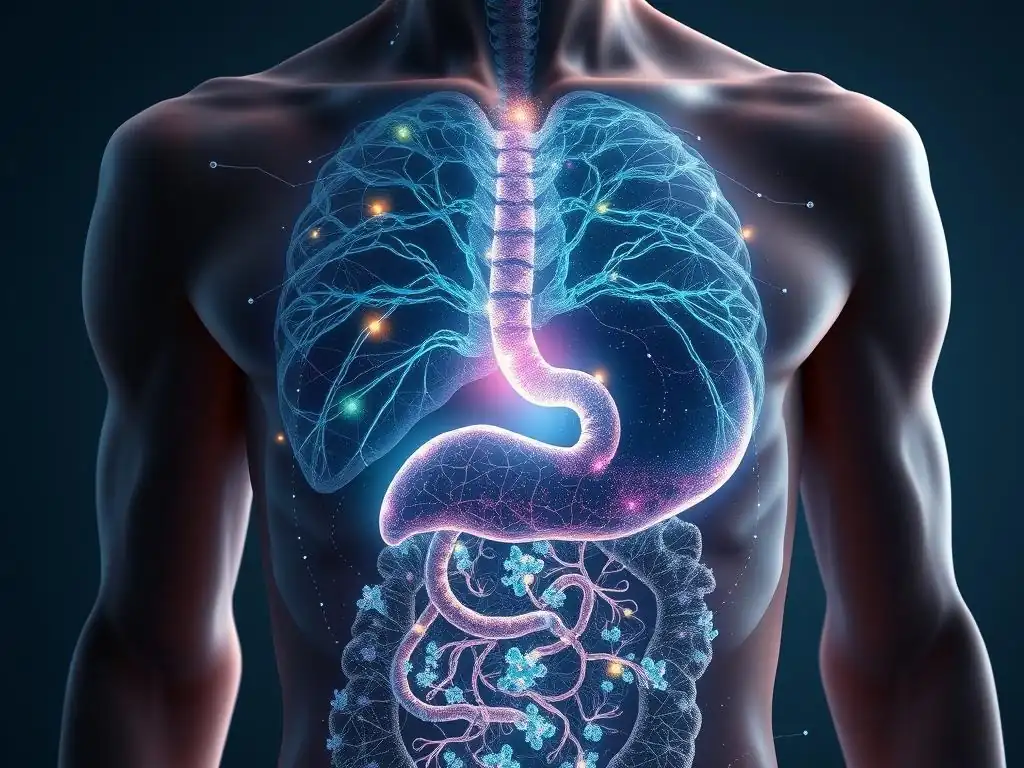
Welcome to Mind Care Guide, a sanctuary dedicated to nurturing your mental well-being. Feeling like your mind and body are disconnected? Dive into our exploration of the GutBrain axis mental health connection and discover how this intricate relationship impacts various mental health conditions. Uncover the surprising secrets hidden within your gut and begin your journey towards holistic healing. Are you ready to learn more?
- Beyond the Blues: Exploring the Gut-Brain Link in Various Mental Health Conditions
- The Gut-Brain Connection in Depression: A Deeper Dive
- Anxiety and the Gut: Unraveling the Link
- Gut Health and Autism Spectrum Disorder (ASD): Exploring the Connection
- The Gut-Brain Axis and Schizophrenia: Emerging Research
- The Gut-Brain Connection in Bipolar Disorder: A Preliminary Look
- Optimizing Gut Health for Improved Mental Wellbeing: Practical Strategies
- Conclusion: The Future of Mental Health Treatment and the Gut-Brain Axis
-
Frequently Asked Questions
- What is the Gut-Brain Axis, and how does it relate to mental health?
- How can the Gut-Brain Axis influence conditions like anxiety and depression?
- What are some dietary changes I can make to support a healthy Gut-Brain Axis and improve my mental health?
- Can probiotics really improve my mental health, and if so, what types are most effective?
- Besides diet, what other lifestyle factors can influence the Gut-Brain Axis and mental well-being?
- Final Reflection: Reclaiming Mental Wellness Through the Gut-Brain Axis
- Unlock Your Inner Calm: Nurturing Your Gut-Brain Connection
Beyond the Blues: Exploring the Gut-Brain Link in Various Mental Health Conditions
The Integrative Mental Health Center Perspective on Holistic Mental Health
Integrative mental health approaches view well-being through a holistic lens, recognizing that mental health is not isolated but deeply interconnected with physical health, lifestyle, and environment. From this perspective, conditions like depression, anxiety, or even more complex disorders like schizophrenia and autism spectrum disorder are seen as potentially influenced by factors far beyond traditional psychological explanations.
This includes a significant focus on physiological systems, particularly the intricate relationship between the gut and the brain, often referred to as the gut-brain axis. Recognizing the gut-brain axis mental health connection is fundamental to developing comprehensive and effective treatment strategies that address root causes rather than just symptoms.
This holistic viewpoint encourages exploring areas like nutrition, inflammation, the microbiome, and stress physiology as integral components of mental wellness. For instance, an integrative approach might investigate a patient's dietary habits and gut health status alongside therapeutic interventions for anxiety.
It acknowledges that imbalances in one system, such as a dysbiotic gut microbiome, can have profound ripple effects on another, notably the brain and its functions, impacting mood, cognition, and behavior. This paradigm shift moves towards personalized care plans that consider the individual's unique biological landscape, highlighting the potential for addressing gut health as a pathway to improving overall mental health outcomes.
Defining the Gut-Brain Axis: A Two-Way Communication System
The gut-brain axis is a complex bidirectional communication network that connects the central nervous system (brain and spinal cord) with the enteric nervous system (the nervous system of the gut). This axis involves multiple pathways, including the vagus nerve, the immune system, and various signaling molecules like neurotransmitters and hormones. Essentially, the gut and the brain are in constant conversation, with messages traveling in both directions. For example, stress signals from the brain can affect gut motility and permeability, while signals from the gut, influenced by its contents including bacteria, can impact brain function and emotional state.
This communication is vital for maintaining homeostasis and influencing various physiological processes, including digestion, mood, and stress response. The vagus nerve, the longest cranial nerve, serves as a major highway, transmitting signals directly between the gut and the brain. Additionally, gut microbes produce metabolites, such as short-chain fatty acids (SCFAs) like butyrate, propionate, and acetate, which can enter the bloodstream and cross the blood-brain barrier, influencing brain chemistry and function. Understanding this intricate network is key to appreciating how disruptions in gut health can manifest as mental health challenges, underscoring the importance of the gutbrain axis mental health link.
Gut Microbiome Influence on Brain Function and Mental State
The gut microbiome, the vast community of microorganisms residing in our digestive tract, is a critical player in the gut-brain axis. Comprising trillions of bacteria, viruses, fungi, and other microbes, this community's composition and activity profoundly impact our physical and mental health. These microbes are not passive passengers; they actively participate in digestion, nutrient absorption, immune system development, and the production of various compounds, including neurotransmitters like serotonin and GABA, which are crucial for mood regulation.
Research has demonstrated that the gut microbiome can influence brain development, behavior, and susceptibility to neurological and psychiatric disorders. Studies in germ-free animals (raised without microbes) show altered brain structure and function compared to conventionally raised animals, highlighting the microbiome's foundational role. Furthermore, imbalances in the gut microbiome composition, known as dysbiosis, have been associated with a range of mental health conditions.
This dysbiosis can lead to increased gut permeability ("leaky gut"), allowing inflammatory molecules to enter the bloodstream and potentially reach the brain, contributing to neuroinflammation, a factor implicated in many mental health issues. The dynamic interplay within the gut microbiome thus has a direct bearing on the gutbrain axis mental health connection.
The Gut-Brain Connection in Depression: A Deeper Dive
How Imbalances in Gut Bacteria Contribute to Depressive Symptoms
Dysbiosis, or an imbalance in the gut microbiome composition, has been increasingly linked to the development and severity of depressive symptoms. Studies comparing the gut microbiota of individuals with major depressive disorder (MDD) to healthy controls often reveal distinct differences. For example, some studies have reported a reduction in the diversity of gut bacteria in depressed individuals and altered ratios of specific bacterial phyla, such as Firmicutes and Bacteroidetes. Certain beneficial bacteria, like Faecalibacterium prausnitzii and specific Lactobacillus species, may be less abundant in depressed individuals, while potentially pro-inflammatory species might be more prevalent.
These microbial imbalances can contribute to depression through several mechanisms. They can affect the production of neurotransmitters; for instance, a significant portion of the body's serotonin, a key mood regulator, is produced in the gut, influenced by gut microbes. Dysbiosis can also lead to increased production of inflammatory molecules and toxins by gut bacteria, which can then travel through the bloodstream to the brain.
This chronic, low-grade inflammation is increasingly recognized as a significant contributor to the neurobiological changes observed in depression, impacting neural circuits involved in mood, motivation, and cognition. The intricate link between gut bacteria and depressive symptoms underscores the importance of considering the gutbrain axis mental health relationship in clinical practice.
Inflammation and the Gut-Brain Axis in Major Depressive Disorder
Chronic low-grade inflammation is a hallmark feature often observed in individuals with major depressive disorder (MDD). This inflammation is not necessarily an acute response to infection but rather a persistent activation of the immune system. The gut-brain axis plays a crucial role in this inflammatory process. Dysbiosis can compromise the integrity of the gut lining, leading to increased intestinal permeability or "leaky gut." When the gut barrier is compromised, bacterial components, such as lipopolysaccharide (LPS), a potent inflammatory molecule from the outer membrane of Gram-negative bacteria, can leak into the bloodstream.
Once in circulation, LPS and other pro-inflammatory cytokines produced by immune cells in response to gut dysbiosis can cross the blood-brain barrier, albeit to a limited extent, and activate resident immune cells in the brain, called microglia. This neuroinflammation disrupts neuronal function, neurotransmitter metabolism (including serotonin, dopamine, and norepinephrine), and neurogenesis (the creation of new neurons), all of which are implicated in the pathophysiology of depression.
Research consistently shows elevated levels of inflammatory markers like C-reactive protein (CRP) and various cytokines in individuals with MDD, further supporting the critical role of gut-derived inflammation via the gut-brain axis in contributing to depressive states.
Dietary Interventions for Depression: Targeting the Gut Microbiome
Given the significant role of the gut microbiome and inflammation in the gut-brain axis mental health connection, dietary interventions have emerged as promising strategies for managing depressive symptoms. Diets rich in whole, unprocessed foods, particularly those high in fiber, appear to support a diverse and beneficial gut microbiome. A Mediterranean-style diet, characterized by high consumption of fruits, vegetables, whole grains, legumes, nuts, seeds, and olive oil, and moderate intake of fish and poultry, has been associated with a lower risk of depression and can positively influence gut microbial composition and reduce inflammation.
Specific dietary components play a vital role. Prebiotic fibers, found in foods like garlic, onions, leeks, asparagus, bananas, and oats, are non-digestible carbohydrates that selectively feed beneficial gut bacteria, promoting their growth and activity. Probiotic-rich foods, such as fermented products like yogurt (with live and active cultures), kefir, sauerkraut, and kimchi, introduce beneficial bacteria directly into the gut.
Studies have shown that increasing intake of these foods or using probiotic supplements may improve mood and reduce depressive symptoms in some individuals, although the effects can vary depending on the specific strains of probiotics and the individual's unique microbiome. Focusing on a balanced, nutrient-dense diet is a practical and accessible way to support gut health and potentially alleviate symptoms of depression.
Anxiety and the Gut: Unraveling the Link
The Role of the Gut Microbiome in Anxiety Disorders
The gut microbiome's influence extends significantly to anxiety disorders, mediated through the gut-brain axis mental health pathway. Research in both animal models and humans has revealed a strong association between gut microbial composition and anxiety-like behaviors or symptoms. Studies have found differences in the gut microbiota of individuals with anxiety disorders compared to healthy controls, often showing reduced diversity and altered ratios of certain bacterial species. These microbial changes can impact the production of neurotransmitters and other signaling molecules that influence brain circuits involved in fear and anxiety.
For instance, gut bacteria produce GABA (gamma-aminobutyric acid), the primary inhibitory neurotransmitter in the brain, which plays a crucial role in calming nervous activity. Alterations in gut microbial production of GABA could potentially influence brain GABA levels or signaling, contributing to increased anxiety. Furthermore, gut microbes can produce SCFAs, which, as mentioned, can influence brain function. Dysbiosis can also lead to increased gut permeability and systemic inflammation, which affects brain areas involved in anxiety processing, such as the amygdala and prefrontal cortex. This complex interplay highlights how the state of the gut microbiome can directly modulate anxiety levels.
Vagus Nerve Stimulation and its Impact on Anxiety
The vagus nerve serves as a primary conduit for communication along the gut-brain axis, transmitting signals from the gut to the brain and vice versa. Its role in regulating mood, stress response, and anxiety is well-established. Gut microbes can communicate with the brain via the vagus nerve, for example, by producing metabolites or interacting with enteroendocrine cells that release hormones which signal to the vagus nerve. This suggests that interventions targeting the vagus nerve could potentially influence gut-mediated effects on anxiety.
Vagus nerve stimulation (VNS) is a medical therapy approved for certain conditions like treatment-resistant depression and epilepsy. While not a standard treatment for anxiety disorders, research exploring its impact on anxiety is ongoing. VNS is believed to exert its effects by modulating activity in brain regions involved in mood and anxiety regulation.
Given the vagus nerve's direct connection to the gut, VNS might also indirectly influence gut function and the gut microbiome, potentially creating a feedback loop that impacts anxiety levels. Conversely, techniques that promote vagal tone, such as deep breathing exercises, meditation, and yoga, are known to reduce anxiety and may also positively influence gut function through this neural pathway, further illustrating the bidirectional nature of the gutbrain axis mental health link.
Probiotics and Prebiotics for Anxiety Relief: Evidence-Based Approaches
Given the link between the gut microbiome and anxiety, interventions aimed at modulating the gut microbiota using probiotics and prebiotics have garnered attention as potential therapeutic strategies. Probiotics, defined as live microorganisms that, when administered in adequate amounts, confer a health benefit on the host, can help restore balance to the gut microbiome and potentially influence brain function via the gut-brain axis. Several studies, including randomized controlled trials, have investigated the effect of specific probiotic strains or multi-strain formulations on anxiety symptoms.
While results are not uniformly conclusive and depend on the specific strains used and the population studied, some evidence suggests that certain probiotics containing Lactobacillus and Bifidobacterium species may reduce anxiety symptoms in individuals with clinical anxiety or elevated stress levels. For example, a meta-analysis published in 2018 pooling data from multiple studies found that probiotic supplementation significantly reduced anxiety scores compared to placebo. Prebiotics, which nourish beneficial gut bacteria, may also indirectly alleviate anxiety by promoting a healthier microbial environment.
Combining prebiotics and probiotics (synbiotics) is another approach being explored. While more large-scale, rigorous trials are needed to identify the most effective strains and dosages, these interventions offer a promising avenue for supporting gut health as part of a comprehensive approach to managing anxiety, reinforcing the importance of addressing the gutbrain axis mental health connection.
Gut Health and Autism Spectrum Disorder (ASD): Exploring the Connection
The Gut Microbiome in Children with ASD: Common Characteristics
Autism Spectrum Disorder (ASD) is a complex neurodevelopmental condition, and accumulating evidence points to a significant link between gut health and symptoms experienced by individuals with ASD, particularly children. Gastrointestinal (GI) issues, such as chronic constipation, diarrhea, abdominal pain, and bloating, are remarkably common in children with ASD, occurring at a significantly higher rate than in typically developing children – estimates suggest GI problems affect between 40% and 90% of children with ASD, compared to perhaps 20% in the general pediatric population. This high prevalence of GI symptoms has led researchers to investigate the role of the gut microbiome.
Studies comparing the gut microbiota of children with ASD to neurotypical controls often reveal differences in microbial composition and diversity. Some studies report reduced diversity and altered ratios of specific bacteria, such as lower levels of Bifidobacterium and Faecalibacterium and higher levels of Clostridium species in children with ASD.
These microbial differences may contribute to the observed GI symptoms and potentially influence neurological function through the gut-brain axis. While the exact mechanisms are still being elucidated, it is hypothesized that dysbiosis could lead to increased inflammation, production of neuroactive microbial metabolites, and altered gut permeability, all of which could potentially impact brain development and behavior in individuals with ASD, highlighting the intricate relationship within the gutbrain axis mental health link in this population.
Dietary Strategies for Managing Gut Issues in ASD
Given the high prevalence of gastrointestinal issues and the potential link to the gut microbiome in children with ASD, dietary interventions are often explored as a way to alleviate GI symptoms and potentially impact behavior. Common dietary strategies include gluten-free and casein-free (GFCF) diets, although scientific evidence supporting their broad effectiveness for core ASD symptoms is mixed, they may help alleviate GI distress in some individuals with sensitivities. Other approaches focus on increasing dietary fiber intake to support beneficial bacteria and improve gut motility, or eliminating specific problematic foods identified through elimination diets.
Increasing the intake of foods rich in prebiotics and probiotics is another strategy aimed at modulating the gut microbiome. Encouraging consumption of fruits, vegetables, and whole grains provides fermentable fibers that nourish beneficial bacteria.
Incorporating probiotic-rich foods like yogurt (if dairy is tolerated) or fermented vegetables, or using probiotic supplements, may help restore microbial balance. While dietary changes can be challenging for children with ASD due to feeding sensitivities and restrictive eating patterns, carefully implemented and monitored dietary strategies, often with the guidance of a registered dietitian, can be beneficial in managing GI symptoms and potentially supporting the gutbrain axis mental health connection.
Research on Gut-Brain Axis Therapies for ASD: Fecal Microbiota Transplantation
One of the more intensive gut-brain axis therapies being explored for ASD, particularly for individuals with significant gastrointestinal issues, is Fecal Microbiota Transplantation (FMT). FMT involves transferring fecal matter, containing a diverse community of gut microbes, from a healthy donor into the recipient's gastrointestinal tract. The rationale is to restore a more diverse and beneficial gut microbial community in individuals with dysbiosis, thereby alleviating GI symptoms and potentially influencing neurological and behavioral outcomes.
Research on FMT for ASD is still in its early stages, but some preliminary studies have shown promising results. A notable open-label study involving children with ASD and chronic GI problems reported significant improvements in both GI symptoms and some behavioral symptoms associated with ASD, including social communication and repetitive behaviors, following FMT treatment. These improvements were sustained for at least two years after the treatment in a follow-up study.
While these findings are encouraging, larger, placebo-controlled trials are needed to confirm efficacy and safety, and FMT is currently considered experimental for ASD. Nevertheless, this research highlights the potential of directly modulating the gut microbiome as a therapeutic avenue for complex conditions involving the gutbrain axis mental health connection.
The Gut-Brain Axis and Schizophrenia: Emerging Research
Gut Microbiome Differences in Individuals with Schizophrenia
Emerging research is beginning to uncover potential links between the gut microbiome and schizophrenia, a severe and complex mental disorder. Studies comparing the gut microbiota of individuals with schizophrenia to healthy controls have identified distinct differences in microbial composition and diversity. Some research suggests reduced microbial diversity and alterations in the abundance of certain bacterial species in individuals with schizophrenia. For example, some studies have reported an increase in the abundance of Lactobacillus species and a decrease in Bifidobacterium species in this population, though findings can vary across studies depending on methodology and population characteristics.
These observed differences in the gut microbiome might contribute to the pathophysiology of schizophrenia through various pathways involving the gut-brain axis. Potential mechanisms include alterations in the production of neuroactive metabolites by gut bacteria, increased gut permeability leading to inflammation, and modulation of the immune system, which is increasingly implicated in schizophrenia.
While these findings are preliminary and do not establish causality, they open new avenues for understanding the biological underpinnings of schizophrenia and suggest that the gut microbiome could play a role in its development or symptom severity, adding another layer to the complex understanding of the gutbrain axis mental health relationship.
Inflammation and Gut Permeability in Schizophrenia
Inflammation is increasingly recognized as a contributing factor in schizophrenia. Studies have found elevated levels of inflammatory markers in the blood and cerebrospinal fluid of individuals with schizophrenia, both during acute psychotic episodes and in stable phases of the illness. The gut-brain axis is a potential source and mediator of this chronic inflammation. Dysbiosis in the gut microbiome can compromise the integrity of the intestinal barrier, leading to increased gut permeability or "leaky gut."
When the gut barrier is impaired, bacterial products like LPS can translocate into the bloodstream, triggering a systemic inflammatory response. This systemic inflammation can then affect the brain, contributing to neuroinflammation.
Neuroinflammation in key brain regions is hypothesized to disrupt neurotransmitter systems (such as dopamine and glutamate), alter neuronal connectivity, and impair cognitive function, all of which are central to the symptoms of schizophrenia. Research into gut permeability in schizophrenia is ongoing, but some studies have reported evidence of increased gut permeability in individuals with the disorder, supporting the notion that a compromised gut barrier and subsequent inflammation via the gut-brain axis could play a role in the illness's pathogenesis.
Potential Therapeutic Targets: Modulation of the Gut Microbiome for Schizophrenia: SCFAs
Given the potential involvement of the gut microbiome and inflammation in schizophrenia, modulating the gut microbiota is being explored as a possible therapeutic strategy. While still highly experimental, interventions aimed at restoring microbial balance could theoretically impact symptoms by reducing inflammation and influencing the production of beneficial microbial metabolites, particularly short-chain fatty acids (SCFAs). Gut bacteria, through the fermentation of dietary fiber, produce SCFAs like butyrate, propionate, and acetate, which have diverse effects on both the gut and the brain.
SCFAs, particularly butyrate, have anti-inflammatory properties and can provide energy to colonocytes, maintaining gut barrier integrity. They can also cross the blood-brain barrier and influence neurotransmitter synthesis, neurogenesis, and microglial function. Research suggests that SCFAs may be altered in individuals with schizophrenia, potentially impacting brain health.
Therefore, interventions aimed at increasing SCFA production, such as dietary changes to increase fiber intake or supplementation with prebiotics or specific SCFA compounds, are theoretical therapeutic targets. Modulating the gut microbiome to enhance beneficial SCFA production represents a novel area of research in addressing the gutbrain axis mental health connection in schizophrenia, though much more research is needed to determine clinical efficacy.
The Gut-Brain Connection in Bipolar Disorder: A Preliminary Look
Gut Microbiome and Mood Regulation in Bipolar Disorder
Bipolar disorder is characterized by significant mood swings, including periods of elevated mood (mania or hypomania) and periods of depression. While research on the gut-brain axis in bipolar disorder is less extensive than for depression or anxiety, preliminary studies suggest a potential link between the gut microbiome and mood regulation in this condition. Some studies have reported differences in the gut microbial composition of individuals with bipolar disorder compared to healthy controls, and these differences may vary depending on the individual's current mood state (manic, depressive, or euthymic).
For example, research has found reduced microbial diversity and alterations in specific bacterial taxa, such as Firmicutes and Bacteroidetes ratios, in individuals with bipolar disorder. It is hypothesized that these microbial alterations could influence mood stability through various gut-brain axis pathways. This might involve altered production of neuroactive metabolites, modulation of the immune system and inflammation, or effects on neurotransmitter systems regulated by gut microbes. Understanding how the gut microbiome interacts with the complex neurobiological circuits involved in bipolar disorder is a growing area of research, adding another dimension to the understanding of the gutbrain axis mental health spectrum.
Inflammation's Role in the Gut-Brain Axis and Bipolar Symptoms
Similar to depression and schizophrenia, inflammation is increasingly recognized as playing a role in bipolar disorder. Individuals with bipolar disorder often exhibit elevated levels of inflammatory markers, particularly during mood episodes. The gut-brain axis, with its potential for gut dysbiosis leading to increased gut permeability and systemic inflammation, is a plausible contributor to this inflammatory burden. A compromised gut barrier could allow bacterial products to enter circulation, triggering an immune response that affects brain function and potentially contributes to mood dysregulation and symptom severity in bipolar disorder.
This chronic, low-grade inflammation mediated by the gut-brain axis could impact brain regions involved in mood stabilization, emotional processing, and cognitive function, which are affected in bipolar disorder. While the precise mechanisms linking gut-derived inflammation to bipolar symptoms are still being investigated, the presence of both gut dysbiosis and elevated inflammatory markers in individuals with the disorder suggests that addressing gut health and reducing inflammation could be a valuable adjunctive strategy in managing bipolar disorder. The inflammatory pathway represents a key intersection point within the gutbrain axis mental health link relevant to bipolar disorder.
Future Research Directions: Longitudinal Studies of Gut Microbiome in Bipolar Disorder
Research on the gut-brain axis in bipolar disorder is still in its nascent stages. To better understand the relationship, future research needs to move beyond cross-sectional studies that compare groups at a single point in time. Longitudinal studies are crucial to track changes in the gut microbiome over time within individuals with bipolar disorder and correlate these changes with shifts in mood states (e.g., transitions from euthymia to mania or depression) and treatment responses. Such studies could help determine whether specific microbial signatures predict mood episodes or whether mood episodes themselves influence the gut microbiome.
Furthermore, research is needed to investigate the impact of various treatments for bipolar disorder, including pharmacotherapies and psychotherapies, on the gut microbiome and associated inflammatory markers. Exploring interventions specifically targeting the gut microbiome, such as probiotics, prebiotics, or dietary changes, in clinical trials for bipolar disorder is also a critical future direction. These studies will require careful design, potentially involving larger sample sizes and standardized methodologies, to provide clearer insights into the role of the gut-brain axis in bipolar disorder and identify potential therapeutic targets, further solidifying our understanding of the gutbrain axis mental health connection in this context.
Optimizing Gut Health for Improved Mental Wellbeing: Practical Strategies
Diet and Mental Health: Key Nutrients for a Healthy Gut-Brain Axis
Diet is arguably the most influential factor we can directly control to impact the gut microbiome and, consequently, the gut-brain axis mental health connection. A diet rich in diverse plant fibers is essential as it provides the fuel for beneficial gut bacteria to produce SCFAs. Aim for a wide variety of fruits, vegetables, whole grains, legumes, nuts, and seeds. Specific nutrients and dietary patterns have been linked to better mental health outcomes and a healthier gut microbiome. For example, Omega-3 fatty acids, found in fatty fish, flaxseeds, and walnuts, have anti-inflammatory properties and can influence gut microbiota composition.
Polyphenols, plant compounds found in berries, dark chocolate, green tea, and colorful vegetables, act as antioxidants and can also modulate the gut microbiome, potentially promoting the growth of beneficial bacteria. Limiting processed foods, high sugar intake, and excessive consumption of saturated fats is also crucial, as these can negatively impact microbial diversity and promote inflammation. Focusing on a balanced, whole-foods diet provides the necessary prebiotics, fiber, and micronutrients to nourish a diverse and resilient gut microbiome, supporting optimal function of the gut-brain axis.
Probiotics and Prebiotics: Choosing the Right Supplements
While a diet rich in fiber and fermented foods is the foundation for a healthy gut, probiotic and prebiotic supplements can be considered as complementary strategies, particularly when dietary intake is insufficient or specific issues are present. Probiotic supplements contain live beneficial bacteria, typically Lactobacillus and Bifidobacterium species, among others.
When choosing a probiotic, look for products with a high number of Colony Forming Units (CFUs), often in the billions, and ideally, those containing specific strains that have been studied for their effects on mood or anxiety. However, the effectiveness can be strain-specific, and what works for one person may not work for another.
Prebiotic supplements, such as inulin, FOS (fructooligosaccharides), and GOS (galactooligosaccharides), are non-digestible fibers that selectively feed beneficial gut bacteria. They can be particularly useful if your diet lacks sufficient fiber from diverse sources. Combining probiotics and prebiotics (synbiotics) may offer enhanced benefits.
It's important to note that supplements are not a magic bullet and should be used in conjunction with a healthy diet and lifestyle. Consulting with a healthcare professional or a registered dietitian knowledgeable in gut health can help you choose the most appropriate probiotic and/or prebiotic supplement based on your individual needs and health goals, supporting your gutbrain axis mental health journey.
Stress Management Techniques for a Healthy Gut
The gut-brain axis is a two-way street, and stress from the brain can significantly impact gut health. Chronic stress can alter gut motility, increase gut permeability, change gut microbial composition, and contribute to inflammation. Therefore, effective stress management is a crucial component of optimizing gut health for improved mental wellbeing. Techniques that activate the parasympathetic nervous system, often referred to as the "rest and digest" system, can help counteract the negative effects of stress on the gut.
Regular practice of stress-reducing activities can have a tangible positive impact. Examples include:
- Mindfulness meditation: Shown to reduce stress hormone levels and potentially influence gut function.
- Deep breathing exercises: Can stimulate the vagus nerve, promoting relaxation and potentially improving gut motility.
- Yoga and Tai Chi: Combine movement with breathwork and mindfulness, promoting relaxation and stress reduction.
- Spending time in nature: Has been linked to reduced stress and improved mood.
- Getting adequate sleep: Poor sleep is a major stressor for the body and can negatively impact the gut microbiome.
Incorporating stress management techniques into your daily routine can help break the vicious cycle where stress harms the gut, and a compromised gut sends distress signals back to the brain, contributing to the gutbrain axis mental health connection.
Lifestyle Modifications to Support the Gut-Brain Connection: Sleep and Exercise
Beyond diet and stress management, other lifestyle factors significantly influence the gut microbiome and the gut-brain axis. Adequate sleep is fundamental; chronic sleep deprivation or disrupted sleep patterns can negatively impact the diversity and composition of the gut microbiome. Aim for 7-9 hours of quality sleep per night. Establishing a regular sleep schedule and creating a relaxing bedtime routine can help improve sleep hygiene and support gut health.
Regular physical activity is another powerful modulator of the gut microbiome. Exercise has been shown to increase the diversity of gut bacteria and promote the growth of beneficial species, such as Faecalibacterium prausnitzii, which produces anti-inflammatory SCFAs. Exercise can also reduce stress and improve mood, further benefiting the gut-brain axis. Aim for at least 150 minutes of moderate-intensity aerobic exercise or 75 minutes of vigorous-intensity exercise per week, coupled with muscle-strengthening activities. Combining consistent sleep and regular exercise provides a robust foundation for supporting a healthy gut microbiome and optimizing the intricate gutbrain axis mental health connection.
Conclusion: The Future of Mental Health Treatment and the Gut-Brain Axis
Integrating Gut Health into Mental Healthcare Practices
The growing body of evidence highlighting the profound influence of the gut-brain axis on mental health suggests a paradigm shift in how we approach mental healthcare. Integrating gut health assessment and interventions into standard mental health practices holds significant promise. This could involve screening for gastrointestinal symptoms in individuals presenting with mental health conditions, considering dietary habits as part of the initial assessment, and potentially utilizing gut microbiome testing (though currently expensive and interpretation can be complex) to gain insights into an individual's microbial profile.
Mental health professionals, including psychiatrists, psychologists, and therapists, could collaborate more closely with registered dietitians and gastroenterologists to develop comprehensive treatment plans that address both the psychological and physiological aspects of mental illness. Educating patients about the gutbrain axis mental health connection empowers them to take an active role in their own well-being by making informed choices about diet and lifestyle. This integrative approach acknowledges the complexity of mental health and leverages the potential of targeting the gut as a therapeutic avenue.
Personalized Approaches to Gut-Brain Axis Therapies
Given the unique nature of each individual's gut microbiome and the complex interplay of genetic, environmental, and lifestyle factors, personalized approaches to gut-brain axis therapies are likely to be the most effective. There is no one-size-fits-all solution when it comes to modulating the gut microbiome for mental health benefits. Future interventions may involve personalized dietary recommendations based on an individual's existing gut microbiome composition, specific probiotic or prebiotic formulations tailored to address identified microbial imbalances, or targeted therapies aimed at reducing inflammation stemming from the gut.
Developing these personalized strategies will require further research to identify specific microbial signatures associated with different mental health conditions and to understand how various interventions impact these signatures. Advances in diagnostic tools, such as more affordable and accurate microbiome sequencing and metabolomics (studying the chemicals produced by microbes), will be crucial for guiding personalized treatments. This move towards precision mental healthcare that considers the individual's unique gut-brain axis profile represents an exciting frontier in improving mental health outcomes.
The Importance of Further Research on the Gut Microbiome and Mental Health
Despite the significant progress made in understanding the gut-brain axis mental health connection, there is still much to learn. Further research is essential to fully elucidate the complex mechanisms by which the gut microbiome influences brain function and behavior across the spectrum of mental health conditions. This includes identifying specific microbial species or metabolites that are causally linked to particular symptoms or disorders and understanding how they interact with neural circuits and the immune system.
Large-scale, longitudinal studies are needed to track changes in the gut microbiome over time and correlate them with the onset, trajectory, and treatment response of mental illnesses. Rigorous clinical trials are necessary to evaluate the efficacy and safety of various gut-targeted interventions, such as specific diets, probiotics, prebiotics, and potentially FMT, for different mental health conditions. Investing in this research is critical for developing novel, evidence-based therapeutic strategies that leverage the power of the gut-brain axis to promote improved mental wellbeing for individuals worldwide.
Frequently Asked Questions
What is the Gut-Brain Axis, and how does it relate to mental health?
The Gut-Brain Axis is a bidirectional communication system between the gut microbiome and the brain. Disruptions in this axis can significantly impact mental well-being, potentially leading to or exacerbating mental health conditions.
How can the Gut-Brain Axis influence conditions like anxiety and depression?
The gut microbiome produces neurotransmitters like serotonin, which are crucial for mood regulation. An imbalance in gut bacteria can reduce neurotransmitter production, potentially contributing to anxiety and depression symptoms.
What are some dietary changes I can make to support a healthy Gut-Brain Axis and improve my mental health?
Focus on a diet rich in fiber, probiotics, and prebiotics. Incorporate fermented foods like yogurt and kimchi, and increase your intake of fruits, vegetables, and whole grains to nourish the gut microbiome.
Can probiotics really improve my mental health, and if so, what types are most effective?
Some studies suggest that certain probiotic strains can positively impact mental health symptoms. Look for strains like Lactobacillus and Bifidobacterium, but consult a healthcare professional for personalized recommendations.
Besides diet, what other lifestyle factors can influence the Gut-Brain Axis and mental well-being?
Stress management, regular exercise, and adequate sleep are crucial. These factors can significantly impact both gut health and mental well-being, contributing to a healthier Gut-Brain Axis overall.
Final Reflection: Reclaiming Mental Wellness Through the Gut-Brain Axis
The intricate connection between our gut and brain is no longer a fringe theory; it's a rapidly expanding field with profound implications for understanding and treating mental health conditions. The research presented highlights the undeniable influence of gut microbiota on brain function, impacting everything from mood regulation to anxiety and depression. This isn't just about digestive health; it's about recognizing the holistic nature of wellness and the powerful role our gut plays in shaping our mental landscape.
The exploration of the gut-brain axis has fundamentally shifted my understanding of mental health, moving beyond a purely neurological perspective to encompass the complex interplay of biological systems. This holistic view is crucial, as it opens doors to innovative treatment approaches that go beyond traditional pharmaceuticals. The gut is the second brain,
a phrase often repeated, underscores the profound impact of gut health on our overall well-being. This understanding challenges the reductionist approaches of the past and encourages a more integrated and compassionate approach to mental health care.
The journey towards better mental wellness begins with understanding the intricate relationship between your gut and your brain. Consider the foods you consume, the lifestyle choices you make, and how these factors might be impacting your gut microbiome and, consequently, your mental state. Take this opportunity to explore the possibilities of improving your gut health through diet, exercise, and stress management techniques. By nurturing this vital connection, you are not only improving your digestive health but also cultivating a foundation for stronger mental resilience and a more vibrant, fulfilling life.
Unlock Your Inner Calm: Nurturing Your Gut-Brain Connection
Thanks for taking the time to explore the fascinating world of the gut-brain axis and its impact on mental well-being! We hope you gained valuable insights into how nurturing your gut health can positively influence your mental state. Now, let's put this knowledge into action:
- Prioritize gut-friendly foods: Start incorporating more probiotics and prebiotics into your diet today. Think fermented foods like yogurt and kimchi, or foods rich in fiber like fruits and vegetables. This is your first step towards a happier, healthier you.
- Share your journey: Tell your friends and family about what you learned. Starting a conversation about mental health and gut health can make a huge difference!
- Explore further: Try a simple mindful eating exercise this week to enhance your connection with your food and body. Observe your sensations while you eat.
What small change will you make today to foster a stronger gut-brain connection and improve your overall well-being?