
The Cognitive Burden of Depression: How PFC Issues Impact Your Mental Performance

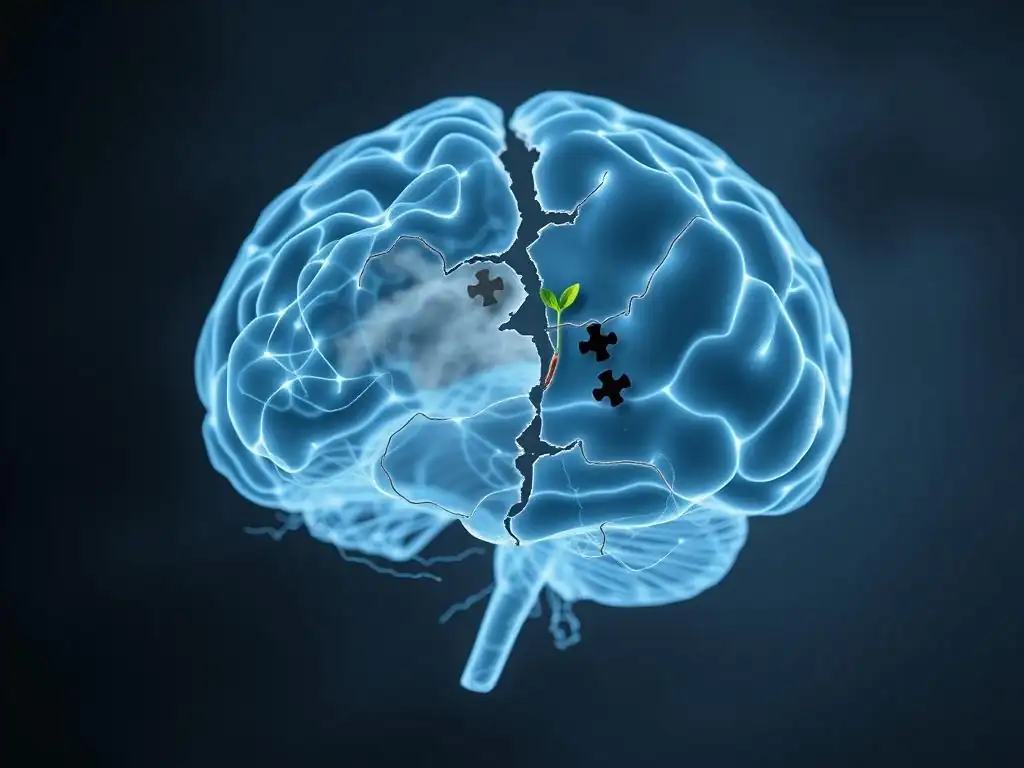
Welcome to Mind Care Guide, your sanctuary for understanding and nurturing mental well-being. Feeling like your mind isn't quite as sharp as it used to be? You're not alone. Join us as we delve into the often-overlooked connection between mental health and cognitive function. In this insightful article, we uncover how depression impairs cognitive performance, specifically exploring the role of the prefrontal cortex (PFC). Discover the neuroscience behind these challenges and, more importantly, learn actionable strategies to reclaim your mental clarity. Ready to understand the cognitive burden of depression and begin your journey towards a sharper, healthier mind?
- The Cognitive Burden of Depression: How PFC Issues Impact Your Mental Performance
- Understanding How Depression Affects Cognitive Function
- The Impact of Depression on the Prefrontal Cortex
- Depression Impairs Cognitive Performance: Specific Deficits
- The Cognitive Burden of Depression: Addressing the PFC Dysfunction
- Strategies for Managing Cognitive Impairment Caused by Depression
- The Future of Cognitive Enhancement in Depression Treatment
- Conclusion: Reclaiming Cognitive Function and Mental Well-being Through Understanding PFC's Role in Depression
-
Frequently Asked Questions
- What is the main way depression affects cognitive performance?
- How does depression impact the prefrontal cortex (PFC)?
- What specific cognitive functions are most affected by depression?
- Can treating depression improve cognitive performance?
- Are there strategies to cope with cognitive impairment caused by depression?
- Final Reflection: Reclaiming Cognitive Power from Depression's Grip
- Unlock Your Brain's Potential: Take Control of Your Cognitive Performance
The Cognitive Burden of Depression: How PFC Issues Impact Your Mental Performance
Mind Care Guide: Understanding the Neuroscience of Mental Health
Welcome to Mind Care Guide, where we explore the intricate connections between brain function and mental well-being. Our mission is to provide clear, accessible information on the neuroscience underlying various mental health challenges, empowering you with knowledge about the biological factors that contribute to conditions like depression. Understanding the brain's role, particularly areas like the prefrontal cortex (PFC), is crucial for grasping the full scope of these illnesses and appreciating the mechanisms behind treatments.
Delving into the neuroscience of mental health helps demystify symptoms and reduces the stigma often associated with mental illness. By examining how conditions like depression affect specific brain regions and networks, we gain insight into why certain symptoms occur – including the significant impact on cognitive function. This knowledge is not just academic; it informs more effective therapeutic approaches and provides a framework for developing better strategies for managing symptoms and improving quality of life.
Understanding How Depression Affects Cognitive Function
Depression and Cognitive Decline: An Overview
Depression is widely recognized for its profound impact on mood, energy levels, and interest in activities. However, a less discussed but equally debilitating aspect is its effect on cognitive function. Many individuals experiencing depression report difficulties with memory, concentration, decision-making, and problem-solving. This cognitive burden is not merely a secondary symptom but a core component of the illness, often persisting even when mood symptoms improve. Research consistently shows that depression impairs cognitive performance across multiple domains, significantly affecting daily life and overall functioning.
The range of cognitive deficits in depression can vary from mild forgetfulness to significant difficulties in complex thinking. These impairments contribute to challenges at work, in social interactions, and with managing personal responsibilities. Understanding that depression impairs cognitive performance is vital for both individuals experiencing the condition and those who support them, as it helps validate their struggles and highlights the need for targeted interventions beyond mood regulation alone.
The Role of the Prefrontal Cortex (PFC) in Cognitive Abilities
At the forefront of complex thought and behavior is the prefrontal cortex (PFC), a region located at the very front of the brain. The PFC is often described as the brain's control center, playing a critical role in executive functions, which are a set of cognitive processes necessary for controlling and regulating thoughts, emotions, and actions. These functions include planning, decision-making, working memory, attention, problem-solving, and impulse control.
The PFC is highly interconnected with other brain regions involved in emotion, memory, and motivation, allowing it to integrate information and guide goal-directed behavior. Its various sub-regions are specialized for different functions; for example, the dorsolateral PFC (dlPFC) is crucial for working memory and planning, while the ventromedial PFC (vmPFC) is involved in processing risk and fear. When the PFC is not functioning optimally, the ability to manage these complex cognitive tasks becomes compromised.
The Impact of Depression on the Prefrontal Cortex
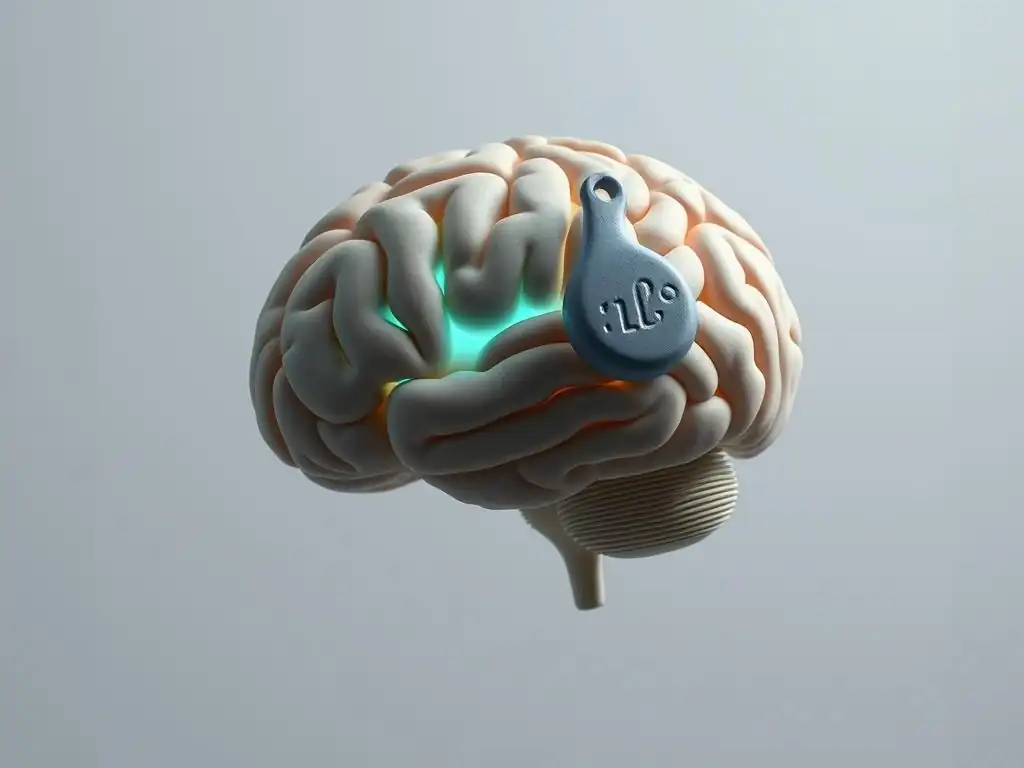
How Depression Alters PFC Activity and Connectivity
Depression is associated with significant alterations in the structure and function of the prefrontal cortex. Studies have revealed reduced gray matter volume in certain PFC areas in individuals with depression compared to healthy controls, suggesting a potential loss of neurons or synaptic connections. Furthermore, the activity levels within the PFC are often abnormal; for instance, the dorsolateral PFC, critical for executive functions, may show decreased activity, while other areas like the ventromedial PFC, involved in emotional processing, might show altered or increased activity in response to negative stimuli.
Beyond changes within the PFC itself, depression also disrupts the connectivity between the PFC and other brain regions. Altered communication patterns are observed between the PFC and areas like the amygdala (involved in processing emotions, particularly fear), the hippocampus (involved in memory), and other cortical regions. These disruptions in neural circuits can impair the PFC's ability to effectively regulate mood, manage stress responses, and execute cognitive tasks, contributing directly to the symptoms of depression, including its impact on cognitive performance.
Neuroimaging Studies: Evidence of PFC Dysfunction in Depressed Individuals
Neuroimaging techniques like functional magnetic resonance imaging (fMRI) and positron emission tomography (PET) have provided compelling evidence for PFC dysfunction in depression. Numerous studies using fMRI have shown reduced blood flow and metabolic activity in the dorsolateral prefrontal cortex (dlPFC) of depressed individuals during cognitive tasks requiring working memory or executive control. For example, some research indicates that activity in the dlPFC might be reduced by approximately 10-20% in depressed patients compared to healthy controls during challenging cognitive tests.
PET scans investigating glucose metabolism, an indicator of brain activity, have similarly found lower metabolic rates in certain PFC regions in people with depression. These findings correlate with symptom severity; individuals with more severe depression often exhibit more pronounced reductions in PFC activity. This neurobiological evidence strongly supports the clinical observation that depression impairs cognitive performance, linking subjective reports of cognitive difficulties to measurable changes in brain function, specifically within the prefrontal cortex.
Depression Impairs Cognitive Performance: Specific Deficits
Executive Function and Depression: A Closer Look
Executive functions are the higher-level cognitive skills that allow us to manage ourselves and our resources in order to achieve a goal. They are fundamental for planning, problem-solving, flexibility, and self-regulation. Because the prefrontal cortex is the primary hub for executive functions, and depression significantly affects the PFC, it follows that these crucial cognitive abilities are often impaired in individuals with the condition. This impairment in executive function is a key reason why depression impairs cognitive performance so broadly.
Difficulties with executive functions can manifest in various ways, making it challenging to organize tasks, switch between activities, inhibit impulsive behaviors, or think abstractly. These deficits contribute significantly to the functional disability experienced by people with depression, making it harder to navigate the demands of daily life, work, and relationships. Recognizing executive dysfunction as a core symptom helps tailor interventions to address these specific challenges.
Reduced Working Memory Capacity in Depression
Working memory is the ability to hold and manipulate information in your mind for a short period, like remembering a phone number while you dial it or following instructions. It's a crucial component of executive function heavily reliant on the dorsolateral PFC. In depression, working memory capacity is often reduced. Individuals may struggle to keep multiple pieces of information in mind simultaneously or find it difficult to mentally process information.
This reduced capacity means that tasks requiring mental juggling, such as following complex conversations, learning new information, or managing multiple steps in a process, become significantly more challenging. It's not just about forgetting things; it's about the reduced ability to actively work with information in real-time. This deficit in working memory is a direct manifestation of how depression impairs cognitive performance at a fundamental level.
Impaired Attention and Concentration in Depressed Patients
Attention and concentration deficits are among the most commonly reported cognitive symptoms of depression. Sustaining focus on a task, filtering out distractions, or shifting attention appropriately can become remarkably difficult. This is again linked to altered activity in PFC networks responsible for attentional control. A person with depression might find their mind wandering constantly, making it hard to read a book, listen during a meeting, or complete detailed work.
This impaired ability to focus means that even simple tasks can feel overwhelming and take much longer to complete. It contributes to feelings of frustration and inadequacy, further exacerbating mood symptoms. The struggle to maintain concentration underscores how depression impairs cognitive performance in ways that are immediately noticeable in daily activities.
Difficulties with Planning and Decision-Making Due to Depression
Planning involves organizing steps to achieve a goal, anticipating outcomes, and prioritizing tasks – all functions heavily mediated by the PFC. Decision-making requires evaluating options, considering consequences, and making choices, another process where the PFC plays a central role. In depression, both planning and decision-making abilities are often compromised. Individuals may feel paralyzed by indecision, struggle to break down large tasks into manageable steps, or find it difficult to foresee the results of their actions.
This impairment can lead to procrastination, avoidance of responsibilities, and poor choices. The sheer effort required to plan even simple activities can feel exhausting, contributing to the inertia often experienced in depression. This difficulty in navigating the future and making choices is a significant part of the cognitive burden, illustrating how depression impairs cognitive performance in complex, higher-level functions.
The Impact on Mental Performance: Real-World Examples
The cognitive deficits associated with depression are not abstract neurological phenomena; they have tangible, often debilitating, effects on everyday mental performance. Consider a person who was previously highly capable at their job or managing their household. When depression sets in, the impact on their cognitive abilities can make tasks that were once routine feel insurmountable. This real-world impact highlights why understanding the cognitive burden is so crucial.
These difficulties can lead to a vicious cycle: impaired performance causes stress and frustration, which can worsen mood symptoms, further impacting cognitive function. It's essential to recognize these struggles as symptoms of the illness, not personal failings, to approach them with empathy and seek appropriate support. The way depression impairs cognitive performance fundamentally changes how individuals interact with their environment and challenges their sense of competence.
Difficulties Completing Work Projects Due to Forgetfulness
Imagine a marketing professional who previously excelled at managing multiple campaigns simultaneously. With the onset of depression, they begin missing deadlines, forgetting key details discussed in meetings, or losing track of tasks they were assigned. They might spend hours trying to recall information that should be readily available, or feel overwhelmed by the steps required to complete a project, leading to procrastination and incomplete work.
This isn't laziness; it's the direct result of reduced working memory and impaired planning abilities linked to PFC dysfunction. A simple task like writing a report might become a struggle because they cannot hold the structure or necessary information in mind, or they feel incapable of organizing their thoughts logically. This example vividly illustrates how depression impairs cognitive performance in a professional setting.
Challenges in Maintaining Social Relationships Due to Inattention
Social interactions require significant cognitive effort: paying attention to what others are saying, remembering details about their lives, following conversations, and responding appropriately. Someone experiencing the inattention and concentration problems of depression might find themselves zoning out during conversations, forgetting important events shared by friends, or having difficulty following group dynamics.
This can lead to misunderstandings, missed social cues, and feelings of disconnection, making it hard to maintain friendships or engage in social activities. A person might appear uninterested or forgetful, when in reality, they are struggling with a cognitive symptom of their depression. This real-world scenario shows how the cognitive burden extends beyond just task completion, impacting the ability to connect with others because depression impairs cognitive performance necessary for social engagement.
The Cognitive Burden of Depression: Addressing the PFC Dysfunction
Therapeutic Approaches to Improve Cognitive Function in Depression
Addressing the cognitive burden of depression often requires a multi-faceted approach that targets both mood symptoms and the underlying neurobiological changes, including PFC dysfunction. While traditional antidepressant treatments primarily focus on mood, many newer approaches and adjunctive therapies aim to improve cognitive performance either directly or indirectly by promoting healthier brain function. These strategies recognize that simply lifting mood may not fully restore cognitive abilities.
Therapeutic interventions can range from talk therapies specifically adapted to address cognitive biases to pharmacological agents that influence neurotransmitter systems known to affect the PFC, and even non-invasive brain stimulation techniques. The goal is not only to alleviate feelings of sadness but also to help individuals regain the cognitive sharpness and executive control needed to fully re-engage with their lives.
Cognitive Behavioral Therapy (CBT) and PFC Activation
Cognitive Behavioral Therapy (CBT) is a widely used psychotherapy that helps individuals identify and change negative thought patterns and behaviors. While traditionally focused on mood, research suggests that CBT can also positively impact brain function, including activity in the prefrontal cortex. By teaching skills like problem-solving, planning, and challenging distorted thinking, CBT engages and strengthens the very cognitive processes that are impaired in depression.
Studies using neuroimaging have shown that successful CBT treatment is sometimes associated with increased activity in certain PFC regions, such as the dorsolateral PFC, which are often underactive in depression. This suggests that the mental exercises and strategies learned in CBT may act as a form of cognitive training, potentially helping to normalize PFC function and thereby improve cognitive performance.
Medications and Their Effects on PFC Function (SSRIs, SNRIs)
Antidepressant medications, such as Selective Serotonin Reuptake Inhibitors (SSRIs) and Serotonin-Norepinephrine Reuptake Inhibitors (SNRIs), work by altering neurotransmitter levels in the brain. Serotonin and norepinephrine are neurotransmitters that play a role not only in mood regulation but also in cognitive functions mediated by the PFC, such as attention, executive control, and memory. While their primary target is often mood, these medications can also influence PFC activity and connectivity.
For some individuals, effective antidepressant treatment leads to improvements in cognitive symptoms alongside mood lift. However, the effect on cognition can vary, and some cognitive difficulties may persist even with medication. Researchers are exploring whether certain medications or combinations might be more effective at restoring cognitive performance by specifically targeting neurotransmitter pathways that support PFC function.
Neurostimulation Techniques: rTMS and tDCS for PFC Enhancement
Neurostimulation techniques offer alternative ways to directly modulate brain activity. Repetitive Transcranial Magnetic Stimulation (rTMS) and transcranial Direct Current Stimulation (tDCS) are non-invasive methods that use magnetic pulses or weak electrical currents, respectively, applied to specific areas of the scalp to influence the activity of underlying brain regions, often targeting the dorsolateral prefrontal cortex.
These techniques are being investigated and used clinically for treating depression, and there is growing interest in their potential to improve cognitive function. By stimulating the often hypoactive dlPFC in depressed individuals, rTMS and tDCS may help normalize neural activity in this region, potentially leading to improvements in executive functions like working memory and attention. While more research is needed, these approaches show promise for directly addressing the PFC dysfunction that contributes to the cognitive burden.
Lifestyle Changes to Support Cognitive Health During Depression
Beyond clinical treatments, certain lifestyle factors can significantly influence brain health and cognitive function, offering valuable support for individuals managing depression and its cognitive effects. Embracing healthier habits can create a more supportive environment for PFC recovery and improve overall mental performance. These strategies are often complementary to professional treatment and empower individuals to take an active role in their well-being.
Simple, consistent changes in daily routines related to sleep, diet, and physical activity can have a surprisingly powerful impact on brain plasticity and cognitive resilience. Incorporating mindfulness practices can also help train attentional control, another area often impaired by depression. While these are not standalone cures, they are essential components of a holistic approach to managing the cognitive burden.
The Importance of Sleep, Diet, and Exercise
Adequate, quality sleep is crucial for cognitive function, including memory consolidation and executive processes governed by the PFC. Sleep disruption, common in depression, can exacerbate cognitive deficits. Prioritizing consistent sleep hygiene can help regulate brain activity and support cognitive restoration. Aiming for 7-9 hours per night is generally recommended.
A nutritious diet rich in omega-3 fatty acids, antioxidants, and vitamins supports brain health and reduces inflammation, which may also play a role in PFC dysfunction in depression. Limiting processed foods and sugar can help stabilize mood and improve cognitive clarity. Regular physical exercise has well-documented benefits for both mood and cognitive function. Exercise increases blood flow to the brain, promotes neurogenesis (the growth of new neurons), particularly in areas like the hippocampus, and can positively influence PFC activity, helping to counteract the way depression impairs cognitive performance. Even moderate activity, like a brisk walk, can make a difference.
Mindfulness and Meditation for Improved Focus
Mindfulness practices, such as meditation, involve training your attention to focus on the present moment without judgment. This practice directly engages and strengthens neural circuits in the prefrontal cortex, particularly those involved in attention regulation and emotional control. Regular mindfulness meditation has been shown in some studies to increase gray matter density in certain brain regions, including areas within the PFC.
For individuals struggling with the inattention and concentration problems caused by depression, mindfulness can be a powerful tool. By practicing bringing your focus back to your breath or bodily sensations when your mind wanders, you are actively exercising your attentional control muscles. Over time, this can lead to improved focus, reduced rumination, and a greater sense of cognitive clarity, helping to mitigate the way depression impairs cognitive performance.
Strategies for Managing Cognitive Impairment Caused by Depression
Compensatory Strategies for Memory and Attention Deficits
While working towards improving the underlying PFC dysfunction, individuals can employ practical compensatory strategies to help manage daily cognitive difficulties. These techniques don't fix the impairment but provide scaffolding to navigate tasks more effectively. For someone whose depression impairs cognitive performance, implementing these strategies can reduce frustration and improve functional capacity.
- Use external aids:
- Write down tasks, appointments, and important information in a planner or on a smartphone app.
- Set reminders and alarms for tasks.
- Keep things organized and in designated places to avoid searching.
- Use checklists for multi-step tasks.
- Break down tasks: Divide large projects into smaller, more manageable steps. Focus on completing one step at a time.
- Minimize distractions: Find a quiet environment for tasks requiring concentration. Turn off notifications on phones and computers.
- Pace yourself: Avoid trying to do too much at once. Take regular short breaks during demanding cognitive tasks.
- Repeat and visualize: When trying to remember information, repeat it aloud or visualize it.
Implementing these strategies consistently can help bypass some of the difficulties caused by impaired working memory and attention, making daily life more manageable while addressing the root causes of the cognitive burden.
Seeking Professional Help for Cognitive Rehabilitation
For individuals experiencing significant and persistent cognitive impairments due to depression, seeking professional help for cognitive rehabilitation may be beneficial. This specialized form of therapy aims to improve cognitive skills through targeted exercises and strategies tailored to the individual's specific deficits. It goes beyond general coping mechanisms to actively work on strengthening weakened cognitive areas.
Cognitive rehabilitation programs may involve working with neuropsychologists or occupational therapists who can assess specific cognitive weaknesses and design personalized training plans. These programs often use computer-based exercises or structured activities designed to improve areas like working memory, attention, planning, and problem-solving. Such targeted interventions can provide crucial support when depression impairs cognitive performance to a degree that significantly impacts daily functioning.
The Future of Cognitive Enhancement in Depression Treatment
Promising Research Areas and Novel Therapies
The recognition that depression impairs cognitive performance is driving significant research into novel therapies specifically aimed at improving cognitive function alongside mood. Scientists are exploring various avenues, from pharmacological agents that target specific cognitive pathways to more advanced neurostimulation techniques and behavioral interventions. The goal is to develop treatments that offer more complete recovery, addressing the full spectrum of depression symptoms, including the cognitive burden.
One promising area involves developing drugs that modulate neurotransmitter systems known to enhance cognition, such as dopamine and glutamate, in a way that is safe and effective for individuals with depression. Another involves refining neurostimulation techniques to target specific PFC sub-regions with greater precision. As our understanding of the neural circuits involved in depression's cognitive effects grows, so too does the potential for innovative treatments.
Future Research: Investigating the Role of Neuroinflammation in PFC Dysfunction
Emerging research suggests that neuroinflammation, inflammation within the brain, may play a significant role in the development and persistence of depression, including its impact on cognitive function and the prefrontal cortex. Inflammatory processes can disrupt neurotransmitter systems, damage neurons, and alter connectivity within brain networks, potentially contributing to reduced PFC activity and the resulting cognitive deficits.
Future research is focused on understanding the precise mechanisms by which inflammation affects the PFC in depression and exploring anti-inflammatory strategies as potential therapeutic interventions. Targeting neuroinflammation could offer a novel way to protect and restore PFC function, thereby improving mood and directly addressing the way depression impairs cognitive performance.
Future Research: Developing Personalized Cognitive Training Programs
Just as physical therapy is tailored to an individual's specific physical limitations, future approaches to cognitive rehabilitation in depression are likely to become increasingly personalized. Research is exploring how to develop cognitive training programs that are specifically designed based on an individual's unique pattern of cognitive strengths and weaknesses, potentially identified through detailed neuropsychological assessments or even neuroimaging profiles.
These personalized programs could adapt in real-time to the individual's progress, offering targeted exercises to strengthen specific executive functions impaired by depression. Combining these tailored cognitive interventions with other treatments like medication or psychotherapy could lead to more effective and lasting improvements in cognitive performance, helping individuals fully recover from the cognitive burden of depression.
Conclusion: Reclaiming Cognitive Function and Mental Well-being Through Understanding PFC's Role in Depression
Understanding that depression impairs cognitive performance, particularly through its impact on the prefrontal cortex, is a crucial step towards effective management and recovery. The cognitive burden is a real and significant aspect of this illness, affecting memory, attention, planning, and decision-making, with tangible consequences for daily life, work, and relationships. Recognizing these difficulties as symptoms, rather than personal failings, fosters empathy and highlights the need for targeted support.
While the challenges posed by PFC dysfunction in depression are substantial, the good news is that cognitive function can improve. A combination of therapeutic approaches – including psychotherapies like CBT, appropriate medication, potential neurostimulation techniques, and essential lifestyle changes like exercise, diet, and sleep – can help restore healthier brain activity and connectivity. Furthermore, implementing practical strategies and seeking professional cognitive rehabilitation can provide valuable support in managing daily difficulties.
Continued research into neuroinflammation and personalized interventions holds promise for even more effective treatments in the future. By addressing the cognitive burden and focusing on the health of the prefrontal cortex, individuals can work towards reclaiming their mental performance and achieving greater overall mental well-being.
Frequently Asked Questions
What is the main way depression affects cognitive performance?
Depression significantly impairs cognitive performance by affecting the prefrontal cortex (PFC). This leads to difficulty with executive functions like planning, decision-making, and focus. Essentially, depression puts a cognitive burden on the brain.
How does depression impact the prefrontal cortex (PFC)?
Depression alters the PFC's function by affecting neurotransmitter levels and neural pathways. This disruption can lead to problems with working memory, attention, and emotional regulation. It essentially changes how the brain processes information.
What specific cognitive functions are most affected by depression?
Key cognitive functions impacted include attention span, memory (especially working memory), and executive functions like problem-solving and decision-making. These impairments can significantly affect daily life and overall productivity.
Can treating depression improve cognitive performance?
Yes, effectively treating depression, often through medication and therapy, can lead to significant improvements in cognitive function. Reducing depressive symptoms can help restore normal PFC function and cognitive abilities.
Are there strategies to cope with cognitive impairment caused by depression?
Yes, strategies include using memory aids, breaking tasks into smaller steps, practicing mindfulness techniques to improve focus, and seeking professional support for cognitive rehabilitation. These tactics can help manage the cognitive burden.
Final Reflection: Reclaiming Cognitive Power from Depression's Grip
The cognitive burden of depression is not merely a symptom; it's a debilitating force that significantly impacts daily life, hindering productivity, relationships, and overall well-being. Understanding the neurological mechanisms, specifically the prefrontal cortex's (PFC) involvement, is crucial for developing effective strategies to combat this pervasive challenge. This knowledge empowers us to move beyond simply acknowledging the impairment and towards actively addressing its root causes.
The pervasive influence of depression on cognitive function extends far beyond individual struggles; it ripples outwards, impacting families, workplaces, and society as a whole. The sheer scale of this impact underscores the urgency for increased awareness and improved support systems. The mind is its own place, and in itself can make a Heaven of Hell, a Hell of Heaven.
– John Milton. This quote, while not directly about depression, highlights the profound power of the mind – a power that depression cruelly diminishes, but which we can, with effort and support, reclaim.
You, the reader, now possess a deeper understanding of the intricate connection between depression and cognitive function. This knowledge is not simply for intellectual curiosity; it's a tool for empowerment. Take this understanding and use it to advocate for yourself or others, to seek professional help when needed, and to foster self-compassion and understanding. Remember, recovery is possible, and reclaiming your cognitive power is a journey worth embarking on. Start by acknowledging the impact, seeking support, and celebrating every step forward.
Unlock Your Brain's Potential: Take Control of Your Cognitive Performance
Thanks for taking the time to explore the cognitive challenges associated with depression. We hope you gained valuable insights into the role of the prefrontal cortex. Now, let's put that knowledge to work!
Here's how you can take proactive steps toward improved cognitive function:
- Prioritize mindfulness practices: Start a daily meditation routine, even if it's just for five minutes. This can help strengthen your prefrontal cortex and improve focus.
- Incorporate regular physical activity into your routine. Even a short walk can boost mood and cognitive function.
- Share your learnings: Discuss this article with a friend, family member, or therapist – opening up about mental health challenges is a powerful step towards improved well-being.
What small step will you take today to nurture your brain's incredible capabilities?