
Dopamine: Beyond Pleasure – Its Link to Motivation, Addiction, and Mental Health

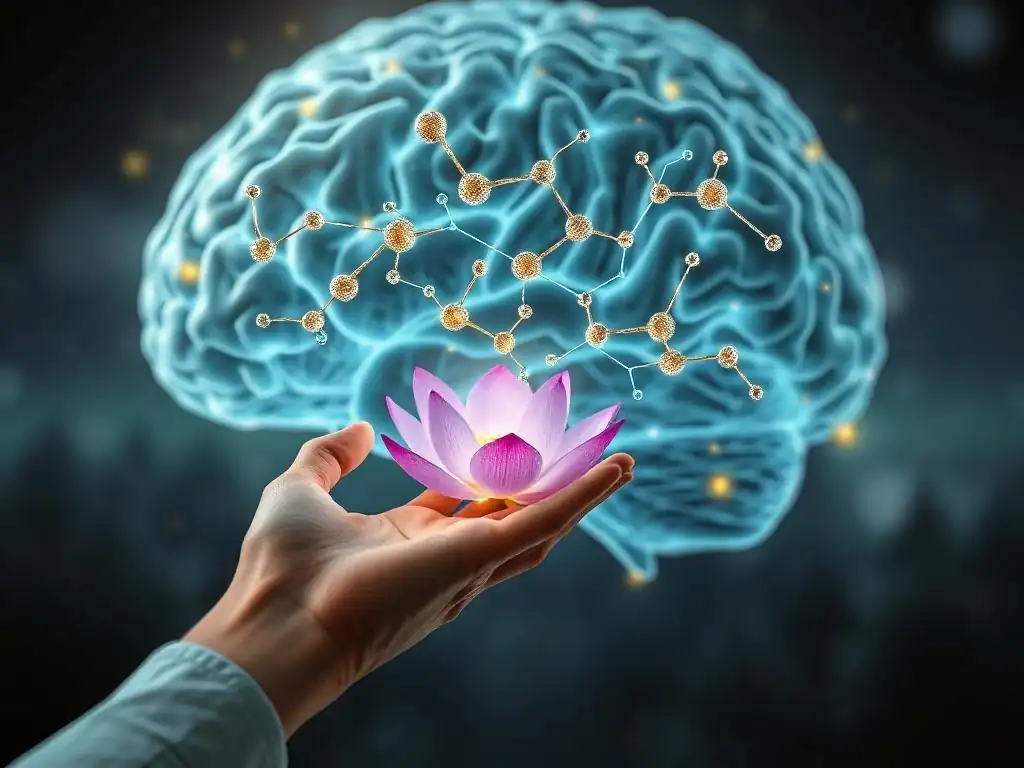
Welcome to Mind Care Guide, your trusted resource for navigating the complexities of mental well-being. Feeling stuck or struggling to understand the driving forces behind your actions? Dive into our exploration of Dopamine: Beyond Pleasure, and uncover its crucial role in motivation, potential pitfalls in addiction, and its profound connection to your overall mental health. We're here to shed light on the science behind feeling, so you can take informed steps towards a healthier, more fulfilling life. Curious to learn more? Your journey to understanding begins now.
Dopamine: Beyond Pleasure – Its Link to Motivation, Addiction, and Mental Health
- Understanding Dopamine: A Key Neurotransmitter in Mental Well-being
- Dopamine and Motivation: Fueling Goal-Directed Behavior
- Dopamine and Addiction: The Dark Side of Reward
- Dopamine Imbalances and Mental Health Disorders
- Maintaining Healthy Dopamine Levels for Optimal Mental Health
- Dopamine Medications: Benefits, Risks, and Considerations
- Dopamine, Mental Health and the Importance of Balance
-
Frequently Asked Questions
- What is dopamine and why is it important for mental health?
- How does dopamine influence motivation?
- What is the connection between dopamine and addiction?
- Can dopamine imbalances contribute to mental health challenges?
- Where can I find more information and support for dopamine-related mental health concerns?
- Final Reflection: Unlocking the Dopamine Puzzle for a Healthier You
- Unlock Your Motivation: Harness the Power of Dopamine
Understanding Dopamine: A Key Neurotransmitter in Mental Well-being
What is Dopamine and its Role in Brain Function?
Dopamine is a crucial neurotransmitter, a chemical messenger that transmits signals between nerve cells (neurons) in the brain. Often simplified as the "pleasure molecule," its functions are far more complex and vital for overall brain function and mental health. It plays a significant role in a wide range of processes, including movement, learning, attention, memory, reward processing, and executive functions. Unlike neurotransmitters that primarily excite or inhibit neurons, dopamine has modulatory effects, fine-tuning neural circuits to influence behavior and cognition.
This powerful chemical is synthesized in several areas of the brain, most notably the substantia nigra and the ventral tegmental area (VTA). From these regions, dopamine neurons project to various parts of the brain, including the striatum, prefrontal cortex, and limbic system. These diverse projections explain why dopamine is implicated in such a wide array of functions, from coordinating voluntary movements to regulating emotional responses and reinforcing behaviors. Its intricate network is fundamental to how we interact with the world, learn from our experiences, and pursue goals.
Dopamine Pathways: Mapping Motivation, Reward, and Motor Control
The brain's dopamine system is organized into several major pathways, each responsible for distinct functions. The mesolimbic pathway, originating in the VTA and projecting to the nucleus accumbens and amygdala, is perhaps the most famous, deeply involved in reward, pleasure, and addiction. When we experience something rewarding, this pathway releases dopamine, reinforcing the behavior that led to the reward. This system is key to understanding dopamine motivation mental health connections, particularly concerning goal-directed behavior.
Another critical pathway is the mesocortical pathway, also starting in the VTA but projecting to the prefrontal cortex. This pathway is vital for cognitive functions like planning, working memory, and attention. Dysregulation here is linked to symptoms seen in conditions like ADHD and schizophrenia. The nigrostriatal pathway, originating in the substantia nigra and projecting to the striatum, is crucial for motor control. The degeneration of neurons in this pathway is the primary cause of the motor symptoms in Parkinson's disease, illustrating dopamine's direct link to physical health alongside mental well-being.
The Dopamine-Mental Health Connection: An Overview
The intricate balance of dopamine activity across its various pathways is essential for maintaining optimal mental health. Disruptions in dopamine signaling, whether too much or too little, or problems with its receptors and transporters, have been implicated in numerous psychiatric and neurological disorders. These imbalances can affect everything from our ability to feel pleasure and motivation to our capacity for focused thought and regulated mood.
Understanding the complexities of dopamine's role helps illuminate the underlying mechanisms of conditions like depression, schizophrenia, ADHD, and addiction. It's not simply about absolute levels but the dynamic interplay of dopamine release, uptake, and receptor binding in specific brain regions. Research continues to uncover the precise ways in which dopamine dysregulation contributes to the diverse symptoms of these disorders, paving the way for more targeted treatments aimed at restoring healthy dopamine function.
Dopamine and Motivation: Fueling Goal-Directed Behavior
How Dopamine Influences Reward Processing and Motivation
Dopamine is intimately linked with the brain's reward system, acting as a powerful signal that reinforces behaviors associated with positive outcomes. When we anticipate or receive a reward – whether it's food, social interaction, or achieving a goal – dopamine is released in key areas like the nucleus accumbens. This release isn't just about feeling pleasure in the moment; it's a learning signal that tells the brain, "This was good, do it again." This process is fundamental to dopamine motivation mental health.
This predictive and reinforcing function of dopamine drives motivation. It helps us evaluate potential rewards, calculate the effort needed to obtain them, and persist in goal-directed behaviors. The level and timing of dopamine release can influence how motivated we feel. For example, a surge of dopamine in anticipation of a reward can provide the energy and focus needed to pursue it. Conversely, a blunted dopamine response can diminish the perceived value of rewards, leading to reduced motivation and drive.
Dopamine Deficiency and Lack of Motivation: A Vicious Cycle
When dopamine levels or signaling are insufficient, it can significantly impair motivation. This state, sometimes referred to as dopamine deficiency, can manifest as apathy, anhedonia (inability to feel pleasure), difficulty initiating tasks, and a general lack of drive. Conditions like depression and certain neurological disorders are often associated with reduced dopamine activity in reward pathways, contributing directly to symptoms like loss of interest and low energy.
This lack of motivation can become a vicious cycle. Reduced dopamine makes it harder to engage in activities that might naturally boost dopamine levels, such as exercise or pursuing hobbies. The individual may withdraw, further decreasing opportunities for positive reinforcement and potentially exacerbating the deficiency. Breaking this cycle often requires external support or intervention, such as behavioral activation therapy or, in some cases, medication, to help re-engage the reward system.
Increasing Dopamine Levels Naturally to Boost Motivation
While severe deficiencies may require medical intervention, several lifestyle strategies can support healthy dopamine levels and boost dopamine motivation mental health. Engaging in activities that involve novelty, challenge, and learning can stimulate dopamine release. Setting and achieving small goals, for instance, provides a sense of accomplishment that triggers the reward system.
- Exercise: Physical activity, particularly aerobic exercise, has been shown to increase dopamine levels and sensitivity.
- Adequate Sleep: Chronic sleep deprivation disrupts dopamine receptor availability. Aiming for 7-9 hours of quality sleep is crucial.
- Mindfulness and Meditation: These practices can improve focus and potentially influence dopamine pathways involved in attention and reward.
- Listening to Music: Especially music that evokes positive emotions or anticipation, can release dopamine.
- Creative Activities: Engaging in creative pursuits offers novel experiences and opportunities for rewarding outcomes.
Incorporating these activities regularly can help support the brain's natural dopamine production and signaling, contributing to improved motivation and overall mental well-being.
Dopamine and Addiction: The Dark Side of Reward
Dopamine's Role in the Addiction Cycle: Craving and Relapse
Addiction is fundamentally a disease of the brain's reward system, and dopamine plays a central, albeit complex, role. Addictive substances and behaviors hijack the mesolimbic dopamine pathway, causing unnaturally large and rapid surges of dopamine release. This intense signal strongly reinforces the drug-taking or addictive behavior, associating it powerfully with reward and pleasure, even though the long-term consequences are harmful.
Over time, repeated exposure to these artificial dopamine surges can desensitize the brain's reward system. The natural rewards that previously brought pleasure (like food or social interaction) no longer feel as rewarding because they trigger much smaller dopamine responses compared to the addictive substance. This leads to a state where the individual feels compelled to seek the drug or behavior not just for pleasure, but to feel "normal" or to alleviate withdrawal symptoms. The intense craving experienced during withdrawal is heavily influenced by the dysregulated dopamine system, driving the cycle of relapse.
How Addictive Substances Hijack the Dopamine System
Different addictive substances affect the dopamine system through various mechanisms, but the common outcome is a significant increase in dopamine signaling in the reward pathway. For example, cocaine blocks the reuptake of dopamine from the synaptic cleft, dramatically increasing its concentration and prolonging its effects. Amphetamines not only block reuptake but also force dopamine out of storage vesicles and reverse the dopamine transporter, leading to massive dopamine release.
Nicotine stimulates dopamine release by acting on nicotinic acetylcholine receptors found on dopamine neurons. Alcohol and opioids also indirectly increase dopamine release through complex interactions with other neurotransmitter systems. This artificial flooding of the synapse overwhelms the natural regulatory mechanisms, leading to the powerful reinforcing effects that contribute to the development and maintenance of addiction. Studies show substances like cocaine can increase dopamine levels in the nucleus accumbens by hundreds of times compared to natural rewards.
Dopamine Dysregulation and Vulnerability to Addiction
Chronic exposure to addictive substances causes profound and long-lasting changes in the dopamine system and the brain circuits it influences. The brain attempts to adapt to the overwhelming dopamine signals by reducing the number of dopamine receptors or altering their sensitivity. This neuroadaptation contributes to tolerance (needing more of the substance to achieve the same effect) and the anhedonia experienced during withdrawal.
Furthermore, individual differences in dopamine system function and genetics can influence vulnerability to addiction. Some individuals may have a naturally less responsive reward system, making them more susceptible to seeking out potent stimuli like drugs to achieve sufficient activation. Early exposure to stress or trauma can also alter dopamine pathways, potentially increasing risk. Understanding this interplay between dopamine dysregulation, genetics, and environment is crucial for developing effective prevention and treatment strategies for addiction.
Dopamine Imbalances and Mental Health Disorders
Dopamine and Schizophrenia: The Dopamine Hypothesis
Schizophrenia is a severe mental disorder characterized by distorted thinking, hallucinations, delusions, and reduced emotional expression or motivation. The "dopamine hypothesis of schizophrenia," first proposed in the 1960s, posits that the positive symptoms (hallucinations, delusions) are related to excessive dopamine activity, particularly in the mesolimbic pathway. Antipsychotic medications, which are the primary treatment for these symptoms, work by blocking dopamine D2 receptors.
However, the hypothesis has evolved as research revealed the complexity of the disorder. The negative symptoms (apathy, social withdrawal) and cognitive deficits (problems with memory and attention) are now thought to be linked to reduced dopamine activity, possibly in the mesocortical pathway projecting to the prefrontal cortex. This suggests that schizophrenia involves a complex dysregulation of dopamine across different brain regions, with both excess and deficit contributing to the diverse symptom profile. Current research explores this nuanced understanding to develop treatments that can target specific pathways more effectively.
Dopamine and Depression: Understanding the Connection
While serotonin is often highlighted in discussions of depression, dopamine also plays a significant role, particularly in symptoms related to motivation, pleasure, and reward. Reduced dopamine activity in the mesolimbic pathway and other reward-related areas is strongly associated with anhedonia and lack of motivation, core features of major depressive disorder. People with depression may find it difficult to experience joy from activities they once enjoyed, a symptom directly linked to a blunted response in the brain's dopamine-driven reward circuits.
Some antidepressant medications, while primarily targeting serotonin or norepinephrine, can indirectly influence dopamine signaling. Furthermore, atypical antidepressants like bupropion directly affect dopamine and norepinephrine reuptake and are sometimes used to address symptoms like low energy and anhedonia that might be less responsive to serotonin-focused treatments. Research continues to explore the specific ways dopamine dysfunction contributes to different subtypes of depression and how targeting dopamine pathways might offer new therapeutic avenues, reinforcing the crucial link between dopamine motivation mental health.
Dopamine and ADHD: Focus, Attention, and Executive Function
Attention-Deficit/Hyperactivity Disorder (ADHD) is characterized by difficulties with attention, hyperactivity, and impulsivity. Dopamine is heavily implicated in the brain's circuits responsible for executive functions, motivation, and reward processing, all of which are affected in ADHD. Studies suggest that individuals with ADHD may have differences in dopamine transporter density or receptor availability, particularly in areas like the prefrontal cortex and striatum.
This altered dopamine signaling can affect the ability to regulate attention, inhibit impulsive behaviors, and sustain effort towards non-immediately rewarding tasks. Stimulant medications, commonly prescribed for ADHD (like methylphenidate and amphetamines), work by increasing dopamine (and norepinephrine) levels in the synapse, improving signaling in the prefrontal cortex and striatum. This helps enhance focus, reduce impulsivity, and improve the ability to initiate and complete tasks, illustrating dopamine's critical role in these cognitive functions.
Parkinson's Disease: A Dopamine Deficiency Disorder
Parkinson's disease is a progressive neurodegenerative disorder that primarily affects motor function, causing symptoms like tremor, rigidity, slow movement (bradykinesia), and postural instability. The hallmark pathology of Parkinson's is the degeneration of dopamine-producing neurons in the substantia nigra. As these neurons die, dopamine levels in the striatum, a key area for motor control, significantly decline – by the time motor symptoms appear, a substantial percentage (often cited as 60-80%) of these neurons may have already been lost.
This severe dopamine deficiency in the nigrostriatal pathway directly impairs the brain's ability to execute smooth, controlled movements. Treatments for Parkinson's disease, such as levodopa (which the brain converts into dopamine) or dopamine agonists (which mimic dopamine's effects), aim to replenish dopamine signaling in the striatum to alleviate motor symptoms. While primarily a movement disorder, Parkinson's also often involves non-motor symptoms like depression, anxiety, and cognitive changes, highlighting the widespread impact of dopamine deficiency beyond motor control.
Maintaining Healthy Dopamine Levels for Optimal Mental Health
Lifestyle Strategies for Balancing Dopamine Production
While complex imbalances often require professional intervention, adopting healthy lifestyle habits can support the brain's natural dopamine production and regulation, contributing positively to dopamine motivation mental health. These strategies focus on nourishing the brain, promoting regular activity, and managing stress. Consistency is key, as these habits work together to support overall brain health, not just dopamine levels in isolation.
Consider integrating the following into your routine:
- Prioritize regular physical activity.
- Ensure adequate and consistent sleep.
- Engage in activities that involve learning or novelty.
- Practice mindfulness or meditation.
- Set and work towards achievable goals.
- Seek positive social interactions.
The Role of Diet and Nutrition in Dopamine Synthesis
Diet plays a crucial role in providing the building blocks for neurotransmitters like dopamine. Dopamine is synthesized from the amino acid tyrosine, which is found in protein-rich foods. Consuming a balanced diet that includes sufficient protein is therefore important. Foods high in tyrosine include lean meats, poultry, fish, eggs, dairy products, beans, and nuts.
Certain micronutrients are also essential cofactors in the enzymatic processes that convert tyrosine into dopamine. These include vitamins B6, B9 (folate), and B12, as well as minerals like iron, magnesium, and zinc. Ensuring adequate intake of these nutrients through a varied diet rich in fruits, vegetables, whole grains, and lean proteins supports healthy neurotransmitter synthesis, including that of dopamine. Omega-3 fatty acids, found in fatty fish, flaxseeds, and walnuts, are also vital for overall brain health and neuronal function.
Exercise and Dopamine Release: A Natural Mood Booster
Regular physical exercise is one of the most effective natural ways to influence neurotransmitter systems, including dopamine. During and after exercise, the brain releases dopamine, contributing to feelings of pleasure and reward, often referred to as the "runner's high." This dopamine release is thought to be one mechanism behind the mood-boosting and stress-reducing effects of exercise.
Studies suggest that consistent aerobic exercise can not only increase dopamine release but also potentially enhance dopamine receptor sensitivity in certain brain areas. This can improve the brain's ability to utilize dopamine effectively, which may contribute to improved motivation, focus, and mood regulation. Aiming for at least 150 minutes of moderate-intensity aerobic exercise or 75 minutes of vigorous-intensity exercise per week, as recommended by health guidelines, can be a powerful tool for supporting dopamine-related mental health.
The Impact of Sleep on Dopamine Regulation
Sleep is critical for brain function, including the regulation of neurotransmitter systems. Research indicates that chronic sleep deprivation can significantly disrupt dopamine receptor availability in key brain areas, particularly in the striatum. This reduction in dopamine receptor sensitivity can impair the brain's reward system, leading to decreased motivation, reduced pleasure from rewarding activities, and impaired cognitive function, mirroring some symptoms associated with dopamine deficiency.
Conversely, getting sufficient, quality sleep allows the brain to restore and regulate its neurotransmitter systems. Aiming for 7 to 9 hours of uninterrupted sleep per night for adults supports healthy dopamine receptor function and overall brain health. Establishing a consistent sleep schedule, creating a relaxing bedtime routine, and ensuring a dark, quiet, and cool sleep environment are important steps in optimizing sleep's positive effects on dopamine and mental well-being.
Dopamine Medications: Benefits, Risks, and Considerations
Dopamine Agonists and Antagonists: How They Work
Medications that target the dopamine system are used to treat a variety of conditions, from Parkinson's disease and restless legs syndrome to schizophrenia and ADHD. These drugs generally fall into two main categories: agonists and antagonists. Dopamine agonists are compounds that bind to and activate dopamine receptors, mimicking the effects of natural dopamine. They are often used when there is insufficient dopamine production, such as in Parkinson's disease, to help compensate for the deficiency and restore signaling.
Dopamine antagonists, on the other hand, block dopamine receptors, preventing dopamine from binding and exerting its effects. These medications are primarily used in conditions believed to involve excessive dopamine activity, such as schizophrenia. By blocking D2 receptors, antipsychotic medications reduce the overactivity in the mesolimbic pathway thought to contribute to positive symptoms like hallucinations and delusions. The specific type of medication prescribed depends heavily on the condition being treated and the specific dopamine pathway involved.
While dopamine-targeting medications can be highly effective, they also carry potential side effects due to dopamine's widespread roles in the brain and body. Dopamine agonists, used to boost signaling, can sometimes lead to side effects related to overstimulation of dopamine pathways. These may include nausea, dizziness, hallucinations, impulsivity disorders (such as compulsive gambling or shopping), and dyskinesias (involuntary movements) at higher doses or over time.
Dopamine antagonists, by blocking receptors, can lead to side effects related to reduced dopamine signaling in pathways other than the targeted one. Blocking D2 receptors in the nigrostriatal pathway, for example, can cause motor side effects resembling Parkinson's symptoms, known as extrapyramidal symptoms (EPS). Other side effects can include sedation, weight gain, hormonal changes (like increased prolactin), and metabolic issues. Managing these side effects requires careful monitoring and dose adjustments by a healthcare professional.
Given the complexity of the dopamine system and its profound impact on both physical and mental health, it is crucial to work closely with a qualified healthcare professional if you suspect a dopamine-related imbalance or are considering or taking dopamine-targeting medications. Self-treating or attempting to diagnose dopamine issues based on symptoms alone is not recommended and can be harmful.
A healthcare provider, such as a neurologist or psychiatrist, can accurately diagnose conditions involving dopamine dysregulation through clinical evaluation, medical history, and potentially diagnostic tests. They can discuss the benefits and risks of different treatment options, including medications, and monitor their effects and side effects. They can also provide guidance on lifestyle strategies that complement medical treatment and support overall dopamine motivation mental health. Open communication with your doctor is essential for managing these complex conditions effectively and safely.
Dopamine, Mental Health and the Importance of Balance
Long-Term Strategies for Dopamine Regulation and Mental Well-being
Achieving and maintaining a healthy balance in the dopamine system is a long-term endeavor that involves a combination of lifestyle choices, potentially medical management, and consistent self-care. It's not about constantly seeking dopamine spikes but fostering a stable and responsive system that supports motivation, pleasure, and cognitive function. Focusing on overall brain health naturally benefits dopamine regulation.
Key long-term strategies include:
- Maintaining a balanced diet rich in precursors and cofactors for dopamine synthesis.
- Engaging in regular, moderate exercise.
- Prioritizing consistent, quality sleep.
- Managing stress through techniques like mindfulness, yoga, or hobbies.
- Setting realistic goals and celebrating achievements to reinforce positive behaviors naturally.
- Avoiding excessive use of substances or behaviors that unnaturally flood the dopamine system (e.g., excessive screen time, gambling, drugs).
- Nurturing social connections.
These habits support the brain's natural ability to produce, release, and respond to dopamine in a healthy way, contributing to sustained dopamine motivation mental health.
If you are experiencing persistent symptoms that might suggest a dopamine imbalance, such as severe lack of motivation, anhedonia, uncontrollable movements, impulsive behaviors, or symptoms associated with conditions like depression, ADHD, schizophrenia, or Parkinson's disease, seeking professional help is a vital step. Mental health professionals and neurologists are equipped to evaluate your symptoms, provide an accurate diagnosis, and develop a comprehensive treatment plan.
Treatment for dopamine-related conditions often involves a multi-faceted approach that may include medication, therapy (such as cognitive-behavioral therapy), and lifestyle modifications. A professional can help determine if medication is appropriate, manage doses and side effects, and provide strategies for behavioral changes that support recovery and well-being. Remember, addressing dopamine imbalances is a journey, and professional guidance ensures you receive the most effective and safest care tailored to your specific needs.
Frequently Asked Questions
What is dopamine and why is it important for mental health?
Dopamine is a neurotransmitter crucial for various functions, including motivation, reward, and movement. Its dysregulation is linked to several mental health conditions, impacting mood and behavior.
How does dopamine influence motivation?
Dopamine plays a central role in the reward system, driving us to seek out pleasurable experiences. This process reinforces behaviors and fuels goal-directed motivation, essential for achieving tasks.
What is the connection between dopamine and addiction?
Addictive substances often flood the brain with dopamine, creating intense feelings of pleasure. This leads to a strong reinforcement of the addictive behavior and can impair the natural dopamine pathways.
Can dopamine imbalances contribute to mental health challenges?
Yes, both dopamine deficiency and excess have been linked to mental health issues. Low dopamine can cause lack of motivation and depression, while high dopamine might contribute to psychosis.
Mind Care Guide offers a comprehensive resource for understanding mental well-being. Seek professional guidance for personalized assessment and treatment options.
Final Reflection: Unlocking the Dopamine Puzzle for a Healthier You
Understanding dopamine's intricate role in motivation, addiction, and mental health is not merely an academic exercise; it's a crucial key to unlocking a more fulfilling and balanced life. The information presented highlights how this neurotransmitter, often simplified as the "pleasure chemical," is far more complex, influencing everything from our drive to achieve goals to our vulnerability to addictive behaviors and the development of mental health conditions. This understanding is more relevant than ever in our fast-paced, reward-driven world.
The pervasive influence of dopamine on our daily lives is undeniable. From the satisfaction of completing a task to the addictive pull of social media, its impact shapes our choices and behaviors in profound ways. The brain is a complex organ, and dopamine is a key player in its intricate symphony. Understanding its role is crucial to understanding ourselves.
This quote underscores the importance of moving beyond simplistic views of dopamine and acknowledging its multifaceted influence on our mental and emotional well-being. We must recognize the delicate balance required for healthy dopamine function, avoiding both deficiency and excess.
Now, consider your own relationship with dopamine. How do you actively cultivate healthy dopamine pathways? Do you prioritize activities that foster intrinsic motivation and long-term satisfaction, or do you find yourself constantly seeking external rewards that lead to a fleeting dopamine rush? Take this opportunity to reflect on your habits and make conscious choices to nurture a balanced and healthy relationship with this powerful neurotransmitter. By understanding dopamine's influence, you empower yourself to make choices that promote mental well-being and a more fulfilling life.
Unlock Your Motivation: Harness the Power of Dopamine
Thanks for diving deep into the fascinating world of dopamine with us! You've now gained a valuable understanding of its role in motivation, addiction, and mental well-being. Ready to put this knowledge into action?
- Prioritize rewarding activities: Identify 2-3 small, achievable tasks that genuinely excite you and schedule time for them this week. Notice how the anticipation and completion boost your motivation.
- Challenge your reward system: Try substituting a less healthy reward with a healthier one. Instead of reaching for that sugary snack, choose a walk in nature for a dopamine boost without the sugar crash.
- Share your insights: Discuss what you learned about dopamine with a friend or family member and spark a conversation about healthy habits and mental well-being.
What small step can you take today to harness the power of dopamine for positive change in your life?