
Executive Function: The Hidden Challenge of Depression and What Your PFC Has to Do With It


Welcome to Mind Care Guide.
Are you struggling with focus, planning, or decision-making, and wondering if it's more than just a bad day? You're not alone. Many experiencing depression face hidden challenges with their executive functions. This can manifest as difficulty concentrating, organizing thoughts, and even controlling impulses. Dive into our in-depth exploration of Depression executive function challenges explained, and discover how understanding your prefrontal cortex (PFC) can unlock strategies for reclaiming your mental clarity and well-being. Let's unravel this often-overlooked aspect of depression together, and explore paths towards a brighter, more focused future.
Executive Function: The Hidden Challenge of Depression and What Your PFC Has to Do With It
- Understanding the Link Between Depression and Executive Function
- Depression's Executive Function Challenges Explained
- Specific Executive Function Skills Affected by Depression
- Identifying Executive Function Problems in Depression
- Strategies to Improve Executive Function While Managing Depression
- Medications and Executive Function in Depression
- The Importance of Early Intervention for Executive Function in Depression
- Resources for Support and Treatment for Depression and Executive Function Challenges
-
Frequently Asked Questions
- What is executive function, and how is it related to depression?
- How does depression specifically impact executive function?
- What role does the prefrontal cortex (PFC) play in executive function and depression?
- What are some common signs that depression is impacting my executive function?
- What strategies can help improve executive function when dealing with depression?
- Final Reflection: Reclaiming Executive Function, Reclaiming Life
- Unlock Your Brain's Potential: Practical Steps to Boost Executive Function
Understanding the Link Between Depression and Executive Function
What is Executive Function? A Neuroscience Perspective
Executive function (EF) refers to a set of higher-level cognitive processes that allow us to plan, organize, self-regulate, and achieve goals. These mental skills are crucial for navigating daily life effectively, from making simple decisions to managing complex tasks. They involve abilities like working memory (holding and manipulating information), inhibitory control (suppressing impulses and distractions), and cognitive flexibility (switching between tasks or perspectives). From a neuroscience standpoint, executive functions are primarily orchestrated by the prefrontal cortex (PFC), the most anterior part of the frontal lobe, which acts as the brain's command center for complex thought and behavior.
Research in cognitive neuroscience highlights that executive functions don't operate in isolation but rely on intricate neural networks connecting the PFC with other brain regions, including parietal, temporal, and subcortical areas like the basal ganglia and thalamus. Disruptions in these circuits can impair specific EF components.
For instance, studies using fMRI have shown that tasks requiring complex planning activate areas within the dorsolateral PFC, while those requiring emotional regulation engage the ventromedial PFC. Understanding these neural underpinnings is essential for grasping how conditions like depression can specifically target and weaken these vital cognitive skills, leading to the executive function challenges explained in clinical settings.
Depression's Impact on Cognitive Abilities: Beyond Sadness
While depression is widely recognized for its profound impact on mood, characterized by persistent sadness, loss of interest, and feelings of hopelessness, its effects extend significantly to cognitive function. Many individuals with depression report difficulties with concentration, memory, and decision-making – symptoms that fall under the umbrella of executive dysfunction. These cognitive impairments are not merely secondary consequences but are often core features of depressive episodes, significantly impacting an individual's ability to function at work, school, and in social relationships.
Studies have consistently demonstrated that cognitive deficits, particularly in executive functions, are prevalent in individuals with both major depressive disorder (MDD) and persistent depressive disorder (dysthymia). For example, research indicates that up to 85% of people experiencing a major depressive episode exhibit some level of cognitive impairment. These difficulties can sometimes persist even after mood symptoms improve, suggesting they may represent a vulnerability factor or a lasting impact of the illness. Recognizing these cognitive aspects is crucial because they contribute significantly to the overall burden of depression and can hinder recovery efforts if not addressed directly alongside mood symptoms.
Depression's Executive Function Challenges Explained
The Prefrontal Cortex (PFC) and its Role in Executive Function
The prefrontal cortex (PFC) is the undisputed conductor of the brain's executive orchestra. Located at the very front of the brain, it is disproportionately larger in humans compared to other mammals, reflecting our advanced cognitive capabilities. The PFC is subdivided into several regions, each contributing uniquely to executive functions.
The dorsolateral PFC (dlPFC) is critical for working memory, planning, and problem-solving. The ventromedial PFC (vmPFC) and orbitofrontal cortex (OFC) are involved in decision-making, emotional regulation, and evaluating rewards and risks. The anterior cingulate cortex (ACC), often considered part of the medial PFC, plays a key role in monitoring errors, resolving conflict, and motivating goal-directed behavior.
These PFC regions work in concert and through extensive connections with other brain areas to enable complex thought and behavior. For instance, the dlPFC communicates with parietal areas to manage spatial working memory, while the vmPFC interacts with limbic structures like the amygdala to integrate emotion into decision-making.
This intricate network allows us to set goals, devise strategies to achieve them, ignore distractions, adapt to changing circumstances, and learn from our mistakes. Understanding the PFC's complex architecture and connectivity provides a neurological framework for comprehending how depression can disrupt these vital processes, leading to the specific executive function challenges explained by neuroscience research.
How Depression Disrupts PFC Activity: A Neurological Explanation
Depression is associated with widespread alterations in brain function, particularly within the circuits involving the prefrontal cortex. Neuroimaging studies, such as fMRI and PET scans, frequently report reduced metabolic activity and decreased gray matter volume in specific PFC subregions, notably the dorsolateral PFC, in individuals with depression compared to healthy controls. This hypoactivity in areas critical for cognitive control and planning can directly manifest as difficulties with tasks requiring sustained effort, organization, and problem-solving – key aspects of the depression executive function challenges explained by neurological changes.
Furthermore, depression is linked to dysregulation of key neurotransmitter systems, including serotonin, norepinephrine, and dopamine. These neurotransmitters play vital roles in modulating PFC activity and connectivity. For example, dopamine is crucial for working memory and motivation, while norepinephrine influences attention and arousal. Imbalances in these neurochemicals can impair communication between PFC neurons and between the PFC and other brain regions essential for executive function, such as the striatum and hippocampus. This neurochemical disruption, coupled with structural and functional changes in the PFC, provides a compelling neurological basis for the cognitive deficits observed in depression.
Common Executive Function Deficits in Depression
Individuals struggling with depression often face a range of cognitive difficulties that make daily tasks feel overwhelming. These challenges are frequently described as specific executive function deficits and are a significant part of the depression executive function challenges explained by clinical observation. They can manifest in various ways, impacting personal, professional, and social aspects of life.
The most commonly reported executive function deficits in depression include issues with:
-
Difficulty with Planning and Organization
Planning involves anticipating future steps and organizing tasks to achieve a goal. In depression, this becomes profoundly difficult. Individuals may struggle to break down a large task into smaller, manageable steps or sequence them logically. Even simple activities like preparing a meal or planning a day trip can feel insurmountable due to this impaired ability to foresee and organize.
-
Impaired Working Memory and Focus
Working memory allows us to hold and manipulate information temporarily, like remembering instructions or calculations. Depression often impairs this function, making it hard to keep track of details or follow complex conversations. Difficulty sustaining attention and filtering out distractions also contributes to this, making it challenging to concentrate on work, reading, or even watching a movie.
-
Reduced Cognitive Flexibility and Problem-Solving Abilities
Cognitive flexibility is the ability to switch between different thoughts, tasks, or strategies. Depression can make individuals feel mentally 'stuck,' rigid in their thinking, and unable to adapt to unexpected changes or generate alternative solutions to problems. This can lead to feelings of being overwhelmed and unable to cope when faced with obstacles.
Specific Executive Function Skills Affected by Depression

Attention and Concentration: The Depression-Attention Deficit Connection
Attention and concentration are foundational executive functions that are significantly compromised in depression. Sustaining focus on a task, filtering out irrelevant stimuli, and shifting attention appropriately are all impaired. This is more than just feeling "distracted"; it's a tangible difficulty in directing and maintaining cognitive resources where needed.
Studies have shown that individuals with depression perform worse on tasks requiring sustained attention and selective attention compared to non-depressed individuals. This can make activities like reading a book, attending a meeting, or even following a television show incredibly challenging. The constant internal rumination often characteristic of depression further taxes attentional resources, making it harder to focus on external information. This profound impact on attention is a key component of the depression executive function challenges explained by cognitive testing.
Decision-Making and Judgment Impairment
Decision-making relies heavily on executive functions like evaluating options, weighing pros and cons, considering potential outcomes, and integrating emotional information. Depression can severely impair this process, leading to indecisiveness or poor judgment.
Individuals may feel paralyzed by even minor decisions, unable to commit to a choice or fearing making the "wrong" one. Conversely, some might make impulsive decisions without adequate consideration, particularly if their emotional regulation is also compromised. Research suggests that alterations in the vmPFC and its connections to the amygdala, areas involved in processing value and emotion, contribute to these difficulties in decision-making and judgment observed in depression.
Inhibitory Control: Struggling with Impulses and Distractions
Inhibitory control is the executive function that allows us to suppress inappropriate thoughts or actions and resist distractions. This skill is often weakened in depression, contributing to difficulties with focus and emotional regulation.
For example, impaired inhibitory control can make it hard to stop dwelling on negative thoughts (rumination) or resist urges that might be detrimental, such as avoiding responsibilities or withdrawing socially. It also makes individuals more susceptible to environmental distractions, further hindering their ability to concentrate on goal-directed activities. This struggle with controlling thoughts and actions is a notable aspect of the depression executive function challenges explained by cognitive science research.
Identifying Executive Function Problems in Depression
Self-Assessment Tools for Executive Function in Depression
Recognizing executive function difficulties is the first step towards addressing them. While not a substitute for professional diagnosis, several self-assessment tools can help individuals gain insight into their cognitive challenges. Questionnaires like the Behavior Rating Inventory of Executive Function (BRIEF-A) or the Executive Skills Questionnaire ask about common struggles such as difficulty starting tasks, staying organized, managing time, or controlling impulses.
These tools typically involve rating the frequency or severity of specific behaviors related to executive functions in daily life. Completing such a questionnaire can provide a structured way for individuals to identify patterns in their difficulties and articulate these challenges when seeking professional help. It's important to remember that these are screening tools designed to highlight areas of concern, not provide a definitive diagnosis of executive dysfunction or its cause.
Recognizing Executive Function Deficits in Daily Life
Executive function deficits in depression often manifest in practical, observable ways that impact daily routines. Someone struggling with planning might consistently miss deadlines or find it impossible to start a project. Difficulty with organization could show up as a cluttered living or workspace, lost items, or forgotten appointments.
Impaired working memory might lead to frequently asking for instructions to be repeated or forgetting tasks shortly after being told. Reduced cognitive flexibility could mean getting easily frustrated when plans change or struggling to adapt to new procedures. Recognizing these real-world examples of the depression executive function challenges explained through daily struggles is crucial for both the individual and their support system. Keeping a journal of specific instances where cognitive difficulties interfered with tasks can also be a helpful way to identify patterns.
Seeking Professional Evaluation: Neuropsychological Testing for Depression
For a formal assessment of executive function difficulties associated with depression, neuropsychological testing is the gold standard. Administered by a trained neuropsychologist, these tests are specifically designed to evaluate various cognitive domains, including different aspects of executive function (e.g., planning, working memory, inhibition, flexibility), attention, memory, and processing speed.
A comprehensive neuropsychological evaluation can pinpoint specific areas of cognitive weakness, differentiate between cognitive symptoms related to depression versus other potential causes (like neurological conditions or other mental health disorders), and provide a baseline for tracking cognitive changes over time. The results offer valuable information for tailoring treatment plans, including specific cognitive rehabilitation strategies. This type of evaluation provides a detailed picture of the depression executive function challenges explained through objective measurement.
Strategies to Improve Executive Function While Managing Depression
Cognitive Behavioral Therapy (CBT) Techniques for Executive Function Improvement
Cognitive Behavioral Therapy (CBT) is a highly effective psychotherapy for depression that can also specifically target and improve executive function deficits. CBT helps individuals identify and challenge negative thought patterns and develop more adaptive behavioral strategies. Techniques within CBT, such as goal-setting, task breakdown, scheduling, and problem-solving training, directly address core executive skills.
For instance, behavioral activation, a component often used in CBT for depression, encourages individuals to schedule and engage in activities they once enjoyed or found purposeful. This process inherently requires planning, organization, and initiation – skills weakened by executive dysfunction. By setting small, achievable goals and systematically working towards them, individuals can gradually rebuild their capacity for planning and execution, directly mitigating some of the depression executive function challenges explained by their symptoms.
Mindfulness and Meditation for Enhancing Focus and Attention
Mindfulness practices, including meditation, have shown promise in improving attention regulation and cognitive control, which are often impaired in depression. Mindfulness involves paying non-judgmental attention to the present moment, including one's thoughts, feelings, bodily sensations, and external environment.
Regular mindfulness practice can train the brain to sustain focus and resist distractions. Studies using fMRI have shown that mindfulness training can lead to structural and functional changes in brain areas associated with attention and executive control, including the prefrontal cortex and anterior cingulate cortex. Even brief daily sessions of mindful breathing or body scan meditation can help individuals with depression improve their ability to concentrate and manage intrusive thoughts, offering a non-pharmacological approach to address the attention-related depression executive function challenges explained by their condition.
Brain Training Exercises and Games to Boost Executive Function
Specific cognitive training exercises, often referred to as "brain training," aim to target and improve particular executive functions through repetitive practice. These can include tasks designed to enhance working memory (like N-back tasks), improve attention (e.g., speed of processing games), or boost cognitive flexibility (e.g., task-switching exercises).
While the long-term benefits and transferability of skills from specific brain training programs to real-world executive function remain a subject of ongoing research, practicing cognitively demanding tasks can potentially strengthen the neural circuits involved in executive control. It is important to choose evidence-informed exercises and integrate them as part of a broader treatment plan, rather than relying on them as a sole solution for the complex depression executive function challenges explained by the disorder.
Lifestyle Changes to Support Executive Function: Sleep, Diet, and Exercise
Lifestyle factors play a significant role in supporting brain health and cognitive function. Optimizing sleep, nutrition, and physical activity can have a positive impact on executive skills, particularly for individuals managing depression. Poor sleep quality, common in depression, is known to impair attention, working memory, and decision-making. Prioritizing consistent, restorative sleep (aiming for 7-9 hours per night) is crucial.
Regular aerobic exercise has been shown to improve cognitive function, including executive skills, in both healthy individuals and those with depression. Exercise increases blood flow to the brain, promotes neurogenesis (the growth of new neurons), and influences neurotransmitter levels. A balanced diet rich in omega-3 fatty acids, antioxidants, and B vitamins also supports brain health. Incorporating these lifestyle changes can provide a foundational boost to cognitive resilience and help mitigate the depression executive function challenges explained by the illness's impact on brain function.
Medications and Executive Function in Depression
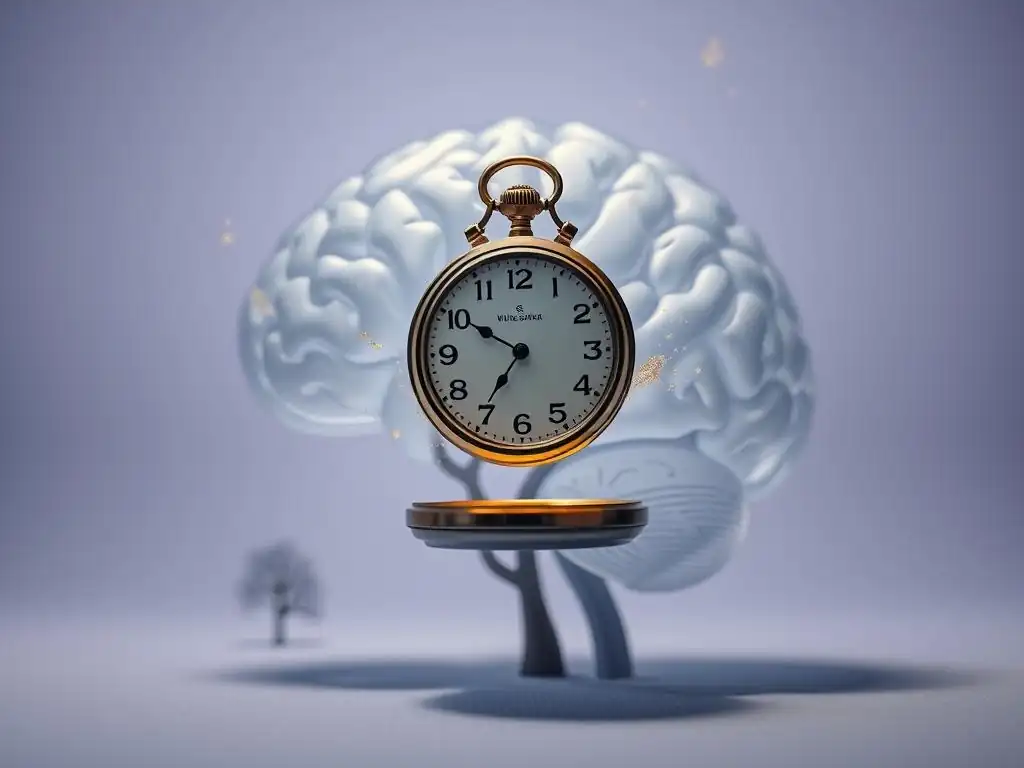
How Antidepressants Can Affect Cognitive Function
Antidepressant medications, primarily SSRIs (Selective Serotonin Reuptake Inhibitors) and SNRIs (Serotonin and Norepinephrine Reuptake Inhibitors), are the cornerstone of pharmacological treatment for depression. While their primary target is mood regulation, they can also indirectly influence cognitive function. By alleviating core depressive symptoms like low mood, fatigue, and anhedonia (loss of pleasure), antidepressants can create a better foundation for cognitive improvement.
Some studies suggest that as mood improves with medication, cognitive functions such as processing speed, attention, and certain aspects of executive function may also show improvement. This is likely due to the broader positive impact of reduced depression severity on brain function, including activity in the prefrontal cortex and associated networks. However, the direct effects of antidepressants on specific executive functions can vary between individuals and medication types.
Medication Side Effects and Executive Function
It is also important to consider that some antidepressant medications can have side effects that might negatively impact executive function in certain individuals. Side effects such as sedation, difficulty concentrating, or cognitive slowing are sometimes reported. These side effects can potentially counteract some of the cognitive benefits gained from mood improvement.
For instance, a medication that causes significant drowsiness might impair attention and working memory, adding to the cognitive burden rather than alleviating the depression executive function challenges explained by the disorder itself. Patients experiencing such side effects should discuss them openly with their prescribing doctor.
Working with Your Doctor to Optimize Medication for Cognitive Benefits
Optimizing medication for both mood and cognitive benefits requires open communication with a healthcare provider. If you are taking antidepressants and experiencing persistent executive function difficulties, discuss these specific concerns with your doctor. They may consider adjusting the dosage, switching to a different antidepressant with a potentially different side effect profile, or adding a medication that might specifically target cognitive symptoms, although such options are less common and require careful consideration.
Your doctor can also help determine if your cognitive difficulties are primarily related to residual depression symptoms, medication side effects, or potentially another underlying issue. Finding the right medication and dosage that effectively manages mood symptoms while minimizing negative impacts on cognitive function is a collaborative process aimed at improving overall quality of life and addressing the multifaceted depression executive function challenges explained by your experience.
The Importance of Early Intervention for Executive Function in Depression
Preventing Long-Term Cognitive Decline
Addressing executive function challenges early in the course of depression is critical, not only for immediate relief but also potentially for preventing long-term cognitive decline. Research suggests that recurrent or chronic depression may be associated with a higher risk of more persistent cognitive deficits and, in some cases, may even be a risk factor for later cognitive impairment or dementia.
Early and effective treatment of depression, including interventions that specifically target cognitive symptoms and executive dysfunction, may help protect the brain and mitigate the risk of these long-term consequences. By stabilizing mood and implementing strategies to support cognitive function early on, individuals may preserve neural pathways and maintain better cognitive reserve over time, reducing the impact of the depression executive function challenges explained by the illness.
Improving Overall Quality of Life
Executive functions are fundamental to navigating daily life, pursuing goals, maintaining relationships, and functioning independently. Difficulties in these areas can significantly impair an individual's ability to work, study, manage finances, maintain a household, and engage in social activities. These impairments contribute substantially to the disability associated with depression, even when mood symptoms have partially improved.
By addressing executive function deficits directly through therapy, lifestyle changes, and potentially medication optimization, individuals can experience significant improvements in their capacity to manage daily tasks and engage more fully in life. This leads to enhanced productivity, greater independence, and a higher overall quality of life, demonstrating the profound benefits of tackling the depression executive function challenges explained by the disorder head-on.
Resources for Support and Treatment for Depression and Executive Function Challenges
Managing the intersection of depression and executive function challenges requires a comprehensive approach. Support is available through various avenues. Mental health professionals, including psychiatrists, psychologists, and licensed therapists, are equipped to provide diagnosis, therapy, and medication management. Neuropsychologists can offer detailed cognitive assessments.
Patient advocacy groups and mental health organizations often provide valuable information, support groups, and resources for finding treatment. Online communities and forums can offer peer support, allowing individuals to connect with others facing similar depression executive function challenges explained by their condition. Remember that seeking help is a sign of strength, and effective strategies exist to manage both depression and its associated cognitive difficulties.
Frequently Asked Questions
Executive function refers to a set of cognitive processes that control and regulate our thoughts and actions. In depression, executive function can be impaired, leading to difficulties with planning, organization, and decision-making. This is often linked to changes in the prefrontal cortex (PFC).
How does depression specifically impact executive function?
Depression can affect specific executive functions like working memory, cognitive flexibility, and inhibitory control. This can manifest as problems focusing, switching between tasks, and resisting impulsive behaviors, making daily life more challenging.
What role does the prefrontal cortex (PFC) play in executive function and depression?
The PFC is crucial for executive function. Depression can disrupt PFC activity, leading to reduced cognitive performance and difficulty regulating emotions. Medications and therapy can help restore PFC function.
What are some common signs that depression is impacting my executive function?
Signs include increased procrastination, difficulty concentrating, problems with organization, and trouble making decisions. You might also experience increased forgetfulness and difficulty managing time effectively.
What strategies can help improve executive function when dealing with depression?
Strategies include cognitive behavioral therapy (CBT), mindfulness exercises, breaking tasks into smaller steps, using organizational tools (like planners), and practicing regular physical exercise. These methods can help strengthen executive function skills.
Final Reflection: Reclaiming Executive Function, Reclaiming Life
The debilitating effects of depression extend far beyond sadness; they often manifest as significant challenges to executive function, impacting our ability to navigate daily life. Understanding this crucial link between prefrontal cortex (PFC) dysfunction and depressive symptoms is not merely academic; it's a vital step towards effective treatment and recovery. Ignoring this connection leaves individuals struggling in silence, unaware that their difficulties aren't simply a matter of willpower, but a neurological consequence of their illness.
The impact of impaired executive function on the lives of those experiencing depression is profound and far-reaching. It affects everything from maintaining employment and relationships to managing personal finances and even basic self-care. The frustration and self-blame that often accompany these struggles only exacerbate the condition. The mind is its own place, and in itself can make a Heaven of Hell, a Hell of Heaven.
– John Milton. This quote, while not directly about depression, perfectly captures the internal struggle and the potential for both immense suffering and remarkable resilience within the mind. The ability to regain control over one's executive functions is a powerful step towards reclaiming a sense of agency and hope.
Now, consider your own life. Have you experienced moments of overwhelming mental fog, difficulty focusing, or procrastination that you previously attributed to laziness or weakness? Perhaps a deeper understanding of the neurological underpinnings of these challenges can offer compassion and a new perspective. Take a moment to reflect on your own executive functioning. Are there areas where you could benefit from additional support or strategies? Seek professional help if needed; remember that understanding your brain is the first step towards empowering yourself to overcome the challenges of depression and rebuild a life filled with purpose and joy.
Unlock Your Brain's Potential: Practical Steps to Boost Executive Function
Thanks for taking the time to explore the often-overlooked connection between executive function and depression! We hope this article provided valuable insights into how your prefrontal cortex impacts your daily life. Now it's time to put that knowledge into action.
- Prioritize one small task: Identify one area where struggling with executive function impacts you most (e.g., procrastination, organization, decision-making). Focus on mastering a single, manageable improvement this week.
- Share your insights: Did this article resonate with you? Sharing this information with a friend, family member, or colleague who might benefit could make a world of difference.
- Explore mindfulness techniques: Even five minutes of daily mindfulness practice can significantly improve focus and cognitive control—key components of strong executive function. Try a guided meditation to experience this firsthand.
What small step will you take today to strengthen your executive function, and how will you measure its impact on your overall well-being?