
Is Low Serotonin Truly the Cause of Your Depression?

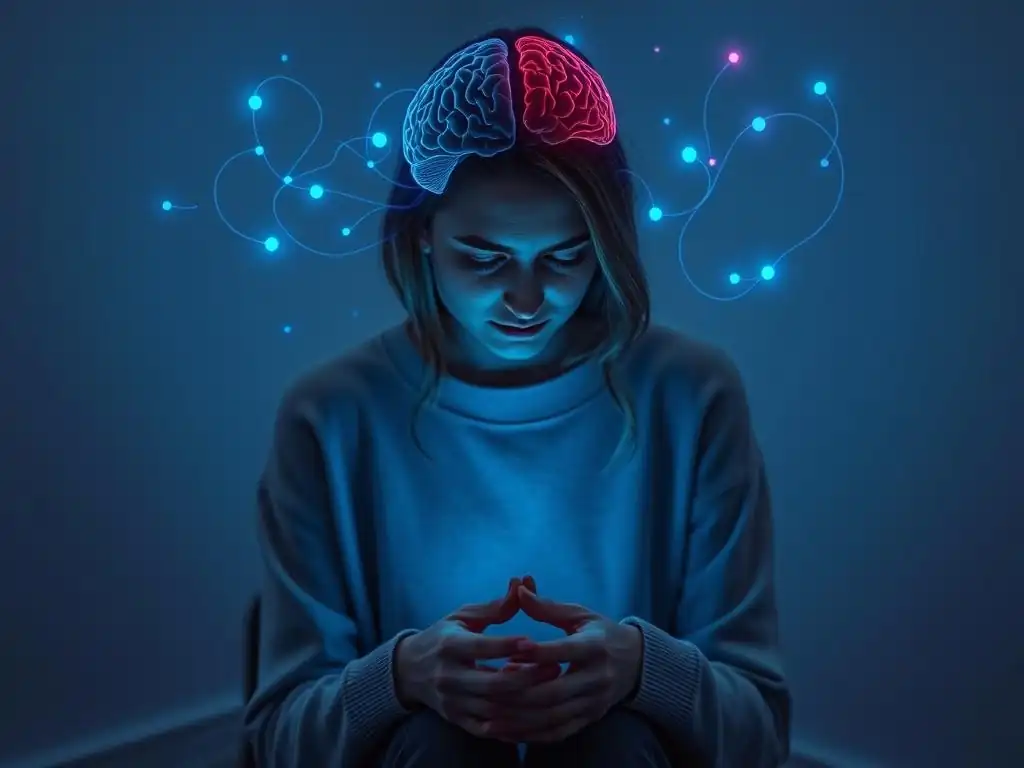
Welcome to Mind Care Guide, a safe space to explore the complexities of mental well-being. Feeling lost in the fog of depression? You're not alone. Could low serotonin be the key to understanding your struggles? This article delves into the science behind "Low Serotonin Depression Symptoms Treatment", offering insights that may challenge what you thought you knew. Let's unravel the science and explore potential pathways to feeling better. Keep reading to discover more...
Understanding Depression: Beyond the Serotonin Hypothesis
- Understanding Depression: A Multifaceted Mental Health Challenge
- The Serotonin Hypothesis: A Critical Evaluation
- Symptoms of Depression: A Broad Spectrum of Experiences
- Alternative Perspectives on Depression: A Biopsychosocial Model
- Effective Treatment Options for Depression: A Multimodal Approach
- Diagnosing Depression: A Comprehensive Assessment
- Lifestyle Strategies for Mood Enhancement: Supporting Mental Well-being
- Seeking Professional Help: When and Where to Find Support
- Addressing Misconceptions: Separating Fact from Fiction About Depression
- Conclusion: A Holistic Approach to Understanding and Managing Depression
-
Frequently Asked Questions
- Is low serotonin definitively proven to be the primary cause of depression?
- What are some common symptoms often associated with low serotonin depression?
- What are some common treatment options for depression that may indirectly affect serotonin levels?
- If low serotonin isn't the only cause, why are SSRIs still prescribed for depression?
- Where can I find comprehensive information and support for mental health challenges related to depression?
- Final Reflection: Unraveling the Serotonin Myth in Depression
- Unlock Your Path to Well-being: Take Charge of Your Mental Health
Understanding Depression: A Multifaceted Mental Health Challenge
Defining Depression: Diagnostic Criteria and Impact
Major Depressive Disorder (MDD), commonly referred to as depression, is a complex mood disorder characterized by a persistent feeling of sadness and loss of interest. The diagnostic criteria, as outlined in the Diagnostic and Statistical Manual of Mental Disorders (DSM), typically require the presence of five or more specific symptoms during the same two-week period, with at least one symptom being either depressed mood or loss of interest or pleasure (anhedonia). These symptoms cause clinically significant distress or impairment in social, occupational, or other important areas of functioning.
The impact of depression extends far beyond emotional distress. It affects how a person thinks, feels, and behaves, leading to a variety of physical and emotional problems. Globally, depression is a leading cause of disability, affecting hundreds of millions of people. It can significantly impair daily activities, relationships, and overall quality of life. Studies estimate that around 5% of adults worldwide experience depression each year, making it a major public health concern with substantial economic and social burdens.
The Role of Neurotransmitters in Mood Regulation
Neurotransmitters are chemical messengers in the brain that play a crucial role in regulating mood, cognition, and behavior. They transmit signals across synapses, the junctions between nerve cells. Key neurotransmitters implicated in mood regulation include serotonin, norepinephrine, dopamine, and gamma-aminobutyric acid (GABA). Each of these chemicals contributes to different aspects of brain function and emotional states.
For instance, dopamine is often associated with pleasure and reward, while norepinephrine is involved in alertness and energy levels. GABA is the primary inhibitory neurotransmitter, helping to calm neural activity. While the exact mechanisms are still being researched, imbalances or dysregulation in the synthesis, release, reuptake, or reception of these neurotransmitters are thought to contribute to mood disorders like depression and anxiety. Understanding this complex interplay is vital for comprehending the biological underpinnings of emotional well-being.
The Serotonin Hypothesis: A Critical Evaluation
What is Serotonin? Functions and Importance
Serotonin, scientifically known as 5-hydroxytryptamine (5-HT), is a monoamine neurotransmitter produced in the brainstem's raphe nuclei and also found extensively in the gastrointestinal tract. In the brain, serotonin influences a wide array of functions, including mood, sleep, appetite, digestion, learning, and memory. It acts on various receptor subtypes (at least 14 have been identified), each mediating different effects in various brain regions.
Beyond its role as a neurotransmitter, serotonin also functions as a hormone in other parts of the body, particularly in the gut, where it regulates motility. Its widespread distribution and multiple receptor types highlight its fundamental importance in maintaining overall physiological and psychological balance. While often primarily linked to mood, its influence on processes like sleep-wake cycles and appetite underscores its complex contribution to well-being.
The History of the Serotonin Hypothesis in Depression
The serotonin hypothesis of depression emerged in the mid-20th century, largely based on observations related to early antidepressant medications. Drugs like iproniazid, initially developed for tuberculosis, were found to inhibit monoamine oxidase (MAO), an enzyme that breaks down neurotransmitters including serotonin, leading to elevated mood in patients. Similarly, reserpine, a drug used for hypertension, was observed to deplete monoamines and sometimes induced depressive symptoms.
These early findings led researchers to propose that depression might be caused by a deficiency or imbalance of monoamine neurotransmitters, particularly serotonin and norepinephrine. This "monoamine hypothesis" gained significant traction, especially with the development and widespread success of selective serotonin reuptake inhibitors (SSRIs) in the late 1980s and 1990s. The efficacy of SSRIs, which block the reabsorption of serotonin into presynaptic neurons, thereby increasing its availability in the synaptic cleft, was seen as strong evidence supporting the idea that low serotonin levels were a primary cause of depression symptoms.
Limitations of the Serotonin Theory: Evidence and Alternatives
Despite its historical prominence and the effectiveness of SSRIs for many individuals, the simple "low serotonin causes depression" theory has faced significant challenges and is now considered an oversimplification by the scientific community. One major limitation is that studies directly measuring serotonin levels in the brains of depressed individuals have yielded inconsistent results; many people with depression do not have demonstrably low serotonin levels, and some individuals with seemingly normal serotonin levels experience severe depression.
Furthermore, SSRIs increase serotonin levels relatively quickly after administration, but the therapeutic effects on depression symptoms often take several weeks to become apparent. This delay suggests that the immediate increase in serotonin is not the sole mechanism of action and that other downstream effects, such as changes in receptor sensitivity or neuroplasticity (the brain's ability to reorganize itself), may be more critical for long-term mood improvement.
Alternative and complementary theories, such as those involving inflammation, neurotrophic factors like BDNF (brain-derived neurotrophic factor), and complex neural circuit dysfunction, are now being explored to provide a more comprehensive understanding of depression's biological basis, moving beyond a single neurotransmitter deficiency model for low serotonin depression symptoms treatment.
Symptoms of Depression: A Broad Spectrum of Experiences
Common Emotional, Cognitive, and Physical Symptoms
The symptoms of depression are varied and can manifest differently in individuals. Emotionally, the hallmark symptoms include a persistent sad, anxious, or "empty" mood, feelings of hopelessness or pessimism, and irritability. A profound loss of interest or pleasure in activities previously enjoyed (anhedonia) is also a core symptom and a key indicator of potential low serotonin depression symptoms.
Cognitive symptoms often include difficulty concentrating, remembering details, and making decisions. Individuals may experience feelings of guilt, worthlessness, or helplessness. Physically, depression can present with fatigue or decreased energy, changes in sleep patterns (insomnia or hypersomnia), changes in appetite and weight (either loss or gain), restlessness or irritability, and persistent physical symptoms that do not respond to treatment, such as headaches, digestive disorders, and chronic pain. Recognizing this broad spectrum is crucial for accurate diagnosis and effective treatment of depression symptoms.
Differentiating Depression Subtypes: Melancholic, Atypical, and Others
Depression is not a monolithic condition; it encompasses various subtypes or specifiers that describe different symptom patterns or contexts. Melancholic depression, for example, is characterized by severe anhedonia, lack of reactivity to pleasurable stimuli, profound despair, and often vegetative symptoms like early morning awakening, significant weight loss, and psychomotor retardation or agitation. These symptoms may be particularly resistant to certain types of treatment.
Atypical depression, conversely, is marked by mood reactivity (mood brightens in response to positive events), significant weight gain or increased appetite ("comfort eating"), hypersomnia (excessive sleeping), leaden paralysis (a heavy feeling in the limbs), and interpersonal rejection sensitivity. Other specifiers include seasonal pattern (Seasonal Affective Disorder - SAD), peripartum onset (during pregnancy or after childbirth), and psychotic features (hallucinations or delusions). Understanding these subtypes helps tailor treatment approaches, as what works for one type of depression symptoms might not be optimal for another.
The Role of Neurotransmitters in Specific Depression Symptoms
While the simple low serotonin theory is insufficient, neurotransmitters are undeniably involved in mediating specific symptoms of depression. For instance, dysfunction in neural circuits involving dopamine and norepinephrine is strongly linked to symptoms like anhedonia, fatigue, and lack of motivation, which are common depression symptoms. The reward pathways, heavily reliant on dopamine, appear blunted in many depressed individuals.
Serotonin, while not the sole cause, is thought to play a role in regulating mood stability, anxiety, and obsessive thinking. Its influence on sleep and appetite may also contribute to the vegetative symptoms of depression. Furthermore, imbalances in GABA and glutamate, the brain's primary inhibitory and excitatory neurotransmitters, respectively, are also being investigated for their roles in the diverse manifestations of depression symptoms. Effective low serotonin depression symptoms treatment often involves addressing these broader neurotransmitter systems, not just serotonin.
The Role of Genetics and Epigenetics in Depression
Research indicates that a predisposition to depression can be inherited, suggesting a genetic component. While no single "depression gene" has been identified, studies of families and twins show that having a first-degree relative with depression increases one's risk by approximately two to three times. Multiple genes, each contributing a small effect, likely interact to influence vulnerability.
Beyond the static genetic code, epigenetics plays a crucial role. Epigenetic modifications are changes in gene expression that do not alter the underlying DNA sequence but can be influenced by environmental factors. Stressful life events, trauma, or early adversity can trigger epigenetic changes that alter the activity of genes involved in stress response, neurotransmitter systems (including those related to serotonin), and neural development, increasing susceptibility to depression symptoms later in life.
The Influence of Early Life Experiences and Trauma
Adverse childhood experiences (ACEs), such as abuse, neglect, or household dysfunction, are significant risk factors for developing depression and other mental health conditions in adulthood. Exposure to chronic stress or trauma during critical developmental periods can profoundly impact brain structure and function, altering stress hormone regulation (like the HPA axis) and the development of neural circuits involved in mood and emotion regulation.
These experiences can create lasting vulnerabilities, making individuals more reactive to stress and increasing the likelihood of experiencing depression symptoms. The long-term effects of trauma highlight that depression is not solely a biological issue but is deeply intertwined with psychological history and environmental factors, requiring a comprehensive approach to treatment beyond just targeting potential low serotonin levels.
Inflammation, the Gut Microbiome, and Depression
Emerging research points to the role of chronic low-grade inflammation in the development and maintenance of depression. Inflammatory markers are often elevated in individuals with depression, and inflammation can affect brain function, neurotransmitter metabolism (including serotonin synthesis, much of which occurs in the gut), and neuroplasticity. Conditions associated with inflammation, such as autoimmune diseases or chronic infections, have a higher comorbidity rate with depression.
The gut microbiome, the vast community of microorganisms residing in the digestive tract, is another exciting area of research. The gut and brain communicate bidirectionally via the "gut-brain axis." The microbiome influences immune function, inflammation, and even the production of neuroactive compounds. Dysbiosis (an imbalance in gut bacteria) has been linked to altered mood and increased anxiety and depression symptoms, suggesting that gut health may be a novel target for future treatment strategies.
Effective Treatment Options for Depression: A Multimodal Approach
Selective Serotonin Reuptake Inhibitors (SSRIs): Efficacy and Side Effects
SSRIs are among the most commonly prescribed antidepressants. They work by blocking the reabsorption (reuptake) of serotonin in the brain, leading to increased serotonin levels in the synaptic cleft. Examples include fluoxetine, sertraline, paroxetine, citalopram, and escitalopram. While they are effective for many individuals in alleviating depression symptoms, they do not work for everyone, and responses vary.
Side effects can occur, especially early in treatment. Common side effects may include nausea, insomnia, drowsiness, weight changes, and sexual dysfunction. While the theory behind their use was initially tied to the low serotonin hypothesis, their therapeutic effect is now understood to involve more complex downstream adaptations in the brain over time. For many, SSRIs are a valuable part of a comprehensive low serotonin depression symptoms treatment plan.
Alternative Medications: SNRIs, NDRIs, and Others
Beyond SSRIs, other classes of antidepressants are available and may be preferred depending on the individual's specific symptoms and response to treatment. Serotonin-Norepinephrine Reuptake Inhibitors (SNRIs) like venlafaxine and duloxetine block the reuptake of both serotonin and norepinephrine. These may be particularly helpful for depression symptoms involving fatigue or pain.
Norepinephrine-Dopamine Reuptake Inhibitors (NDRIs) like bupropion primarily affect norepinephrine and dopamine and can be useful for symptoms like low motivation and fatigue, often with fewer sexual side effects than SSRIs. Other options include tricyclic antidepressants (TCAs), monoamine oxidase inhibitors (MAOIs), and newer atypical antidepressants, each with different mechanisms of action and side effect profiles. The choice of medication is a complex decision based on the individual's specific presentation of low serotonin depression symptoms and other health factors.
The Importance of Psychotherapy and Lifestyle Interventions
Medication is often most effective when combined with psychotherapy. Cognitive Behavioral Therapy (CBT) and Interpersonal Therapy (IPT) are two evidence-based psychotherapies for depression. CBT helps individuals identify and change negative thought patterns and behaviors contributing to their depression symptoms. IPT focuses on improving relationships and social functioning. Therapy provides tools and coping strategies that address the psychological and social factors underlying depression, complementing pharmacological treatment.
Lifestyle interventions are also crucial components of managing depression symptoms. Regular exercise has been shown to have antidepressant effects, potentially by increasing neurotrophic factors and improving mood-regulating neurotransmitter activity. A balanced diet, adequate sleep, mindfulness practices, and engaging in social activities can all significantly support mental well-being and aid in recovering from depression, offering a broader approach than solely focusing on potential low serotonin levels.
Diagnosing Depression: A Comprehensive Assessment
Clinical Interview: Assessing Symptoms and History
Diagnosing depression is primarily based on a thorough clinical interview conducted by a qualified mental health professional, such as a psychiatrist, psychologist, or licensed therapist. During the interview, the clinician will ask detailed questions about the individual's current symptoms, their duration and severity, and how they impact daily functioning. They will explore the presence of core depression symptoms like depressed mood, loss of interest, changes in sleep, appetite, energy, concentration, and feelings of worthlessness or guilt.
The interview also covers the individual's personal and family history of mental health conditions, medical history, substance use, stressful life events, and social support. This comprehensive approach helps the clinician determine if the symptoms meet the diagnostic criteria for Major Depressive Disorder or another mood disorder and rule out other potential causes for the symptoms, ensuring that treatment is tailored to the individual's specific needs, not just a presumed low serotonin level.
Rating Scales and Questionnaires for Depression
In addition to the clinical interview, mental health professionals often use standardized rating scales and questionnaires to assess the severity of depression symptoms and monitor treatment progress. Common examples include the Beck Depression Inventory (BDI), the Patient Health Questionnaire (PHQ-9), and the Hamilton Rating Scale for Depression (HAM-D).
These scales consist of a series of questions about the frequency and intensity of various depression symptoms over a specific time period. The individual's responses are scored, providing a quantitative measure of symptom severity. While these tools are valuable for tracking changes over time and aiding in diagnosis, they are typically used as supplementary tools to the clinical interview, not as standalone diagnostic tests. They help provide a clearer picture of the individual's experience with low serotonin depression symptoms or other types of depression.
Lifestyle Strategies for Mood Enhancement: Supporting Mental Well-being

Diet and Nutrition: Impact on Brain Health
Nutrition plays a significant role in brain health and mood regulation. A diet rich in whole foods, including fruits, vegetables, whole grains, lean proteins, and healthy fats (like omega-3 fatty acids found in fish), provides the necessary nutrients for optimal brain function. Omega-3 fatty acids, for instance, are crucial components of brain cell membranes and have been linked to reduced depression symptoms in some studies.
Conversely, a diet high in processed foods, sugar, and unhealthy fats can contribute to inflammation and oxidative stress, potentially negatively impacting mood. Ensuring adequate intake of vitamins and minerals, such as B vitamins, vitamin D, and zinc, which are involved in neurotransmitter synthesis and brain health, is also important. While diet alone cannot cure depression, adopting healthy eating habits can be a supportive strategy alongside other treatment for low serotonin depression symptoms and overall mental well-being.
Exercise and Physical Activity: Benefits for Mood
Regular physical activity is a powerful tool for improving mood and reducing depression symptoms. Exercise releases endorphins, which have mood-boosting effects. It also increases levels of neurotransmitters like norepinephrine and dopamine and promotes neurogenesis (the growth of new brain cells) in areas of the brain involved in mood regulation, such as the hippocampus.
Aiming for moderate-intensity exercise for at least 30 minutes most days of the week can significantly impact mood. Activities like brisk walking, jogging, swimming, or cycling can be beneficial. Even shorter bursts of activity can help. Exercise provides a sense of accomplishment, reduces stress, improves sleep, and can distract from negative thoughts, making it an essential component of a holistic approach to managing depression symptoms.
The Role of Sunlight, Sleep, and Mindfulness
Exposure to natural sunlight helps regulate the body's circadian rhythm and can influence serotonin production, particularly relevant for seasonal depression symptoms. Spending time outdoors, especially in the morning, can improve mood and energy levels. For individuals with Seasonal Affective Disorder, light therapy is a recognized treatment.
Adequate and quality sleep is fundamental for mental health. Sleep disruption is a common symptom of depression, and poor sleep can exacerbate mood problems. Establishing a regular sleep schedule and practicing good sleep hygiene can improve sleep quality and support recovery from depression. Mindfulness and meditation practices can also help manage depression symptoms by reducing rumination, increasing self-awareness, and promoting a sense of calm. These practices teach individuals to observe their thoughts and feelings without judgment, fostering emotional regulation skills.
Seeking Professional Help: When and Where to Find Support
Recognizing the Signs of Severe Depression and Suicidal Ideation
It is crucial to recognize when depression symptoms become severe and require immediate professional intervention. Signs of severe depression can include significant impairment in daily functioning, inability to perform basic tasks, intense feelings of hopelessness, and withdrawal from social contact. A critical sign requiring urgent attention is suicidal ideation – thoughts of harming oneself or ending one's life.
If you or someone you know is experiencing suicidal thoughts, it is an emergency. Do not leave the person alone. Seek help immediately by contacting a crisis hotline, visiting an emergency room, or reaching out to a mental health professional. Recognizing these warning signs is the first step in getting necessary support and potentially life-saving treatment.
Finding a Psychiatrist, Psychologist, or Therapist
Finding the right mental health professional is key to effective treatment for depression. Psychiatrists are medical doctors who can diagnose mental health conditions, prescribe medication (like antidepressants targeting low serotonin depression symptoms or other neurotransmitters), and provide therapy. Psychologists and licensed therapists (such as licensed clinical social workers or licensed professional counselors) provide psychotherapy and counseling.
You can find mental health professionals through referrals from your primary care physician, your insurance provider's network, online directories of mental health professionals, or local mental health organizations. It's often helpful to research their specialties, read reviews if available, and consider scheduling an initial consultation to see if their approach and personality are a good fit for your needs.
Developing a Personalized Treatment Plan
Effective treatment for depression is rarely a one-size-fits-all approach. A personalized treatment plan is developed collaboratively between the individual and their mental health professional based on the comprehensive assessment of their specific symptoms, history, preferences, and circumstances. This plan may involve a combination of approaches, such as medication (if appropriate for the individual's type of depression symptoms), psychotherapy, and lifestyle adjustments.
The plan should be regularly reviewed and adjusted based on the individual's response to treatment. Open communication with your provider is essential to discuss how you are feeling, any side effects from medication, and any challenges you are facing. A personalized plan acknowledges the complex nature of depression, moving beyond simplistic explanations like low serotonin deficiency, to address the unique biological, psychological, and social factors at play.
Addressing Misconceptions: Separating Fact from Fiction About Depression
Myth: Depression is Simply a Chemical Imbalance
One of the most persistent misconceptions about depression is that it is solely caused by a "chemical imbalance," specifically a deficiency of serotonin or other neurotransmitters. This idea, while helpful in early research and popularizing antidepressant use, is scientifically inaccurate as a complete explanation. While neurotransmitters are involved, depression is far more complex.
Research shows that depression involves intricate changes in brain structure and function, alterations in neural circuits, genetic predispositions, epigenetic modifications, inflammatory processes, and the impact of psychological and social factors like stress and trauma. Reducing depression to just a low serotonin problem oversimplifies a highly complex condition and can perpetuate stigma by implying it's a simple fix, overlooking the need for comprehensive treatment addressing all facets of the illness.
The reality is that depression arises from a complex interplay of biological, psychological, and social factors – the biopsychosocial model. Biological factors include genetic vulnerability, brain chemistry (including neurotransmitters like serotonin, but also others), hormonal influences, and physical health conditions. Psychological factors encompass personality traits, coping styles, cognitive patterns (e.g., negative thinking), and past experiences like trauma.
Social factors include environmental stressors, social support networks, cultural influences, and socioeconomic status. All these elements interact in unique ways for each individual, contributing to their risk of developing depression and the nature of their symptoms. Effective low serotonin depression symptoms treatment and overall depression management must acknowledge this complexity, integrating various therapeutic approaches to address the multifaceted nature of the illness.
Conclusion: A Holistic Approach to Understanding and Managing Depression
Emphasizing the Importance of Personalized Care
Understanding depression requires moving beyond simplistic explanations like a singular low serotonin cause. It is a complex disorder influenced by a dynamic interplay of biological, psychological, and social factors. Consequently, the most effective path forward lies in personalized care. Each individual's experience with depression is unique, shaped by their genetic makeup, life history, current circumstances, and specific constellation of symptoms.
A personalized approach to treatment involves a thorough assessment to understand these factors and then developing a tailored plan that may include medication, various forms of psychotherapy, and lifestyle interventions. This collaborative process between the individual and their mental health team ensures that treatment addresses the root causes and contributing factors specific to that person, rather than applying a generic solution based on an outdated hypothesis.
Empowering Individuals with Knowledge and Resources
Empowerment through knowledge is vital for those navigating depression. Understanding that depression is a real and treatable illness, not a personal failing, is the first step. Learning about the various factors that contribute to depression – including the nuanced role of neurotransmitters beyond simple low serotonin levels, the impact of genetics and environment, and the importance of lifestyle – can help individuals feel more in control of their health journey.
Access to reliable information about depression symptoms and evidence-based treatment options is crucial. Knowing where to seek professional help, understanding the different types of therapy and medication available, and learning self-care strategies are all components of effective management. By providing comprehensive information and resources, individuals can become active participants in their recovery, finding the support and strategies that work best for them in managing their depression symptoms and improving their overall well-being.
Frequently Asked Questions
Is low serotonin definitively proven to be the primary cause of depression?
No, the link between low serotonin and depression is more complex than initially believed. Current research suggests that other neurotransmitters and brain structures also play significant roles.
What are some common symptoms often associated with low serotonin depression?
Symptoms can include persistent sadness, loss of interest in activities, sleep disturbances, and changes in appetite. However, these symptoms are not exclusive to low serotonin and can indicate other forms of depression.
What are some common treatment options for depression that may indirectly affect serotonin levels?
Selective serotonin reuptake inhibitors (SSRIs) are frequently prescribed, aiming to increase serotonin availability in the brain. Other treatments include therapy and lifestyle adjustments to support overall mental well-being.
If low serotonin isn't the only cause, why are SSRIs still prescribed for depression?
SSRIs can be effective for many individuals, even if the underlying cause of depression is multifactorial. They can help alleviate symptoms by modulating serotonin levels and influencing other neurotransmitter systems.
Resources can be found on websites like Mind Care Guide, which offer information, support, and resources for various mental health challenges, including those related to depression and mental well-being.
Final Reflection: Unraveling the Serotonin Myth in Depression
The simplistic link between low serotonin and depression, while convenient, is increasingly being challenged by a more nuanced understanding of this complex mental health condition. This isn't to diminish the suffering of those experiencing depression, but rather to highlight the need for a more holistic and effective approach to treatment that moves beyond a singular focus on serotonin levels. We must acknowledge the multifaceted nature of this illness and embrace a broader perspective on its causes and cures.
The ongoing discussion surrounding serotonin's role in depression underscores the limitations of reductionist thinking in mental health. It's crucial to recognize the interplay of genetic predisposition, environmental factors, and life experiences in shaping an individual's mental well-being. The search for a single "magic bullet" solution often overlooks the intricate web of biological, psychological, and social influences. The mind is not a vessel to be filled, but a fire to be kindled.
– Plutarch. This quote perfectly encapsulates the need for a more holistic approach, one that nurtures and ignites the inherent resilience within each individual rather than simply attempting to "fix" a perceived chemical imbalance.
Consider the implications of this new understanding. It's not about dismissing the efficacy of certain treatments, but rather about expanding our perspective. You are not defined by your serotonin levels.
Your journey to mental wellness involves exploring various therapeutic avenues, including lifestyle changes, therapy, and medication, tailored to your unique circumstances. Embrace this opportunity to delve deeper into your own well-being, to understand the complexities of your mental health, and to actively participate in your own healing process. Take the time to learn, to advocate for yourself, and to find the path that leads you towards a brighter, more fulfilling life.
Unlock Your Path to Well-being: Take Charge of Your Mental Health
Thanks for taking the time to explore the complexities of serotonin and depression with us! We hope this article provided valuable insights into this often-misunderstood connection. Now, let's move from understanding to action.
- Prioritize Self-Care: Identify one small, manageable self-care activity you can implement today – whether it's a relaxing bath, a short walk, or a mindful breathing exercise. This is your first step towards building a stronger, healthier you.
- Share Your Journey: Connect with others facing similar challenges. Share your thoughts and experiences on this topic – your insights might help someone else find their path to better mental well-being.
- Explore Further Resources: Dive deeper into the world of mental health by researching evidence-based strategies for managing low mood. Remember that seeking professional support is a sign of strength, not weakness.
What small step will you take today to prioritize your mental health and wellbeing?