
PTSD: How Trauma May Rewire Neurotransmitter Pathways in the Brain

Welcome to Mind Care Guide.
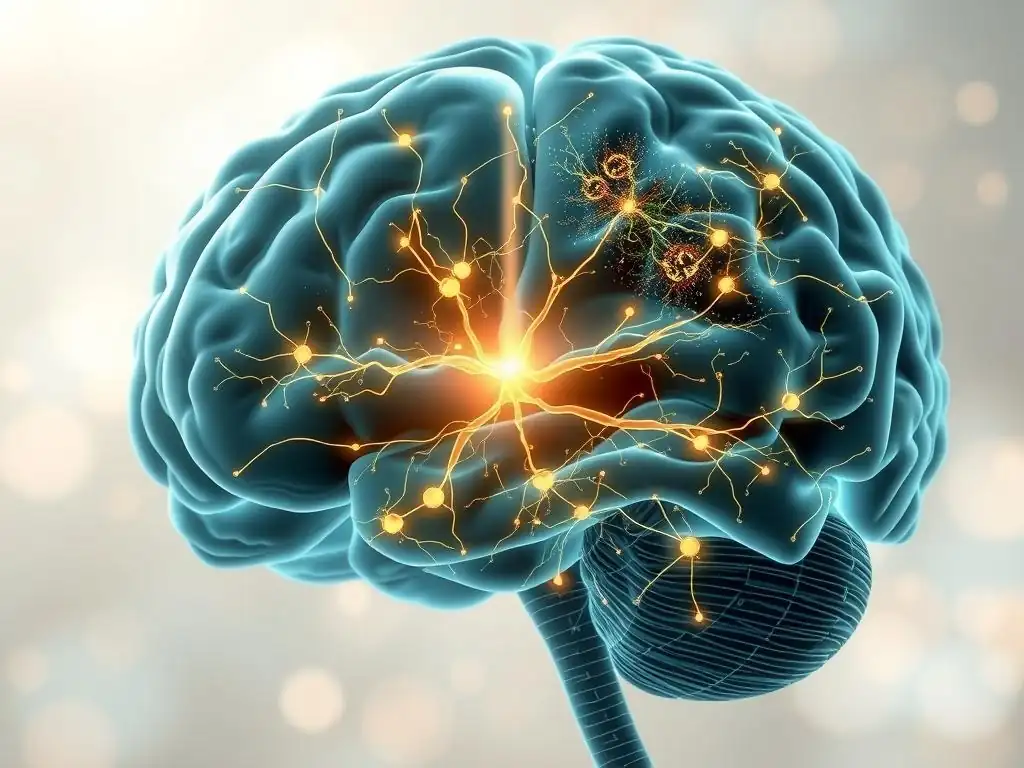
Are you grappling with the lingering effects of trauma and wondering if your brain has been irrevocably changed? At Mind Care Guide, we understand that feeling of uncertainty. In this article, we delve into the fascinating world of neuroscience to explore how PTSD may rewire neurotransmitter pathways in the brain. Discover the latest research on PTSD neurotransmitter pathway rewiring treatment and understand the potential for healing and recovery. Your journey towards understanding and reclaiming your mental well-being starts here. Keep reading to learn more about the science behind trauma and hope for a brighter future.
PTSD: Neurobiological Underpinnings and Treatment Strategies
- Introduction to PTSD and Neurobiology
- Neurotransmitters and PTSD: A Complex Relationship
- Neuroplasticity and PTSD: Rewiring the Brain After Trauma
- Specific Neurotransmitter Pathways and PTSD Symptoms
- Treatment Approaches Targeting Neurotransmitter Systems
- Future Directions in PTSD Treatment: Personalized Approaches
- Lifestyle Modifications and Support for PTSD Management
- Conclusion: Advancing Our Understanding of PTSD Through Neurobiology.
-
Frequently Asked Questions
- What is the link between PTSD and neurotransmitter pathways?
- How does trauma specifically affect neurotransmitter pathways in individuals with PTSD?
- What does "rewiring" of neurotransmitter pathways mean in the context of PTSD?
- What are some potential treatment options that target neurotransmitter pathway rewiring in PTSD?
- Is complete "rewiring" or reversal of PTSD-related brain changes possible?
- Final Reflection: Rewiring Hope: The Path Forward from PTSD
- Unlock Your Brain's Resilience: Take Charge of Your Healing Journey
Introduction to PTSD and Neurobiology
Understanding PTSD Through a Neurobiological Lens
Post-Traumatic Stress Disorder (PTSD) is a complex psychiatric condition that can develop after experiencing or witnessing a traumatic event. While the psychological impact is widely recognized, understanding PTSD through a neurobiological lens reveals profound changes in brain structure and function. These changes aren't merely abstract; they represent a tangible alteration in how the brain processes information, particularly related to fear, memory, and emotional regulation. Research over the past few decades has significantly illuminated the intricate neural circuits and chemical messengers involved, moving beyond purely psychological models to embrace the biological underpinnings of this disorder.
This neurobiological perspective highlights that PTSD is not simply a reaction to trauma but a persistent state characterized by altered brain connectivity and activity. Studies using fMRI and other neuroimaging techniques have consistently shown differences in brain regions like the amygdala, hippocampus, and prefrontal cortex in individuals with PTSD compared to healthy controls.
For instance, the amygdala, often called the brain's fear center, shows heightened activity in response to trauma-related cues, while the hippocampus, crucial for memory formation, may exhibit reduced volume. These findings underscore that the trauma has left a physical imprint, influencing the brain's intricate network of neurons and the pathways through which they communicate.
The Neurobiological Basis of Trauma: Key Concepts
Trauma activates the brain's stress response systems, designed for survival. When exposed to a life-threatening situation, the sympathetic nervous system kicks into gear, triggering the release of stress hormones like cortisol and adrenaline. This acute response is adaptive, preparing the body to fight or flee. However, in PTSD, this system remains dysregulated long after the threat has passed. The brain seems stuck in a state of hyperarousal, constantly scanning for danger, even in safe environments. This persistent activation has cascading effects on various neural circuits, particularly those involved in processing threats and regulating emotions.
A key concept is neuroplasticity, the brain's ability to change and adapt in response to experience. While often discussed positively in learning and recovery, neuroplasticity also underlies the maladaptive changes seen in PTSD. Trauma can rewire specific neural pathways, strengthening connections associated with fear and weakening those involved in safety and context. This "rewiring" impacts how information flows through the brain, making individuals with PTSD more prone to react intensely to perceived threats, experience intrusive memories, and struggle with emotional modulation. Understanding this neurobiological basis is crucial for developing effective PTSD neurotransmitter pathway rewiring treatment strategies.
Neurotransmitters and PTSD: A Complex Relationship
Core Neurotransmitters Involved: Glutamate, GABA, and Monoamines
Neurotransmitters are the chemical messengers that transmit signals between neurons, profoundly influencing mood, behavior, and cognitive function. In the context of PTSD, several key neurotransmitter systems are significantly impacted. Glutamate is the primary excitatory neurotransmitter in the brain, crucial for learning and memory, including fear conditioning. Gamma-aminobutyric acid (GABA), conversely, is the main inhibitory neurotransmitter, vital for calming neural activity and regulating anxiety. The balance between glutamate and GABA is essential for normal brain function; disruptions can lead to hyperexcitation or excessive inhibition.
Beyond glutamate and GABA, the monoamine neurotransmitters – serotonin, norepinephrine, and dopamine – also play critical roles and are significantly altered in PTSD. Serotonin is heavily involved in mood regulation, sleep, and appetite. Norepinephrine is central to the body's stress response, attention, and arousal. Dopamine is associated with reward, motivation, and pleasure, but also plays a role in fear learning. The complex interplay and often dysregulation of these neurotransmitter systems contribute significantly to the diverse symptom profile observed in individuals living with PTSD, from hypervigilance and anxiety to depression and anhedonia.
Trauma-Induced Alterations in Neurotransmitter Systems
Traumatic experiences trigger a cascade of neurochemical events that can persistently alter neurotransmitter balance and signaling pathways. The acute stress response involves a surge in neurotransmitters like norepinephrine and glutamate, facilitating rapid threat detection and response. However, chronic or severe trauma can lead to long-term changes in the synthesis, release, reuptake, and receptor sensitivity of these chemicals. For example, studies have shown altered levels of norepinephrine metabolites in the cerebrospinal fluid of individuals with PTSD, suggesting chronic overactivity of this system. Similarly, changes in glutamate receptor expression have been implicated in the persistent fear memories characteristic of the disorder.
These alterations are not isolated; they interact dynamically across different brain regions. The trauma-induced changes in neurotransmitter systems contribute directly to the cardinal symptoms of PTSD. Elevated norepinephrine can drive hyperarousal and exaggerated startle responses. Dysregulated serotonin may contribute to mood disturbances and irritability. Alterations in glutamate and GABA signaling within fear circuits like the amygdala and prefrontal cortex can perpetuate fear conditioning and impair extinction learning, making it difficult for individuals to feel safe even when no danger is present. This complex neurochemical landscape underscores the challenge and necessity of targeted PTSD neurotransmitter pathway rewiring treatment.
The Hypothalamic-Pituitary-Adrenal (HPA) Axis and PTSD
The HPA axis is a crucial neuroendocrine system that regulates the body's stress response, involving the hypothalamus, pituitary gland, and adrenal glands. When stress is perceived, the hypothalamus releases corticotropin-releasing hormone (CRH), which signals the pituitary to release adrenocorticotropic hormone (ACTH). ACTH then stimulates the adrenal glands to produce cortisol, the primary stress hormone. Cortisol helps mobilize energy and suppress non-essential functions, but also acts as a negative feedback signal to the hypothalamus and pituitary, shutting down the stress response once the threat is gone.
In PTSD, the HPA axis often shows dysregulation, although the pattern can be complex and sometimes differs from typical stress responses. While acute stress leads to elevated cortisol, many individuals with chronic PTSD exhibit lower baseline cortisol levels but an exaggerated release of CRH. This suggests a potential hypersensitivity in the system, where even minor stressors trigger a strong, prolonged response despite lower overall cortisol. This dysregulation impacts neurotransmitter systems, particularly norepinephrine and serotonin, further perpetuating the cycle of hyperarousal, anxiety, and mood disturbances seen in PTSD. Understanding this HPA axis involvement is vital for developing effective interventions.
Neurotransmitter Imbalances and PTSD Symptom Clusters
The diverse symptoms of PTSD – including re-experiencing, avoidance, negative alterations in cognition and mood, and hyperarousal – can be linked to specific neurotransmitter imbalances and their effects on different brain circuits. Hyperarousal symptoms, such as exaggerated startle response and hypervigilance, are strongly associated with dysregulation of the norepinephrine system and potentially the GABAergic system, leading to an overactive fight-or-flight response and impaired inhibition. Avoidance behaviors and emotional numbing might involve changes in dopamine and serotonin pathways, affecting motivation, pleasure, and mood regulation.
Intrusive memories and flashbacks, core re-experiencing symptoms, are thought to involve maladaptive plasticity in glutamate pathways within the amygdala and hippocampus, strengthening fear memories and impairing the ability to distinguish past trauma from present safety. Negative alterations in cognition and mood, like persistent negative beliefs or anhedonia, are linked to changes in serotonin, dopamine, and norepinephrine systems, which are crucial for mood, motivation, and cognitive processing. Addressing these specific neurotransmitter imbalances is a key target for PTSD neurotransmitter pathway rewiring treatment.
Neuroplasticity and PTSD: Rewiring the Brain After Trauma
Synaptic Changes and PTSD: Strengthening and Weakening Connections
At the core of neuroplasticity are changes at the synapse, the junction between two neurons where chemical signals are transmitted. Trauma can induce profound and lasting alterations in synaptic structure and function, effectively rewiring the brain's connections. In regions like the amygdala, trauma exposure can lead to an increase in the number and strength of synapses involved in fear processing.
This synaptic strengthening makes the fear response more easily triggered and more intense, contributing to hypervigilance and exaggerated startle responses. Conversely, in regions like the hippocampus and prefrontal cortex, trauma can lead to a weakening or loss of synapses, impairing their ability to regulate fear, process context, and form new memories.
These synaptic changes are driven by alterations in neurotransmitter release and receptor activity. For example, excessive glutamate release during and after trauma can overstimulate glutamate receptors, leading to structural changes at synapses that strengthen fear pathways. Simultaneously, reduced GABAergic signaling can decrease inhibition, further amplifying excitatory signals. This imbalance between excitatory and inhibitory inputs, mediated by synaptic changes, creates a brain network predisposed to reactivate trauma memories and perceive ongoing threats, even in safe environments. Understanding these micro-level changes is crucial for developing interventions aimed at positive PTSD neurotransmitter pathway rewiring treatment.
Long-Term Potentiation (LTP) and Long-Term Depression (LTD) in PTSD
Long-Term Potentiation (LTP) and Long-Term Depression (LTD) are two fundamental mechanisms of synaptic plasticity, representing the persistent strengthening and weakening of synapses, respectively. They are widely considered the cellular basis for learning and memory. In the context of PTSD, maladaptive forms of LTP and LTD are believed to contribute significantly to the disorder's pathophysiology.
LTP in fear-related circuits, particularly in the amygdala, is thought to underlie the formation and persistence of traumatic fear memories. When a traumatic event occurs, the simultaneous activation of neurons representing the trauma and the fear response leads to a lasting strengthening of their connections via LTP mechanisms.
Conversely, LTD or impaired LTP in other brain regions, such as the hippocampus and prefrontal cortex, may contribute to different PTSD symptoms. For example, impaired LTD or LTP in the hippocampus could contribute to difficulties forming coherent narrative memories of the trauma or distinguishing safe contexts from dangerous ones. Similarly, changes in synaptic plasticity in the prefrontal cortex might impair its ability to inhibit the amygdala's fear response. The balance between LTP and LTD is critical for flexible learning and memory; trauma-induced shifts in this balance contribute to the rigid, overgeneralized fear responses characteristic of PTSD.
Enhanced Fear Conditioning: The Role of LTP
Fear conditioning is a type of associative learning where a neutral stimulus becomes associated with a fearful outcome, leading to a fear response to the previously neutral stimulus. This process is heavily reliant on LTP in the amygdala. In individuals with PTSD, there is evidence of enhanced fear conditioning, meaning they form stronger and more persistent associations between trauma-related cues (e.g., a specific sound, smell, or location) and the original fear response. This enhanced learning is thought to be mediated by exaggerated LTP in the amygdala's circuits that process sensory information and associate it with fear.
Studies in animal models of trauma show increased synaptic strength and heightened LTP in amygdala pathways following stress exposure. This neurobiological change makes the amygdala hyper-responsive to even subtle reminders of the trauma, triggering intense fear reactions (e.g., flashbacks, panic attacks) that are out of proportion to the actual threat level in the present environment. The persistent nature of these conditioned fear responses is a hallmark of PTSD and directly relates to the enduring synaptic changes facilitated by maladaptive LTP. Reversing or modulating this enhanced LTP is a target for PTSD neurotransmitter pathway rewiring treatment.
Impaired Extinction Learning: The Role of LTD
Extinction learning is an active process of learning that a previously feared stimulus is no longer associated with danger. It involves forming a new memory that inhibits the original fear response, rather than erasing the original fear memory. This process is crucial for recovery from trauma and is mediated by brain regions like the prefrontal cortex and hippocampus, which regulate the amygdala. Impaired extinction learning is a prominent feature of PTSD, explaining why individuals continue to experience fear and anxiety in safe situations that resemble the trauma context.
Neurobiologically, impaired extinction learning is linked to deficits in synaptic plasticity, particularly impaired LTD or LTP in circuits connecting the prefrontal cortex and hippocampus to the amygdala. The prefrontal cortex, especially the ventromedial prefrontal cortex (vmPFC), plays a key role in inhibiting the amygdala during extinction. Reduced activity or connectivity in the vmPFC, possibly due to impaired synaptic plasticity, compromises its ability to signal safety to the amygdala.
This failure of the brain's inhibitory mechanisms leaves the individual vulnerable to persistent fear responses. Facilitating extinction learning through interventions that promote appropriate synaptic plasticity is a goal of PTSD neurotransmitter pathway rewiring treatment.
Key Brain Regions: Amygdala, Hippocampus, and Prefrontal Cortex
The amygdala, hippocampus, and prefrontal cortex form a critical network involved in processing fear, memory, and executive function, and they are consistently implicated in the neurobiology of PTSD. The amygdala, located deep within the temporal lobe, is central to detecting threats and initiating fear responses. In PTSD, the amygdala shows heightened reactivity to trauma-related stimuli, and its volume may even be slightly enlarged in some individuals. This hyper-responsiveness contributes to the exaggerated startle, hypervigilance, and anxiety symptoms.
The hippocampus, adjacent to the amygdala, is vital for forming new memories, including the context and timeline of events. In PTSD, the hippocampus often shows reduced volume, particularly in the CA3 and dentate gyrus subregions. This reduction is thought to impair the ability to differentiate safe contexts from dangerous ones, contributing to intrusive memories and difficulties organizing trauma narratives.
The prefrontal cortex (PFC), especially the medial PFC areas like the vmPFC and dorsal anterior cingulate cortex (dACC), is involved in regulating emotions, inhibiting fear responses, and executive control. In PTSD, the vmPFC often shows reduced activity and connectivity with the amygdala, impairing its ability to dampen fear, while the dACC may show increased activity, contributing to hypervigilance and anxiety.
Amygdala Hyperactivity and Threat Detection
The amygdala's primary function is to process emotional salience, particularly threat. It receives sensory information rapidly and can trigger a fear response before conscious processing occurs. In PTSD, this threat detection system becomes hypersensitive. Neuroimaging studies, such as fMRI, consistently show increased amygdala activation in individuals with PTSD when they are exposed to trauma reminders or even general emotional stimuli, compared to healthy controls. For example, one meta-analysis found significantly increased amygdala activity in PTSD patients during symptom provocation tasks.
This amygdala hyperactivity underlies the core symptoms of hyperarousal and re-experiencing. It causes individuals with PTSD to constantly scan their environment for danger, react intensely to unexpected stimuli, and experience flashbacks or intrusive thoughts that feel as real and threatening as the original trauma. The persistent 'alarm state' driven by the amygdala contributes significantly to the distress and functional impairment experienced by those with the disorder. Modulating this amygdala hyperactivity is a crucial target for PTSD neurotransmitter pathway rewiring treatment.
Hippocampal Volume Reduction and Memory Deficits
The hippocampus is essential for forming explicit, declarative memories, including the spatial and temporal context of events. It helps us place memories in their proper time and place, allowing us to distinguish between past and present. In PTSD, structural MRI studies have frequently reported smaller hippocampal volume, with effect sizes sometimes estimated around a 5-10% reduction compared to control groups, although findings can vary. This volume reduction is hypothesized to impair the hippocampus's ability to contextualize trauma memories.
As a result, trauma memories in PTSD may be fragmented, disorganized, and lack a clear sense of time or place. This can lead to intrusive flashbacks that feel like reliving the event rather than recalling a past memory. The impaired contextual memory also contributes to difficulties distinguishing safe situations from dangerous ones, as the brain struggles to recognize that the present context is different from the trauma context. Addressing hippocampal function and structure is an important aspect of comprehensive PTSD neurotransmitter pathway rewiring treatment.
Specific Neurotransmitter Pathways and PTSD Symptoms
The Glutamate Pathway: Excitatory Signaling and Fear Memory
Glutamate, the main excitatory neurotransmitter in the central nervous system, plays a critical role in synaptic plasticity, learning, and memory, including the formation and consolidation of fear memories. The glutamate pathway is particularly prominent in brain regions involved in fear conditioning, such as the amygdala, hippocampus, and prefrontal cortex. During and immediately after trauma, there is often a surge in glutamate release, which can facilitate the strengthening of synaptic connections associated with the traumatic experience. This process is mediated by various glutamate receptors, including NMDA and AMPA receptors.
In PTSD, there is evidence of dysregulation in the glutamate system. Studies have shown altered levels of glutamate and its metabolites in the brain and cerebrospinal fluid of individuals with PTSD. Furthermore, changes in the expression and function of glutamate receptors have been observed in post-mortem studies and animal models. This persistent alteration in glutamate signaling is thought to contribute significantly to the enhanced fear conditioning, impaired extinction, and intrusive memories characteristic of the disorder. Targeting the glutamate pathway is an area of active research for novel PTSD neurotransmitter pathway rewiring treatment.
NMDA Receptors and PTSD Pathophysiology
N-methyl-D-aspartate (NMDA) receptors are a subtype of glutamate receptor that are crucial for synaptic plasticity, particularly the induction of LTP. They act as "coincidence detectors," requiring both glutamate binding and depolarization of the postsynaptic neuron to open. This property makes them essential for associative learning, like fear conditioning. In the context of trauma, strong synaptic activation during the fearful event can lead to robust NMDA receptor activation in fear circuits.
Dysregulation of NMDA receptor function has been implicated in PTSD pathophysiology. Heightened NMDA receptor activity in the amygdala may contribute to the exaggerated fear learning, while impaired NMDA receptor function in the prefrontal cortex or hippocampus could contribute to deficits in extinction learning or contextual memory. Research into NMDA receptor antagonists or modulators is exploring their potential to disrupt reconsolidation of traumatic memories or facilitate extinction learning as part of PTSD neurotransmitter pathway rewiring treatment strategies.
The GABA Pathway: Inhibitory Signaling and Anxiety Regulation
Gamma-aminobutyric acid (GABA) is the principal inhibitory neurotransmitter in the brain, counterbalancing the excitatory effects of glutamate. GABAergic signaling is crucial for regulating neuronal excitability, controlling anxiety levels, and maintaining overall brain circuit stability. GABA acts by binding to GABA receptors, primarily GABAA and GABAB receptors, which typically leads to a decrease in neuronal firing. A healthy balance between glutamate and GABA is essential for adaptive fear responses and recovery from stress.
In PTSD, there is evidence suggesting deficits in GABAergic function. This can manifest as reduced GABA levels, decreased GABA receptor density or sensitivity, or impaired GABAergic inhibition in key brain regions. For example, studies using magnetic resonance spectroscopy (MRS) have reported lower GABA concentrations in certain brain areas, like the medial prefrontal cortex, in individuals with PTSD. This reduction in inhibitory tone can lead to hyperexcitability in neural circuits, contributing to core PTSD symptoms such as hyperarousal, exaggerated startle, and anxiety.
GABAergic Deficits and Increased Anxiety in PTSD
The observed deficits in the GABA pathway are directly linked to the heightened anxiety and hyperarousal symptoms in PTSD. With reduced GABAergic inhibition, neurons in fear circuits, particularly the amygdala, become overly excitable and prone to firing in response to even mild stimuli. This creates a state of chronic hypervigilance and exaggerated emotional reactivity. It's like having a brake system that isn't working effectively, allowing the "accelerator" (glutamate) to drive the system too hard.
Pharmacological agents that enhance GABAergic signaling, such as benzodiazepines (which act on GABAA receptors), can acutely reduce anxiety in PTSD. However, their use is often limited due to potential for dependence and interference with trauma-focused psychotherapies. Research continues to explore ways to restore or enhance GABAergic function more precisely to facilitate better anxiety regulation and potentially support PTSD neurotransmitter pathway rewiring treatment.
The Monoamine Pathways: Serotonin, Norepinephrine, and Dopamine
The monoamine neurotransmitters – serotonin, norepinephrine, and dopamine – form extensive pathways throughout the brain and play widespread roles in regulating mood, motivation, arousal, and cognitive function. Dysregulation of these systems is well-established in various psychiatric disorders, and PTSD is no exception. The intricate balance and interaction between these three neurotransmitters are critical for adaptive responses to stress and emotional well-being.
Trauma can disrupt the delicate balance within these monoamine systems. For instance, chronic stress can alter the sensitivity of receptors for these neurotransmitters or change their synthesis and reuptake mechanisms. These changes contribute to a range of PTSD symptoms, including mood disturbances (depression, irritability), sleep problems, difficulties with concentration, and alterations in reward processing. Understanding the specific roles of each monoamine in PTSD is crucial for guiding pharmacological and psychotherapeutic interventions.
Serotonin and Mood Regulation in PTSD
Serotonin is a key neurotransmitter involved in regulating mood, sleep, appetite, and impulse control. Many individuals with PTSD experience significant mood disturbances, including depression, irritability, and emotional lability. Dysregulation of the serotonergic system is strongly implicated in these symptoms. Studies have suggested altered serotonin transporter binding or receptor sensitivity in various brain regions in individuals with PTSD.
Pharmacological treatments that target the serotonin system, such as Selective Serotonin Reuptake Inhibitors (SSRIs), are among the first-line medications for PTSD. By increasing serotonin levels in the synaptic cleft, SSRIs are thought to help restore balance in mood circuits, alleviate depressive symptoms, and potentially reduce anxiety and hyperarousal, facilitating positive PTSD neurotransmitter pathway rewiring treatment. While not effective for all symptoms or all individuals, they highlight the importance of the serotonin pathway in PTSD.
Norepinephrine and Hyperarousal in PTSD
Norepinephrine is central to the body's fight-or-flight response, mediating arousal, attention, and the stress reaction. The locus coeruleus, a brainstem nucleus, is the primary source of norepinephrine, projecting widely throughout the brain. In PTSD, the norepinephrine system is often hyperactive, contributing significantly to the hyperarousal cluster of symptoms, including exaggerated startle responses, hypervigilance, irritability, and difficulty sleeping.
Elevated levels of norepinephrine or increased sensitivity of its receptors (adrenergic receptors) are thought to drive this persistent state of alert. For example, pharmacological agents that block alpha-1 adrenergic receptors, such as prazosin, have shown efficacy in reducing nightmares and improving sleep in some individuals with PTSD by dampening the effects of norepinephrine during sleep. This demonstrates a direct link between norepinephrine dysregulation and specific, distressing PTSD symptoms.
Dopamine and Reward Processing in PTSD
Dopamine is primarily associated with reward, motivation, pleasure, and motor control, but it also plays a role in fear learning and memory. The mesolimbic dopamine pathway, which projects from the ventral tegmental area (VTA) to the nucleus accumbens and prefrontal cortex, is crucial for processing rewards and motivation. In PTSD, individuals often experience anhedonia – a reduced ability to experience pleasure or interest in activities they once enjoyed. This symptom is strongly linked to dysregulation in the dopamine system.
Studies have suggested alterations in dopamine receptor binding or dopamine release in individuals with PTSD, particularly in reward-related brain regions. Furthermore, changes in dopaminergic signaling may also contribute to avoidance behaviors, as individuals may avoid situations that could potentially trigger distress, even if they were previously rewarding. Restoring healthy dopamine function is a challenging but important aspect of addressing the motivational and emotional numbing symptoms in PTSD.
Treatment Approaches Targeting Neurotransmitter Systems
Pharmacological Interventions: Restoring Neurotransmitter Balance
Pharmacological treatments for PTSD primarily aim to restore balance in the dysregulated neurotransmitter systems. The goal is not simply to mask symptoms but to create a neurochemical environment that facilitates recovery and potentially supports the brain's capacity for positive neuroplastic change – essentially aiding PTSD neurotransmitter pathway rewiring treatment. Medications work by influencing the synthesis, release, reuptake, or receptor binding of specific neurotransmitters.
While medications can be highly effective for managing certain PTSD symptoms, they are typically most beneficial when used in conjunction with psychotherapy. Different classes of medications target different neurotransmitter systems based on the hypothesized underlying imbalance contributing to specific symptom clusters. The choice of medication depends on the individual's primary symptoms, medical history, and potential side effects.
Selective Serotonin Reuptake Inhibitors (SSRIs) for PTSD
SSRIs are currently the first-line pharmacological treatment for PTSD recommended by major clinical guidelines. Medications like sertraline (Zoloft) and paroxetine (Paxil) have received FDA approval for PTSD treatment. SSRIs work by blocking the reuptake of serotonin in the synapse, increasing the amount of serotonin available to bind to receptors. This action is thought to help regulate mood, reduce anxiety, and decrease the frequency and intensity of intrusive thoughts and flashbacks in many individuals.
Clinical trials have demonstrated that SSRIs can significantly reduce the severity of core PTSD symptoms across all clusters. For example, a large meta-analysis found that SSRIs were significantly more effective than placebo in reducing overall PTSD symptom severity. Response rates vary, but studies suggest that around 40-60% of individuals with PTSD may experience a clinically meaningful reduction in symptoms with SSRI treatment. They are believed to help normalize activity in the amygdala and improve connectivity within the fear circuit, contributing to PTSD neurotransmitter pathway rewiring treatment effects.
Serotonin-Norepinephrine Reuptake Inhibitors (SNRIs) for PTSD
Serotonin-Norepinephrine Reuptake Inhibitors (SNRIs) are another class of antidepressants that are also effective in treating PTSD. Venlafaxine (Effexor) is an SNRI that has also received FDA approval for PTSD. SNRIs work by inhibiting the reuptake of both serotonin and norepinephrine, leading to increased levels of both neurotransmitters in the synapse. This dual action may offer benefits for individuals experiencing significant symptoms related to both mood/anxiety (serotonin) and hyperarousal/energy (norepinephrine).
Like SSRIs, SNRIs have shown efficacy in reducing overall PTSD symptom severity in clinical trials. For example, studies on venlafaxine have shown it to be superior to placebo in reducing re-experiencing, avoidance, and hyperarousal symptoms. SNRIs may be considered particularly when there are prominent symptoms of depression, anxiety, or fatigue alongside the core PTSD symptoms. They represent another pathway for pharmacological PTSD neurotransmitter pathway rewiring treatment.
Alpha-1 Adrenergic Antagonists for Nightmares and Hyperarousal
While not a first-line treatment for all PTSD symptoms, alpha-1 adrenergic antagonists, such as prazosin, are sometimes used to target specific symptoms, particularly trauma-related nightmares and hyperarousal. Prazosin works by blocking alpha-1 adrenergic receptors, primarily in the brain, which are activated by norepinephrine. By blocking these receptors, prazosin can reduce the physiological surge of norepinephrine that contributes to hyperarousal and the intensity of nightmares during sleep.
Clinical studies on prazosin for PTSD nightmares have yielded mixed but often promising results. Some studies have shown significant reductions in nightmare frequency and intensity, as well as improvements in sleep quality. While not directly targeting the core fear memory, by improving sleep and reducing hyperarousal, prazosin can significantly improve quality of life and potentially make individuals more receptive to other forms of PTSD neurotransmitter pathway rewiring treatment, such as psychotherapy.
Psychotherapy and Neuroplasticity: Facilitating Brain Change
Psychotherapy, particularly trauma-focused therapies, is considered the cornerstone of PTSD treatment. While often viewed as purely "psychological," effective psychotherapies have a profound impact on brain function and structure, promoting positive neuroplastic changes. These therapies essentially facilitate the brain's natural capacity for PTSD neurotransmitter pathway rewiring treatment by helping individuals process traumatic memories and develop new, adaptive responses.
Therapies like Cognitive Processing Therapy (CPT), Prolonged Exposure (PE), and Trauma-Focused Cognitive Behavioral Therapy (TF-CBT) work by helping individuals confront traumatic memories in a safe environment, challenge maladaptive thoughts and beliefs, and learn new ways of regulating emotions and responding to triggers. This process involves activating and then modifying the neural circuits involved in fear and memory, leading to changes in synaptic strength, connectivity patterns, and potentially even neurotransmitter release and receptor sensitivity.
Cognitive Processing Therapy (CPT) for PTSD
Cognitive Processing Therapy (CPT) is a manualized psychotherapy for PTSD that focuses on helping individuals identify and challenge distorted thoughts and beliefs ("stuck points") about the trauma, themselves, others, and the world. The therapy typically involves writing about the trauma and discussing how the experience has impacted their thinking and beliefs. By systematically examining and modifying these maladaptive thoughts, CPT aims to change how the traumatic event is processed and understood.
Neurobiologically, CPT is thought to work by engaging the prefrontal cortex to re-evaluate and re-contextualize the trauma memory stored in the amygdala and hippocampus. This process likely involves strengthening the connections between the prefrontal cortex and amygdala, allowing for better top-down regulation of fear responses. By altering cognitive schemas, CPT facilitates a form of PTSD neurotransmitter pathway rewiring treatment, helping to shift the balance from a threat-focused state to a more balanced and adaptive perspective.
Prolonged Exposure (PE) Therapy for PTSD
Prolonged Exposure (PE) therapy is another evidence-based psychotherapy for PTSD that involves gradually confronting trauma-related memories, feelings, and situations that have been avoided. The therapy has two main components: imaginal exposure (repeatedly recounting the traumatic memory aloud) and in vivo exposure (gradually confronting feared but safe situations related to the trauma). The goal is to help individuals habituate to trauma-related distress and learn that these memories and situations are not inherently dangerous.
PE works by leveraging extinction learning mechanisms. By safely activating the fear memory in the absence of actual danger, PE helps the brain form new inhibitory associations that override the original fear response. This process is mediated by synaptic plasticity in circuits involving the amygdala, hippocampus, and prefrontal cortex. Successful PE is associated with decreased amygdala reactivity and increased connectivity between the prefrontal cortex and amygdala, demonstrating a direct impact on the neural circuits underlying fear, effectively serving as a PTSD neurotransmitter pathway rewiring treatment.
Trauma-Focused Cognitive Behavioral Therapy (TF-CBT)
Trauma-Focused Cognitive Behavioral Therapy (TF-CBT) is an evidence-based treatment model specifically designed for children and adolescents who have experienced trauma, although adapted versions exist for adults. TF-CBT addresses the emotional and behavioral difficulties associated with trauma through a structured, phased approach. It includes components such as psychoeducation, parenting skills (for child therapy), relaxation techniques, affective modulation skills, cognitive processing of the trauma, trauma narrative development, in vivo exposure, and conjoint sessions (for child therapy).
TF-CBT employs a range of techniques that likely influence neurobiological pathways. Psychoeducation and skills training can enhance prefrontal cortex function related to understanding and regulating emotions. Cognitive processing components challenge maladaptive beliefs, similar to CPT. The trauma narrative and exposure components facilitate the processing and extinction of fear memories, engaging the amygdala, hippocampus, and prefrontal cortex. By addressing multiple facets of trauma's impact, TF-CBT promotes comprehensive PTSD neurotransmitter pathway rewiring treatment in younger populations.
Adjunctive Therapies: Complementary Approaches
Beyond core pharmacological and psychotherapeutic interventions, several adjunctive therapies and lifestyle modifications can complement treatment and support positive neurobiological changes. These approaches may not directly target specific neurotransmitter pathways in the same way as medications or trauma-focused therapies, but they can influence overall brain health, stress response, and emotional regulation, creating a more favorable environment for recovery and contributing indirectly to PTSD neurotransmitter pathway rewiring treatment.
These complementary approaches often focus on reducing stress, improving sleep, enhancing physical health, and promoting a sense of safety and connection. While research on the neurobiological mechanisms of these therapies in PTSD is ongoing, they are increasingly recognized for their potential to support well-being and resilience alongside evidence-based treatments.
Mindfulness-Based Stress Reduction (MBSR)
Mindfulness-Based Stress Reduction (MBSR) is an 8-week program that teaches mindfulness meditation and gentle yoga practices to cultivate present-moment awareness and non-judgmental acceptance. MBSR has shown promise in reducing symptoms of anxiety, depression, and stress in various populations, including those with chronic stress or trauma exposure. While not a stand-alone PTSD treatment, it can be a valuable adjunctive therapy.
Neuroimaging studies suggest that mindfulness practices can lead to structural and functional changes in brain regions involved in attention, emotion regulation, and self-awareness, including the prefrontal cortex, anterior cingulate cortex, and insula. By enhancing these areas, mindfulness may help individuals with PTSD better regulate their reactions to internal and external triggers, reduce rumination, and increase emotional resilience, indirectly supporting PTSD neurotransmitter pathway rewiring treatment efforts by improving self-regulation capabilities.
Exercise and Physical Activity
Regular physical exercise has well-documented benefits for mental health, including reducing symptoms of depression and anxiety. For individuals with PTSD, exercise can serve as a healthy coping mechanism, help manage hyperarousal and sleep problems, and improve overall mood. The neurobiological effects of exercise are wide-ranging and include promoting neurogenesis (the birth of new neurons) in the hippocampus, increasing levels of various neurotransmitters (like serotonin, norepinephrine, and dopamine), and improving stress hormone regulation.
Engaging in regular physical activity can help restore balance in the HPA axis and monoamine systems that are often dysregulated in PTSD. Exercise-induced neurogenesis in the hippocampus may help counteract trauma-related volume loss and improve cognitive function. By positively influencing multiple neurobiological systems, exercise acts as a powerful, albeit indirect, component of PTSD neurotransmitter pathway rewiring treatment and overall recovery.
Future Directions in PTSD Treatment: Personalized Approaches
The understanding of PTSD neurobiology is continuously evolving, paving the way for more targeted and personalized treatment approaches. Future directions in PTSD treatment are increasingly focusing on leveraging neurobiological insights to develop novel pharmacological agents, refine neuromodulation techniques, and use biomarkers to guide treatment selection, ultimately aiming for more effective PTSD neurotransmitter pathway rewiring treatment strategies tailored to the individual.
This shift towards personalized medicine acknowledges that PTSD is heterogeneous, and individuals may have different underlying neurobiological profiles depending on the type of trauma, genetic predispositions, and other factors. Identifying these profiles could allow clinicians to select the most appropriate treatment from the outset, rather than relying on trial and error.
Research on Novel Drug Targets for PTSD
Ongoing research is exploring new pharmacological targets beyond the traditional monoamine systems. Given the crucial role of glutamate and GABA in fear circuitry plasticity, drugs that modulate these systems are being investigated. For example, research is looking into compounds that target specific glutamate receptor subtypes (e.g., mGluR modulators) or enhance GABAergic signaling through novel mechanisms.
Other potential targets include neuropeptides involved in stress and social bonding, such as oxytocin and vasopressin, which may influence social cognition and fear processing. The endocannabinoid system, which plays a role in regulating mood, memory, and stress response, is also being explored as a potential therapeutic target. These novel approaches aim to more precisely correct the trauma-induced neurochemical imbalances and facilitate adaptive PTSD neurotransmitter pathway rewiring treatment.
Transcranial Magnetic Stimulation (TMS) and Deep Brain Stimulation (DBS)
Neuromodulation techniques, such as Transcranial Magnetic Stimulation (TMS) and Deep Brain Stimulation (DBS), are being investigated for their potential to treat severe, treatment-resistant PTSD. TMS is a non-invasive technique that uses magnetic pulses to stimulate specific brain regions, typically the prefrontal cortex, aiming to modulate activity in dysfunctional circuits. Some studies suggest that TMS targeting the dorsomedial prefrontal cortex (dmPFC) or dorsolateral prefrontal cortex (dlPFC) may reduce PTSD symptoms.
DBS is a more invasive procedure involving the surgical implantation of electrodes to deliver electrical impulses to specific brain targets. While still highly experimental for PTSD, research is exploring targets within the limbic system, such as the amygdala or ventral capsule/ventral striatum. These techniques represent attempts to directly modulate the activity of key brain regions involved in PTSD pathophysiology and facilitate significant PTSD neurotransmitter pathway rewiring treatment at a circuit level.
Biomarker-Guided Treatment Selection for PTSD
A significant challenge in PTSD treatment is predicting which individual will respond best to which intervention (e.g., a specific SSRI, CPT, or PE). Biomarkers – measurable biological indicators – could potentially help personalize treatment selection. Researchers are exploring various potential biomarkers, including genetic variants, epigenetic modifications, neuroimaging patterns (e.g., specific patterns of brain activity or connectivity), and levels of neurotransmitters or stress hormones in blood, saliva, or CSF.
For example, identifying specific genetic polymorphisms related to serotonin transporter function or HPA axis regulation might predict responsiveness to SSRIs or vulnerability to stress. Neuroimaging patterns of amygdala-prefrontal connectivity could potentially indicate suitability for exposure-based therapies. While still in the early stages of development, biomarker-guided treatment selection holds immense promise for optimizing PTSD neurotransmitter pathway rewiring treatment by matching individuals to the interventions most likely to be effective for their specific neurobiological profile.
Lifestyle Modifications and Support for PTSD Management
Beyond formal treatments, lifestyle modifications and building a strong support system are integral components of managing PTSD and supporting the brain's healing process. These elements contribute to overall resilience, reduce stress, and create a foundation for treatment success. They can influence neurobiological function and support the positive PTSD neurotransmitter pathway rewiring treatment facilitated by therapy and medication.
Adopting healthy habits and connecting with others can help regulate the nervous system, improve mood, and enhance coping skills. While seemingly simple, these factors play a significant role in recovery and long-term well-being for individuals navigating the challenges of PTSD.
Dietary Considerations for Brain Health
Nutrition plays a crucial role in brain health and function, influencing neurotransmitter synthesis, energy metabolism, and inflammation. While there isn't a specific "PTSD diet," a balanced diet rich in whole foods can support neurobiological recovery. This includes consuming adequate protein (providing amino acid precursors for neurotransmitters), omega-3 fatty acids (essential for neuronal membrane health and function), fruits and vegetables (providing antioxidants and vitamins), and complex carbohydrates (for stable energy).
Maintaining stable blood sugar levels can help regulate mood and energy. Some research also explores the role of the gut microbiome in mental health, suggesting that a healthy gut may influence brain function via the gut-brain axis. While dietary changes alone cannot cure PTSD, supporting brain health through nutrition can be a valuable adjunct to other forms of PTSD neurotransmitter pathway rewiring treatment.
The Importance of Sleep and Circadian Rhythms
Sleep disturbances, particularly insomnia and nightmares, are core symptoms of PTSD. Chronic sleep deprivation exacerbates stress, impairs cognitive function, and negatively impacts mood, creating a vicious cycle. Restoring healthy sleep patterns is critical for recovery and supports the brain's capacity for neuroplasticity. Sleep is a period when the brain consolidates memories and clears metabolic waste, processes that are essential for healthy brain function.
Disruptions to circadian rhythms (the body's internal clock) also impact mood, energy, and stress regulation. Establishing a regular sleep schedule, creating a relaxing bedtime routine, and optimizing the sleep environment can significantly improve sleep quality. Addressing sleep problems directly through sleep hygiene education, behavioral interventions, or medication (when appropriate) is a vital part of comprehensive PTSD management and supports the overall process of PTSD neurotransmitter pathway rewiring treatment.
Building a Strong Support Network
Social support is a powerful buffer against stress and trauma and plays a vital role in recovery from PTSD. Connecting with supportive family members, friends, or support groups can reduce feelings of isolation, provide emotional validation, and offer practical assistance. Social interaction itself can have positive neurobiological effects, potentially influencing oxytocin and vasopressin systems, which are involved in bonding and stress reduction.
A strong support network provides a sense of safety and belonging, counteracting the feelings of alienation and mistrust that can arise after trauma. Sharing experiences with others who understand can reduce stigma and promote hope. While not a direct neurobiological intervention, social support creates a therapeutic environment that fosters resilience and complements the formal processes of PTSD neurotransmitter pathway rewiring treatment.
Conclusion: Advancing Our Understanding of PTSD Through Neurobiology.
Frequently Asked Questions
What is the link between PTSD and neurotransmitter pathways?
PTSD can lead to significant alterations in brain chemistry and function. This often involves rewiring neurotransmitter pathways, impacting emotional regulation and stress response.
How does trauma specifically affect neurotransmitter pathways in individuals with PTSD?
Trauma can cause imbalances, such as decreased serotonin and increased norepinephrine, leading to anxiety, hypervigilance, and emotional dysregulation. These imbalances contribute to PTSD symptoms.
What does "rewiring" of neurotransmitter pathways mean in the context of PTSD?
"Rewiring" refers to the brain adapting to trauma by forming new neural connections and altering the function of existing pathways. This can lead to maladaptive responses to perceived threats.
What are some potential treatment options that target neurotransmitter pathway rewiring in PTSD?
Treatment options include therapies like Cognitive Behavioral Therapy (CBT) and Eye Movement Desensitization and Reprocessing (EMDR), as well as medication to help regulate neurotransmitter activity.
While complete reversal isn't always guaranteed, therapies and treatments can significantly improve brain function and reduce PTSD symptoms by promoting healthier neural pathways and coping mechanisms.
Final Reflection: Rewiring Hope: The Path Forward from PTSD
The intricate dance of neurotransmitters in the brain, disrupted by trauma, is not a static condition; it's a dynamic process that offers avenues for healing and recovery. Understanding the rewiring of these pathways in PTSD is crucial not only for comprehending the disorder but also for developing more effective and targeted treatments. The implications of this research extend far beyond the clinical setting, impacting our understanding of resilience, trauma recovery, and the very nature of the human brain's plasticity.
The journey of understanding PTSD's impact on neurotransmitter pathways has been a long and complex one, but the insights gained are profoundly impactful. It underscores the importance of viewing trauma not as a simple event, but as a process that fundamentally alters the brain's architecture and function. This understanding challenges the stigma surrounding mental health struggles and highlights the need for compassionate and informed support systems. The mind is not a vessel to be filled, but a fire to be kindled.
- Plutarch. This quote resonates deeply, emphasizing the potential for healing and growth even after profound trauma. The ongoing research into neurotransmitter pathways offers a tangible path to kindle that fire within individuals struggling with PTSD.
Now, consider your own life. Have you witnessed the resilience of the human spirit in the face of adversity? Perhaps you know someone battling the effects of trauma.
This article is not just an exploration of scientific findings; it's a call to action. Take a moment to reflect on the power of understanding, the importance of empathy, and the potential for healing that lies within the intricate workings of the human brain. Advocate for increased research funding, support those affected by PTSD, and remember that recovery is possible – a testament to the brain's remarkable capacity for neuroplasticity and the enduring strength of the human spirit.
Unlock Your Brain's Resilience: Take Charge of Your Healing Journey
Thanks for taking the time to explore the complex relationship between trauma and neurotransmitter pathways. Understanding this connection is a powerful first step towards healing and well-being. Now, let's move forward with actionable steps:
- Prioritize self-care: Identify one small, manageable self-care practice you can implement daily – this could be anything from a short walk in nature to mindful breathing exercises. Consistency is key!
- Explore supportive resources: Research local support groups or online communities dedicated to PTSD recovery. Connecting with others who understand can be incredibly valuable.
- Consider professional guidance: Schedule a consultation with a mental health professional experienced in trauma-informed care to discuss personalized treatment options. This could be the missing piece of the puzzle for you.
What positive step towards healing will you take today?