
Understanding Neurotransmitter Transport: How Chemicals Move Effectively in the Brain

Welcome to Mind Care Guide, a space dedicated to nurturing your mental well-being.
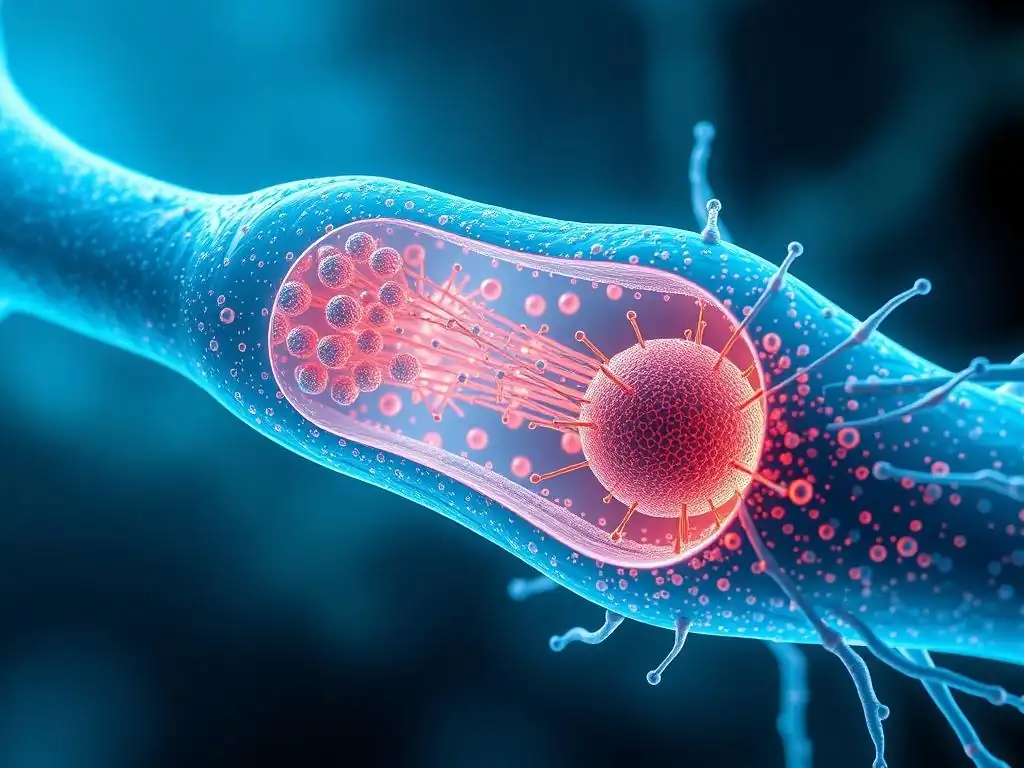
Ever wondered how your brain manages to send signals so efficiently? In this article, we delve into the fascinating world of neurotransmitter transport mechanisms. Understanding these intricate processes is key to unlocking deeper insights into mental health. Join us as we explore how these chemical messengers navigate the brain, and discover what happens when this delicate balance is disrupted. Let's begin this journey together!
Understanding Neurotransmitter Transport: How Chemicals Move Effectively in the Brain
- Introduction to Neurotransmitter Transport Mechanisms and Brain Function
- Types of Neurotransmitter Transport Mechanisms
- The Process of Neurotransmitter Release and Transport
- Factors Affecting Neurotransmitter Transport Efficiency
- The Role of Neurotransmitter Transport in Mental Illness
- Methods for Studying Neurotransmitter Transport
- Therapeutic Strategies Targeting Neurotransmitter Transport
- Maintaining Optimal Neurotransmitter Transport for Mental Well-being
- Conclusion: The Importance of Understanding Neurotransmitter Transport for Brain Health
-
Frequently Asked Questions
- What are neurotransmitter transport mechanisms, and why are they important for mental well-being?
- How do these transport mechanisms affect various mental health challenges, as discussed on Mind Care Guide?
- What different types of neurotransmitter transport mechanisms exist, and how do they work?
- Where can I find more detailed information and support on Mind Care Guide regarding specific mental health challenges related to neurotransmitter transport?
- How can understanding neurotransmitter transport mechanisms help in developing new treatments for mental health disorders?
- Final Reflection: The Enduring Mystery and Promise of Neurotransmitter Transport
- Unlock Your Brain's Communication Secrets!
Introduction to Neurotransmitter Transport Mechanisms and Brain Function
The Vital Role of Neurotransmitter Transport in Mental Health
The human brain is a complex network of billions of neurons communicating through chemical signals called neurotransmitters. For this communication to be precise and efficient, neurotransmitters must be synthesized, released, and then cleared from the synaptic cleft – the tiny gap between neurons. This intricate process relies heavily on specialized protein structures known as neurotransmitter transporters.
These transporters act as molecular pumps, regulating the concentration of neurotransmitters outside neurons, which is fundamental to controlling the duration and intensity of the chemical signal. Without effective neurotransmitter transport, the delicate balance required for proper brain function, mood regulation, and cognitive processes cannot be maintained.
Disruptions in the function or number of these neurotransmitter transport mechanisms are increasingly recognized as significant contributors to various mental health conditions. For example, imbalances in serotonin, dopamine, or norepinephrine signaling, often linked to issues with their respective transporters, are implicated in disorders ranging from depression and anxiety to ADHD and schizophrenia.
Understanding how neurotransmitter transport works at a fundamental level provides crucial insights into the biological basis of these conditions and points towards potential therapeutic targets. The precise regulation provided by efficient neurotransmitter transport mechanisms is, therefore, not just a matter of cellular mechanics but is directly tied to overall mental well-being.
Neurotransmitter Transport Mechanisms Explained: An Overview
Neurotransmitter transport involves several distinct mechanisms, primarily categorized into active and passive processes. Active transport, requiring cellular energy, is crucial for moving neurotransmitters against their concentration gradients, either into storage vesicles within the neuron or back into the neuron or surrounding glial cells from the synaptic cleft. This reuptake process is a primary method for terminating neurotransmitter signaling and recycling the molecules. Key players in active transport include solute carrier (SLC) transporters located on the cell membrane and vesicular transporters situated on synaptic vesicles.
In contrast, passive transport, such as simple diffusion, plays a more limited role in clearing neurotransmitters from the synaptic cleft, particularly for certain types like peptides. However, the gradient established by active transport mechanisms drives the direction of passive movement for some substances. The efficiency and selectivity of these various neurotransmitter transport mechanisms ensure that signals are transmitted accurately and terminated promptly, preventing excessive or prolonged stimulation that could lead to excitotoxicity or other forms of neuronal dysfunction. A comprehensive understanding of these diverse neurotransmitter transport mechanisms explained here is vital for appreciating brain chemistry.
Types of Neurotransmitter Transport Mechanisms
Active Transport: Powering Neurotransmitter Movement
Active transport is the primary means by which neurons and glial cells precisely control neurotransmitter concentrations. Unlike passive diffusion, which relies solely on concentration gradients, active transport requires energy, typically in the form of ATP hydrolysis or pre-existing ion gradients. This energy is used to pump neurotransmitter molecules across cell membranes, often against steep concentration gradients, allowing cells to accumulate neurotransmitters where needed, such as inside synaptic vesicles or within the presynaptic neuron for recycling.
This energy-dependent movement is critical for two main functions: loading neurotransmitters into vesicles for release (vesicular transport) and clearing neurotransmitters from the synaptic cleft (reuptake transport). Many therapeutic drugs targeting mental health conditions work by modulating these active neurotransmitter transport mechanisms. For instance, drugs like SSRIs block the active reuptake of serotonin, thereby increasing its concentration in the synapse, illustrating the direct link between these transport processes and pharmacological intervention in brain disorders.
Sodium-Dependent Transporters: The Driving Force
Plasma membrane neurotransmitter transporters, a major class of active transporters, primarily belong to the SLC6 and SLC1 families. These transporters utilize the electrochemical gradient of ions, particularly sodium (Na+) and sometimes chloride (Cl-) and potassium (K+), across the cell membrane to drive the uptake of neurotransmitters. For example, the serotonin transporter (SERT, SLC6A4), dopamine transporter (DAT, SLC6A3), and norepinephrine transporter (NET, SLC6A2) all couple the movement of neurotransmitter molecules with the co-transport of multiple Na+ ions down their concentration gradient into the cell.
The large inward-facing Na+ gradient, maintained by the Na+/K+ pump, provides the necessary energy for these transporters to move neurotransmitter molecules from the low concentration environment of the synaptic cleft into the high concentration environment inside the neuron or glial cell. This mechanism is incredibly efficient; a single SERT molecule can transport hundreds of serotonin molecules per second under optimal conditions. This sodium-dependent mechanism is a fundamental aspect of how neurotransmitter transport mechanisms explained here regulate synaptic signaling.
Vesicular Transporters: Packaging Neurotransmitters for Release
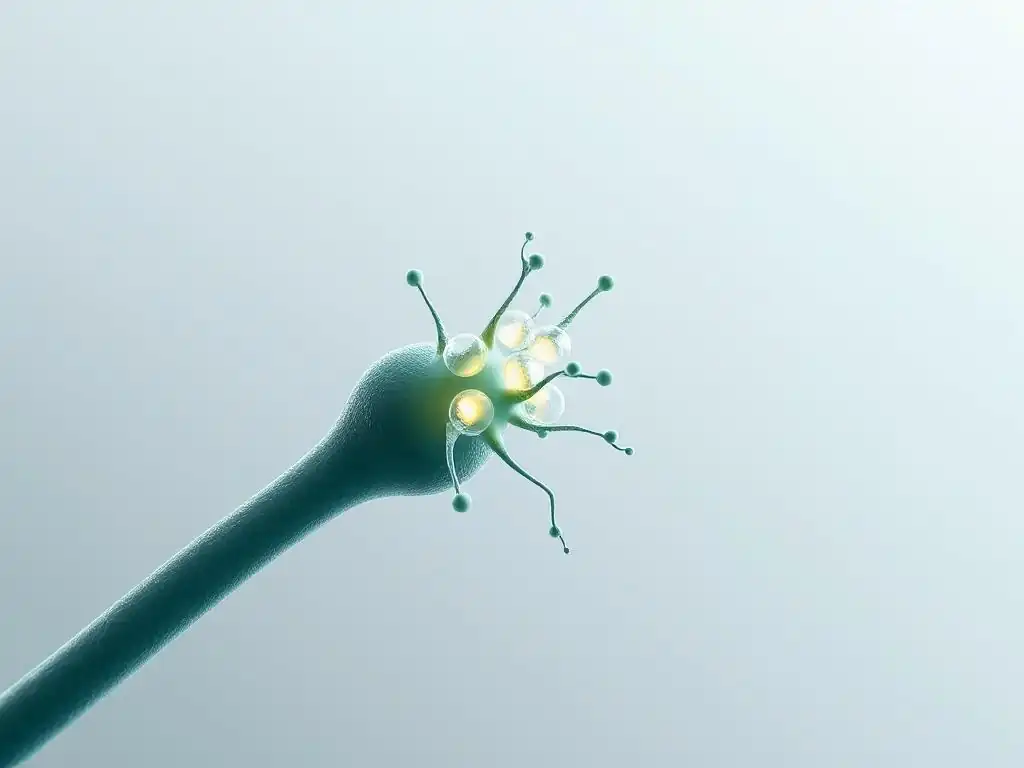
Once synthesized or reuptaken into the presynaptic terminal, neurotransmitters destined for release are stored within small membrane-bound sacs called synaptic vesicles. This packaging process is carried out by another class of active transporters located on the vesicular membrane: the vesicular neurotransmitter transporters. Unlike plasma membrane transporters, vesicular transporters typically utilize the electrochemical gradient of protons (H+) across the vesicular membrane.
Proton pumps (V-ATPases) actively pump protons into the vesicle, creating an acidic environment and a proton gradient. Vesicular transporters, such as the vesicular monoamine transporter (VMAT, SLC18) for dopamine, norepinephrine, and serotonin, or the vesicular glutamate transporter (VGLUT, SLC17) for glutamate, use this proton gradient to exchange internal protons for cytoplasmic neurotransmitter molecules, loading them into the vesicle. This ensures that a sufficient quantity of neurotransmitter is readily available for rapid release upon neuronal stimulation, maintaining the efficiency of neurotransmitter transport.
Passive Transport: Diffusion and Concentration Gradients
While active transport is the dominant mechanism for precise control of neurotransmitter concentrations, passive diffusion also plays a role, albeit a less regulated one, in the synaptic cleft. Neurotransmitter molecules released into the synapse are subject to random movement. Some molecules will diffuse away from the synaptic cleft, moving down their concentration gradient into the surrounding extracellular space.
However, diffusion alone is generally insufficient for rapid and complete clearance of most neurotransmitters, especially monoamines and amino acids, whose signaling needs to be terminated swiftly to allow for subsequent signals. Passive diffusion is more significant for neuropeptides, which are larger molecules released in higher concentrations and whose effects are typically slower and longer-lasting, making rapid clearance by active transport less critical. While not as central as active transport, understanding diffusion contributes to a complete picture of neurotransmitter transport mechanisms explained in this context.
The Significance of Reuptake Transporters in Synaptic Clearance
Reuptake transporters, primarily the Na+-dependent plasma membrane transporters mentioned earlier (like SERT, DAT, NET, and GABA transporter GAT), are arguably the most critical players in terminating the action of many fast-acting neurotransmitters. By rapidly transporting neurotransmitter molecules from the synaptic cleft back into the presynaptic neuron or adjacent glial cells, these transporters limit the duration of the neurotransmitter's interaction with postsynaptic receptors.
This rapid clearance is essential for maintaining the fidelity of synaptic transmission, allowing for high-frequency firing and preventing receptor desensitization. For example, in dopaminergic synapses, DAT removes about 70-80% of released dopamine within milliseconds. The efficiency of these reuptake neurotransmitter transport mechanisms directly impacts signal strength and timing. Their central role makes them prime targets for many psychiatric medications aimed at boosting neurotransmitter levels in the synapse.
The Process of Neurotransmitter Release and Transport
Neurotransmitter Synthesis and Storage
The journey of a neurotransmitter begins with its synthesis. Small-molecule neurotransmitters like acetylcholine, dopamine, serotonin, norepinephrine, glutamate, and GABA are typically synthesized in the presynaptic terminal from precursor molecules imported into the neuron. Enzymes within the cytoplasm convert these precursors into the active neurotransmitter. For example, dopamine is synthesized from tyrosine through a pathway involving several enzymes, while serotonin is made from tryptophan.
Once synthesized, these neurotransmitters must be stored safely away from degrading enzymes in the cytoplasm. This storage occurs within synaptic vesicles via the action of vesicular transporters. Packing neurotransmitters into vesicles concentrates them, protecting them from degradation and making them available for rapid, quantized release upon stimulation. This initial phase of synthesis and storage is a prerequisite for the subsequent steps of neurotransmitter transport and signaling.
Depolarization and Calcium Influx: Triggering Neurotransmitter Release
The signal for neurotransmitter release is typically an action potential, an electrical impulse that travels down the axon to the presynaptic terminal. When the action potential reaches the terminal, it causes depolarization of the presynaptic membrane. This voltage change opens voltage-gated calcium (Ca2+) channels located on the presynaptic membrane.
The concentration of Ca2+ is much higher outside the neuron than inside. Therefore, opening these channels leads to a rapid influx of Ca2+ ions into the presynaptic terminal. This increase in intracellular Ca2+ concentration is the critical trigger that signals synaptic vesicles, which are docked near the presynaptic membrane, to fuse with the membrane and release their contents (the neurotransmitters) into the synaptic cleft. This Ca2+-dependent exocytosis is a remarkably fast process, occurring within a fraction of a millisecond.
Neurotransmitter Diffusion Across the Synaptic Cleft
Following their release from synaptic vesicles, neurotransmitter molecules rapidly diffuse across the narrow synaptic cleft. The distance is typically only about 20-40 nanometers, allowing diffusion to occur very quickly. This movement carries the neurotransmitters from the release site on the presynaptic membrane to the postsynaptic membrane, where receptors are located.
While diffusion is fast over this short distance, it is also the force that begins to disperse the neurotransmitter, reducing its concentration away from the release site. This diffusion, combined with subsequent reuptake and enzymatic degradation (for some neurotransmitters like acetylcholine), helps to limit the time the neurotransmitter spends in the cleft, ensuring the signal is transient. The dynamics of neurotransmitter transport mechanisms explained here involve rapid diffusion after release.
Receptor Binding: Neurotransmitter Action and Signaling
Once neurotransmitter molecules reach the postsynaptic membrane, they bind to specific receptor proteins embedded in the membrane. This binding is highly selective, with each type of neurotransmitter typically binding to its own set of receptor subtypes. Binding of the neurotransmitter causes a conformational change in the receptor protein, initiating a signal in the postsynaptic neuron.
Depending on the type of receptor (ionotropic or metabotropic) and the neurotransmitter, this signal can be excitatory (making the postsynaptic neuron more likely to fire an action potential) or inhibitory (making it less likely to fire). The strength and duration of the postsynaptic signal are directly related to the concentration of the neurotransmitter in the synaptic cleft and how long it remains bound to the receptors, highlighting the crucial role of reuptake neurotransmitter transport mechanisms in shaping the response.
Factors Affecting Neurotransmitter Transport Efficiency
Genetic Variations and Neurotransmitter Transporter Function
Genetic variations, or polymorphisms, in the genes encoding neurotransmitter transporters can significantly impact their expression levels, structure, and function. For example, a well-studied polymorphism in the promoter region of the serotonin transporter gene ( SLC6A4) is associated with variations in SERT expression levels in the brain. Individuals with certain variants may have fewer SERT molecules, potentially leading to higher synaptic serotonin levels or altered responses to stress.
Studies have linked specific genetic variations in SLC6A4, SLC6A3 (DAT), and SLC6A2 (NET) to an increased risk or altered presentation of mood disorders, anxiety disorders, ADHD, and substance use disorders. While no single gene variant determines a complex condition, these genetic factors can predispose individuals to imbalances in neurotransmitter transport, influencing their vulnerability to mental illness and their response to pharmacological treatments targeting these transporters.
The Impact of Drugs and Medications on Neurotransmitter Transport
Many psychoactive drugs, both therapeutic and recreational, exert their primary effects by directly interacting with neurotransmitter transporters. Selective Serotonin Reuptake Inhibitors (SSRIs) like fluoxetine or sertraline block SERT, preventing serotonin reuptake. Similarly, norepinephrine reuptake inhibitors (NRIs) block NET, and dopamine reuptake inhibitors block DAT. Cocaine, for instance, is a potent blocker of DAT, NET, and SERT, leading to increased synaptic levels of dopamine, norepinephrine, and serotonin.
These drugs alter the kinetics of neurotransmitter transport, changing the concentration and dwell time of neurotransmitters in the synaptic cleft, thereby modulating synaptic transmission. While therapeutic drugs aim to restore balance, recreational drugs can cause extreme alterations in neurotransmitter signaling, leading to addiction and other severe neurological consequences. Understanding these interactions is fundamental to pharmacology and highlights the central role of neurotransmitter transport mechanisms explained in drug action.
Environmental Influences on Neurotransmitter Transport Systems
Environmental factors, particularly early life stress or chronic exposure to adverse conditions, can also influence the development and function of neurotransmitter transport systems. Studies in animal models and humans suggest that chronic stress can alter the expression levels or activity of transporters like SERT and DAT in specific brain regions. For instance, early maternal separation in rodents has been shown to affect SERT density and function in adulthood.
Exposure to certain toxins or pollutants can also interfere with neurotransporter activity. For example, some heavy metals or pesticides have been shown to inhibit DAT function. These environmental influences can interact with genetic predispositions, further contributing to dysregulation of neurotransmitter transport and increasing susceptibility to mental health challenges later in life.
The efficiency of neurotransmitter transport can also change with age. Studies indicate a general decline in the density or activity of certain neurotransmitter transporters in specific brain regions as individuals age. For example, reductions in DAT binding sites in the striatum are a well-documented phenomenon associated with normal aging, contributing to age-related changes in motor function and cognitive flexibility.
Similarly, changes in SERT and NET function have been observed in the aging brain. These age-related alterations in neurotransmitter transport capacity may contribute to the increased vulnerability of older adults to certain neurological and psychiatric conditions, as well as age-related cognitive decline. Maintaining healthy brain aging may involve strategies that support neurotransmitter system integrity.
The Role of Neurotransmitter Transport in Mental Illness
Neurotransmitter Transport Dysregulation in Depression
Dysregulation of neurotransmitter transport is a key hypothesis underlying the development and treatment of major depressive disorder. The "monoamine hypothesis" of depression posits that a deficiency in serotonin, norepinephrine, and/or dopamine signaling contributes to depressive symptoms. While this is a simplification, evidence strongly suggests that altered function or expression of SERT, NET, and potentially DAT plays a significant role.
Reduced SERT binding or function, perhaps influenced by genetic factors or stress, could lead to lower synaptic serotonin levels or impaired serotonin signaling efficiency. Conversely, increased SERT activity might clear serotonin too quickly. The efficacy of SSRIs, which block SERT-mediated reuptake, directly supports the idea that modulating serotonin neurotransmitter transport mechanisms explained here can alleviate depressive symptoms in a significant portion of patients, typically requiring several weeks to see full therapeutic effects.
Neurotransmitter Transport Abnormalities in Anxiety Disorders
Anxiety disorders, including generalized anxiety disorder, panic disorder, and social anxiety disorder, are also strongly linked to imbalances in neurotransmitter systems, particularly serotonin and norepinephrine. Similar to depression, alterations in SERT and NET function are implicated. For instance, some individuals with anxiety disorders may exhibit differences in SERT binding potential in brain regions involved in fear and emotion processing, such as the amygdala.
The effectiveness of SSRIs and SNRIs (Serotonin-Norepinephrine Reuptake Inhibitors), which target both SERT and NET, in treating various anxiety disorders further underscores the importance of these neurotransmitter transport mechanisms. By increasing synaptic concentrations of serotonin and norepinephrine, these medications help to modulate neural circuits involved in anxiety responses, reducing excessive worry, fear, and physiological symptoms.
Neurotransmitter Transport Deficiencies in Schizophrenia
While often characterized by dopamine system dysfunction, schizophrenia may also involve alterations in other neurotransmitter transport systems, particularly those related to glutamate and GABA, the brain's primary excitatory and inhibitory neurotransmitters. Studies have suggested potential abnormalities in the expression or function of glutamate transporters (EAATs) and GABA transporters (GATs) in individuals with schizophrenia.
For instance, reduced expression of certain glutamate transporters has been observed in post-mortem brain samples from patients with schizophrenia. Such deficiencies could lead to impaired glutamate clearance, potentially contributing to excitotoxicity or aberrant signaling. Although the link is complex and involves multiple neurotransmitter systems, disrupted neurotransmitter transport mechanisms explained in the context of glutamate and GABA signaling may contribute to the cognitive deficits and positive/negative symptoms seen in schizophrenia.
Impact of Imbalances in Neurotransmitter Transport on Cognitive Function
Beyond mood and anxiety, the efficiency of neurotransmitter transport directly influences cognitive processes such as attention, memory, and executive function. Dopamine transport by DAT is particularly critical for functions mediated by the prefrontal cortex and striatum, brain areas vital for working memory, planning, and motivation. Conditions like ADHD, characterized by deficits in attention and executive function, are strongly associated with hypofunction of the dopamine system, and stimulant medications used to treat ADHD often target DAT to increase synaptic dopamine.
Similarly, norepinephrine transport by NET plays a key role in attention, arousal, and cognitive flexibility. Imbalances in NET function can impair the ability to focus or switch tasks effectively. The intricate interplay between different neurotransmitter transport mechanisms explained here ensures optimal signaling required for complex cognitive operations; disruptions can lead to noticeable impairments in various cognitive domains.
Methods for Studying Neurotransmitter Transport
In Vitro Assays: Studying Transporters in Cell Cultures
A fundamental approach to studying neurotransmitter transport involves using in vitro (in glass) assays with cell cultures. Researchers can express specific neurotransporter genes in cell lines (like HEK293 cells) or use primary cultures of neurons or glial cells. These cultured cells are then incubated with radioactively labeled or fluorescently tagged neurotransmitter molecules.
By measuring the uptake of the labeled neurotransmitter into the cells over time, researchers can quantify transport activity, determine the transporter's affinity for different substrates, and test the effects of potential drug compounds on transport function. This method allows for controlled experiments to dissect the molecular mechanisms of neurotransmitter transport, study the impact of genetic mutations, and screen for novel therapeutic agents.
In Vivo Imaging Techniques: Visualizing Neurotransmitter Transport in the Brain
In vivo imaging techniques allow researchers and clinicians to study neurotransmitter transport directly in the living brain. Positron Emission Tomography (PET) is a powerful technique that uses radiotracers designed to bind specifically to certain neurotransmitter transporters (e.g., [11C]PE2I for DAT, [11C]DASB for SERT). By injecting the radiotracer into the bloodstream and using a PET scanner, the distribution and density of these transporters in different brain regions can be visualized and quantified.
Single-Photon Emission Computed Tomography (SPECT) is another imaging technique that can be used similarly with appropriate radiotracers. These imaging methods provide valuable insights into transporter availability in various neurological and psychiatric conditions, allowing researchers to compare transporter levels in patient populations versus healthy controls and assess the impact of treatments. For instance, PET studies have shown reduced striatal DAT availability in Parkinson's disease.
Genetic Studies: Identifying Genes Involved in Neurotransmitter Transport
Genetic studies, ranging from candidate gene approaches to large-scale Genome-Wide Association Studies (GWAS), are crucial for identifying the genes that encode neurotransmitter transporters and discovering genetic variations that influence their function or expression. By analyzing DNA samples from large cohorts of individuals, researchers can look for associations between specific genetic markers (like SNPs) in transporter genes and the presence of mental health conditions or variations in brain function or structure.
For example, GWAS have identified common genetic variants near or within transporter genes like SLC6A4, SLC6A3, and SLC6A2 that are associated with increased risk for depression, anxiety, or ADHD. These studies help pinpoint genetic factors that contribute to individual differences in neurotransmitter transport efficiency and vulnerability to related disorders, providing clues for personalized medicine approaches.
Electrophysiology: Measuring Neuronal Activity and Transport Function
Electrophysiological techniques involve measuring the electrical activity of neurons, which is directly influenced by neurotransmitter signaling and transport. By recording the electrical currents or voltage changes across neuronal membranes using electrodes, researchers can assess how neurotransmitter release, receptor binding, and subsequent reuptake affect neuronal firing patterns.
For example, techniques like patch-clamp recording can be used to measure currents mediated by transporters directly or indirectly assess transporter activity by observing changes in synaptic currents following neurotransmitter application or stimulation. In vivo electrophysiology in animal models can monitor how transporter modulation by drugs affects neural circuit activity. These methods provide functional insights into how neurotransmitter transport mechanisms explained previously impact real-time neuronal communication.
Therapeutic Strategies Targeting Neurotransmitter Transport
Selective Serotonin Reuptake Inhibitors (SSRIs) for Depression
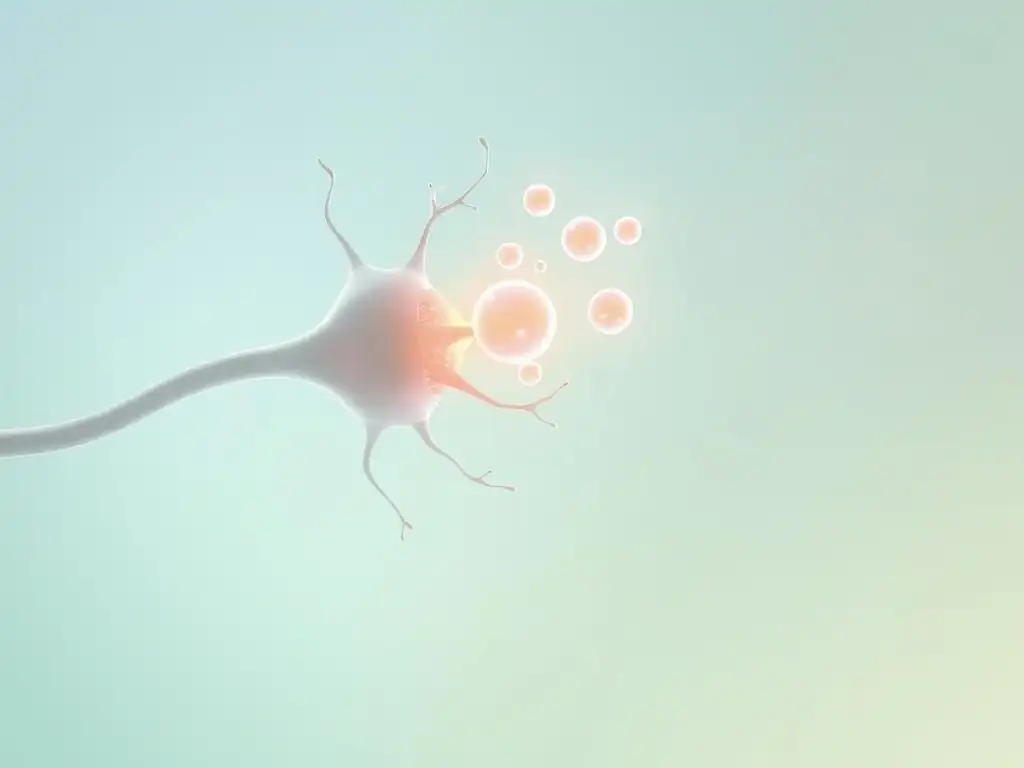
Selective Serotonin Reuptake Inhibitors (SSRIs) are one of the most widely prescribed classes of antidepressants and work by specifically blocking the serotonin transporter (SERT). By inhibiting SERT, SSRIs prevent the reuptake of serotonin from the synaptic cleft back into the presynaptic neuron. This leads to an increase in the concentration of serotonin in the synapse and prolonged activation of postsynaptic serotonin receptors.
Examples include fluoxetine (Prozac), sertraline (Zoloft), and escitalopram (Lexapro). While the immediate effect is increased synaptic serotonin, the therapeutic benefits for depression typically take several weeks to emerge, suggesting that chronic blockade of SERT leads to downstream adaptations in neuronal circuits and receptor sensitivity that ultimately alleviate depressive symptoms. This highlights the power of targeting neurotransmitter transport mechanisms explained here for therapeutic benefit.
Norepinephrine Reuptake Inhibitors (NRIs) for ADHD
Norepinephrine Reuptake Inhibitors (NRIs) primarily target the norepinephrine transporter (NET), blocking the reuptake of norepinephrine from the synaptic cleft. Some medications also have effects on DAT or SERT. Atomoxetine (Strattera) is an example of a selective NRI used in the treatment of Attention-Deficit/Hyperactivity Disorder (ADHD).
By increasing norepinephrine levels in brain regions like the prefrontal cortex, NRIs can improve attention, focus, and impulse control in individuals with ADHD. While stimulants like methylphenidate and amphetamines, which also affect norepinephrine (and dopamine) transport and release, are often first-line treatments for ADHD, NRIs offer a non-stimulant alternative that works specifically by modulating norepinephrine neurotransmitter transport.
Dopamine Transporter Blockers for Parkinson's Disease
Parkinson's disease is characterized by the degeneration of dopaminergic neurons in the substantia nigra, leading to a severe deficiency in dopamine signaling. While L-DOPA therapy aims to replenish dopamine levels, some therapeutic strategies also involve targeting the dopamine transporter (DAT). However, unlike depression or ADHD where blocking reuptake is beneficial, in Parkinson's, the challenge is often a lack of dopamine release due to neuronal loss.
Medications like amantadine, which has complex mechanisms but includes some action on DAT, or novel experimental therapies might explore ways to modulate DAT function or expression in the context of neuroprotection or symptom management, although directly blocking DAT is not a primary strategy for dopamine replacement in Parkinson's. Instead, therapies often focus on increasing dopamine synthesis or activating dopamine receptors downstream, complementing the understanding of how neurotransmitter transport mechanisms explained here relate to neurodegenerative conditions.
The Future of Neurotransmitter Transport Research and Treatment
Research into neurotransmitter transport continues to evolve, focusing on developing more selective and effective drugs, understanding the role of less-studied transporters (like those for trace amines or peptides), and exploring novel therapeutic strategies. This includes developing positive or negative allosteric modulators that bind to transporters at sites other than the neurotransmitter binding site to fine-tune their activity, rather than simply blocking them.
Furthermore, advances in genomics and personalized medicine are paving the way for treatments tailored to an individual's specific genetic makeup and transporter profile. Future research may also explore gene therapy or other interventions to correct transporter deficiencies or excesses. The ongoing exploration of neurotransmitter transport mechanisms explained in greater detail promises new avenues for treating complex brain disorders.
Maintaining Optimal Neurotransmitter Transport for Mental Well-being
Lifestyle Factors: Diet and Exercise
Lifestyle choices can significantly influence overall brain health, including the efficiency of neurotransmitter transport. A balanced diet rich in essential nutrients provides the building blocks for neurotransmitter synthesis and the energy required for active transport processes. For example, adequate intake of amino acids like tryptophan (for serotonin) and tyrosine (for dopamine/norepinephrine) is crucial. Omega-3 fatty acids are also important for neuronal membrane health, which impacts transporter function.
Regular physical exercise has been shown to positively impact neurotransmitter systems. Exercise can increase the synthesis and release of dopamine, norepinephrine, and serotonin, and some studies suggest it may influence transporter expression or activity in certain brain regions. Engaging in moderate, consistent exercise supports the dynamic processes of neurotransmitter transport and signaling.
Stress Management Techniques
Chronic stress is detrimental to mental health and can negatively impact neurotransmitter systems, including transporter function. Stress hormones like cortisol can alter the expression and activity of transporters like SERT and NET in stress-sensitive brain areas. Implementing effective stress management techniques is therefore vital for supporting healthy neurotransmitter transport.
Techniques such as mindfulness meditation, deep breathing exercises, yoga, and spending time in nature can help regulate the body's stress response and mitigate its negative effects on brain chemistry. By reducing chronic stress levels, individuals can help maintain the optimal functioning of their neurotransmitter transport mechanisms, promoting greater emotional resilience.
Adequate Sleep and Circadian Rhythm Regulation
Sleep is a critical period for brain maintenance and repair, including the regulation of neurotransmitter systems. Disruptions to sleep patterns and circadian rhythms can significantly impact neurotransmitter synthesis, release, and transport. For instance, sleep deprivation can alter dopamine transporter availability and function.
Ensuring adequate, quality sleep (typically 7-9 hours per night for adults) and maintaining a consistent sleep schedule helps support the natural rhythms of neurotransmitter activity. Regulating exposure to light and darkness can also reinforce healthy circadian rhythms, which in turn supports the intricate processes of neurotransmitter transport mechanisms explained here, contributing to stable mood and cognitive function.
Conclusion: The Importance of Understanding Neurotransmitter Transport for Brain Health
Understanding neurotransmitter transport is fundamental to grasping how the brain communicates and how this communication can go awry in mental illness. These intricate mechanisms, from active reuptake by sodium-dependent transporters to vesicular packaging, ensure that neurotransmitter signals are precisely regulated, allowing for efficient and accurate information processing. Dysfunctions in these vital neurotransmitter transport mechanisms are not merely abstract biological details; they are directly implicated in the pathology of conditions like depression, anxiety, and ADHD, contributing to the symptoms experienced by millions.
The development of effective psychiatric medications, such as SSRIs and NRIs, is a testament to the power of targeting these transport proteins. As research continues, particularly with advanced imaging and genetic studies, our understanding of neurotransmitter transport mechanisms explained in ever-greater detail will deepen. This enhanced knowledge holds the promise of developing more personalized and effective therapies, improving the lives of individuals affected by mental health challenges by restoring balance to the brain's chemical messengers. Maintaining optimal neurotransmitter transport through healthy lifestyle choices is also a proactive step towards supporting overall brain health and mental well-being.
Frequently Asked Questions
What are neurotransmitter transport mechanisms, and why are they important for mental well-being?
Neurotransmitter transport mechanisms are the processes by which neurotransmitters are moved from one location to another in the brain. They are crucial for regulating brain function and maintaining mental well-being by ensuring signals are properly sent and received.
How do these transport mechanisms affect various mental health challenges, as discussed on Mind Care Guide?
Dysfunctional transport mechanisms can lead to an imbalance of neurotransmitters, potentially contributing to conditions like depression, anxiety, and schizophrenia. Mind Care Guide explores how understanding these mechanisms can aid in developing targeted treatments.
What different types of neurotransmitter transport mechanisms exist, and how do they work?
Several types exist, including reuptake transporters (which recycle neurotransmitters) and vesicular transporters (which package them into vesicles). Each plays a distinct role in ensuring efficient neurotransmitter signaling and preventing overstimulation.
Mind Care Guide offers articles, resources, and support networks addressing various mental health challenges. Search for specific conditions or topics related to neurotransmitter imbalances to find relevant information.
How can understanding neurotransmitter transport mechanisms help in developing new treatments for mental health disorders?
By targeting specific transport mechanisms, researchers can develop drugs that increase or decrease the availability of certain neurotransmitters. This approach can lead to more effective and personalized treatments for various mental health conditions.
Final Reflection: The Enduring Mystery and Promise of Neurotransmitter Transport
Understanding the intricate mechanisms of neurotransmitter transport is not merely an academic exercise; it's the key to unlocking a deeper understanding of the brain and treating a vast array of neurological and psychiatric disorders. The efficiency and precision of these chemical messengers directly impact our thoughts, emotions, and behaviors, making this field of study profoundly relevant to our current understanding of human health and well-being.
The ongoing research into neurotransmitter transport continues to reshape our understanding of the brain's complex communication system. It's a field that constantly evolves, revealing new layers of complexity and highlighting the delicate balance required for optimal brain function. This delicate dance of chemical signals underscores the importance of maintaining a healthy lifestyle, as factors like diet, stress, and sleep can significantly impact neurotransmitter production and transport. The brain is the most complex organ in the body, and its intricate workings are still largely a mystery. But by understanding the basic mechanisms, we can begin to unravel its secrets.
- (This would be replaced with a real quote from a relevant expert).
Consider the implications of this knowledge. You now possess a deeper understanding of the fundamental processes that shape your experience of the world. Take a moment to reflect on how this newfound knowledge might inform your own choices regarding lifestyle, mental health, and the pursuit of well-being. Perhaps you'll be more mindful of your diet, prioritize stress management techniques, or seek professional help if you suspect an imbalance in your neurotransmitter systems. The journey of understanding the brain is ongoing, and your participation in this journey, even through simple acts of self-care and informed decision-making, is crucial.
Unlock Your Brain's Communication Secrets!
Thanks for diving deep into the fascinating world of neurotransmitter transport! You've now gained valuable insight into how these crucial brain chemicals work. Ready to take your understanding further?
- Visualize the process: Create a simple diagram illustrating the key steps of neurotransmitter transport. This hands-on activity will solidify your learning.
- Share your newfound knowledge: Discuss this article with a friend or family member – explaining the concept in your own words will deepen your comprehension.
- Explore related Mind Care Guide articles on brain health and neurochemistry to further expand your knowledge base!
What surprising connections between neurotransmitter function and daily habits have you discovered?