
The Role of Neurotransmitters in Decision Making and Cognitive Function

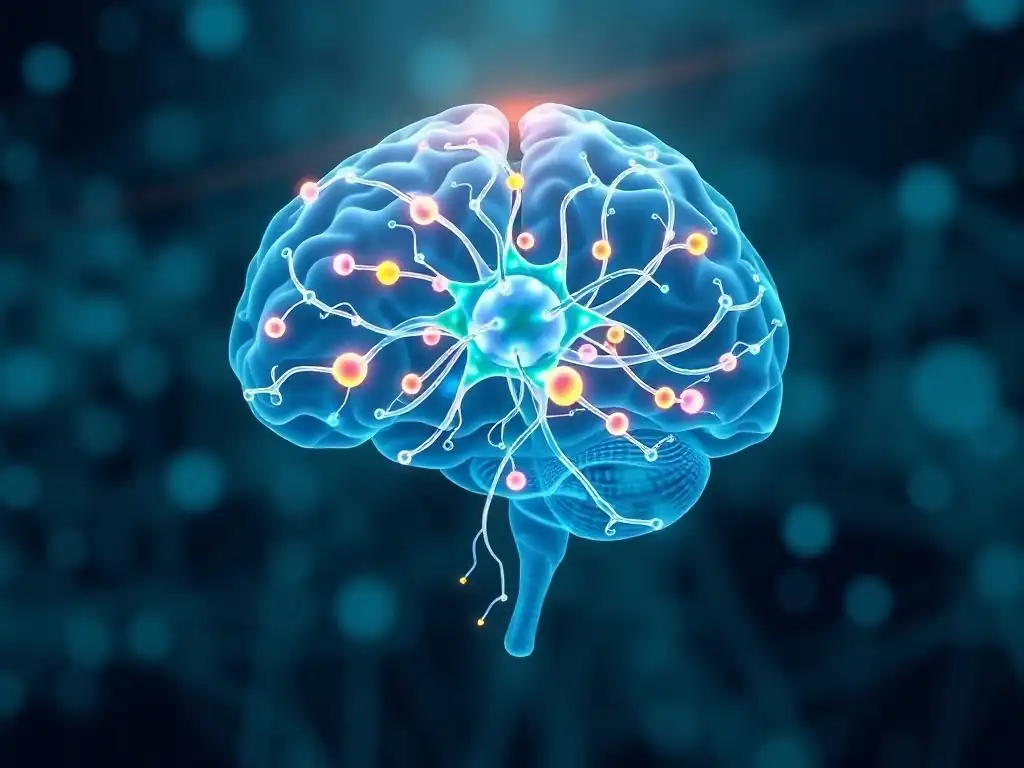
Welcome to Mind Care Guide, a sanctuary dedicated to understanding and nurturing your mental well-being. Feeling like your decisions are sometimes... not quite you? Explore the fascinating world within your brain as we delve into the role of neurotransmitters in decision-making. Discover how these tiny chemical messengers profoundly impact your cognitive function and ultimately, the choices you make. Ready to unlock the secrets of your mind?
The Role of Neurotransmitters in Decision Making and Cognitive Function
- Introduction: Understanding the Neurotransmitter Impact on Decision-Making
- How Neurotransmitters Influence Decision-Making Processes
- Cognitive Functions Affected by Neurotransmitter Activity
- The Impact of Neurotransmitter Imbalances on Cognitive Health
- Neurotransmitter-Based Treatments and Cognitive Enhancement
- The Future of Neurotransmitter Research in Cognitive Science
- Conclusion: Optimizing Cognitive Function Through Neurotransmitter Balance
-
Frequently Asked Questions
- What are neurotransmitters and how do they relate to decision-making?
- How do specific neurotransmitters, like dopamine and serotonin, affect our choices?
- Can imbalances in neurotransmitter levels impact decision-making abilities?
- How does understanding the "Neurotransmitter Impact Decisionmaking Process" help improve mental well-being?
- Are there ways to naturally influence neurotransmitter levels to support better decision-making?
- Final Reflection: Unraveling the Mind's Chemical Symphony
- Unlock Your Brain's Potential: Take Control of Your Cognitive Power
Introduction: Understanding the Neurotransmitter Impact on Decision-Making
The Crucial Link Between Brain Chemistry and Cognitive Processes
Our ability to make decisions and engage in complex cognitive tasks is not solely a matter of conscious thought; it is deeply intertwined with the intricate chemical environment of our brain. This environment is orchestrated by neurotransmitters, chemical messengers that transmit signals between neurons. The balance and activity of these substances significantly influence how we perceive information, process it, and ultimately make choices. Understanding the neurotransmitter impact on decisionmaking process reveals the biological underpinnings of our thoughts and actions.
The relationship between brain chemistry and cognitive function is dynamic and profound. Alterations in neurotransmitter levels or receptor sensitivity can lead to noticeable changes in mood, behavior, and cognitive abilities. For instance, fluctuations in dopamine levels are well-known to affect motivation and reward processing, directly impacting our decision-making patterns, particularly concerning risk and reward evaluation. Similarly, the delicate balance of excitatory and inhibitory neurotransmitters dictates the overall activity level of brain circuits crucial for attention and executive functions.
Neurotransmitters: The Chemical Messengers of the Brain
Neurotransmitters are endogenous chemicals that enable neurotransmission. They are released from a neuron's axon terminal and traverse the synaptic cleft to bind to receptors on the dendrites of another neuron. This binding can either excite or inhibit the receiving neuron, influencing whether it fires an electrical signal. Hundreds of different neurotransmitters have been identified, each playing distinct roles in the nervous system.
These chemical messengers are synthesized within neurons and stored in vesicles. Upon receiving an appropriate signal, these vesicles fuse with the neuronal membrane, releasing the neurotransmitters into the synapse. Once their signal has been transmitted, neurotransmitters are quickly removed from the synaptic cleft through reuptake by the originating neuron, enzymatic degradation, or diffusion, ensuring precise and transient signaling. This complex system of synthesis, release, binding, and deactivation is fundamental to all brain functions, including those involved in the neurotransmitter impact decisionmaking process.
How Neurotransmitters Influence Decision-Making Processes
The Dopamine Pathway: Motivation, Reward, and Choice
Dopamine is a neurotransmitter often associated with pleasure and reward, but its role in decision-making is far more nuanced, primarily involving motivation and value-based choice. The mesolimbic pathway, often called the brain's reward pathway, heavily utilizes dopamine. When we anticipate or receive a reward, dopamine neurons, particularly those originating in the Ventral Tegmental Area ( VTA), become active, signaling the predicted value of outcomes. This signal helps us learn which actions lead to positive results and guides future decisions.
Research suggests that dopamine levels influence our willingness to exert effort for a reward and our tolerance for risk. For example, higher dopamine activity in certain brain regions like the striatum is linked to a greater propensity to choose high-reward, high-risk options. Conversely, disruptions in dopamine signaling, as seen in conditions like Parkinson's disease or addiction, severely impair the ability to make advantageous decisions, highlighting the critical neurotransmitter impact decisionmaking process relies on dopamine's precise function.
Serotonin's Role in Impulse Control and Rational Decisions
Serotonin, another crucial neurotransmitter, plays a significant role in regulating mood, sleep, appetite, and social behavior. Its influence on decision-making is largely related to modulating impulsivity and emotional regulation, thereby supporting more rational and less reactive choices. Serotonin pathways project widely throughout the brain, including areas involved in executive function and emotional processing, such as the prefrontal cortex and the amygdala.
Studies have indicated that lower levels of serotonin activity are often associated with increased impulsivity, aggression, and a tendency towards risky decision-making. For example, pharmacological studies manipulating serotonin levels have shown effects on how individuals weigh potential losses versus gains. Adequate serotonin signaling appears to help inhibit immediate, potentially detrimental responses, allowing for more deliberate consideration of consequences. This regulatory function is vital for navigating complex social and personal choices, underscoring serotonin's contribution to the neurotransmitter impact decisionmaking process.
Glutamate and GABA: Balancing Excitation and Inhibition in Decision Circuits
Glutamate and Gamma-aminobutyric acid ( GABA) are the primary excitatory and inhibitory neurotransmitters in the brain, respectively. Their balanced activity is fundamental for maintaining stable neural circuits and enabling complex cognitive operations, including decision-making. Glutamate facilitates communication between neurons, essential for learning, memory, and the rapid processing required to evaluate options. GABA, on the other hand, acts like a brake, reducing neuronal excitability and preventing runaway activity that could lead to seizures or chaotic signaling.
In the context of decision-making, the precise balance between glutamate and GABA is critical, particularly in areas like the prefrontal cortex, which is involved in planning, evaluating alternatives, and inhibiting inappropriate actions. Glutamate-mediated pathways are essential for integrating information from various brain regions to inform a decision, while GABAergic inhibition helps filter out irrelevant information and regulate the timing and execution of responses. Disruptions in this balance, such as excessive glutamate activity or insufficient GABAergic inhibition, can impair cognitive flexibility and lead to poor decision outcomes, demonstrating the foundational neurotransmitter impact decisionmaking process requires from these two key players.
Cognitive Functions Affected by Neurotransmitter Activity
Memory and Neurotransmitters: Acetylcholine's Vital Role
Memory, a cornerstone of cognitive function and crucial for informed decision-making, is heavily reliant on neurotransmitter activity, particularly acetylcholine. Acetylcholine is a primary neurotransmitter in the peripheral nervous system, controlling muscle contractions, but in the brain, it plays a critical role in arousal, attention, learning, and memory formation, especially in the hippocampus and cortex. These brain regions are central to encoding new memories and retrieving existing ones, processes essential for evaluating past experiences to guide current choices.
Cholinergic neurons project from the basal forebrain to wide areas of the cortex and hippocampus. The release of acetylcholine in these areas is associated with states of heightened attention and is necessary for synaptic plasticity, the cellular basis of learning and memory. Deficiencies in acetylcholine, often observed in neurodegenerative conditions like Alzheimer's disease, lead to significant memory impairment, confusion, and difficulties with learning, starkly illustrating the vital neurotransmitter impact decisionmaking process and overall cognition depend on sufficient acetylcholine.
Attention and Focus: Norepinephrine's Contribution to Cognitive Performance
Norepinephrine (also known as noradrenaline) is a neurotransmitter and hormone that plays a key role in the body's "fight or flight" response. In the brain, it is primarily involved in regulating arousal, attention, vigilance, and stress responses. The main source of norepinephrine in the brain is the locus coeruleus, which projects to vast areas, including the prefrontal cortex, crucial for sustained attention and cognitive control.
Optimal levels of norepinephrine are necessary for maintaining focus, filtering distractions, and responding appropriately to stimuli in the environment. Too little norepinephrine can lead to difficulty concentrating and lethargy, while too much can cause anxiety and impaired focus due to hypervigilance. This neurotransmitter's modulation of neural circuits helps prioritize incoming information and maintain cognitive resources on relevant tasks, demonstrating its significant contribution to the cognitive performance that underpins effective decision-making.
Executive Functions: The Prefrontal Cortex and Neurotransmitter Modulation
Executive functions are a set of higher-level cognitive processes controlled primarily by the prefrontal cortex ( PFC). These include planning, working memory, inhibitory control, cognitive flexibility, and goal-directed behavior – all indispensable for complex decision-making. The PFC is densely innervated by pathways releasing dopamine, norepinephrine, serotonin, and acetylcholine, making its function highly sensitive to the balance of these neurotransmitters.
Dopamine in the PFC is particularly important for working memory and cognitive flexibility, allowing us to hold information in mind and switch between different tasks or strategies. Norepinephrine helps maintain sustained attention and optimize performance under demanding conditions. Serotonin influences inhibitory control and emotional regulation, preventing impulsive or emotionally biased decisions. Acetylcholine supports overall cortical arousal and the ability to focus. The coordinated activity of these neurotransmitters in the PFC is essential for the sophisticated cognitive control required for effective neurotransmitter impact decisionmaking process.
The Impact of Neurotransmitter Imbalances on Cognitive Health
Neurotransmitter Deficiencies: Cognitive Impacts of Dopamine Deficiency and Serotonin Deficiency
Deficiencies in specific neurotransmitters can have profound negative effects on cognitive health and function. Dopamine deficiency, famously associated with Parkinson's disease, leads to motor symptoms but also significant cognitive impairments, including reduced motivation, impaired working memory, and difficulty with tasks requiring flexible thinking or reward-based learning. Even subtle reductions in dopamine availability can diminish the motivational drive needed for complex decision-making processes and goal pursuit.
Similarly, serotonin deficiency is linked to various mental health conditions, including depression and anxiety, which significantly impact cognitive abilities. Cognitively, low serotonin is associated with increased impulsivity, impaired emotional regulation, difficulty with decision-making under uncertainty, and negative biases in information processing. For example, individuals with low serotonin might be more prone to risk-taking or struggle with probabilistic learning tasks, highlighting how a deficit in this single neurotransmitter can alter the neurotransmitter impact decisionmaking process and overall cognitive style.
Neurotransmitter Excess: Cognitive Impacts of Excess Dopamine and Glutamate
While deficiencies are detrimental, an excess of certain neurotransmitters can also impair cognitive function. Excess dopamine, for instance, is hypothesized to play a role in conditions like schizophrenia and addiction. While some dopamine is necessary for reward and motivation, excessive or dysregulated release can lead to difficulties with attention, distorted perceptions, and impaired executive control. High dopamine levels in certain pathways may bias decision-making towards immediate gratification, overriding rational long-term planning.
Excessive glutamate activity, known as excitotoxicity, can be particularly damaging to neurons and is implicated in neurodegenerative diseases and acute brain injury. Even sub-toxic levels of excessive glutamate can disrupt the delicate balance of excitation and inhibition essential for cognitive processing. This can lead to impaired synaptic plasticity, difficulties with learning and memory, and contribute to cognitive dysfunction by overwhelming neural circuits and making precise signaling difficult. The precise control of both excitatory and inhibitory signals is paramount for healthy cognitive function.
The Role of Neurotransmitter Imbalances in Mental Illness: A Closer Look
Neurotransmitter imbalances are central to the pathophysiology of many mental illnesses, and these conditions frequently manifest with significant cognitive deficits. For example:
- Depression: Often linked to dysregulation in serotonin, norepinephrine, and dopamine systems. Cognitive symptoms include difficulty concentrating, impaired memory, indecisiveness, and slowed thinking.
- Anxiety Disorders: Involve dysregulation of GABA, norepinephrine, and serotonin. Can lead to impaired attention, difficulty with executive functions, and biased threat assessment in decision-making.
- Schizophrenia: Associated with complex dysregulation, including excess dopamine activity in some brain regions and deficits in others, along with glutamate imbalances. Results in severe impairments in attention, memory, executive functions, and reality testing.
These examples underscore how disruptions in the delicate balance of brain chemistry don't just affect mood or perception but fundamentally alter the neural circuitry required for complex cognitive functions, including the neurotransmitter impact decisionmaking process. Addressing these imbalances is a key target in treating the cognitive symptoms associated with mental illness.
Neurotransmitter-Based Treatments and Cognitive Enhancement
Pharmaceutical Interventions: Targeting Specific Neurotransmitter Systems
Pharmaceutical interventions are a primary method for addressing neurotransmitter imbalances in mental health conditions and related cognitive impairments. Many psychiatric medications work by modulating neurotransmitter activity.
- SSRIs (Selective Serotonin Reuptake Inhibitors): Increase serotonin levels in the synapse, used for depression and anxiety, improving mood and sometimes reducing cognitive biases.
SNRIs(Serotonin-Norepinephrine Reuptake Inhibitors): Increase both serotonin and norepinephrine, targeting symptoms of depression, anxiety, and sometimes used for attention disorders.NDRIs(Norepinephrine-Dopamine Reuptake Inhibitors): Increase norepinephrine and dopamine, used for depression and ADHD, improving motivation, attention, and executive function.Acetylcholinesterase Inhibitors: Prevent the breakdown of acetylcholine, used in Alzheimer's disease to boost acetylcholine levels and potentially improve cognitive function, particularly memory.
These medications aim to restore a more optimal chemical environment in the brain, which can alleviate symptoms and improve cognitive performance, demonstrating the therapeutic potential of understanding the neurotransmitter impact decisionmaking process and cognition.
Lifestyle Modifications: Diet, Exercise, and Neurotransmitter Regulation
Beyond pharmaceuticals, lifestyle modifications can significantly influence neurotransmitter balance and support cognitive function.
- Diet: Nutrition plays a critical role. Amino acids are precursors to neurotransmitters (e.g., tryptophan for serotonin, tyrosine for dopamine/norepinephrine). A balanced diet rich in protein, healthy fats (like Omega-3s), vitamins (especially B vitamins), and minerals supports neurotransmitter synthesis and function. For example, Omega-3 fatty acids are crucial for cell membrane health, impacting receptor function.
- Exercise: Regular physical activity has been shown to boost levels of several neurotransmitters, including dopamine, norepinephrine, and serotonin. It also increases Brain-Derived Neurotrophic Factor (
BDNF), which supports neuronal growth and plasticity. Even moderate exercise, like a brisk 30-minute walk most days of the week, can have measurable positive effects on mood and cognitive function. - Sleep: Adequate, quality sleep is essential for neurotransmitter regulation. Sleep deprivation disrupts the balance of dopamine, serotonin, and norepinephrine, impairing attention, memory, and decision-making. Aiming for 7-9 hours of consistent sleep supports optimal brain chemistry.
- Stress Management: Chronic stress elevates cortisol, which can disrupt neurotransmitter systems, particularly affecting dopamine and serotonin pathways. Techniques like mindfulness, meditation, or yoga can help regulate stress hormones and support a healthier neurotransmitter balance.
These lifestyle choices offer accessible ways to positively influence brain chemistry and enhance the cognitive functions that rely on balanced neurotransmitter activity.
Neurofeedback and Other Emerging Therapies: Mechanisms and Applications in Cognitive Enhancement
Emerging therapies offer alternative or complementary approaches to modulating brain activity and potentially influencing neurotransmitter systems indirectly. Neurofeedback is one such technique, allowing individuals to train their brain activity by providing real-time feedback on their brainwave patterns (often measured via EEG). While not directly manipulating neurotransmitters, by training specific brainwave frequencies associated with states of focus or relaxation, neurofeedback may help regulate the neural circuits whose activity is modulated by neurotransmitters like norepinephrine and dopamine.
Other emerging areas include transcranial magnetic stimulation ( TMS) and transcranial direct current stimulation ( tDCS), non-invasive brain stimulation techniques that can influence neuronal excitability in targeted brain regions like the prefrontal cortex. By altering the firing patterns of neurons in areas rich in specific neurotransmitter receptors, these techniques can indirectly modulate neurotransmitter release and activity, showing promise in treating conditions like depression and improving cognitive functions like attention and working memory. These therapies represent the cutting edge of leveraging our understanding of brain function to enhance cognitive performance.
The Future of Neurotransmitter Research in Cognitive Science
New Discoveries and Potential Therapeutic Targets
The field of neuroscience continues to uncover the complex roles of known neurotransmitters and identify new neuromodulators and signaling pathways that influence cognition and decision-making. Recent research is delving into the intricate interactions between different neurotransmitter systems, rather than studying them in isolation. For example, understanding how dopamine and serotonin pathways interact in the striatum can provide deeper insights into impulse control disorders.
Furthermore, research is identifying novel therapeutic targets beyond the classic neurotransmitters. Peptides like orexin, involved in arousal and wakefulness, are being investigated for their roles in attention and cognitive energy. Glial cells, once thought of merely as support cells, are now known to actively participate in synaptic signaling by releasing gliotransmitters, influencing the activity of neurons and classical neurotransmitter systems. These discoveries open up entirely new avenues for developing treatments for cognitive impairments and psychiatric disorders, potentially offering more precise ways to modulate the neurotransmitter impact decisionmaking process.
Personalized Medicine: Tailoring Treatments to Individual Neurotransmitter Profiles
A significant challenge in treating cognitive and mental health conditions is the variability in individual responses to treatments. This variability is partly due to genetic differences that influence how individuals synthesize, transport, metabolize, and respond to neurotransmitters. The future of neurotransmitter-based therapies is moving towards personalized medicine.
Genetic testing and advanced neuroimaging techniques ( PET, fMRI) are beginning to allow researchers and clinicians to assess aspects of an individual's unique neurotransmitter profile, such as receptor density in specific brain regions or enzyme activity involved in neurotransmitter metabolism. This information could allow for tailoring medication choices, dosages, or combinations of therapies to an individual's specific neurochemical imbalance, potentially leading to more effective treatments with fewer side effects and a more targeted approach to improving cognitive function and mental well-being.
Ethical Considerations in Neurotransmitter Manipulation: A Brief Discussion
As our ability to understand and manipulate neurotransmitter systems grows, so do the ethical considerations surrounding these interventions. Pharmaceutical and emerging therapies aimed at enhancing cognitive function raise questions about access, fairness, and the definition of "normal" cognitive ability. Is it ethical to use medications or stimulation techniques to boost performance in healthy individuals? Who would have access to such enhancements?
Furthermore, interventions targeting neurotransmitters to alter mood, personality, or decision-making patterns raise concerns about autonomy and identity. If brain chemistry is fundamental to who we are and how we make choices, to what extent is it ethical to alter it? These complex questions require careful consideration as neuroscience advances, ensuring that therapeutic benefits are pursued responsibly and equitably, always prioritizing patient well-being and autonomy while exploring the frontiers of the neurotransmitter impact decisionmaking process.
Conclusion: Optimizing Cognitive Function Through Neurotransmitter Balance
Key Takeaways: Understanding and Supporting Brain Health
Understanding the profound role of neurotransmitters provides critical insight into the biological basis of our cognitive abilities and decision-making processes. We've seen how key players like dopamine, serotonin, glutamate, GABA, acetylcholine, and norepinephrine orchestrate everything from basic attention to complex executive functions. Their balanced activity is essential, and imbalances can contribute significantly to cognitive deficits and mental health challenges.
Supporting brain health through lifestyle choices like proper nutrition, regular exercise, adequate sleep, and stress management offers practical ways to influence neurotransmitter balance positively. While pharmaceutical and emerging therapies provide targeted interventions for significant imbalances, maintaining a healthy lifestyle forms a crucial foundation for optimal cognitive function and resilience. Recognizing the intricate neurotransmitter impact decisionmaking process highlights the importance of nurturing our brain's chemical environment.
Navigating challenges related to mental well-being and cognitive health often involves addressing underlying biological factors, including neurotransmitter function. At Mind Care Guide, we provide comprehensive information and resources to help you understand these complex topics.
- Explore our articles on specific neurotransmitters and their functions.
- Find resources on lifestyle strategies for supporting brain health.
- Learn about common mental health conditions linked to neurotransmitter imbalances.
- Discover information on therapeutic approaches, including pharmaceutical and non-pharmaceutical options.
Empowering yourself with knowledge about the neurotransmitter impact decisionmaking process and overall brain health is a vital step towards enhancing your cognitive function and achieving greater mental well-being.
Frequently Asked Questions
What are neurotransmitters and how do they relate to decision-making?
Neurotransmitters are chemical messengers that transmit signals between nerve cells in the brain. They play a crucial role in the decision-making process by influencing cognitive functions like attention, memory, and emotion.
How do specific neurotransmitters, like dopamine and serotonin, affect our choices?
Dopamine is associated with reward and motivation, potentially leading to choices that offer immediate gratification. Serotonin impacts mood and impulse control, influencing decisions that prioritize long-term well-being and stability.
Can imbalances in neurotransmitter levels impact decision-making abilities?
Yes, imbalances can significantly impact decision-making. For example, low serotonin levels may increase impulsivity and risk-taking, while dopamine deficiencies can reduce motivation and cognitive flexibility.
How does understanding the "Neurotransmitter Impact Decisionmaking Process" help improve mental well-being?
Understanding this process allows for targeted interventions to optimize brain function and improve decision-making skills. This knowledge empowers individuals to address underlying causes of poor choices and impulsive behavior, promoting better mental well-being.
Are there ways to naturally influence neurotransmitter levels to support better decision-making?
Yes, lifestyle factors like diet, exercise, sleep, and mindfulness can influence neurotransmitter levels. For example, a balanced diet rich in nutrients can support neurotransmitter production, while regular exercise can boost dopamine and serotonin levels, leading to improved cognitive function and decision-making.
Final Reflection: Unraveling the Mind's Chemical Symphony
The intricate dance of neurotransmitters profoundly shapes our daily lives, impacting not only our cognitive abilities but also the very decisions that define our paths. Understanding this complex interplay is crucial in a world increasingly reliant on rapid information processing and effective decision-making. The implications extend far beyond the academic realm, touching upon fields like mental health treatment, educational strategies, and even the development of artificial intelligence.
The exploration of neurotransmitter influence has illuminated the delicate balance within our brains, revealing how subtle shifts in chemical concentrations can dramatically alter our perceptions, thoughts, and actions. This understanding underscores the importance of nurturing brain health through lifestyle choices, emphasizing the interconnectedness of mind and body. The brain is the most complex organ in the body, and its functions are intimately tied to the delicate balance of its chemical messengers.
This quote encapsulates the profound implications of even minor imbalances in neurotransmitter function. The ongoing research in this field continues to reveal the intricate mechanisms at play, constantly refining our comprehension of this fascinating system.
Now, consider your own decision-making process. How might a deeper understanding of neurotransmitters—of dopamine's role in reward, serotonin's influence on mood, or acetylcholine's impact on memory—inform your choices and actions? Take a moment to reflect on your daily habits, your emotional responses, and the cognitive challenges you face. By recognizing the chemical underpinnings of your mental processes, you can cultivate strategies to optimize your cognitive function and make more informed, fulfilling decisions. Embrace this knowledge, and embark on a journey of self-discovery, guided by the fascinating world of neurotransmitters.
Unlock Your Brain's Potential: Take Control of Your Cognitive Power
Thanks for diving deep into the fascinating world of neurotransmitters and their impact on decision-making and cognitive function! You've gained valuable insights into how your brain works – now it's time to put that knowledge into action.
Here's how you can start harnessing the power of your neurotransmitters:
- Prioritize brain-boosting nutrients: Identify three foods rich in choline, tyrosine, or tryptophan and incorporate them into your diet this week. This simple step can significantly improve your focus and mood.
- Experiment with mindfulness techniques: Try a 5-minute mindfulness exercise today – even a short session can help regulate neurotransmitter levels.
- Share your newfound knowledge: Discuss this article with a friend or family member and encourage them to explore the connection between their lifestyle and brain health.
Ready to make tangible changes in how your brain works? What small step will you take today to optimize your neurotransmitter balance?