
The Serotonin SetPoint: Why Maintaining Balance is Key for Mood Stability

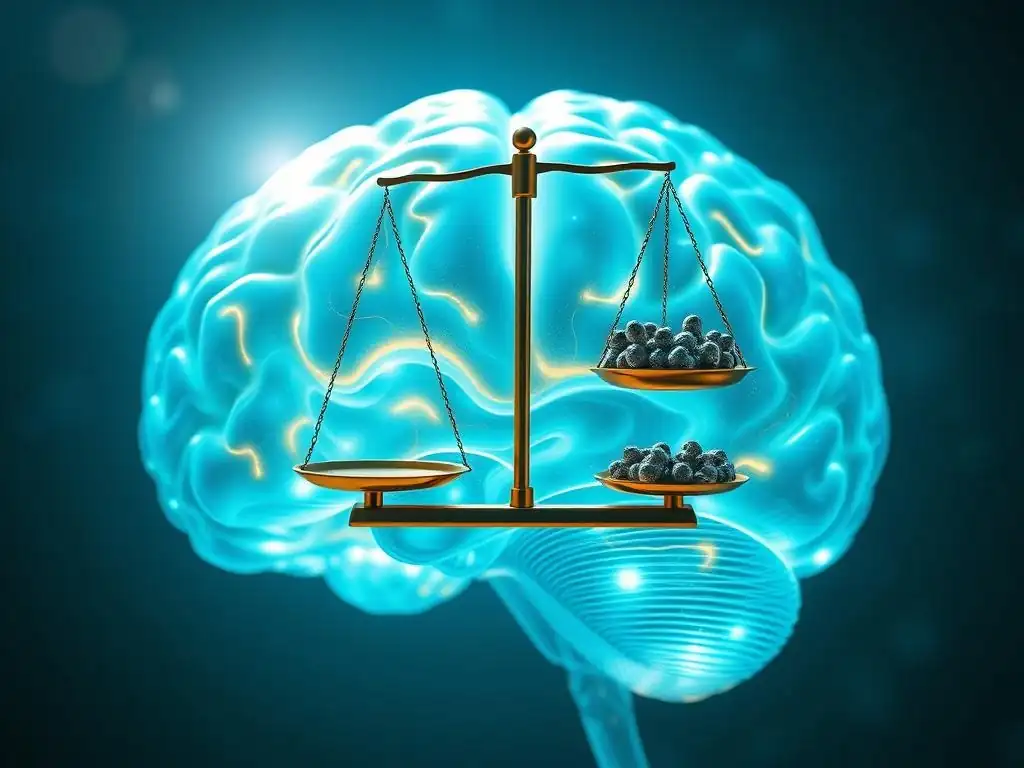
Welcome to Mind Care Guide, a sanctuary dedicated to nurturing your mental well-being.
Ever wondered if there's a hidden key to unlocking lasting mood stability? Our guide delves into the fascinating science behind it, starting with understanding your Serotonin levels and how they influence your daily life. Join us as we explore the delicate balance required for inner peace and discover practical steps you can take to enhance your emotional resilience. Ready to unravel the mysteries of your mind?
The Serotonin Set Point: Maintaining Balance for Mood Stability
- Introduction to Serotonin and Mood Regulation
- What is the Serotonin Set Point?
- Factors Influencing Your Serotonin Set Point
- Signs of Serotonin Imbalance and Mood Instability
- Maintaining Optimal Serotonin Levels for Mood Stability
- Signs of Serotonin Imbalance and Mood Instability
- Maintaining Optimal Serotonin Levels for Mood Stability
- Medical Interventions for Serotonin Imbalance and Mood Disorders
- Serotonin Levels, Mood Stability, and Mental Health
- Conclusion: Taking Control of Your Serotonin Set Point for Enhanced Mood
-
Frequently Asked Questions
- What is the "Serotonin SetPoint" and how does it relate to mood?
- How do low serotonin levels impact mood stability?
- What factors can disrupt the Serotonin SetPoint and lead to mood instability?
- What are some natural ways to help maintain healthy serotonin levels and improve mood stability?
- When should I seek professional help if I'm struggling with mood instability related to serotonin levels?
- Final Reflection: Unlocking Mood Stability Through Serotonin Harmony
- Unlock Your Mood's Potential: Steps to Serotonin Harmony
Introduction to Serotonin and Mood Regulation
Understanding Serotonin: The Mood-Regulating Neurotransmitter
Serotonin, scientifically known as 5-hydroxytryptamine (5-HT), is a crucial neurotransmitter and hormone that plays a pivotal role in regulating numerous bodily functions, most notably mood. Often dubbed the "feel-good" chemical, serotonin is synthesized from the essential amino acid tryptophan, which we obtain through our diet.
While it's widely recognized for its impact on mental health, approximately 90% of the body's serotonin is actually found in the gut, where it influences digestion, appetite, and bowel movements. The remaining portion is produced in the brain, specifically in the raphe nuclei, and circulates throughout the central nervous system, exerting its effects on complex behaviors and emotional states.
The intricate pathways involving serotonin are fundamental to understanding psychological well-being. Its action is mediated by a diverse family of receptors (there are at least 14 known types), each located in different parts of the brain and body, contributing to its wide-ranging effects.
These receptors can either enhance or inhibit neuronal activity, creating a delicate balance necessary for proper function. Disruptions in the synthesis, release, or reuptake of serotonin, or alterations in receptor sensitivity, can significantly impact its availability and signaling, leading to imbalances that are often associated with various mental health challenges, including depression and anxiety disorders, highlighting the importance of stable serotonin levels for mood stability.
Serotonin's Role in Emotional Well-being and Cognitive Function
Beyond its direct link to mood, serotonin is deeply involved in regulating a spectrum of emotional responses. It influences feelings of happiness, calmness, and overall emotional resilience. When serotonin signaling is optimal, individuals often report feeling more emotionally stable, less susceptible to negative emotions, and better equipped to handle stress. Conversely, dysregulation can manifest as heightened emotional reactivity, irritability, and a reduced capacity for experiencing pleasure, symptoms commonly observed in mood disorders. The impact of serotonin levels on mood stability is therefore a critical area of focus in mental health research and treatment.
Furthermore, serotonin significantly affects various cognitive functions. It plays a part in processes such as memory consolidation, learning, decision-making, and attention. Studies have shown that serotonin influences the prefrontal cortex, a brain region crucial for executive functions.
Sufficient serotonin supports cognitive flexibility and the ability to focus. Its role in regulating sleep-wake cycles also indirectly impacts cognitive performance, as adequate rest is essential for brain function. The complex interplay between serotonin, emotional well-being, and cognitive processes underscores its foundational importance to overall brain health and highlights why maintaining healthy serotonin levels is vital for both mood stability and sharp cognitive function.
What is the Serotonin Set Point?
Defining the Serotonin Set Point and its Influence on Mood Regulation
The concept of a "serotonin set point" refers to the body's inherent tendency to maintain a baseline level of serotonin activity within a certain range. It's not a fixed number that can be easily measured but rather a dynamic equilibrium reflecting the efficiency of serotonin synthesis, release, reuptake, and receptor sensitivity within an individual's system.
This set point represents the nervous system's preferred or typical operating level for serotonin signaling. It is believed that deviations from this individual set point, either too high or too low relative to the person's baseline, can disrupt normal brain function and lead to mood instability and other psychological symptoms.
This set point significantly influences an individual's susceptibility to mood fluctuations and their overall emotional resilience. Someone with a naturally lower or less stable set point might be more vulnerable to external stressors or physiological changes that further reduce serotonin activity, potentially triggering depressive or anxious episodes. Conversely, a set point that is difficult to shift or is abnormally high could contribute to different types of psychological challenges. Understanding this concept helps explain why individuals respond differently to similar stimuli or interventions targeting serotonin levels and mood stability.
Homeostasis and Serotonin Regulation: Maintaining Equilibrium
The body is constantly striving for homeostasis, a state of internal balance. In the context of serotonin, this means complex regulatory mechanisms are in place to keep serotonin levels and signaling within the individual's set point range. These mechanisms involve feedback loops that modulate the rate of serotonin synthesis, the amount released into the synaptic cleft, the efficiency of reuptake transporters (like SERT), and the sensitivity of various serotonin receptors. For example, if serotonin levels momentarily dip, the system might increase synthesis or reduce reuptake to restore balance.
This homeostatic regulation is crucial for maintaining consistent brain function and emotional stability. However, chronic stress, poor diet, lack of sleep, or genetic factors can challenge these regulatory systems, potentially pushing serotonin activity outside the optimal range for that individual's set point.
When these disruptions persist, the body's ability to restore equilibrium can be overwhelmed, leading to a sustained imbalance that manifests as persistent mood disturbances. The goal of many interventions aimed at improving serotonin levels for mood stability is to support these homeostatic mechanisms or, in some cases, directly modulate serotonin signaling to help the system find a new, more functional equilibrium.
Individual Variations in Serotonin Set Points
It is important to recognize that the serotonin set point is not uniform across all individuals; it varies significantly from person to person. These variations are influenced by a complex interplay of genetic factors, early life experiences, and environmental exposures throughout life. Just as people have different metabolic rates or blood pressure baselines, they also have unique neurochemical profiles, including their inherent serotonin set point. This explains why some individuals seem naturally more resilient to stress and mood challenges, while others are more susceptible, even when facing similar circumstances.
Genetic studies have identified several genes involved in serotonin synthesis, transport (like the SLC6A4 gene encoding the SERT transporter), and receptor function, which can contribute to these individual differences. For instance, variations in the SLC6A4 gene have been associated with different levels of SERT expression and function, potentially influencing how quickly serotonin is cleared from the synapse and thus impacting the effective set point.
These genetic predispositions interact with environmental factors, such as chronic stress during critical developmental periods, which can permanently alter the brain's serotonin system and establish a different set point. Understanding these individual variations is key to personalizing approaches aimed at optimizing serotonin levels for mood stability.
Factors Influencing Your Serotonin Set Point
Genetic Predisposition and Serotonin Synthesis
Your genetic makeup plays a foundational role in determining your inherent serotonin set point and how efficiently your body handles serotonin. Genes influence the production of enzymes necessary for serotonin synthesis from tryptophan, the effectiveness of serotonin transporters (SERT) responsible for reuptake, and the structure and function of the various serotonin receptors.
For example, polymorphisms (variations) in the gene encoding tryptophan hydroxylase 2 (TPH2), an enzyme critical for serotonin synthesis in the brain, can affect how much serotonin is produced, potentially leading to a lower baseline set point. Similarly, variations in the SERT gene can impact how quickly serotonin is removed from the synaptic cleft, influencing the duration and strength of its signaling.
These genetic predispositions don't dictate destiny, but they can confer a certain vulnerability or resilience. An individual with genetic variations leading to less efficient serotonin handling might have a set point that makes them more prone to developing mood disorders under stress.
Research, such as studies involving twin populations, has estimated that genetic factors can account for a significant portion of the variability in susceptibility to depression, potentially up to 40-50%, with the serotonin system being a key pathway involved. While you cannot change your genes, understanding potential genetic influences can inform personalized strategies for supporting serotonin levels and mood stability through lifestyle and, if necessary, medical interventions.
Diet and Nutrition's Impact on Serotonin Levels
What you eat significantly impacts the availability of tryptophan, the precursor to serotonin, and the overall health of your brain and gut, both critical for serotonin regulation. While eating tryptophan-rich foods doesn't guarantee increased brain serotonin (due to the blood-brain barrier and competition with other amino acids), a diet chronically deficient in essential nutrients, including tryptophan, B vitamins (especially B6, B12, and folate), and omega-3 fatty acids, can impair serotonin synthesis and overall neurotransmitter function. Conversely, a balanced diet provides the necessary building blocks and cofactors for efficient serotonin production and regulation, supporting healthy serotonin levels for mood stability.
Beyond tryptophan, the composition of your diet affects gut health, which is intimately connected to serotonin production. As mentioned, most serotonin is in the gut, produced by specialized enterochromaffin cells and influenced by the gut microbiome.
A diet high in processed foods, sugar, and unhealthy fats can negatively alter the gut microbiome composition, potentially impacting the balance of gut-derived serotonin and sending inflammatory signals to the brain that can disrupt central serotonin function. Conversely, a diet rich in fiber, fermented foods, and diverse plant matter supports a healthy gut microbiome, which can positively influence both gut and brain serotonin dynamics, contributing to better mood stability.
Tryptophan-Rich Foods and Serotonin Production
Tryptophan is an essential amino acid, meaning the body cannot produce it and it must be obtained from the diet. Foods high in tryptophan include turkey, chicken, eggs, cheese, milk, nuts (like almonds and walnuts), seeds (like pumpkin and sesame), tofu, and lentils. While consuming these foods provides the necessary raw material, getting tryptophan into the brain is a competitive process, as it shares a transporter across the blood-brain barrier with other large neutral amino acids (LNAAs).
However, consuming tryptophan-rich foods, particularly when combined with complex carbohydrates, can facilitate its entry into the brain. Carbohydrate consumption triggers insulin release, which helps clear other LNAAs from the bloodstream into muscle cells, relatively increasing the concentration of tryptophan and making it easier for it to cross the blood-brain barrier. Therefore, a balanced meal containing both protein (for tryptophan) and complex carbohydrates can be more effective in supporting brain serotonin levels than consuming tryptophan in isolation, potentially contributing to improved serotonin levels and mood stability over time.
The Gut-Brain Axis and Serotonin Regulation
The gut-brain axis is a bidirectional communication pathway between the gastrointestinal tract and the central nervous system, mediated by neural, hormonal, and immunological signals, as well as the gut microbiome. This axis plays a profound role in serotonin regulation. Enterochromaffin cells in the gut lining produce a significant amount of serotonin, which is involved in regulating gut motility and sensation. The gut microbiome itself can produce various neuroactive compounds, including precursors to neurotransmitters like serotonin.
The health and diversity of your gut bacteria can influence both the production and metabolism of serotonin in the gut, and these signals can be transmitted to the brain via the vagus nerve and other pathways. An imbalanced gut microbiome (dysbiosis) has been linked to various mood and anxiety disorders. For example, studies in mice have shown that altering gut bacteria can change brain chemistry and behavior. Supporting a healthy gut microbiome through diet (rich in fiber, probiotics, and prebiotics) and lifestyle can therefore be a significant factor in maintaining balanced serotonin levels and supporting mood stability.
Stress and its Effects on Serotonin Set Point Balance
Chronic stress is a major disruptor of the serotonin system and can significantly impact the serotonin set point, often pushing it towards a less stable state. The body's stress response involves the release of hormones like cortisol, which can interfere with serotonin synthesis, release, and receptor function. Prolonged exposure to high cortisol levels can reduce the availability of tryptophan, impair the function of serotonin transporters, and even damage serotonin-producing neurons over time. This makes it harder for the brain to maintain its optimal serotonin levels for mood stability.
Furthermore, stress can alter the expression of genes involved in the serotonin pathway and influence the gut microbiome, creating a vicious cycle where stress negatively impacts serotonin, and low serotonin can reduce resilience to stress. Research indicates that chronic stress can lead to a persistent reduction in serotonin activity in certain brain regions, contributing to the development of depressive and anxious symptoms. Managing stress effectively through various techniques is therefore not just about coping with difficult situations but is a critical strategy for protecting and supporting your serotonin set point and overall mood stability.
Exercise and Serotonin Regulation

Regular physical exercise is a powerful modulator of brain chemistry, including the serotonin system. Engaging in aerobic activity has been shown to increase the synthesis and release of serotonin in the brain. Exercise boosts the availability of tryptophan in the brain by increasing blood flow and altering the competitive uptake of amino acids, similar to the effect of carbohydrates. It also promotes the production of brain-derived neurotrophic factor (BDNF), a protein that supports the growth and survival of neurons, including those that produce serotonin, and can enhance synaptic plasticity.
Moreover, exercise helps regulate the stress response, reducing cortisol levels, which indirectly benefits serotonin function. Consistent physical activity can improve mood, reduce anxiety, and enhance overall emotional resilience, effects that are at least partly attributable to its positive impact on serotonin levels and mood stability. Aiming for at least 150 minutes of moderate-intensity aerobic exercise or 75 minutes of vigorous-intensity exercise per week, as recommended by health guidelines, can be a cornerstone strategy for supporting a healthy serotonin set point.
Sleep and Serotonin: A Crucial Connection for Mood
Sleep and serotonin have a deeply interconnected relationship, with each influencing the other and both being critical for mood stability. Serotonin plays a role in regulating the sleep-wake cycle; it is a precursor to melatonin, the hormone that signals the body it's time to sleep. Serotonin levels naturally fluctuate throughout the 24-hour cycle, impacting different stages of sleep. Disruptions to sleep patterns can significantly impair serotonin function.
Chronic sleep deprivation or irregular sleep schedules can negatively affect serotonin synthesis and release, leading to lower overall activity in the serotonin system. This disruption can exacerbate mood instability, increase irritability, and worsen symptoms of anxiety and depression. Conversely, maintaining a consistent sleep schedule, aiming for 7-9 hours of quality sleep per night, supports the natural fluctuations and overall health of the serotonin system, which is fundamental for maintaining balanced serotonin levels and mood stability. Prioritizing sleep hygiene is therefore an essential component of any strategy aimed at supporting mental well-being through serotonin regulation.
Signs of Serotonin Imbalance and Mood Instability
Recognizing Symptoms of Low Serotonin Levels
Low serotonin levels, or more accurately, impaired serotonin signaling relative to an individual's set point, are commonly associated with various psychological and physiological symptoms. These symptoms can range in severity and manifest differently in individuals. Recognizing these signs is the first step towards addressing potential imbalances that affect serotonin levels and mood stability. It's important to note that these symptoms can also be caused by other factors, so professional evaluation is crucial for accurate diagnosis.
Common signs include persistent low mood, feelings of hopelessness, loss of interest or pleasure in activities once enjoyed (anhedonia), and changes in appetite (often increased craving for carbohydrates). Physically, individuals might experience fatigue, changes in sleep patterns (insomnia or excessive sleeping), and digestive issues like constipation or irritable bowel syndrome (IBS), given the large amount of serotonin in the gut. These symptoms collectively point towards a potential disruption in the complex system responsible for maintaining healthy serotonin levels for mood stability.
Mood Swings and Irritability
One of the hallmark symptoms associated with serotonin imbalance is increased mood swings and irritability. When serotonin levels are dysregulated, the brain's ability to regulate emotional responses can be compromised. This can lead to rapid shifts in mood, from feeling relatively stable to suddenly experiencing intense frustration, anger, or sadness with little provocation. The emotional "buffer" that healthy serotonin signaling provides seems to be diminished.
Individuals might find themselves reacting disproportionately to minor stressors, feeling on edge, or having difficulty controlling their temper. This heightened emotional reactivity is a key indicator that the system responsible for maintaining serotonin levels and mood stability is not functioning optimally. While irritability can stem from many causes, its presence alongside other mood or physical symptoms warrants consideration of serotonin's role.
Anxiety and Depression Related to Serotonin Deficiency
Low serotonin activity is strongly implicated in the development and severity of both anxiety disorders and major depressive disorder. In depression, reduced serotonin signaling is thought to contribute to the core symptoms of persistent sadness, loss of interest, and low energy. While the "serotonin hypothesis" of depression is complex and involves many factors beyond just low levels, impaired serotonin function is a consistent finding in many studies.
Similarly, anxiety disorders, including generalized anxiety disorder, panic disorder, and obsessive-compulsive disorder (OCD), are also linked to serotonin dysregulation. Serotonin influences brain circuits involved in fear and worry. When its signaling is insufficient or imbalanced, these circuits may become overactive, leading to excessive worry, panic attacks, or obsessive thoughts and compulsive behaviors. Addressing the underlying serotonin levels and supporting mood stability is often a primary target in the treatment of these conditions.
Sleep Disturbances and Serotonin Imbalance
Given serotonin's role in regulating the sleep-wake cycle and as a precursor to melatonin, imbalances in serotonin levels frequently lead to sleep disturbances. These can manifest as difficulty falling asleep (insomnia), difficulty staying asleep, waking up too early, or experiencing non-restorative sleep. Conversely, some individuals might experience excessive sleepiness (hypersomnia).
Disrupted sleep further exacerbates mood symptoms, creating a negative feedback loop. Poor sleep can worsen anxiety and depression, while anxiety and depression can make it harder to sleep. Addressing sleep disturbances is therefore a crucial part of managing mood disorders potentially related to serotonin imbalance and is essential for supporting the body's natural processes for maintaining healthy serotonin levels and mood stability.
Identifying Symptoms of Excess Serotonin (Serotonin Syndrome)
While low serotonin is more commonly discussed in the context of mood disorders, having too much serotonin can also be dangerous and is known as serotonin syndrome. This condition is typically caused by taking medications that increase serotonin levels, especially combining multiple serotonergic drugs (like SSRIs, certain pain medications, or illicit substances). Symptoms can range from mild to severe and require immediate medical attention.
Mild symptoms might include shivering, diarrhea, dilated pupils, and restlessness. Moderate symptoms can involve muscle rigidity, increased reflexes, sweating, fever, and rapid heart rate. Severe serotonin syndrome is a life-threatening emergency characterized by high fever (hyperthermia), seizures, irregular heartbeat, unconsciousness, and confusion. It's crucial to be aware of the potential for serotonin syndrome, especially when taking medications that affect serotonin levels, and to discuss all medications and supplements with a healthcare provider to ensure safety and optimize serotonin levels for mood stability without causing excess.
Maintaining Optimal Serotonin Levels for Mood Stability
Lifestyle Strategies for Balancing Serotonin
Adopting certain lifestyle habits can significantly support your body's ability to maintain optimal serotonin levels and thus enhance mood stability. These strategies focus on providing the right conditions for serotonin synthesis, release, and function, while also mitigating factors that can cause imbalance. Consistency is key; incorporating these practices into your daily routine yields the best results over time.
Lifestyle interventions are often the first line of approach for mild to moderate mood fluctuations and serve as valuable complementary strategies alongside medical treatment for more severe conditions. They empower individuals to take an active role in managing their mental well-being by influencing the very neurochemical pathways involved in mood regulation. Focusing on these areas can make a tangible difference in supporting healthy serotonin levels and mood stability.
Regular Exercise and Serotonin Release
As previously discussed, regular physical activity is a potent way to boost serotonin activity. Aiming for consistency is more important than intensity for general mood benefits. Even moderate activities like brisk walking, cycling, or swimming several times a week can be beneficial. Exercise not only increases serotonin release but also improves overall brain circulation and reduces inflammation, creating a healthier environment for neurotransmitter function.
Making exercise a non-negotiable part of your week can provide a reliable lift in mood and help buffer against stress, which negatively impacts serotonin. Finding activities you enjoy makes it easier to stick with a routine. Whether it's dancing, gardening, or participating in a team sport, engaging your body actively supports your brain's ability to maintain healthy serotonin levels for mood stability.
Mindfulness and Stress Reduction
Chronic stress is a known antagonist to healthy serotonin function. Practices that promote relaxation and stress reduction, such as mindfulness meditation, deep breathing exercises, yoga, or progressive muscle relaxation, can help lower cortisol levels. By dampening the stress response, these techniques protect the serotonin system from damage and support its natural regulatory processes.
Integrating just a few minutes of mindfulness or relaxation into your daily routine can make a significant difference in managing stress and its impact on your neurochemistry. Learning to observe thoughts and feelings without judgment can also help break negative rumination cycles often associated with low mood, indirectly supporting the brain's capacity for maintaining balanced serotonin levels and mood stability.
Consistent Sleep Schedule for Serotonin Regulation
Prioritizing sleep hygiene is fundamental for supporting serotonin levels and mood stability. This involves establishing a regular bedtime and wake-up time, even on weekends, to regulate your body's internal clock (circadian rhythm). Creating a relaxing bedtime routine, ensuring your bedroom is dark, quiet, and cool, and avoiding screens or heavy meals close to bedtime can all improve sleep quality.
Sufficient, consistent sleep allows the brain to perform essential functions, including neurotransmitter regulation. By supporting healthy sleep patterns, you support the natural processes that maintain optimal serotonin levels, which is crucial for emotional resilience and stable mood throughout the day. Aim for 7-9 hours of quality sleep per night.
Dietary Recommendations for Healthy Serotonin Levels
Nutrition plays a vital role in providing the raw materials and supporting the environment necessary for healthy serotonin production and function. Focusing on a balanced, nutrient-dense diet is a practical way to influence your serotonin levels and support mood stability from within. While diet alone may not "cure" a severe imbalance, it is a foundational element of overall brain health.
Think of food as fuel and building blocks for your neurotransmitters. A diet rich in whole foods supports not only serotonin but also the production and function of other important neurochemicals. Making conscious food choices can be a powerful tool in your mental wellness toolkit, directly impacting the complex pathways that govern serotonin levels and mood stability.
Incorporating Tryptophan-Rich Foods
As the precursor to serotonin, ensuring adequate dietary intake of tryptophan is essential. Include sources like lean meats, poultry, fish, eggs, dairy products, nuts, seeds, and legumes in your regular meals. While the amount of tryptophan that crosses the blood-brain barrier can be limited by other amino acids, consistently consuming these foods provides the necessary substrate for serotonin synthesis.
Pairing tryptophan-rich foods with complex carbohydrates, such as whole grains, fruits, or vegetables, can enhance tryptophan's uptake into the brain. This is because carbohydrates stimulate insulin release, which helps clear other competing amino acids from the bloodstream, giving tryptophan a clearer path. For example, having turkey or chicken with brown rice, or nuts with fruit, can be beneficial combinations for supporting serotonin production and thus contributing to better serotonin levels and mood stability.
Complex Carbohydrates and Serotonin Production
Complex carbohydrates, found in foods like whole grains (oats, brown rice, quinoa), vegetables (sweet potatoes, broccoli), and fruits, play a significant indirect role in serotonin production. By promoting insulin release, they facilitate the transport of tryptophan into the brain. Unlike simple sugars, complex carbohydrates provide a sustained release of glucose, avoiding sharp blood sugar spikes and crashes that can negatively impact mood and energy levels.
Prioritizing complex carbohydrates over refined sugars and processed foods is beneficial for overall metabolic health and brain function. A steady supply of glucose fuels brain cells, and the mechanism by which complex carbs aid tryptophan uptake directly supports the synthesis of serotonin. This synergy between protein (tryptophan source) and complex carbohydrates is a key dietary principle for optimizing serotonin levels for mood stability.
Foods That May Negatively Impact Serotonin
Certain dietary choices can potentially have a negative impact on serotonin levels and overall mood stability. Diets high in processed foods, refined sugars, and unhealthy fats can contribute to inflammation throughout the body, including the brain. Chronic inflammation can disrupt neurotransmitter function and may impair serotonin signaling. Excessive consumption of saturated and trans fats has been linked to poorer mental health outcomes in some studies.
Furthermore, diets lacking in essential nutrients like B vitamins, omega-3 fatty acids, and minerals like magnesium and zinc, which are cofactors in serotonin synthesis and function, can hinder the process. While avoiding all "bad" foods is unrealistic, minimizing the intake of highly processed items, sugary drinks, and excessive unhealthy fats while prioritizing nutrient-dense whole foods is a strategy to support the delicate balance required for healthy serotonin levels and mood stability.
Sunlight, Vitamin D, and Serotonin Synthesis
Exposure to sunlight has a well-documented positive effect on mood, and this is partly linked to its influence on serotonin. Research suggests that sunlight exposure, particularly bright light, can increase the production and release of serotonin in the brain. This effect is thought to be mediated through light receptors in the retina that signal to the brain regions involved in serotonin production. This may explain why mood can be lower during darker winter months in regions with less sunlight, a phenomenon sometimes linked to Seasonal Affective Disorder (SAD).
Vitamin D, often called the "sunshine vitamin" because the body produces it when skin is exposed to sunlight, also plays a role in brain health and may influence serotonin. Vitamin D receptors are found in brain areas involved in mood regulation, and studies suggest Vitamin D may influence the enzymes involved in serotonin synthesis and metabolism. Ensuring adequate Vitamin D levels, through safe sun exposure, diet (fatty fish, fortified foods), or supplementation if necessary (after consulting a doctor), can be another factor supporting optimal serotonin levels for mood stability.
Medical Interventions for Serotonin Imbalance and Mood Disorders

Understanding Selective Serotonin Reuptake Inhibitors (SSRIs)
For individuals experiencing significant mood disorders like major depression or anxiety disorders linked to serotonin imbalance, medical intervention is often necessary. Selective Serotonin Reuptake Inhibitors (SSRIs) are a class of antidepressant medications widely prescribed to address these conditions. They work by targeting the serotonin transporter (SERT), the protein responsible for reabsorbing serotonin from the synaptic cleft back into the presynaptic neuron.
By blocking the reuptake of serotonin, SSRIs increase the concentration of serotonin available in the synapse, allowing it to bind to receptors for a longer period. This enhanced signaling is thought to help restore more balanced communication in brain circuits involved in mood regulation. While the exact mechanisms are complex and involve adaptation over time (often taking several weeks to show full effect), the core principle is to modulate the serotonin system to support the brain in finding a more stable set point for serotonin levels and mood stability.
How SSRIs Work to Increase Serotonin Availability
SSRIs specifically target the serotonin transporter (SERT), which is embedded in the membrane of serotonin-releasing neurons. Normally, once serotonin has been released into the synapse and interacted with receptors on the postsynaptic neuron, SERT pumps the serotonin molecules back into the presynaptic neuron to be recycled or broken down. This process effectively "clears" the synapse, limiting the duration of serotonin signaling.
SSRIs bind to SERT, blocking this reuptake process. This results in more serotonin molecules remaining in the synaptic cleft for a longer time, increasing the likelihood that they will bind to postsynaptic receptors and enhance signaling. While the initial effect might be an increase in serotonin in the synapse, the therapeutic benefits often emerge gradually over weeks as the brain adapts to the sustained increase in serotonin availability, leading to downstream changes in receptor sensitivity and neural plasticity, ultimately contributing to improved serotonin levels and mood stability.
Potential Side Effects and Considerations of SSRIs
Like all medications, SSRIs can have side effects, which vary from person to person. Common initial side effects might include nausea, insomnia or drowsiness, dry mouth, headache, and changes in appetite or weight. Some individuals may also experience sexual side effects, such as decreased libido or difficulty achieving orgasm. These side effects are often temporary, improving within the first few weeks of treatment as the body adjusts.
More serious, though less common, side effects can occur. Additionally, discontinuing SSRIs often requires a gradual taper to avoid withdrawal symptoms, which can include dizziness, nausea, headache, and irritability. It is crucial for individuals taking SSRIs to be closely monitored by a healthcare professional, discuss any side effects or concerns, and never stop taking the medication suddenly without medical guidance. The decision to use SSRIs involves weighing the potential benefits for improving serotonin levels and mood stability against the potential risks and side effects.
Alternative Therapies for Serotonin Regulation
Beyond conventional medications, some individuals explore alternative or complementary therapies aimed at supporting serotonin regulation. These can range from specific supplements to broader lifestyle interventions already discussed. It is essential to approach these alternatives with caution and always consult a healthcare provider before starting any new supplement or therapy, especially if you are already taking other medications, to avoid potential interactions or adverse effects like serotonin syndrome.
While some of these therapies show promise in preliminary research, the evidence base is often less robust than for established medical treatments. However, they can be valuable components of a holistic approach to supporting mental well-being and potentially influencing serotonin levels and mood stability when used appropriately and under professional guidance.
SAMe (S-Adenosylmethionine)
SAMe is a naturally occurring compound in the body that is involved in several biochemical reactions, including the synthesis of neurotransmitters like serotonin, dopamine, and norepinephrine. It is available as a dietary supplement and has been studied for its potential antidepressant effects. Some research suggests that SAMe may help increase the availability of precursors needed for serotonin synthesis.
Clinical studies on SAMe's effectiveness for depression have yielded mixed results, with some showing comparable efficacy to certain antidepressants in mild to moderate cases, while others are less conclusive. Typical dosages studied range from 400 to 1600 mg per day. Side effects are generally mild, such as digestive upset, but SAMe should not be taken by individuals with bipolar disorder as it may trigger manic episodes, and it can interact with serotonergic medications, increasing the risk of serotonin syndrome. Professional guidance is necessary before using SAMe to influence serotonin levels and mood stability.
5-HTP (5-Hydroxytryptophan)
5-HTP is a naturally occurring amino acid that is an intermediate step in the metabolic pathway from tryptophan to serotonin. It is available as a dietary supplement and is often promoted for improving mood and sleep because it directly bypasses the enzyme (TPH) that can be a rate-limiting step in serotonin synthesis from tryptophan. The body converts 5-HTP into serotonin.
Research on 5-HTP for depression and anxiety has also shown mixed results, with some studies suggesting potential benefits, while others are inconclusive or limited by study design. Doses typically range from 100 to 300 mg per day. Like SAMe, 5-HTP carries a risk of serotonin syndrome, especially when combined with SSRIs or other serotonergic drugs. It can also cause digestive issues. Due to these risks and the variable evidence, 5-HTP should only be considered under the strict supervision and recommendation of a qualified healthcare provider to assess its appropriateness for supporting serotonin levels and mood stability.
Serotonin Levels, Mood Stability, and Mental Health
Serotonin Imbalance and Depression
The link between serotonin imbalance and depression is one of the most widely studied areas in psychiatric research. While the initial "serotonin hypothesis" suggesting depression is simply caused by low serotonin levels is now considered an oversimplification, impaired serotonin system function is undeniably involved in the pathophysiology of major depressive disorder for many individuals. It's less about a simple deficiency and more about complex dysregulation in synthesis, release, reuptake, and receptor sensitivity that disrupts the brain's ability to maintain a stable serotonin set point.
This dysregulation can affect multiple brain circuits involved in mood, motivation, sleep, and appetite, contributing to the diverse symptoms of depression. Treatments targeting the serotonin system, such as SSRIs, are effective for many, though not all, individuals with depression, highlighting the role of serotonin levels in restoring mood stability for a significant portion of the affected population. Understanding this complex relationship is crucial for developing effective treatment strategies that go beyond simply trying to "increase serotonin."
Serotonin's Role in Anxiety Disorders
Serotonin also plays a significant role in the intricate brain circuits that regulate fear, worry, and stress responses, making it highly relevant to anxiety disorders. Imbalances in serotonin signaling can lead to heightened activity in brain regions like the amygdala, which is involved in processing fear, and reduced activity in areas like the prefrontal cortex, which helps regulate emotional responses. This can result in excessive worry, panic attacks, phobias, and obsessive thoughts.
SSRIs and other serotonergic medications are frequently used as first-line treatments for various anxiety disorders, including Generalized Anxiety Disorder (GAD), Panic Disorder, Social Anxiety Disorder, and Obsessive-Compulsive Disorder (OCD). By modulating serotonin levels and signaling, these medications help dampen the overactivity in fear circuits and restore a greater sense of emotional regulation, demonstrating the critical impact of healthy serotonin levels on achieving mood stability and reducing anxiety symptoms.
Serotonin's Influence on Other Mental Health Conditions
Beyond depression and anxiety, serotonin dysregulation is implicated in several other mental health conditions, illustrating its pervasive influence on brain function and behavior. Conditions like Bipolar Disorder, particularly the depressive phases, may involve altered serotonin signaling. While the primary focus in bipolar disorder treatment often involves mood stabilizers, serotonergic antidepressants are sometimes used, though with caution due to the risk of triggering manic episodes.
Serotonin is also thought to play a role in conditions like eating disorders (anorexia nervosa, bulimia nervosa), where it may influence appetite regulation, mood, and obsessive thinking about food and body weight. Additionally, some research suggests links between serotonin function and conditions such as migraines, fibromyalgia, and irritable bowel syndrome (IBS), conditions that often co-occur with mood and anxiety disorders. This highlights that maintaining balanced serotonin levels is important not just for mood stability but for broader aspects of physical and mental health.
Conclusion: Taking Control of Your Serotonin Set Point for Enhanced Mood
A Holistic Approach to Serotonin Regulation
Understanding the concept of the serotonin set point helps shift the focus from simply having "low serotonin" to recognizing the dynamic equilibrium the body strives to maintain. While genetic factors and early life experiences may establish an individual's inherent set point, numerous lifestyle factors can influence whether the system operates optimally within that range or is pushed towards imbalance. Taking a holistic approach acknowledges that diet, exercise, sleep, stress management, sunlight exposure, and potentially medical interventions all play a part in supporting healthy serotonin levels for mood stability.
Empowering yourself with knowledge about these influences allows you to make informed choices that support your brain's natural capacity for balanced serotonin function. It's about cultivating habits that nurture your entire system – body and mind – recognizing their interconnectedness. By consistently applying lifestyle strategies, seeking professional guidance when needed, and being patient with the process, individuals can significantly influence their serotonin set point and enhance their resilience against mood fluctuations, paving the way for greater emotional well-being and lasting mood stability.
Frequently Asked Questions
What is the "Serotonin SetPoint" and how does it relate to mood?
The Serotonin SetPoint refers to the ideal range of serotonin activity in the brain. Maintaining this balance is crucial because deviations can lead to mood instability and other mental health challenges.
How do low serotonin levels impact mood stability?
Low serotonin levels are often associated with decreased feelings of well-being. This can manifest as symptoms like depression, anxiety, and irritability, directly impacting mood stability.
What factors can disrupt the Serotonin SetPoint and lead to mood instability?
Several factors, including stress, poor diet, lack of sunlight, and certain medications, can disrupt the Serotonin SetPoint. These factors can cause fluctuations in serotonin levels, leading to mood swings and instability.
What are some natural ways to help maintain healthy serotonin levels and improve mood stability?
Lifestyle changes such as regular exercise, a balanced diet rich in tryptophan, and exposure to sunlight can naturally boost serotonin. Mindful practices like meditation can also help regulate mood and maintain balance.
If you experience persistent mood swings, depression, or anxiety, it's essential to consult a mental health professional. They can assess your situation, potentially check your serotonin levels, and recommend appropriate treatment strategies to restore mood stability.
Final Reflection: Unlocking Mood Stability Through Serotonin Harmony
Understanding our serotonin setpoint is not just a scientific curiosity; it's the key to unlocking lasting mood stability in a world increasingly demanding emotional resilience. The information presented in this article highlights the crucial role of this neurotransmitter, not just in treating clinical conditions, but in fostering everyday mental well-being. Ignoring the delicate balance of our serotonin system is akin to neglecting the foundation of a house – eventually, cracks will appear.
The impact of serotonin on our emotional landscape is profound and far-reaching. From the subtle nuances of our daily moods to the significant challenges of mental health struggles, the influence of this single neurotransmitter is undeniable. Happiness is not something ready made. It comes from your own actions.
– Dalai Lama XIV. This quote perfectly encapsulates the active role we must play in nurturing our serotonin system. By understanding the factors that influence our setpoint—diet, exercise, sleep, and stress management—we gain agency over our emotional well-being, moving beyond passive acceptance of fluctuating moods.
Now, consider your own life. What steps can you take today to cultivate a more balanced serotonin system? Perhaps it's incorporating regular exercise into your routine, prioritizing restful sleep, or seeking support to manage stress effectively. Remember, small, consistent changes can lead to significant improvements in your mood stability. Embrace the power of understanding your serotonin setpoint; it’s a journey towards a more balanced, happier, and fulfilling you.
Unlock Your Mood's Potential: Steps to Serotonin Harmony
Thanks for diving into the world of serotonin and mood stability with us! We hope you gained valuable insights into how to nurture your mental well-being. Now, it's time to put that knowledge into action.
Here are a few steps you can take to start your journey toward a more balanced and happier you:
- Prioritize your sleep hygiene: This is the cornerstone of serotonin regulation. Aim for 7-9 hours of quality sleep each night – it's where the magic happens!
- Incorporate a mindful movement practice into your daily routine. Even a short walk in nature can work wonders!
- Share this article with a friend who might also benefit from understanding the importance of serotonin balance. Let's spread the word together!
Ready to take control of your mood and embrace a more balanced life? What small step will you prioritize today to boost your serotonin levels?