
The Vagus Nerve and Serotonin: Connecting Your Gut, Brain, and Mood

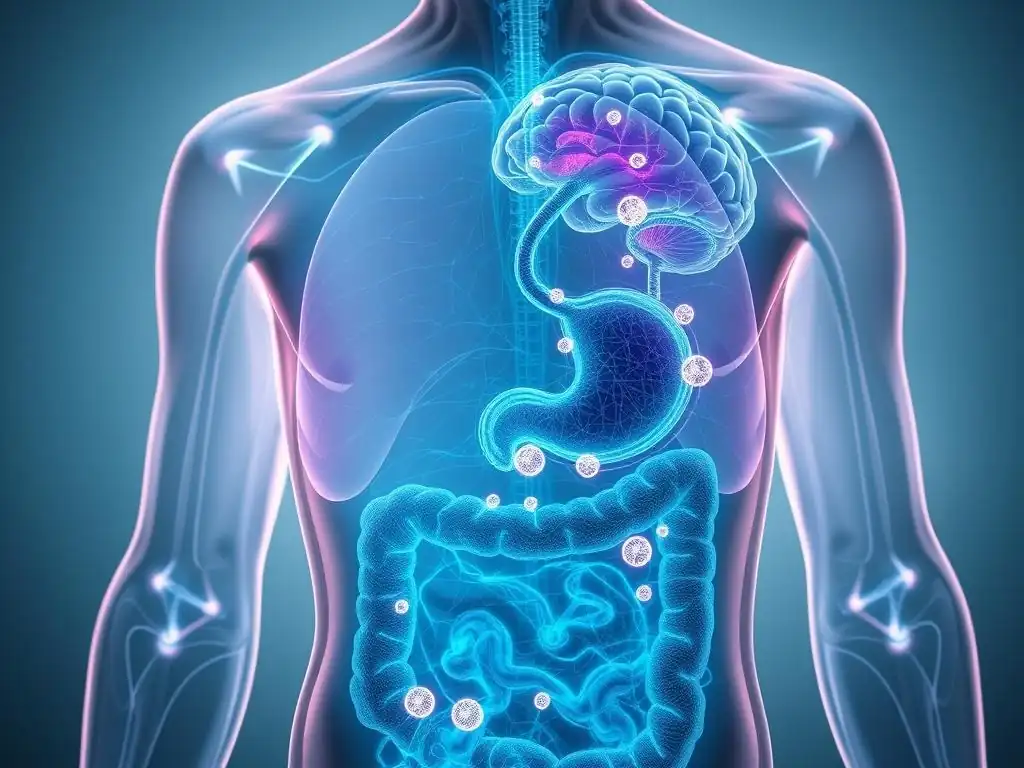
Welcome to Mind Care Guide, a safe space dedicated to nurturing your mental well-being. Feeling disconnected? The intricate link between your gut and brain might hold the key. In this article, we'll delve into the fascinating world of the gut-brain axis mental health, exploring how this complex connection impacts your mood and overall mental state. Could understanding this relationship unlock new pathways to a happier, healthier you? Let's explore together.
The Vagus Nerve and Serotonin: Connecting Your Gut, Brain, and Mood
- Understanding the Gut-Brain Axis and Mental Health
- The Vagus Nerve: A Key Player in Gut-Brain Communication
- Serotonin: The Mood-Boosting Neurotransmitter
- The Interplay: Vagus Nerve, Serotonin, and the Gut
- Optimizing Vagal Tone and Serotonin Production for Improved Mental Health
- The Vagus Nerve, Serotonin, and Mental Health Conditions
- Supporting Your Gut-Brain Axis for Enhanced Mental Well-being: Practical Steps
-
Frequently Asked Questions
- What is the vagus nerve and how does it relate to the gut-brain axis?
- How does the gut-brain axis impact mental health?
- What is serotonin and where is most of it produced in the body?
- How can I improve my gut health to support my mental health via the gut-brain axis?
- What are some practical ways to stimulate the vagus nerve to improve mood and reduce stress?
- Final Reflection: Unraveling the Gut-Brain Connection for a Healthier You
- Unlock Your Inner Calm: Nurture Your Vagus Nerve Today!
Understanding the Gut-Brain Axis and Mental Health
The Critical Role of the Gut-Brain Axis in Mental Well-being
The concept of the gut-brain axis has revolutionized our understanding of mental health. This bidirectional communication system links the central nervous system (brain and spinal cord) with the enteric nervous system (ENS), often called the "second brain," located within the gut wall. This connection is not merely theoretical; it involves complex biological signaling pathways, including neural, hormonal, and immunological routes.
Research indicates that disruptions in this axis can significantly influence mood, cognition, and overall mental state. For instance, studies have shown that individuals with irritable bowel syndrome (IBS), a condition characterized by gut dysfunction, have a significantly higher prevalence of anxiety and depression compared to the general population, sometimes exceeding 50-60%. This highlights the tangible impact of gut health on the intricate gut-brain axis and mental health outcomes.
This powerful interplay means that the health of your digestive system is intimately connected to the health of your mind. The gut microbiome, the vast community of microorganisms residing in the intestines, plays a pivotal role in this communication. These microbes produce various neuroactive compounds, including short-chain fatty acids (SCFAs) like butyrate, which can influence brain function and behavior.
Furthermore, imbalances in the gut microbiome, known as dysbiosis, have been associated with several mental health conditions, including major depressive disorder and generalized anxiety disorder. Understanding and nurturing the gut-brain axis is becoming increasingly recognized as a vital component in a holistic approach to mental well-being.
Exploring the Connection: Vagus Nerve, Serotonin, and Mood Regulation
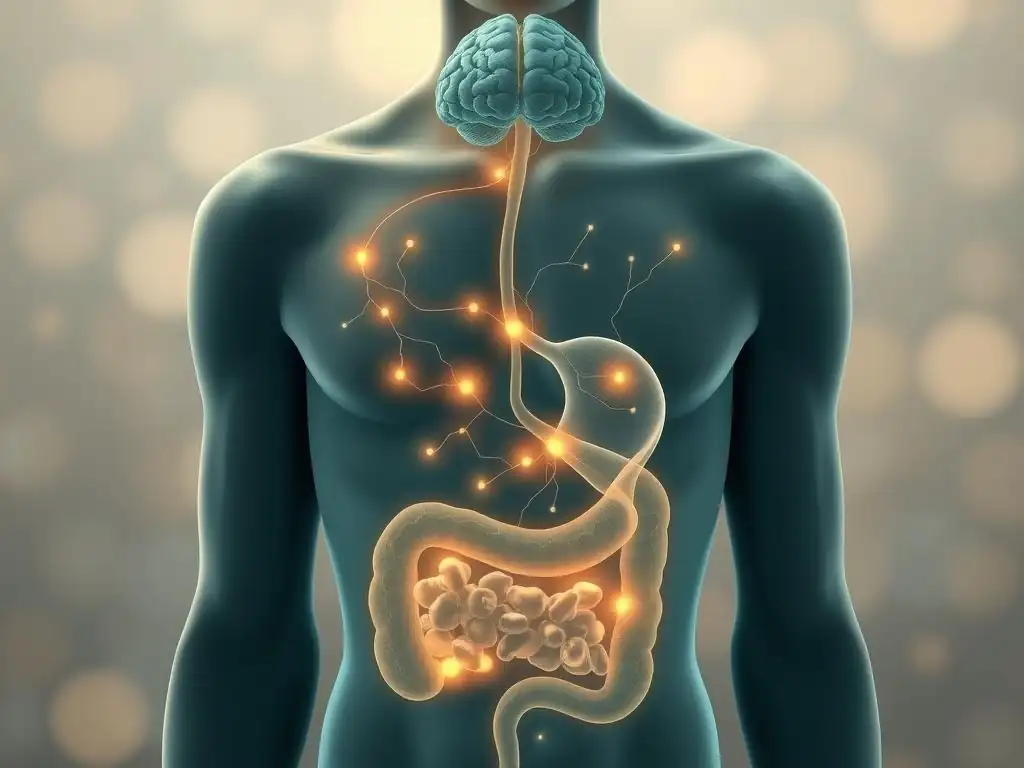
Within the complex network of the gut-brain axis, the vagus nerve stands out as a primary neural highway, transmitting signals directly between the brain and the gut. This nerve acts as a crucial bridge, allowing the brain to receive information about the state of the gut and vice versa. Simultaneously, serotonin, a key neurotransmitter often associated with feelings of well-being and happiness, is heavily involved in this axis, with a surprising majority of its production occurring outside the brain, specifically within the gut.
The interconnected roles of the vagus nerve and serotonin are central to understanding how the gut influences mood regulation. The vagus nerve can directly influence the release and activity of serotonin in the gut, which in turn can send signals back to the brain via the vagus nerve itself or other pathways. This intricate feedback loop means that factors affecting gut health, vagus nerve activity, or serotonin availability can have profound effects on mental states. Exploring this connection provides valuable insights into potential therapeutic targets for improving gutbrain axis mental health.
The Vagus Nerve: A Key Player in Gut-Brain Communication
What is the Vagus Nerve and its Functions?
The vagus nerve, also known as cranial nerve X, is the longest cranial nerve in the body, extending from the brainstem down through the neck, chest, and abdomen. Its name comes from the Latin word "vagus," meaning "wandering," reflecting its extensive reach. It is a major component of the parasympathetic nervous system, responsible for regulating many involuntary bodily functions, including heart rate, digestion, respiration, and immune responses. Approximately 80-90% of the vagus nerve fibers are afferent, meaning they transmit information from the body (including the gut) up to the brain, providing the brain with continuous updates on organ status.
Its functions are incredibly diverse, ranging from controlling swallowing and speech to regulating gastric motility and inflammation. In the context of the gut-brain axis, the vagus nerve serves as a critical conduit for communication. It relays signals from the gut to the brain regarding satiety, discomfort, nutrient availability, and even the presence of beneficial or harmful microbes.
Conversely, efferent vagal fibers carry signals from the brain to the gut, influencing digestive processes and the gut environment. Maintaining healthy vagal tone, which refers to the activity level of the vagus nerve, is increasingly linked to resilience against stress and improved emotional regulation, supporting overall gutbrain axis mental health.
Vagus Nerve Stimulation and Mental Health Benefits
Stimulating the vagus nerve has emerged as a promising therapeutic strategy for various conditions, particularly those related to mood and anxiety. Vagus nerve stimulation (VNS) therapy, initially developed for epilepsy, involves implanting a device that sends electrical impulses to the vagus nerve. Clinical trials have shown that VNS can lead to significant improvements in mood symptoms for a subset of patients with treatment-resistant depression. For example, one long-term study reported that after five years of VNS therapy, approximately 67% of patients with treatment-resistant depression experienced a clinical response, and 43% achieved remission.
Beyond implanted devices, non-invasive methods of vagus nerve stimulation are also being explored and utilized. These include techniques like deep breathing exercises, meditation, gargling, singing, and cold exposure, all of which can activate the vagus nerve and potentially enhance vagal tone. While the effects of non-invasive methods may be less pronounced than implanted VNS, they are accessible and can contribute to improved mood and stress resilience. These approaches underscore the potential for leveraging the vagus nerve pathway to support gutbrain axis mental health.
How the Vagus Nerve Influences Gut Health
The vagus nerve exerts significant influence over various aspects of gut function. It plays a key role in regulating digestive processes such as gastric acid secretion, pancreatic enzyme release, and intestinal motility. Vagal signals help coordinate the movement of food through the digestive tract and ensure proper nutrient absorption. Furthermore, the vagus nerve can directly impact the gut barrier function, which is the integrity of the intestinal lining that prevents harmful substances from entering the bloodstream.
Moreover, the vagus nerve interacts closely with the gut microbiome. Research suggests that vagal activity can influence the composition and diversity of gut bacteria. Conversely, the gut microbiome can produce metabolites and signals that affect vagus nerve function. For example, certain beneficial bacteria can produce SCFAs, which are thought to stimulate vagal afferent fibers. This bidirectional communication pathway highlights how supporting vagal tone can contribute to a healthier gut environment, which in turn reinforces positive signals along the gut-brain axis, promoting mental well-being.
Serotonin: The Mood-Boosting Neurotransmitter
Serotonin's Role in Mood Regulation and Beyond
Serotonin, chemically known as 5-hydroxytryptamine (5-HT), is a monoamine neurotransmitter that plays a complex and multifaceted role in the body. While widely recognized for its influence on mood, often dubbed the "feel-good" chemical, serotonin is involved in a vast array of physiological processes. In the brain, serotonin influences mood, sleep, appetite, learning, and memory. Many antidepressant medications, such as Selective Serotonin Reuptake Inhibitors (SSRIs), target serotonin signaling pathways in the brain to alleviate symptoms of depression and anxiety.
However, the majority of the body's serotonin is not found in the brain. Approximately 90% of serotonin is located in the gut, primarily in the enterochromaffin (EC) cells lining the digestive tract, and also in platelets. Gut-derived serotonin plays crucial roles in regulating gut motility, secretion, and sensation. It also influences blood clotting and bone metabolism. The complex distribution and diverse functions of serotonin underscore its importance not just for brain health and mood but for overall bodily function, intricately linking gut health to systemic effects, including aspects of gutbrain axis mental health.
The Gut's Surprising Contribution to Serotonin Production
The fact that the vast majority of serotonin is produced in the gut is a critical piece of the gut-brain axis puzzle. Enterochromaffin cells in the intestinal lining synthesize serotonin from the amino acid tryptophan, which is obtained from the diet. This gut-derived serotonin can act locally within the gut, influencing digestive functions. It can also enter the bloodstream, affecting platelets and other peripheral tissues.
While gut-derived serotonin does not directly cross the blood-brain barrier to influence brain mood circuits in the same way as brain-synthesized serotonin, it can still influence brain function indirectly. As mentioned earlier, gut serotonin can activate vagal afferent fibers, sending signals to the brain. Furthermore, systemic serotonin levels can influence the availability of tryptophan, the precursor for serotonin synthesis, in the brain. This substantial production of serotonin in the gut emphasizes the profound link between gut health and the availability of this key neurotransmitter, highlighting its centrality in the gut-brain axis mental health connection.
Serotonin Deficiency and Mental Health: Understanding the Link
While the concept of a simple "serotonin deficiency" causing depression is an oversimplification of complex biological processes, imbalances in serotonin signaling are clearly associated with various mental health conditions, particularly mood disorders like depression and anxiety. Low levels of serotonin in certain brain regions are thought to contribute to symptoms such as persistent low mood, loss of interest, sleep disturbances, and changes in appetite.
However, the link is not just about low levels. It can also involve issues with serotonin receptors, transport mechanisms, or the body's ability to synthesize or metabolize serotonin effectively. Given the gut's major role in serotonin production, factors affecting gut health, such as nutrient deficiencies (like tryptophan or B vitamins needed for synthesis), inflammation, or dysbiosis, could potentially impact the overall pool of serotonin available to influence the gut-brain axis and, indirectly, mental well-being. Understanding these complex interactions is key to addressing serotonin-related aspects of gutbrain axis mental health.
The Interplay: Vagus Nerve, Serotonin, and the Gut
How the Vagus Nerve Regulates Serotonin Release in the Gut
The relationship between the vagus nerve and gut-derived serotonin is a prime example of the intricate communication within the gut-brain axis. The vagus nerve directly innervates the gut wall, including the areas where enterochromaffin cells are located. Signals transmitted via vagal efferent fibers from the brain can influence the activity of these EC cells, modulating the rate at which they release serotonin into the gut lumen or the bloodstream.
Conversely, gut-derived serotonin can activate receptors located on the afferent vagal fibers within the gut wall. This activation sends signals back to the brainstem and other brain regions, providing information about the state of the gut. For instance, increased serotonin release in response to food can signal satiety via the vagus nerve. This bidirectional signaling loop illustrates how the vagus nerve acts as a conduit, relaying information influenced by gut serotonin levels between the gut and the brain, playing a vital role in regulating mood and behavior as part of the gutbrain axis mental health network.
The Impact of Gut Microbiome on Vagus Nerve Activity and Serotonin Levels
The trillions of microorganisms inhabiting the gut microbiome exert a significant influence on both the vagus nerve and serotonin production. Certain gut bacteria can directly produce neurotransmitters and neuroactive compounds, including precursors or modulators of serotonin. For example, some Lactobacillus and Bifidobacterium strains have been shown to influence serotonin levels in the gut. The gut microbiome also produces short-chain fatty acids (SCFAs) like butyrate, propionate, and acetate, which can interact with EC cells and potentially stimulate serotonin release.
Furthermore, these microbial products and the microbes themselves can influence vagus nerve activity. SCFAs can stimulate receptors on vagal nerve endings. Some bacteria might also directly interact with the vagus nerve or influence the gut environment in ways that alter vagal signaling. A diverse and balanced gut microbiome is generally associated with better gut health and potentially more optimal communication along the vagus nerve pathway, contributing positively to the gut-brain axis and mental health outcomes.
Inflammation, the Vagus Nerve, and Serotonin: A Complex Relationship
Inflammation is another critical factor linking the gut, vagus nerve, and serotonin to mental health. Chronic low-grade inflammation in the gut, often associated with dysbiosis or conditions like Inflammatory Bowel Disease (IBD), can disrupt the gut barrier and increase the permeability of the gut lining. This allows inflammatory molecules to enter the bloodstream, potentially reaching the brain and contributing to neuroinflammation, which has been implicated in depression and anxiety.
The vagus nerve has an anti-inflammatory reflex pathway. It can sense inflammation in the gut and send signals to the brain, which then triggers efferent signals down the vagus nerve to release anti-inflammatory molecules, particularly in the spleen. However, chronic inflammation can impair vagal tone and function, diminishing this protective reflex. Additionally, inflammation in the gut can alter serotonin metabolism and signaling, potentially contributing to dysregulation. This complex interplay highlights how managing inflammation is crucial for supporting the vagus nerve, maintaining healthy serotonin levels, and promoting gutbrain axis mental health.
Optimizing Vagal Tone and Serotonin Production for Improved Mental Health
Dietary Strategies to Support Gut Health, Vagus Nerve Function, and Serotonin Synthesis
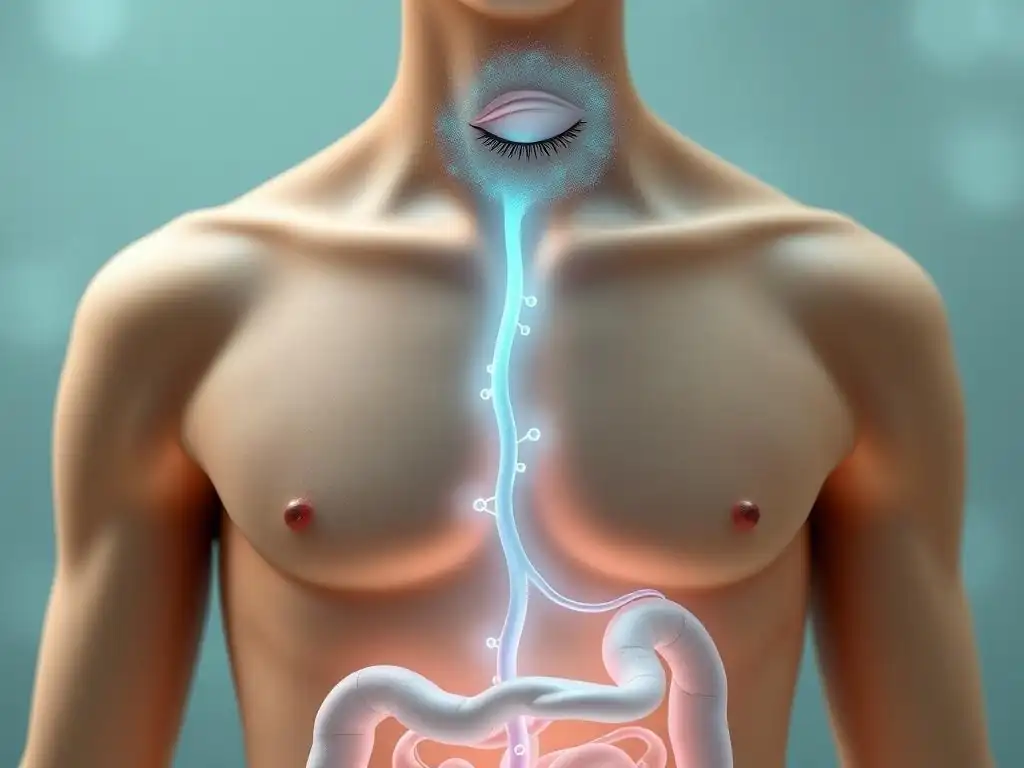
Diet plays a fundamental role in shaping the gut microbiome, providing precursors for neurotransmitters, and influencing inflammation, all of which impact the vagus nerve and serotonin pathways. A diet rich in fiber is essential for nourishing beneficial gut bacteria. These bacteria ferment fiber into SCFAs, which support gut barrier function, reduce inflammation, and can stimulate the vagus nerve. Aim for a diverse range of plant-based foods like fruits, vegetables, legumes, and whole grains to provide different types of fiber.
Incorporating foods that directly support serotonin production and gut health is also beneficial. Tryptophan, an essential amino acid, is the precursor for serotonin. While tryptophan is found in protein-rich foods, consuming it alongside carbohydrates can enhance its uptake into the brain. Foods like turkey, chicken, eggs, dairy, nuts, seeds, and soy are good sources of tryptophan. Furthermore, consuming fermented foods containing probiotics can introduce beneficial bacteria to the gut, potentially improving the microbial balance and supporting overall gut health, which indirectly benefits vagal and serotonin function, reinforcing the gutbrain axis mental health connection.
Prebiotic Foods for a Healthy Gut Microbiome
Prebiotics are non-digestible fibers that selectively feed beneficial bacteria in the gut. Including prebiotic-rich foods in your diet is a cornerstone of supporting a healthy gut microbiome. Examples include garlic, onions, leeks, asparagus, bananas, chicory root, and oats.
These fibers are fermented by gut bacteria, producing beneficial compounds like SCFAs. Consuming a variety of prebiotics helps cultivate a diverse and robust microbial community, which is crucial for overall gut health and its positive influence on the gut-brain axis.
Probiotic Supplements: Choosing the Right Strains
Probiotics are live microorganisms that, when administered in adequate amounts, confer a health benefit on the host. While obtaining probiotics from fermented foods like yogurt, kefir, sauerkraut, and kimchi is beneficial, probiotic supplements can provide specific strains in higher concentrations.
When choosing a probiotic supplement, look for products with well-researched strains known to benefit gut health or mood, such as Lactobacillus or Bifidobacterium species. The effectiveness can be strain-specific, so it's beneficial to research strains linked to desired outcomes, such as improving digestive comfort or supporting mood, to optimize your gut-brain axis mental health approach.
Foods Rich in Tryptophan: Serotonin's Building Block
Tryptophan is the essential amino acid that serves as the primary precursor for serotonin synthesis both in the gut and the brain. Ensuring adequate dietary intake of tryptophan is important for maintaining sufficient levels for serotonin production.
Foods particularly high in tryptophan include turkey, chicken, eggs, cheese, nuts (like almonds and walnuts), seeds (like pumpkin and sesame seeds), soy products, and fish. While consuming tryptophan alone may not drastically boost brain serotonin, integrating these foods into a balanced diet supports the fundamental building blocks required for this crucial neurotransmitter.
Lifestyle Practices to Stimulate the Vagus Nerve
Beyond diet, several lifestyle practices can help stimulate the vagus nerve and improve vagal tone, thereby supporting the gut-brain axis and mental well-being. Regular engagement in activities that promote relaxation and reduce stress is particularly effective. Chronic stress is known to negatively impact vagal tone and disrupt the gut-brain connection.
Techniques that involve controlled breathing, mindfulness, and even exposure to cold have been shown in studies to activate the vagus nerve. Implementing these practices consistently can help regulate the body's stress response, enhance resilience, and improve the communication pathway between the gut and the brain, contributing positively to gutbrain axis mental health.
Deep Breathing Exercises for Vagus Nerve Activation
Deep, slow, diaphragmatic breathing is one of the simplest yet most effective ways to stimulate the vagus nerve. This type of breathing activates the parasympathetic nervous system, promoting relaxation and reducing the "fight or flight" response.
Practicing slow inhales that expand the belly, followed by longer exhales, signals to the vagus nerve that the body is safe and can relax. Incorporating just a few minutes of deep breathing daily can help improve vagal tone over time.
Meditation and Mindfulness for Vagal Tone
Meditation and mindfulness practices have been shown to increase vagal tone and promote a state of calm. These practices involve focusing attention on the present moment and observing thoughts and feelings without judgment.
Regular meditation can reduce stress hormones like cortisol and enhance the activity of the vagus nerve, strengthening the gut-brain connection and contributing to improved emotional regulation and resilience.
Cold Exposure Therapy: A Vagus Nerve Booster?
Exposure to cold, such as taking a cold shower or splashing cold water on the face, can stimulate the vagus nerve. The shock of cold triggers a parasympathetic response mediated by the vagus nerve, leading to a decrease in heart rate and a shift towards a more relaxed state.
While research is ongoing, incorporating controlled cold exposure can be a way to activate the vagus nerve. Start gradually with short exposures to build tolerance and observe the effects on your body and mind.
The Role of Exercise in Vagus Nerve Function and Serotonin Levels
Regular physical activity is a cornerstone of both physical and mental health, and it also positively influences the vagus nerve and serotonin systems. Exercise has been shown to enhance vagal tone, particularly moderate aerobic exercise. This improvement in vagal activity helps the body manage stress more effectively and promotes a balanced autonomic nervous system state.
Furthermore, exercise can influence neurotransmitter levels, including serotonin. Physical activity can increase the availability of tryptophan in the brain and enhance the synthesis and release of serotonin. The combination of improved vagal tone and enhanced serotonin activity through exercise provides a powerful pathway for supporting the gut-brain axis and promoting better mental health outcomes.
The Vagus Nerve, Serotonin, and Mental Health Conditions
Vagus Nerve Dysfunction in Depression and Anxiety
Research suggests that impaired vagal tone and vagus nerve dysfunction are often observed in individuals with depression and anxiety disorders. A lower resting vagal tone is associated with reduced capacity to regulate emotions, respond flexibly to stress, and recover from challenging situations. This can manifest as increased heart rate variability, difficulty relaxing, and heightened reactivity to perceived threats.
Studies using heart rate variability (HRV) as a proxy measure for vagal tone have found that individuals with major depressive disorder often exhibit lower HRV compared to healthy controls. Similarly, anxiety disorders are frequently linked to reduced vagal activity. This suggests that targeting vagus nerve function could be a valuable approach in the treatment and management of these conditions, complementing strategies focused on the gutbrain axis mental health link.
Serotonin Imbalances and their Impact on Mood Disorders
As discussed, imbalances in the serotonin system are strongly implicated in the pathophysiology of mood disorders. While not a simple deficiency, dysregulation in serotonin synthesis, release, receptor function, or reuptake can contribute to the persistent low mood, anhedonia, and other symptoms characteristic of depression. Similarly, altered serotonin signaling is associated with excessive worry, fear, and panic in anxiety disorders.
Given that the gut is the primary site of serotonin production, factors affecting gut health can potentially influence systemic serotonin levels and signaling that impacts the gut-brain axis. For example, inflammatory conditions in the gut have been linked to altered serotonin metabolism, potentially contributing to mood changes. Addressing gut health is therefore increasingly seen as a relevant consideration when managing serotonin-related mood disorders.
Potential Therapeutic Interventions Targeting the Vagus Nerve and Serotonin Pathway
Understanding the interconnectedness of the vagus nerve, serotonin, and the gut has opened new avenues for therapeutic interventions for mental health conditions. Pharmacological approaches targeting serotonin, such as SSRIs, remain a mainstay for many. However, non-pharmacological strategies are gaining traction, particularly those aimed at optimizing the gut-brain axis.
These include dietary interventions focused on improving gut health (e.g., high-fiber diets, probiotics, prebiotics), lifestyle practices to enhance vagal tone (e.g., meditation, deep breathing, exercise), and potentially novel therapies like non-invasive vagus nerve stimulation devices. Future research may explore combined approaches that simultaneously target gut health, vagal function, and serotonin signaling to provide more comprehensive support for individuals struggling with mental health challenges related to the gutbrain axis mental health connection.
Supporting Your Gut-Brain Axis for Enhanced Mental Well-being: Practical Steps
Assessing Your Gut Health
Understanding the current state of your gut health is a crucial first step in supporting your gut-brain axis. This is not always straightforward, as symptoms can vary widely. Pay attention to digestive symptoms such as bloating, gas, constipation, diarrhea, or abdominal discomfort, as these can be indicators of gut imbalance or inflammation.
While self-assessment is a start, more objective measures can be helpful. Some individuals may consider working with a healthcare professional to explore options like comprehensive stool testing, which can provide insights into the composition of your gut microbiome, levels of beneficial bacteria, presence of pathogens, and markers of inflammation or gut barrier integrity. Discussing your symptoms and history with a doctor or registered dietitian can help determine if specific gut health assessments are appropriate for your gutbrain axis mental health journey.
Creating a Personalized Gut-Brain Health Plan
Once you have a better understanding of your gut health, developing a personalized plan is key. This plan should integrate dietary strategies, lifestyle practices, and potentially supplements tailored to your specific needs and circumstances. There is no one-size-fits-all approach, as individual responses to interventions can vary significantly.
Consider incorporating specific dietary changes identified as potentially beneficial, such as increasing fiber intake, reducing processed foods, or trying an elimination diet under guidance if food sensitivities are suspected. Layer in lifestyle practices that resonate with you, like daily meditation, regular exercise, or incorporating deep breathing before meals. The goal is to build sustainable habits that consistently support your gut, vagus nerve, and serotonin systems, strengthening your gut-brain axis mental health foundation.
While dietary and lifestyle changes can be powerful tools for supporting the gut-brain axis, it's essential to recognize when professional help is needed. If you are experiencing persistent or severe mental health symptoms such as chronic low mood, overwhelming anxiety, panic attacks, or thoughts of self-harm, it is crucial to consult with a mental health professional or doctor immediately.
Similarly, if you suspect significant gut issues or are considering advanced gut health testing or therapies like implanted vagus nerve stimulation, seek guidance from qualified healthcare providers, including gastroenterologists, neurologists, psychiatrists, or registered dietitians specializing in gut health. They can provide accurate diagnosis, evidence-based treatment options, and ensure that your approach to optimizing your gutbrain axis mental health is safe and effective.
- [ ] Assess current digestive symptoms.
- [ ] Research prebiotic-rich foods to add to diet.
- [ ] Explore different deep breathing techniques.
- [ ] Plan for regular moderate exercise sessions.
- [ ] Consider discussing gut health with a healthcare provider.
Frequently Asked Questions
What is the vagus nerve and how does it relate to the gut-brain axis?
The vagus nerve is a major communication pathway connecting your gut and brain. It plays a crucial role in the gut-brain axis, transmitting signals that influence mood, digestion, and overall well-being.
How does the gut-brain axis impact mental health?
The gut-brain axis influences mental health by impacting neurotransmitter production, inflammation, and stress response. Imbalances in the gut microbiome can lead to anxiety, depression, and other mental health issues.
What is serotonin and where is most of it produced in the body?
Serotonin is a neurotransmitter that regulates mood, sleep, and appetite. Surprisingly, most serotonin is produced in the gut, highlighting the importance of gut health for mental well-being.
How can I improve my gut health to support my mental health via the gut-brain axis?
Improving gut health involves dietary changes (fiber-rich foods), probiotics, and stress management techniques. These interventions can positively impact the gut-brain axis and, consequently, improve mental health.
What are some practical ways to stimulate the vagus nerve to improve mood and reduce stress?
Stimulating the vagus nerve can be achieved through deep breathing exercises, meditation, and cold water immersion. These techniques can help regulate the gut-brain axis and promote a sense of calm and well-being.
Final Reflection: Unraveling the Gut-Brain Connection for a Healthier You
The intricate relationship between our gut and brain, mediated by the vagus nerve and serotonin, is no longer a niche scientific concept; it's a vital key to understanding and improving mental health. This understanding offers a powerful pathway towards preventative care and personalized treatment strategies, moving beyond a purely pharmaceutical approach to mental wellness. The implications are profound, impacting how we view stress management, dietary choices, and even our overall approach to well-being.
The exploration of the gut-brain axis has fundamentally shifted my perspective on mental health. It's not just about neurotransmitters in the brain; it's about a holistic ecosystem where the gut plays a crucial, often overlooked, role. The gut is the second brain.
This adage, while simplistic, highlights the profound interconnectedness we've explored. Understanding this connection allows us to appreciate the impact of seemingly unrelated factors, like diet and lifestyle, on our mental state, fostering a more nuanced and effective approach to mental wellness.
Now, consider your own relationship with your gut health. Are you nourishing it with the foods and practices that support a thriving gut microbiome? Are you actively managing stress, recognizing its impact on your vagus nerve and, consequently, your mood? I invite you to take this knowledge and embark on a journey of self-discovery. Explore the simple yet powerful changes you can implement to nurture this vital gut-brain connection, paving the way for improved mental and physical well-being. The journey towards a healthier mind begins with a healthier gut.
Unlock Your Inner Calm: Nurture Your Vagus Nerve Today!
Thanks for exploring the fascinating connection between your gut, brain, and mood! We hope you gained valuable insights into the power of your vagus nerve and its impact on your overall well-being. Now it's time to put this knowledge into action.
- Prioritize deep, diaphragmatic breathing: This simple yet powerful technique directly stimulates your vagus nerve, promoting relaxation and reducing stress. Aim for 5-10 minutes daily.
- Share your newfound knowledge: Spread the word about the vagus nerve's influence on mental and emotional health! Discuss this article with friends, family, or on social media.
- Explore mindful eating practices: Consider how your diet impacts your gut health and, subsequently, your mood. Start by paying closer attention to your food choices and chewing consciously.
Ready to take charge of your emotional well-being by nurturing your vagus nerve? What small step will you take today to connect with your body and mind more deeply?