
Unlocking the GutBrain Connection: Your Mental Health Powerhouse

Welcome to Mind Care Guide, a space dedicated to nurturing your mental well-being.
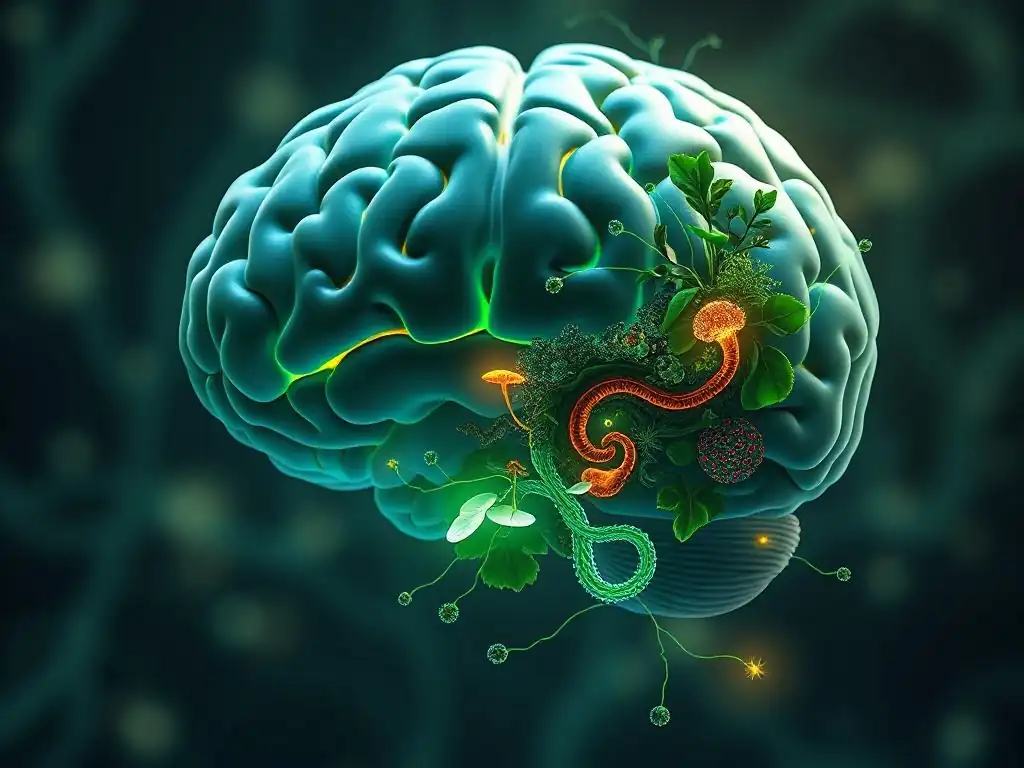
Are you ready to explore a hidden key to unlocking better mental health? It might be closer than you think… much closer. In this article, we delve into the fascinating world of the Gutbrain connection mental health, revealing how your digestive system profoundly impacts your mood, thoughts, and overall psychological state. Prepare to uncover surprising insights and practical strategies that could transform your journey to a happier, healthier you. Intrigued? Let's begin.
- Unlocking the Gut-Brain Connection: Your Mental Health Powerhouse - Mind Care Guide
- The Gut Microbiome: Your Mental Health's Unsung Hero
- The Impact of Gut Health on Specific Mental Health Conditions
- Optimizing Gut Health for Enhanced Mental Wellbeing: Practical Strategies
- Identifying Gut Health Issues Affecting Mental Health
- The Future of Gut-Brain Research and Mental Health Treatment
- Conclusion: Empowering Your Mental Health Through Gut Health
-
Frequently Asked Questions
- What is the Gut-Brain Connection and why is it important for my mental health?
- How does my gut microbiome influence my mental well-being?
- What dietary changes can I make to improve my Gut-Brain Connection?
- Are there any specific mental health conditions that are particularly linked to the Gut-Brain Connection?
- What are some practical steps I can take to start improving my Gut-Brain Connection today?
- Final Reflection: The Mind-Gut Axis: A Journey to Wellbeing
- Ignite Your Inner Wellness: Take Control of Your Gut-Brain Connection
Unlocking the Gut-Brain Connection: Your Mental Health Powerhouse - Mind Care Guide
What is the Gut-Brain Axis? A Comprehensive Overview
The gut-brain axis is a complex, bidirectional communication system that links the central nervous system (brain) with the enteric nervous system (gut). This intricate network involves multiple pathways, including the nervous system (particularly the vagus nerve), the endocrine system (hormones), the immune system, and crucially, the trillions of microorganisms residing in the gut, collectively known as the gut microbiome. Think of it as a superhighway connecting your digestive system and your brain, constantly exchanging signals and influencing everything from digestion to mood and cognitive function.
This constant dialogue means that the state of your gut health can directly impact your mental state, and similarly, your mental state can influence your gut function. For instance, stress can cause digestive upset, while an imbalanced gut microbiome has been linked to feelings of anxiety and depression. Understanding this fundamental connection is key to appreciating how optimizing gut health can be a powerful strategy for enhancing overall mental wellbeing, forming a significant part of the broader understanding of the gutbrain connection mental health landscape.
The Two-Way Street: How Gut Health Affects the Brain and Vice Versa
The relationship between the gut and the brain is not a one-way street; it's a dynamic, reciprocal interaction. When the gut is healthy and its microbiome is balanced, it produces beneficial compounds like short-chain fatty acids (SCFAs) such as butyrate, which can cross the blood-brain barrier and support brain health, reduce inflammation, and even influence neurotransmitter production. Conversely, an unhealthy gut, characterized by inflammation or dysbiosis (an imbalance in gut bacteria), can send distress signals to the brain, potentially contributing to mood disorders, increased stress reactivity, and cognitive issues.
On the flip side, the brain exerts significant control over gut function. Stress, anxiety, and depression can alter gut motility, increase gut permeability (leaky gut), and change the composition of the gut microbiome. This is why many people experience digestive symptoms like nausea, stomach pain, or changes in bowel habits when they are stressed or anxious. This continuous feedback loop highlights why a holistic approach addressing both mental and gut health is essential for optimal wellbeing, underscoring the vital role of the gutbrain connection mental health plays in our lives.
The Role of the Vagus Nerve in Gut-Brain Communication
The vagus nerve is the longest cranial nerve in the body and serves as a primary communication pathway between the gut and the brain. It's a major component of the parasympathetic nervous system, often referred to as the "rest and digest" system.
Approximately 80% of vagal nerve fibers transmit information from the gut to the brain, while the remaining 20% carry signals from the brain to the gut. This means the gut is constantly sending messages about its state – including information about nutrient availability, the presence of pathogens, and the activity of the gut microbiome – directly to the brain via the vagus nerve.
Stimulating the vagus nerve has been shown to have calming effects and can reduce inflammation, impacting both gut function and mood. Practices like deep breathing, meditation, yoga, and even singing can help activate the vagus nerve, potentially improving gut-brain communication and supporting mental health. Research suggests that a healthy, diverse gut microbiome can also positively influence vagal tone, further reinforcing the interconnectedness of the gutbrain connection mental health pathway.
The Gut Microbiome: Your Mental Health's Unsung Hero
Gut Microbiota: Composition and Diversity
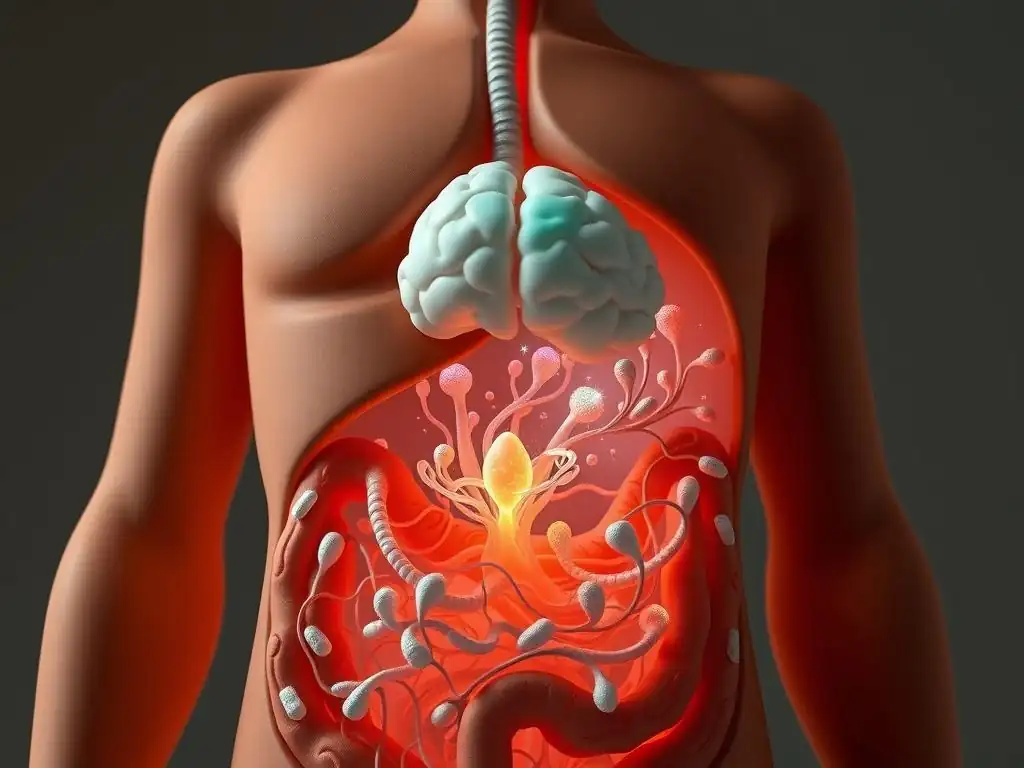
The gut microbiota refers to the trillions of microorganisms, primarily bacteria, but also viruses, fungi, and archaea, that live in the human digestive tract. While often referred to as "gut bacteria," it's important to recognize the diverse ecosystem within the gut. The composition of an individual's gut microbiome is unique, influenced by factors like genetics, diet, lifestyle, antibiotic use, and early life exposures. A healthy gut microbiome is characterized by high diversity – meaning there are many different species of microbes present – and a balance between beneficial and potentially harmful bacteria.
Different species of bacteria perform different functions. For example, some bacteria are crucial for breaking down complex carbohydrates that humans cannot digest, producing beneficial short-chain fatty acids like butyrate, propionate, and acetate. Others are involved in synthesizing vitamins, metabolizing bile acids, and training the immune system. A reduction in diversity or an imbalance, known as dysbiosis, can disrupt these functions and has been associated with various health issues, including those related to the gutbrain connection mental health axis.
How Gut Bacteria Influence Mood, Anxiety, and Cognitive Function
The gut bacteria influence mood, anxiety, and cognitive function through several mechanisms. They produce a wide array of neuroactive compounds, including neurotransmitters like serotonin, dopamine, and GABA, although the extent to which these locally produced neurotransmitters directly cross into the brain is still an area of active research. However, they certainly influence the enteric nervous system and can signal the brain via the vagus nerve. For instance, an estimated 90% of the body's serotonin is produced in the gut, playing roles in gut motility and potentially influencing mood via the gut-brain axis.
Furthermore, gut microbes produce SCFAs, which have anti-inflammatory properties and can directly impact brain function and structure. They also influence the production of inflammatory cytokines, which can travel to the brain and affect mood and cognition. Dysbiosis and increased gut permeability can lead to chronic low-grade inflammation throughout the body, including the brain, which is implicated in the development of depression and anxiety. This intricate interplay underscores how profoundly gut bacteria impact the gutbrain connection mental health link.
The Gut Microbiome-Mental Health Link: Scientific Evidence
Scientific evidence supporting the gut microbiome-mental health link is rapidly accumulating from both animal studies and human research. Animal models have shown that altering the gut microbiome can induce changes in anxiety, depression, and social behavior. For example, studies in mice have demonstrated that transferring gut microbes from depressed humans to germ-free mice can induce depressive-like behaviors in the mice.
In humans, observational studies consistently find differences in the gut microbiome composition of individuals with mental health conditions compared to healthy controls. For instance, studies have reported reduced diversity and altered ratios of certain bacterial phyla (like Firmicutes and Bacteroidetes) in individuals with depression and anxiety.
Furthermore, clinical trials exploring the effects of probiotics (beneficial bacteria) and prebiotics (food for beneficial bacteria) on mood and anxiety have shown promising, albeit sometimes mixed, results. A meta-analysis published in 2020, reviewing 21 studies, found that probiotic supplementation had a small but significant positive effect on symptoms of depression and anxiety, highlighting the potential therapeutic avenue within the gutbrain connection mental health field.
The Impact of Gut Health on Specific Mental Health Conditions
Gut Dysbiosis and its Link to Anxiety Disorders
Gut dysbiosis, an imbalance in the gut microbial community, is increasingly recognized for its potential role in anxiety disorders. Research suggests that an unhealthy gut can trigger the release of stress hormones and inflammatory compounds that signal the brain, contributing to feelings of anxiety. For example, studies have shown that individuals with Irritable Bowel Syndrome (IBS), a condition strongly linked to gut dysbiosis, have a significantly higher prevalence of anxiety compared to the general population, with estimates suggesting up to 60% of IBS patients also experience anxiety or depression.
Mechanisms linking dysbiosis to anxiety include altered production of GABA (an inhibitory neurotransmitter that reduces anxiety), increased gut permeability leading to systemic inflammation, and changes in the stress response axis (hypothalamic-pituitary-adrenal or HPA axis). Restoring balance to the gut microbiome through dietary changes, probiotics, or prebiotics is an active area of research aimed at developing novel strategies for managing anxiety, illustrating a key aspect of the gutbrain connection mental health research.
The Connection Between Gut Inflammation and Depression
Chronic low-grade inflammation originating in the gut is strongly implicated in the pathophysiology of depression. An unhealthy diet, stress, and dysbiosis can damage the gut lining, leading to increased permeability ("leaky gut"). This allows bacterial products and toxins to enter the bloodstream, triggering a systemic inflammatory response. Inflammatory cytokines produced in the gut and elsewhere can cross the blood-brain barrier or signal the brain via the vagus nerve, affecting neurotransmitter metabolism (like serotonin and dopamine), neurogenesis (the growth of new neurons), and synaptic plasticity, all of which are crucial for mood regulation.
Studies have shown elevated levels of inflammatory markers like C-reactive protein (CRP) and interleukins in individuals with depression. Furthermore, interventions aimed at reducing gut inflammation, such as dietary changes (e.g., increasing fiber and omega-3 fatty acids, reducing processed foods) or using anti-inflammatory supplements, have shown potential in improving depressive symptoms. This inflammatory pathway represents a significant mechanism by which gut health influences the gutbrain connection mental health axis and contributes to depressive states.
Gut Health and Autism Spectrum Disorder: Emerging Research
Emerging research points towards a complex interplay between gut health and Autism Spectrum Disorder (ASD). Individuals with ASD often experience gastrointestinal issues, with estimates suggesting that between 40% and 80% report chronic gut problems like constipation, diarrhea, or abdominal pain, significantly higher than in the general population. Studies have also identified differences in the gut microbiome composition of children with ASD compared to typically developing children, often showing reduced diversity and alterations in certain bacterial groups.
While the exact nature of the link is still being investigated, hypotheses include the role of microbial metabolites affecting brain development and function, increased gut permeability leading to inflammation and entry of neuroactive compounds, and altered serotonin metabolism. Some preliminary studies exploring interventions like probiotics or dietary changes (such as gluten-free, casein-free diets) have reported improvements in both GI symptoms and some behavioral aspects in subgroups of children with ASD, suggesting that targeting the gut could be a potential avenue for support, further highlighting the broad implications of the gutbrain connection mental health research.
The Gut-Brain Axis in Neurodegenerative Diseases (Alzheimer's and Parkinson's)
The gut-brain axis is also being explored for its potential role in neurodegenerative diseases like Alzheimer's Disease (AD) and Parkinson's Disease (PD). In Parkinson's, evidence suggests that the disease process might begin in the gut years before motor symptoms appear.
Aggregates of alpha-synuclein protein, a hallmark of PD, have been found in the enteric nervous system of individuals with PD, and it's hypothesized that these aggregates might travel from the gut to the brain via the vagus nerve. Gut dysbiosis and inflammation are also common in PD patients and are thought to contribute to both motor and non-motor symptoms like anxiety and depression.
Similarly, in Alzheimer's Disease, gut dysbiosis and inflammation are proposed contributors to neuroinflammation and amyloid plaque formation in the brain. The gut microbiome can produce metabolites that influence amyloid aggregation and neuroinflammation. Research is exploring whether modulating the gut microbiome could be a potential therapeutic strategy for these devastating conditions. While still in early stages, this research underscores the profound and far-reaching influence of the gutbrain connection mental health extends to neurological health.
Optimizing Gut Health for Enhanced Mental Wellbeing: Practical Strategies
Diet and the Gut-Brain Connection: Foods to Promote Mental Health
Diet is arguably the most powerful tool we have for influencing the gut microbiome and, subsequently, the gut-brain connection. A diet rich in diverse plant-based foods provides the necessary fiber and nutrients to support a healthy and diverse microbial community. Conversely, a diet high in processed foods, sugar, and unhealthy fats can promote the growth of less beneficial bacteria and contribute to inflammation. Focusing on whole, unprocessed foods is a cornerstone of supporting both gut health and mental wellbeing.
Specific dietary patterns, like the Mediterranean diet, which is high in fruits, vegetables, whole grains, nuts, seeds, and olive oil, and includes fermented foods, have been associated with improved mood and a lower risk of depression. This diet provides ample fiber to feed beneficial gut bacteria and is rich in anti-inflammatory compounds. Making conscious food choices is a tangible step towards leveraging the power of the gutbrain connection mental health benefits.
Prebiotic Foods: Fueling Beneficial Gut Bacteria
Prebiotics are non-digestible fibers and compounds that selectively feed beneficial bacteria in the gut. They are essentially the 'food' for probiotics. When gut bacteria ferment prebiotics, they produce beneficial SCFAs like butyrate, which nourishes gut cells, reduces inflammation, and supports brain health. Including a variety of prebiotic-rich foods in your diet helps cultivate a thriving community of beneficial microbes.
Excellent sources of prebiotics include garlic, onions, leeks, asparagus, bananas (especially slightly green ones), oats, barley, apples, flaxseeds, and chicory root. Aiming for a diverse intake of these foods ensures you're feeding a wide range of beneficial bacteria. For example, consuming about 5-8 grams of prebiotic fiber daily, as found in roughly one large onion and a banana, can significantly impact gut microbial activity, positively influencing the gutbrain connection mental health pathway.
Probiotic Foods: Introducing Healthy Bacteria to Your Gut
Probiotic foods contain live, beneficial bacteria that, when consumed in adequate amounts, can confer health benefits, including supporting gut microbiome diversity and function. While they may not permanently colonize the gut, they can transiently influence the existing microbial community and interact with the host's immune system and gut lining.
Examples of probiotic-rich foods include fermented foods like yogurt (with live and active cultures), kefir, sauerkraut, kimchi, tempeh, miso, and kombucha. It's important to choose products that specify "live and active cultures" and are traditionally fermented, as processing can sometimes destroy beneficial bacteria. Incorporating a serving or two of these foods daily can be a simple way to introduce beneficial microbes and support the gutbrain connection mental health axis.
The Impact of Processed Foods, Sugar, and Artificial Sweeteners on Gut Health and Mental Health
Highly processed foods, excessive sugar, and artificial sweeteners can have detrimental effects on gut health and, consequently, mental health. Diets high in sugar and refined carbohydrates tend to favor the growth of less beneficial bacteria and can increase gut permeability and inflammation. Studies have linked high sugar intake to an increased risk of depression and anxiety.
Artificial sweeteners, such as aspartame and saccharin, have also been shown in some studies to alter the composition and function of the gut microbiome, potentially leading to dysbiosis. While research is ongoing, the consensus is that minimizing consumption of processed foods, added sugars (like high-fructose corn syrup), and artificial sweeteners is crucial for maintaining a healthy gut and supporting the positive gutbrain connection mental health relies upon.
Lifestyle Factors Influencing the Gut-Brain Axis
Beyond diet, several lifestyle factors significantly impact the gut-brain axis. Chronic stress, poor sleep, and lack of physical activity can all negatively affect the gut microbiome and gut barrier function, contributing to inflammation and impacting mental health. Conversely, adopting healthy lifestyle habits can strengthen the gut-brain connection and promote overall wellbeing.
Integrating stress management techniques, prioritizing sufficient sleep, and engaging in regular exercise are powerful strategies that complement dietary changes in supporting gut health and mental resilience. These lifestyle choices work synergistically with nutrition to foster a healthy internal environment, reinforcing the positive feedback loops within the gutbrain connection mental health system.
The Role of Stress Management in Gut Health and Mental Wellness
Stress is a major disruptor of the gut-brain axis. The brain's response to stress activates the sympathetic nervous system ("fight or flight"), which can slow digestion, alter gut motility, and change gut permeability. Chronic stress can also negatively impact the composition of the gut microbiome, reducing beneficial bacteria and potentially increasing pathogenic ones. This creates a vicious cycle where stress harms the gut, and an unhealthy gut can exacerbate stress and anxiety.
Practicing stress management techniques is therefore vital for both gut and mental health. Techniques like mindfulness meditation, deep breathing exercises, yoga, spending time in nature, and engaging in hobbies can help activate the parasympathetic nervous system ("rest and digest"), counteracting the negative effects of stress on the gut. For example, a daily 15-minute meditation practice has been shown in some studies to reduce stress hormone levels and improve symptoms of stress-related gut issues, demonstrating a direct link in the gutbrain connection mental health pathway.
The Importance of Sleep for a Healthy Gut Microbiome
Sleep and the gut microbiome have a bidirectional relationship. Lack of sleep or disrupted sleep patterns can negatively alter the composition and diversity of the gut microbiome within as little as a few days. This disruption can lead to increased gut permeability and inflammation, impacting the gut-brain axis and potentially worsening mood and cognitive function. For instance, studies have shown that just two nights of partial sleep deprivation (sleeping only 4 hours) can significantly change the gut bacterial community.
Conversely, the gut microbiome can influence sleep patterns by affecting the production of neurotransmitters and signaling molecules that regulate the sleep-wake cycle. Prioritizing 7-9 hours of quality sleep per night is crucial for maintaining a healthy gut microbiome and supporting optimal function of the gutbrain connection mental health relies on. Establishing a regular sleep schedule and creating a relaxing bedtime routine can help improve sleep quality.
Exercise and its Positive Effects on Gut Health and Mood
Regular physical exercise has numerous benefits for both physical and mental health, and emerging research highlights its positive impact on the gut microbiome. Exercise appears to increase the diversity of gut bacteria and promote the growth of beneficial species, including those that produce SCFAs. It can also improve gut motility and reduce inflammation.
The positive effects of exercise on mood are well-established, partly mediated by the release of endorphins and improvements in neurotransmitter balance. The gut-microbiome changes induced by exercise may provide an additional pathway through which physical activity benefits mental health, reinforcing the multifaceted nature of the gutbrain connection mental health benefits. Aiming for at least 150 minutes of moderate-intensity aerobic exercise per week, as recommended by health guidelines, can be beneficial for both your gut and your mind.
Supplements for Gut Health and Mental Health Support
While diet and lifestyle are the foundational pillars for optimizing gut health, certain supplements may offer additional support, particularly when dietary intake is insufficient or specific imbalances are present. However, it's crucial to approach supplementation thoughtfully and ideally under the guidance of a healthcare professional, as the efficacy of supplements can vary depending on the individual and the specific product.
Supplements targeting the gut-brain axis often fall into categories like probiotics, prebiotics, or compounds that support gut barrier integrity. Understanding what each type of supplement does can help you determine if it might be a helpful addition to your strategy for supporting the gutbrain connection mental health.
Probiotic Supplements: Choosing the Right Strain for Your Needs
Probiotic supplements contain live microorganisms intended to confer a health benefit when consumed. Different strains of probiotics have been studied for different effects. For example, certain strains like Lactobacillus helveticus R0052 and Bifidobacterium longum R0175 have been studied for their potential effects on anxiety and stress, sometimes referred to as "psychobiotics." Other strains, like Lactobacillus rhamnosus GG, have shown promise in improving mood in some studies.
Choosing the "right" probiotic supplement can be complex. Look for products from reputable manufacturers that list specific strains (not just the genus and species) and the number of colony-forming units (CFUs), typically in the billions. Consider consulting a healthcare provider or a registered dietitian knowledgeable in gut health to help select a strain or blend that might be most appropriate for your specific needs and mental health goals, ensuring a targeted approach to the gutbrain connection mental health support.
Prebiotic Supplements: Enhancing Gut Microbiome Diversity
Prebiotic supplements contain concentrated sources of the fibers that feed beneficial gut bacteria. Common types include inulin, fructooligosaccharides (FOS), galactooligosaccharides (GOS), and partially hydrolyzed guar gum (PHGG). These supplements can be particularly useful if your dietary intake of prebiotic-rich foods is low.
Adding prebiotic supplements can help increase the population and activity of beneficial bacteria like Bifidobacteria and Lactobacilli, leading to increased production of beneficial SCFAs. However, starting with a low dose and gradually increasing is often recommended to avoid potential side effects like gas and bloating. Enhancing gut microbiome diversity through prebiotics is another way to positively influence the gutbrain connection mental health pathway.
Other Gut-Supporting Supplements (L-Glutamine and Digestive Enzymes)
Other supplements may also support gut health, indirectly benefiting the gut-brain axis. L-Glutamine is an amino acid that is a primary fuel source for the cells lining the gut (enterocytes) and plays a crucial role in maintaining the integrity of the gut barrier. Supplementing with L-Glutamine may help repair a "leaky gut," reducing inflammation and potentially improving the gut-brain connection. Studies have shown L-Glutamine can support gut barrier function, which is vital for preventing inflammatory compounds from entering the bloodstream.
Digestive enzyme supplements can help break down food more efficiently, potentially reducing the burden on the digestive system and minimizing the production of fermentation byproducts that can cause discomfort and potentially contribute to dysbiosis. While not directly altering the microbiome, improving digestion can support overall gut function, which in turn can positively impact the gutbrain connection mental health. Again, consulting a healthcare professional before starting these or any supplements is advisable.
Identifying Gut Health Issues Affecting Mental Health
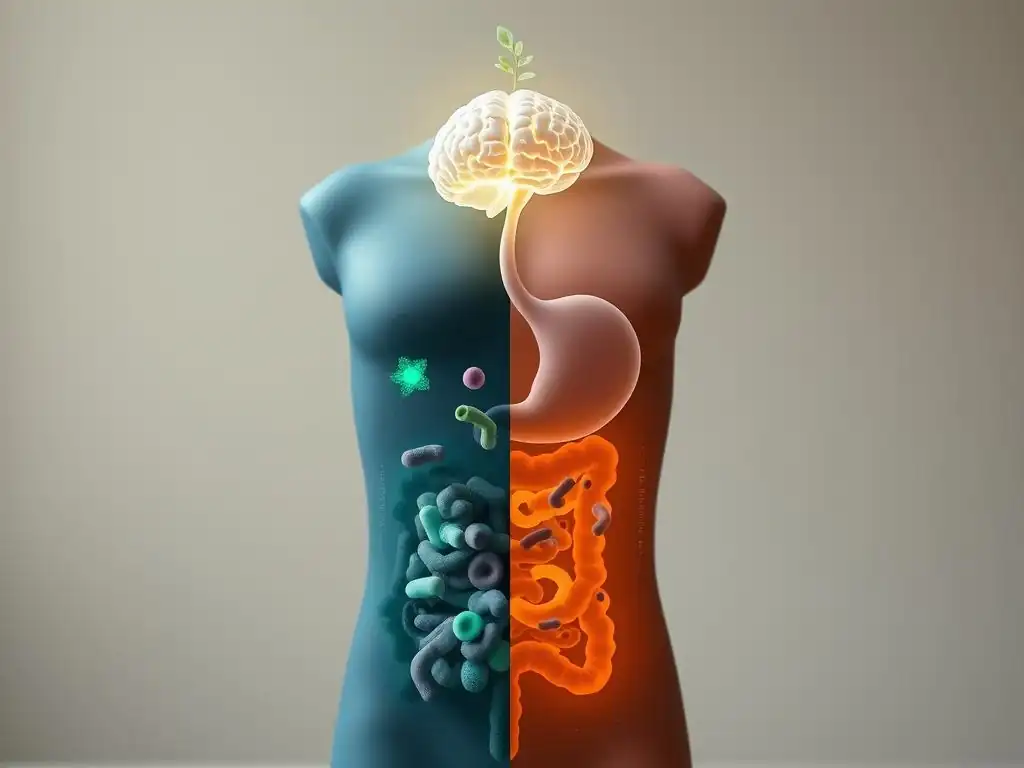
Recognizing that your gut health might be impacting your mental state is the first step towards addressing the issue. While the gut-brain connection is complex, certain signs and symptoms can suggest an underlying gut imbalance or dysfunction that could be contributing to mental health challenges.
Understanding these indicators and knowing when to seek professional guidance is crucial for developing an effective strategy to support both your gut and your mind. This section explores common symptoms, diagnostic tools, and the importance of professional consultation in navigating the gutbrain connection mental health landscape.
Recognizing the Symptoms of Gut Dysbiosis
Symptoms of gut dysbiosis can vary widely and often overlap with common digestive issues. These may include persistent bloating, gas, abdominal pain, constipation, diarrhea, or alternating bowel habits. However, because of the gut-brain connection, dysbiosis symptoms can extend beyond the digestive tract and manifest as systemic or mental health issues.
Non-digestive symptoms potentially linked to dysbiosis include fatigue, skin problems (like eczema or acne), joint pain, unintentional weight changes, nutrient deficiencies (due to poor absorption), and notably, mood changes such as increased anxiety, irritability, or difficulty concentrating ("brain fog"). While these symptoms are non-specific and can be caused by many factors, experiencing chronic digestive issues alongside mental health symptoms might indicate that the gutbrain connection mental health pathway is compromised.
Gut Health Tests: Understanding Your Gut Microbiome Composition
Various gut health tests are available that aim to provide insights into the composition and function of your gut microbiome. Stool tests are the most common type, analyzing DNA from bacteria and other microbes in a stool sample to identify different species and assess diversity. Some tests also measure markers of gut inflammation, gut permeability, and the presence of pathogens or beneficial metabolites like SCFAs.
While these tests can offer valuable information, it's important to interpret results with caution and ideally in consultation with a knowledgeable healthcare professional. The field of microbiome testing is still evolving, and results should be considered alongside clinical symptoms and medical history. A typical comprehensive stool test might analyze hundreds or thousands of bacterial species, providing a snapshot of the gut ecosystem relevant to the gutbrain connection mental health.
When to Seek Professional Help: Consulting a Doctor or Registered Dietitian
If you suspect your gut health is impacting your mental health, or if you experience persistent digestive or mental health symptoms, it is important to seek professional help. A medical doctor can rule out underlying medical conditions that might be causing your symptoms and can provide appropriate treatment or referrals.
A registered dietitian, particularly one specializing in gut health or functional nutrition, can help you assess your diet, identify potential triggers, and develop a personalized dietary and lifestyle plan to support your gut microbiome and overall wellbeing. They can also help interpret gut health test results. Collaborating with healthcare professionals ensures you receive evidence-based guidance tailored to your specific needs for optimizing the gutbrain connection mental health.
The Future of Gut-Brain Research and Mental Health Treatment
The field of gut-brain research is rapidly expanding, holding immense promise for developing novel approaches to understanding and treating mental health conditions. As we uncover more about the intricate communication pathways and the specific roles of different microbes and their metabolites, we move closer to targeted interventions.
Future treatments are likely to move beyond broad approaches to highly personalized strategies based on an individual's unique gut microbiome profile and specific gut-brain axis imbalances. This represents an exciting frontier in mental healthcare, leveraging the power of the gutbrain connection mental health offers.
Emerging Therapies Targeting the Gut-Brain Axis
Several emerging therapies are directly targeting the gut-brain axis for mental health treatment. These include the development of "psychobiotics" – specific probiotic strains or combinations that have demonstrated positive effects on mood, anxiety, or cognitive function in clinical trials. Research is focusing on identifying the most effective strains and dosages for specific conditions.
Other areas of exploration include using prebiotics to selectively stimulate the growth of beneficial bacteria, postbiotics (beneficial compounds produced by bacteria), and even interventions like vagus nerve stimulation, which can directly modulate the communication between the gut and the brain. These innovative therapies represent a significant shift in how we approach mental health, recognizing the gut as a key player in the gutbrain connection mental health.
Personalized Nutrition and the Gut Microbiome
The concept of personalized nutrition based on an individual's gut microbiome composition is gaining traction. As microbiome testing becomes more sophisticated and affordable, it may become possible to receive dietary recommendations tailored to optimize your specific microbial profile for better health outcomes, including mental wellbeing.
This approach moves beyond general dietary guidelines to recommendations for specific foods, fibers, and perhaps even personalized probiotic or prebiotic interventions designed to cultivate a microbiome associated with positive mental health outcomes. Research is ongoing to determine the efficacy and practicality of microbiome-guided personalized nutrition, promising a future where diet is even more precisely leveraged for the gutbrain connection mental health.
The Potential of Fecal Microbiota Transplantation (FMT) for Mental Health Conditions
Fecal Microbiota Transplantation (FMT), which involves transferring stool from a healthy donor to a recipient to restore a balanced gut microbiome, has shown significant success in treating recurrent Clostridioides difficile infection. Now, researchers are exploring its potential for conditions linked to gut dysbiosis, including certain mental health conditions.
While still highly experimental and not a standard treatment for mental health, preliminary studies and case reports are investigating the effects of FMT on conditions like depression, anxiety, and ASD. The hypothesis is that introducing a diverse and healthy microbial community can reset the gut-brain axis. Rigorous clinical trials are needed to determine the safety, efficacy, and specific indications for FMT in the context of the gutbrain connection mental health.
Conclusion: Empowering Your Mental Health Through Gut Health
Understanding the profound and intricate gut-brain connection reveals a powerful pathway for influencing your mental wellbeing. Your gut is not just a digestive organ; it's a dynamic ecosystem teeming with trillions of microbes that constantly interact with your brain, influencing your mood, stress levels, and cognitive function. Recognizing the vital role of the gutbrain connection mental health plays in our lives opens up new possibilities for enhancing our mental resilience.
By focusing on nurturing a healthy and diverse gut microbiome through conscious diet and lifestyle choices, you are taking proactive steps to empower your mental health. This approach is not about replacing traditional mental health treatments but rather complementing them by addressing a fundamental biological system that significantly impacts brain function and emotional regulation.
Taking Control of Your Gut-Brain Connection for a Healthier Mind
Taking control of your gut-brain connection involves a holistic approach. It starts with mindful eating, prioritizing whole, fiber-rich foods, and incorporating fermented foods. It extends to managing stress effectively, ensuring adequate sleep, and engaging in regular physical activity. For some, targeted supplementation might offer additional support, always best undertaken with professional guidance.
Embracing the principles of gut health is an investment in your overall wellbeing. By nurturing your gut, you are sending positive signals to your brain, fostering resilience, and paving the way for a healthier, happier mind. The journey towards optimizing your gutbrain connection mental health is continuous, but the potential rewards for your mental and physical health are immense.
Frequently Asked Questions
What is the Gut-Brain Connection and why is it important for my mental health?
The Gut-Brain Connection refers to the bidirectional communication between your digestive system and your brain. It's important because disruptions in your gut can directly impact your mood, stress levels, and even cognitive function.
How does my gut microbiome influence my mental well-being?
The gut microbiome, composed of trillions of bacteria, produces neurotransmitters like serotonin and dopamine. Imbalances in this microbiome can affect neurotransmitter production, potentially leading to mental health challenges.
What dietary changes can I make to improve my Gut-Brain Connection?
Focus on a diet rich in fiber, probiotics, and prebiotics to nourish your gut bacteria. Limiting processed foods, sugar, and artificial sweeteners can also positively impact your gut health and, consequently, your mental well-being.
Are there any specific mental health conditions that are particularly linked to the Gut-Brain Connection?
Research suggests a strong link between gut health and conditions like anxiety, depression, and irritable bowel syndrome (IBS). Addressing gut imbalances may offer supportive benefits alongside traditional treatments.
What are some practical steps I can take to start improving my Gut-Brain Connection today?
Start by incorporating probiotic-rich foods like yogurt or kefir into your diet. Also, focus on reducing stress through mindfulness or exercise, as stress can negatively affect your gut health.
Final Reflection: The Mind-Gut Axis: A Journey to Wellbeing
The intricate relationship between our gut and brain is no longer a niche scientific concept; it's a fundamental truth impacting our daily mental health. Understanding this connection empowers us to take proactive steps towards improved wellbeing, moving beyond simplistic solutions to address the root causes of mental distress. This knowledge is not just theoretical; it's a powerful tool for navigating the complexities of modern life and fostering resilience.
The exploration of the gut-brain axis has profoundly shifted my understanding of mental health, moving beyond the purely neurological to encompass the holistic nature of our being. It's a reminder that we are interconnected systems, and neglecting the health of one part inevitably impacts the whole. This resonates deeply with the wisdom of ancient cultures who understood the profound link between physical and mental wellbeing. A healthy mind in a healthy body.
This simple statement, often overlooked in our modern, fragmented approach to healthcare, encapsulates the core message of this article: a thriving gut is essential for a thriving mind.
Now, consider your own gut health. What steps can you take today to nurture this vital connection? Are you nourishing your gut microbiome with a diverse diet rich in fruits, vegetables, and fiber? Are you managing stress effectively, recognizing its impact on your digestive system and, consequently, your mental state? This isn't about perfection; it's about conscious choices, small steps towards a healthier, happier you. Embrace this knowledge, and embark on your journey towards unlocking the incredible power of your gut-brain connection.
Ignite Your Inner Wellness: Take Control of Your Gut-Brain Connection
Thanks for taking the time to explore the fascinating world of the gut-brain connection! We hope you gained valuable insights into how your gut health impacts your mental well-being. Now it's time to put that knowledge into action.
- Prioritize Gut-Friendly Foods: Start incorporating more fiber-rich foods and fermented products into your daily diet. This is the most impactful step you can take toward a happier, healthier gut and mind.
- Share Your Journey: Tell a friend or family member about what you learned today. Sharing your newfound knowledge can inspire others to prioritize their gut health too!
- Explore Mindful Eating: Try practicing mindful eating for a week, paying attention to your body's hunger and fullness cues. This surprisingly simple change can improve digestion and reduce stress.
Ready to unlock the full potential of your gut-brain connection? What's one gut-healthy change you'll implement today?