
Unpacking the Myth: Why "Chemical Imbalance" is Too Simple an Explanation


Welcome to Mind Care Guide.
Are you searching for clarity amidst the noise surrounding mental health? Perhaps you've heard the term " chemical imbalance" thrown around, but felt like something was missing. You're not alone. In this article, we delve deeper, moving beyond simplistic explanations to provide a more nuanced and comprehensive mental health chemical imbalance explanation. Prepare to unpack the myth and discover a richer understanding of your mental well-being. Intrigued? Let's explore together...
Unpacking the Myth: Why "Chemical Imbalance" is Too Simple an Explanation for Depression
- Introduction to Depression and the "Chemical Imbalance" Theory
- Neuroscience of Depression: Beyond Serotonin
- Neurotransmitters and Depression: A Deeper Dive
- The Problem with Oversimplification: Why "Chemical Imbalance" Falls Short in Explaining Depression
- The Multifaceted Nature of Depression: Exploring Alternative Explanations
- Beyond Chemical Imbalance: A Holistic Approach to Depression
- Effective Treatments that Go Beyond "Fixing" a Chemical Imbalance
-
Debunking the Myth: Addressing Common Misconceptions About "Chemical Imbalance" and Depression
- Myth 1: Depression is Solely a Result of a Chemical Imbalance
- Reality: Depression is a complex interplay of biological, psychological, and social factors, not solely a chemical imbalance.
- Myth 2: Antidepressants "Fix" a Chemical Imbalance and Cure Depression
- Reality: Antidepressants can alleviate symptoms, but they don't "cure" depression, and their effects are more complex than simply correcting a chemical imbalance.
- Myth 3: Everyone with Depression Has the Same "Chemical Imbalance"
- Reality: Depression manifests differently in individuals, and the underlying neurobiological mechanisms can vary significantly.
- The Future of Depression Understanding: Moving Beyond Simplistic Explanations
- Conclusion: Embracing a More Comprehensive View of Depression
-
Frequently Asked Questions
- What is the main argument against the "chemical imbalance" theory of mental illness?
- If mental illness isn't simply a "chemical imbalance," what factors do contribute?
- Does medication still play a role in mental health treatment if chemical imbalance isn't the sole cause?
- What are some alternative explanations or models for understanding mental health conditions?
- Where can I find more comprehensive information and support for mental health challenges?
- Final Reflection: Beyond the Chemistry: Understanding the Nuances of Mental Illness
- Unlock Your Understanding of Mental Wellness
Introduction to Depression and the "Chemical Imbalance" Theory
Depression is a complex and debilitating mental health condition that affects millions of people worldwide. It is characterized by persistent feelings of sadness, loss of interest or pleasure, and a range of emotional and physical problems. Understanding the underlying causes of depression is crucial for effective treatment and support. For many years, the concept of a "chemical imbalance" in the brain has been a popular and seemingly straightforward explanation for this multifaceted illness.
This article delves into why the simple "chemical imbalance" model, particularly concerning mental health chemical imbalance explanation, falls short of capturing the true complexity of depression. While neurotransmitters certainly play a role, reducing depression solely to a deficiency or excess of certain brain chemicals overlooks the intricate interplay of biological, psychological, and environmental factors. A more nuanced understanding is essential for developing effective, personalized approaches to care and reducing the stigma often associated with mental health conditions.
The Allure of Simplicity: Understanding the Appeal of the Chemical Imbalance Theory in Explaining Depression
The idea of a chemical imbalance offers an easily digestible explanation for a complex and often confusing experience like depression. It provides a seemingly concrete, biological cause that can be conceptually "fixed" by medication. In a world seeking clear answers, this model provides a comforting, albeit incomplete, narrative. It suggests that depression is a medical illness, like diabetes or a thyroid condition, caused by a specific biological deficit that can be corrected with the right treatment.
This simplicity has made the mental health chemical imbalance explanation widely adopted in popular culture and even within clinical settings for ease of communication. It removes some of the perceived blame from the individual, framing depression as something happening to them rather than something they are doing wrong. For instance, the idea that low serotonin causes depression is easy to grasp, suggesting that increasing serotonin levels through medication will alleviate the symptoms. This linear cause-and-effect model is much simpler than explaining the intricate neural circuits, genetic predispositions, life experiences, and psychological patterns that contribute to the condition.
A Nuanced Approach: Recognizing the Complexity of Depression Beyond Neurotransmitters
While the "chemical imbalance" theory provided an initial hypothesis and spurred research into the brain's chemistry, modern neuroscience reveals a far more intricate picture. Depression involves widespread changes in brain function, structure, and connectivity, extending far beyond simple levels of neurotransmitters. Brain imaging studies, for example, often show altered activity in regions like the prefrontal cortex (involved in decision-making and mood regulation), the hippocampus (involved in memory and emotion), and the amygdala (involved in processing fear and emotion).
Furthermore, the experience of depression is highly variable among individuals. Two people diagnosed with major depressive disorder can present with very different symptom profiles, treatment responses, and underlying contributing factors. This variability is hard to reconcile with a single, universal chemical imbalance. A truly comprehensive understanding requires considering how genetics, stressful life events, chronic illness, inflammation, sleep patterns, social support, and individual psychological traits interact with neurobiological processes to contribute to the development and persistence of depressive symptoms.
Neuroscience of Depression: Beyond Serotonin
Understanding the neuroscience of depression requires looking beyond single neurotransmitters and examining the broader neural networks involved. Key brain regions like the limbic system (including the amygdala and hippocampus), prefrontal cortex, and anterior cingulate cortex are interconnected and play crucial roles in regulating mood, emotion, and cognition. Dysregulation in these circuits, rather than just an isolated chemical issue, is believed to be central to the experience of depression. For example, studies suggest that chronic stress can lead to reduced volume in the hippocampus, impacting mood and memory.
Research using fMRI (functional Magnetic Resonance Imaging) has shown altered patterns of activity and connectivity between these brain regions in individuals with depression. For instance, there might be increased activity in the amygdala (associated with fear and negative emotions) and decreased activity in areas of the prefrontal cortex responsible for regulating these emotions. This suggests a breakdown in the brain's ability to effectively process emotional information and regulate mood, which is a far more complex phenomenon than simply having "too little" of a single chemical.
The Complex Interplay of Brain Regions and Neurotransmitters in Depression
Depression doesn't result from a deficit in just one neurotransmitter; it involves intricate interactions between multiple neurotransmitter systems and specific brain circuits. For example, while serotonin is often discussed, norepinephrine and dopamine systems are also deeply implicated in regulating mood, motivation, and pleasure, symptoms often disrupted in depression. These neurotransmitters don't act in isolation; they modulate activity within complex neural networks responsible for processing emotions, thoughts, and behaviors.
Consider the reward pathway, heavily influenced by dopamine. In depression, this pathway often shows reduced activity, contributing to anhedonia – the inability to experience pleasure. This isn't just about dopamine levels but also about the sensitivity of dopamine receptors and the overall function of the circuit connecting areas like the ventral tegmental area and the nucleus accumbens. Similarly, stress responses involve the hypothalamic-pituitary-adrenal (HPA) axis, which interacts with neurotransmitter systems and can become dysregulated in depression, leading to elevated cortisol levels that impact brain function.
Limitations of Attributing Depression Solely to a Serotonin Imbalance
The focus on serotonin as the primary culprit in depression, often central to a simplistic mental health chemical imbalance explanation, is a significant oversimplification. While many common antidepressants target the serotonin system (Selective Serotonin Reuptake Inhibitors or SSRIs), their mechanism of action is more complex than simply increasing serotonin levels to correct an imbalance. SSRIs block the reabsorption of serotonin, leading to more serotonin in the synaptic cleft, but the clinical effects typically take weeks to appear, suggesting that downstream adaptations in receptors, gene expression, and neural circuitry are crucial.
Furthermore, numerous studies have failed to consistently find evidence of lower serotonin levels or reduced serotonin activity in people with depression compared to those without the condition. While some individuals may have variations in serotonin system function that contribute to vulnerability, it is not a universal finding or a direct cause-and-effect relationship. This highlights that targeting a single neurotransmitter system, while sometimes effective in symptom management, does not address the full spectrum of neurobiological changes involved in depression, reinforcing the limitations of the simple "chemical imbalance" model.
Neurotransmitters and Depression: A Deeper Dive
Neurotransmitters are the chemical messengers that nerve cells (neurons) use to communicate with each other. They are released from one neuron and bind to receptors on another neuron, transmitting signals across the tiny gap called the synapse. This intricate communication network underpins all brain functions, including mood, cognition, and behavior. Understanding the role of neurotransmitters is essential, but it must be within the context of the broader neural circuitry and overall brain health.
There are many different types of neurotransmitters, each with specific functions and distributions throughout the brain. Their activity is tightly regulated by synthesis, release, binding to receptors, and reuptake or breakdown processes. Disruptions at any of these steps, or changes in the sensitivity or number of receptors, can potentially affect brain function. However, simply measuring the levels of neurotransmitters in the brain is incredibly difficult and often doesn't reflect the complex dynamics occurring at the synapse or within specific circuits.
Understanding Neurotransmitters: Messengers of the Brain
Neurons communicate via electrical and chemical signals. When an electrical signal reaches the end of a neuron (the axon terminal), it triggers the release of neurotransmitters into the synaptic cleft. These molecules then diffuse across the gap and bind to specific receptors on the receiving neuron (the dendrite). This binding can either excite or inhibit the receiving neuron, influencing whether it fires its own electrical signal. This process happens millions of times every second, creating the complex computations that underlie thought, feeling, and action.
The effectiveness of neurotransmitter signaling depends on several factors: the amount of neurotransmitter released, how quickly it is cleared from the synapse (by reuptake transporters or enzymes), the number and sensitivity of receptors on the receiving neuron, and the intracellular signaling pathways activated by receptor binding. Variations in genes that code for neurotransmitter transporters, receptors, or enzymes, as well as environmental factors like stress, can influence the efficiency and balance of these signaling systems.
Key Neurotransmitters Involved in Depression: Serotonin, Dopamine, Norepinephrine, and Glutamate
While the "chemical imbalance" narrative often focuses narrowly on serotonin, several neurotransmitters are implicated in the complex neurobiology of depression.
- Serotonin: Often associated with mood, sleep, appetite, and social behavior. Dysregulation is thought to contribute to symptoms like low mood, sleep disturbances, and changes in appetite.
- Norepinephrine: Involved in alertness, energy, and stress response. Low levels or impaired signaling may contribute to fatigue, difficulty concentrating, and lack of motivation.
- Dopamine: Key to the brain's reward system, motivation, and pleasure. Deficits can lead to anhedonia, lack of drive, and difficulty experiencing joy.
- Glutamate: The brain's primary excitatory neurotransmitter, crucial for learning, memory, and synaptic plasticity. Emerging research suggests that dysregulation of glutamate signaling, particularly in certain brain circuits, plays a significant role in depression and may be a target for novel treatments like ketamine.
It's important to understand that these neurotransmitter systems interact extensively. For example, serotonin can modulate the release of dopamine and norepinephrine in certain brain regions. Therefore, problems in one system can ripple through others, contributing to the widespread symptoms observed in depression. The issue isn't simply a lack of one chemical, but a complex disruption in the balance and communication across multiple systems and brain areas.
The Role of Neurotransmitter Receptors and Synaptic Plasticity
The function of neurotransmitters is just one piece of the puzzle; the receptors they bind to and the ability of synapses to change over time (synaptic plasticity) are equally critical. Neurons have different types of receptors for each neurotransmitter, and the number and sensitivity of these receptors can change in response to various factors, including chronic stress, genetic variations, and medication. For instance, prolonged exposure to stress hormones like cortisol can alter the density and function of receptors for serotonin and glutamate in brain regions like the hippocampus.
Synaptic plasticity, the brain's ability to strengthen or weaken connections between neurons, is fundamental to learning, memory, and adaptation. Evidence suggests that depression is associated with impaired synaptic plasticity in key mood-regulating circuits. This can make it harder for the brain to adapt to stress, learn new coping strategies, or maintain positive emotional states. Antidepressants and other effective treatments are increasingly understood to work not just by acutely altering neurotransmitter levels, but by promoting neuroplasticity and the growth of new connections over time, which helps to restore healthier brain function.
The Problem with Oversimplification: Why "Chemical Imbalance" Falls Short in Explaining Depression

The "chemical imbalance" model, while simple and seemingly scientific, fundamentally misrepresents the complexity of depression. It reduces a vastly intricate condition involving disruptions across multiple biological systems, psychological processes, and environmental interactions to a single, easily fixable problem. This oversimplification can hinder effective treatment and understanding. It suggests that the only issue is chemical levels, ignoring other critical factors that contribute to the illness and are necessary targets for comprehensive care.
Furthermore, the idea of a precise "balance" that is somehow disrupted implies that we know what a "balanced" brain looks like for every individual, which we do not. Neurochemistry varies naturally from person to person, and what constitutes optimal function is not a fixed point. Attributing depression solely to an imbalance also fails to explain why stressful life events, trauma, chronic illness, or social isolation are such strong risk factors – these factors influence brain function in complex ways that go beyond simple neurotransmitter levels.
Reducing a Complex Condition to a Single Cause
Attributing depression solely to a chemical imbalance is akin to saying heart disease is just about cholesterol levels. While cholesterol is a risk factor, heart disease involves inflammation, genetics, lifestyle, stress, and many other factors interacting over time. Similarly, depression arises from a confluence of factors. Research indicates that genetic vulnerability interacts with environmental stressors (like losing a job or a loved one) to increase risk. Psychological factors, such as negative thought patterns or poor coping skills, also play a significant role in the onset and maintenance of symptoms.
For example, someone might have a genetic predisposition that makes their stress response system more reactive. When faced with chronic stress, this could lead to sustained high levels of stress hormones, which in turn can affect neurotransmitter systems and damage neural circuits, increasing the likelihood of developing depression. A mental health chemical imbalance explanation alone completely misses this intricate chain of events, focusing only on a potential downstream effect rather than the root causes and interacting factors.
Ignoring Genetic, Environmental, and Psychological Factors in Depression
A major drawback of the simple "chemical imbalance" model is its failure to account for the well-established roles of genetics, environment, and psychology. Studies of twins and families clearly demonstrate a genetic component to depression, meaning some people are born with a higher predisposition. However, this predisposition is rarely deterministic; it interacts with life experiences. Adverse childhood experiences, trauma, chronic stress, poverty, and lack of social support are powerful environmental risk factors that can significantly increase the likelihood of developing depression, even in individuals without a strong genetic history.
Psychological factors, such as cognitive biases (e.g., tending to interpret ambiguous situations negatively), rumination (repetitive negative thinking), and learned helplessness (feeling unable to control one's circumstances), are also central to the experience of depression and are targets of effective therapies like Cognitive Behavioral Therapy (CBT). These psychological processes influence and are influenced by brain function, but they are not reducible to simple chemical levels. A comprehensive understanding, therefore, must integrate these diverse layers of influence.
The Stigma Associated with the "Chemical Imbalance" Label and Its Impact on Seeking Help
While the "chemical imbalance" explanation was initially hoped to reduce stigma by framing depression as a biological illness, it has had mixed results and can sometimes perpetuate different forms of stigma. For some, it provides a clear, medical explanation. For others, it can imply that their experience is solely due to a biological flaw that is beyond their control, potentially leading to feelings of helplessness or a belief that medication is the only solution.
The focus on a chemical imbalance can also sometimes overshadow the impact of life circumstances and psychological distress, leading individuals to feel their struggles are being invalidated or reduced to mere biological malfunction. If someone believes their depression is only a chemical problem, they might not see the value in therapy, lifestyle changes, or addressing stressful life situations, all of which are crucial components of recovery for many. This narrow view can limit treatment options and discourage individuals from exploring the full range of factors contributing to their mental health.
The Multifaceted Nature of Depression: Exploring Alternative Explanations
Understanding depression requires embracing its multifaceted nature, moving beyond a singular mental health chemical imbalance explanation. It is increasingly viewed through a biopsychosocial lens, acknowledging the intricate interplay of biological, psychological, and social factors. This perspective recognizes that depression is not caused by one thing but emerges from the complex interactions between an individual's genetic makeup, their brain structure and function, their thought patterns and coping skills, their life experiences (both positive and negative), and their social environment.
Exploring these alternative or complementary explanations provides a more complete picture of why depression develops and persists. It opens up a wider range of potential intervention points, from biological treatments like medication to psychological therapies, social support interventions, and lifestyle adjustments. Recognizing the complexity empowers both individuals experiencing depression and those supporting them to adopt a more holistic and effective approach to understanding and managing the condition.
Genetic Predisposition and Vulnerability to Depression
While there isn't a single "depression gene," research using genome-wide association studies (GWAS) has identified numerous genetic variations that collectively increase an individual's susceptibility to depression. These genetic factors can influence various biological processes, including neurotransmitter signaling, stress hormone regulation, inflammation, and brain development. However, having these genetic predispositions does not guarantee that someone will develop depression; they represent a vulnerability that may be expressed depending on environmental factors.
For instance, specific genetic variations might influence the efficiency of serotonin transporters or the reactivity of the HPA axis. An individual with these variations might be more sensitive to the effects of stress. If they then experience significant trauma or chronic adversity, their genetic vulnerability might interact with these environmental triggers to increase their risk of developing depression compared to someone with different genetic makeup facing similar stressors. This gene-environment interaction is a key concept in understanding why some people develop depression under stress while others do not.
Environmental Influences: Trauma, Stress, and Adverse Childhood Experiences
Environmental factors are powerful contributors to depression risk. Acute major life stressors, such as bereavement, job loss, or relationship breakdown, are well-known triggers for depressive episodes. Chronic stress, such as living in poverty, experiencing ongoing conflict, or working in a high-pressure environment, can also have a cumulative effect on brain function and significantly increase vulnerability. Studies have shown that chronic stress can lead to structural changes in the brain, including reduced volume in the hippocampus and prefrontal cortex, areas critical for mood regulation.
Adverse Childhood Experiences (ACEs), such as abuse, neglect, or household dysfunction, are particularly strong risk factors for developing depression later in life. ACEs can disrupt normal brain development, alter stress response systems, and impact the development of healthy coping mechanisms and attachment styles. The impact of these early experiences can persist for decades, increasing susceptibility to depression and other mental and physical health problems, highlighting how profoundly environment shapes mental well-being, often independent of or interacting with any purported "chemical imbalance."
The Importance of Psychological Factors: Cognitive Styles, Learned Helplessness, and Attachment
Psychological factors play a central role in mediating vulnerability to and the experience of depression. Cognitive theories of depression, for example, emphasize the role of negative thought patterns, such as a tendency to view oneself, the world, and the future negatively (Beck's cognitive triad). People prone to depression may also engage in excessive rumination, dwelling on negative feelings and problems without actively seeking solutions. These thinking styles can perpetuate low mood and hinder problem-solving.
Learned helplessness, a concept developed from animal studies and applied to human depression, describes the feeling of powerlessness that arises from experiencing repeated uncontrollable negative events. This can lead to a passive coping style and a lack of motivation to change one's circumstances, contributing to depressive symptoms. Attachment styles, developed in early relationships, can also influence vulnerability, with insecure attachment potentially impacting interpersonal relationships and the ability to seek and receive social support, a crucial protective factor against depression.
The Role of Inflammation and the Immune System in Depression
Emerging research highlights the significant role of inflammation and the immune system in depression. Chronic low-grade inflammation, the body's sustained immune response, is increasingly recognized as a contributor to various chronic diseases, including depression. Studies have found elevated levels of inflammatory markers, such as C-reactive protein (CRP) and pro-inflammatory cytokines (like interleukins and TNF-alpha), in a significant subset of individuals with depression.
Inflammatory molecules can cross the blood-brain barrier and directly affect brain function. They can influence neurotransmitter metabolism (like serotonin and dopamine), impair neuroplasticity, and disrupt the function of glial cells (support cells in the brain). Conditions associated with inflammation, such as autoimmune diseases, chronic infections, or obesity, are often comorbid with depression. This suggests that for some individuals, depression may be linked, at least in part, to inflammatory processes, adding another layer of complexity beyond a simple mental health chemical imbalance explanation.
Beyond Chemical Imbalance: A Holistic Approach to Depression
Moving beyond the simplistic mental health chemical imbalance explanation necessitates adopting a holistic approach to understanding and treating depression. This means recognizing that effective care must address the interplay of biological, psychological, and social factors contributing to an individual's unique experience of the illness. A holistic perspective views the person as a whole, considering their physical health, mental state, life history, social context, and personal values.
This comprehensive view informs personalized treatment plans that go beyond prescribing medication. It emphasizes the importance of integrating different therapeutic modalities, lifestyle changes, and social support strategies. It also empowers individuals by providing them with a broader understanding of their condition and involving them actively in their recovery process, recognizing that they are not simply passive recipients of a chemical correction but active agents in their well-being.
The biopsychosocial model provides a robust framework for understanding complex conditions like depression. It posits that health and illness are determined by the dynamic interaction of:
- Biological factors: Genetics, brain structure and function, neurochemistry, physical health, inflammation, etc.
- Psychological factors: Thoughts, feelings, coping skills, personality traits, past trauma, cognitive styles, etc.
- Social factors: Relationships, social support, cultural background, socioeconomic status, environmental stressors, access to resources, etc.
In the context of depression, this model explains how a genetic predisposition (biological) might be triggered by chronic stress (social/environmental), leading to negative thought patterns (psychological) and alterations in brain function (biological), ultimately resulting in depressive symptoms. Effective assessment and treatment require evaluating and addressing factors across all three domains. For example, treatment might involve medication (biological), cognitive therapy (psychological), and efforts to improve social support or address environmental stressors (social).
Personalized Depression Care: Tailoring Treatment to Individual Needs and Experiences
Given the multifaceted nature of depression and the variability in how it affects individuals, personalized care is essential. There is no one-size-fits-all treatment. What works for one person may not work for another, even if they have similar symptoms. A personalized approach considers the individual's specific symptom profile, the likely contributing factors (e.g., history of trauma, chronic stress, family history), their preferences, co-occurring medical conditions, and their response to previous treatments.
This might involve a combination of approaches. For example, someone with severe depression might benefit from medication to alleviate acute symptoms while also engaging in therapy to address underlying psychological patterns and developing strategies to manage stress. Another person with milder depression following a life stressor might find therapy and lifestyle changes like increased exercise and improved sleep sufficient for recovery. Personalized care moves away from simply trying to "fix a chemical imbalance" and towards addressing the unique constellation of factors contributing to that individual's depression.
Effective depression treatment extends far beyond medication, which is often just one component of a comprehensive plan. Psychotherapy, such as Cognitive Behavioral Therapy (CBT), Interpersonal Therapy (IPT), or Psychodynamic Therapy, is a cornerstone of depression treatment. These therapies help individuals identify and change negative thought patterns and behaviors, improve relationships, process past experiences, and develop healthier coping mechanisms. Research consistently shows that therapy is effective for many people with depression, sometimes equally or more effective than medication, particularly for mild to moderate cases.
Lifestyle changes also play a crucial role. Regular physical exercise has been shown to have antidepressant effects, potentially by increasing endorphins, reducing inflammation, and improving sleep. A balanced diet, adequate sleep hygiene (aiming for 7-9 hours per night), mindfulness practices, and engaging in enjoyable activities can all contribute significantly to improving mood and overall well-being. Social support is another critical protective and therapeutic factor; strong connections with others can buffer the effects of stress and provide a sense of belonging and validation.
Effective Treatments that Go Beyond "Fixing" a Chemical Imbalance
Understanding that depression is more than a simple chemical imbalance informs a broader perspective on treatment. While medications that affect neurotransmitter systems (like antidepressants) can be helpful for many, they are not simply "balancing" chemicals in a straightforward way. Their effects are more complex, involving downstream changes in receptors, gene expression, and neuroplasticity over time. Furthermore, many highly effective treatments for depression do not primarily target neurotransmitter levels at all.
This section explores some of the evidence-based treatments for depression that highlight the multifaceted nature of the condition and demonstrate that recovery is possible through various pathways, none of which is solely about correcting a supposed chemical deficit. These treatments address different aspects of the biopsychosocial model, offering diverse avenues for healing and recovery.
Cognitive Behavioral Therapy (CBT): Addressing Negative Thought Patterns and Behaviors
Cognitive Behavioral Therapy (CBT) is one of the most widely researched and effective psychotherapies for depression. It is based on the principle that our thoughts, feelings, and behaviors are interconnected, and that negative or unhelpful thought patterns contribute to and maintain depressive symptoms. CBT helps individuals identify these distorted thinking patterns (e.g., catastrophizing, all-or-nothing thinking) and behavioral cycles (e.g., withdrawal from social activities).
A typical course of CBT involves working with a therapist to challenge negative thoughts, replace them with more balanced and realistic ones, and gradually re-engage in activities that bring pleasure or a sense of accomplishment. CBT doesn't aim to change brain chemistry directly, but by altering thought processes and behaviors, it can lead to significant improvements in mood and function. Studies show that CBT can be as effective as antidepressant medication for many people with moderate depression and can also help prevent relapse.
Medication Management: Antidepressants as One Component of a Comprehensive Treatment Plan
Antidepressant medications, such as SSRIs, SNRIs (Serotonin-Norepinephrine Reuptake Inhibitors), and others, are often a crucial part of depression treatment, particularly for moderate to severe cases. While they influence neurotransmitter systems, their clinical effect is not immediate and involves complex adaptations in the brain over several weeks. They can help alleviate core symptoms like low mood, lack of energy, and sleep disturbances, making it easier for individuals to engage in therapy, make lifestyle changes, and function in daily life.
It's important to view medication as one tool within a comprehensive treatment plan, not a standalone "cure" for a mental health chemical imbalance explanation. Medication is often most effective when combined with therapy and lifestyle interventions. Decisions about medication should be made in collaboration with a healthcare provider, considering the individual's specific symptoms, medical history, potential side effects, and preferences. Medication can provide significant relief for many, but it doesn't address the psychological or environmental factors that may contribute to depression.
Lifestyle Interventions: Exercise, Diet, Sleep, and Mindfulness for Mood Regulation
Lifestyle factors have a profound impact on both physical and mental health, including depression. Regular physical activity is a powerful mood booster; even moderate exercise several times a week can reduce depressive symptoms. Exercise increases blood flow to the brain, releases endorphins, and can improve sleep and self-esteem. A balanced diet rich in fruits, vegetables, whole grains, and omega-3 fatty acids is also linked to better mental health, while diets high in processed foods and sugar may increase risk.
Ensuring adequate, quality sleep is critical, as sleep disturbances are both a symptom and a potential contributor to depression. Practices like mindfulness and meditation can help individuals manage stress, reduce rumination, and increase self-awareness, positively impacting mood. These lifestyle interventions empower individuals by giving them active strategies to improve their well-being and are valuable components of a holistic approach to managing depression, complementing therapy and medication.
Debunking the Myth: Addressing Common Misconceptions About "Chemical Imbalance" and Depression
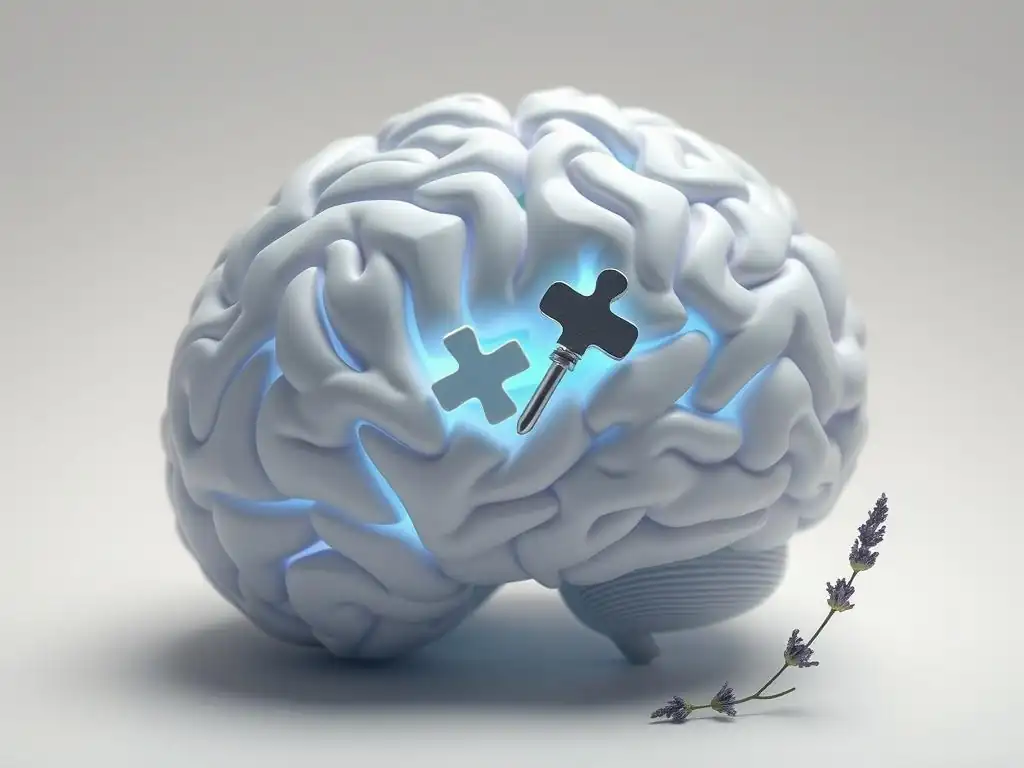
The persistent popularization of the "chemical imbalance" theory has led to several common misconceptions about depression and its treatment. It's crucial to address these inaccuracies to promote a more accurate understanding of mental health and encourage effective help-seeking. A clear mental health chemical imbalance explanation often misses the nuances, leading to these misunderstandings.
Understanding the realities behind these myths helps to demystify depression and highlights the importance of a comprehensive, personalized approach to care. It reinforces that depression is a real and serious illness, but one that is complex and treatable through various means, not just by correcting a single chemical issue.
Myth 1: Depression is Solely a Result of a Chemical Imbalance
This is perhaps the most pervasive misconception. As discussed throughout this article, depression is not caused by a simple deficiency or excess of one or more neurotransmitters. While neurochemical changes are involved, they are part of a larger, more complex picture. This myth oversimplifies brain function and ignores the significant roles of genetics, environmental factors, psychological processes, and even inflammation.
The evidence does not support a model where depression is directly caused by low levels of serotonin or other neurotransmitters that can be simply measured and corrected. Research indicates that changes in brain circuitry, receptor sensitivity, and the dynamic interplay between multiple biological systems and external influences are more likely contributors. Reducing depression to a single chemical cause is scientifically inaccurate and can be misleading for those trying to understand their experience.
The reality is that depression arises from a complex interaction between an individual's genetic vulnerability, their life experiences (including trauma and stress), their psychological makeup (cognitive styles, coping mechanisms), and their social environment. Biological factors like neurotransmitter function, brain structure, and inflammation are involved, but they are influenced by and interact with psychological and social elements.
For example, chronic stress (social/environmental factor) can alter the function of the HPA axis and neurotransmitter systems (biological factors), leading to negative thought patterns (psychological factors) that maintain the depressive state. Effective treatment must therefore address multiple factors, not just attempt to "fix" a single biological component. A holistic approach that integrates therapy, medication, lifestyle changes, and social support is often the most effective way to manage depression.
Myth 2: Antidepressants "Fix" a Chemical Imbalance and Cure Depression
Antidepressants are valuable tools in treating depression for many individuals, but they do not simply "fix" a chemical imbalance or "cure" the condition in the way that insulin treats diabetes. Their mechanism of action is more complex and involves long-term adaptations in brain function and neuroplasticity, not just an immediate correction of neurotransmitter levels. While they can alleviate symptoms, they don't eradicate the underlying vulnerability or the psychological and environmental factors that contributed to the depression.
Antidepressants can help lift mood, increase energy, and improve sleep, making it possible for individuals to engage in other therapeutic activities like psychotherapy or making positive lifestyle changes. However, they are typically a management tool, not a cure. Many people require ongoing treatment, and discontinuation can lead to relapse. Furthermore, a significant percentage of people with depression do not achieve full remission with antidepressants alone, highlighting that other factors need to be addressed.
Reality: Antidepressants can alleviate symptoms, but they don't "cure" depression, and their effects are more complex than simply correcting a chemical imbalance.
Antidepressants work by influencing neurotransmitter systems, but the resulting clinical benefits, which often take weeks to appear, involve complex downstream effects. These include changes in the sensitivity and number of neurotransmitter receptors, alterations in intracellular signaling pathways, and the promotion of neuroplasticity – the growth and strengthening of neural connections. These adaptive changes in brain function are thought to underpin the therapeutic effects.
Antidepressants are best understood as facilitating the brain's ability to recover and function more effectively, rather than simply topping up a deficient chemical. They can significantly reduce the severity of symptoms for many people, allowing them to regain function and benefit from other forms of support and therapy. However, they do not address the root causes of depression in a simple way and are most effective when part of a broader, integrated treatment plan that includes psychological and lifestyle interventions.
Myth 3: Everyone with Depression Has the Same "Chemical Imbalance"
The idea that all individuals with depression share the same underlying neurochemical problem is entirely unsupported by research and clinical observation. Depression is a heterogeneous disorder, meaning it manifests differently in different people. Symptoms can vary widely, and the specific biological, psychological, and environmental factors contributing to the illness likely differ significantly from one person to the next.
If a single mental health chemical imbalance explanation were true for everyone, we would expect all individuals with depression to respond similarly to treatments targeting that specific imbalance, like SSRIs. However, response rates to any single antidepressant are variable, with many individuals requiring trials of different medications or combinations of treatments to find relief. This variability in presentation and treatment response strongly indicates that the underlying neurobiological profiles and contributing factors are not uniform.
Reality: Depression manifests differently in individuals, and the underlying neurobiological mechanisms can vary significantly.
Clinical experience shows that depression presents along a spectrum with diverse symptom profiles. Some individuals primarily experience low mood and anhedonia, while others struggle more with anxiety, irritability, or physical symptoms like fatigue and pain. Similarly, the neurobiological underpinnings are likely diverse. While dysregulation in systems like serotonin, norepinephrine, and dopamine is generally implicated, the specific patterns of dysregulation, the brain regions involved, and the influence of genetic variations and life experiences can differ considerably.
Research is increasingly focused on identifying subtypes of depression based on symptom clusters, biological markers (like inflammatory markers or patterns of brain activity), and response to different treatments. This move towards personalized medicine acknowledges that the pathways leading to depression are varied and that effective treatment requires understanding the specific factors at play for each individual, rather than assuming a universal "chemical imbalance."
The Future of Depression Understanding: Moving Beyond Simplistic Explanations
The scientific understanding of depression is constantly evolving, moving decisively away from the simplistic mental health chemical imbalance explanation towards a more integrated and complex model. Future research is focused on unraveling the intricate interplay of genetic, environmental, neural circuit, and inflammatory factors. This deeper understanding holds the promise of developing more targeted and effective treatments tailored to the specific biological and psychological profiles of individuals with depression.
Beyond research, the future of depression care lies in improving mental health literacy among the public and healthcare providers, reducing the persistent stigma associated with the illness, and empowering individuals to seek and access comprehensive, personalized care. This involves recognizing depression as a real illness with complex causes, advocating for evidence-based treatments that address multiple facets of the condition, and fostering environments where individuals feel supported in their journey towards recovery.
Research Advancements: Exploring the Complexity of the Brain and Depression
Cutting-edge research technologies are providing unprecedented insights into the complexities of the brain in depression. Advanced neuroimaging techniques (like high-resolution fMRI and PET scans) allow researchers to study the structure, function, and connectivity of brain regions involved in mood regulation in living individuals. Genetic research continues to identify specific genes and pathways that confer vulnerability. Studies on inflammation and the gut-brain axis are revealing novel potential mechanisms.
Furthermore, research is exploring how different biological systems interact. For instance, how stress hormones influence neuroinflammation, or how genetic variations affect the response of neural circuits to environmental challenges. This research is paving the way for the development of novel therapeutic targets that go beyond traditional neurotransmitter systems, such as targeting inflammatory pathways, glutamate signaling, or promoting specific types of neuroplasticity. The goal is to understand the specific biological signatures associated with different forms of depression.
Promoting Mental Health Literacy and Reducing Stigma Around Depression
Improving mental health literacy is crucial for empowering individuals and communities. This involves educating the public about the true nature of depression – that it is a serious, complex illness influenced by multiple factors and that it is treatable. Moving away from the simplistic "chemical imbalance" narrative, while acknowledging the biological component, can help people understand that their struggles are not solely due to a perceived biological flaw, but are valid experiences shaped by a confluence of influences.
Reducing stigma requires open conversations about mental health, challenging misconceptions, and promoting empathy and understanding. When depression is understood as a complex interaction of factors, rather than just a chemical problem or a personal failing, it can reduce self-blame and encourage individuals to seek help without fear of judgment. Public health campaigns and educational initiatives play a vital role in shifting perceptions and fostering a more supportive environment for those affected by depression.
Empowering Individuals to Seek Comprehensive and Personalized Depression Care
Ultimately, the goal is to empower individuals experiencing depression to seek and receive care that is comprehensive and tailored to their unique needs. This means encouraging them to:
- Consult with healthcare professionals who understand the complex nature of depression.
- Advocate for a thorough assessment that considers biological, psychological, and social factors.
- Explore a range of evidence-based treatment options, including therapy, medication (if appropriate), and lifestyle interventions.
- Actively participate in their treatment planning and decision-making.
- Seek support from family, friends, and support groups.
- Recognize that recovery is a journey, often involving different steps and strategies over time.
Empowerment also involves ensuring access to affordable and quality mental healthcare that provides these comprehensive services. By understanding that their depression is complex and that there are multiple pathways to recovery, individuals can feel more hopeful and in control of their journey toward improved mental well-being.
Conclusion: Embracing a More Comprehensive View of Depression
The journey towards understanding depression has led us from early, simplistic hypotheses like the "chemical imbalance" theory to a far more nuanced and accurate appreciation of its complexity. While neurotransmitters are undoubtedly involved in brain function and mood regulation, reducing depression solely to a mental health chemical imbalance explanation fails to capture the intricate interplay of genetics, environmental influences, psychological factors, and biological processes that contribute to this debilitating condition.
Embracing a comprehensive, multifaceted view of depression is not just scientifically accurate; it is essential for effective treatment and support. It moves us beyond a one-size-fits-all approach and highlights the need for personalized care that addresses the unique constellation of factors contributing to each individual's experience. This holistic perspective validates the lived experience of those with depression and opens up a wider range of therapeutic possibilities, offering hope and pathways to recovery that extend far beyond simply adjusting brain chemistry.
Reaffirming the Importance of a Holistic and Individualized Approach to Depression
Depression is a real illness with profound impacts on individuals and society, affecting an estimated 5% of adults globally in any given year, according to WHO estimates. Recognizing its complexity is crucial for effective intervention. A holistic approach acknowledges that biological treatments, psychological therapies, lifestyle changes, and social support are not mutually exclusive but often work synergistically to promote recovery. Individualized care ensures that treatment plans are tailored to the specific needs, preferences, and circumstances of each person.
This perspective empowers individuals by recognizing their active role in recovery and validates their experiences by acknowledging the numerous factors influencing their mental health. It encourages healthcare providers to conduct thorough assessments and develop integrated treatment strategies. Ultimately, moving beyond the simplistic mental health chemical imbalance explanation fosters a more compassionate, effective, and hopeful approach to addressing one of the most pressing public health challenges of our time.
Call to Action: Encouraging Readers to Seek Support, Information, and Comprehensive Treatment for Depression
If you or someone you know is struggling with symptoms of depression, remember that you are not alone and help is available.
- Consult a healthcare professional for a comprehensive evaluation.
- Discuss your symptoms and history openly, including any potential contributing factors (stress, trauma, family history).
- Explore different treatment options, including psychotherapy, medication, and lifestyle adjustments.
- Ask questions about your diagnosis and treatment plan to ensure you understand the approach.
- Connect with support groups or trusted individuals who can offer understanding and encouragement.
- Remember that recovery is possible, and finding the right combination of strategies may take time and patience.
Understanding that depression is complex, not just a simple chemical imbalance, can be a powerful step towards seeking appropriate and effective care. Empower yourself with information and pursue a holistic, personalized path towards mental well-being.
Frequently Asked Questions
What is the main argument against the "chemical imbalance" theory of mental illness?
The main argument is that the "chemical imbalance" theory is an oversimplification of complex mental health conditions. It doesn't account for the multifactorial nature of these illnesses, which involve genetics, environment, and life experiences. It's a reductionist view.
If mental illness isn't simply a "chemical imbalance," what factors do contribute?
Many factors contribute, including genetics, environmental stressors, past trauma, and learned behaviors. These influence brain function and structure, leading to complex interactions that manifest as mental illness.
Does medication still play a role in mental health treatment if chemical imbalance isn't the sole cause?
Yes, medication can still be a valuable tool. While not solely addressing a "chemical imbalance," medications can help manage symptoms by influencing neurotransmitter activity and supporting overall brain function. They are most effective when combined with therapy and lifestyle changes.
What are some alternative explanations or models for understanding mental health conditions?
Alternative models include the biopsychosocial model, which considers biological, psychological, and social factors. Also, attachment theory and trauma-informed care offer valuable perspectives on the impact of early experiences on mental well-being.
Where can I find more comprehensive information and support for mental health challenges?
Resources include mental health professionals (therapists, psychiatrists), support groups, and reputable online platforms like Mind Care Guide. Look for organizations that offer evidence-based information and personalized support tailored to your specific needs.
Final Reflection: Beyond the Chemistry: Understanding the Nuances of Mental Illness
The simplistic notion of a "chemical imbalance" causing mental illness, while seemingly straightforward, drastically undersells the complexity of the human brain and the multifaceted nature of mental health struggles. This oversimplification not only hinders effective treatment but also perpetuates stigma and misunderstanding. We need to move beyond this outdated paradigm to foster genuine empathy and support for those experiencing mental health challenges.
The pervasive influence of the "chemical imbalance" myth is deeply concerning. It reduces individuals suffering from complex conditions to a mere chemical equation, ignoring the crucial roles of genetics, environment, trauma, and social factors. The mind is not a vessel to be filled, but a fire to be kindled.
– Plutarch. This quote highlights the dynamic and interactive nature of mental well-being, a concept lost in the reductionist approach of focusing solely on neurotransmitters. The ongoing impact of this misconception is evident in the societal reluctance to fully address the systemic issues contributing to mental health crises.
You, the reader, now possess a more nuanced understanding of the complexities surrounding mental illness. Consider how this new perspective might shift your own perceptions and interactions with those struggling. Challenge the simplistic narratives you encounter, advocate for comprehensive mental healthcare, and remember that empathy and understanding are crucial first steps in dismantling the stigma and fostering a more supportive environment for everyone. Let's work together to build a future where mental health is understood, valued, and treated with the respect and complexity it deserves.
Unlock Your Understanding of Mental Wellness
Thanks for taking the time to delve into the complexities of mental health with us! We hope you gained a clearer, more nuanced perspective on the causes behind mental health challenges. Now, let's turn that knowledge into action:
- Start a conversation: Share this article with someone who might benefit from a broader understanding of mental health. Challenge the simplistic narratives and foster a more informed discussion. This is often the most powerful step towards destigmatizing mental illness.
- Explore alternative perspectives: Research resources mentioned in the article, or seek out additional information from reputable organizations focusing on mental health research. Learn about the various factors that contribute to mental well-being.
- Reflect on your own understanding: Consider how this information impacts your own views on mental health and the support systems available to those struggling. What changes could you make in your own interactions or perspectives?
Ready to reshape the conversation around mental wellness? What new approach to understanding mental health will you explore next?