
The GutBrain Connection: More Than Just a Buzzword, It's Neuroscience

Welcome to Mind Care Guide.
Feeling overwhelmed by anxiety? You're not alone. But what if the key to calming your mind lies not just within your thoughts, but also in your gut? Intrigued? Dive into our in-depth exploration of gut brain connection benefits anxiety and discover the fascinating neuroscience that links your digestive system to your emotional well-being. Prepare to unlock a new understanding of your mental health journey.
- The Gut-Brain Connection: More Than Just a Buzzword, It's Neuroscience
- Understanding the Gut-Brain Connection: A Neuroscience Deep Dive
- Gut Microbiome and Mental Health: A Complex Relationship
- Gut Brain Connection Benefits Anxiety: Exploring the Scientific Evidence
- Diet and the Gut-Brain Connection: Nourishing Your Mental Health
- The Gut-Brain Connection and Anxiety: Practical Strategies for Improvement
- Beyond Anxiety: The Gut-Brain Connection's Impact on Other Mental Health Conditions
- Future Directions in Gut-Brain Research: Promising Avenues for Mental Health Treatment
-
Frequently Asked Questions
- What is the gut-brain connection, and how does it work?
- How does the gut microbiome impact anxiety levels?
- What are some gut-friendly foods that can help reduce anxiety?
- Can lifestyle changes, like exercise and stress management, impact the gut-brain connection and anxiety?
- Are there specific supplements that can help improve the gut-brain connection and reduce anxiety symptoms?
- Final Reflection: Unlocking the Mind-Gut Axis for Anxiety Relief
- Unlock Your Gut's Wisdom: Take Charge of Your Wellbeing
The Gut-Brain Connection: More Than Just a Buzzword, It's Neuroscience
Mind Care Guide's Perspective on the Gut-Brain Axis and Mental Well-being
At Mind Care Guide, we view mental well-being through a holistic lens, acknowledging the intricate interplay of biological systems. One of the most fascinating and increasingly recognized is the gut-brain axis. This complex communication network highlights that our mental state isn't solely governed by processes within the skull; it's profoundly influenced by the health and activity of our digestive system. Understanding this connection is crucial for developing comprehensive strategies for mental health support, moving beyond traditional approaches to embrace the body's interconnectedness.
The scientific community is rapidly uncovering the profound influence of the gut on brain function and, consequently, on mood, cognition, and behavior. This isn't abstract theory; it's grounded in neuroscience. Research shows bidirectional signaling pathways that allow the gut and brain to constantly communicate. For those seeking relief from conditions like anxiety, exploring the gut-brain connection offers promising avenues for intervention and support, suggesting that nurturing gut health can be a vital component of managing mental health challenges.
Understanding the Gut-Brain Connection: A Neuroscience Deep Dive
Defining the Gut-Brain Axis: The Two-Way Communication System
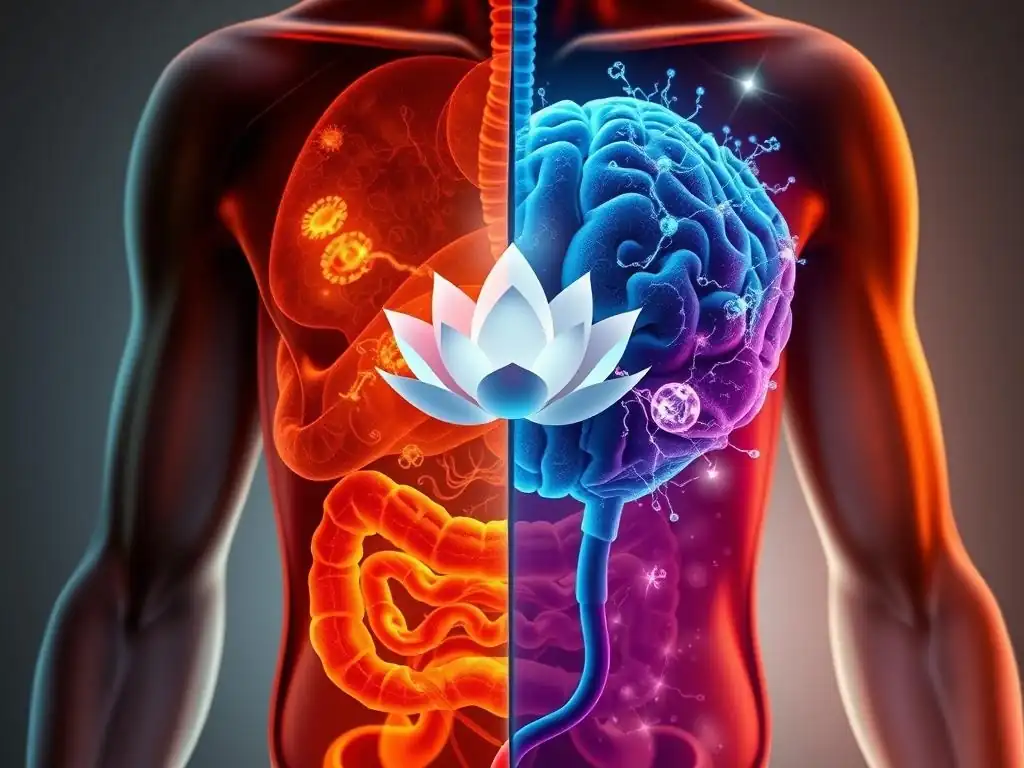
The gut-brain axis refers to the complex bidirectional communication network that exists between the central nervous system (CNS), which includes the brain and spinal cord, and the enteric nervous system (ENS), often called the "second brain," located in the gut. This axis involves multiple pathways: neural (like the vagus nerve), endocrine (hormones), and immune systems, as well as metabolic products from gut microbes. It's a constant dialogue, with signals traveling from the brain to the gut and, crucially, from the gut back to the brain, influencing everything from digestion to mood.
This intricate system ensures that the brain is aware of what's happening in the digestive tract and vice versa. For instance, stress signals from the brain can affect gut motility and permeability, leading to digestive discomfort. Conversely, signals originating from the gut, perhaps related to inflammation or the presence of certain metabolites, can reach the brain and influence neurotransmitter activity, potentially impacting mood and contributing to feelings of anxiety or stress. It's a dynamic partnership essential for maintaining homeostasis and influencing both physical and mental health.
The Role of the Vagus Nerve in Gut-Brain Communication
The vagus nerve, the tenth cranial nerve, is the primary neural highway in the gut-brain axis. It's the longest nerve in the autonomic nervous system, extending from the brainstem down through the neck, chest, and abdomen, connecting the brain to major organs, including the gut. Approximately 80-90% of the nerve fibers in the vagus nerve are afferent, meaning they transmit information from the gut to the brain, acting as a crucial messenger relaying signals about the state of the digestive system, such as distension, discomfort, or nutrient presence.
This direct neural link allows for rapid communication between the gut and the brain, bypassing slower hormonal pathways. Studies have shown that stimulating the vagus nerve can influence mood and anxiety levels, and conversely, stress and anxiety can alter vagal tone (the activity level of the vagus nerve). A higher vagal tone is generally associated with better emotional regulation and resilience to stress, highlighting the importance of this nerve in mediating the gut-brain connection benefits anxiety relief.
Neurotransmitters Produced in the Gut: Serotonin, Dopamine, and GABA
Many of the same neurotransmitters that regulate mood and cognition in the brain are also produced or influenced by cells in the gut. Serotonin, often called the "feel-good" neurotransmitter, is a prime example. While it's crucial for mood regulation in the brain, an astonishing 90% of the body's serotonin is produced in the gut, primarily by specialized cells called enterochromaffin cells, and also influenced by gut bacteria. This gut-derived serotonin plays a significant role in regulating gut motility and sensation, but it also signals to the brain via the vagus nerve, potentially impacting mood.
Beyond serotonin, other key neurotransmitters and neuroactive compounds are produced or modulated in the gut. Dopamine, involved in reward and motivation, is also found in the ENS. Gamma-aminobutyric acid (GABA), the primary inhibitory neurotransmitter in the brain known for its calming effects, can be produced by certain gut bacteria. These gut-produced neurochemicals contribute to the complex signaling within the gut-brain axis, offering a biological basis for how gut health can influence brain function and contribute to gut brain connection benefits anxiety management.
Gut Microbiome and Mental Health: A Complex Relationship
What is the Gut Microbiome and Why is it Important?
The gut microbiome refers to the vast community of microorganisms—trillions of bacteria, fungi, viruses, and other microbes—that inhabit our digestive tract, primarily the large intestine. This microbial ecosystem is incredibly diverse and dynamic, unique to each individual, and influenced by factors like diet, lifestyle, genetics, and medication. Far from being mere passengers, these microbes perform essential functions vital for human health, including digesting complex carbohydrates, synthesizing vitamins (like K and some B vitamins), and training the immune system.
The importance of the gut microbiome extends significantly beyond digestion. It plays a critical role in the gut-brain axis by producing various metabolites, such as short-chain fatty acids (SCFAs) like butyrate, propionate, and acetate, which can influence brain function and reduce inflammation. The microbiome also impacts the production of neurotransmitters and influences the permeability of the gut lining, affecting what enters the bloodstream and potentially reaches the brain. A healthy, diverse microbiome is increasingly recognized as fundamental not just for physical health but for optimal mental well-being.
The Influence of Gut Bacteria on Brain Function
Gut bacteria exert their influence on the brain through multiple pathways within the gut-brain axis. They can directly signal the brain via the vagus nerve, for example, by producing neurotransmitters or other neuroactive compounds. They also influence the immune system; since a significant portion of the body's immune cells reside in the gut, microbial signals can modulate inflammatory responses that affect brain health. Furthermore, the metabolites produced by bacteria, particularly SCFAs, can cross the blood-brain barrier and directly impact brain cells, influencing neurogenesis, synaptic function, and even behavior.
Research using germ-free animals (raised without microbes) and studies involving fecal microbiota transplantation (FMT) in humans and animals have provided compelling evidence for this influence. Germ-free mice often exhibit altered stress responses and social behaviors compared to conventional mice. FMT from anxious or depressed humans or animals to germ-free recipients has been shown to transfer behavioral traits, demonstrating a causal link between the gut microbiome and brain function, including aspects related to anxiety and mood regulation.
Dysbiosis and Mental Health: The Link Between Imbalance and Mood Disorders
Dysbiosis refers to an imbalance in the gut microbiome, characterized by a loss of beneficial bacteria, an increase in harmful microbes, or a reduction in overall microbial diversity. This imbalance can disrupt the normal functioning of the gut-brain axis. When dysbiosis occurs, it can lead to increased gut permeability (often called "leaky gut"), allowing inflammatory molecules and microbial products to enter the bloodstream and travel to the brain, potentially causing neuroinflammation.
Numerous studies have linked gut dysbiosis to various mental health conditions, including anxiety, depression, autism spectrum disorder, and even neurodegenerative diseases. For example, individuals with major depressive disorder or generalized anxiety disorder often show different microbial profiles compared to healthy controls, typically characterized by reduced diversity and altered ratios of specific bacterial groups. While correlation doesn't equal causation, research suggests that addressing dysbiosis through dietary changes, probiotics, or other interventions holds promise for improving mental health symptoms, contributing to the observed gut brain connection benefits anxiety reduction.
Gut Brain Connection Benefits Anxiety: Exploring the Scientific Evidence
How the Gut Microbiome Affects Anxiety Levels
The gut microbiome influences anxiety levels through several interconnected mechanisms within the gut-brain axis. Firstly, gut bacteria can influence the production and metabolism of neurotransmitters like serotonin, GABA, and dopamine, which play crucial roles in regulating mood and anxiety. An imbalanced microbiome might alter the availability or signaling of these compounds. Secondly, dysbiosis can lead to chronic low-grade inflammation in the gut, which can trigger systemic inflammation that affects the brain. Neuroinflammation is increasingly recognized as a contributor to anxiety and other mood disorders, disrupting neural circuits involved in emotional processing.
Furthermore, gut microbes produce SCFAs like butyrate, which have anti-inflammatory properties and can nourish brain cells. They also influence the integrity of the gut barrier, preventing the passage of toxins that could trigger inflammation. An unhealthy microbiome might produce fewer beneficial SCFAs or increase the production of pro-inflammatory molecules, exacerbating anxiety symptoms. The constant communication via the vagus nerve also means that signals from a distressed or imbalanced gut can directly convey stress signals to the brain, heightening feelings of anxiety.
Studies Linking Gut Health to Reduced Anxiety Symptoms
A growing body of scientific literature supports the notion that improving gut health can lead to reduced anxiety symptoms, highlighting the gut brain connection benefits anxiety relief. For example, a systematic review and meta-analysis published in Translational Psychiatry in 2019 analyzed 21 studies and found that regulating intestinal microbiota with probiotics or other means had a positive effect on anxiety symptoms, particularly in individuals with diagnosed anxiety disorders. While the effect size varied, the overall trend pointed towards a beneficial impact.
Another study published in Psychiatry Research in 2017 found that consuming a specific multi-strain probiotic supplement for just 4 weeks led to significant reductions in cognitive reactivity to sad mood, a marker associated with vulnerability to depression and anxiety, compared to a placebo group. Animal models have also shown that transferring microbiota from stress-resilient mice to stress-vulnerable mice can improve anxiety-like behaviors. These findings, while needing further large-scale human trials, provide compelling evidence that targeting the gut microbiome is a valid strategy for potentially mitigating anxiety.
The Impact of Inflammation on the Gut-Brain Axis and Anxiety
Inflammation is a key mediator in the gut-brain axis and plays a significant role in the link between gut health and anxiety. When the gut barrier is compromised due, for instance, to dysbiosis, poor diet, or stress, it can become more permeable. This increased permeability allows components of bacteria (like lipopolysaccharide, LPS) and inflammatory molecules to leak into the bloodstream, a phenomenon sometimes referred to as metabolic endotoxemia. These substances can then travel throughout the body, including to the brain, triggering an inflammatory response there.
Neuroinflammation, or inflammation in the brain, can disrupt the function of neurons and glial cells, alter neurotransmitter systems, and impair the activity of brain regions involved in regulating mood and fear responses, such as the amygdala and prefrontal cortex. Chronic low-grade inflammation, often originating from the gut, is increasingly implicated in the pathophysiology of anxiety disorders and depression. Therefore, strategies aimed at reducing gut inflammation, such as improving gut barrier function and cultivating a healthy microbiome, are seen as promising ways to interrupt this inflammatory pathway and contribute to the gut brain connection benefits anxiety reduction.
Diet and the Gut-Brain Connection: Nourishing Your Mental Health
The Best Foods for a Healthy Gut Microbiome and Reduced Anxiety
Nourishing your gut microbiome through diet is one of the most effective and accessible ways to influence the gut-brain axis and potentially reduce anxiety. Foods rich in fiber, particularly fermentable fibers, are essential as they serve as prebiotics – food for beneficial gut bacteria. Examples include vegetables like asparagus, garlic, onions, leeks, and artichokes, as well as fruits, legumes, and whole grains. These fibers are fermented by gut microbes into beneficial short-chain fatty acids (SCFAs), which have anti-inflammatory effects and support brain health.
Incorporating fermented foods that contain live and active cultures (probiotics) can also be beneficial. Examples include yogurt with live cultures, kefir, sauerkraut, kimchi, and kombucha. These foods introduce beneficial bacteria directly into the gut. Additionally, foods rich in omega-3 fatty acids, like fatty fish (salmon, mackerel), flaxseeds, and walnuts, are known for their anti-inflammatory properties, which can benefit both gut and brain health, contributing to the overall gut brain connection benefits anxiety management.
Foods to Avoid for Optimal Gut-Brain Function and Mood
Just as certain foods nourish the gut, others can disrupt the microbiome and potentially exacerbate anxiety. Highly processed foods, often low in fiber and high in unhealthy fats, sugar, and artificial additives, can negatively impact gut diversity and promote the growth of less beneficial bacteria. Excessive consumption of added sugars, in particular, can fuel certain types of bacteria that may produce inflammatory byproducts and contribute to dysbiosis.
Avoiding excessive amounts of saturated and trans fats found in fried foods, processed snacks, and red meat can also be helpful, as these fats have been linked to inflammation. While individual tolerance varies, reducing intake of artificial sweeteners and emulsifiers, often found in processed foods, is also frequently recommended, as some studies suggest they can negatively alter the gut microbiome composition. Limiting alcohol intake is also important, as it can irritate the gut lining and disrupt the microbial balance.
Prebiotics and Probiotics: Enhancing Gut Health for Mental Well-being
Prebiotics and probiotics are two key dietary components specifically targeted at improving gut health, with potential flow-on effects for mental well-being. Prebiotics are non-digestible fibers that selectively stimulate the growth and activity of beneficial bacteria already residing in the gut. Found in foods like chicory root, garlic, onions, and green bananas, they essentially feed the good microbes, helping them thrive and produce beneficial metabolites like SCFAs.
Probiotics are live microorganisms that, when administered in adequate amounts, confer a health benefit on the host. They can be consumed through fermented foods or dietary supplements. Different strains of probiotics have different effects; some have been specifically studied for their psychobiotic properties, meaning they have a potential positive impact on mental health, including reducing anxiety. While research is ongoing to identify the most effective strains for specific conditions, incorporating a variety of prebiotic and probiotic sources into the diet is a common strategy for supporting a healthy gut-brain axis and enhancing the gut brain connection benefits anxiety reduction.
The Gut-Brain Connection and Anxiety: Practical Strategies for Improvement
Stress Management Techniques to Support Gut Health and Reduce Anxiety
Given the bidirectional nature of the gut-brain axis, managing stress is a crucial strategy for improving both gut health and anxiety levels. Chronic stress can negatively impact the gut microbiome, increase gut permeability, and alter gut motility. Techniques that activate the parasympathetic nervous system, often referred to as the "rest and digest" system, can help counteract the effects of stress on the gut.
Practices such as deep diaphragmatic breathing, meditation, yoga, mindfulness, and progressive muscle relaxation have been shown to reduce stress hormones like cortisol and adrenaline, which can have detrimental effects on the gut. Regular engagement in these activities can help calm the nervous system, improve vagal tone, and create a more favorable environment for beneficial gut bacteria. Prioritizing stress management is therefore an integral part of leveraging the gut brain connection benefits anxiety relief.
Lifestyle Changes That Can Positively Impact the Gut-Brain Axis
Beyond diet and stress management, several other lifestyle factors significantly influence the gut-brain axis. Regular physical activity, for instance, has been shown to increase the diversity and health of the gut microbiome. Even moderate exercise, like brisk walking for 30 minutes several times a week, can have positive effects on gut microbial composition and function, potentially reducing gut inflammation and improving mood.
Adequate and quality sleep is another critical factor. Sleep disruption can negatively impact the gut microbiome and increase gut permeability, potentially contributing to inflammation and anxiety. Aiming for 7-9 hours of consistent, restful sleep per night supports both overall health and the delicate balance of the gut-brain axis. Limiting antibiotic use when not medically necessary is also important, as antibiotics can significantly disrupt the gut microbiome, sometimes for extended periods.
Identifying and Addressing Underlying Gut Issues That May Contribute to Anxiety
For individuals experiencing persistent anxiety that might be linked to gut health, it can be beneficial to identify and address underlying gut issues. Conditions like Irritable Bowel Syndrome (IBS), Small Intestinal Bacterial Overgrowth (SIBO), or inflammatory bowel diseases (IBD) are frequently associated with higher rates of anxiety and often involve gut dysbiosis and inflammation. A significant percentage, perhaps up to 50% or more, of individuals with IBS report experiencing anxiety or depression.
Working with a healthcare professional, such as a gastroenterologist, registered dietitian nutritionist specializing in gut health, or an integrative medicine practitioner, can help diagnose specific gut conditions. Testing might involve stool analysis to assess microbial composition and diversity, breath tests for SIBO, or evaluations for food sensitivities. Addressing these specific issues through targeted dietary changes (like a low-FODMAP diet for IBS), probiotics, or other therapies can significantly improve gut health and, in turn, reduce anxiety symptoms, further demonstrating the practical gut brain connection benefits anxiety management offers.
Beyond Anxiety: The Gut-Brain Connection's Impact on Other Mental Health Conditions
The Gut-Brain Axis and Depression: Exploring the Connection
The link between the gut-brain axis and depression is perhaps one of the most heavily researched areas after anxiety. Individuals with depression frequently exhibit alterations in their gut microbiome compared to non-depressed individuals, often showing reduced diversity and different proportions of certain bacterial species. Inflammation, potentially originating from gut dysbiosis, is also strongly implicated in the development and maintenance of depressive symptoms.
Gut microbes can influence depression through similar pathways as anxiety, including modulating neurotransmitter production (like serotonin and dopamine, crucial for mood), influencing the hypothalamic-pituitary-adrenal (HPA) axis (the body's stress response system), and generating inflammatory signals that affect brain function. Studies involving probiotic supplementation and dietary interventions aimed at improving gut health have shown promise in alleviating depressive symptoms in some individuals, suggesting that targeting the gut-brain axis could be a valuable adjunctive strategy in depression treatment.
The Role of the Gut in Cognitive Function and Mental Clarity
The gut-brain connection extends beyond mood regulation to influence cognitive function, including memory, learning, and mental clarity. The same metabolites and inflammatory pathways that impact mood can also affect areas of the brain responsible for cognitive processes. For instance, SCFAs like butyrate have been shown to support neurogenesis (the creation of new brain cells) and improve synaptic plasticity, which is vital for learning and memory.
Conversely, gut dysbiosis and resulting neuroinflammation can impair cognitive function, sometimes referred to as "brain fog." Conditions associated with gut issues, such as Celiac disease or non-celiac gluten sensitivity, which involve gut inflammation, are often linked to cognitive complaints. Maintaining a healthy gut microbiome through diet and lifestyle appears to support optimal brain function and mental acuity, contributing to overall mental well-being.
Potential Therapeutic Applications Targeting the Gut-Brain Axis for Mental Disorders
The growing understanding of the gut-brain axis is opening up exciting new possibilities for therapeutic interventions for a range of mental health conditions. Instead of solely focusing on brain chemistry, future treatments may involve manipulating the gut microbiome or enhancing gut-brain communication pathways. This could include targeted probiotic or prebiotic therapies designed to introduce or nourish specific beneficial bacteria.
Other potential interventions include fecal microbiota transplantation (FMT) in specific cases, though this is still largely experimental for mental health conditions, and dietary interventions tailored to an individual's specific microbial profile. Pharmaceutical developments may also emerge that target specific gut-derived molecules or receptors involved in gut-brain signaling. These approaches offer a promising new frontier in mental health treatment, complementing existing pharmacological and psychotherapeutic strategies.
Future Directions in Gut-Brain Research: Promising Avenues for Mental Health Treatment
Emerging Therapies Targeting the Gut Microbiome for Anxiety and Depression
Research into the gut-brain axis is rapidly identifying novel therapeutic targets within the microbiome itself for conditions like anxiety and depression. One area of focus is the development of "psychobiotics" – probiotics or prebiotics that, when ingested, produce specific mental health benefits. Scientists are working to identify the exact strains of bacteria or types of fibers that are most effective for particular symptoms, such as reducing anxiety or improving mood. For example, certain Lactobacillus and Bifidobacterium strains have shown promise in preliminary studies for their anxiolytic effects.
Another exciting avenue is the development of postbiotics, which are the beneficial metabolites produced by gut bacteria, such as specific SCFAs or neurotransmitter precursors. Delivering these active compounds directly could bypass the need to modify the entire microbial community. Furthermore, researchers are exploring bacteriophages (viruses that infect bacteria) or other methods to selectively remove harmful bacteria that contribute to dysbiosis and inflammation, paving the way for highly targeted gut-based therapies for mental health.
Personalized Approaches to Gut Health for Mental Well-being
Recognizing that each individual's gut microbiome is unique, the future of gut-brain axis interventions is likely to move towards personalized approaches. Just as genetic testing can inform medical treatment, analyzing an individual's specific microbial composition and function through advanced sequencing technologies could allow for tailored dietary recommendations, specific probiotic or prebiotic formulations, or other interventions designed to address their unique gut imbalances.
This personalized approach would move beyond general recommendations to provide targeted strategies based on an individual's specific microbial deficiencies or overgrowths that might be contributing to their anxiety or other mental health symptoms. Understanding how an individual's genetics, lifestyle, and existing conditions interact with their microbiome will be key to unlocking the full potential of the gut brain connection benefits anxiety and overall mental health.
The Importance of Continued Research in Understanding the Gut-Brain Connection
Despite the significant progress made in recent years, our understanding of the gut-brain axis and its profound influence on mental health is still evolving. Continued research is essential to fully elucidate the complex mechanisms involved, identify specific microbial targets, and develop safe and effective therapies. Large-scale, well-controlled human studies are needed to confirm findings from animal models and smaller trials, establishing clear causal links and optimal intervention strategies.
Further investigation into the roles of specific bacterial strains, viruses, fungi, and their metabolites is crucial. Research also needs to explore how factors like diet, stress, sleep, exercise, and medications interact with the gut microbiome over the lifespan. Supporting ongoing scientific inquiry into the gut-brain connection is vital for developing innovative, evidence-based approaches to prevent and treat anxiety, depression, and other mental health conditions, ultimately improving the lives of countless individuals.
Frequently Asked Questions
What is the gut-brain connection, and how does it work?
The gut-brain connection is a bidirectional communication system between the digestive system and the brain. It involves neural, hormonal, and immunological pathways that influence both gut function and mental health.
How does the gut microbiome impact anxiety levels?
An imbalance in the gut microbiome, known as dysbiosis, can trigger inflammation and affect neurotransmitter production, potentially increasing anxiety symptoms. A healthy gut microbiome is associated with improved mental well-being.
What are some gut-friendly foods that can help reduce anxiety?
Foods rich in probiotics, like yogurt and kefir, and prebiotics, such as fruits and vegetables, can promote a healthy gut microbiome. This, in turn, can reduce anxiety by influencing neurotransmitter production.
Can lifestyle changes, like exercise and stress management, impact the gut-brain connection and anxiety?
Yes, lifestyle factors like regular exercise and stress management can positively influence both gut health and mental well-being. Reducing chronic stress can improve gut function and lower anxiety.
Are there specific supplements that can help improve the gut-brain connection and reduce anxiety symptoms?
Certain probiotic supplements and omega-3 fatty acids may support a healthy gut microbiome and potentially alleviate anxiety symptoms. Consult with a healthcare professional before starting any new supplements.
Final Reflection: Unlocking the Mind-Gut Axis for Anxiety Relief
The intricate relationship between our gut and brain is no longer a fringe theory; it's a cornerstone of modern neuroscience, offering profound implications for understanding and treating anxiety. The research presented throughout this article highlights the undeniable link between gut health and mental well-being, demonstrating that nurturing our microbiome can significantly impact our emotional landscape. This isn't just about feeling better; it's about unlocking a powerful pathway to alleviate anxiety and improve overall mental health.
The exploration of the gut-brain axis has profoundly shifted my understanding of anxiety, moving beyond simplistic solutions to a more holistic and nuanced perspective. It's a reminder that our bodies are interconnected ecosystems, and neglecting one part inevitably impacts the whole. The gut is the second brain,
a phrase often used, is more than a metaphor; it's a reflection of the complex bidirectional communication system that governs our physical and mental states. This understanding encourages a more compassionate and comprehensive approach to mental health, recognizing the vital role of gut health in overall well-being.
Consider the power you hold in shaping your own mental health. By consciously making choices that support a healthy gut microbiome – through diet, lifestyle, and potentially targeted interventions – you are actively investing in your mental resilience. This isn't about a quick fix, but about cultivating a long-term relationship with your body, fostering a harmonious balance between mind and gut. Take the first step today. Explore the possibilities, research the options, and begin your journey towards a healthier, happier, and more anxiety-free you.
Unlock Your Gut's Wisdom: Take Charge of Your Wellbeing
Thanks for diving into the fascinating world of the gut-brain connection! We hope you gained a clearer understanding of how your gut health impacts your mental and physical wellbeing. Now it's time to put this knowledge into action.
Here's how you can start nurturing your gut-brain axis today:
- Prioritize prebiotic and probiotic-rich foods: Make a grocery list this week focusing on fermented foods (kefir, sauerkraut) and fiber-rich vegetables. This simple change can significantly impact your gut microbiome.
- Try a mindful eating exercise: Take 5 minutes today to savor a meal, paying attention to the textures, tastes, and smells. This cultivates a positive gut-brain connection.
- Share your experience: Tell us – and your friends – what you've learned about your gut health. What surprised you the most?
What small step will you take today to improve your gut health and unlock its full potential?