
Common Biofeedback Mistakes to Avoid When Managing Anxiety at Home

Welcome to Mind Care Guide, your trusted companion on your journey to mental well-being.
Feeling overwhelmed by anxiety? You're not alone. Many are exploring biofeedback anxiety management techniques for relief, but often stumble on common pitfalls. In this guide, we'll shed light on those hidden mistakes and empower you to navigate your healing process with confidence. Curious to know if you're on the right track? Read on and unlock the secrets to effective biofeedback at home.
Common Biofeedback Mistakes to Avoid When Managing Anxiety at Home
- Introduction: Unlock Anxiety Relief with Biofeedback (and Avoid These Pitfalls)
- Understanding Biofeedback for Anxiety: A Quick Primer
- Mistake #1: Ignoring the Instructions and Proper Training
- Mistake #2: Expecting Instant Results: The Biofeedback Anxiety Management Patience Game
- Mistake #3: Focusing Solely on the Numbers and Ignoring the Feeling
- Mistake #4: Using Biofeedback as a Replacement for Professional Help
- Mistake #5: Not Calibrating the Device Correctly
- Optimizing Your Biofeedback Anxiety Management Techniques: A Summary
-
Frequently Asked Questions
- What is biofeedback, and how does it relate to anxiety management?
- What are some common mistakes people make when starting with biofeedback for anxiety at home?
- What type of equipment is typically needed for biofeedback anxiety management at home?
- How often should I practice biofeedback to see noticeable improvements in my anxiety levels?
- Where can I find reliable resources or guidance to avoid making mistakes with biofeedback for anxiety?
- Final Reflection: Mastering Biofeedback for Anxiety-Free Living
- Unlock Your Anxiety-Free Potential: Simple Steps to Biofeedback Success
Introduction: Unlock Anxiety Relief with Biofeedback (and Avoid These Pitfalls)
Anxiety is a pervasive challenge for millions, impacting daily life and overall well-being. While professional support is vital, many individuals seek complementary methods to gain control over their symptoms. Biofeedback, particularly with accessible home devices, has emerged as a promising tool in this journey, offering a way to visualize and influence physiological responses often linked to anxiety, such as heart rate, skin temperature, or muscle tension. By understanding these internal signals, individuals can learn to regulate them, effectively enhancing their biofeedback anxiety management techniques.
However, simply acquiring a device isn't a magic bullet. The path to effective anxiety management with biofeedback is paved with potential missteps. Recognizing and avoiding these common errors is crucial for maximizing the benefits of home biofeedback devices. This guide will walk you through some of the most frequent mistakes people make when using biofeedback for anxiety relief at home, providing insights and practical advice to help you navigate your practice successfully and truly leverage these powerful biofeedback anxiety management techniques.
Understanding Biofeedback for Anxiety: A Quick Primer
What is Biofeedback and How Does it Help with Anxiety?
Biofeedback is a mind-body technique that teaches you how to control bodily functions, such as heart rate, breathing, and muscle tension, using signals from your own body. Sensors connected to a device measure these physiological responses and display them in real-time, often on a screen as graphs, numbers, or sounds. This immediate feedback allows you to become aware of bodily processes that are usually involuntary. For someone experiencing anxiety, these signals often reflect heightened physiological arousal – a rapid heart rate, shallow breathing, tense muscles, or cold hands.
By seeing or hearing these signals change as you try different relaxation or breathing exercises, you learn which techniques are most effective in calming your nervous system. Over time, with practice using biofeedback anxiety management techniques, you can learn to reproduce these calming responses without the device, gaining a greater sense of control over your body's reaction to stress and anxiety triggers. This process builds a powerful connection between your mental state and physical responses, enabling more effective self-regulation.
Home Biofeedback Devices: A Convenient Anxiety Management Tool
The evolution of technology has brought biofeedback out of clinical settings and into the home with increasingly accessible devices. These range from simple apps using smartphone cameras to estimate heart rate variability (HRV) to more sophisticated wearable sensors that track multiple parameters like skin conductance (related to sweat and stress levels), temperature, or even electroencephalography (EEG) to monitor brainwave patterns. The convenience of home biofeedback devices allows for regular practice, which is essential for developing effective biofeedback anxiety management techniques.
Using biofeedback at home means you can integrate sessions into your daily routine, practicing in the environment where you most often experience anxiety. This regular, accessible practice helps reinforce the learned skills, making them more automatic when faced with real-world stressors. While home devices may not always offer the multi-channel sophistication of clinical equipment, they provide valuable, actionable feedback that can significantly support your journey toward managing anxiety more effectively.
Mistake #1: Ignoring the Instructions and Proper Training

Why Following Biofeedback Device Instructions is Crucial
Every biofeedback device, whether it's a simple finger sensor for heart rate or a more complex unit measuring multiple signals, comes with specific instructions for setup, placement, and usage. Ignoring these guidelines is a primary reason users fail to get accurate readings or achieve desired results.
For instance, placing a skin conductance sensor incorrectly on the skin might lead to erratic data that doesn't reflect your true stress level. Similarly, not understanding how to properly attach an HRV sensor can result in noisy or unreliable data, making it impossible to track your progress accurately when practicing biofeedback anxiety management techniques.
Proper setup ensures the device is measuring what it's supposed to measure under the right conditions. This foundational step is non-negotiable for effective biofeedback practice. Think of it like learning to drive – you wouldn't just jump in and go; you'd read the manual and understand the controls. With biofeedback, the "controls" are your body's signals, and the "manual" is the device's instructions. Adhering strictly to these guidelines provides the clean, reliable data necessary for effective learning and successful biofeedback anxiety management techniques.
The Importance of Guided Training or Therapy
While home devices offer convenience, they often lack the personalized guidance a trained biofeedback therapist provides. A therapist can help you understand what the data means in the context of your specific anxiety symptoms, teach you effective relaxation or breathing techniques tailored to your needs, and guide you on how to use the biofeedback data to refine those techniques. For example, a therapist might help you see how focusing on a 6-breath-per-minute pace specifically impacts your HRV, a key metric in biofeedback anxiety management techniques.
Even if you don't commit to a full course of therapy, a few sessions or even consulting with a professional before starting home practice can be invaluable. They can demonstrate proper sensor placement, explain how to interpret the feedback displays, and help you set realistic goals. Many device manufacturers also offer support resources or tutorials; utilizing these can bridge the gap between simply having a device and knowing how to use it effectively as part of your anxiety management strategy. Investing time in understanding and getting guidance significantly boosts the potential benefits.
Mistake #2: Expecting Instant Results: The Biofeedback Anxiety Management Patience Game
Understanding the Time Commitment for Biofeedback to Work
One of the most common reasons people abandon biofeedback is expecting immediate, dramatic results. Managing anxiety is a skill, and like any skill – whether learning a musical instrument or a new language – it requires consistent practice over time. You wouldn't expect to play a complex piece after one piano lesson, and similarly, you shouldn't expect your anxiety to vanish after a single biofeedback session. Learning to consciously regulate physiological responses takes repetition and patience.
Many individuals report noticing subtle changes in their ability to relax within a few weeks of consistent daily practice, perhaps 10-20 minutes per day. However, significant, lasting changes in anxiety levels often require several months of dedicated effort. Clinical studies on biofeedback for anxiety typically involve 8-15 sessions, often spread over 2-4 months, to achieve substantial reductions in symptoms. Home practice mirrors this need for sustained effort. Setting realistic expectations about the timeline is crucial for maintaining motivation and effectively applying biofeedback anxiety management techniques.
Tracking Your Progress and Celebrating Small Wins
Because progress with biofeedback can be gradual, it's easy to get discouraged if you're only looking for major shifts. A key strategy to combat this is tracking your progress and acknowledging small improvements. Most biofeedback devices and apps provide session summaries or historical data. Pay attention not just to your current session's peak relaxation score, but look at trends over weeks. Perhaps your average heart rate during relaxation has dropped slightly, or your skin temperature is consistently warmer than when you started.
- Task List for Tracking Progress:
- [ ] Log daily practice time.
- [ ] Note key metrics (e.g., average heart rate, HRV score, skin conductance).
- [ ] Journal your subjective feeling before and after each session.
- [ ] Review weekly or monthly trends in the data.
- [ ] Celebrate any measurable improvement, no matter how small.
Recognizing these incremental gains helps build confidence and reinforces the value of your practice. It shifts the focus from the ultimate goal (complete anxiety relief) to the process of learning and self-improvement, which is fundamental to effective biofeedback anxiety management techniques.
Mistake #3: Focusing Solely on the Numbers and Ignoring the Feeling
Beyond the Data: Connecting with Your Body's Signals
Biofeedback devices provide quantitative data – numbers, graphs, charts. While this feedback is the core of the technique, fixating only on achieving certain scores or reaching specific numerical targets can be counterproductive. The purpose of the data is to help you learn what relaxation feels like in your body, not to become a performance metric in itself. For example, you might get great data readings during a session but still feel tense and anxious internally. This indicates a disconnect.
True mastery of biofeedback anxiety management techniques involves using the data as a guide to connect with your physical sensations. When the device shows your heart rate slowing or your skin temperature rising (indicators of relaxation), pay close attention to the physical and mental state accompanying those changes. What does that relaxed breathing feel like? Where do you feel tension releasing in your body? This internal awareness is what allows you to eventually reproduce the relaxed state without the device. The numbers are a map, but the territory is your body's internal landscape.
Combining Biofeedback with Mindfulness and Relaxation Techniques
Biofeedback is most effective when integrated with established relaxation practices. Techniques like deep diaphragmatic breathing, progressive muscle relaxation, guided imagery, or mindfulness meditation provide the methods for changing your physiological state, while biofeedback provides the feedback on how well those methods are working. Trying to change your numbers without actively employing a relaxation technique is like trying to steer a car without turning the wheel.
For instance, you might use a biofeedback device while practicing a 4-7-8 breathing technique. The device shows you how your HRV or heart rate responds to this specific breathing pattern. You can then adjust your pace or depth based on the feedback to find the most effective rhythm for you. Similarly, using biofeedback during a body scan meditation can highlight areas of tension you weren't consciously aware of. Combining these approaches enhances your biofeedback anxiety management techniques by linking conscious effort with objective physiological response.
Mistake #4: Using Biofeedback as a Replacement for Professional Help
Biofeedback as a Complement, Not a Substitute, for Anxiety Treatment
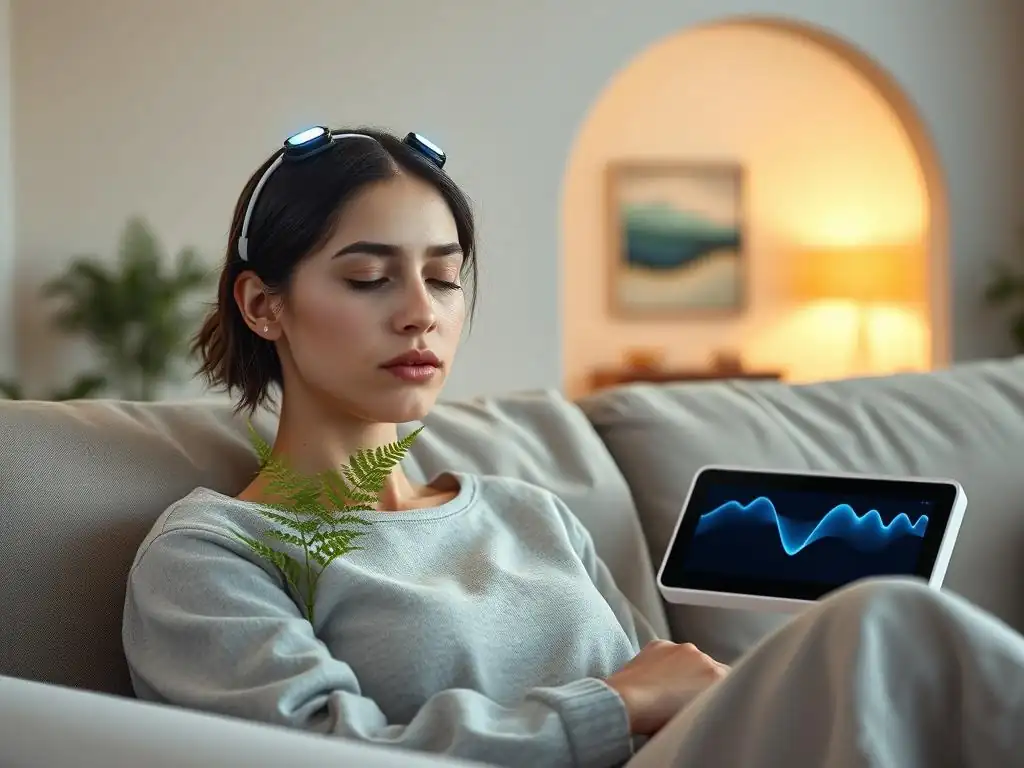
Home biofeedback devices are powerful tools for self-regulation and can be a valuable addition to an anxiety management plan. However, they are generally considered a complementary therapy, meaning they work best alongside other established treatments, not as a standalone replacement for professional mental health care. Anxiety, especially moderate to severe forms, often benefits from a multi-faceted approach that may include therapy (like Cognitive Behavioral Therapy or Exposure Therapy), medication, lifestyle changes, and professional guidance.
Relying solely on a biofeedback device while neglecting other recommended treatments or avoiding therapy could limit your overall progress. A therapist can help you explore the root causes of your anxiety, develop coping strategies for challenging situations, and address any underlying issues that biofeedback alone cannot resolve. Think of biofeedback as a skill-building tool within a larger therapeutic framework for managing anxiety.
When to Seek Professional Help: Recognizing the Signs of Severe Anxiety
It's crucial to recognize that while biofeedback can help manage symptoms, it's not a cure for severe anxiety disorders. If your anxiety is significantly impacting your daily life, relationships, or work, or if you experience panic attacks, persistent excessive worry, or avoidance behaviors that limit your activities, professional help is essential. Signs that warrant seeking professional evaluation include:
- Intense worry that is difficult to control on most days for six months or more (Generalized Anxiety Disorder criteria).
- Recurrent, unexpected panic attacks.
- Significant avoidance of situations due to fear.
- Anxiety leading to suicidal thoughts or self-harm ideation.
A mental health professional can provide an accurate diagnosis, recommend appropriate treatment plans, and determine how biofeedback might fit into a comprehensive strategy for your specific needs. Using biofeedback anxiety management techniques should support, not replace, this vital professional care.
Mistake #5: Not Calibrating the Device Correctly
The Importance of Proper Device Calibration for Accurate Readings
Calibration is a critical step often overlooked by home biofeedback users. Calibration involves setting a baseline or ensuring the device is accurately measuring your specific physiological signals in a resting state. Without proper calibration, the feedback you receive might be inaccurate or misleading, making it difficult to learn how to effectively influence your body's responses. For example, a skin conductance sensor might need to establish your typical baseline sweat level before it can accurately show changes indicative of stress or relaxation.
Many devices require you to sit quietly for a few minutes at the beginning of each session to establish this baseline. Ignoring this step or starting your practice immediately after strenuous activity or in a highly stressed state can skew the data. The device needs to know your "normal" or resting state at that moment to accurately show deviations and improvements as you practice your biofeedback anxiety management techniques. Always follow the device's specific calibration instructions precisely.
Troubleshooting Calibration Issues and Finding Support
If you suspect your device isn't calibrating correctly or the readings seem consistently off, don't just guess. Inaccurate data is worse than no data, as it can lead you to practice incorrectly or become frustrated. Common signs of calibration issues include:
- Consistently flatlining readings when you know your state is changing.
- Wildly erratic readings that don't correlate with your subjective feeling.
- The device failing to establish a baseline.
If you encounter calibration problems, first re-read the instruction manual carefully. Ensure you are placing the sensors correctly and are in a calm, quiet environment during the calibration period. If issues persist, contact the device manufacturer's customer support. They can provide specific troubleshooting steps, explain common errors for their particular model, or determine if there is a technical fault. Ensuring accurate readings through proper calibration is fundamental to effective biofeedback anxiety management techniques.
Optimizing Your Biofeedback Anxiety Management Techniques: A Summary
Mastering biofeedback for anxiety management at home is a rewarding process that empowers you to take an active role in your well-being. By avoiding common pitfalls such as neglecting instructions, expecting instant results, fixating solely on data, using biofeedback as a sole treatment, or skipping calibration, you significantly increase your chances of success.
Remember that effective biofeedback anxiety management techniques require patience, consistent practice, and an integrated approach that combines objective data with subjective awareness and often professional guidance. Embrace the journey of learning about your body and mind, and use biofeedback as a valuable tool to build resilience against anxiety.
Frequently Asked Questions
What is biofeedback, and how does it relate to anxiety management?
Biofeedback is a technique where you learn to control bodily functions, like heart rate or muscle tension. It's used for anxiety management by helping you become aware of and regulate your body's stress response.
What are some common mistakes people make when starting with biofeedback for anxiety at home?
A common mistake is expecting instant results. Also, trying to do it without proper guidance or equipment can be ineffective and frustrating. Finally, inconsistent practice will significantly hinder progress.
What type of equipment is typically needed for biofeedback anxiety management at home?
You might need a heart rate variability (HRV) monitor, a skin conductance sensor, or an electromyography (EMG) device. The choice depends on which physiological signals you want to monitor and control.
How often should I practice biofeedback to see noticeable improvements in my anxiety levels?
Consistency is key. Aim for regular practice sessions, ideally 15-30 minutes daily. Gradual improvements are more likely with consistent effort over time.
Where can I find reliable resources or guidance to avoid making mistakes with biofeedback for anxiety?
Consult with a qualified biofeedback therapist for personalized guidance. Look for reputable online resources and certified training programs to ensure you're using the techniques correctly.
Final Reflection: Mastering Biofeedback for Anxiety-Free Living
The pursuit of calm in our increasingly chaotic world is more crucial than ever, and mastering effective anxiety management techniques is no longer a luxury, but a necessity. Biofeedback, with its potential to empower individuals to regulate their own physiological responses, offers a powerful pathway to achieving this calm. However, as this article has highlighted, navigating the world of at-home biofeedback requires awareness and mindful practice to avoid common pitfalls.
The journey towards understanding and utilizing biofeedback for anxiety management is a deeply personal one. It's about recognizing the intricate connection between mind and body, and learning to gently guide the body towards a state of equilibrium. The body keeps the score,
as Bessel van der Kolk so eloquently puts it, reminding us that our physical sensations are inextricably linked to our emotional experiences. This understanding is paramount in successfully implementing biofeedback techniques and avoiding frustration. The subtle shifts in heart rate, muscle tension, and skin conductance, once understood, become powerful tools for self-regulation and lasting change.
Now, consider your own relationship with anxiety. What triggers your stress response? Where do you feel the tension manifest in your body? This article has provided you with the knowledge to avoid common mistakes; now, it's time to put that knowledge into practice. Embrace the journey of self-discovery that biofeedback offers. Start small, be patient with yourself, and celebrate every small victory along the way. The path to a calmer, more resilient you begins with a single, mindful breath – and the conscious application of the biofeedback techniques discussed here.
Unlock Your Anxiety-Free Potential: Simple Steps to Biofeedback Success
Thanks for taking the time to learn about effective biofeedback techniques! You've now equipped yourself with valuable knowledge to better manage your anxiety at home. Ready to put it into practice?
- Prioritize one technique: Start with the biofeedback method that resonated most with you from the article and commit to practicing it daily for a week. Even 10-15 minutes a day can make a significant difference.
- Share your progress: Connect with others on their anxiety management journey. Share your experience (good or bad) with a friend, family member, or in an online community dedicated to self-care and biofeedback.
- Track your emotions: Keep a simple journal to note how you feel before, during, and after your biofeedback practice. What patterns emerge? This will help you refine your approach.
What small, manageable step will you take today to integrate biofeedback into your self-care routine?